

Hidden Brittany Beaches Most Tourists Never Discover

The beautiful Brittany France beaches are kinda a hallmark of Brittany’s coast and some of the most stunning parts of the shoreline still remain off the beaten track.
Way behind steep cliffs, along the coasts trails, and tucked within secluded little bays, these solitary beaches give more than just tranquility and this amazing natural beauty— they also give you the chance to soak in the surroundings without the usual crowd, you know.
To really get the best out of your trip to Brittany’s hidden beaches, keep a few things in mind. They can guide you towards those rare little places, and it helps you enjoy them in a responsible way.
Key Takeaways
- Prioritize the best beaches Brittany offers, like Plage de l’Île Vierge, Plage des Grands Sables, and Plage de Tahiti for stunning, less-crowded experiences.
- A rental car is highly recommended for reaching secluded spots, though trains can get you to regional hubs.
- Opt for charming local accommodations, such as gîtes or chambres d’hôtes, for an authentic stay.
- Embrace the local culture by visiting fishing villages, exploring markets, and trying regional foods like crêpes and oysters.
- Visit during shoulder seasons (spring/autumn) or early mornings/late afternoons to avoid crowds and appreciate the natural beauty.
Discovering Brittany’s Secluded Shores
The Allure of Underrated Beaches
Brittany. I mean, just saying the name kinda pulls up these images—dramatic coast lines, old stories, and a culture that feels kind of, I don’t know, unmistakably separate. Most folks, they rush toward the same well traveled routes right away, but I’ve noticed the real charm of the area is often tucked a little around the corner, on those shores most tourists just never get to, not even close.
So if you’re mapping out a trip for 2026, and you want some quiet away from the usual clamor, then chasing after the quieter beaches is really where the adventure starts. It’s less about ticking boxes, and more about stumbling into that genuine little slice of secret beaches in Brittany, the kind that feels like it’s yours alone, like you found it first.
My own explorations have shown me that the coastline here is incredibly varied. From the famous pink granite shores to the quiet, green waters of Finistère, there’s a stunning backdrop for whatever you’re looking for. This article is my attempt to share some of those places that often fly under the radar.
I’ll share a few practical tips so you can get there, figure out where to stay and also what to expect once you arrive. The idea for 2026 is to travel smart, savour these lovely places, and leave everything pretty much as we found it, you know. Be prepared to notice a side of France that feels sort of old yet new at the same time, where the ocean seems to murmur secrets with almost every little wave, not just once, every time.
Beyond the Tourist Trail: An Authentic Escape
What makes Brittany’s quieter shores so special, honestly? For me it’s the sheer, untamed wildness and that odd feeling you get like you’re really there, somewhere genuinely real. These aren’t the kind of beaches that feel all polished or “resort smooth” … nope. They’re usually raw in a very natural way, kind of embraced by steep cliffs, or by those interesting rock formations that make everything seem a bit more weathered and alive. The light, especially on the Pink Granite Coast near Ploumanac’h in the early morning, is something else. It’s a painter’s dream, honestly. It transforms the whole landscape into something magical.
And it’s not just about the sand and sea. The areas around these hidden coves are rich with history and local life. You can pretty easily stumble on charming fishing villages, ancient stone circles, and also those cozy spots for crêpes nearby. It ends up being, a trip that is more than just a beach holiday, more like a real chance to connect with the region in a relaxed way.
Since there aren’t any massive tourist complexes, the local businesses really stand out, giving you that genuine Breton welcome, like they actually mean it. It’s really the mix of wild scenery plus that local warmth that makes Brittany such a smart choice for an authentic get away in 2026.
Planning Your 2026 Journey to Hidden Coves
To really get the most out of the secret beaches Brittany offers in 2026 and help keep them special, you need a bit of planning. The best trick for avoiding crowds? Visit during the shoulder seasons – late spring (May-June) or early autumn (September-October). I’ve found that early June or late September gives you the perfect mix of good weather and fewer people. It’s like when you can really feel connected to the place, you know.
The weather is usually pretty nice, and the landscape is at its best, with those wildflowers popping up in spring and in the fall you get these lovely colors too. Now if you have to go during summer, try to head out really early in the morning, or late in the afternoon. That seems to be the sweet spot, because a lot of people are either still just arriving or they’ve already left, so you end up with quiet, peaceful moments without all that rush.
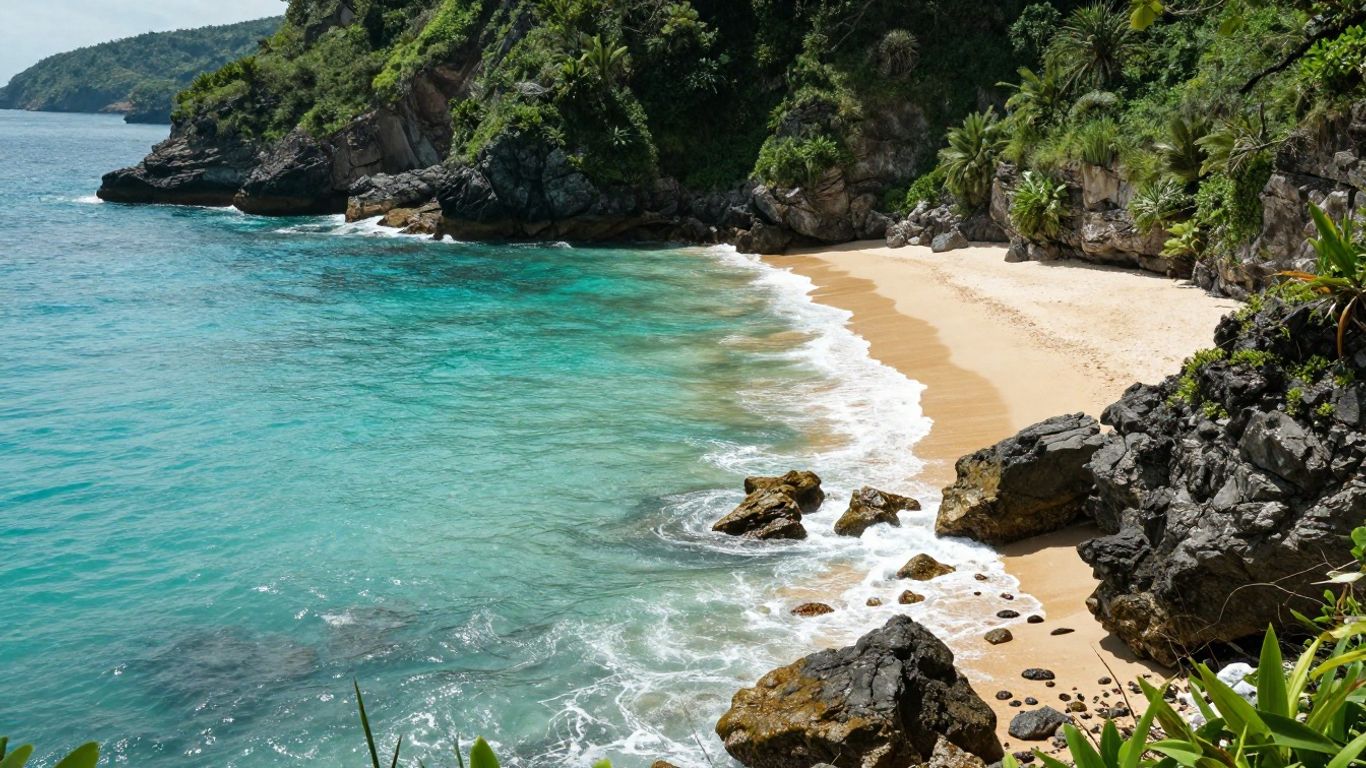
It’s super important to protect these natural spots. Always follow the ‘leave no trace’ thing: you take everything with you when you go, including all your trash, even the little bits. Stick to the trails that already exist so you don’t harm the plants. Pay attention to any signs about protected areas or private land. Don’t disturb the animals, and please, don’t take shells or pebbles – they belong there.
Supporting local businesses that really care about the environment also goes a long way, honestly. When you travel in 2026 with a bit of care and attention, it helps make sure those beautiful beaches in Brittany stay pristine for everyone. Your decisions matter, quite a lot, kind of like how people are working to safeguard hidden gems around Villefranche-sur-Mer, and it feels connected too.
Where to Stay:
When you’re trying to find somewhere to stay near these tucked away beaches, you might want to just go with the local charm a bit. Gîtes, (holiday cottages) and chambres d’hôtes, (bed and breakfasts) tend to feel more personal than the big hotels, you know. If you like being outside, camping spots and glamping sites are often tucked into lovely natural areas, sometimes even a quick stroll from the coast. And if you can, give priority to places that actually lean into sustainable practices. That way you get a really nice stay too, while helping the local environment and community at the same time.
Prioritizing Pristine Beach Destinations
When I first started exploring the best beaches Brittany has to offer, I was overwhelmed by the sheer number of those beaches. Like, there are so many of them that are straight up stunning, but the most popular ones get really crowded, especially in summer. For my 2026 trip, I really wanted to find those spots that felt a bit more untouched, so you can actually hear the waves, without a hundred other people talking at the same time. It took some digging, though, but I found a few places that really delivered on that whole promise of quiet beauty, and it was kinda exactly what I hoped for.
Plage de l’Île Vierge: A Hiker’s and Kayaker’s Paradise
This beach, near Morgat on the Crozon Peninsula, is something else. It’s often called one of the most beautiful beaches in Brittany, Europe, and honestly, I can see why. Getting there isn’t exactly a walk in the park – you either have to hike a bit or paddle in by kayak. This kinda naturally keeps the bigger crowds away which is honestly what I was after. The water has that really incredible turquoise vibe, and the shoreline is basically white pebbles, understated, but still pretty. It feels like a real sort of find, like something tucked away between those cliffs and the greenery. I went in late July and while the water was definitely bracing. It was so refreshing after the hike down, like sudden relief. It’s the sort of place that makes you feel, as if you’ve stumbled upon a secret, no warning at all.
Where to Stay: Try to find gîtes or a tiny hotel in the nearby town of Morgat, or even somewhere on the Crozon Peninsula itself. Booking a bit in advance is often a good move especially if you plan on going during high season, since places can get fully booked fast.
Plage des Grands Sables: A Geologically Unique Island Shore
If you’re looking for something that feels almost the same, go check out Île de Groix, it’s an island not far from the coast near Lorient, you know. The main thing you’ll notice there is Plage des Grands Sables, pretty much the whole point of the visit. What’s so special about it? Well, it’s got this really unusual convex shape, which is apparently quite rare. The sand here is golden, and it kind of slides around with the tides and those water currents. The entire island is pretty much car free, so you manage by bike, or just on foot. This really helps give you that sense of stepping off somewhere distant. It’s a calm little place that feels like a world away from the mainland, yeah.
Plage de Tahiti: Family-Friendly Serenity in Carantec
Don’t let the name fool you, this little beach in Carantec, Finistère, is pure Brittany, I mean it kinda has that vibe. You get that fine white sand, real soft, and the sea is clear and calm most days. It’s a good fit if you’re going with family, or if you just want a place that’s simple to reach but still feels serene. From here you can also take in nice views of the Château du Taureau, which is honestly a bit of a highlight. Sure, locals know it well, but it doesn’t get the huge crowds you see at bigger resorts. All in all it hits this good balance between convenience and quiet, perfect for your 2026 trip.
When you pick your beach destinations in Brittany, keep in mind that the trip there is kinda part of the whole adventure. Choosing these quieter, less-traveled spots usually means you’ll want a car for real maximum flexibility, but hey the payback is a more genuine experience, way off from the standard tourist rush. Try to settle into the slow tempo and let the natural beauty of those hidden shorelines do the rest.
Navigating to Brittany’s Hidden Gems
The Essential Role of Rental Cars
Reaching Brittany’s quieter, more isolated beach corners really does need a little thinking ahead, and honestly for me a rental car has always been the simplest option. Public transport works nicely for moving between the bigger towns, but when you’re chasing those small coves you spot on maps that look like they barely exist? That’s when having your own wheels really helps out. I still remember a trip where I trusted only buses, and it tacked on hours to routes that, in my head, should’ve been only minutes.
With a car you can stop whenever you notice a sign for a ‘plage’, or when a scenic viewpoint suddenly looks too good to pass. It’s also a solid way to grab picnic goodies from the local markets before you head off to some far away shoreline. Just don’t forget some roads can be pretty narrow, particularly as you near the coast—those lanes can feel more like they were shaped for tractors, not regular cars.
Strategic Train Travel to Regional Hubs
While a car offers ultimate flexibility, don’t discount the train system entirely. Honestly it’s a quite pleasant way to go about things, and it can feel really scenic too. A lot of times I take the train from Paris to Rennes or Brest, those are big hubs in Brittany, and from there you can sort things out. Sometimes I rent a car if I don’t grab one at my arrival city, but other times I just use the local buses to reach smaller towns, which is kind of relaxing in its own way.
It works well if you’d rather not drive for long distances, or if you want to lower your carbon footprint a bit. The TGV, you know the high-speed train, is efficient, and then the regional services, even if they’re slower, still give you this nice view as the countryside just keeps rolling past. So it’s a decent compromise, you can cover the main distance fast to a central spot, then switch gears and explore more locally without rushing.
Embracing Local Transport for Coastal Exploration
Once you’re in a smaller coastal town, or village, it can feel like getting around is a bit more of an adventure. Sure, local buses do exist but their run times can be pretty sparse, especially outside of peak season, like when things slow down a lot. I’ve found that sometimes the best way to explore the immediate coastline from a village is simply on foot or by bike.
Many of the coastal paths are perfect for cycling, and it’s a fantastic way to discover little beaches that aren’t even marked on most maps. If you’re staying in a larger town, look into local tourist information centers; they often have details on bike rental or even small local shuttle services that run to popular nearby beaches during the summer months. It’s all part of the charm, really – a slower pace that lets you soak it all in.
Charming Accommodations Near Secluded Beaches
Finding a good place to stay near Brittany’s hidden beaches really makes a difference. Forget those big, impersonal hotels you find in busy resorts. When I’m looking for a quiet spot, I always try to find something that feels more connected to the place. That usually means looking for smaller, local options.
Embracing Gîtes and Chambres d’Hôtes
My go-to choices are often gîtes and chambres d’hôtes, honestly. Gîtes are basically holiday cottages, but they can go from tiny , rustic stone buildings to something more modern and comfortable. I like them because you get your own space, and yeah usually there’s a kitchen too, which is very handy for making picnics, to take toward the beach. Then chambres d’hôtes are kind of like bed-and-breakfasts, in a more personal way. You get a room inside someone’s house, and they often prepare a fantastic breakfast with local bits and pieces, like jams, breads, and small treats.
It’s a really nice route if you want a better feel for daily life, and you also pick up practical pointers from folks who actually live there. I remember staying in a lovely chambre d’hôtes near Plage de l’Île Vierge; the owner gave me the best advice about a coastal path, I never would have located on my own.
- Gîtes: Offer privacy and self-catering facilities.
- Chambres d’hôtes: Provide a more personal experience with local hosts.
- Location: Look for places in small villages or just outside coastal towns for the best balance of quiet and access.
When booking, always check reviews for comments on proximity to nature and the general atmosphere. Sometimes a place that looks close on a map might be a longer, less scenic walk than you expect.
The Appeal of Camping and Glamping
If you want that really immersive vibe, and you’re the kind who actually likes the outdoors, camping or glamping is just fantastic. You’ll spot campsites kind of dotted along the coast; some are right by the sea, others get tucked away in the countryside. Waking up and catching the sound of waves, or that fresh smell of pine trees, it feels oddly perfect. And glamping basically takes it up a notch; imagine comfy tents with proper real beds, or those small wooden cabins too. It feels like a nice balance: you’re close to nature, but you don’t have to fully rough it. I’ve come across a few seriously great campsites, literally a short walk from secluded coves, which is ideal if you’re planning an early-morning dip.
Prioritizing Sustainable Stays
Lately, as I keep moving around, I find myself thinking kinda more about where my money ends up. Like, picking lodging that is eco-friendly or places that actually put something back into the nearby community, it just feels right. That might look like booking spots that run on renewable power, try to cut down on waste, or get their food from local farms. I notice too that a lot of the owners of smaller gîtes and chambres d’hôtes seem really taken with their own region, and honestly they can be the best folks to ask when you want to visit in a responsible way. Backing those businesses helps keep Brittany’s lovely, rather tucked-away corners pretty pristine for years and years to come.
Experiencing the Wild Beauty of the Breton Coast
When I think about Brittany, it’s the wild, untrained coastline that really sticks in my mind. It’s not only about the Brittany France beaches though they are spectacular, in a way that feels almost unreal. It’s the whole atmosphere – the wind, the sea spray, the sheer drama of the landscape. It feels ancient and powerful.
The Pink Granite Coast’s Magical Light
I’ll never forget my first time seeing the Pink Granite Coast, especially around Ploumanac’h. The light there, particularly in the early morning or late afternoon, is something else. The huge pink granite boulders, shaped by the weather for centuries, kinda glow, like really. For a photographer it’s basically a perfect setup, but honestly even standing there, just trying to soak it all up, feels magical, in a quiet sort of way. The tones drift during the day too, from gentle pastels to scorching oranges and deep reds, right when the sun starts to set. It’s the kind of place that makes you, appreciate nature’s handwork— like an unspoken craftsmanship you can’t ignore. If you’re looking for a truly unique landscape in France, this is it.
Cap Fréhel’s Dramatic Cliffs and Lighthouse Views
Cap Fréhel is another spot that just takes your breath away. You stand on these towering cliffs, about 70 meters above the sea, and the views are just immense. There’s a lighthouse there, one of the most powerful in France, and if you manage to climb up to the top, the panoramic vista is frankly incredible. You can see for miles, and on a clear day, you might even spot the Channel Islands, like it’s nothing.
The whole contrast between the vibrant green heathland, the deep blue of the ocean, and that slightly pinkish tinge on the cliffs is stunning. I remember going there on a blustery day, and the waves crashing against the rocks below were a pretty powerful spectacle. It’s one of those spots that feels genuinely wild and kind of exposed, like you can’t really hide from the weather.
Cap Fréhel’s raw, kind of wild beauty is best taken in when you’re on foot. There are a few walking paths that snake around the headland, giving you all sorts of outlooks on the cliffs, and the sea beyond. Just do remember to wear sturdy shoes—because the ground can be uneven and a bit unpredictable.
Windswept Heathlands and Untamed Landscapes
Beyond the famous spots, the entire Breton coast is dotted with these incredible windswept heathlands. They stretch right down to the sea, kinda like a carpet of heather and gorse, especially when it’s late spring and summer, when everything is in bloom. Honestly it feels so remote and serene, in a way. You can walk for ages and not spot another soul, just the wind moving through things and the seabirds doing their usual call.
There’s this sense of vastness, and I guess that quiet lonesomeness is what really pulls me in. It’s like a reminder that nature can be both powerful and kind of breathtaking, when you let it just… run itself. I’d call it a solid spot to disconnect, and then recharge, no fuss. If anyone is planning a trip to Brittany in 2026, I’d really suggest setting aside time to wander those coastal paths and just take in the atmosphere. The whole thing sticks with you for a long time, long after you’ve gone.
Where to Stay:
Even though some of these wild stretches really are ideal for day walks, setting yourself up somewhere for a while can make it feel smoother, and yes, a bit more relaxed. If you can, pick a lovely coastal town, it tends to bring the whole thing together, and you end up seeing more without rushing. For example near the Pink Granite Coast, think about Trégastel or Perros-Guirec, there are all kinds of places to stay, from hotels to gîtes, and honestly the whole vibe is very laid back.
If you’re aiming for Cap Fréhel, then towns like Erquy or Saint-Cast-le-Guildo are worth checking out, because the rooms are often set up for those sea views which you notice first thing in the morning. Also try to spot the smaller family-run spots, they tend to give you that real, local hospitality, not just a standard welcome.
Cultural Immersion Beyond the Sand
Exploring Charming Fishing Villages
When I think about Brittany, it’s not only the Brittany beaches that pop into my mind, it’s also those little fishing villages tucked away along the coast, you know. They feel like you’re stepping back in time a bit, and it’s kind of funny because everything there seems so calm. Forget the big tourist traps… I mean really, I’m after those spots where the boats are still pulled up on the sand, and where that salt-and-diesel smell just stays in the air like it has its own job.
Locronan is a good example, like a real picture postcard village, preserved almost too well, if that makes sense. It’s the kind of place where you can drift through narrow, cobbled streets, look at the old stone houses, and let the whole atmosphere sink in. I remember sitting in a small cafe there, watching local fishermen mend their nets, and it felt so genuine, honestly.
- Visit early in the morning to see the village come alive with the day’s catch.
- Look for local artisans selling their crafts – pottery, textiles, and paintings are common.
- Try the local seafood at a small, family-run restaurant; it’s usually the freshest.
Delving into Ancient Megalithic Sites
Brittany is seriously old, and you really feel it everywhere, especially when you visit those megalithic places. The Carnac stones are the most famous, of course, with thousands of upright stones that just run across the landscape. It’s kinda mind-boggling to think about who put all that there and for what reason. Yet, there are also smaller, less visited sites too, sort of scattered around the countryside.
I ended up finding a quiet clump of menhirs not far from a hidden beach I discovered, and honestly it felt unreal to stand there alone with those ancient monuments. It makes you feel, like, really tiny in the grand scheme of things, like you’re only passing through.
These ancient stones, some dating back to thousands of years, are a quiet little testament to the region’s deep history, and the folks who lived here long before us. They sort of stand as strange markers, and yeah, their original purpose got lost in time, but still the fact they’re here is undeniably powerful.
The Richness of Local Markets and Artisanal Crafts
If you want to get a real feel for Brittany, you really have to go and check out the local markets. Not like, only to snag souvenirs or stuff you don’t really need, but because they are basically the pulse of the community. There you’ll spot everything, fresh produce and local cheeses, and then also handmade jewelry, plus that traditional Breton clothing.
I personally always try to stop by a market when I’m in some new place. It’s honestly one of the best ways to share a few words with locals and taste regional specialties (I mean the salted butter caramels, they’re seriously amazing!). And then you can grab one of a kind gifts that actually feel special. The bright colors and the buzzing atmosphere… It’s like an experience on its own.
Where to Stay:
A lot of the quaint fishing villages, and towns by the megalithic places sort of have great little stays. You can try finding gîtes (holiday cottages) or chambres d’hôtes (bed-and-breakfasts) for a more genuine kind of time there. Usually it’s locals who run them and they can pass along the best hints for roaming around, and places you would not notice otherwise. If you choose a small village you can also stroll to the market on foot fairly easily, and catch that local tempo of everyday life.
Savoring Brittany’s Culinary Delights
When I think back to my trips to Brittany, my taste buds are the first thing that comes to mind. It’s not just about the stunning, often empty, Brittany beaches; it’s about the food that fuels those explorations. You absolutely have to try the crêpes and galettes. Seriously, they’re everywhere, and each place has its own little twist. The galettes, made with buckwheat, are usually savory and kinda right for a quick lunch, maybe with some ham and cheese. Then you’ve got the sweet crêpes, which are just divine after this long walk. I always pair mine with a glass of local cider, served in those little ceramic bowls. It just feels… right somehow.
The Essential Crêpes and Galettes
I’ve had my fair share of crêpes, but there’s something kind of special about having them in Brittany. It’s a simple type of food, yet when it’s done well, it becomes really incredible. You can spot them in dedicated crêperies of course, but also in little cafés and even hanging around at market stalls. Don’t be shy to test new fillings, because the more you go for the wilder choices the better, honestly!
- Galettes: Typically made with buckwheat flour, these are the savory cousins. Common fillings include cheese, ham, eggs, and mushrooms.
- Crêpes: Lighter and sweeter, often made with wheat flour. Think sugar, jam, chocolate, or fruit.
- Cider: The traditional accompaniment, especially for galettes. Look for Brut (dry) or Doux (sweet) varieties.
The sheer variety of crêpes and galettes means you could eat them for every meal and never get bored. It’s a true taste of local life.
Fresh Oysters and Seafood from the Coast
If you’re anywhere around the coast, like in Cancale or close by, you really should go for the oysters. I still remember, sitting in some small seaside place, shucking them, and they were so fresh, they tasted like the sea itself. It’s an easy kind of pleasure, but honestly, it’s hard to outdo. And beyond the oysters, the seafood in this area is just outstanding, kind of unreasonably good.
There are mussels, scallops, and whatever the local fishermen have come in with that day, usually right there on the menu, cooked plainly so the quality gets to speak for itself. I even stumbled on a small spot near Saint-Malo where the grilled fish was unreal, I mean really, the one they caught that morning.
Indulging in Kouign-Amann and Local Pastries
And then there’s Kouign-amann. Oh, Kouign-amann. This buttery, caramelized pastry is pure indulgence. It’s dense, flaky, and incredibly rich. I’ve tried to replicate it at home, but it’s just not the same. You really need to try it fresh from a Breton bakery. It’s the perfect treat with a morning coffee or an afternoon pick-me-up. Many bakeries also offer other delightful pastries, often featuring salted butter caramel, another Breton specialty.
Where to Stay:
While not strictly a culinary recommendation, where you stay can really impact your food experience. If you’re looking for a truly immersive culinary trip, consider renting a gîte or a chambre d’hôte in a smaller town or village. This often puts you closer to local bakeries and markets.
For example, staying in a rural gîte means you might be able to buy fresh eggs from a local farm or pick up bread from the village boulangerie each morning. If you’re near the coast, look for accommodations with kitchens so you can take advantage of the fresh market produce and seafood. Many rentals are listed on sites like Gîtes de France or Airbnb, and often provide a more authentic experience than a standard hotel.
Active Adventures Along the Coastline
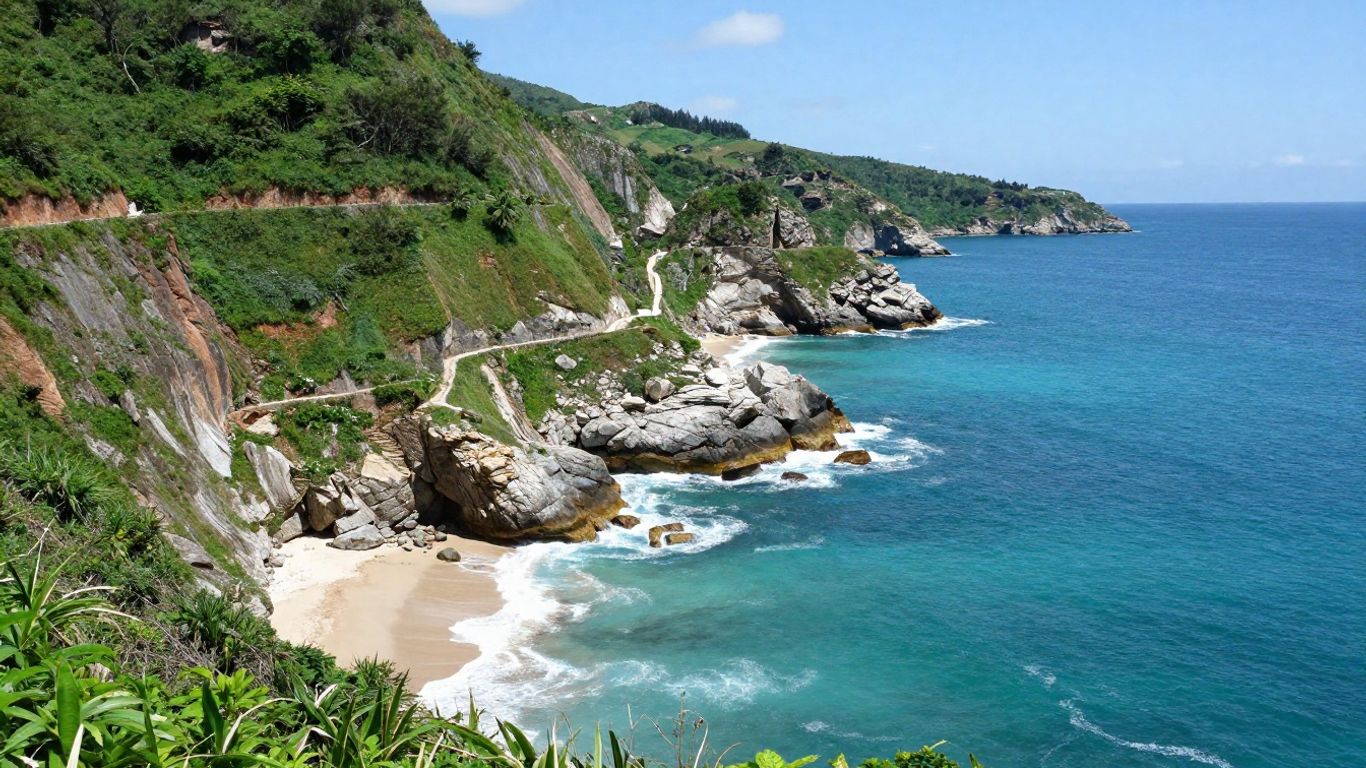
Brittany isn’t just about lounging on quiet sands, though that’s certainly a big part of its charm. For me, the real magic happens when you get a bit more active and really explore what this coastline has to offer. I’ve spent a good chunk of time hiking and paddling around here, and let me tell you, there are some incredible ways to experience the wild beauty.
Hiking the GR34 Coastal Paths
This is probably my favorite way to see Brittany. The GR34, also known as the ‘Sentier des Douaniers’ or Customs Officers’ Path, snakes its way along pretty much the entire coast. It’s not always easy – some sections are pretty steep and rocky – but the views you get are just unreal. You’ll wander past dramatic cliffs, stumble upon tiny, hidden Brittany beaches that aren’t on any map, and get to see the sea from angles you just can’t from a car.
- Pack smart: Good walking shoes are a must. Seriously, don’t skimp on this. Also, bring plenty of water and snacks, especially if you’re heading to more remote stretches.
- Check the tides: Some paths can get cut off at high tide, so it’s worth having a quick look at a tide chart before you set off.
- Vary your routes: Don’t feel like you have to do the whole thing. Pick a section that appeals – maybe near the Pink Granite Coast or around the Gulf of Morbihan – and just enjoy a day’s walk.
The GR34 offers a chance to truly disconnect and immerse yourself in the coastal environment. It’s a journey that rewards effort with unparalleled natural beauty and a sense of accomplishment.
Kayaking and Paddleboarding Hidden Coves
If you want to get up close and personal with the water, kayaking or paddleboarding is the way to go. I rented a kayak for a day near the Île de Bréhat, and it was amazing. You can glide into sea caves, pull up onto deserted beaches for a picnic, and get a completely different perspective of the cliffs and rock formations. It’s also a fantastic way to spot marine life – I saw seals on a few occasions!
- Rentals are common: Most of the larger coastal towns and even some smaller villages have places where you can rent kayaks or paddleboards by the hour or day.
- Consider guided tours: If you’re new to it or want to explore a specific area like the Gulf of Morbihan, a guided tour can be really helpful. They know the best spots and can keep you safe.
- Safety first: Always wear a life jacket, especially if you’re not a strong swimmer, and let someone know where you’re going and when you expect to be back.
Exploring the Gulf of Morbihan’s Estuaries
The Gulf of Morbihan is kind of something else entirely. It’s this massive landlocked sea, scattered with islands and stuff, and the estuaries that feed into it are like a maze of channels where you can just get turned around easily. Honestly, it feels calmer here than out on the open ocean, so it’s ideal for a slower, more unhurried paddle, or even a boat excursion. I did a small boat tour around the islands, and it was like stepping into another world… just quiet, fresh, and very green, like the noise of everything else kinda fades out.
- Island hopping: Many of the islands in the Gulf are inhabited and have charming villages to explore. You can often take small ferries or water taxis between them.
- Birdwatching: The gulf is a haven for birds, so bring binoculars if that’s your thing.
- Local seafood: Keep an eye out for restaurants serving super fresh seafood, often caught right in the Gulf. It doesn’t get much better than that.
Where to Stay:
For active adventures, sort of setting up in a town like Vannes or Auray is a good idea because it gives you really quick access to the Gulf of Morbihan. If you are tuned into the GR34, try smaller coastal hamlets that offer gîtes or chambres d’hôtes, they usually have an easy entry to the path right there. For kayaking, places like Paimpol, or the areas close to the Aber Wrac’h are really strong starting points too.
Strategic Timing for Tranquil Visits
When I first started exploring hidden beaches in Brittany, I made the mistake of assuming any day outside of July and August would be quiet. Turns out, even in June, some of the more accessible spots can get a bit busy with locals. If you’re really after that feeling of having a stretch of sand all to yourself, timing is everything. My best advice? Aim for the shoulder seasons.
I found that late May into June, or September and early October, offered this amazing sweet spot. The weather was still really pleasant – think mild sunshine, not scorching heat – and the crowds were noticeably thinner. It felt like I had discovered a secret that wasn’t quite so secret to the people who live there, but still miles away from the peak summer rush.
Leveraging Shoulder Seasons for Fewer Crowds
Visiting Brittany in May, June, September, or October really changes the game. You get the best of both worlds: lovely weather perfect for beachcombing or a brisk walk, and a sense of peace that’s hard to find during the main summer holidays. I remember one trip in late September where the only sounds were the waves and the seabirds. It was pure magic. The landscape also sort of puts on a show during these times, you know. Like, Spring comes through with this sudden burst of wildflowers along the coastal paths, and then autumn follows and paints the hillsides in warm, earthy shades. It feels like a different sort of beauty, maybe more subtle than you’d expect but also really, deeply soothing.
The Benefits of Early Morning and Late Afternoon Visits
Even if you end up visiting during the summer months, don’t despair too much! My go to plan for the more crowded weeks was to head for the beaches either as early as possible in the morning, or a bit later in the afternoon… like right before it really gets loud, you know. I’m talking about sunrise walks or heading out just before dinner. You’d be surprised how many people pack up and leave by 5 or 6 PM. Those extra couple of hours of daylight can give you, like, a whole beach to yourself, or at least share it with just a small handful of others. It’s a simple little maneuver, but it works real wonders for finding that calm, quiet moment.
Embracing Spring Wildflowers and Autumn Colors
Beyond just avoiding people, the seasons themselves offer unique experiences. I’ve seen Brittany in full spring bloom, with the coastal paths almost totally carpeted in vibrant flowers, somehow it just feels unreal. Like yeah it’s definitely a photographer’s dream, and suddenly any hike feels more magic than it should, even with sore legs. Then autumn comes along, and the whole place shifts, the light gets this kind of golden hush, and the leaves changing shades adds this fresh layer of color to the dramatic coastline. Honestly it feels more introspective to wander there in fall, it’s ideal for long walks and just absorbing the atmosphere, without that pressure of needing perfect beach weather, or anything like that.
Planning your visit outside the peak summer months is key for actually feeling the true tranquility of Brittany’s hidden shores. The mild weather and those stunning natural displays in spring, and autumn really make things feel more authentic, and peaceful… like a calmer encounter with this beautiful region.
Preserving the Pristine Nature of Brittany’s Beaches
When I went to those hidden beaches in Brittany, I kind of got this feeling that they were still untouched, like really quiet in a way. There’s this special sort of beauty to it, and, if I’m being honest it made me want to help keep it that way. It’s not only about enjoying the calm, it’s also about seeing to it that these places remain beautiful for everybody, for years to come.
Adhering to Leave No Trace Principles
This is probably the most important thing, when you’re out exploring, remember that “Leave No Trace” idea. Basically, it means you pack out absolutely everything you bring in. I once saw a few plastic wrappers near this really beautiful cove, and honestly it kind of ruined that natural mood, it just felt off. So grab a bag for your trash, and make sure it all comes back home with you, no exceptions. It’s a simple step but it makes a huge difference.
And we also need to stick to the paths that are already there. It might feel tempting to cut across a grassy slope or wander into a little stretch of wildflowers, but those spots are often delicate and they can get damaged pretty easy. Staying on marked trails helps safeguard the plants and the ground, underneath everything.
Respecting Fragile Ecosystems and Wildlife
Brittany’s coast is all sorts of life, like on land and also right there in the water. I still remember watching little crabs scuttling around the rocks, and seabirds setting up nests on the cliff edges. It’s really important to give them breathing room. Don’t rush toward them just to get a shot, and please don’t mess with them either. They have their own rhythm, and honestly we’re only visitors here. Plus, try not to fall into the habit of collecting souvenirs, like shells or those curious pebbles, you know. Even if they look small, removing them can mess with the local environment, little by little over time. It’s better to take photos and memories instead.
Supporting Sustainable Local Businesses
When you’re looking for some place to stay or eat, try to back businesses that are clearly trying, kind of actively, to be good to the environment. I came across a sweet small gîte run by a family, they used solar panels and sourced their food locally, which felt like a quiet win. Knowing my stay was adding something positive to the area, it just felt…right.
Try to find places that actually speak about their eco friendly habits, or where they’re deeply involved with the local community, not just saying it for show. That’s one way to experience Brittany more authentically, while still helping preserve all that charm. If you pick these kinds of options, you help keep the local economy steady and it also nudges more sustainable tourism practices around the region.
Conclusion
Hidden beaches in Brittany give you a kind of escape that’s not really like the usual tourist spots. If you plan things ahead, then sort of respect the environment and take time to meet the local culture, you can end up finding a France that feels untamed yet still warm.
Maybe you’re on a coastal trail, or you’re eating fresh seafood, or even just letting the day drift while you sit on a quiet shore. Either way, Brittany’s little secret places should deliver an unforgettable journey in 2026. Just don’t rush, tread lightly, and let the authentic Breton spirit get under your skin.
Frequently Asked Questions
What’s the best time of year to visit Brittany’s hidden beaches?
For fewer crowds and pleasant weather, aim for the shoulder seasons, such as late spring (May-June) or early autumn (September-October). If you must go in summer, try visiting very early in the morning or late in the afternoon. This way, you’ll often have the place mostly to yourself.
Are Brittany’s beaches good for families?
Yes, a lot of them are! Like Plage de Tahiti in Carantec, some beaches are known for calm, clean waters, which makes them safer and honestly fun for kids. Just keep in mind that certain beaches, especially the more remote ones, can mean a little trek, or a walk with a snack stop, before you reach the sand. So when you’re planning, take that into account, with the little ones in mind.
What kind of food can I expect in Brittany?
Oh, the food is amazing! You absolutely have to try the crêpes and galettes – they’re thin pancakes, one sweet and one savory. Fresh seafood, especially oysters, is a must. And don’t forget Kouign-amann, a super buttery, sweet pastry. Local cider is usually served in little bowls, too.
Is it easy to get around Brittany without a car?
It can be a little tricky, and honestly while you can catch trains to the bigger towns, getting to the genuinely secluded beaches usually means you’ll need a car. There are local buses too, but they don’t always run toward the most out of the way spots, so you might end up walking more than you want. When you rent a car though, you get the most freedom, and it feels much more flexible.
What should I bring to these beaches?
Besides the usual beach stuff like sunscreen and a towel, consider bringing sturdy shoes if you plan on hiking to your beach. A small backpack for water and snacks is a good idea too. If you’re going to a really remote spot, maybe a picnic to enjoy the peace and quiet.
Can I camp on the beach in Brittany?
Generally, no. Wild camping is usually not allowed on beaches in France to protect the environment. It’s best to look for official campsites or designated areas for overnight stays. Always check local rules before setting up camp.
What makes Brittany’s coast special?
Brittany’s coast is known for its wild, natural beauty. Think dramatic cliffs, unique rock formations like the Pink Granite Coast, and windswept heathlands. It feels very raw and untouched compared to more developed tourist areas. The light there is also pretty magical, especially in the morning.
How can I be a responsible visitor?
It’s simple, really. Follow the ‘leave no trace’ rule – take all your trash with you. Stick to paths to avoid damaging plants. Don’t disturb any wildlife you might see. Also, try to support local businesses that care about the environment. This helps keep these places beautiful for everyone.


