
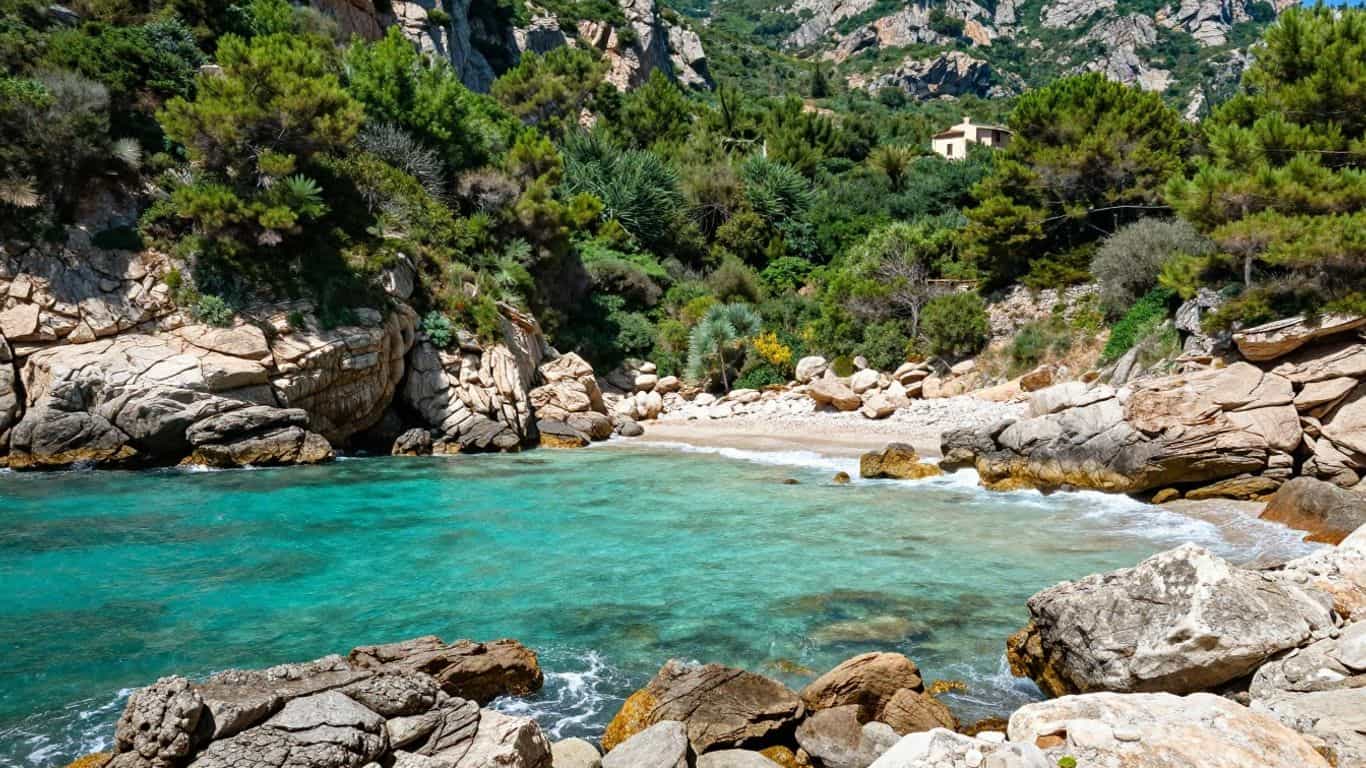
Corsica Travel Guide: Secret Coves, Authentic Villages, and Off-the-Beaten-Path Adventures

So, you think you know Corsica? Maybe you’ve heard about Ajaccio or the popular beaches. But this island, this ‘Île de Beauté,’ has so much more tucked away. We’re talking about those quiet villages tucked up in the mountains, and the little coves you got to work at a bit to find. These are the real, Corsican hidden gems, off the beaten path, the spots that make you feel like you kind of stumbled onto something special. Forget the usual tourist places for a moment, let’s roam through the parts of Corsica that feel properly wild and untouched, you know like no one really bothered to polish them.
Key Takeaways
- Explore the rugged Cap Corse Peninsula, visiting charming fishing villages like Centuri Port and the dramatic cliffside village of Nonza.
- Venture inland to Corte, the island’s historic mountain capital, and hike the stunning Restonica Valley to its glacial lakes.
- Discover secluded southern coves like Roccapina Beach and Plage de Saint Antoine, often requiring a short hike for access.
- Experience the Balagne region’s artisanal villages, such as Pigna, and enjoy wine tasting in Patrimonio’s vineyards.
- Embark on scenic drives like the D81 along the Calanques de Piana or take the historic Corsican train for a unique perspective of the island’s interior.
Discovering Corsica’s Untamed Northern Coast
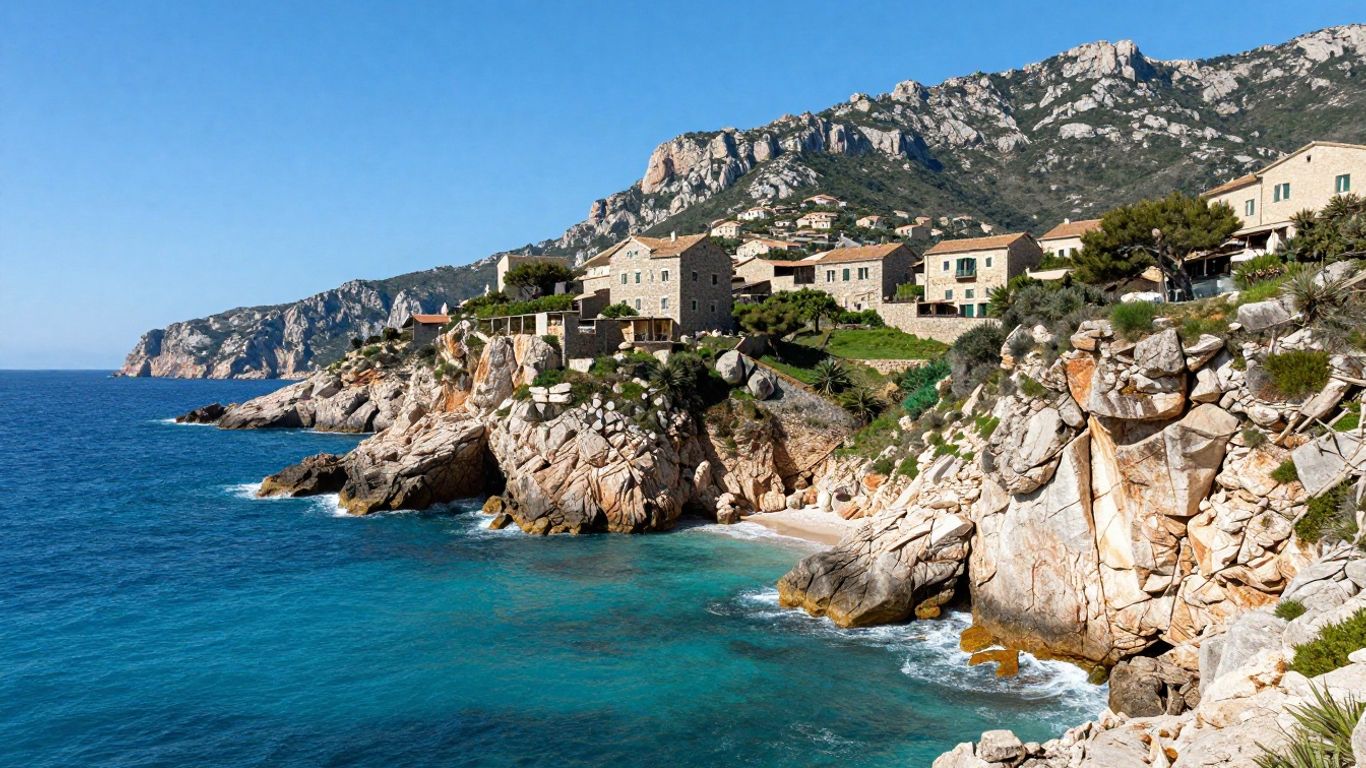
When I first set out to explore Corsica, I have to say my head was packed with images of those postcard perfect southern beaches. But the northern coast… it’s kind of a different spell altogether, wilder and somehow more true. It feels like walking back in time a bit, with rugged terrain and little villages that seem to keep a history for you.
Exploring the Cap Corse Peninsula
Cap Corse is probably among the few places in Corsica that you can never really forget, mainly for that wild coastline, truly spectacular views and these seaside roads that gradually transform your trip into a kind of slow motion discovery. The D80 is quite a scenic way to walk around the peninsula, bringing you to places that compel you to stop and admire for hours despite your best intentions to carry on just a few minutes more.
Along the way there are old Genoese towers, standing like silent sentinels on rocky outcrops, plus these small hamlets clinging to the hillsides as if they’re part of the stone. Honesty it’s not just a place that you run by. The best thing is to take a deep breath and be present. Observe every detail. I recall stopping at a small vista point with the wind in my ear and looking out for the longest time at a sea of deep blue. That is the Corsica you can feel is real and wild at the same time, nothing softened, nothing made up.
- Must-see spots: Don’t miss the charming village of Erbalunga with its picturesque harbor.
- Coastal walks: The Sentier des Douaniers (Customs Path) offers incredible hiking opportunities with stunning sea vistas.
- Driving tip: Renting a car is pretty much essential here. You can compare prices and book in advance at DiscoverCars.com.
Centuri Port’s Fishing Village Charm
If you’re looking for a taste of traditional Corsican life, Centuri Port is the place. On the northwest edge of Cap Corse, there’s this small harbor, tucked away almost like you missed it. Colorful boats sway in the water, and the buildings are done in these soft pastel tones, you know the kind. People talk about it because of its lobster fishing, so naturally the seafood spots are really top-notch, no fancy business. I had some truly fresh grilled fish there, right alongside the water, and I could see the fishermen mending their nets as I ate. It felt simple, a little unassuming, and honestly just utterly delightful, even if the day is a bit breezy.
Where to stay: There are a few small guesthouses and apartment type stays available right inside Centuri, so it feels really immersive, like you get pulled into the place. It is also a good idea to book ahead, especially during the summer months, because things can fill up quickly.
The Dramatic Beauty of Nonza
Nonza is one of those spots that just sticks with you, you know. The village sits way up on a cliff, kind of dramatically, and there’s this winding path leading down to a genuinely striking black sand beach. It’s really something, especially when the sun starts to hit that dark sand, it turns almost luminous. The view from Nonza, looking out over the turquoise water, is honestly breathtaking. You can feel a real layer of history here too, with the old church and the defensive tower giving everything a certain atmosphere. It’s a bit of a climb down to the beach, but worth it for the unique scenery.
The stark contrast between the dark volcanic sand and that vibrant blue of the Mediterranean Sea at Nonza is unforgettable, honestly it feels a little unreal. It’s a spot that’s both powerful and serene, like you can feel the energy but at the same time you just slow down and breathe.
Things to do:
- Walk down to the black sand beach.
- Explore the narrow streets of the village.
- Visit the Sainte-Julie church, a local landmark.
This northern coast really surprised me. It’s not just about those beaches, this Corsica travel guide goes more into the raw landscapes, the quiet little villages, and that weird but nice feeling of finding something special before most people even notice it.
Venturing into the Heart of Corsica’s Mountains
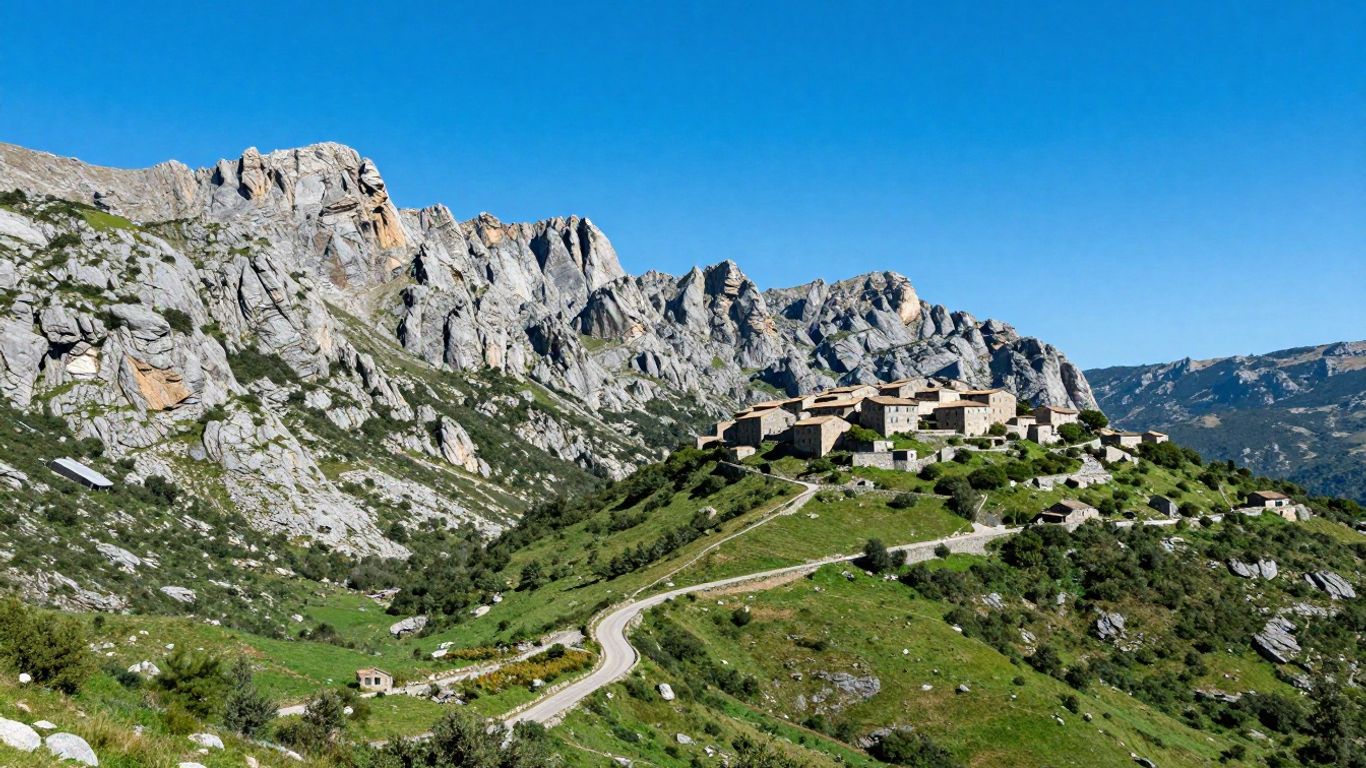
When I first visited Corsica, I mostly stuck to the coast. Big mistake. The real magic, I found out, is often tucked away inland, especially in the mountains. It’s a different world up there – wilder, quieter, and with views that just knock the wind out of you.
The Citadel and Valleys of Corte
Corte is like the island’s old core, and honestly you can feel it. The town is built around this massive rock, and there’s a citadel up there on top, perched right where it should be. It looks, well, like something out of a fantasy movie. I spent a bunch of hours just drifting through the old town, it’s basically all narrow streets and tiny squares, kind of tucked together in a way that feels almost secretive. The Museum of Corsica is here too, and it does a decent job of explaining the island’s complex history. It’s a good starting point for understanding Corsica beyond the beaches.
The views from the citadel are absolutely stunning, stretching out over the surrounding valleys.
Where to Stay: Corte has a range of options, from small hotels in the town center to guesthouses in the surrounding countryside. It’s a great base for exploring the central mountains.
Hiking to Glacial Lakes in Restonica Valley
Just outside Corte, the Restonica Valley is where you go for serious mountain scenery. The road winds its way up, and honestly, it’s a bit of a drive, but totally worth it. The main event here is hiking to the glacial lakes, Lac de Melo and Lac de Capitellu. It’s not a walk in the park, mind you. You’ll be scrambling over rocks and navigating some steep bits, but the payoff is huge. These lakes are just… wow. They’re a deep blue, surrounded by rugged peaks, and feel like a secret world.
The air up here is really clean, and the silence, broken only by wind and the occasional bleating of a sheep, it feels something else you know, like altogether different.
- What to Bring: Good hiking boots are a must. Pack plenty of water and snacks, as facilities are limited. Sunscreen and a hat are also important, even if it doesn’t feel that hot.
- Difficulty: Moderate to challenging, depending on how far you go and the conditions. It can get busy in peak season, so try to go early.
The Scenic Train Journey Through the Interior
If you’re not too keen on driving those mountain roads, or you just want a different angle on it all, take the train. The u Trinighellu, or “the trembler” as it’s kinda nicknamed, is, honestly, an experience of its own. It keeps chugging through the very middle of the island, linking places like Ajaccio, Bastia, and Corte. The sections through the mountains are particularly spectacular, with viaducts and tunnels, and views down into deep gorges. It’s a slow journey, but that’s the point. You get to see parts of Corsica you’d miss otherwise. I found it a really relaxing way to travel and see the landscape unfold.
- Tip: Consider a Pass Libertà if you plan on using the train for multiple journeys. It’s good value.
- Frequency: Trains aren’t super frequent, so check the timetable in advance. Corsican trains are a unique way to see the island.
Unveiling the Hidden Coves of the South
When I think about the southern coast of Corsica I pretty much instantly picture those postcard perfect beaches but honestly there is so much more tucked away, if you’re willing to look a bit closer. Forget the crowded main drags, it’s the quiet little corners that feel real, the ones that want you to actually move your feet and pay attention to the winding turns. The real magic is in those secluded folds of shoreline, almost like the island is whispering instead of talking. And yeah, it’s those hidden coves that truly hold the wild spirit of Corsica.
Roccapina Beach’s Wild Allure
Getting to Roccapina Beach felt like a mini-adventure in itself. You turn off the main road onto a rather bumpy dirt track – definitely not for the faint of heart or a low-slung rental car! After about a 15-minute drive, you park and then walk down to the shore. But oh, the reward. You know the sight of this lion-shaped rock formation that seems to guard the bay, it’s really something else. The sand is a lovely golden hue, and the water is that, impossibly clear turquoise color you daydream about. It’s wild, beautiful, and the whole trip over there takes effort so it is typically not crowded, even in summer.
The Secluded Beauty of Plage de Saint Antoine
A bit further down the coast, close to Porto-Vecchio, I ended up at Plage de Saint Antoine. This one also asks for a small trek, roughly 20 minutes walking from the spot where you can park. It feels like a hidden little gem, and again that walk, somehow filters the crowds for you. The shoreline views along the way are really spectacular, very much like a slow preview. Then, when you finally get there, you’re met with a genuinely lovely beach, and it’s definitely less-visited than the others around. You know that feeling where you lay out your towel, stretch out a bit, and just sink into the quiet.
Exploring Bonifacio’s Sea Caves by Kayak
Bonifacio is already kinda dramatic, sitting up high on limestone cliffs, but if you really want to take in the coastline, you have to get on the water. I would seriously suggest renting a kayak. When you paddle out from the harbor, you can wander through these incredible sea caves that have been chiseled into the cliffs over centuries, kind of slowly, over a long time. The sheer size of those caves and the way the sunlight does this soft play on the water once you’re inside… It’s honestly breathtaking. Everything looks different from there, the town feels more rugged somehow, and the coastline is way more pronounced. Sure, boat tours are an option too, but with a kayak you get that sort of free rein, to slip into smaller corners, nooks and crannies, where larger boats just can’t go.
Where to Stay:
When you’re exploring those southern coves, honestly it helps to base yourself around Porto-Vecchio or Bonifacio, even if you kinda move around a lot. There’s a whole spectrum of stays you can pick from: charming guesthouses in the old town districts, and also seaside hotels that feel a little more open. If you want something a touch less overused, try a rental villa just a little inland, because you tend to get extra space and a quieter, steadier kind of calm.
The Balagne Region: Crafts, Culture, and Coastline
After looking around the rugged north and the more mountainous inside, I kinda ended up gravitating toward the Balagne region, which people often call the “Garden of Corsica”. It’s a spot that really does seem to live up to that label, with this nice mix of tumbling hills, ancient villages, and a shoreline that’s every bit as pretty as anywhere else across the island. Honestly, it felt like a breath of fresh air, that rare blend of Corsican tradition with natural beauty.
The Artisanal Village of Pigna
My first stop in Balagne was Pigna, one of the most charming Corsica hiking villages, a place that feels like it clings to the hillside, like it’s been there for ages. And it has. It’s among France’s oldest villages, perched high up with seriously incredible views. What hit me right away was this soft hum of creativity, the kind you notice even before you understand it.
Pigna is all about traditional Corsican crafts, and honestly you can feel it everywhere. The narrow, winding streets are lined with little workshops, and the artisans look like they’re always mid task. I wandered around and saw potters shaping clay, luthiers crafting musical instruments, and painters trying to catch that island light on canvas. It’s not just a spot to look at, it’s more like a place to actually live for a moment, experience it with your own eyes.
Calvi’s Historic Charm and Sandy Shores
Calvi is the main town in Balagne, and it’s a stunner. It’s got this fantastic combination of a historic citadel overlooking a long, beautiful sandy beach. I arrived in the late afternoon, and the light hitting the old stone walls of the citadel was just magical.
You can walk right up to it, and explore its ramparts, like you could almost hear centuries of history. The views from up there, especially when the sun starts to dip, are really spectacular, you know, you’re looking out over the bay and that turquoise water. Down below, the beach feels almost ideal for a relaxing afternoon, even if it’s busy. It’s long enough that in peak season you can still find a spot, to lay your towel, without too much trouble.
There are lots of beach clubs too if you want some extra amenities, or you can go the other way and just seek a quiet stretch. I personally took a slow, leisurely stroll along the palm-lined promenade, it felt very Mediterranean, like the whole vibe was calm. And for a change of angle I grabbed the scenic train from Calvi to L’Île-Rousse, it’s short but still a charming little ride along the coast.
Wine Tasting in Patrimonio’s Vineyards
No trip to Balagne is complete without exploring its wine. The Patrimonio area, is kind of one of the island’s oldest wine regions and honestly the vineyards there make a few Corsican wines that are really distinctive. I ended up going to a local vineyard, Domaine Alzipratu, and it was a fantastic little experience, not even gonna lie. The rolling hills, full of vines, with the Mediterranean Sea kinda sitting in the distance, gave this beautiful backdrop.
I also learned a lot about indigenous grape varieties like Vermentino, for the whites, and Nielluccio for the reds, and apparently they’re a big reason Corsican wines have that special character. The tasting afterward was, of course, a highlight. The crisp whites and robust reds were a perfect reflection of the terroir. It’s a great way to spend an afternoon, tasting the fruits of the land and understanding a bit more about Corsican culture.
Where to Stay:
Balagne gives you a bunch of lodging options. In Calvi, there’s pretty much everything from hotels right on the shore to those cozy guesthouses sitting inside the citadel walls, you know. If you want a more quiet stay, think about going for one of the smaller hamlets, like Pigna or Sant’Antonino, where you can stumble upon inviting agritourism stays, or little boutique hotels. Pre-booking is a smart move, particularly in summer when things fill up fast.
Balagne region really does catch the essence of Corsica, it’s like this place where history, art and nature get tangled up in the most beautiful way, and honestly it becomes one of the most rewarding places to visit in Corsica. It’s a region that seems to ask you to slow down, look around for those tucked away corners and take your time with its particular tastes. You can feel the vibe, like everything is connected even when you don’t notice at first.
Scenic Drives Through Corsica’s Dramatic Landscapes
Corsica isn’t only some spot to chill on the beach, it’s this island that really begs to be explored by car, especially if you like a good outlook. I’ve driven around quite a bit of it, and honestly, some of the roads are almost as much of an attraction as the places you end up seeing. If you’re looking for drives that will stick with you long after you’ve left, these are the ones worth adding to a Corsica travel itinerary.
The Cliffside Route of the D81 to Calanques de Piana
This road, the D81, is something else. It snakes along the western coast, hugging the cliffs for miles. The drive between Ajaccio and Calvi via the Calanques de Piana is easily one of the most stunning coastal routes I’ve ever experienced. You’re constantly treated to these incredible vistas of the Mediterranean on one side and sheer rock faces on the other.
The real stars here are the Calanques de Piana themselves – these massive, red granite formations that look like they’re glowing, especially when the sun hits them. It’s UNESCO World Heritage for a reason. The road is kinda narrow and winding, with these real serious drops, so you’ve gotta slow down and stay aware. I ended up pulling over like every few minutes, just to soak it in and do photo snapping. It’s not exactly a quick drive, but honestly that’s the whole point. You’re meant to savor it, not rush through.
- Allow ample time: Don’t rush this. Factor in plenty of stops for photos and just to breathe it all in.
- Watch for wildlife: You might see cows or goats wandering near the road, especially as you get closer to the mountains.
- Consider the direction: Driving from Ajaccio towards Calvi generally means you’re on the ocean side of the road for more of the dramatic views.
- Where to stay: The village of Piana itself offers charming guesthouses, or you could look for accommodation in Porto, a small resort town further along the coast.
Ascending the Col de Vergio on the D84
If you prefer mountains to the sea, the D84 route is for you. This road takes you inland, climbing up through dense forests and over the Col de Vergio, which is Corsica’s highest mountain pass. It’s kinda a shorter stretch only around 78 kilometers but it can take two hours or more to drive, mostly because of the twists and turns and yeah, the sheer beauty of the whole route. I recall stopping at the Forêt d’Aïtone waterfall(s); the water was super clear and refreshing, it felt like a great place for a quick dip on a warm day. Just keep an eye out for the island’s famous black pigs and the other farm animals too, they often wander around freely right by the road. Up here it’s like a different world, more wild and more rugged, not at all like down below.
The air gets a bit cooler as you climb, and the smell of pine just fills your lungs. It feels like a welcome break from that coastal heat and, you know, a good opportunity to catch a more wild side of Corsica.
Where to stay: Options are more limited here, but you can find mountain refuges or small inns in villages along the route or near Corte.
The Coastal Loop of Cap Corse
Cap Corse is that distinctive finger of land pointing north from the main island, and driving its perimeter is a must. You can kind of do a loop with the D80 and D80B roads. It’s a drive that’s sprinkled with those lovely, almost postcard fishing villages—like Centuri and Erbalunga—and you’ll also notice old Genoese towers standing watch on the headlands, or whatever you wanna call those rocky edges. The scenery keeps shifting all the time, from a pretty rugged coastline to tiny charming hamlets that feel strangely quiet.
I personally liked stopping in Nonza, it’s that village set up dramatically on a cliff, staring out over a bold black sand beach. Sure, getting down there is a bit of a climb, and you’ll feel it in your legs, but honestly the view once you’re up top is unforgettable. This route really helps you understand the island’s maritime story, and at the same time you get this wild beauty everywhere. It’s honestly a nice way to reach a quieter side of the island, and you can mix it with exploring the Cap Corse peninsula pretty easily too.
- Centuri Port: A lovely spot for lunch, especially if you enjoy fresh seafood.
- Genoese Towers: Look out for these historic watchtowers along the coast.
- Nonza: Don’t miss the walk down to the black sand beach, or at least the view from the village.
- Where to stay: Consider staying in one of the small coastal towns like Macinaggio or Erbalunga for a more authentic experience.
Experiencing Corsica’s Unique Cultural Flavors
Corsica’s food is something else, really. It’s not just French, and it’s not just Italian, more like its own thing kind of in between, shaped by the mountains and the sea. I remember my first trip, I was so excited to try every last bit of food. And yeah you can really taste the island in every bite you take.
Savoring Corsican Charcuterie and Cheeses
Okay, the charcuterie here is legendary. Forget what you think you know about cured meats. The prisuttu, which is their dry-cured ham, is aged for ages – sometimes up to three years! It’s so rich and flavorful. Then there’s coppa and lonzu, all made from pork that roams free in the maquis, eating chestnuts and acorns. You can seriously taste that wild diet. And the figatellu, a liver sausage, is a must-try. It’s intense, but in the best way.
And the cheese! Brocciu is the big one. It’s a fresh whey cheese, kind of like ricotta but with its own character. They protect it with an AOC, so you know it’s the real deal. I had it in omelets, in these little fried pastries called cannoli, and in fiadone, which is like a cheesecake but lighter. It’s everywhere, and it’s delicious.
Where to stay: If you want that real sort of countryside feel and close access to local farms, you can try staying in a gîte, the rural holiday cottage kind, in the Balagne area, or sometimes just around Corte. It sort of drops you right into the heart of where these products are put together and made, so you get a better view than from a bigger town, which is kinda the point really.
The Distinctive Tastes of Wild Boar and Local Wines
If you want something that feels really hearty, you have to try civet de sanglier. It’s this wild boar stew, slow cooked with red wine and herbs, and somehow it tastes like it’s been simmering forever. It’s the sort of dish that warms you from the inside out, good after a long day of hiking in the mountains. You almost get that raw countryside vibe, the wild maquis, yes, for sure.
And the wine! Corsica makes some really good wine, especially around Patrimonio. They have these aromatic white wines and some really robust reds. I tried a few local varieties, and they have a character you don’t find elsewhere. It’s worth exploring the vineyards if you have the chance. They also have this unique beer called Pietra, brewed with chestnut flour. It’s an amber beer, and it’s become a real symbol of the island. It’s a bit different, but I really liked it with some of the local cheese.
Understanding Corsican Identity and Language
It’s more than just the food, though. You kind of feel this strong sense of identity, right here. The Corsican language, Corsu, is spoken alongside French and you notice it everywhere with those bilingual signs. A lot of people you meet seem to see themselves as Corsican first, French second. You can read it in their pride, like the Corsican flag with the Moor’s head that’s displayed all over, and yeah even in some of the graffiti you might spot. It’s a culture that feels fiercely attached to its roots, not just in theory, but in daily life too.
I also found that learning just a few words of Corsican or Italian—small effort really; often got a warmer reaction than if I kept sticking to French, even though most folks speak French perfectly fine. So it’s a tiny gesture, but still it signals respect, for the way their unique heritage actually lives with them.
Corsica’s culture is a vibrant tapestry woven from its rugged landscape, its history of resilience, and a deep connection to its land and traditions. This distinctiveness is most deliciously expressed through its food and the pride its people take in their unique language and heritage.
Pristine Beaches Beyond the Crowds
While Corsica is famous for its really stunning coastline, a few of the most magical spots kind of ask for more effort to get to, and that’s what makes them feel special. Skip the packed sands of the easier beaches, I mean those tucked away stretches where the only tracks may be your own, and then just maybe a few seashells.
Saleccia and Loto Beaches in the Agriates Desert
Getting to Saleccia and Loto beaches is an adventure in itself. Located in the Agriates Desert, these aren’t your typical drive-up-and-park kind of places. You can get there by boat from Saint-Florent, which is a pretty cool way to arrive, seeing the coastline unfold. Or, if you’re feeling brave and have the right vehicle, there’s a rather challenging 4×4 track. I opted for the boat trip, and honestly, the moment you step onto the sand, it feels like you’ve found a slice of paradise. The sand is so white, and the water is this unbelievable shade of clear blue, almost Caribbean-like. It’s the kind of place that makes you want to just sit and soak it all in.
- Getting there: Boat from Saint-Florent or a rough 4×4 track.
- Vibe: Wild, remote, and incredibly beautiful.
- What to do: Swim, sunbathe, explore the dunes, and just disconnect.
The journey to these beaches, whether by sea or over rough terrain, filters out the casual visitor, leaving you with a sense of having discovered something truly special. It’s a reward for the effort.
The Untamed Sands of Plage de l’Ostriconi
Further along the coast, between L’Île-Rousse and Saint-Florent, lies Plage de l’Ostriconi. This beach is a long, sweeping arc of sand backed by dunes and the typical Corsican scrubland, the maquis. It feels wonderfully unspoiled. There’s free parking, and then it’s just a short walk over the dunes to reveal the view. What I really liked here was the river meeting the sea, creating a unique landscape. It’s a great spot if you want space to spread out and feel like you’re at the edge of the world.
Arone Beach’s Dramatic Sunset Views
Set against the backdrop of the striking Calanques de Piana, Arone Beach is something else. It’s on the West Coast, and the scenery here is just dramatic. Think white sand, super clear water, and a really wild, untouched feel. But the real showstopper? The sunset. I’ve seen a few sunsets in my time, but the one I witnessed at Arone was something else. The sky just exploded with color over the water and the rugged coastline. It’s the kind of view that stays with you long after you’ve left.
Where to Stay:
For Saleccia and Loto, basing yourself in Saint-Florent offers easy access to boat tours. If you’re heading to Ostriconi or Arone, consider staying in the charming towns of L’Île-Rousse or Piana, respectively. These areas provide a good mix of local amenities and proximity to these wilder coastal gems. You can often find small guesthouses or apartments for rent, giving you a more authentic feel than larger hotels. Booking in advance, especially during the summer months, is always a good idea if you want the best pick of places. You might find some great options by looking at coastal towns in the South of France for inspiration on the types of charming stays available.
Adventures in Corsica’s Natural Reserves
Corsica isn’t just about beaches and villages; exploring protected natural areas is among the best things to do in Corsica for travelers seeking adventure beyond the coastline. If you’re looking for a bit of adventure away from the usual tourist spots, these reserves are where it’s at.
Exploring the Fango Valley Biosphere Reserve
This place is a UNESCO Biosphere Reserve, and you can totally tell. It’s near Calvi, and it feels like stepping into a different world. The valley is super intact, meaning you get to see the Mediterranean ecosystem pretty much as it’s meant to be. I spent a day hiking here, and it was amazing. The trails wind through forests, and there are these natural pools where you can just jump in and cool off. Keep an eye out for the local wildlife; it’s a pretty special spot for spotting rare creatures.
Where to stay: Staying in Calvi gives you easy access to the Fango Valley, with plenty of hotels and guesthouses to choose from.
Hiking the Sentier des Douaniers on Cap Corse
If you’re up for a coastal hike with incredible views, the Sentier des Douaniers (Customs Officers’ Path) on Cap Corse is a must. It stretches for about 25 kilometers from Macinaggio to Centuri. You’re basically following the old paths that customs officers used to patrol to catch smugglers. It’s not as intense as some of the mountain treks, but the scenery is just spectacular. You’ll pass by old Genoese towers, little coves, and through the fragrant maquis scrubland. I did the section from Macinaggio to Barcaggio, which is a bit easier and very popular, and it was a perfect half-day adventure. The views out over the sea are just unreal.
The air here is thick with the scent of wild herbs, a perfume that follows you along the rugged coastline. It’s a sensory experience as much as a physical one.
Canyoning in the Aiguilles de Bavella
For the real adrenaline junkies, the Aiguilles de Bavella region is where you want to be. This area is like a natural waterpark, thanks to the rivers carving through the landscape. Canyoning here means sliding down waterfalls, jumping into clear pools, and scrambling through gorges. There are routes for pretty much everyone, from beginners who just want a taste of it to seasoned adventurers looking for a serious thrill. I haven’t personally tried canyoning here yet, but I’ve heard incredible stories from friends who have. It sounds like an unforgettable way to experience Corsica’s wild interior. If you’re looking for a different kind of adventure in France, this region offers a lot.
Tips for Canyoning:
- Always go with a certified guide, especially if you’re new to it.
- Wear sturdy shoes that you don’t mind getting wet.
- Bring a waterproof bag for your essentials.
- Check the weather forecast beforehand; flash floods can be a risk.
The Unique Heritage of Cargèse
When I first heard about Cargèse, I was intrigued. It’s not your usual kind of Corsican village, and that’s exactly what makes it so special, really. Tucked away on the west coast, south of Ajaccio. Cargèse feels like a small piece of Greece that got moved over onto this French island, almost. It’s a place where history isn’t only in museums or plaques, but in the very air you breathe, and in the buildings you notice, all the time.
The Greek Orthodox and Roman Catholic Churches
The most striking thing about Cargèse is the sight of its two main churches, facing each other across a small valley. It’s like a visual representation of how the village’s past was, and what is still lingering there. The Greek Orthodox Church of Saint Spyridon is the older of the two, and when I stepped inside it felt like a journey back in time, somehow. The iconostasis, with its ancient icons and that star studded ceiling, is truly breathtaking, honestly. It becomes this quiet and contemplative space that makes you appreciate the community’s history more than you expect.
Across the way, the Roman Catholic Church stands as a reminder of the island’s dominant faith, but it’s the Greek heritage that truly sets Cargèse apart. I spent a good hour just sitting in the small square between them, imagining the lives of the Greek refugees who settled here centuries ago.
Discovering Byzantine Traditions
What struck me most was how these traditions are still, like alive, still breathing. The descendants of the Greek settlers have kept their heritage going, somehow, even after all this time. You can feel it in the atmosphere of the village, it’s there, right in the air, and if you’re lucky you might catch a local celebration or event that shows off these special customs. It’s not only about the buildings or the stones, it’s about the people, and their connection, to what came before. I noticed that when I learned a few basic Greek phrases, even just greetings, people responded with a warm smile, and honestly a kind of real appreciation, like it mattered.
The History of Greek Refugees
Learning about the history here really adds another layer to the whole visit, in a way you can sort of feel. Cargèse was established in the late 17th century by Greek families who fled the Ottoman Empire. They were given land by the Republic of Genoa, which at that moment ruled Corsica, so it all connected somehow. It’s basically a tale of resilience and, like, the ongoing search for a fresh home. The village grew over the years, and bit by bit the two groups; Greek Orthodox and Roman Catholic, managed to live side by side. Somehow it’s both calm and complicated, you know. Anyway it’s a striking chapter in Corsica’s varied past, and it highlights how different cultures have shaped the island, bit by bit.
Where to Stay:
Even though Cargèse is pretty small, there are charming guesthouses and little hotels right in the village, it feels very close to everything. You can get a more varied choice too, because nearby coastal towns have more accommodations, ranging from seaside resorts to quietly tucked away villas. I personally ended up in a small apartment facing the sea, and it was really ideal for just watching the sunset afterward, after spending the day walking around and exploring.
- Local Guesthouses: For an authentic feel, look for smaller, family-run places within Cargèse itself.
- Coastal Hotels: Towns like Sagone or Ajaccio offer more standard hotel amenities and are a short drive away.
- Villas and Apartments: Renting a private villa or apartment can be ideal for families or longer stays, offering more space and privacy.
Beyond the Usual Path
So, while Ajaccio and the popular southern beaches certainly have their charm, this Corsica travel guide shows that the island truly reveals its magic when you venture a little further. Whether you’re winding through mountain villages that seem frozen in time or discovering a secluded cove accessible only by a hidden path, the island offers endless opportunities for genuine discovery.
Don’t be afraid to take that less-traveled road; the unforgettable views, authentic flavors, and quiet moments you’ll find are well worth the effort. Corsica is so much more than just its famous spots, and the real adventure often begins where the crowds thin out.
Frequently Asked Questions
What’s the best way to get around Corsica if I don’t want to drive?
You can explore Corsica without a car! The island has a scenic train line called ‘u Trinighellu’ that connects major towns such as Ajaccio, Bastia, and Calvi. It’s a cool way to see the mountains and valleys. Buses also connect most towns, but they don’t run very often, especially outside of summer. For a car-free adventure, consider getting a Pass Libertà for the train. It’s a great deal for unlimited travel.
When is the ideal time to visit Corsica to avoid big crowds?
If you want pleasant weather and fewer people, aim for May, June, or September. In May and June, flowers are blooming, and the weather is perfect for hiking. By late May, the sea is warm enough for swimming. September is also great because the sea is still warm, and the summer crowds have gone home. July and August are super busy and hot, so book everything well in advance if you go then.
What kind of food should I try in Corsica?
Corsican food is delicious and uses fresh, local ingredients. You absolutely have to try the cured meats, called ‘charcuterie,’ like ‘prisuttu’ (ham) and ‘figatellu’ (liver sausage). Also, look for ‘brocciu,’ a fresh cheese made from sheep or goat milk that’s used in many dishes. If you like hearty meals, try ‘civet de sanglier,’ a wild boar stew. And don’t forget to sample the local wines and the chestnut beer called Pietra!
Are there any really special villages I should visit besides the main towns?
Yes, definitely! In the Balagne region, check out Pigna, a village packed with craftspeople making pottery and musical instruments. Also, Sant’Antonino is one of France’s oldest villages, perched high up with winding streets. Down south, Cargèse is unique in having both Greek Orthodox and Roman Catholic churches, a reminder of the Greek refugees who settled there centuries ago.
What are some of the most beautiful, less crowded beaches in Corsica?
While some beaches get busy, there are still hidden gems. Plage de Saint Antoine near Porto-Vecchio requires a short walk but is less crowded. Roccapina Beach has a cool lion-shaped rock and is reached via a dirt track, which helps keep crowds away. In the north, Saleccia and Loto beaches in the Agriates Desert are stunning and remote, though a bit harder to get to. Arone Beach near Piana also offers a wild, beautiful setting.
What kind of outdoor activities can I do in Corsica?
Corsica is an adventurer’s dream! You can go hiking on famous trails like the GR20 (if you’re up for a serious challenge) or the beautiful coastal Sentier des Douaniers. Canyoning is super popular, where you slide down waterfalls and jump into pools, especially in the Aiguilles de Bavella area. You can also try sea kayaking around Bonifacio’s caves, rock climbing, or even paragliding from mountain tops.
What makes the Cap Corse peninsula worth visiting?
Cap Corse is like the rugged ‘finger’ of northern Corsica. It’s less developed and offers dramatic coastal views, charming fishing villages like Centuri Port, and old Genoese towers perched on cliffs. The D80 road that circles it is beautiful, and you can hike parts of the Sentier des Douaniers trail. Nonza, a village clinging to a cliff above a black sand beach, is a must-see stop.
Why is Corte considered the ‘mountain heart’ of Corsica?
Corte sits right in the middle of Corsica’s mountains and used to be the island’s capital. It has a cool citadel sitting on a rocky peak that you can explore, and it’s the perfect starting point for hiking in the stunning Restonica Valley to see glacial lakes. The town itself has a proud, independent feel and offers a different vibe from the coastal cities.


