The most scenic drives in France that no one talks about
France is amazing, right? Everyone talks about Paris, the Eiffel Tower, and maybe the Riviera. But what about those hidden gems, the roads less traveled that offer incredible views and experiences without the crowds? If you’re looking for the most scenic drives France off beaten path, you’ve come to the right place. We’re going to explore some truly special routes that often get overlooked, showing you a different side of this beautiful country.
Key Takeaways
- Normandy offers stunning coastal drives with charming harbors like Honfleur and dramatic cliffs at Etretat.
- Explore the historic D-Day beaches for a poignant journey through World War II history.
- The Loire Valley provides a picturesque route through château country, perfect for cycling and exploring royal estates.
- Brittany’s rugged coastline and unique culture offer dramatic landscapes and historic fortifications like Saint-Malo.
- Alsace’s wine villages, such as Colmar and Riquewihr, present a charming, Germanic-influenced driving experience.
Discovering Normandy’s Coastal Charms
Normandy’s coast surprised me with its variety and how everything feels close yet totally different as you go. I’ve driven this stretch a couple of times, and it’s where I always suggest friends start if they want authentic France without jetting straight to Paris or the Riviera. You get grand seaside towns, rugged cliffs, and real character everywhere—plus, the food is something else if you like fresh seafood, cheese, and anything with apples.
The Picturesque Harbor of Honfleur
My first stop was always Honfleur. Seriously, just watching the boats rocking in the old harbor made me want to linger longer. The tiny streets are full of colorful half-timbered houses; everywhere you look, there seems to be an art gallery or a spot selling crêpes. If you can, try to visit outside peak weekends. Honfleur gets busy, but it still somehow keeps its small-town feel.
- Walk along the Vieux Bassin (old harbor) right before sunset
- Grab cheese from a little market and sit at the edge of the quay
- Hop into the Eugène Boudin Museum for a local art bite
Even if crowds gather, the mix of sea air and history makes Honfleur feel special—like a painting you can walk into.
Dramatic Cliffs of Etretat
The cliffs at Etretat are famous in those old postcards, and let me tell you, the real thing is better. Heading up the path (which can get muddy after rain, so bring shoes you don’t mind wrecking), you climb above massive stone arches that look unreal. On a clear day, you see wildflowers and serious drop-offs to the ocean below. It’s a place that slows you down, makes you think you should stay an hour but then you spend half a day just staring.
- Don’t skip the clifftop paths: short walk or full hike, both are remarkable
- There’s a little market in town for picnic supplies
- Get a photo from the left bank for the best light if you’re a morning person
Seaside Resorts of Deauville and Trouville
These two are neighbors, but they have their own vibes. Deauville is all polished, huge beach umbrellas, and that old-school French glamour. Trouville, just a quick walk over a bridge, is messier—but in a good way. It feels more local: more working boats, more chatter in coffee shops, less about being seen and more about living.
- Deauville’s long boardwalk is perfect for a morning stroll or run
- Trouville’s daily fish market is hard to beat for lunch
- You’ll see both old-style grand hotels and simple family-run B&Bs
Table: Key Highlights at a Glance
| Town | Must-See | Food Highlight | Vibe |
|---|---|---|---|
| Honfleur | Vieux Bassin Harbor | Normandy cheeses | Artistic, cozy |
| Etretat | Clifftop views | Fresh oysters | Dramatic, quiet |
| Deauville | Promenade & Beach | Cream pastries | Glamorous, lively |
| Trouville | Fish market | Moules-frites | Laid-back, real |
Where to Stay
If you’re picking a base, I’d go with Honfleur for that ‘walk everywhere’ feel. Try a guesthouse close to the harbor—the mornings are peaceful there. Or if you want some sea swimming and old-school France, Trouville has smaller hotels right next to the sand. For a luxury treat, Deauville’s waterfront hotels are hard to top, and they’re great for a cool evening walk on the boardwalk.
Normandy isn’t a place to rush through. Each town feels like it could be your new favorite if you just give it an extra afternoon. On my last trip, I promised myself I’d come back in the off-season—when it’s high tide, a little rainy, and even more magical.
Exploring the Historic D-Day Beaches
Visiting the D-Day beaches in Normandy was a really profound experience for me. It’s one thing to read about history, but it’s another entirely to stand on the very ground where such pivotal events unfolded. I remember driving from the coast, the landscape gradually shifting from seaside towns to rolling fields, and then suddenly, you’re there. The sheer scale of the operation, the bravery, and the sacrifice – it all hits you.
The Significance of Bayeux and its Tapestry
Bayeux itself is a charming town, and it served as a practical base for exploring the beaches. It’s a place that feels steeped in history, and rightly so. The famous Bayeux Tapestry, though currently on loan, is a remarkable piece of medieval art that tells a story in incredible detail. Even without seeing it in person right now, the town’s atmosphere makes you feel connected to the past. It’s a good spot to get your bearings before heading to the coast.
It’s worth dedicating at least a full day to truly absorb the D-Day sites.
Reflections at Omaha Beach War Memorial
Omaha Beach. The name itself carries so much weight. Standing on that stretch of sand, looking out at the sea, it’s impossible not to feel a sense of awe and deep respect. The war memorial there is a solemn reminder of the lives lost. I spent a long time just walking along the shore, trying to imagine what it must have been like. It’s a place that demands quiet contemplation.
- Plan your visit: Consider visiting early in the morning or later in the afternoon to avoid the biggest crowds.
- Consider a guide: A knowledgeable guide can bring the history of the beaches to life in a way that reading alone cannot.
- Allow for reflection: Don’t rush your visit. Give yourself time to simply be present and absorb the atmosphere.
The sheer expanse of the landing zones, coupled with the quiet beauty of the coastline today, creates a powerful contrast that stays with you long after you leave.
Understanding the Somme and Verdun Battlefields
While the D-Day beaches are in Normandy, the historical significance of World War I battlefields like the Somme and Verdun is also immense and worth considering if you’re interested in military history. These areas, though further east, represent another chapter of immense sacrifice and have their own unique memorials and preserved landscapes. They offer a different, yet equally moving, perspective on the conflicts that shaped France and the world. If you’re planning a trip that covers historical sites, looking into these areas can add another layer to your understanding.
Where to Stay:
Bayeux is an excellent choice for a base, offering a range of hotels and charming guesthouses. You can find everything from comfortable, modern accommodations to more historic inns. Staying in Bayeux makes it easy to access the various D-Day sites, as well as enjoy the town’s own historical attractions and restaurants.
Journeying Through the Loire Valley’s Châteaux Country
![]()
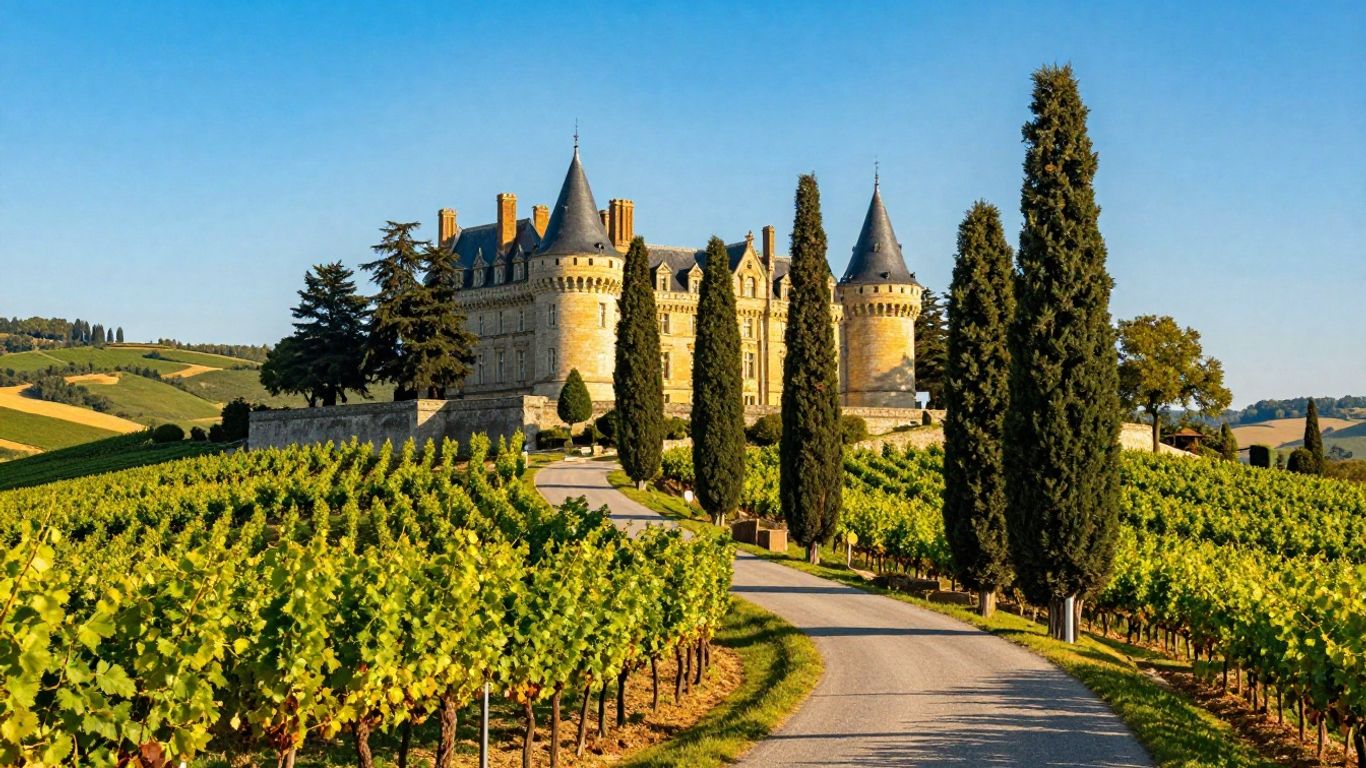
The landscape really starts to change as you head towards the Loire Valley. It feels softer, the light seems different, and suddenly you’re surrounded by vineyards and river views. It’s a region that feels like it’s bursting with history, especially with all the châteaux scattered around. It’s easy to get caught up in trying to see as many as possible, and I get it – they all look amazing in pictures. But honestly, I found it much more enjoyable to pick two or three and really take your time with them, exploring the grounds and just soaking in the atmosphere.
Majestic Chenonceau Castle
This is the one that really captured my heart. They call it the ‘Ladies’ Castle,’ and you’ll understand why when you visit. It’s built right over the Cher River, and the sight of it is just something else. It’s hard to put into words until you’re standing there, seeing how it seems to float on the water. It’s a truly unforgettable spot.
Cycling Around Chambord Castle
Chambord is a different kind of spectacular. It’s massive, almost like a grand stage set. If you enjoy cycling, like I do, I highly recommend renting bikes. You can pick them up in places like Cheverny or Blois and cycle along the river. It’s a great way to see the countryside and arrive at the castle feeling like you’ve earned it.
The Romantic Azay-le-Rideau Castle
For something a bit more intimate and less crowded, Azay-le-Rideau is a gem. It sits on an island in the Indre River, and the grounds are just lovely for a picnic. It feels much more personal than the bigger, more famous places. It’s not far from some of the other big names, but it has a quiet charm that’s really special. It’s the kind of place you might miss if you weren’t looking for it, which makes finding it even better.
Where to Stay:
Amboise is a really convenient town to base yourself in. You can easily take day trips to the main châteaux and vineyards from there, and it has some great restaurants for when you get back. If you prefer something smaller, look for charming guesthouses or ‘chambres d’hôtes’ in the smaller villages scattered throughout the valley. Many offer a more authentic experience and a chance to connect with local life.
The Loire Valley offers a pace of life that feels wonderfully unhurried. The combination of grand architecture, rolling vineyards, and the gentle flow of the river creates a unique atmosphere that invites you to slow down and appreciate the beauty around you. It’s a place where history feels alive, not just in the stones of the castles, but in the very air you breathe.
Unveiling Brittany’s Rugged Coastline
Once you cross the border into Brittany, it feels like a different world. The air gets a bit saltier, the landscape gets wilder, and you can really feel the distinct culture here. It’s a place that has always drawn me in, and the coastline is a huge part of that.
The Unique Culture of Brittany
Brittany has its own language, Breton, which you’ll see on many signs alongside French. It’s a Celtic heritage that sets it apart. You can feel it in the music, the festivals, and even the food. I always make sure to try some galettes (savory buckwheat crepes) and crêpes (sweet ones, of course) when I’m here. It’s a real taste of the region. If you’re interested in exploring more unique French experiences, a craft beer road trip could be an interesting detour, though Brittany is more known for its cider and seafood.
Dramatic Coastal Landscapes
The drive along the coast is just stunning. Saint-Malo is a fantastic starting point, with its old walled city right on the water. But don’t stop there. The Emerald Coast, stretching from Saint-Malo towards Cap Fréhel, offers these wide-open views and windswept cliffs that are just breathtaking. Then there’s the Pink Granite Coast, around Perros-Guirec and Ploumanac’h. I’ve never seen anything like it – these massive, smooth boulders in shades of pink and orange just scattered along the shore. It’s truly otherworldly.
The sheer scale of the rock formations along the Pink Granite Coast is something you have to see to believe.
Here’s a quick rundown of some must-see coastal spots:
- Saint-Malo: Explore the ramparts and the old town.
- Cap Fréhel: Hike along the cliffs for incredible sea views.
- Ploumanac’h: Wander among the unique pink granite rocks.
- Gulf of Morbihan: A more sheltered, island-dotted bay with a different, quieter charm.
Brittany really deserves a good chunk of time. I’d say at least three or four nights is ideal to really soak it in. If you’re short on time, it might be better to focus on Normandy and just do Saint-Malo, saving the rest of Brittany for another visit.
Exploring Saint-Malo’s Fortifications
Saint-Malo itself is a gem. Walking along the top of the city walls, known as the ‘remparts’, gives you amazing views of the sea and the surrounding islands. It feels like stepping back in time. You can spend hours just wandering through the narrow streets within the old town, discovering little shops and cafes. It’s a place that really captures the maritime spirit of Brittany.
Where to Stay:
- Saint-Malo: Plenty of hotels within the walled city for an immersive experience, or options just outside with sea views.
- Perros-Guirec: Good base for exploring the Pink Granite Coast, with hotels and guesthouses.
- Vannes (Gulf of Morbihan): Offers charming hotels and B&Bs in a historic setting.
Venturing into Northern France’s Flemish Influence
![]()
When I think about Northern France, my mind often goes straight to the rolling hills of Normandy or the vineyards of the Loire Valley. But there’s a whole other side to this part of the country, a region that feels distinctly different, almost like stepping into another country. I’m talking about the areas influenced by Flanders, particularly around the city of Lille. It’s a part of France that many tourists skip, and honestly, I think they’re missing out.
The Architectural Charm of Lille
Lille itself is a real surprise. Forget the typical Haussmannian architecture you see in Paris; Lille’s buildings have this wonderful Flemish flair. Think colorful facades, ornate gables, and a general sense of grandeur that’s just different. Wandering through the old town, especially around the Grand Place, feels like a step back in time. The buildings are so detailed, and the sheer variety of styles is fascinating. It’s a city that rewards slow exploration, where you can just turn a corner and find something beautiful.
Exploring the Old Town of Lille
I spent a good chunk of my time just getting lost in Lille’s historic center. The cobbled streets are lined with independent shops, cozy cafes, and some really impressive architecture. The Vieille Bourse, the old stock exchange, is a standout. It’s this stunning courtyard surrounded by arcaded buildings – a perfect spot to just sit and soak it all in. It’s easy to see why this area is so popular. You can easily spend a whole afternoon here, just people-watching and admiring the buildings. If you’re looking for a different kind of French city experience, Lille is definitely worth considering for your next trip. It’s a great starting point if you’re interested in exploring the unique culture of Brittany or other less-traveled parts of Northern France.
Experiencing Lille’s Culinary Scene
And the food! Oh, the food in Lille is something else. It’s hearty, comforting, and reflects that Flemish influence. You absolutely have to try the carbonnade flamande, a rich beef stew cooked in beer. It’s the kind of dish that warms you from the inside out. Another local specialty is the waterzooi, a creamy chicken or fish stew. And of course, you can’t visit Lille without indulging in some Belgian-style fries, often served with a variety of sauces. The city has a fantastic food market, too, where you can sample local cheeses and charcuterie. It’s a place where food is taken seriously, and it shows.
Where to Stay:
Lille offers a range of accommodations. For a central location with easy access to the old town, look for hotels around the Grand Place or in the historic center. If you prefer something a bit quieter, the areas just outside the immediate city center offer charming boutique hotels and guesthouses. For a more budget-friendly option, there are several well-regarded hostels and budget hotels available, especially near the train stations.
Scenic Drives Through Provence’s Countryside
Provence. Just saying the name conjures up images of rolling vineyards, sun-drenched hills, and charming villages. And let me tell you, driving through this region of France is every bit as magical as you imagine, maybe even more so. I remember my first road trip through Provence; it felt like stepping into a painting. The light there is just different, softer, making everything glow.
The Beauty of Avignon’s Historic Streets
My journey often starts in Avignon. It’s a city with a palpable history, most famously its Palais des Papes. Wandering the old streets, you can almost hear the echoes of centuries past. The ramparts offer a fantastic perspective, especially at sunset. It’s a great place to get your bearings and soak in the Provençal atmosphere before heading out into the countryside. If you’re looking for a place to stay, Avignon has a range of options, from boutique hotels within the old city walls to more modern accommodations just outside. I found a lovely little spot near the Place de l’Horloge that was perfect for exploring on foot.
Medieval Hillside Towns
Leaving Avignon, the real adventure begins. The drives between the hilltop villages are spectacular. You’ll see signs for places like Gordes, Roussillon, and Bonnieux, and each one is more picturesque than the last. Gordes, perched dramatically on a rocky outcrop, is a sight to behold. Roussillon, with its ochre-colored buildings, feels like it’s glowing from within. It’s worth taking your time here, stopping at viewpoints, and perhaps enjoying a picnic lunch with local cheese and bread. Be prepared for narrow, winding roads – they’re part of the charm, but sometimes a bit of a challenge!
- Gordes: Famous for its stunning architecture and panoramic views.
- Roussillon: Known for its vibrant ochre cliffs and colorful houses.
- Bonnieux: Offers beautiful vistas over the Luberon valley.
The Breathtaking Verdon Gorge
No drive through Provence is complete without experiencing the Verdon Gorge. It’s often called the ‘Grand Canyon of Europe,’ and it truly lives up to the hype. The turquoise water is an unbelievable color, especially when the sun hits it just right. You can drive along the rim, stopping at various viewpoints, or if you’re feeling adventurous, you can rent a kayak or paddleboat down in the gorge itself. The drive up to the viewpoints can be a bit hair-raising with sharp turns, but the scenery is absolutely worth it. I remember pulling over at one spot, the sheer scale of it all just took my breath away. It’s a place that makes you feel incredibly small in the best possible way.
The sheer beauty of the landscape, carved over millennia, is a powerful reminder of nature’s artistry. The contrast between the rugged cliffs and the impossibly blue water is something you won’t soon forget.
Where to Stay: While you can do these drives as day trips from larger towns like Aix-en-Provence or even Marseille (which has a convenient airport), I often prefer to stay in smaller villages. Places like Moustiers-Sainte-Marie, right at the entrance to the Verdon Gorge, offer a more immersive experience. You can find charming guesthouses and small hotels that give you a real taste of Provençal life. Booking ahead is usually a good idea, especially if you’re traveling during the peak season, though visiting in the shoulder seasons like late spring or early fall can offer a more relaxed experience with fewer crowds and pleasant weather. You can find flights into Marseille Provence Airport to start your journey.
The Allure of Alsace’s Wine Villages
When I think about France, my mind often goes to Paris or the Riviera, but there’s a corner of the country that truly captured my heart: Alsace. It feels like stepping into a storybook. The villages here, nestled along the Vosges mountains, are just unbelievably charming, and they’re all part of the famous Alsace Wine Route. It’s a drive that’s less about the destination and more about the journey, with vineyards stretching out on either side and these incredibly picturesque towns popping up around every bend.
The Enchanting Village of Colmar
Colmar is often the first stop for many, and for good reason. It’s a bit bigger than some of the other villages, but it’s absolutely stunning. Picture this: canals winding through the town, colorful half-timbered houses that look like they’re straight out of a fairy tale, and flower boxes overflowing with blooms. I spent a whole afternoon just wandering, getting lost in the narrow streets, and popping into little shops. It’s a place where you can really feel the history. The architecture is a unique blend of French and German influences, a legacy of the region’s past.
Where to Stay: Colmar has a range of options, from cozy guesthouses to more established hotels. Staying right in the old town gives you the best experience, allowing you to step out and explore at any hour.
Exploring Riquewihr’s Charm
If you want to see a village that’s practically frozen in time, Riquewihr is it. It’s incredibly well-preserved, with its medieval ramparts still intact. Walking through Riquewihr feels like you’ve gone back centuries. The main street is lined with winegrowers’ houses, many dating back to the 15th and 16th centuries. I remember stopping at a small wine shop and tasting some of the local Riesling – it was fantastic. It’s a place that really makes you appreciate the history and tradition of winemaking in the region.
Discovering Eguisheim’s Beauty
Eguisheim is another gem, and it’s famous for its unique circular layout. The village is built around a central castle, and the streets spiral outwards. It’s incredibly photogenic, with its vibrant houses and flower-lined lanes. I found myself just strolling around, taking photos, and enjoying the peaceful atmosphere. It’s one of those places where you can just relax and soak it all in. It’s also known for its excellent white wines, so be sure to sample some.
Wandering Through Kaysersberg
Kaysersberg was a personal favorite. It has a lovely river running through it, a picturesque bridge, and a charming castle ruin overlooking the town. I loved exploring the cobblestone streets and discovering hidden courtyards. There’s a real sense of community here, and you can feel it as you walk around. It’s a great spot to just wander without a plan, letting the village reveal its secrets.
The Alsace Wine Route is more than just a collection of pretty villages; it’s an experience. It’s about the rolling vineyards, the crisp local wines, and the unique Franco-German culture that permeates everything from the architecture to the food. Driving this route, especially in the late spring or early fall, is truly magical.
Tips for Your Visit:
- Best Time to Visit: Late spring (May-June) for blooming flowers or early fall (September-October) for the grape harvest and autumn colors.
- Getting Around: A car is highly recommended to explore the villages at your own pace. Many are close enough to visit multiple in a single day.
- Wine Tasting: Don’t be shy about stopping at local wineries. Most offer tastings, and it’s a great way to learn about the region’s wines and meet the locals.
This region is a must-see for anyone who appreciates beautiful scenery, history, and good wine. It’s a part of France that often gets overlooked, but it’s one that I’ll definitely be returning to.
Navigating the Cevennes National Park
Ancient Farmsteads and Chateaus
Driving through the Cevennes National Park feels like stepping back in time. I remember one trip where we decided to take the scenic route, avoiding the tolls, and it turned out to be an adventure in itself. The roads wind through rolling hills, and around every bend, there’s a glimpse of an ancient farmstead or a stone chateau that looks like it hasn’t changed in centuries. It’s a landscape dotted with history. We’d pack a simple lunch – a baguette, some cheese, maybe some pâté – and just pull over to soak it all in. It’s easy to get lost in the beauty, but be warned, those scenic routes can add a lot of time to your journey. We learned that the hard way when a short detour to see a castle ended up adding hours to our day.
Tiny Towns and Rolling Fields
The park is full of these incredibly small villages, places where life seems to move at a much slower pace. You’ll see fields stretching out, often with sheep or cows grazing, and stone buildings that have stood for generations. It’s the kind of place where you can really disconnect. We found ourselves stopping frequently, just to take photos and appreciate the quiet. It’s a stark contrast to the busier parts of France, and that’s part of its charm. If you’re looking for a place to truly unwind and experience the French countryside without the crowds, this is it. It’s a good idea to have a map or GPS that works offline, as cell service can be spotty.
The Magic of the French Countryside
This region offers a different kind of French experience. It’s less about grand monuments and more about the subtle beauty of the land and its history. You get a real sense of rural France here, with its traditions and its connection to the earth. It’s a place that invites exploration, whether you’re driving, cycling, or even hiking. For those who love the outdoors and want to see a side of France that’s off the beaten path, the Cevennes is a fantastic choice. You can find some truly hidden hiking gems if you venture a bit further into the park.
Where to Stay:
Accommodation here ranges from charming guesthouses (chambres d’hôtes) in the small villages to more secluded gîtes (holiday cottages). Booking in advance is recommended, especially if you’re traveling during peak season, though the off-season offers a quieter experience with fewer open establishments.
The Artistic Inspiration of Giverny
When I think about France, my mind often drifts to the Impressionist painters, and for good reason. A visit to Giverny is like stepping right into one of their canvases. It’s not a huge place, but it packs a serious punch, especially if you’re a fan of art or just appreciate a really beautiful garden. It’s about an hour’s drive from Paris, making it a super easy stop, maybe on your way to Normandy.
Monet’s House and Gardens
This is the main event, of course. Claude Monet lived here for decades, and he poured his heart and soul into creating this space. The house itself is painted in bright, cheerful colors, and inside, you can see how he lived. But it’s the gardens that really steal the show. There’s the famous water lily pond, with the Japanese bridge arching over it – it looks exactly like his paintings. I spent ages just sitting there, trying to soak it all in. The colors are just incredible, especially when the flowers are in full bloom.
- Water Lily Pond: The star attraction, a must-see.
- Japanese Bridge: Iconic and very photogenic.
- Flower Gardens: Bursting with color in spring and summer.
Late Spring and Early Summer Blooms
If you can time your visit for late spring or early summer, you’re in for a treat. That’s when the gardens are absolutely overflowing with flowers. Think roses, irises, poppies – a riot of color everywhere you look. It’s busy, sure, but there’s a reason why. The light is just perfect, and the air is filled with the scent of blossoms. It really feels alive.
The Beauty of Fall Colors
Don’t discount Giverny if you’re traveling in the fall, though. I went in September once, and it was a different kind of beautiful. The greens start to fade into warmer tones, and there’s a certain crispness in the air. The water lilies might be fewer, but the changing leaves on the trees add a whole new layer of color. It’s a bit quieter then, too, which can be nice.
Visiting Giverny is more than just seeing a famous garden; it’s about experiencing the place that inspired some of the most beloved art in the world. It’s a chance to walk in the footsteps of a master and see the world through his eyes, even if just for an afternoon.
Where to Stay:
While you can easily do Giverny as a day trip from Paris, staying nearby allows for a more relaxed experience. The town of Giverny itself has a few charming inns and bed and breakfasts. For more options, the larger towns of Vernon (just a short drive away) or even heading towards Rouen offer a wider range of hotels and guesthouses. If you’re continuing on to Normandy, Honfleur is a beautiful, albeit often busy, option with plenty of places to stay.
So, What’s the Takeaway?
France is seriously massive, and honestly, we’ve only just scratched the surface with these drives. It turns out there’s a whole lot more to see than just the usual spots. Whether you’re into dramatic coastlines, rolling countryside, or historical towns, there’s a road out there waiting for you. Just remember, sometimes the best adventures are the ones you don’t plan too much – maybe avoid the off-season if you want everything open, though! Happy driving out there!
Frequently Asked Questions
What are some of the best scenic drives in France that aren’t super crowded?
France has so many beautiful places to drive! You could explore the charming coast of Normandy, visit the historic D-Day beaches, or drive through the stunning Loire Valley with its castles. Brittany’s wild coastline and Alsace’s wine villages are also amazing, less-talked-about options.
Is it a good idea to drive through Normandy and Brittany?
Absolutely! Driving through Normandy and Brittany lets you see a lot. You can visit pretty harbor towns like Honfleur, see the famous cliffs at Etretat, and explore the historic D-Day beaches. Brittany offers a unique culture and dramatic coastlines, with places like Saint-Malo being a must-see.
What’s special about the Loire Valley for a road trip?
The Loire Valley is famous for its incredible castles, like Chenonceau and Chambord. It’s a beautiful area to drive through, with lovely countryside, gardens, and charming medieval towns. You can even rent bikes to explore around the castles.
Can you recommend a drive in Provence?
Yes! While Avignon has beautiful historic streets, consider driving to the medieval hillside towns. The Verdon Gorge is breathtaking, though it’s best seen in warmer months when the water is a vibrant blue. Be aware that some smaller towns might be closed during the off-season.
What is the Alsace Wine Route like?
The Alsace Wine Route is magical, passing through charming villages with colorful, half-timbered houses. Towns like Colmar, Riquewihr, Eguisheim, and Kaysersberg are incredibly picturesque and perfect for exploring on foot. It feels like stepping into a fairytale.
Are there good scenic drives in Northern France?
Definitely! Northern France has areas with Flemish influences, like the city of Lille, which has unique architecture and a great food scene. You can also drive through the historic WWI battlefields of the Somme and Verdun for a very moving experience.
What should I know about driving in the Cevennes National Park?
The Cevennes National Park offers drives through stunning natural beauty, with ancient farmsteads and tiny, old towns. While it’s beautiful, be prepared for winding roads and potentially long travel times if you avoid tolls, as scenic routes can take much longer than expected.
When is the best time to take a scenic drive in Northern France?
The best times are usually May and June for pleasant weather and long days, or September and early October for milder temperatures and fewer crowds, plus beautiful fall colors. Summer (July-August) is busier and can have heavy traffic.