

New Title: France in Spring: Secret Spots You’ll Fall in Love With

So, are you considering the best places to visit in France in spring? A very wise decision. Of course Paris is lively but when the warm weather comes all over France the whole country gets energized. Think about flowering plants, a bright sun, and a nice atmosphere after a long, cold season. You may want to know the best places to visit in France in spring and I will give you some very unusual ideas. It is definitely about finding non touristy places in France that are even more spring-like.
Key Takeaways
- Due to relatively gentle weather and less crowded it will be a good time to see “off the beaten track” locations of France.
- Each region will be delighting you with its unique features. You will be encountering fresh and unusual things everywhere in France.
- For example, some coastal areas, including Brittany and the magnificent Mont Saint-Michel, will be wonderful places in spring with their fresh sea air and winds.
- It is particularly a wonderful time for art and garden enthusiasts as Giverny will most likely be drawing you.
- The character of south of France areas like Provence and the Camargue is very different. Besides, southern France is heavily influenced by the Mediterranean in its cuisine and way of life.
Beyond Paris: Unveiling France’s Springtime Charms
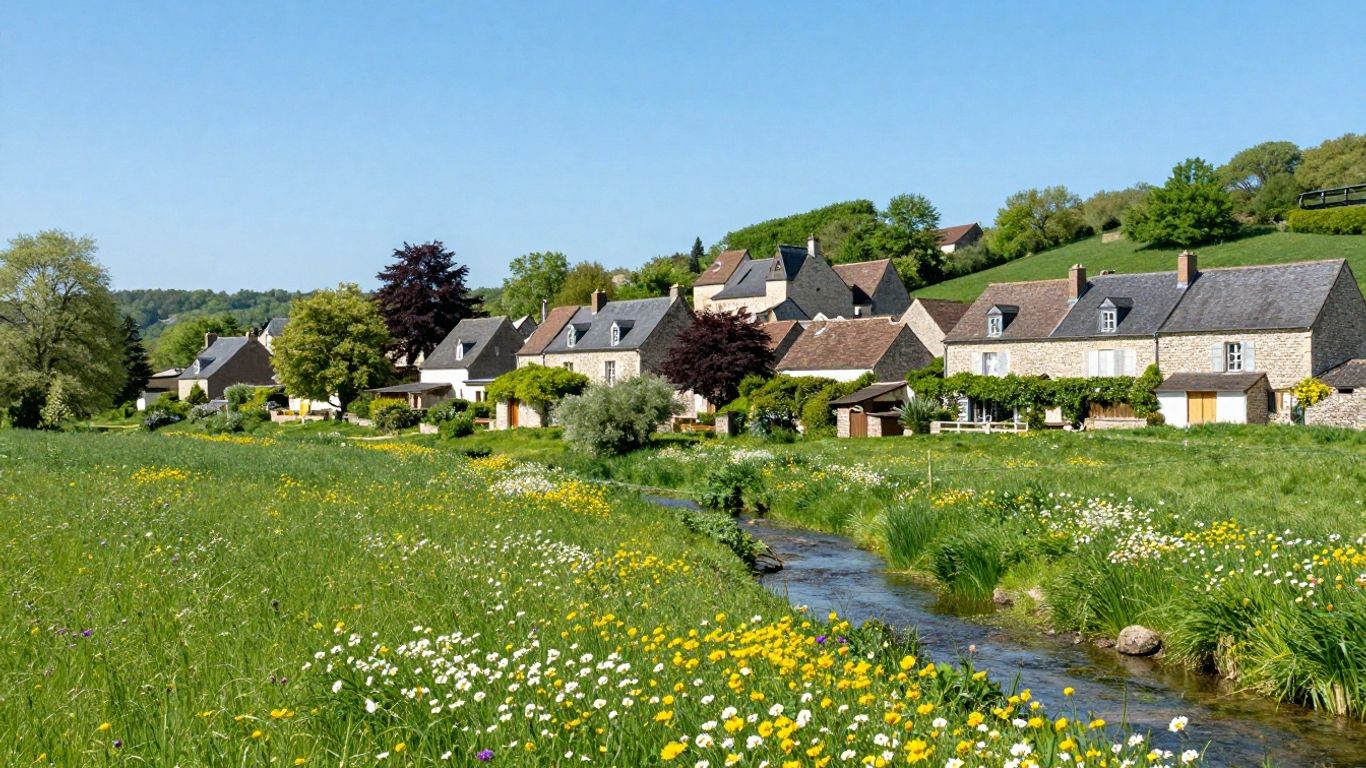
France has some of the best places to visit in France in spring. Especially beyond the usual tourist hotspots. The country shows its best qualities when I travel outside the capital during the months of April and May. The period between spring and summer brings mild weather conditions that create less tourist activity than the summer season while nature appears new and vibrant after the winter season. The current period serves as an ideal opportunity to discover places that receive less attention from visitors.
Arles: A Gateway to Roman History and Natural Beauty
When I first visited Arles, I found the city to contain an extraordinary amount of historic events and sites. The city displays its Roman heritage through its intact amphitheater and theater which visitors can explore at their leisure. The site contains more than its ancient stone structures.
Must-sees in Arles:
- The Roman Amphitheatre (Arena)
- The Alyscamps (Roman necropolis)
- Fondation Vincent van Gogh Arles
Bayonne: Basque Culture and Culinary Delights
One of the best examples of non-touristy places in France in terms of food, culture, and riverside charm is Bayonne. Bayonne is the capital of French Basque Country and its cultural hub. It is tightly exhibited through its distinctive character. It is such a delight to walk around the old town as you trace the historical streets which show colorful half-timbered houses that line the Nive River.
The restaurant served as the first location where they began to consume their meals. But after sampling the famous Bayonne ham with local Basque cider or wine, it became a completely new level of experience. The city really comes alive in springtime as outdoor cafes start attracting customers.
French and Basque influences give Bayonne a unique character.
Grasse: The Perfumed Heart of Provence
If you’re looking for a truly unique spring experience, Grasse is it. The town above the French Riviera serves as the perfume capital of the world. It offers visitors an experience filled with delightful scents. I toured two historic perfume factories, Fragonard and Molinard. I studied their complete production process. It begins with flower cultivation and ends with perfume creation. Spring offers an excellent opportunity for visitors. The jasmine and rose fields surrounding Grasse produce the essential elements used to create these distinctive perfumes.
The location provides a stunning aromatic retreat. It creates a separate atmosphere from the busy coastal area.
The art of perfume-making is quite fascinating to unravel in that place. To get such one-of-a-kind experiences, try to explore France outside of Paris in spring.
Coastal Escapes and Island Wonders
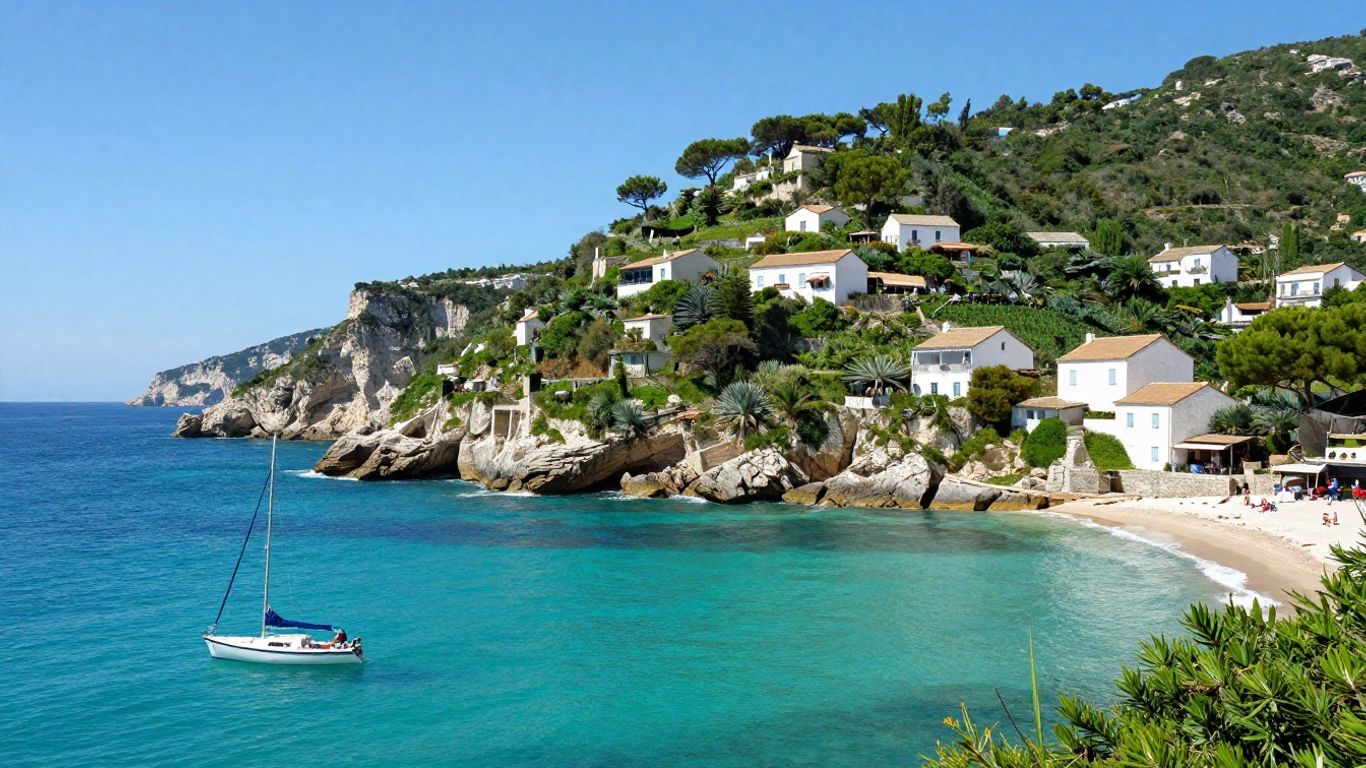
This part of my journey explored the beautiful coastal areas and islands which France presents to its visitors. The sea breeze and the high cliffs which followed my time spent inland, brought me the relief which I required.
Brittany’s Windswept Coastline and Medieval Towns
Brittany really surprised me. The ruggedness of the place I heard about exists in its most positive form. Brittany is one of the most extreme France nature destinations for those seeking a wild Atlantic Ocean coastline. The Brittany Atlantic coast can be regarded as one of the most beautiful and scenic places in France. The region showcases an extraordinary blend of its dramatic cliffs and its time-old fishing villages.
I spent three days visiting Saint-Malo which features complete wall fortifications. The ancient walls of the city enabled me to experience historical times through the sensation of sea spray which touched my face. The inland medieval town Dinan and other cities present essential places for visitors to experience. The street system presents a charming appearance. The rugged coastline of Brittany contains several peaceful places which serve as quiet places in France.
- Must-do: Walk the ramparts of Saint-Malo at high tide.
- Foodie tip: Try the local crêpes and galettes; they’re a regional specialty.
- Best time to visit: Late spring or early autumn to avoid the biggest crowds.
Mont Saint-Michel: A Majestic Tidal Island
Among the factors that make Mont Saint-Michel a globally famous place, its stunning beauty must be mentioned first and foremost. Without a doubt, the island of Mont Saint-Michel is one of the most captivating and scenic places in France.
The monastery at the mountain’s peak gave me amazing views during the sunny day of my trip. The climb to the top requires effort yet offers complete value. The busy times of day attract large numbers of people so you should expect this during those times. I discovered that visiting in early morning hours or late afternoon hours brought me some advantages.
Cancale: Oysters and Atlantic Views
Cancale serves as the ideal destination for seafood lovers. The small port town exists as a worldwide seafood destination which specializes in its exceptional oyster dishes. I watched the boats arrive at the port while I ate lunch there because the restaurant opened fresh oysters. The bay looks beautiful because its attractive appearance creates a serene atmosphere. The latter is in complete contrast to the noisy and busy atmosphere of the big coastal cities.
- Oyster tasting: Visit one of the local oyster farms or restaurants along the port.
- Coastal walk: Explore the Sentier des Douaniers (Customs Officers’ Path) for stunning views.
- Don’t miss: The Pointe du Grouin for panoramic vistas of Mont Saint-Michel Bay.
Gardens and Artistic Inspiration
The spring season transforms many areas into beautiful France nature destinations. It showcases floral displays and garden areas and their picturesque natural views. I have always felt that visiting these spots creates the experience of entering a painting. It comes to life through the sight of blooming flowers.
Giverny: Monet’s Idyllic Garden Sanctuary
Giverny is certainly one of the most serene and scenic places in France. So the atmosphere there is just like a Monet painting in the spring. The famous water garden includes the legendary Japanese bridge. The wisteria so heavily covers the bridge, creating the same enchanting scene one dreams of. The colors display their maximum brightness while the water shows a peaceful reflection of the sky and flowers.
The gardens which Monet designed, reveal his artistic vision through their multiple display areas. His house, painted a cheerful pastel pink, is also worth exploring. The space contains his actual possessions which allow visitors to experience his everyday existence. The nearby Museum of Impressionism is a great stop to see more works inspired by the region.
- Wander through the Water Garden: Don’t miss the water lilies and the famous bridge.
- Explore Monet’s House: See where the artist lived and worked.
- Visit the Clos Normand: The flower garden on the other side of the road, bursting with color.
- Reflect at Monet’s Tomb: Located in the local churchyard, it’s a quiet spot.
The Loire Valley: Châteaux and Renaissance Splendor
To me, the Loire Valley is undoubtedly one of best places to visit in France in spring. Its nature and stunning chateaux together make up a wonderful setting. The most vivid image of my short trip to Château de Villandry that I still remember was the gorgeous gardens there.
There is a variety of gardens to choose from such as the traditional Renaissance gardens along with the more casual vegetable gardens that are kept in perfect condition. The location is a superb place where historical narratives and horticultural skills can co-exist.
| Château | Garden Highlight |
| Villandry | Renaissance ornamental and kitchen gardens |
| Chenonceau | Formal French gardens overlooking the River Cher |
| Chambord | Vast forested parkland and formal terraces |
| Azay-le-Rideau | English-style park and formal French garden |
Versailles: Royal Grandeur and Impeccable Gardens
French gardens need Versailles. It serves as their essential element for a complete assessment.
The Palace of Versailles grounds create an experience that transports visitors to an entirely different universe. The scale and detail are simply breathtaking. The gardens present an astonishing display. They include vast lawns, detailed parterres, and numerous fountains. The hidden groves became my discovery path. I explored them for hours while admiring the perfect balance of symmetry. The Grand Canal presents a stunning view.
Visitors should see it because the fountain displays provide an extraordinary spectacle for those who visit at the right time. Marie Antoinette’s Hamlet presents a different atmosphere. Its rustic design creates a natural space that flows away from the palace’s opulent decorations. The location represents the highest level of French landscape design. It demonstrates the most luxurious and spectacular elements of the art form. The gardens require exceptional artistic skills. They create an impressive display of artistic achievement.
- Explore the Hall of Mirrors: A must-see inside the palace.
- Stroll through the Gardens: Allow ample time to cover the vast grounds.
- Visit the Grand Trianon and Petit Trianon: Smaller, more intimate palaces on the estate.
- Discover Marie Antoinette’s Hamlet: A picturesque, rustic retreat.
Southern France’s Sun-Drenched Destinations
Spring is when Southern France becomes the most beautiful it can be, so it’s definitely one of the best France nature destinations. The whole region really seems to awaken after its winter rest and is full of colorful sights and comfortable weather. This guide reveals some offbeat places in France that are at their most beautiful when spring arrives.
Avignon: Papal History and Riverside Charm
Avignon is a city that really captured my imagination. The historical atmosphere of the old town becomes apparent when visitors walk its streets since the ancient stones. The Palais des Papes is an immense building reflecting a period when popes had chosen this city as their home. Exploring its enormous passageways and outdoor locations may certainly occupy a person for an entire day.
My favorite part, though, was simply strolling along the Rhône River. The views become beautiful during springtime when the air remains fresh and the light appears gentle. I recommend that you take a picnic from local markets. It should include crusty bread and good cheese and a bottle of Côtes du Rhône. The activity provides basic enjoyment, but it expresses true French character.
- Palais des Papes: Allow at least half a day to explore this massive papal palace.
- Pont d’Avignon: Even though it’s only partially standing, the famous bridge is still an iconic sight.
- Rocher des Doms: This garden offers fantastic panoramic views over the city and the river.
The Camargue: Wild Horses and Pink Flamingos
Flamingos and wild horses can be observed at the Camargue, which stands as one of the best France nature destinations. The Camargue stands as a unique natural destination in France which features wetlands and salt flats and rice paddies. The place serves as a perfect retreat for nature enthusiasts because it offers a complete escape from all other areas of France.
The memories of seeing for the first time those stunning white horses in the pasture rush to my mind instantly. I also recall my admiration of the beautiful pink flamingos that are found here. As a nature photography spot, this place is wonderful. And at the same time, everyone can have access to Camargue’s pristine nature. Thanks to its wild nature, Camargue is one of the most offbeat places in France where you can have a totally different experience.
Best Time for Wildlife Spotting:
| Activity/Wildlife | Best Season | Notes |
| Flamingos | Spring & Autumn | Most active during these periods. |
| Wild Horses | Year-round | Always a majestic sight. |
| Birdwatching | Spring | Many migratory birds are present. |
The best way to really get to know an environment is by going there with a real expert by your side. Your guide can explain to you all hidden features of the different ecosystems that make the area unique. The drive will show you the stunning sight of horses and bulls which roam the area without any restrictions. The French region exists as an untouched natural area, which people frequently miss discovering.
Collioure: Artistic Heritage on the Mediterranean
Collioure is still an original and calm place as it is not yet one of the main non touristy places in France. The little fishing village on the Mediterranean coast still has a wonderful atmosphere that is almost indescribable. The place is known for the vivid houses going down to the sea and for the great connections to the world of art.
In fact, Matisse and Derain, two famous painters in their times, decided to make a trip here, and if you do likewise, you will also discover what really attracted them to pay their visit here. Also, without doubt, Collioure is a very beautiful and scenic place in France.
- Wander the Old Town: Get lost in the maze of colorful streets.
- Visit the Château Royal: Explore the former summer residence of the Kings of Majorca.
- Enjoy the Beach: Relax on the pebble beaches and soak up the sun.
The local anchovies are also a must-try because their popularity proves their worth. The south requires travelers to protect themselves from the sun by bringing enough water and using sunscreen. The sunny area requires visitors to protect themselves from the sun.
Alsace’s Enchanting Villages
When I think of Alsace, charming villages with brightly-colored timber-framed houses in abundance immediately come to my mind. Red geranium flower pots decorate the windows, and the narrow streets are inviting you to discover them. In fact, this part of France is so beautiful that I might even choose it as my top France nature destination.
The intermixture of French and German cultures, not only through the architectural styles and the food, gives the region a distinctive feel. Indeed, the springtime nature with a plentiful blooming of plants along with the colorful villages is actually the main reason why Alsace gets ranked as one of the best places to visit in France during spring.
Eguisheim: A Fairytale Village in Alsace
Eguisheim stands out as a picturesque French village which remains one of the non touristy places in France as of its fairytale pathways and vibrant residential streets. The town has gained recognition because of its circular street design which encircles its main building that resembles a castle. The spring season makes Eguisheim one of the most quiet places in France to experience.
The houses maintain their original appearance because they display traditional wooden structural elements and painted exterior walls. I spent hours exploring the narrow streets which led me to discover small craft shops while I admired their window displays. The place provides visitors with an opportunity to experience a slower pace which enables them to notice everything in their surroundings.
- Must-try local treats: You should experience the local Alsatian wines which include both Riesling and Gewürztraminer before you depart. You should combine it with kougelhopf which is a traditional brioche cake.
- The best time for photos is early morning or late afternoon, when the light is best, and there are fewer people.
- Don’t miss: The central square with its fountain and the charming potiches (flower pots) adorning many of the buildings.
The circular layout of Eguisheim enables visitors to walk through its streets and take photos of the town. The town reveals its beauty through its streets which provide visitors with continuous postcard-worthy views. The charming streets of the town invite visitors to spend their entire day discovering its beauty.
Strasbourg: Canals and Gothic Architecture
Strasbourg functions as a city location which maintains Alsatian charm. Perhaps the biggest attractions of the Petite France locale are the beautiful canals, narrow streets and quaint wooden houses. Taking a boat trip along the waterways was the highlight of my visit as it introduced me to a whole new aspect of the city and its buildings. By the way, the Strasbourg Cathedral is also something not to be missed. The building displays Gothic architectural design through its extensive dimensions, which create a stunning visual effect. The interior contains beautiful stained-glass windows which create a breathtaking visual experience, while the astronomical clock show at noon creates an impressive display that should be witnessed by everyone.
- Getting around: The city center of the city provides excellent walking conditions, while residents can use the efficient tram system. The most effective way to travel to Petite France is through walking.
- Culinary delights: Strasbourg offers more than its typical Alsatian dishes because the city specializes in preparing tarte flambée. The city serves exceptional bakeries that create a thin, crispy flatbread which people top with cream and onions and bacon.
- Cultural tip: Strasbourg is home to several European institutions, adding a modern, international layer to its historic core.
Visitors to Alsace should spend sufficient time to discover all the attractions which reside in its villages. The villages showcase a historic and picturesque aspect which represents the authentic character of France. The French Alps provide additional details for travelers who wish to discover unique destinations.
Wine Regions and Gastronomic Pursuits
France is well known for its incredible dining and amazing wine, which gives it a charm of its own in the spring. The vines are only beginning to show leaves, and the air carries a light, optimistic vibe. I find that in these places, sampling food is less and less important to me. The process involves two components. First, visitors need to explore the area, and second, they must experience the cultural elements that create these particular tastes.
From coastal towns to lavender fields, these are some of the best places to visit in France in spring for every kind of traveler.
Bordeaux: Vineyards and Reflective Pools
Bordeaux marks my initial experience with comprehensive exploration of French wine regions. The entire area can be traveled through because it consists of continuous vineyards which extend for miles. Besides, the city of Bordeaux has its beauty that leaves you speechless. I took a whole afternoon to stroll leisurely, and the Miroir d’Eau, the largest reflecting pool in the world, was one of the highlights.
Besides, the site is a perfect spot for photos as the magnificent Place de la Bourse is situated right behind it. The wine functions as the primary attraction in the event. I highly recommend booking a tour and tasting at one of the many châteaux. The experience involves more than drinking wine because it includes the historical background and the dedication which people invest into making it. Some places offer really in-depth tours that explain the whole process, from grape to glass.
- Wine Tasting Etiquette: Always swirl your glass before sipping to release the aromas.
- Food Pairings: Don’t shy away from trying local cheeses and charcuterie with your wine.
- Transportation: Consider a guided tour if you plan on visiting multiple wineries to avoid driving after tasting.
Saint-Émilion: Monolithic Churches and Hilltop Views
The town of Saint-Émilion provides a historical experience which visitors first encounter after traveling from Bordeaux. The hilltop town demonstrates its wine heritage but the monolithic church emerged as my primary focus. The narrow winding streets of the town provide visitors with stunning views that extend to the surrounding vineyards.
Saint-Émilion stands as one of the most quiet places in France, which offers wine enthusiasts a tranquil experience. The food here is exceptional. The majority of restaurants emphasize using fresh local products which match the local wines. The place exudes charm through its combination of historic elements and lively atmosphere.
If French culture and culinary traditions have caught your attention, Saint-Émilion is a place you should definitely visit. It is the combination of the historical buildings and the green vineyard landscapes. The excellent local products also add to the experience. This mix makes the memory so memorable that the impact may stay with you for a long time. It can continue to influence you even after you have left.
Rhône-Alpes: Vineyards and Alpine Scenery
The Rhône-Alpes region surprised me with its wide range of different things to see. The region features numerous vineyards which extend across its sunlit fields. The Alps create a stunning visual display which enhances the view. The city of Lyon offers a dining experience, which I enjoyed during my short stay. I recommend that you taste traditional Lyonnaise dishes, which provide deep flavor and complete dining pleasure. The food options include filling stews and delicious baked goods.
The area beyond the city provided me with beautiful experiences through its small towns and its lake region. The lush vineyards create a beautiful view which contrasts with the steep mountain ranges. The area provides visitors with wine tasting experiences together with outdoor activities and food discovery. The local markets gave me a wonderful chance to taste the local dishes as well as pick up unique things to bring home. This place is a great mix of beautiful nature and food adventures for tourists. Here, one can indulge in the French ciders which is a nice change from the usual wine.
Unique Landscapes and Natural Wonders
Ille-sur-Têt: Striking Rock Formations
The person who first learned about Ille-sur-Têt expected something different from the actual experience. The description of rock formations needs more than this basic explanation. The “Orgues” (the Pipes) exhibit a level of distinctiveness that surpasses ordinary standards. The site showed me its beauty through sunlight which created amazing effects on the slender sandstone spires. Ille-sur-Têt exists as one of the most unique offbeat places in France, because its landscapes present an almost extraterrestrial appearance.
The area occupies a compact space yet it holds remarkable natural sculptures. The sculptures create an illusion of unstable balance which makes viewers question their ability to remain standing. The colors display earthy tones because they use reds and browns and yellows as their main colors but their appearance alters throughout the day and with changing weather conditions. The sunny afternoon I visited created shadows that enhanced the visibility of textures.
The best time to visit is definitely late afternoon, when the sun casts long shadows, which create an effect that shows actual shapes. The paths are simple to walk through the area but visitors need to wear shoes that provide comfort because the surfaces contain uneven sections. Visitors should bring water for their trip because the main formation area offers limited shaded locations during the warmer months.
Here’s a quick rundown of what to expect:
- The “Orgues”: These are the main attraction, tall, thin rock spires that look like organ pipes.
- Color Palette: Predominantly ochre and red sandstone, with variations based on light.
- Walking Paths: Well-marked but can be uneven, requiring sturdy footwear.
- Surrounding Landscape: A mix of scrubland and rocky terrain, typical of the Pyrénées-Orientales region.
The location serves as a reminder that geological processes operate at an unhurried pace which continuously shapes the environment. The geological formations exist as evidence of natural forces that have sculpted the earth through wind erosion and rainfall for a period exceeding one million years. The phenomenon creates a silent state of amazement which exceeds all other forms of impressive display.
The Alabaster Coast: Dramatic Limestone Cliffs
The Alabaster Coast (Côte d’Albâtre) in Normandy displays its second natural spectacle when travelers continue their journey northward. I had viewed photographs of the white cliffs yet I found the experience of standing on their edge to see the English Channel more impressive. The cliffs do not reach the same vertical drop which characterizes the most famous cliffs found at other locations. Their smooth, pale appearance; especially against the blue of the sea and sky; gives them a unique, almost ethereal quality. The Alabaster Coast receives its name because of its visible white appearance.
My visit focused on the area around Étretat. The famous arch and the Needle Rock formation are truly iconic. The site offers visitors two options for exploration because they can either walk along the cliff tops or use the designated paths to reach the pebble beaches that lie beneath. The location attracts many people so you will encounter other guests yet the massive cliffs create an atmosphere of wonder that remains intact.
What I really enjoyed was the contrast. One minute, you’re looking at these imposing white cliffs. The situation requires you to be at the beach so that you can either look at them or watch the waves which hit the beach. The location provides an ideal environment for mental relaxation because it offers fresh salty air.
Here are a few things I’d recommend:
- Étretat’s Arch and Needle: Don’t miss these famous natural landmarks.
- Cliff-Top Walks: Offers stunning panoramic views of the coast.
- Pebble Beaches: Great for a stroll, but bring appropriate footwear as they can be tough on the feet.
- Local Seafood: Enjoy fresh catches in the charming town of Étretat.
The weather here experiences rapid changes which require people to prepare for wind and possible rain during sunny weather. The best solution for your needs is to wear multiple clothing layers. You must choose shoes with strong traction because the cliff paths will become dangerous when you walk.
Hidden Gems in the South
Initially, when I relocated to the south of France, I was extremely fixated on the most famous names, like the places that everyone invariably cites. However, gradually, I began to venture into lesser-known areas and I discovered some amazing places. These secret treasures constitute some of the most underrated places to visit in France that visitors should experience especially in springtime.
Narbonne: Ancient Roman Routes and Canals
Narbonne is rightly counted among the most underrated places to visit in France as it features European historical sites and gorgeous waterfronts.
The city is located along the original route of the Roman Via Domitia, and you can still see some of the historical remnants. I spent an entire afternoon roaming the Roman ruins and imagining how people lived in those ancient times.
On top of that, this little town boasts a lovely canal where one can always walk freely and enjoy great views of the cathedral which awaits its completion. It is also known for its famous native Charles Trenet, and the dwelling where he lived has been converted into a museum.
This town embodies many different historical eras, but it has been completely neglected by tourists.
- Explore the Maison des Chروطres to see Roman artifacts.
- Walk along the Canal de la Robine.
- Visit the Cathédrale Saint-Just-et-Saint-Pasteur.
Perpignan: Mediterranean Charm and Local Culture
Perpignan, which maintains its southern French vibe throughout its existence, shows more energetic activity than Narbonne. The Spanish border area strongly influences Catalan culture which is reflected not only in the local food habits but also in the architectural aspects. I recall a time when I was at a coffee shop in Place de la Loge, observing the people passing by, and getting a very strong feeling that I was a million miles away from anywhere.
The Castillet, which served as a prison in the past and now is one of the three medieval fortified gates, is a significant historic monument. Viewers can also enjoy beautiful vistas from the Palais des Rois de Majorque. The city exists as a permanent residential area because people use it as their home beyond tourist activities.
The mingling of French and Catalan culture here is completely unique: it’s something you can hear in the language, see in the buildings, and something that you can certainly taste in the food.
Leucate: Seaside Walks and Local Flavors
The entire identity of Leucate revolves around its coastal area. The town sits between the Mediterranean Sea and a vast lagoon which produces stunning natural beauty. I enjoy walking along the coastal cliffs because they provide breathtaking views. The waterfront area features excellent small restaurants which offer freshly caught seafood. Hikers who explore the inland area will discover vineyards and olive groves when they take the extended hiking path. Leucate stands as one of the most quiet and underrated places to visit in France, which receives few visitors.
It’s places like these that make me appreciate how much more there is to France than just the famous landmarks. Underrated French towns provide visitors with different attractions because these towns offer more beauty and charm than popular tourist destinations. Leucate is one of the best quiet places in France for peaceful seaside walks.
| Activity | Recommendation |
| Coastal Hike | Walk along the cliffs for stunning sea views. |
| Dining | Enjoy fresh seafood at a waterfront restaurant. |
| Inland Exploration | Discover local vineyards and olive groves. |
Provence’s Lavender and Hilltop Towns
Provence transforms into the ideal destination for spring flowers France when spring arrives. I have to visit this area every year and I will spend this year focusing on two specific locations which are the famous lavender fields and the picturesque hilltop villages. The classic combination exists because of its enduring appeal.
Sault Plateau: Late-Blooming Lavender Fields
Most people associate the Luberon with lavender, but I discovered that the Sault Plateau serves as one of the most scenic offbeat places in France for lavender enthusiasts. The purple haze persists throughout summer because the location stands at a higher altitude.
I purchased lavender ice cream in Sault after I explored the fields. The view of the purple landscape from my seat created an ideal experience. The lavender fields become essential springtime attractions. The spring flowers native to France and the other spring flowers create a sensory experience that people will always remember.
The best time to catch the peak bloom in Sault is typically from mid-June to mid-August.
Here’s what I usually pack for a day exploring the fields:
- Comfortable walking shoes (you’ll be on uneven ground)
- A wide-brimmed hat and sunscreen (the sun can be strong)
- A light jacket or scarf (mornings can be cool)
- A camera to capture those incredible views
The lavender fields offer visitors more than a simple flower display. The experience allows visitors to explore the Provençal countryside through its aromas and bee sounds and its expansive natural beauty. The scene appears to bring visitors inside an artistic painting.
Gordes: A Picturesque Hilltop Village
The village of Gordes presents itself as an actual storybook village according to its paintings. The village features stone buildings which rest on a rocky outcrop and create the appearance of descending the hillside. I enjoy wandering through its narrow streets which follow a winding path. The location provides multiple viewing spots which display either the valley below or the delightful square containing a fountain.
When I visited Gordes, I made sure to:
- Walk up to the château in the center of the village.
- Explore the Sénanque Abbey, often surrounded by lavender fields (though it is a short drive away).
- Find a small café and just watch the world go by.
The location provides visitors with an opportunity to spend an entire afternoon experiencing its atmosphere. The viewpoints located outside the village provide visitors with breathtaking views that reach their peak during sunset.
Northern France’s Coastal Allure
My thoughts about Northern France lead me to picture its dramatic coastal landscapes. The South presents a different atmosphere which combines its natural beauty with windblown ruggedness. The best time to visit is springtime because visitors have not yet arrived in full numbers and the atmosphere remains fresh and clean.
Normandy’s Historic Sites and Coastline
Normandy really surprised me. The coastline delivered an unexpected experience because I anticipated historical sites to show me their complete historical value. The white cliffs along the drive create an English appearance which combines with distinctive French beauty.
People talk about Étretat because it offers visitors multiple reasons to visit. The natural arches which have been carved into the cliffs create breathtaking views. I dedicated several hours to walking the paths while I observed the waves crashing beneath me. The area experiences strong winds so visitors should bring a jacket.The cliffs lead to Honfleur which contains charming harbors that appear as if they were created for a painting. The location provides an ideal environment for people to explore while they enjoy crêpes and experience the local ambiance. Normandy exists as a historical destination which must be mentioned during any discussion about the region. The D-Day landing beaches provide visitors with a serious yet essential experience. The historical site serves as a strong reminder about previous events.
- Étretat: Famous for its dramatic chalk cliffs and natural arches.
- Honfleur: A charming harbor town with a rich artistic history.
- D-Day Landing Beaches: Sites of historical significance from World War II.
The blend of natural beauty and profound history makes Normandy a truly unique destination in Northern France. The location creates an experience which remains with visitors after they depart.
The Côte d’Azur: Mediterranean Glamour
Now, for a complete change of pace, we head to the Côte d’Azur, or the French Riviera. The French Mediterranean coast appears here as a radiant meeting point between France and Mediterranean beauty. The atmosphere maintains its vibrant energy throughout springtime because the summer peak has not yet arrived.
Nice provides an excellent starting point through its iconic Promenade des Anglais. I enjoyed walking along the waterfront to observe people while I tasted local street food. People should try Socca because it features chickpeas in a pancake form that delivers a basic yet delicious taste.
The Riviera beaches of Antibes and Cannes provide visitors with authentic Riviera glamour. The area features stunning beaches and high-end shopping stores which create an elegant atmosphere. The location offers more than just its glamorous attractions because visitors can discover its peaceful areas.
The area contains picturesque villages which showcase stunning gardens that extend beyond the coastal line. Artists have been attracted to this area because it maintains exceptional lighting conditions throughout the years. The atmosphere creates a dual experience of both peacefulness and energetic excitement. This location provides an authentic experience of Mediterranean culture to visitors.
Beyond the Obvious: Embrace Spring in France
While Paris maintains its unique charm, France during the springtime provides visitors with more attractions than just its capital city. The entire French nation exists for exploration which begins from the natural attractions of Brittany and extends to the historic pathways of Avignon. The vibrant gardens of Giverny transform this trip into a more delightful experience.
You should definitely take advantage of the opportunity to visit these unique offbeat places in France which exist outside of the popular tourist sites. The current season provides an ideal opportunity to experience the stunning spring flowers France which presents throughout its rural areas and small towns. The journey will lead you to discover some of the most beautiful and underrated places to visit in France.
Frequently Asked Questions
Why is spring a great time to visit France?
The spring season offers an excellent opportunity to discover France because the country transitions from its winter season and displays its colorful spring flowers France. France becomes more enchanting during springtime because its vibrant flowers bloom throughout the country. The spring season provides the perfect time to explore quiet places in France which remain free from tourist activity.
Are there interesting places to visit in France besides Paris?
Absolutely! Even if Paris is wonderful, France still has a lot to offer. For example, Arles is a town with Roman history; Bayonne is the center of Basque culture; and Grasse, which is the world’s perfume capital, are beautiful places that many vacationers overlook. Spring is the best season to get to know these spots, which have fewer crowds.
What kind of coastal areas can I explore in spring?
France has beautiful coastlines which create ideal conditions for visitors during the spring season. Visitors can discover the coastal paths of Brittany which lead to its scenic natural areas and its historic villages. Visitors can experience the two attractions of Mont Saint-Michel tidal island and Cancale which features fresh oysters and ocean vistas. The Atlantic Ocean shows its natural beauty through wilder coastal areas.
Can I visit famous gardens in the spring?
Yes! The best season for gardening work is spring. The stunning garden of Monet located in Giverny offers visitors a chance to explore its beauty. Visitors can discover the beautiful châteaux and gardens of the Loire Valley while experiencing the royal elegance of Versailles. The gardens become more beautiful during springtime when France receives visitors from around the world.
What are some unique natural sights to see?
The country of France contains exceptional natural sites which no other country has. The Ille-sur-Têt rock formations create an otherworldly appearance through their unique rock structures. The northern Alabaster Coast showcases its natural beauty through its breathtaking limestone cliffs.
Are there good places for wine lovers in the spring?
Definitely! The wine regions of France become most beautiful during the spring season. Visitors to Bordeaux can experience its famous vineyards while Saint-Émilion offers them access to its historic cellars and its elevated scenic viewpoints. The Rhône-Alpes region showcases its diverse landscapes which include its vineyards.
What about the south of France in the spring?
The spring season brings beauty to Southern France. The city of Avignon attracts visitors because of its papal heritage and scenic riverside views while the Camargue region displays its wild horses and pink flamingos. The Mediterranean town of Collioure displays its artistic heritage throughout its coastal area. The hilltop towns of Provence exhibit their most beautiful form during the time before summer heat arrives.
Are there charming villages worth visiting?
France has many hidden yet underrated places to visit in France which become particularly charming during springtime. The village of Eguisheim in Alsace resembles a fairytale. The city of Strasbourg in Alsace features picturesque canals together with its Gothic architectural masterpieces. The smaller towns throughout Provence and Brittany experience their springtime transformation through blooming flowers and their traditional local celebrations.


