

Hidden Gems in France (2026 Guide)

Travelers who are wondering where to go in France besides Paris can use this guide to discover exceptional destinations throughout France. The country of France offers numerous spectacular regions which serve as tourist destinations for visitors who seek alternatives to where to go in France besides Paris.
This guide to France hidden gems provides you with a special experience which allows you to experience the country’s authentic culture and beautiful landscapes without encountering large crowds. The country presents authentic beauty through its traditional villages and its breathtaking natural environments, which we will discover at various locations.
Key Takeaways
- France offers lesser-known spots that are among the most authentic France travel destinations for 2026.
- Explore charming medieval villages like Dinan and Rocamadour for a step back in time.
- Discover natural wonders such as the Verdon Gorge and the Dune of Pilat. They are one of the best hidden gems in France for nature lovers.
- Coastal areas like the Opal Coast and Île de Ré offer beautiful, less crowded beaches.
- Artistic and historical sites that are unique in their kind, for instance the Palais Idéal and caves with prehistoric paintings, provide culturally rich experiences in France.
Discovering France’s Enchanting Medieval Villages
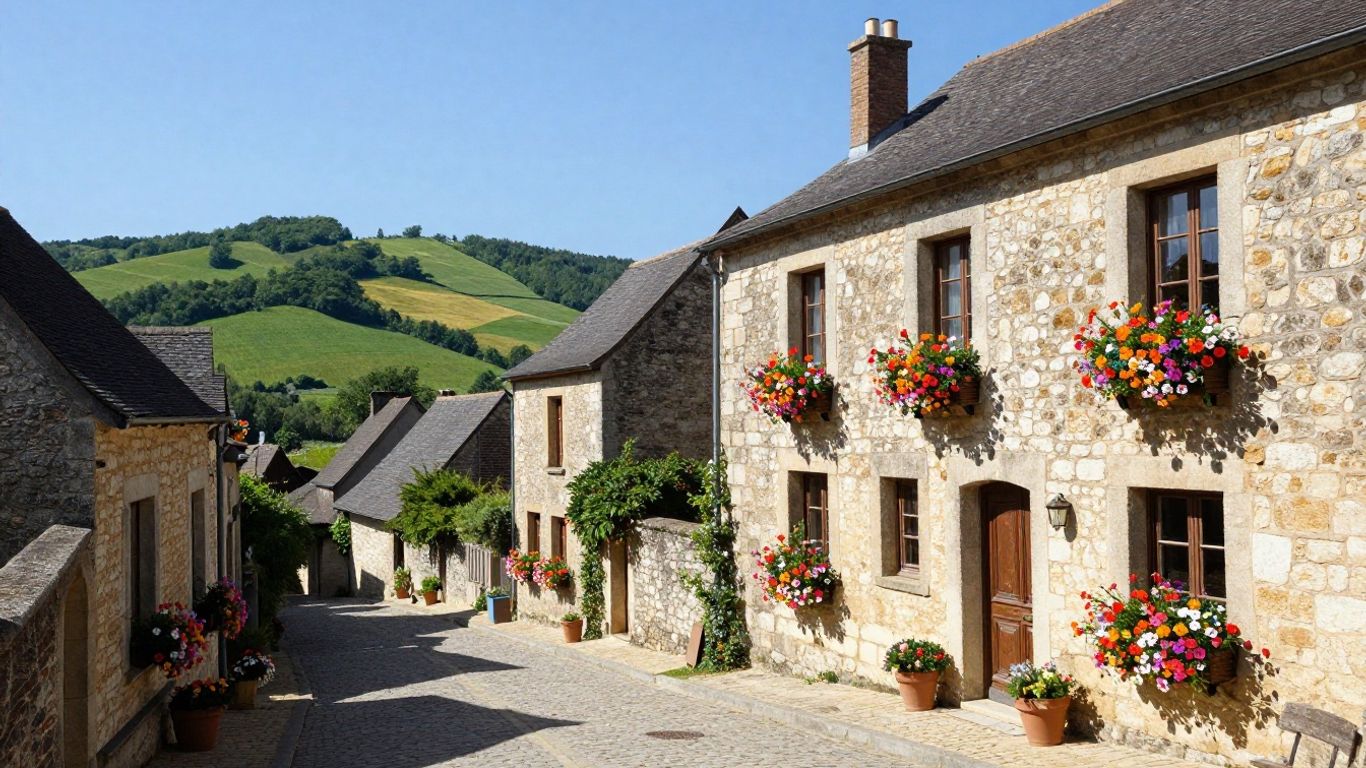
Alpe d’Huez provides excellent vacation options for visitors yet the French Alps offer vast territory. It contains multiple hidden destinations that provide distinct experiences beyond regular tourist paths. I have discovered that the most authentic French experiences occur in the best off the beaten path France adventures, which remain untouched by tourist traffic.
Attractive villages situated in valley locations and smaller ski areas provide visitors with a community atmosphere which differs from typical commercial operations.
The lesser-known areas I explore provide me with my favorite experience which enables me to connect with local cultures. The alpine villages provide visitors with authentic French rural experiences which display traditional regional customs. The travel experience exists for people who want to explore destinations through complete immersion instead of visiting tourist attractions.
If a serene getaway is what you want, consider traveling to the area of Queyras Regional Natural Park. This wild area features nature in its purest form and breathtaking landscapes of a high standard. The site is a perfect match for committed hiking lovers and outdoor lovers who want to be totally isolated. The eatery serves very good local specialties which have been recipes for many generations.
Visitors might want to consider going for smaller ski areas rather than large ski resorts. Val Cenis and Sainte-Foy-Tarentaise are great places to ski that don’t have the long ski lift lines and crowded ski areas which you usually find at large-scale ski resorts. The facilities give a very family-friendly vibe which, in turn, leads to a very happy and enjoyable experience that is a break from usual routines.
Artistic Havens and Surreal Inspirations
Palais Idéal: A Postman’s Dream Realized
The postman who constructed his palace throughout three decades of work remains an unbelievable story to me. The Palais Idéal in Hauterives? It is a completely different experience. Ferdinand Cheval, this postman, started picking up stones on his mail route and just kept going. The artwork establishes a connection with André Breton because it serves as a fundamental element of his artistic direction according to which surrealists construct their work.
The artwork represents a perfect instance of Naïve art because it was created by an artist without any official artistic education which enhances its appeal. The location serves as proof that a single person’s creativity combined with their commitment can achieve brilliant results.
You reach the destination by driving south from Lyon into the Drôme department. The location exists outside convenient boundaries, which creates its special charm. The route enables you to see the area while driving through its scenic parts. Visitors should spend their time exploring the passageways because they need to observe all the small details. The location creates an atmosphere that makes visitors believe in extraordinary things.
Seillans: A Village Touched by Surrealist Masters
Seillans, which serves as one of the most beautiful villages in France, sits above Provence’s Var region. The village displays architectural charm through its stone buildings and narrow streets. They have earned recognition as one of the Plus Beaux Villages de France.
My main reason for visiting this place stemmed from its relationship with surrealist painter Max Ernst. He spent his final years at this location with his wife Dorothea Tanning. The artistic spirit continues to exist in this location.
Feature:
- Location
- Official Recognition
- Notable Resident
- Ernst’s Residence Years
I spent a good amount of time just exploring the village, imagining the artists who walked these same cobbled streets. The stone wall displays photographs of Ernst. The Salle du Couvent which now operates as an exhibition space. My friend Gregg and other artists have exhibited their artwork at that location.
The location provides peacefulness which people can enjoy while experiencing its historical significance and artistic heritage. The location provides visitors with an opportunity to experience traditional life at a slower pace while they study important artworks from history. The local traditions here include all French drinks except wine which you will find in this area.
Wandering through Seillans, you get a sense of history stretching back centuries. The village has roots from its Celtic-Ligurian origins. It also features a medieval castle. It’s a place where art and history intertwine beautifully, offering a peaceful escape.
Journey Through Prehistoric Wonders
If you are interested in discovering the roots of human history you definitely should go to France since it provides the greatest chances time-travel to ancient times.
The Vézère Valley, which is called the “Valley of Man, keeps on amazing me since I recently came back from being there. There are many prehistoric sites in the region which make one feel as if they are walking through a living museum at the same time.
Les Eyzies-de-Tayac-Sireuil: Gateway to Prehistoric France
My trip always starts in Les Eyzies-de-Tayac-Sireuil. The town presents itself as a small yet charming settlement which resides beneath imposing limestone cliffs and contains the remarkable Musée National de Préhistoire. The museum serves as an ideal starting point for your exploration. The museum provides you with essential knowledge about the area’s Paleolithic heritage.
The museum displays historic artifacts which demonstrate how ancient inhabitants of the region lived their daily lives. The tools and art which they made using only basic materials create a truly amazing experience for viewers. You can easily spend a whole day here studying all the information which you need before visiting the actual sites.
Grotte de Font-de-Gaume: Ancient Artistry Revealed
The Grotte de Font-de-Gaume exists at a distance which one can reach by driving from Les Eyzies. The cave serves as one of the remaining extensive prehistoric sites that permit public access, making it a highly recommended destination. The site contains more than 800 engravings and drawings which depict various animals including horses, bison, and lions.
The ancient artworks reach an astonishing level of preservation. The cave establishes visitor restrictions which require you to book tickets in advance because they need to protect the site. The guided tour presents an interesting experience which shows the historical background of the cave.
Lascaux IV: A Modern Glimpse into Cave Paintings
Every visitor to this area needs to include Lascaux IV which is located close to Montignac in their travel itinerary. The original cave is closed to the public. The replica provides visitors with an authentic experience to see the Lascaux cave paintings through its exceptional detail. The system employs contemporary technology to replicate both the original cave’s environment and its visual art which creates a fully immersive experience. I found it to be a powerful way to connect with the artistic expression of our distant past. The location requires travel from Les Eyzies but it brings complete value to the journey.
Here are a few tips for planning your visit:
- Book in advance: Tickets for Font-de-Gaume and Lascaux IV sell out quickly.
- Allow ample time: The Vézère Valley has many sites; dedicate at least 2-3 days to explore properly.
- Stay locally: There are charming guesthouses and small hotels in and around Les Eyzies and Montignac.
- Enjoy the region: The Dordogne region is ideal for scenic French countryside travel filled with food and history.
The age of these sites is difficult for people to understand. The experience of standing inside a cave that humans turned into an art gallery thirty thousand years ago enables viewers to see things from a new perspective. The experience creates both humility and amazement, which enables people to connect with our common human history.
The most convenient way to travel across the area involves using a car because it enables visitors to access all the prehistoric sites. The area offers scenic train routes which provide visitors with an unusual opportunity to discover the region.
The trains operate between towns which enable passengers to experience the French countryside from different viewpoints. The prehistoric past becomes accessible after visitors complete their scenic experience of the area.
Exploring Normandy’s Artistic Heritage
Normandy serves as an ideal location if you’re deciding where to go in France besides Paris, doesn’t it?. The destination offers multiple historical sites together with its extensive historical background.
The combination of light and sea air together with the presence of art throughout the various towns and countryside territories creates my ideal experience. I have returned to this place multiple times and each time brings me different discoveries.
Honfleur: A Picturesque Port Town
The Vieux Bassin which serves as the old harbor of Honfleur first captured my attention when I arrived at the town. The scene which you observe through the paintings shows exact likeness to the reality which exists in front of you. The experience creates an impression of being transported to a previous historical period. I remember sitting at one of the cafes right on the harbor, just watching the world go by, a plate of moules frites in front of me and a glass of local cider. Its basic design achieves complete success.
The harbor of Honfleur offers more than its attractive appearance. The complete town presents itself as a space dedicated to artistic creation. The streets of the town lead to numerous art galleries which visitors can discover. The museum allows visitors to explore its collection of traditional seascapes together with contemporary artwork throughout the entire afternoon.
The Church of Sainte-Catherine stands as an essential sight that visitors must experience. The building exists as a total wooden structure which shipbuilders created in ancient times. The building’s interior space reveals equal visual interest to its exterior through its high wooden structural elements.
The Musée Eugène Boudin serves as an essential destination for all people who appreciate art. The museum exists to honor the painter who was born at this location. The museum has a great collection of his work. The exhibition displays artwork from other artists who created their pieces after experiencing the local environment through their visits to the area including Monet and Courbet. My favorite choice is the Maisons Satie.
The interactive exhibit about Erik Satie dedicated to him presents a unique and strange experience. The audio guide system plays various musical tracks as visitors explore the darkened exhibition space through its multiple rooms. The experience offers something special to those who understand and enjoy Satie’s musical works.
Honfleur stands out among cultural France travel destinations.
Art and History in Normandy’s Countryside
The Normandy countryside contains its own artistic treasures which extend beyond its coastal villages. The landscape has provided inspiration to painters throughout many years. Think of the dramatic cliffs of Étretat. The presence of Courbet Boudin and Monet seems to surround you in that location.
Look at the sea-carved arches. The distance between Honfleur and Étretat remains short because the two locations are separate. The detour becomes worthwhile for you to take because you value the Impressionist link.
The French countryside travel offers its best experience through the driving tour of Normandy. The artists could not resist the attraction of this location. The site provides a space which allows both meditation and artistic expression.
I remember driving through Perche which lies near Honfleur because I could feel the serenity of the rural environment. The location provided a complete distance from Parisian crowds while remaining close to the city.
The artistic heritage of Normandy provides multiple sources of creative inspiration. The experience you seek exists between the lively port of Honfleur and the peaceful rural areas. Artists have chosen the countryside as their painting subject for more than 1000 years. The region provides its best experiences through unhurried exploration by travelers who possess an inquisitive nature.
If you’re planning a visit, consider these points:
- Allow ample time: Normandy is best explored without rushing. Give yourself at least a few days to soak it all in.
- Consider a base: Honfleur is a great base for exploring the coast, but don’t hesitate to venture inland.
- Embrace the local culture: Enjoy the regional food and drink; cider, cheese, and fresh seafood are highlights.
- Look for local events: Sometimes you can catch small art exhibitions or local festivals happening in the villages.
Brittany’s Dramatic Pink Granite Coast
The Côte de Granit Rose is the best hidden gems in France for coastal scenery because I discovered it through my first research about this location. The coastline functions as a natural sculpture garden that extends beyond its beach boundaries. The Perros-Guirec to Trégastel route which extends for thirty kilometers contains the most impressive features of the area.
Imagine massive boulders of pink granite that wind and sea have transformed into shapes which resemble elements from a fantasy novel. Some of them have a smooth and rounded appearance. The others display a rugged and intimidating design. The objects all display a unique pink color which becomes visible when sunlight strikes them at the correct angle.
Côte de Granit Rose: A Sculpted Coastal Marvel
One time, I was strolling down the Sentier de Douaniers, the very old path that the customs officers used to go, and my whole being was filled with amazement. The area is well away from the usual tourist haunts and that is probably why it keeps an authentic vibe with the result that visitors can easily spend many hours there. It seems that in summer French families come here to enjoy the ambiance which gives them rare moments of peace.
The combined colors of the pink rocks and the turquoise water are one of the most beautiful sights that can be seen. Naturally, the artists have been drawn here for quite a while now. The surrealist painter Yves Tanguy discovered his artistic inspiration from this place according to sources.
The shapes create an otherworldly effect because they possess such extraordinary qualities. Natural elements have sculpted this landscape through wind and water movements.
Here are a few spots that really stood out to me:
- Ploumanac’h: This is probably the most famous part, with its lighthouse perched among the rocks. It’s a postcard-perfect scene.
- Trégastel: Offers some lovely sandy coves that are perfect for a bit of paddling or just relaxing.
- Perros-Guirec: A larger town with a nice beach and good access to the coastal paths.
Walking the Sentier des Douaniers
Your sole activity on this site should focus on walking the coastal path. The trail originated as a coastguard path which now provides excellent maintenance and beautiful scenery. The route allows you to walk shorter distances or complete the entire trail. I stopped to take pictures because I wanted to show the size and strange beauty of the rock formations.
Some of them look like animals, others like abstract sculptures. The location serves as a creative inspiration. The route leads you to discover hidden beaches which people can use as resting spots. The trail contains uneven sections which require visitors to wear durable footwear. You can find more information on coastal paths in Brittany.
The granite formations show their vastness to all who encounter them. The rock formations exist as statues which nature has shaped throughout countless ages. The path leads to new stunning views which demonstrate the elemental forces of nature.
Loire Valley’s Fairytale Châteaux
The Loire Valley first brings to my mind its numerous existing châteaux. The experience becomes too much to handle but this particular situation provides a positive outcome. The historical structures exist as more than buildings because they resemble components from a fairytale.
In past times royal and noble families constructed these magnificent summer residences to showcase their opulent way of life. The area functions as a complete source of inspiration.
Château de Chenonceau: The Romance on the Cher River
Of all the châteaux I’ve visited, Chenonceau holds a special place for me. The structure extends across the River Cher because its architects designed it to use elegant arches as supports. The display reaches its most impressive state when the sunlight strikes it at the optimal angle.
The history of the women who shaped this location creates an intriguing story. Diane de Poitiers and Catherine de’ Medici each left their mark. The rooms create an atmosphere which allows visitors to sense their presence.
Visiting Chenonceau feels like stepping into a historical drama. The marvelous architecture combined with the life stories of the women who inhabited the space creates an exceptional visitor experience. The structure functions as a castle but also serves as a demonstration of strength and power that people have historically used.
Here’s a quick rundown of what makes Chenonceau stand out:
- Unique Architecture: Spans the River Cher, offering picturesque views.
- Rich Female History: Influenced by notable figures like Diane de Poitiers and Catherine de’ Medici.
- Beautiful Gardens: Formal gardens and a charming maze to explore.
- Historical Significance: Played a role even during World War II.
Your next visit to France should take you to the Loire Valley which serves as the ideal destination. The location serves as an ideal choice for people who want to explore both historical sites and scenic natural areas. The location ranks among the top tourist destinations in France that exist outside of Paris.
May offers ideal travel conditions because of its comfortable weather and its reduced number of visitors who come during peak summer months. The website provides additional details about where to go in France besides Paris which you can use to plan your trip.
Experiencing the Loire Valley’s Wine and Gastronomy
Beyond the châteaux themselves, the Loire Valley continues to rank among the most iconic France travel destinations. You can’t really visit this region without indulging in the local wines and food. I remember trying a crisp Sancerre that was just perfect with some local goat cheese. The French dining experience derives its unique qualities from this unpretentious yet tasty food combination.
The châteaux estates provide wine tastings which create an enjoyable experience for visitors who want to spend their time there. You should experience the regional specialties because they provide substantial meals which contain intense tastes. The best way to experience local food and wine is to visit two châteaux because this approach prevents you from experiencing château fatigue.
Provence’s Artistic and Hilltop Villages
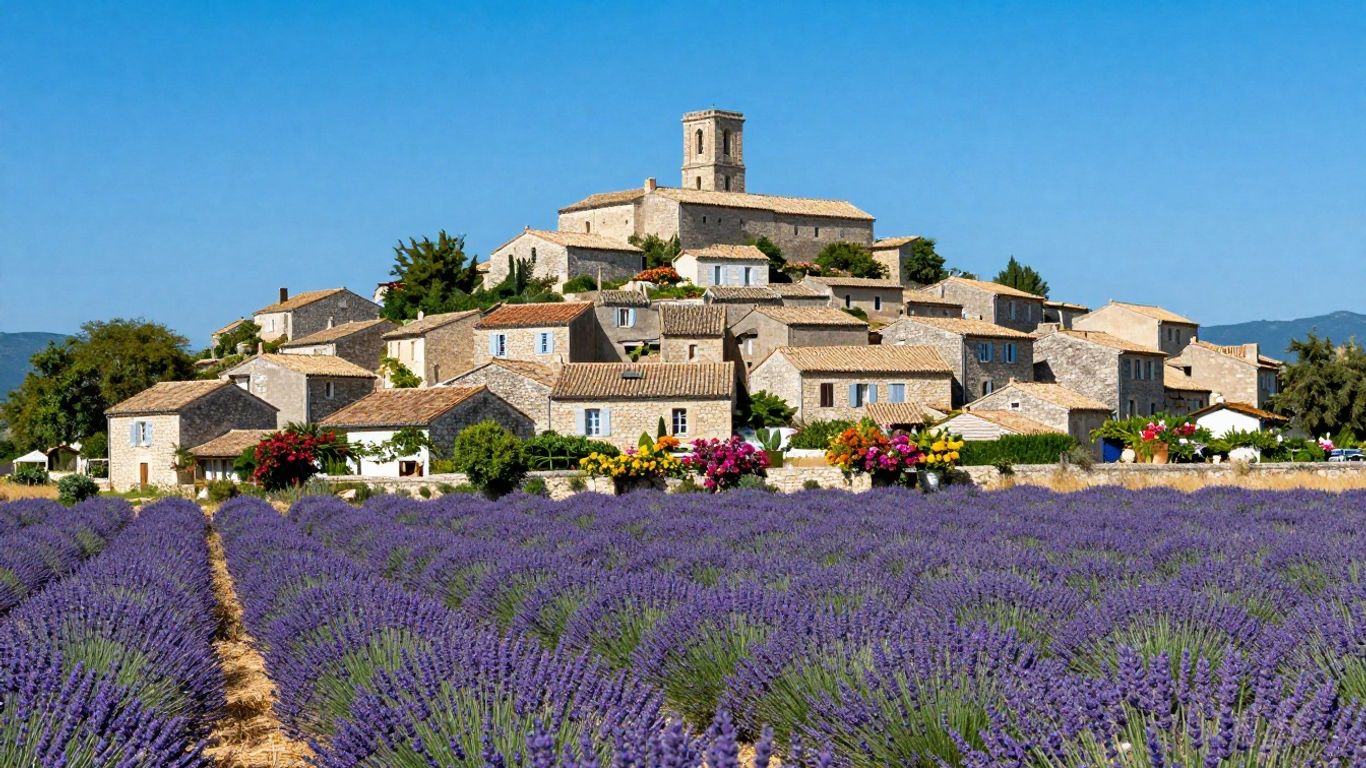
I have lost count of my visits to Provence because I have returned there multiple times. The region attracts me through its unique charm which reaches its strongest point in its hilltop villages and art-filled escape areas. Your travel plans for France should include Provence as a top destination when planning where to go in France besides Paris.
Roussillon: The Ochre Village of Luberon (One of the Most Beautiful Villages in France)
Roussillon appeared to me for the first time, the colors of the houses in red, orange and yellow seemed almost surreal to me. Walking in the village, you clearly see color everywhere; it is not at all subtle, but it is fine. The town is perched on top of ochre cliffs which you can literally get through by taking the Sentier des Ocres path.
Here’s what I’d recommend if you visit:
- Park in the main lot outside of town to keep things simple.
- Walk the Sentier des Ocres (there are two loops, short and longer).
- Pop into a café for a coffee and take in the oddly calming explosion of color.
If you time your visit right, early or late in the day, you’ll get the dramatic lighting that makes photos pop, and the crowds will be gone.
Château La Coste: A Vineyard Retreat for Art Lovers
The discovery of Château La Coste turned out to be a fortunate accident. We reached the location where vineyards and modern art sculptures existed after our team mistakenly turned north from Aix-en-Provence. This isn’t your regular wine estate. Artists and architects from all over have dotted the property with interactive, sometimes odd installations.
Here’s a breakdown of how you could spend an afternoon there:
- Start with lunch at their café; it’s still the best meal I’ve had in the area.
- Wander the Art Walk (the route is hilly, so proper shoes help).
- Grab a few bottles of their organic wine before leaving; trust me.
Don’t miss the chance to just sit somewhere on the grounds with a glass of rosé and watch the light. The experience creates a feeling of wonder about why people fail to experience the moment more frequently.
Vence: A Côte d’Azur Gem
The people of Vence experience a distinct atmosphere that separates it from other parts of the Riviera because the town has quieter streets, which match my preferred style. The medieval old town features its narrow streets, which permit no vehicle access, and its ancient stone fountains that continue to flow water throughout all hours of the day.
The Matisse Chapel stands as my preferred choice because it outshines all other options. Matisse created all the design elements, which included the stained glass and murals and the nuns’ robes. The blue and yellow windows of the building created an experience which made me feel intense excitement when I entered the space between the two windows. I totally understand why Matisse considered his work to be his highest level of achievement.
Planning a day in Vence is easy:
- Stroll the old town and check out local shops.
- Tour the Matisse Chapel (book ahead, it gets busy in summer).
- Have lunch in one of the café terraces. Order the daily special; it’s usually a good bet.
I’d suggest spending the night if you can. Watching the sun go down over the hills from a hotel balcony here is something I can’t recommend enough.
The Provençal villages attract me back because they offer everything from artistic experiences to culinary delights to the sensation of being in a place that has experienced both human habitation and genuine affection. The French town offers two distinct experiences which travelers should explore instead of simply visiting the area.
Your French Adventure Awaits
The article shows readers hidden but remarkable locations which exist throughout France. The exploration includes ancient caves and medieval villages together with beautiful coastal areas and distinctive art displays. The guide introduces its content through its map and regional organization. But it serves as a foundation for further exploration.
France is more than just its famous tourist spots. The lesser-known gems are what make the experiences of the authentic French culture truly stand out. Starting from 2026, it will be possible for the travelers to start planning and enjoying their trips through the help of the article which contains internal links to specific details and French vacation inspiration. Have safe and pleasant travel!
Frequently Asked Questions
Why should I discover France’s secret places in 2026?
In 2026, tourists will be searching for quiet and less crowded places for tourists. Discovering France hidden gems allows tourists to understand the real French culture and way of life without the trouble of big crowds of tourists. Then, you may also see beautiful and old towns that give you a sense of history.
Which medieval villages can I explore in France?
France is home to many beautiful medieval villages. It seems like they are from a storybook. In the old streets of Dinan, in Brittany, there are not only amazing shops but also wonderful views of the whole city. Rocamadour is a town that is built on a cliff. Besides the gorgeous view and the tranquility of the site, it is a great place to contrast the busy tourist locations.
Are there any natural wonders in France that are not famous?
Of course! You could go and see Verdon Gorge where you can hike and kayak or Dune of Pilat which is the highest sand dune in Europe near Bordeaux. These places offer you adventures and beautiful photography moments in untouched natural surroundings.
What are the coastal areas in France where I can avoid big crowds?
If you are a beach person, you will definitely want to put Opal Coast in northern France and Île de Ré on your must-visit list. Both are stunning places with beautiful beach spots where one can easily relax. At the same time, these areas feature such cycling routes with mighty sea views.
Those who intend to visit the French coast and at the same time seek places without big crowds of tourists should visit these places, as they are easily accessible.
Where can I have an adventurous trip in the French Alps?
Besides Chamonix, you can come to Alpe d’Huez for skiing and hiking. It is suitable for skiers and hikers of all levels including experts with its extremely difficult slope. What a perfect way to experience the Alps without a lot of people!
What are some artistic places that are different from others in France?
The art sites in France are very unique. One of the weirdest but hidden gems in France is Palais Idéal, which is one of these places. Seillans is a lovely village where well-known surrealist artists such as Max Ernst used to live and work.
Could you recommend places to see ancient art in France?
Actually, the Dordogne region’s Les Eyzies-de-Tayac-Sireuil area is a key to prehistoric France.
One can learn about Grotte de Font-de-Gaume, which is adorned with prehistoric paintings and engravings. Meanwhile, Lascaux IV offers a contemporary exhibit of cave art.
What is so special about the pink granite coast of Brittany?
The Côte de Granit Rose in Brittany is known for its beautiful pink stones that nature has transformed into stunning coastal rock formations.
This area is a popular place for the walkers as the Sentier des Douaniers, for example, provides not only breathtaking views of the sea but also offers the very interestingly shaped rock formations.


