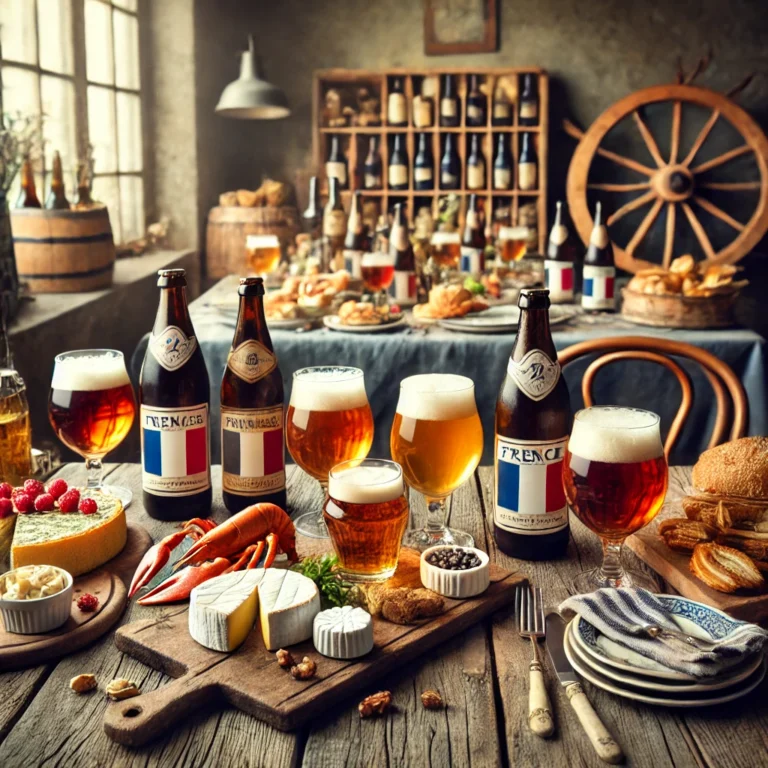

Bière de Garde Explained: Discover Northern France’s Forgotten Farmhouse Beer

I recently stumbled upon a beer style that felt like a hidden gem, a real throwback to simpler brewing days. It’s called Bière de Garde France, and honestly, it’s a malty dream. I remember trying a bottle from a small brewery up north, and it was just so different from the usual IPAs and lagers I see everywhere. It got me thinking about where this beer came from and why it’s not talked about more.
Key Takeaways
- Bière de Garde France translates to “beer for keeping” and originated in northern France, traditionally brewed to last through warmer months.
- This style is known for its malt-forward character, offering flavors of toast, caramel, and a slight sweetness, with low hop presence.
- It comes in three main color variations: blond, amber, and brown, each offering a different depth of malt richness.
- While historically brewed on farms, modern Bière de Garde can be cleaner, with subtle yeast notes, and is a loosely defined style.
- Breweries like Jenlain are considered classic examples among Bière de Garde brands, while others like Brasserie Thiriez offer a Belgian twist, and American craft brewers are creating their own interpretations.
Understanding Bière de Garde France
A Malty Gem From Northern France
When I first encountered Bière de Garde, I was kind of struck by how it seemed to sit in a category that was all its own, like no one really could place it elsewhere. It’s a French farmhouse beer style, and it hails from the northern French region of Flanders, pretty much right along the Belgian border. The name itself “beer for keeping”kinda gives it away. It suggests a historical purpose that wasn’t just about drinking right away, but about reserving it, almost like setting something aside.
People brewed it with the idea that it would be stored, often during the colder season, so it could be enjoyed later on. Because of that, it needed a bit more muscle, usually meaning a higher alcohol content, and that extra strength also supported preservation. Overall it feels like a fascinating slice of Northern France beer history, rustic yes, but somehow also a bit refined.
The “Beer For Keeping” Tradition
This tradition of brewing a beer meant to be kept, is really at the heart of what Bière de Garde is all about, at least kinda. Long ago, farmers in Flanders would brew it during the winter. Why winter though? It’s because that was when brewing felt easier and also safer, and the colder temperatures helped the aging process along. In other words, this malt forward and stronger brew got set aside, for drinking later on, in the warmer part of the year, spring and summer especially. Back then, conditions for making beer were less ideal when the weather warmed up, so this solution made sense. And yeah it worked, because it led to a pretty delicious beer in the end.
This historical context is key to appreciating its place in the French brewing tradition. It’s a style born out of necessity, but one that developed a unique and enjoyable profile over time. Many modern interpretations aim to capture that same spirit, even if the need for long-term storage isn’t as pressing today. You can find some great examples of French craft beer that carry on these traditions here.
Flavor Profile: Malt-Forward and Toasty
So, what does it taste like? If you were expecting one of those super hoppy beers, then, no, this isn’t that. Bière de Garde is pretty clearly malt-led. In other words, it’s rich, toasty, and at times kind of mildly sweet, but never in a way that feels too much. The malt character shows up as the main event, with vibes like bread crust, caramel, and sometimes even that little biscuit tone.
Sure the hops show up too, but they tend to behave more like a side character, giving a soft bitterness instead of some sharp bite that punches you. The yeast contributes as well, though usually in a more restrained manner than you might see in certain Belgian styles. It can add a slight fruity or spicy edge , but it stays pretty controlled, not taking over the whole scene. Overall it’s a beer that feels weighty and substantial, yet it still stays surprisingly drinkable. The whole thing delivers a layered flavor experience that doesn’t really match a lot of other styles.
Historical Roots Of Bière de Garde
Brewed For The Warmer Months
When I first started learning about Bière de Garde I was kind of struck by the name of it, which literally translates to “beer for keeping”. It just makes total sense when you imagine how people used to live and work, especially in the farming communities of northern France where this beer comes from. Back then brewing was way more difficult, and not only in general but especially when the weather started warming up. Yeast could get a little temperamental, and trying to keep the beer from spoiling was honestly a real headache.
So what did they do? They brewed a stronger batch of beer during the cooler winter months. Not like a plain everyday thing, but more like a sturdier, long lasting brew, often with a higher alcohol percentage, and it was made to endure.
This practice of brewing beer for later storage and enjoyment is the very essence of its name and historical purpose. It was like putting up preserves, but in liquid form, ready for when brewing conditions weren’t ideal.
Farmhouse Origins In Flanders
This style of beer really took root in the Flanders region of France, right up against the Belgian border. It’s deeply tied to the idea of farmhouse brewing. Imagine small farms, self-sufficient and producing their own food and drink. Bière de Garde was part of that. It wasn’t about mass production; it was about using what was available on the farm to create a satisfying beer.
Brewers would often use a mix of grains they had on hand – barley, wheat, sometimes even rye or oats – and let the local yeasts do their work. This often resulted in a beer with a rustic character, a bit different from the more refined beers you might find elsewhere. It was a French farmhouse beer made by farmers, for farmers, and for their families and workers.
Evolution From Draft To Bottle
Originally, Bière de Garde was sort of a draft beer, brewed in smaller quantities, and meant to be drunk relatively fresh even if it was made to last for a while. It served as a kind of staple for farmhands, especially during those hectic stretches like the planting season. Still, things began to shift, particularly around the mid 20th century, and not all at once either. Breweries such as Brasserie Duyck, with its Jenlain brand, started to innovate, and they did it in a fairly bold way.
They began putting Bière de Garde in larger bottles, kind of like champagne bottles, then they pushed up the alcohol level as well. Honestly that change was pretty significant. The beer could travel easier and stay in better condition, and it also started to appeal to a broader crowd. In other words, it moved away from being only a homestead farmhouse tipple and became more like a specialized ale. That whole evolution is what really helped Bière de Garde catch the eye of beer lovers well beyond its original place.
Variations In Bière de Garde
When I first started exploring Bière de Garde, I was kind of surprised by how much variation there is in this style. It is not a rigid category with strict rules, and that is part of the charm I think, you know. You’ll often see it broken down into a few main color categories, but even within those, brewers have a lot of room to play.
Blond, Amber, and Brown Styles
Most commonly you’ll run into Bière de Garde in like three distinct color profiles: blond, amber, and brown. The blond ones tend to be lighter in body and color, you know, with a more delicate malt character, often leaning toward honey vibes or light toast. The amber versions usually show up with a little more caramel and toffee sweetness upfront, plus a richer malt backbone. Then there are the brown styles which are the deepest and often the most complex, they bring flavors of dark fruit, molasses and sometimes, a hint of chocolate or roastiness, even so it never comes off overpowering.
It’s kinda interesting to see how the grain bill shifts to pull off these differences. A blond might lean on pale malts pretty heavily, while an amber will include caramel or crystal malts, and a brown will often add darker roasted malts or specialty grains too. The color, honestly, is a pretty solid clue to the malt richness you can expect.
Malt Richness and Strength
Regardless of the color, kind of a key thing about Bière de Garde is that malt-forward vibe. This isn’t really the kind of beer where the hops are the star, more like they sit back a bit. Instead, the malts get to shine and show off, giving you this range of flavors, from bready and toasty notes to caramel and even darker fruit. The overall strength can be pretty different too. Historically, it was brewed to be robust enough to age, but modern takes can swing from moderately strong to quite potent, and usually it lands somewhere around 6% to 8.5% ABV, though sure, some versions go a little higher. So in the end it becomes a pretty satisfying beer, good for slow sipping, you know.
Subtle Yeast Character
While the malt is like the main act, the yeast is there too, more in a backseat sort of way. It’s usually kind of subtle, you know. And unlike some Belgian ales where the yeast can bring strong fruity esters or those spicy phenols, the yeast in a Bière de Garde tends to stay more restrained. You might catch faint little hints of fruitiness or spice, but they’re intended to go with the malt, not to square off against it. That cleaner fermentation profile is a big part of why the beer doesn’t tip into an overly sweet or cloying direction. Then the malt complexity can really be heard rather than getting buried. There’s this delicate equilibrium brewers try to hit, and when they do, it comes off as something genuinely special. It also reminds me a little of how different regions across France keep their own culinary traditions, like the distinct flavors you find in Bayonne.
The beauty of Bière de Garde is really in the malt led complexity, sort of balanced by a restrained yeast side. It is a beer style that likes patience, and also likes you paying close attention to details, because it will reward you with this nuanced drinking experience that kind of goes its own way, not really like those more hop centric beers or the overly aggressively yeasty ones.
The Modern Bière de Garde Landscape
A Loosely Defined Style
It’s kind of wild how Bière de Garde, despite its long history, doesn’t really have super strict rules these days. When I look at what breweries are putting out, it feels like there’s a lot of room for interpretation. Some brewers stick pretty close to the old ways, while others take it in totally new directions. It’s not like a Pilsner where you know exactly what you’re getting. This flexibility is actually pretty cool, though, because it means we get to see a lot of different takes on the style. It’s a style that’s still finding its footing in the modern craft beer world.
Clean Fermentation and Malt Shine
What I’ve noticed in a lot of contemporary Bière de Garde is a move towards cleaner fermentation. Brewers are often using single yeast strains, and the goal seems to be letting the malt really take center stage. You get these lovely toasty, bready, and sometimes caramel notes, but they’re not usually overshadowed by heavy yeast characters. It’s a different vibe than some of the more rustic, farmhouse ales where the yeast can be a real star. This cleaner approach lets the quality of the malts used really come through, giving the beer a smooth, rich flavor without being cloying. It’s a balance that’s hard to achieve, but when it works, it’s fantastic.
American Interpretations Of The Style
It’s been kind of fun to watch how American craft breweries have gone and took on Bière de Garde. A lot of them put their own twist on it, sort of aiming at that malt depth, with all sorts of grains involved, not just one single thing. Some folks maybe even go with a lager-leaning yeast fermented in a warmer setting, like a hybrid move, to end up with that supple mouthfeel and still let the malt layers do the talking. You’ll run into versions that come off a little more amber, really pushing the toasted grain side of it, but then there are also those that stay lighter and cleaner. Overall, it feels like a style that draws brewers who want something more nuanced and malt-focused, like a pleasant counterpoint to those hop monsters that everybody seems to love. And honestly, it’s a pretty clear sign of how flexible the style is, because it can be read in so many ways, from breweries in Alsace France to the ones right here nearby.
Key Breweries And Examples
Jenlain: The Standard Bearer
When I think about Bière de Garde, the first name that usually pops into my head is Jenlain. They’ve been around for ages, and their Bière de Garde is often seen as the benchmark for the style. It’s a classic amber Bière de Garde, and it really shows you what the style is all about: that malty richness, a bit of toastiness, and a smooth finish. It’s not overly complicated, but it’s got this depth that makes you want to keep sipping. It’s the kind of beer that makes you understand why people call it a “beer for keeping” – it feels substantial and satisfying.
Brasserie Thiriez: A Belgian Twist
Then there’s Brasserie Thiriez. Daniel Thiriez, the brewer, is actually located in France, right near the Belgian border, and you can kind of feel that influence in his beers. While still a Bière de Garde, his versions sometimes have a bit more of that Belgian yeast character peeking through – maybe some subtle spice or fruit notes that you don’t always find in the more traditional French examples. It’s a really interesting take, showing how the style can be interpreted with a slightly different accent. I remember trying one of his amber versions, and it had this lovely balance of malt and a gentle yeast complexity that was just spot on.
American Homages To The Style
It’s been really cool to see American craft breweries start to play around with Bière de Garde. It’s not as common as, say, IPAs or Sours, but when you find one, it’s usually made with a lot of care. Breweries like Russian River with their “Bière de Sonoma” (Perdition) have put their own spin on it, often making a malt-forward beer that’s a nice counterpoint to their hop-heavy lineup. Others, like Clutch Brewing Company with their “Barnstomp,” aim for that clean, malty profile with hints of biscuit and toast. It shows that brewers here are really appreciating the nuances of this French farmhouse style and are eager to put their own stamp on it. It’s a style that rewards a thoughtful approach, and I’m excited to see what else comes out of American breweries experimenting with it.
Experiencing Bière de Garde
So, you’re curious about Bière de Garde, huh? I mean I get it. It’s one of those styles that doesn’t always get the spotlight, but, honestly that’s sort of the charm. When I first tried a proper Bière de Garde, I was kinda struck by how it felt familiar, and also completely new at the same time. It’s a beer that really makes you stop and think about what you’re actually drinking.
A Nuanced Malt-Forward Experience
Forget what you think you know about beers that are all about the hops, okay. Bière de Garde is kind of different. This is a beer that really celebrates malt more than anything else. Think toasted bread, maybe a touch of caramel, or even that quiet biscuit feeling. It’s not sweet, not exactly, but it still carries this deep malt character that kind of coats your palate in a very agreeable way.
The hops, though, are usually pretty low-key. The balance is just right so that things don’t swing too much one way and don’t overwhelm the malt. On the whole, it is genuine and spoken plainly, but still, there is a bit of a twist that brings you back for the third glass at least!
Pairing With Food
Personally, I think that Bière de Garde is at the top of its game here. Although it has a rather malty taste at the fore, it still finishes with a really nice crispness, and that versatility for food is a really big advantage. I’ve realized that richer meals go really well with this beer. Consider a dish such as a roasted chicken, a pork loin, or even a hearty stew. The malt notes complement the savory flavors beautifully. It’s also surprisingly good with aged cheeses – the slight sweetness and malty depth can stand up to a strong cheddar or a nutty Gruyère. Don’t shy away from trying it with something like a mushroom tart either; the earthy notes in the beer can really play off the mushrooms.
Here are a few ideas that have worked for me:
- Roasted Meats: Especially pork or duck.
- Hearty Stews: Think beef bourguignon or a rich vegetable stew.
- Aged Cheeses: Cheddar, Gruyère, or even a mild Gouda.
- Mushroom Dishes: Tarts, risottos, or sautéed mushrooms.
A Refreshing Yet Complex Brew
What always gets to me about Bière de Garde is how it manages to be both comforting and invigorating, you know? Like it feels warm, but then it still kinda wakes you up. Even with all those rich malt notes, it generally ends up pretty dry and tidy, with that nice steady carbonation. So it comes off super drinkable, even when you go for the stronger versions. It’s not the kind of beer that clings to you or weighs you down, it just moves along.
Honestly it’s the sort of pour I’d bring to a get-together, knowing it’s easy enough for most folks, but still interesting in a way that the beer geeks among us can nerd out about. It reminds me that sometimes the most satisfying beers aren’t the ones that yell the loudest. This style really deserves more attention, and I’m always glad to pour a glass and chat about it. If you’re craving something a bit different from the usual hop bombs, give Jenlain Original French Ale a try; it’s classic for a reason.
A Taste Worth Seeking Out
So, after all this, what’s my take on Bière de Garde? Honestly I’m a bit surprised it’s not more common. I mean, I’ve had my fair share of IPAs and stouts, but this style, with its malty depth and a subtle sweetness it just feels like a well kept secret. It’s the kind of beer that makes you appreciate the French brewing tradition, and the history behind the brewing.
If you happen to find some, be sure to try original Bière de Garde brands. This will really let you appreciate such a beer. In general you’ll learn that the traditional styles are, more often than not, the ones leaving a deeper impression.
Frequently Asked Questions
What exactly is Bière de Garde?
Bière de Garde is a type of Northern France beer that comes from Northern France. Think of it as a “beer for keeping.” It’s known for having a strong malt flavor, making it taste a bit toasty and sometimes a little sweet. It’s not usually super bitter or hoppy, so it’s a nice change if you’re tired of really bitter beers.
Why is it called “beer for keeping”?
Back in the day, farmers in Northern France would brew this beer when it was cooler, usually in the winter. They’d store it to drink during the warmer months when brewing was harder. The beer was often a bit stronger, which helped it last longer without going bad.
What are the different types of Bière de Garde?
You’ll usually spot Bière de Garde in three main shades, blond (light), amber (golden-orange), and brown (darker). Each of them has its own degree of maltiness, but they all kind of keep that same toasted, malty heart. And the color, it often hints at how rich and deep the malt flavor is going to feel, really.
Is Bière de Garde similar to other beers?
It’s kinda like a Belgian Saison, in a way, like a farmhouse-style beer, but Bière de Garde leans more toward malt flavors. Some folks say it feels like a cleaner, more malt-friendly version of certain Belgian ales, but it’s really not an IPA at all. Instead it’s mostly about the bread and toast kind of notes, more than anything sharp or hoppy.
What does Bière de Garde taste like?
Imagine the flavor of toasted bread, or biscuits, perhaps with a small whisper of caramel, or even toffee. It feels kind of smooth and it usually leaves a nice slightly dry ending, like you notice it, then it fades. The yeast brings in a bit more depth, maybe a trace of fruit or a bit of spice, but it never really takes control from the malt, you know it stays in the back, calm and steady.
Can I pair Bière de Garde with food?
Absolutely! Because it’s malty and not too bitter, it goes really well with hearty foods. Think roasted meats, stews, or even a good cheese plate. It’s also great with things like pizza because it cuts through the richness without overpowering it.