

Local Beer in France: Exploring the Famous Nord-Pas-de-Calais Breweries

I recently took a trip up to the Nord-Pas-de-Calais region in northern France, and wow, I had no idea how much history and culture were packed into one place, especially when it comes to beer. It’s right on the border with Belgium, and you can really feel that influence everywhere. I’m talking about old brewing traditions, unique styles you won’t find anywhere else, and seriously good food to go with it all. It turns out this area is a massive deal for local beer in France and French beer.
Key Takeaways
- The Nord-Pas-de-Calais region shares deep brewing roots with neighboring Flanders, evident in the styles and techniques used by local Nord-Pas-de-Calais craft beer breweries.
- Bière de Garde, a malty, bottle-conditioned ale, is the region’s signature style, reflecting its farmhouse brewing heritage.
- Historical trade routes and cross-border collaborations have significantly shaped the development and knowledge exchange in the area’s brewing industry.
- Local culture features beer prominently, with specific pairings for regional dishes and a central role in social gatherings at brasseries and estaminets.
- Festivals like the Beer Potes Festival in Arras celebrate the region’s brewing legacy, showcasing local specialties and fostering community engagement.
The Brewing Heritage of Nord-Pas-de-Calais
When I started looking into the beer scene in Nord-Pas-de-Calais, I was instantly struck by how much its history is tied to its neighbors, especially Flanders in Belgium. It’s not only a little influence, it feels more like a deep shared legacy that has shaped the beers brewed here for centuries. And somehow it also mirrors the region’s French brewing heritage, with all those neighboring vibes still hanging around, even if people don’t always notice.
Cross-Border Traditions with Flanders
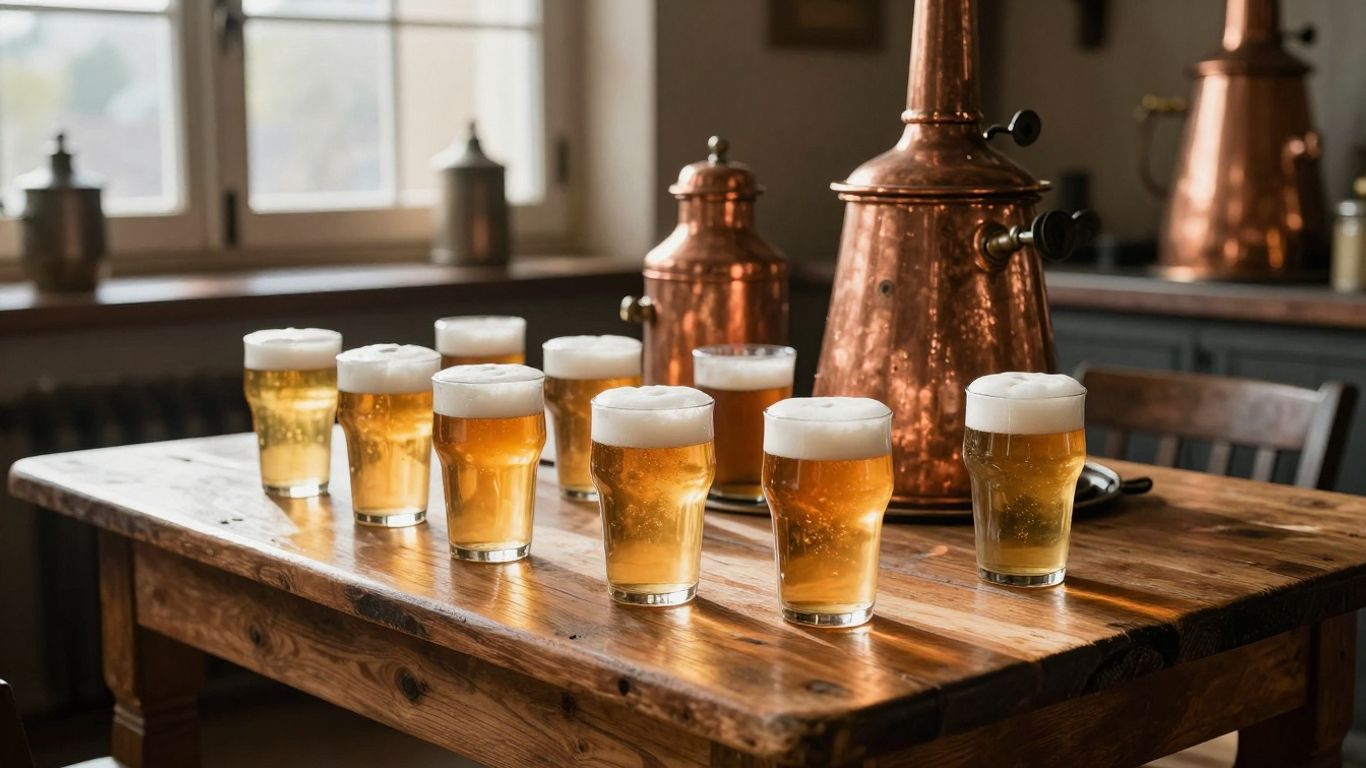
The proximity to Flanders is a huge deal. You can see it in the styles of beer that have always been popular here. Many breweries adopted Belgian-style strong ales, like dubbels and tripels, and blended them with their own local traditions. It’s like a conversation between two brewing cultures happening right across the border. This exchange isn’t new; it’s been going on for ages.
Historical Trade Routes and Brewing Knowledge
Think about the old trade routes, like the ones along the Scheldt River. Back in the day, these weren’t just for moving goods; they were highways for brewing knowledge too. Barley, hops, yeast strains – they all traveled along these paths, and so did the ideas about how to make beer. Guild records from centuries ago even show brewers from both sides sharing techniques. It really helped standardize the way certain strong ales were made, especially as trade increased.
This region’s brewing past is sort of a reminder that geography plus culture get tangled together in a really striking way, and somehow that mix makes a singular identity. It pulls a lot from its Flemish neighbors, but still keeps its own distinct vibe, you know, with that different little twist. What you end up with is cross pollination, and that has built up this broad, almost patchwork selection of beer styles that feel familiar, yet also remain very Northern French in their own character.
The Influence of Belgian-Style Ales
This Belgian influence is really evident in the beers themselves. Take Brasserie La Choulette, for example. They make an amber bière de garde with fruity, spicy notes, kind of like a Belgian dubbel. It’s clear they’ve picked up techniques from Flemish brewers. And Brasserie des Sources has a blonde ale called Bellerose that uses bottle refermentation, a method very common in Belgium. It shows how these traditions just blend together naturally in this part of France. It’s fascinating to see how these styles have become so ingrained in the local French craft beer landscape.
Key Styles of Nord-Pas-de-Calais Craft Beer
When I think about the beers from this region, one style itself, kinda comes to the front: Bière de Garde. It’s basically the signature for Nord-Pas-de-Calais, like a living evidence of the brewing past here, not just a random label. And nah, these aren’t the kinda everyday, pale lagers. They feel more full-bodied than that, with a malty character that kinda says tradition, plain as day.
The Enduring Appeal of Bière de Garde
Bière de Garde, oui, that literal sense like “beer for keeping,” is a fairly strong ale that used to be brewed in those farmhouses and cellar spaces, sort of meant to sit there, wait, and then be enjoyed later. I’ve noticed the really top examples often show a rich, malty core, with all kinds of cues like caramelized sweetness, toasted bread, or sometimes a little hint of fruitiness. You’ll see the color swing from pale blonde all the way to deep amber, even brown, and somehow each shade brings out another side of the overall taste.
And the real magic, it’s the bottle conditioning, which is basically a method that keeps giving you lively carbonation, but also lets the beer slowly unfold with more nuance, as time passes.
- Malt Forward: Expect a noticeable malt presence that provides sweetness and depth.
- Fruity or Spicy Notes: Depending on the yeast and brewing process, you might detect subtle esters or phenols.
- Bottle Conditioned: This is key for authentic Bière de Garde, leading to natural carbonation and aging potential.
This style kinda really captures that rustic kind of charm from the region brewing past, like a beer that’s meant to be savored slowly, on purpose.
Bottle-Conditioned Beers and Farmhouse Traditions
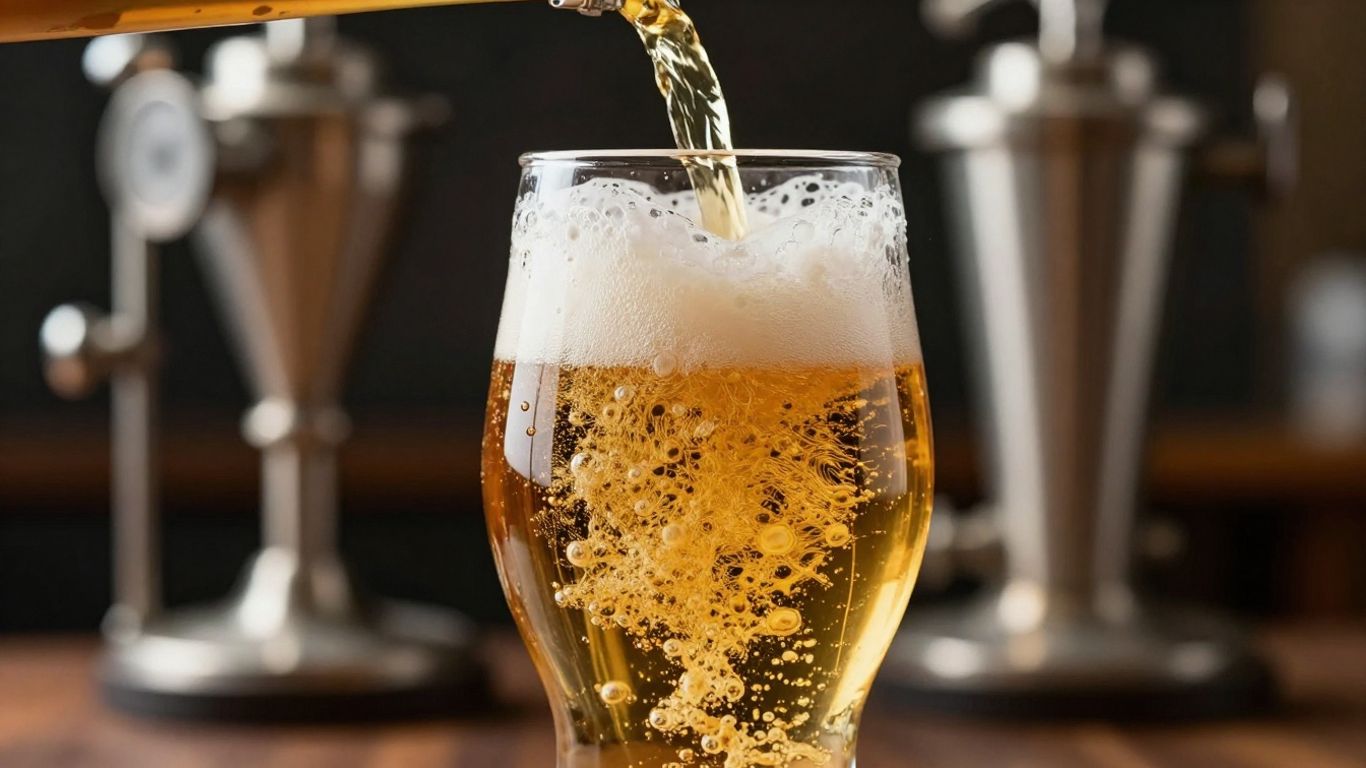
Following on from Bière de Garde, the emphasis on bottle conditioning is a hallmark of brewing in this part of France. It’s a method that requires patience and a bit of faith, as the beer continues to mature in the bottle. This approach, really deep in Belgian farmhouse brewing, gives beers with natural fizz and a layered character you just don’t see much in big batch ales. It sort of ties the drinker straight back to older ways of making beer, where the natural unfolding mattered as much as the ingredients themselves. A lot of smaller brewers in this place still rely on open fermentation vessels, and that habit adds an even more weirdly distinct personality to the final brew.
Revival of Traditional Brewing Methods
It’s been kinda fascinating to see how many breweries in Nord-Pas-de-Calais are actually bringing back older brewing techniques, like almost on purpose. And it’s not only about making beer. It’s more like preserving, and celebrating French brewing heritage, in a very real way. I’ve heard that brewers are carefully researching old recipes and methods, sometimes even running with equipment that reminds you of an earlier time, like you can almost see it. That sort of devotion to tradition is what makes the craft beer scene there feel so special, honestly.
Prominent Nord-Pas-de-Calais Breweries
When I started looking into the Nord-Pas-de-Calais breweries, I was kind of struck by how many places are still doing things the old-fashioned way, kinda. It’s not just about big names either, there are smaller operations, keeping traditions alive in a very quaint manner.
Brasserie La Choulette: À Bière de Garde Pioneer
Brasserie La Choulette is a name that kept popping up, especially when people talked about bière de garde. They’ve been around for a while, making them one of the historic breweries France is known for, and they really seem to have a handle on this specific style. Their amber bière de garde, for example, has a rather malt dominant character with subtle flavors of fruit and spice which, to some extent, reminds me of typical Belgian beers.
One can imagine that they probably got a bit of inspiration from their fellow Belgians but somehow succeeded to turn it into their very own creation. This seems to me like a great example showing that it is indeed possible for brewing styles to cross borders and then to develop further.
Brasserie des Sources: Blending Traditions
Then there’s Brasserie des Sources, which used to be called Saint-Amand I think. They make this beer called Bellerose, a blonde ale type thing. What’s odd or interesting about it, is how it kinda mixes different brewing ideas together, sort of a mash up of techniques, you know, not just one straight track.
It has a hop profile that feels Belgian, but it also uses bottle fermentation, which is common for many traditional beers in this area. It shows how breweries here aren’t afraid to mix and match techniques to create something unique.
Independent Operations and Microbrewery Growth
Beyond these pretty well known names, I ended up noticing this whole little network of smaller, pretty independent breweries. I mean, a lot of the time those are the spots where they either genuinely try new directions or, in the opposite way, they stick close to older, kind of historical methods.
They might not hit the same production volume as the big breweries, but they still matter a lot for keeping the local beer scene lively. It’s really that blend of respected breweries plus the more recent, smaller players that makes the region feel so interesting for anyone who actually enjoys a good beer.
In the region’s brewing scene, you get this strange mix of history and fresh ideas, and most breweries lean on traditional techniques like bottle conditioning, to keep that real, authentic sort of taste. That commitment to heritage, it really matters, and it’s kind of the quiet reason Nord-Pas-de-Calais stands out as a special corner for beer people.
Honestly it feels like the whole brewing thing here is more than just a business, it’s kind of a craft that got handed down through generations, and there’s this real link to the land and the local way of life. I’m pretty excited to taste even more from these spots, and who knows maybe I’ll stumble on a few tucked away treasures while traveling around. So yeah, if you’re ever around the area, going after these Nord-Pas-de-Calais breweries is absolutely worth your time.
Nord-Pas-de-Calais Beer in Local Culture
Pairing Beer with Regional Cuisine
When I visit Nord-Pas-de-Calais, I always make a point of trying the local food and even the beer too. It’s not only about drinking, but about how the flavors kind of do that together. In that region the cuisine feels hearty, and it often leans on rich stews plus savory plates. Like, think of a carbonnade flamande. It’s basically a beef stew that’s slow-cooked in beer. So it only seems natural to pair it with a Bière de Garde, right. The malty sweetness in the beer brings out the deeper, more savory sides of the stew. Overall it feels like a perfect match, culinary heaven almost.
Here are a few pairings I’ve enjoyed:
- Carbonnade Flamande: A rich beef and onion stew, often made with beer. A malty, slightly sweet Bière de Garde is the classic choice here. Its body stands up to the stew, and the malt notes echo the beer used in the cooking.
- Potjevleesch: This is a terrine of white meats (chicken, rabbit, veal, pork) set in jelly. A crisp, refreshing blonde or even a slightly tart saison works well to cut through the richness.
- Marquise de Chocolat: For dessert, a dark, rich chocolate cake can be surprisingly good with a strong, dark Bière de Garde or even a Belgian-style quadrupel if you can find one.
The synergy between the food and the beer here isn’t accidental; it’s a tradition, built over centuries, where local ingredients and brewing methods kind of ended up finding their place on the same plate. You know how it goes, the flavor pairing just makes sense, like they’ve been doing it forever.
Beer’s Role in Festive Meals and Gatherings
Beer isn’t only for everyday meals in this part of France, it kind of sits right at the middle of all the good celebrations. Like, whether it’s a family reunion, or a little village festival, or even just a weekend get together with friends, you’ll almost always find a solid selection of local beers waiting there.
I’ve seen tables laden with bottles of Bière de Garde, alongside other regional brews, being passed around. It’s a social lubricant, a conversation starter, and a way to connect with the local heritage. It feels like every significant event has its own special brew.
The Social Hubs of Brasseries and Estaminets
For me, the real heart of Nord-Pas-de-Calais beer culture is in its estaminets and brasseries, not only because you eat and drink there. It feels like a kind of community center, even when nothing is really “announced”. When you walk into a traditional restaurant, you get that warm smell of hearty plates, and then the low murmur of people talking, kind of close, not loud but present. The walls are usually decorated with old brewing bits and pieces, posters and little memories, and the bar is stocked with local beers, as if they’re waiting for you specifically. It’s where folks go after work, to reconnect with neighbors, and just enjoy each other, without rushing. These spots really matter for keeping the region’s brewing customs alive, and not just in name. I’ve had many very pleasant hours there too, just letting the whole atmosphere sink in, and nursing a perfectly poured local beer, bit by bit.
Festivals and Events Celebrating Nord-Pas-de-Calais Beer
The Beer Potes Festival in Arras
If you’re looking to really get a feel for the beer scene here, you absolutely have to check out the Beer Potes Festival in Arras, one of the top French beer destinations for enthusiasts. I went last year, and it was quite the experience. It’s held right on the Grand’Place, which is a pretty stunning spot for any event, let alone a beer festival.
This festival is one of the biggest gatherings for French breweries, especially those from the Nord-Pas-de-Calais region. It’s a fantastic place to sample a huge variety of beers, many of which you might not find anywhere else. I tried a few different bières de garde there, and they were just incredible.
Showcasing Regional Specialties
What I really appreciated about Beer Potes was how much it focused on local brews. You’ll find producers here who are still keeping those traditional styles going, like the aforementioned bière de garde, it’s got such deep roots in this area. It’s not only about the big names either, there are plenty of smaller independent breweries showing off their own, kind of unique takes on classic styles. Honestly it felt a bit like a real celebration of the region’s brewing heritage, and you could feel it in the air. They had dozens of brewers around, each with their own story, and their own brews to share. It’s a really good way to discover what makes this region so special for beer lovers.
Live Music and Cultural Activities
Beyond just the beer tasting, the festival has a really lively atmosphere. There’s often live music going on, and it sort of bumps up the whole festive vibe, you know. It’s not only about standing around and chugging beer, more like a real cultural happening, the kind with meaning. You’ll watch folks actually having fun, speaking with the brewers, and kind of easing into the air around them. It’s the sort of event that makes you feel tied in to the local culture, not just passing through.
And honestly it’s a useful reminder that beer here is more than a casual drink, it’s part of social life, plus tradition. If you’re planning a trip through the region, try to line it up with the festival, because it’s genuinely worth it. You might even end up wanting to wander through other corners of northern France in springtime, maybe going as far as Arles to catch its history and natural beauty.
The Evolving Landscape of Nord-Pas-de-Calais Craft Beer
The Rise of Brewpubs and Artisanal Brewing
I’ve noticed a real shift happening in the Nord-Pas-de-Calais beer scene lately, it feels like there’s a new wave of brewers popping up, not only in the big cities but also in smaller towns too. And it’s not like the usual massive industrial breweries. Mostly it’s small, independent spots, and sometimes it’s even brewpubs where you can grab a pint right there where it’s brewed, which kinda makes it feel more close up and less distant. It’s honestly exciting to see this artisanal approach taking hold, you can tell they’re aiming for quality and these kinda singular flavor notes, so it’s a big change from the more traditional offerings.
Innovation in Specialty and Emerging Styles
Beyond the classic Bière de Garde, the brewers around here are sort of getting creative, in a way that you can’t quite ignore. I’ve been trying a few really interesting beers lately, the kind that play with different ingredients and techniques. Like, imagine beers aged in local spirits barrels, or ones that lean on heritage grains. It feels as if they’re taking the old ways, and then giving them a more modern nudge, almost like a quiet reinvention. And then there are the experiments too, where they try styles that usually aren’t “typically French” but somehow they still make them their own, no hesitation. It’s a sign the region isn’t just sitting on its laurels, it’s actively trying to push the limits of what French beer can be.
Consumer Trends and Craft Beer Popularity
It’s not just the brewers who are changing; the people drinking the beer are too. There’s a growing demand for craft beer, you know like for something that feels a bit different from the usual stuff. People seem more curious, and they’re more willing to go after new experiences, also they show more support for local producers, not just big brands. This whole change in how customers think is kinda pushing growth for the smaller breweries and it is also encouraging more innovation, all the little weird experiments and that sort of thing. It feels like we’re in a good moment for beer lovers in this region, with more choices and more exciting developments on the horizon.
A Taste of What’s Next
After exploring the breweries and beers of Nord-Pas-de-Calais, I’m really struck by how much history and passion are packed into this region. It’s not just about the big names you might know, including some of the historic breweries France proudly preserves, but also the smaller places keeping old traditions alive. I’ve tasted some incredible bières de garde and other local beers in France styles that you just don’t find anywhere else. It makes me want to go back and visit more places, maybe even try to catch one of the local beer festivals.
Honestly, this spot is really one of the most rewarding French beer destinations around, if you love solid beer and you want to peek at where so much of French beer culture comes from. It feels like a simple place, but in the end it’s kind of captivating, like you understand a lot more.
Frequently Asked Questions
What makes Nord-Pas-de-Calais special for beer in France?
I’ve found that this region is like the ultimate playground for beer lovers in France. It’s right next to Belgium, so it’s got this awesome mix of French and Belgian beer styles, especially the hearty Bière de Garde. Plus, it makes up a huge chunk of all the beer brewed in France, so there’s just tons of it to explore!
What’s a ‘Bière de Garde’ and why is it important here?
Ah, bière de garde! I think of it as a special kind of farmhouse ale. It’s traditionally brewed and then stored or ‘kept’ (that’s what ‘garde’ means) for a while, which gives it a really rich, malty flavor. It’s a classic style from this area, and many breweries are still making it the old-fashioned way, often bottle-conditioned, which adds even more depth.
Are there specific foods I should try with local beers?
Definitely! I love pairing the local beers with regional foods. The robust flavors of Bière de Garde are fantastic with strong cheeses like Maroilles or with hearty dishes like stews and charcuterie. It’s like the beer is made to cut through those rich flavors and make everything taste even better.
What’s the difference between a brewery and an ‘estaminet’?
When I visit, I see breweries making the beer, and then there are the ‘estaminets.’ These are like traditional taverns or pubs, often cozy places where you can really soak up the local culture and enjoy nearby-brewed beers. They’re super important social spots in the region.
Are there any beer festivals I should know about?
Yes! I’ve heard great things about festivals like the Beer Potes Festival in Arras. It’s a big celebration where you can try beers from tons of local brewers, listen to music, and just enjoy the whole beer vibe. It’s a fantastic way to discover new favorites and experience the region’s passion for beer.
Is craft beer becoming more popular in Nord-Pas-de-Calais?
Absolutely. I’m seeing more and more small, independent breweries popping up, kind of like brewpubs where they make and serve their own unique beers. People are really getting into trying new styles and supporting local brewers, so the craft beer scene is definitely growing and getting more exciting.


