

France Craft Beer Market: Growth, Trends, and Opportunities

Because of the shift in what consumers want, along with a steady, almost surprising, appetite for handmade products, the whole French craft beer scene has turned into one of those most lively and fashionable parts of the alcoholic drinks market in Europe.
And honestly that craving for special, locally brewed beers keeps making everything change, faster than before. The whole spectrum remains wide open, from independent microbreweries to exciting new flavor combinations and environmentally friendly methods of production. The beer market is attracting not only fans but also investors looking for new opportunities.
After looking into the France craft beer market, a few things really stand out. It’s a vibrant and growing area, and here are the main points I’ve gathered:
Key Takeaways
- The market has grown a lot, moving from a small interest to a significant part of the French beer market and the French drink industry.
- Consumers are really into local and artisanal beers, wanting unique flavors and to support local businesses.
- New breweries are popping up everywhere, focusing on regional tastes and creative brewing methods.
- Experiential aspects like taprooms and festivals are becoming super important for connecting with customers.
- Innovation in flavors, styles, and even non-alcoholic options is driving continued growth and interest.
The Evolving Landscape of the France Craft Beer Market
A Renaissance In French Brewing
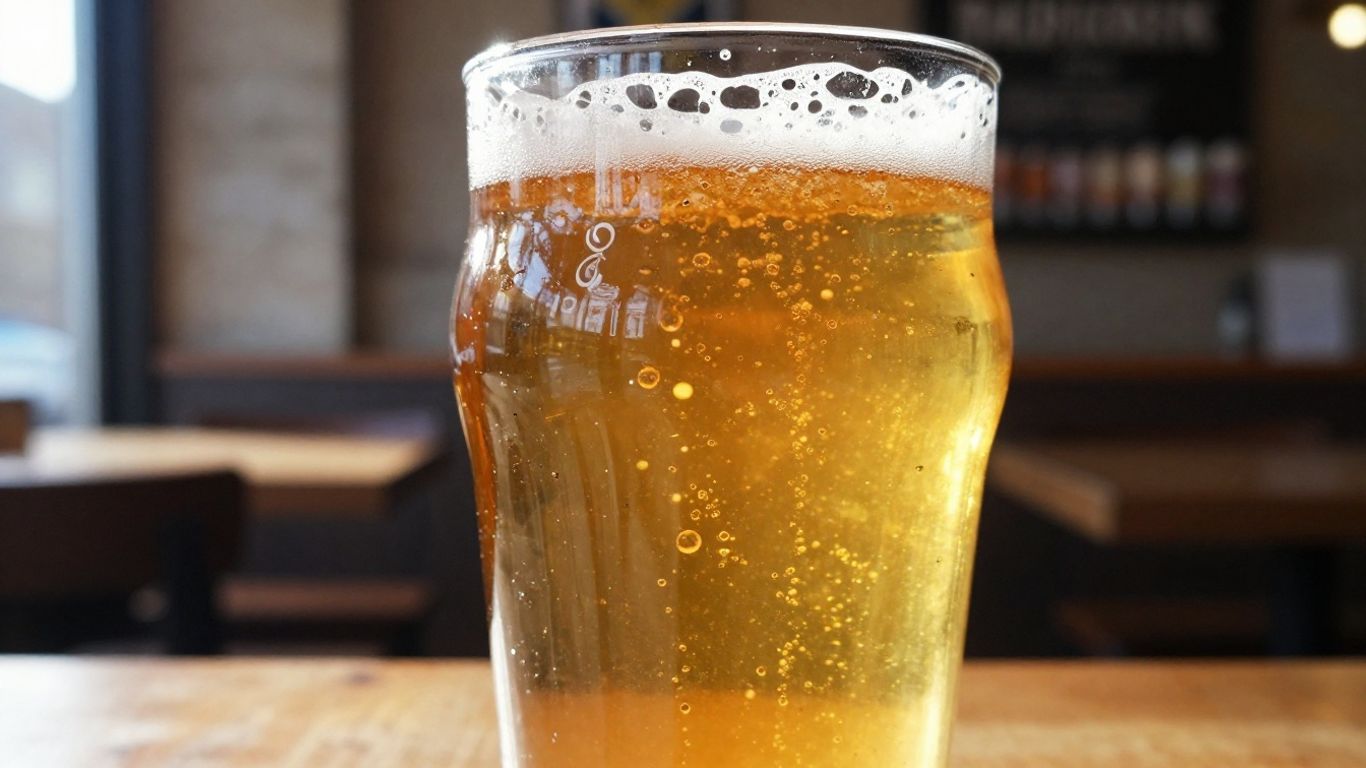
It feels like just yesterday that wine was the undisputed king of French beverages, and mass-produced lagers were all you could really find in the beer aisle. But I’ve been watching the French craft beer scene, and let me tell you, it’s undergone a serious transformation. We’re seeing a real renaissance, a shift towards smaller, independent breweries that are all about quality, authenticity, and, importantly, local flavor. This isn’t just a passing fad; it’s a fundamental change in how people are thinking about beer here.
This movement really started picking up steam in the early 2000s, but it’s exploded in recent years, showing the strong growth of the craft beer industry France. Now, you can find everything from hoppy IPAs and complex saisons to rich stouts and tart sours. It’s not just for the hardcore beer geeks anymore either. Craft beer has found its way into regular supermarkets, restaurants, and, of course, those cool taprooms that are popping up everywhere.
What’s really interesting is how France’s own strengths are playing into this. We got this pretty awesome agricultural base, and we really appreciate good food and drink, like a lot. Craft brewers are sort of tapping into that, using local ingredients and also those odd little special techniques. It’s not only about the beer itself, nope. It’s about the whole story, the place, and the folks behind it, the ones who make it happen, even if it looks simple from the outside.
Key Market Drivers And Restraints
So, what’s actually pushing this whole craft beer thing forward? For starters, consumers are just tired of the same old thing. They’re looking for something more interesting, something with real character. This want for distinct, upscale tastes is a big driver, you know. Folks really want to test fresh flavors and styles, and craft beer brings that back in spades. Also, there’s this rising push to “drink local”, like it’s a whole thing now. Folks want to support businesses in their own towns and regions, and that directly benefits these smaller breweries.
Of course, it’s not all smooth sailing. Making good craft beer isn’t cheap. The ingredients can be pricey, and setting up a brewery requires significant investment. Then there’s the challenge of getting your beer out there. While distribution is getting better, it’s still tough for small operations to compete with the big guys. And let’s be honest, educating consumers about new styles and why they’re worth trying takes time and effort.
Consumer Preferences Shaping Demand
What people are actually looking for is this dramatic change, like really. Consumers are definitely moving away from bland, mass-produced options. They want beer that tells a story, beer that reflects a specific place or a brewer’s passion, not just something that sits around. So you see styles like IPAs, which give a ton of hop flavor, and saisons, with their rustic, often fruity notes, doing quite well. But it’s not only about the taste though, it’s about the whole experience, start to finish.
People are becoming more and more curious about where their food and drink is actually coming from. Like, the provenance, yes but also, they want to know where it comes from, how it’s prepared or brewed, and who put it together. That kind of curiosity is kinda a strong push in the French beer market. It nudges brewers to be more transparent, more honest, and overall more authentic.
We’re also seeing a growing interest in different types of beer beyond the usual suspects. Barrel-aged beers, which get complex flavors from aging in wooden barrels, are gaining traction. And there’s a definite curiosity about sour beers and those made with wild yeasts, which offer a really different taste profile. It’s all about variety and a willingness to explore beyond the familiar.
Understanding Market Size And Growth Trajectory
When I first started looking into the French craft beer scene, it felt like a bit of a hidden gem. It’s definitely moved beyond being just a small, niche thing. Back in 2024, the market was already pretty substantial, hitting around USD 2.1 billion. This wasn’t just a few breweries popping up; it reflected a real shift in what people in France were looking for in their drinks. More and more, consumers were turning away from the usual big-name lagers and even wine, showing changes in beer consumption France as they looked for local and interesting beers.
Current Market Valuation And Historical Context
Looking back, it’s clear that France has always had a strong beverage culture, but it was heavily weighted towards wine. The craft beer movement, however, has been steadily gaining ground. By 2024, we saw over 2,500 independent breweries operating across the country, according to recent French beer statistics. This sort of rise was driven by a couple of key factors, you know, kind of:
- Urban Demand: Cities saw a significant increase in demand for premium, interesting alcoholic drinks.
- Local Focus: There was a growing appreciation for products made nearby, in small batches.
- Flavor Exploration: Brewers started getting really creative with different styles, aging techniques, and unique ingredients.
- Social Hubs: Craft beer became a big part of festivals, taprooms, and gastropubs, making it more accessible and social.
Projected Market Growth And Future Outlook
The numbers suggest this trend is only going to continue, showing strong growth in the French beer market. Projections indicate the market might get to roughly USD 5.9 billion by 2033 off the back of favorable French beer statistics. It’s a pretty noticeable climb too, since the projected compound annual growth rate (CAGR) is about 12.2% between 2025 and 2033. And this kind of momentum doesn’t show up out of nowhere, it’s really being pushed along by a few key factors, that look likely to keep nudging things forward.
Factors Fueling Expansion
Several things are really pushing this expansion forward. The general trend towards premiumization in alcoholic beverages means people are willing to spend more on higher-quality, more interesting drinks, influencing beer consumption France. Craft beer is benefiting from this across the board. It’s also great to see that craft beer isn’t just staying in the big cities anymore; it’s becoming more accepted and popular in smaller towns and rural areas too.
Plus, the demand for lower-alcohol and even alcohol-free craft options is a huge growth area that brewers are tapping into. I’m also seeing more French craft beers entering international markets, which is fantastic for the industry. It feels like we’re just scratching the surface of what’s possible, especially with new brewing techniques and ways to connect with customers across the craft beer industry France. For anyone interested in the broader European market, looking at the southern coast of France might give you some ideas about regional tastes and preferences.
The push toward craft beer in France isn’t only about tasting brand new drinks, it’s more like finding a deeper link with where they come from and how they’re made in the first place. That whole emphasis on authenticity and local origins, is what’s really getting the market to move, right now.
Key Trends Defining The Craft Beer Scene
I’ve noticed a few really interesting shifts happening in the French craft beer world lately. It’s not just about brewing beer anymore; it’s about the whole experience and what the beer represents.
Regional Identity and Local Terroir
One of the biggest things I’m seeing is a strong push towards celebrating regional identity, like people are suddenly way more into where stuff comes from. Brewers are really leaning into what makes their specific area unique, using local ingredients and telling stories about their heritage, even when it gets a little sentimental. It’s kinda like how wine has its terroir but for beer, I mean the whole “place” thing.
This focus on local roots helps build a connection with consumers who want to support businesses in their own back yard. It’s also a method for breweries to stand out in a crowded market, giving something genuinely authentic you can’t get anywhere else. This trend is definitely helping to put places like Brittany on the craft beer map, and yeah it feels like it’s growing every year.
Innovation In Flavors And Styles
Beyond regional pride, there’s a constant buzz of creativity when it comes to flavors and styles, reflecting craft beer trends France. Brewers are experimenting like never before. I’ve tried everything from beers that are infused with local herbs and fruits, to ones using pretty unique fermentation techniques. It kinda feels like there are no real limits to what they are willing to experiment with. That push for innovation is what keeps the whole scene interesting and it also keeps me coming back for more. It’s not just about sticking to traditional styles, it’s more like moving past what’s expected and trying to make something fresh, and also memorable.
Sustainability And Artisanal Branding
Another trend that’s becoming really important to me, and I think to a lot of other drinkers, is sustainability, one of the key craft beer trends France. More and more breweries are getting into eco-friendly habits, like finding ingredients with care, and also cutting down on waste, in general. That whole commitment to the environment, plus an emphasis on handcrafted character and some storytelling angle, kind of changes the way I view a brand. It makes me feel good, actually, for backing them. It’s not only about the beer taste, it’s also about the meaning, the values sitting underneath it. This approach to branding seems to be a big win for both the breweries and the planet.
Segmentation Of The French Craft Beer Industry
When I look at the French craft beer market, it’s not just one big blob. It’s actually broken down into a few different parts, which makes sense when you think about all the variety out there. I’ve been trying to get a handle on how these pieces fit together, and it really helps to see the bigger picture.
Dominant Product Types And Emerging Styles
The types of beer being brewed and sold are pretty diverse. Ales are definitely the big players right now. Think IPAs and pale ales – they’re super popular, especially with the younger crowd. Lagers are making a comeback too, but craft brewers are doing them differently, often unfiltered or with local ingredients. Then you have the darker, more complex stuff like stouts and porters, as well as the really interesting sour beers. These are more niche, but they’re growing fast among people who like to try new things.
Here’s a quick look at the main categories:
- Ales: The most popular, with IPAs and pale ales leading the charge.
- Lagers: Being reinvented with craft twists.
- Stouts & Porters: Rich, dark, and gaining fans.
- Sour Beers: Tart and complex, a growing segment.
- Others: Including wheat beers, saisons, and specialty brews.
Brewery Types And Distribution Channels
It’s also interesting to see the different kinds of breweries and how they get their beer to us. Microbreweries are the heart of it all, focusing on small batches and local sales. Brewpubs are cool because you can grab a pint right where it’s made, which is a great experience. Then there are contract breweries, which let people brew without owning a big facility, and larger regional craft breweries that are trying to grow their reach.
Getting the beer to consumers happens in a few ways:
- On-Trade: This is where you drink beer at bars, restaurants, and hotels. It’s a big deal to try new beers and learn about them.
- Off-Trade: This refers to buying beer to take home from places such as supermarkets and liquor stores. It’s how most people regularly buy their beer.
- Online: More and more, breweries are selling directly to us through their websites. It’s convenient and often offers more choices.
The way craft beer is made and sold is changing. It’s not just about the beer itself anymore; it’s about the story, the local connection, and how easy it is to get.
Alcohol Content Variations And Consumer Segments
Finally, the alcohol content is a big differentiator. Most craft beer still comes with a standard amount of alcohol, and that’s what most people buy. But I’m seeing a definite rise in low-alcohol and even non-alcoholic craft beers. This is a big shift, driven by people being more mindful of their health and lifestyle choices. It opens up craft beer to a whole new group of drinkers who might not have considered it before.
So, you’ve got your regular strength beers, your lighter options, and your alcohol-free versions, each appealing to different people and occasions. It really shows how the market is trying to cater to everyone.
Strategic Innovations And Consumer Engagement
These days, I’ve noticed a real shift in how breweries are connecting with us beer drinkers. It’s not just about making good beer anymore; it’s about the whole experience. Many places are really leaning into creating unique spaces, like taprooms that feel more like community hubs than just places to grab a pint. They’re hosting events, live music, and even food trucks, making it a destination.
Experiential Retail And Taproom Culture
The rise of the taproom has been huge. It’s the place where I can, kinda get to taste the freshest brews, usually right outta the tank. It also kinda gives brewers a chance to chat directly with customers, grab honest feedback, and try new recipes for a test run. I’ve watched taprooms turn into those really popular hangout spots for folks, after work or on weekends, you know. It’s a more personal way to experience a brand. Think about places that offer brewery tours or tasting flights – that’s all part of making the visit memorable.
Digital Outreach And Community Building
Past the physical space, breweries are sort of getting smart about how they show up online. I mean I keep getting emails for new releases ,and special events, and a lot of them have active social channels where they post behind the scenes stuff about brewing. That digital link helps to build a loyal crowd and it makes me feel weirdly more involved with the brands I like. Like I’m part of some online club, you know. A few breweries also roll out an app or some sort of customer loyalty program, so repeat visits get rewarded which is a pleasant bonus.
Collaborations And Culinary Integration
Another trend I’m seeing a lot of is breweries teaming up with other businesses. I’ve been trying some really interesting beers, like ones that are collaborations between a brewery and a local bakery, or even a restaurant. They also get kind of creative with food pairings, and they’ll suggest particular dishes that match their beers pretty well.
Honestly it feels like a clever approach, to bring their products in front of brand new audiences, while still making something kinda distinctive. Like recently I saw a brewery team up with a local patisserie for a special pastry stout, it sounded amazing, and I kept thinking about it later. It’s this style of inventiveness that keeps the craft beer scene feeling alive, kind of like when you explore a new coastal area such as Plage Grande Conque, you know it has those special geological wonders that just, show up on their own.
The Growing Importance Of Localism
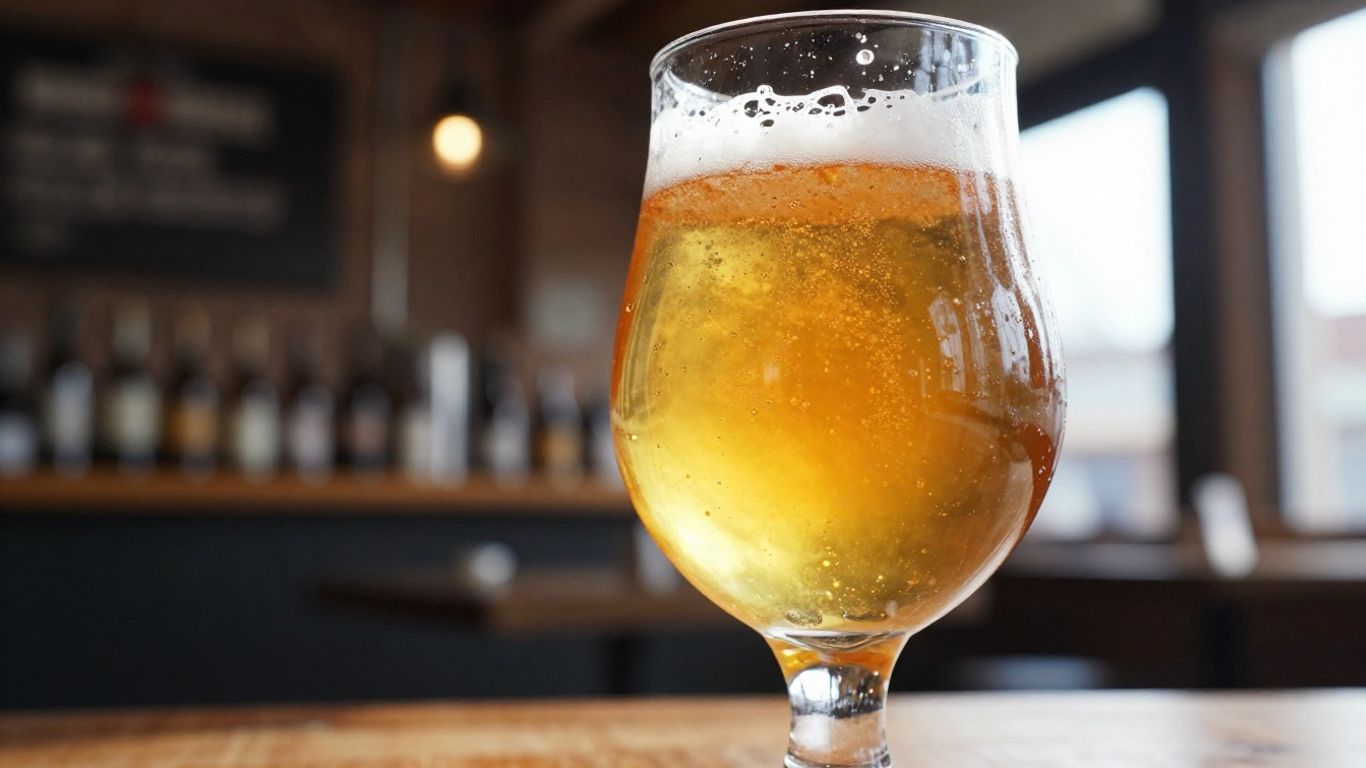
Lately, I’ve noticed a real shift in how people are approaching their beer choices here in France. It’s not just about grabbing any bottle off the shelf anymore. There’s this strong urge to back local breweries, and like honestly, I understand it. It just feels… right? you know, to have that sense that the beer I’m drinking is coming from just down the road, brewed by folks in my community, not some far off operation.
Consumer Preference For Locally Sourced Beers
This whole local movement is really picking up steam. It seems like more and more of us are actively looking for beers that have a story tied to a specific region. Think about it, like beer brewed with water pulled from a local spring or hops grown just nearby.
Somehow it adds this whole new layer to the experience, not just taste but the vibe too. And this kind of hunger for authenticity is clearly pushing a lot of the growth in the craft beer scene. It feels like a quiet way to tie yourself to the place you live in, and yeah honestly it often also means you end up with a better quality product.
Supporting Independent Producers And Economies
It’s not only about the taste, there is a bigger picture going on here. When I buy from a small, independent brewery I kind of know my money is going straight back into the local economy. It keeps these smaller places afloat and it also backs employment opportunities right in town. There is this good, almost grounding feeling, because you can tell you are contributing to something real. It reminds me of grabbing produce from a farmer’s market instead of a huge supermarket, you end up supporting individual livelihoods and the people behind them.
Fostering Community And Brand Loyalty
This focus on localism also builds a real sense of community. Breweries that are deeply rooted in their towns often become gathering spots. I’ve been to a few taprooms where you just feel that connection – everyone’s there to enjoy good beer and support a local business. It creates a loyalty that’s hard for bigger, faceless brands to replicate. It’s about more than just the beer; it’s about belonging.
The trend towards localism in craft beer isn’t just a passing fad. It kinda reflects a deeper consumer urge for a kind of relationship, realness, and a physical thread back to where their products came from. And yeah this shift is, well, changing how breweries operate and also how we as consumers end up deciding what we pick.
Here are some of the ways localism is showing up:
- Regional Ingredients: Brewers are increasingly highlighting ingredients sourced from their specific region, such as local fruits, grains, or even water.
- Community Events: Many local breweries host events, festivals, and tastings that bring people together and celebrate regional culture.
- Partnerships: Collaborations with other local businesses, such as restaurants and food producers, are becoming more common, strengthening the local network.
It’s kind of exciting to watch how this focus on local roots is sort of nudging the whole French craft beer market forward, pushing more distinctive, regionally marked brews. It feels like exploring different beers is a little like doing a trip around France, one pint at a time, and honestly it’s a nice vibe. You can spot some genuinely great places if you’re after that authentic getaway, maybe even somewhere in Brittany, near those tucked away beaches.
Conclusion
The craft beer scene in France is really something special. It’s grown from a small movement into a major part of the drink landscape. People are more interested than ever in unique flavors, local ingredients, and supporting small businesses. As brewers keep innovating and connecting with customers, I expect this trend to only get bigger. It’s exciting to see how this industry is changing and what new tastes and experiences it will bring to France.
Frequently Asked Questions
What exactly is craft beer in France?
Craft beer in France means beer made by small, independent breweries. They focus on quality, unique flavors, and often use local ingredients. It’s different from the big, mass-produced beers you see everywhere.
How big is the craft beer market in France?
It’s gotten pretty big! While it was a small scene not too long ago, it’s now a major part of the French drink market. Think billions of dollars in value, and it’s still growing fast.
Why are people suddenly interested in craft beer?
People are looking for more than just a drink. They want interesting tastes, to try something new, and to support local businesses. Craft beer offers all that. Plus, it’s often seen as a more premium product.
What are the most popular types of craft beer in France?
IPAs and pale ales are really popular, especially with younger folks. But brewers are making all sorts of styles, like stouts, sours, and even beers with local flavors like buckwheat or chestnut.
Are there many craft breweries in France?
Yes, there are! France has become a leading spot for craft brewing in Europe, with thousands of small breweries spread across the country. Many are focused on their local regions.
What’s next for the France craft beer market?
It looks like it will keep growing. Expect even more unique flavors, more focus on sustainability, and breweries finding new ways to connect with people, like through online events or cool taproom experiences.


