

Saison Style Beer in France: The Farmhouse Ale Making a Comeback

I’ve always been fascinated by how certain drinks, like saison beer France farmhouse ale, seem to disappear and then pop back up. It’s like they have their own seasons, just like the ingredients that go into them. This time around, I’m looking into the comeback of saison , especially where it starts in France, and what makes this farmhouse ale so special. It’s not just a drink, it’s more like a story where tradition meets modern brewing.
Key Takeaways
- Saison, a type of farmhouse ale, originated on farms in French-speaking Wallonia, Belgium, and has strong ties to France.
- Historically, saison was brewed for farmhands during the cooler months and designed to be refreshing yet durable.
- The evolution of saison and bière de garde saw them move from farms to commercial breweries, with increased alcohol content and the use of sugars for complexity.
- Modern craft breweries in France are reviving saison beer, often incorporating traditional elements with innovative techniques and local ingredients.
- Pairing saison beer, a France farmhouse ale, with French cuisine, especially cheeses and savory dishes, offers a unique culinary experience.
The Enduring Legacy Of French Farmhouse Ales
From Humble Farm Origins To A Modern Revival
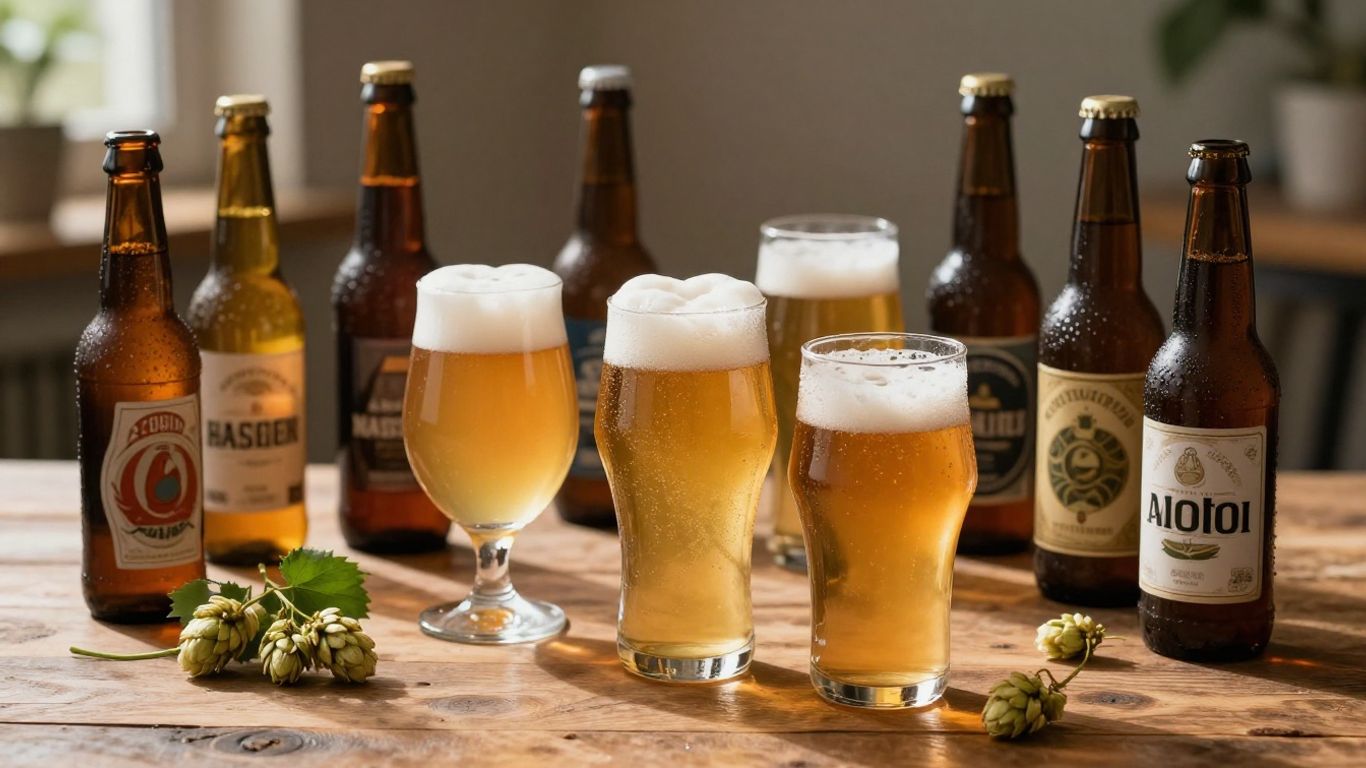
It’s pretty easy to see beer as something that comes from a big factory or a sleek modern craft brewery, but back then— like really centuries ago— beer was mostly made right on the farm. Not like some little pastime either, more like, it was a real need. In those days, clean drinking water wasn’t always a sure bet, so brewing beer kind of helped make the water safer and also gave useful calories, and needed nutrients for the farm workers. And these weren’t fancy, high end brews, more like practical batches made with whatever grains were on hand, sometimes wheat, or oats, or barley, whichever was there. The very concept of farmhouse ale in France is tied to the land and the seasons.
The Evolution of Saison and Bière de Garde
While we often make the mental leap that farmhouse ales are somehow all Belgium, France has its own layered backstory, especially with kinds like Saison and Bière de Garde. Those brews were mostly made right on farms, in the colder stretch of the year, to keep the farmhands going when work was, well, nonstop. It’s very possible each farm had its own distinctive yeast strain, carried forward like a small heirloom, generation after generation, so you end up with a bunch of different taste cues even if the base idea stayed similar.
As the whole routine shifted away from farm kitchens toward little commercial setups, the beers did not just sit there. They changed. Brewers began leaning on more hop character, not only for the obvious flavor reasons, but also because hops help act like a sort of natural preservative, which mattered for beers that were intended to last. And in some cases they also introduced extra sugars, like beet sugar or cane sugar, to bring up the alcohol level and add a bit more of that nuanced complexity. This shift helped these beers transition from purely functional farm drinks to regional specialties.
A Brew For All Seasons: Historical Context
Historically, farmhouse ales were brewed with a practical purpose in mind. They were often made in the cooler parts of the year to avoid spoilage and provide sustenance for farm laborers. The term ‘Saison’ itself means ‘season’ in French, hinting at its connection to agricultural cycles. These beers needed to be robust enough to last, sometimes for months, and also refreshing enough to quench the thirst of hard-working individuals.
This utilitarian duality is kind of a hallmark for these classic brews. The hop regions that seemed to straddle the border of what is now France and Belgium were central to the emergence of these styles, and they influenced both Saison and Bière de Garde too, not just in some general way but very directly.
The vibe of these early farmhouse ales was sort of strongly pulled by the local ingredients plus the particular yeast strains that were being cultivated on each farm. That’s why you got this wide set of flavors, ranging from maybe a little tart to really malty and warming, and yeah all of it was basically meant to nourish, to refresh too.
- Seasonal Brewing: Traditionally brewed during colder months to ensure quality and availability.
- Local Ingredients: Utilized grains and botanicals readily available on the farm.
- Yeast Diversity: Unique, farm-specific yeast strains contributed to distinct flavor profiles.
- Preservation: Hops and sometimes sugar were used to enhance shelf life and complexity.
Rediscovering Saison Beer In France
The Unique Characteristics of Saison
When I first started messing around with French craft beer, saison was one of those styles that kept showing up. It’s a beer that’s kind of hard to pin down, and honestly that’s part of why people like it so much. While many other beer styles have strict little rules, saison-style beer feels more flexible, more loose, if you know what I mean. You’ll usually hear it described as a farmhouse ale, and that phrase really sort of lands the idea. There’s often this neat complexity to it, with fruity, and spicy little impressions that seem to come mostly from the yeast. Sometimes it leans toward tartness, sometimes you get a quiet hint of sweetness, then it generally finishes nice and dry, which makes it feel really refreshing.
A saison, honestly, is pretty much defined by that yeast led flavor profile. This yeast will often bring out peppery vibes, clove type spice, and different fruit character, like citrus and sometimes banana, you know. You might also see coriander, ginger, or bits of orange peel added in, yet the yeast stays the main performer. The hop presence can shift around too, giving a touch of bitterness or even something more floral, kinda. Overall it’s a beer that really shows what the brewer can do, and how the ingredients come through, in a very grounded way.
Here’s a quick look at some common saison characteristics:
- Aroma: Spicy (peppery, clove-like), fruity (citrus, stone fruit), sometimes floral.
- Flavor: Mirrors the aroma, often with a dry finish and a pleasant bitterness.
- Mouthfeel: Typically light to medium-bodied, highly carbonated, and crisp.
- Color: Ranges from pale gold to amber.
Beyond Belgium: Saison’s French Roots
A lot of folks tie Saison mostly to Belgium, but its backstory is really a whole tangle with the farming communities in northern France, especially in places akin to Wallonia. For ages, these farmhouse ales got brewed by farmers, most of the time in the colder stretch, so it could be tasted by farmhands throughout the year. These weren’t just simple thirst quenchers; they were robust enough to last and provide sustenance. Each farm would have its own unique recipe, passed down through generations, using locally available grains and sometimes herbs.
The tradition of brewing on farms meant that recipes were highly personalized, adapting to the harvest and the brewer’s whim. This created a diverse landscape of flavors, far removed from the standardized brews we often see today.
It’s fascinating to think about how these beers were made with such a direct connection to the land. They used whatever grains were grown on the farm – wheat, barley, oats, even spelled. Sometimes malting was done right there on the farm. Before hops really became the dominant thing, people were using local herbs and spices, kinda known as ‘gruit’, for flavoring, and also for keeping things from spoiling. That link to local ingredients and traditions is something modern French craft brewers are now leaning into, a lot more than you might expect.
A Resurgence in French Craft Breweries
It feels like just yesterday that finding a good saison in France outside of a few specialty bars was a real challenge. Now, though, it’s a different story. I’ve noticed a definite uptick in the availability and quality of saisons coming from French craft breweries. It seems like brewers are really drawn to the style’s history and its potential for creativity. They’re taking those traditional farmhouse roots and giving them a modern twist.
A bunch of nearby French breweries are trying out local ingredients, and in a way they add this very distinctly French flair to their saisons, you know. Sometimes you’ll stumble on something that’s been steeped with herbs such as lavender, or thyme, and other times they work in local fruits too. It’s kinda exciting to watch these brewers pay respect to what came before while still pushing the limits, a bit further each round.
Here are a few things I’ve observed about this resurgence:
- Increased Variety: Breweries are producing a wider range of saisons, from lighter, more sessionable versions to richer, more complex ones.
- Focus on Local: There’s a strong emphasis on using French grains, hops, and even botanicals, giving the beers a unique regional identity.
- Growing Popularity: Saisons are becoming a go-to choice for many beer drinkers seeking something flavorful and interesting, moving beyond the more common IPA and lager.
This revival isn’t just about making beer, it’s more like trying to reconnect with heritage and then really savor what makes French farmhouse ales so distinctive. Honestly it’s a trend I’m pretty glad to see keep going, you know.
Crafting The Perfect Saison: Ingredients and Techniques
When I first started exploring the world of saison, I was struck by how much variation there is. It’s not like a stout or a lager where you have a pretty clear idea of what to expect. Saison feels more like a philosophy than a strict set of rules. The heart of any great saison lies in its yeast.
The Role of Yeast in Saison’s Flavor Profile
This is kind of where the magic is actually cooking. Saison yeasts are usually highly attenuative, which basically means they eat through a big chunk of the sugars in the wort and you end up with a drier kind of finish. But it is not only about that dryness, no. These yeasts often spin up a pretty complex menu of esters and phenols.
You will commonly pick up fruit-like vibes, like pear or apple, then you also get spicy hints, sort of like clove or pepper. And depending on the strain, some batches bring a small tart edge or even a faint barnyard funk, especially if there is a little Brettanomyces working in there. It’s that whole yeast character thing that gives saison its signature weird, interesting complexity, and honestly it’s why it’s so fun to drink.
Hops, Grains, and Botanicals: Traditional Elements
While yeast is king, the other ingredients do their thing, you know, sort of quietly. Traditionally, saisons were brewed with whatever grains showed up on the farm, often wheat, rye, or spelled right alongside barley. Pilsner malt is a usual base, though brewers may throw in extra malts for a little more depth, and kind of warmth. For hops, they’re mostly picked for a spicy, floral sort of impression, not that hard, intense bitterness.
So you’ll hear about noble hops like Saaz or Styrian Goldings, which feels pretty classic. Back in the day, some brewers also leaned on local herbs and spices, called ‘gruit,’ but later hops mostly eclipsed that whole idea. These days, some modern brewers are returning to those botanical additions, using coriander, ginger, or even grains of paradise, just to stack another flavor layer on top, and make it more interesting.
Here’s a look at some common components:
- Malts: Pilsner malt (base), wheat malt, rye malt, spelled malt, Vienna malt.
- Hops: Styrian Goldings, Saaz, East Kent Goldings, Tettnang.
- Botanicals (Optional): Coriander, Grains of Paradise, Bitter Orange Peel, Ginger.
The charm of saison is how it seems to adapt. It’s a beer that kinda mirrors its setting and the brewer’s intention, often ending up with a drink that feels both crisp and honestly very aromatic.
Modern Interpretations and Experimental Approaches
Today, brewers are having a lot of fun with saison and it feels kind of wild in a good way. You’ll see stuff aged in wine barrels, mixed with fruit, or brewed using odd types of grain—some people even try different mash ideas, too.
Lately some brewers are really pushing the limits with hop varieties, while others go for that kind of brutally dry, crisp finish, the one that just works on a hot day. It’s that mix of trying things new, but still respecting the beer’s roots, that makes the saison revival right now so exciting. If you want a few top examples, you can catch some fantastic ones from independent breweries across Occitanie, showing local ingredients and a bit of stubborn creativity.
It’s a kind of style that sort of invites innovation, and I’m always eager to see what brewers come up with next when it comes to saison style beer. The range of flavors and scents in a well-made saison is really something; it’s quite impressive; like a standout piece in the growing French craft beer scene.
Pairing Saison Beer With French Cuisine
When I first started exploring French craft beer, I was a bit intimidated by the food pairings. Wine and cheese, sure, that’s practically a national sport. But beer? I wasn’t so sure. Turns out, saison is a fantastic bridge between the beer world and French gastronomy. Its complex, often fruity and spicy notes make it surprisingly versatile.
Saison and Cheese: A Classic Combination
This is where saison truly shines. It’s got this effervescence thing and a dry finish that, somehow, cuts through the richness of a lot of cheeses, while its own subtle funkiness can play along with the more pungent ones too. I’ve noticed that a solid saison is kinda almost as forgiving as wine when you’re doing cheese pairings. Like, picture a creamy, ripe Brie or a sharp aged Comté. A saison with a little peppery spice can hold its ground with them real nicely. Even those softer, tangier goat cheeses, they seem to find a buddy in a crisp citrus saison. Somehow this pairing just… clicks, like it was meant to be.
Here are a few ideas that have worked for me:
- Soft & Creamy: Brie, Camembert, or a rich Époisses. Look for a saison with a bit more body.
- Semi-Hard & Nutty: Comté, Gruyère, or a mature Cheddar. A more traditional, dry saison works wonders here.
- Goat Cheese: Fresh chèvre, especially with herbs. A lighter, more citrus-forward saison is ideal.
Beer’s carbonation is a real palate cleanser, which is a big deal when you’re dealing with rich, fatty cheeses. It keeps things fresh and makes you want to take another bite and another sip.
Complementing Meats and Savory Dishes
Beyond cheese, saison sort of does well with a range of French dishes. Its refreshing vibe makes it a good counterpoint to heavier meats, you know. Picture a platter of charcuterie, saucisson sec, rillettes, maybe some pâté too. A saison can slice right through the fat and the salt, basically rinsing your palate in between bites. I’ve also had it with roast chicken or pork dishes, particularly the ones with herbs like thyme or rosemary. The beer’s quiet spice hints feel like they’re echoing what’s in the food, and somehow it all comes together as one.
- Charcuterie: Saucisson, pâté, rillettes.
- Poultry: Roasted chicken, duck confit.
- Pork: Pork loin, sausages.
- Vegetables: Grilled asparagus, ratatouille.
Exploring Culinary-Inspired Brews
Some brewers are taking saison in really interesting directions, incorporating local ingredients that further tie it to French cuisine. I’ve run into some saisons brewed with local fruit, little herbs, or yes, even spices. There was this one brew, really memorable, with this clear elderflower perfume, and somehow it matched nicely with a plain green salad, dressed with a light vinaigrette.
It’s that sort of creative streak that makes wandering around the French craft beer scene so damn fun. You might also bump into beers that use spent grains, a kind of farm-to-table respect that’s pretty strong around here. And those spent grain snacks are crunchy and savory too, like a brittle nibble that goes well with a saison, almost too well. It’s a full-circle moment, really – from farm to beer, and back to your plate.
Navigating The French Craft Beer Scene
Finding truly great saison beer in France, especially outside of the major cities, can feel like a treasure hunt. It’s not like you can just walk into any corner café and expect a perfectly brewed farmhouse ale. Honestly, I’ve learned that the best approach is to do a little homework before you go looking. I usually start by checking up on resources like Untappd, just to see what’s being poured locally and what people are saying about it. Honestly it helps a lot with preventing that letdown, when you end up with a bland mass-produced lager, when you were kind of hoping for something special.
Finding Quality Saison Beer in France
When I’m searching for a good saison, I’m looking for specific signs. Many of the best spots are labeled as ‘brasserie artisanale’ or ‘microbrasserie,’ which tells me they’re smaller, independent operations. These places are often more passionate about their craft. I’ve found that the beer is often fresher, unfiltered, and just has more character. It’s also worth noting that while supermarkets like Monoprix and Carrefour might occasionally have a decent find, you have to be pretty discerning. A lot of what looks like craft beer on those shelves is actually just big corporations putting a new label on old products. So, I tend to be cautious there.
The Importance of Independent Breweries
For me, the real magic happens when I visit a brewery directly, especially if I’m out in the countryside, making beer tourism in France even more rewarding. A lot of smaller brewers are weirdly welcoming too, like they don’t mind stopping what they’re doing, and they’ll chat about the process with you for a while. honestly it feels like the best route to get the beer right from the source, and you might even sample stuff that’s not in bottles yet. I remember one trip, I kinda wandered in, and found this tiny brewery in Alsace, the brewer poured me a saison himself, and it tasted like the very essence of the whole region. It was honestly unforgettable. Backing these independent breweries matters a ton if you want the french craft beer scene to stay alive, vibrant, and kind of varied in its own way.
Experiencing Local Beer Culture
Beyond just finding the beer, I’ve found that engaging with the local beer culture really adds to the experience. This means talking to bartenders who are genuinely enthusiastic about beer – they can be your best guides. I’ve had some fantastic recommendations just by asking what they’d be drinking after a long shift. Also be prepared for different serving sizes, like smaller pours such as a demi (25cl) are pretty common, and even if it feels small it usually means you can sample more varieties.
It’s part of the whole adventure, honestly it makes the process more enjoyable. Really though it’s more than just the drink, it’s also the story behind it and the people who create it, which is why beer tourism in France keeps growing. I’ve found that the French craft beer scene is really rewarding when you take the time to explore it properly.
A Toast to the Comeback
It’s been fascinating to see saison beer make its way back into the spotlight here in France. I remember when finding anything past a basic lager felt like a real challenge but now, with brewers really leaning into that farmhouse origins thing, there’s just so much more to look into. It feels almost like a revival, like they’re bringing back those old flavors with a modern little twist. So next time you’re hunting for a beer, I’d honestly encourage you to go find a saison. It’s a taste of history, brewed right here and, yeah, it’s pretty much simply delicious.
Frequently Asked Questions
What exactly is a saison beer?
Think of saison like a rustic farmhouse ale France but with Belgium in its background, and yeah it kind of grew there also. It usually gets brewed with distinctive yeast that gives the beer its own character, sometimes leaning fruity or maybe even a little spicy. I’ve had versions that feel like a sharp cider, mixed with just a touch of pepper, and honestly it’s really interesting, in a good way.
Why is it called ‘saison’ and how does that relate to France?
Saison means ‘season’ in French. Back in the day, farmers would brew this beer during the cooler months, typically from fall to spring, and then serve it to their farmhands (called ‘saisonniers’) during the busy harvest season in the summer. It was a way to use up extra grains and provide a refreshing drink. I remember visiting a small brewery in the French countryside, and the brewer told me how his grandfather used to make it just for the workers.
Is saison beer really making a comeback in France?
Absolutely! For a while, these kinds of beers weren’t as popular, kind of overshadowed by big, mass-produced lagers. But now, I’m seeing more and more craft breweries in France bringing back these old-school farmhouse ales. They’re putting their own spin on them, and it’s exciting to see them gain popularity again.
What makes French saison different from Belgian saison?
While they share a common history, French versions, often called ‘bière de garde’ or simply farmhouse ales, can have their own character. Sometimes they’re a bit maltier or have different spice profiles. I found a fantastic one at a little bar in Lille with a subtle herbal note, unlike any Belgian saison I’d tried before.
What kind of food should I eat with a saison?
Saison is super versatile with food! I love pairing it with cheese – especially those strong, funky French cheeses. It also goes really well with roasted meats or even some lighter seafood dishes. It’s like a chameleon, adapting to different flavors. I had a saison with a goat cheese tart once, and it was a match made in heaven.
Where can I find good saison beer in France?
It takes a bit of searching, but it’s worth it! Look for craft beer bars, especially those that feature local French breweries. Bottle shops are also great places to discover hidden gems. Sometimes, the best finds are in smaller towns, not just the big cities. I always ask the bartender – they usually know what’s good!


