

Craft Beer in France: Everything You Need To Know Before Your First Sip

The global reputation of France exists because of its extensive wine production. France now experiences a flourishing craft beer movement which creates a lively drinking culture. The product provides an enjoyable option which satisfies customers with special tastes. The craft beer industry shows constant growth which explorers can discover through their exploration. The guide assists you in finding outstanding French craft beers and breweries and bars. Enthusiasts of craft beer France will discover a range of taste experiences which go beyond typical beer styles.
Key Takeaways:
- The growing popularity of craft beer in France is a great illustration of how the different regions come together to make both typical and innovative beer styles. The brewers are blending the old Bière de Garde and Saisons with their newer ways of brewing. The main source of these creations is the Belgian brewing heritage.
- Expect creative brews across various types of craft beer. These beers include barrel-aged creations. They also feature locally infused varieties that reflect France’s rich culinary heritage.
- Discovering authentic craft beer requires a discerning eye. Look beyond supermarket shelves to find truly artisanal quality. Visiting French breweries outside major cities often leads to the most authentic craft beer experiences.
- Embrace the French approach to beer appreciation. It often involves smaller pours and elegant glassware. The method enables people to experience tasting through a more precise and enjoyable process.
Understanding French Craft Beer Styles
For beer for beginners, my first encounter with French craft beer was a delightful journey into complex flavors. Wine often dominates the conversation in France. I discovered a burgeoning craft beer scene in France.
It is characterized by creativity and a deep respect for brewing traditions. French brewers are not merely imitating. They are experimenting with new types of craft beer, giving each a unique national flair.
A helpful beer tasting guide for beer for beginners can make exploring French craft beers much easier.
Bière de Garde: A Revived Classic (Beer Styles Explained)
Bière de Garde, literally meaning ‘beer for keeping,’ is a fundamental part of French brewing tradition. It comes especially from the Nord-Pas-de-Calais area.” Usually, these brews are made during cold seasons and rest for long times. The beverages have a strong taste with multiple drinking options which include pale blonde and deep brown colors. The drinker will experience malty flavors that include caramel and toast and dried fruit.
Saisons and Wild Ales: Belgian Influence with a French Twist
It is a section where beer styles are explained for beginners and enthusiasts alike. Saisons are strongly associated with Belgium. However, they have found a unique interpretation in France, particularly in regions near the border.” French Saisons are traditionally farmhouse ales. The beers have a carbonation level that reaches its highest point while maintaining a dry taste and showing fruity and spicy features.
I remember a special Saison from Brasserie ‘Etoile du Nord.’ The beer combined traditional farmhouse flavor with delicate French sophistication. Wild ales which use wild yeast for fermentation have gained popularity because they produce complex sour and funky flavors. The space combines Belgian traditional practices with French creative techniques which scientists find interesting to investigate.
Barrel-Aged Masterpieces and Culinary Infusions
French craft breweries use barrel-aging as their main avenue for exploring new brewing methods. The breweries use wine and spirit casks which they previously used to create distinctive flavor profiles. The process creates extraordinary depth and complexity which includes oak and vanilla flavors together with the base spirit.
Beyond barrel aging brewers investigate local ingredients which include fruits and spices and herbs. The infusions create special beers which showcase the culinary heritage of French cuisine. Brasserie du Mont Salève brews beers which showcase their creative brewing techniques. The beers feature special infusions which deliver an authentic French flavor experience in each sip.
Navigating the French Beer Landscape
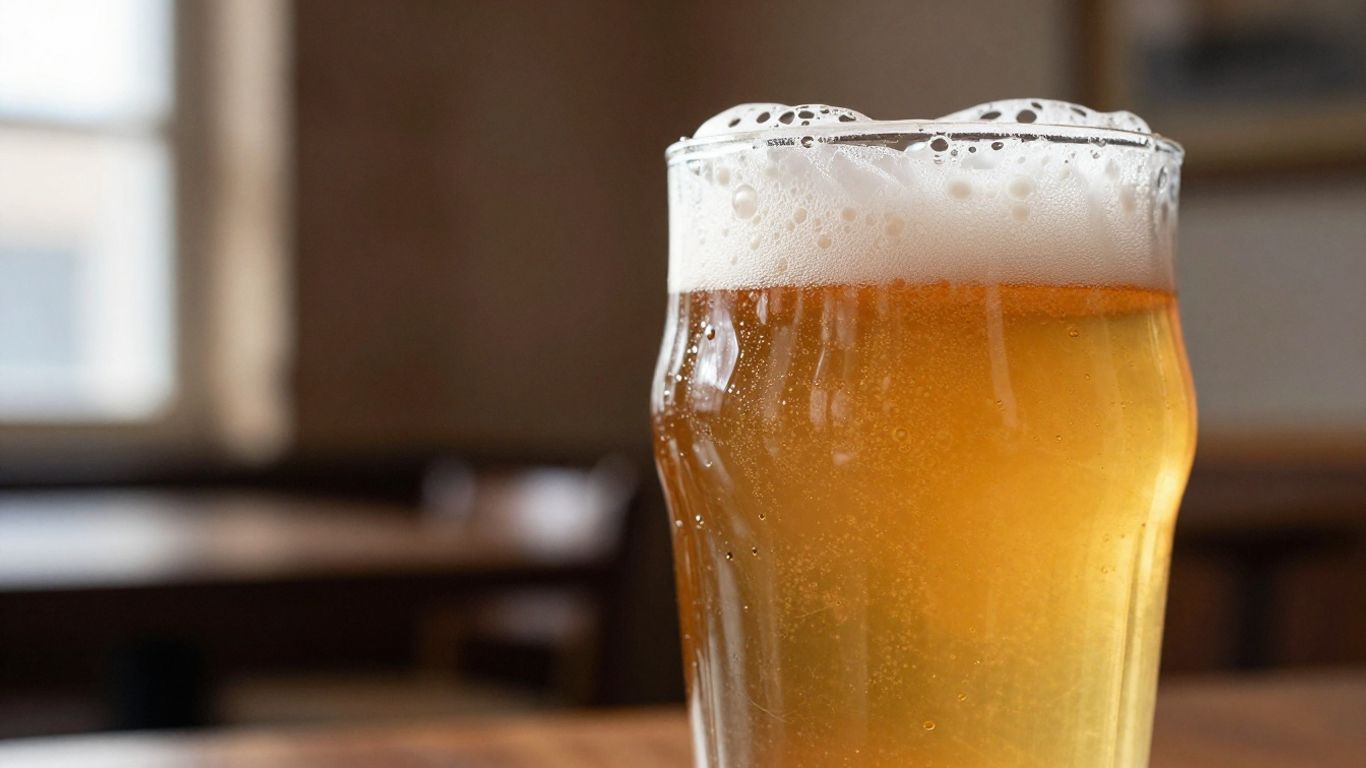
This craft beer guide explores the essentials for anyone curious about French brewing traditions. The idea that French beer consists only of light lagers is a misunderstanding. This becomes clear once you explore the country’s thriving craft beer scene. The reality is a diverse and exciting world of brewing, far removed from generic offerings.
Debunking French Beer Myths
Our craft beer guide shows readers the truth about French beer. The notion that France is a beer desert is simply untrue. French traditional establishments still prefer their customers to drink lighter beer styles. The craft beer movement has achieved success. The innovative craft breweries in France create new pathways for their nation’s beer traditions. The most interesting craft breweries of France can be found in Occitanie and Alsace.
Identifying Authentic Craft Beer
You need to develop a keen eye to distinguish real craft beer. Some indications of this are as follows:
- Brewery Reputation: It is recommended to search for craft breweries specializing in high-quality and innovative brands. If you can trace any brewery that is connected to events like the Annual Mondial de la Bière, more than a win is on your side!
- Ingredient Focus: On the whole, a brewery that focuses on local or quirky ingredients is viewed as being dedicated to excellence combined with a touch of innovation.
- Packaging and Labeling: The presence of well-designed labels which provide clear information about style and ingredients serves as a positive indicator for products. The presence of generic branding should be treated as a warning sign.
- Taproom Experience: A brewery taproom visit provides direct access to their dedication and product excellence. The establishment needs both a friendly environment and staff members who understand their work to create an inviting space.
You need to taste beers while visiting multiple locations because local people will help you find the best French beers. You should search for brewers who demonstrate true dedication to their craft and who display a strong enthusiasm for developing new brewing techniques while sharing their personal experiences. Your ability to discover valuable information depends on your capacity to ask questions.
Regional Craft Beer Hotspots
If you want to trace the best breweries in France, you will commence a journey across the regional locales of brewing mastery.
- Lille and the North: The local breweries of this area have created exceptional Belgian-inspired beers which showcase their Belgian brewing traditions. People should explore the beer selection of Brasserie Thiriez.
- Alsace: The region produces excellent lagers and ales because of its long history in brewing. The location provides an opportunity to experience brewing styles that resemble those described in the Alsace article from Day 2.
- Occitanie (South of France): Its lighter, summery beers with an edge probably make it the current scene for extraordinary brews coming off the taps of breweries like BAPBAP.
- Bourgogne-Franche-Comté: The area serves as an experimental brewery hub that produces distinctive and surprising beer creations. The brewery Lancelot produces unique beer styles that customers should seek out.
The best breweries in France operate their facilities from Paris, which serves as their main base for creating fresh craft beers. The available brewery tours allow visitors to explore the most advanced brewing facilities that exist in France.
Where to Find Quality French Craft Beer
Discovering exceptional French craft beer is an exciting adventure. It rewards curiosity and a willingness to explore beyond the obvious. Supermarkets may offer only a limited selection of beers. Dedicated beer shops and brewery taprooms, however, are treasure troves for the discerning drinker.
The Art of the Brewery Visit
The brewery guide will help you plan your visits to top craft beer breweries in France. This brewery guide places emphasis on letting you experience the French craft beer culture in a genuine way. Most small breweries provide taproom access to visitors who come to their facilities outside of major urban areas.
The best method to taste beer from a brewery involves sampling its product which is delivered straight from the brewery’s production area in its unprocessed state. The event provides guests with a chance to meet the brewers and learn about their brewing techniques. The public should contact the organization through its website or phone number to obtain information about its business hours and available services.
Finding Gems in Supermarkets
Supermarkets can be a mixed bag. While the term ‘artisanal’ might seem to guarantee true craft quality, it doesn’t always do so. Be selective. Look for smaller, independent breweries you might recognize from dedicated beer shops or local markets. The process of discovering hidden gems requires careful selection as they arise only at uncommon times. The exploration of different paths produces better results than when you choose to stay with your original plan.
Seeking Expert Recommendations
The value of working with dedicated beer experts reaches its highest point. Craft beer bartenders possess extensive knowledge about their field. The establishment demonstrates its dedication to quality through its staff members who can describe different beer styles and their historical origins and particular taste profiles. People who ask about currently available items or local beer recommendations will make unexpected discoveries. I have experienced my best beer moments through those specific beer suggestions.
Treat discovering French craft beer through different areas by using local expert knowledge. You should stay curious about everything while you ask questions and accept whatever happens. The most rewarding discoveries often come from these interactions.
These are the essential feasible strategies for laying hands on high-quality quality French craft beer:
- Use Beer Apps: Websites such as Untappd are a great way of coming across highly rated beer, breweries, and bars, all supplied with the necessary real-time feedback by enthusiasts themselves.
- Visit Dedicated Beer Shops: The specialized stores provide their customers with handpicked product collections. The store staff who possess expertise will help you find the best local and national craft beers.
- Explore Brewery Taprooms: Many breweries, especially those located in Paris, operate taprooms which serve their newest beer creations to customers. BAPBAP in Paris provides visitors with an authentic experience that they should consider visiting.
- Ask Locals: It is always good to ask for recommendations in local areas in small towns where local shop-restaurants might reveal local hidden favorites.
Experiencing French Beer Bars
French craft beer bars offer a distinct atmosphere. People tend to appreciate things because they possess both detail and superior quality. Forget oversized pints; here, the focus is on savoring the beer’s complexity which staff present in their most refined glassware.
Understanding Pour Sizes and Glassware
Here’s a brief beer tasting guide that will help you appreciate French boutique brews like a professional:
- Demi (25cl): A standard pour, approximately half a pint, suitable for most beers.
- Galopin (12.5cl): The small tasting size serves as perfect for testing high-alcohol beers and trying different beer styles. A full pint exists as a less common option for certain beers which customers can order in Pinte (50cl) size.
- Glassware: Some experience etched with tulip, wine glasses and even a bit of crackly thickness. They are good though since they can complement the aroma as well as style.
The Price of Quality
Craft beer in France can be pricier than in some other countries, with prices ranging from €6 to €10 for a demi. The high production costs reflect the use of premium ingredients together with traditional brewing techniques. The brewing process produces distinctive beer flavors that create specific taste profiles. The experience of discovering these flavors often justifies the cost.
The International Vibe of Craft Beer Establishments
French craft beer bars display international ambiance through their design elements. The establishment draws both local residents and visiting tourists. The venue maintains a casual atmosphere which combines pleasant music with dedicated beer staff. “These welcoming spaces create a strong sense of community. The spaces serve as ideal locations for people who want to discover the changing French local beer culture.
Many craft beer bars offer small food pairings, which include cheese boards and charcuterie, that are designed to match the taste of their beers. The tasting experience receives improvement from these specially selected items. The two scientists show their deep knowledge of how food and drink work together.
Pairing French Craft Beer with Food
French local beer reaches its best drinking experience through this combined beer tasting guide with its food pairing recommendations. French craft beer provides a diverse and exciting beer option that partners well with the country’s famous dishes. The process of matching beer characteristics with food flavors and textures represents the essential task for creating successful pairings.
Saisons and Cheeses: A Perfect Match
Saisons create an outstanding cheese pairing experience because of their combination of fruity and spicy and dry taste profile. The effervescence of the beverage helps to balance the creamy texture of Brie and goat cheese. The complex notes of the music can create harmony with the dairy or produce a beautiful contrasting effect. A well-chosen Saison can elevate a simple cheese board into a gourmet experience.
IPAs and Charcuterie: Bold Flavors Unite
The assertive bitterness of IPAs creates a pleasant contrast with the rich flavors of French charcuterie. The hop’s palate-cleansing effect creates a perfect balance for cured meats such as saucisson sec and rillettes. The taste of each bite becomes better. This pairing showcases strong flavors while demonstrating the powerful aspects of French beer brewing.
Dark Beers and Red Meats: A Hearty Combination
The best pairing for traditional French cuisine which includes red meat dishes requires using dark French beers that include Bière Brune and porters as their most suitable choice. The malty depth of these beers combined with their roasted notes creates a flavor combination that matches the savory taste of duck confit and slow-cooked beef stews. The beers deliver a complete drinking experience which matches the intricate taste of rich, complex flavors.
The process of matching French local beer with food creates balanced flavor relationships. The pairing between light Saison and delicate cheese and between robust Brune and hearty stew aims to improve both the beer and the dish. Your taste preferences should guide your testing of different foods.
Here are some general pairing guidelines:
- Saison: Excellent with pungent cheeses, goat cheese, and lighter fare like pizza.
- IPA: Pairs well with fatty cured meats, burgers, and spicy dishes.
- Bière Brune/Porter: Ideal with red meats, game, duck confit, and rich stews.
- Blanche (Wheat Beer): Its citrus notes complement seafood, salads, and light poultry dishes. Barrel-Aged Stouts: These can stand up to rich desserts like chocolate cake or crème brûlée.
The Evolution of French Brewing
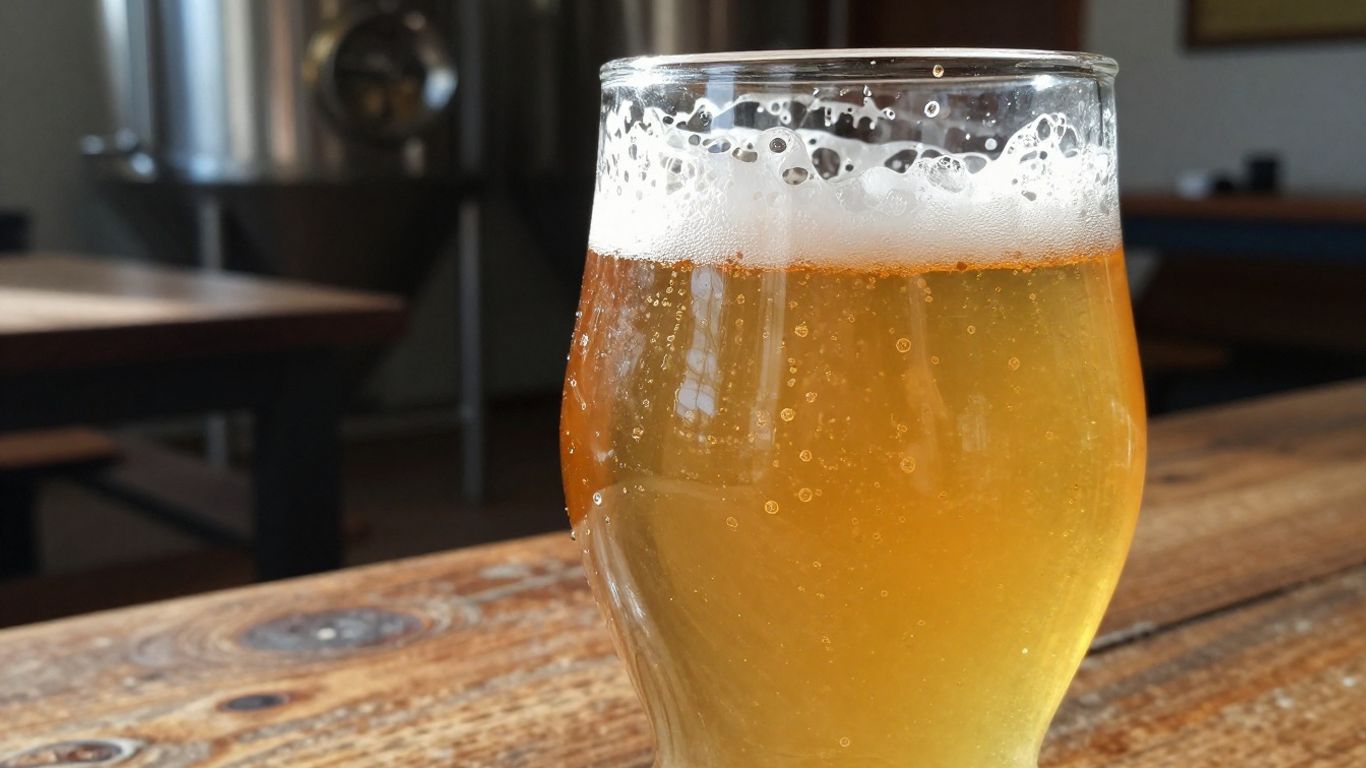
A Brief History of Beer in France
Beer has a long history in France which people usually ignore because wine became the dominant beverage. Ancient Gauls brewed beer from barley. Monasteries throughout the centuries developed better brewing methods through their dedicated work. The Industrial Revolution brought modern advancements to the brewing industry.
The Rise of Independent Breweries
The 21st century has brought renewed French brewing traditions which now combine with international craft beer trends. A new generation of independent brewers emerged. They dedicated their efforts to developing high-quality ingredients together with their innovative brewing methods and their distinctive beer designs.
The evolution of beer production created a complex dining experience which transcended its original form as a basic drink. Brasserie’s brewery led the brewing industry through its artistic and technological advancements.
Innovation and Tradition in Modern Brewing
Contemporary French brewing artfully combines traditional brewing methods with modern brewing techniques. Brewers are reviving classic styles like Bière de Garde. At the same time, they are pushing boundaries through their use of barrel-aging techniques and their practice of adding uncommon ingredients.
Lancelot Brewery establishes a connection to its historical roots while developing new brewing methods. The French beer market now presents a broader range of choices, which creates an interesting story that unfolds through each beer glass.
So, What’s Next for My French Beer Journey?
Beer enthusiasts who visit France as their first choice will discover its craft beer scene which provides them with ongoing new experiences. My journey has revealed a world full of nuanced flavors. The journey introduced me to dedicated brewers who operate their friendly establishments.
Regional brewing styles become apparent through tasting local French beers which include Bière de Garde and barrel-aged stouts. To discover the best French beers one must explore every brewery and beer with an open mind and deep appreciation.
Frequently Asked Questions
Is French craft beer really that different from what I’m used to?
The French craft beer is shaped by its making method to have a distinct identity. The brewers often re-purpose the wine barrels for the maturing process, which leads to unique flavors. Adding native herbs like rosemary and thyme makes the tasting experience a French culinary representation. These blends combine culinary influences with expert brewing artistry.
How can I tell if a beer is actually ‘craft’ and not just a big company’s attempt to cash in?
You should search for taprooms which belong to smaller independent breweries. On Untappd users can find drinking insights from other users. The best sign of authentic craft breweries exists through their practice of serving rotating beer selections. Enthusiastic and knowledgeable staff further say their commitment to quality. A quick online search for the brewery’s story and philosophy can also be revealing.
I’ve heard French beer can be expensive. Is that true?
Craft beer in France can indeed be more expensive than in some other regions, particularly in major cities like Paris. The cost of specialty brews starts at €6 and reaches more than €10 for a 25cl pour. The high quality of ingredients and artisanal production standards determine the cost of this product. The unique character of these beers makes the experience a truly worthwhile indulgence.
What are some classic French beer styles I should try?
A ‘Bière de Garde’ is essential. This traditional style from Northern France offers rich, malty flavors. Saisons’ are also highly recommended. The dry spices of this dish create a flavor that includes a wild tang which tastes like French rural areas. The Bière de Garde beer style has become a major attraction for visitors to Castelain brewery.
Where are the best places to find good craft beer in France?
The most authentic experience of brewery taprooms occurs when people visit taprooms outside major cities. The dedicated craft beer bars which employ experts make up two bars that people should visit.
In Paris, explore establishments like BAPBAP. While supermarkets offer some options, they are often less reliable for true craft finds.
Is it rude to ask the bartender for recommendations? Absolutely not!
Bartenders in craft beer establishments show their dedication by enthusiastically sharing their expertise to customers. The process of seeking recommendations enables you to find new favorite items while demonstrating your genuine interest. The craft beer experience depends on people working together with each other.


