

Famous French Foods: A Taste of France’s Culinary Heart

France. Just say the name, and suddenly you get these images, charming cafes, delicious pastries, and maybe a glass of wine.
France is a country that seems very passionate about its food, with the most famous French foods well appreciated all around the world. It seems that everything is in the baguette since the food culture in France is closely linked to history.
Furthermore, another characteristic of food culture in France lies in the manner in which people eat together at the table. It actually seems that eating is not only about the consumption but also about the experience. Therefore, let us find out why French food is renowned all over the world.
Key Takeaways
- French food culture has this kinda long history, it moves along from medieval times to that really sophisticated haute cuisine we know today. It puts a big focus on local ingredients, and also on traditional techniques, like, yeah, very much on what’s familiar and well done.
- The idea of terroir is kinda central in French cooking, it points to that particular flavor of food and drink coming from a given place or locality.
- France’s food scene is, honestly, incredibly diverse. It feels like you can taste the geography and history right there. You go from the sturdy Alps meals to that German-tinged Alsace vibe. Each little region has its own special flavors, dishes, and little quirks.
- Boeuf Bourguignon, Quiche Lorraine, and Ratatouille, these iconic dishes kind of show off how famous French foods really are. They go from cozy, comfort type meals to plates that have really complex layered tastes, and you know, that depth.
- Living the French food culture also means, sorta really, savoring the whole dining experience. It can swing from the noisy but charming feel of a bistro to that more polished elegance you get at gourmet restaurants. And yeah, naturally, wine ends up playing an integral part in these meals too.
A Taste of French Culinary History
Traditional French cuisine, the way we kinda know it today, did not simply show up overnight. It’s more like a long tale, reaching back for centuries, and in between, there were a lot of adjustments here and there along the route, yes.
From Medieval Feasts to Haute Cuisine
French food was quite well-ordered for some time. But then things changed, especially during the 17th and 18th centuries. There are many who have shaped the developmenT of French cooking, but it is Marie-Antoine Carême who is really worthy of most attention. He is often called the true pioneer of today’s French cooking. However, it was not all his work.
He helped steer the whole approach, by moving away from the idea of just piling spices onto everything, and instead leaning into what we call “the mother sauces”. His influence helped French food become something really elevated, like a performance, but also a sort of diplomatic language, in a way.
The Concept of Terroir in French Cooking
“Terroir” is one of the oddest and most interesting things about French culinary traditions. It is not just a matter of the ingredients but a matter of the place and the reasons that come with it. Soil, climate, and the whole environment of a particular place in France give its products a unique character that cannot be copied at all. That is the reason why a tomato from one area may taste different from a tomato grown in another area.
The idea is much closer to French cooking, since after all, French cooking does tend to concentrate on natural flavors from fresh herbs and garlic and good stock rather than on many spices. This approach involves recognizing the bounty of nature and not misusing it. The idea also applies to dishes like cassoulet, made using local beans that are actually very particular kinds of beans.
UNESCO Recognition of French Gastronomy
It’s not only about the recipes, or those ingredients though. The way French folks look at food, and how they actually eat, is also a major slice of food culture in France. Back in 2010, UNESCO even put the “gastronomic meal of the French” on the map, as part of the world’s cultural heritage. And this isn’t merely about fancy dinners.
No it’s more like the full on ritual, the planning then the grocery run, followed by cooking, and then sharing everything at the table. It really points out how French culture tends to value that link between people and the food they consume. There is also this kind of steady celebration of balance with nature. It is a complete experience, not just a meal. If you want a better grasp of these traditions, starting with classic French dishes is a solid place to begin.
Regional Flavors of France
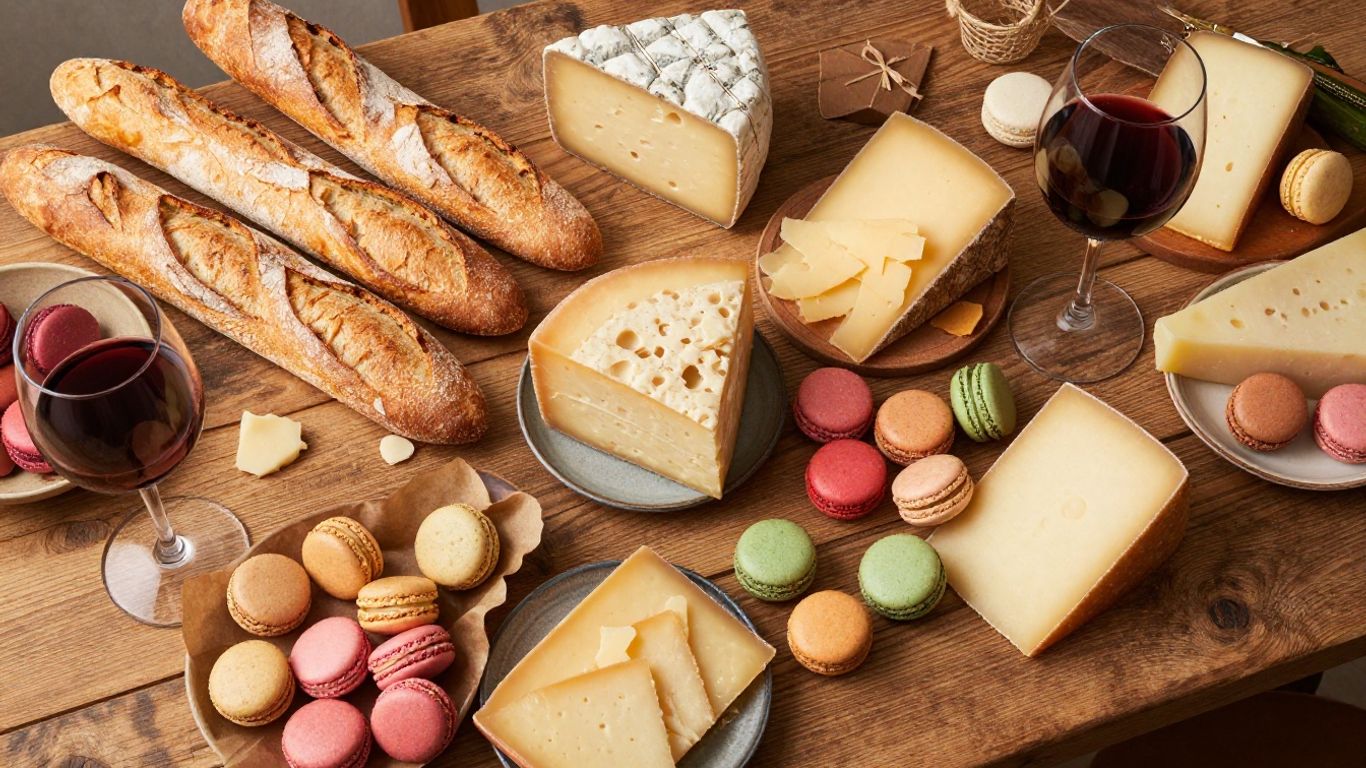
France is not one big kitchen as it is commonly said. It is rather like the assortment of regional French cuisine, each with a story of its own and little specialties that you may discover almost by accident.
A trip through France end up exploring French cuisine through history and geography, which includes taste only. It also involves understanding how the land, the climate, and the people most likely have influenced what ends up on the plate. That variety, really, is a major piece of why French food stays so interesting and captivating.
Hearty Dishes of the French Alps
In the French Alps, regional French cuisine is kinda about keeping you warm and full, like, for real. It tends to lean into rich, comforting dishes that feel right when you’re all around by mountains. Cheese is basically the king there, naturally. You’ll see the well known raclette, where a snowy blanket of melted cheese gets scraped over potatoes.
Fondue is another crowd thing, it’s a shared little pot of melted cheese, made for dunking bread into it. And these aren’t only meals, they turn into social moments, you know, people hanging around together around a bubbling pot.
- Raclette: Melted cheese, scraped over boiled potatoes, it’s commonly served with pickles and cured meats, sometimes you get this other vibe too.
- Fondue Savoyarde: A mix of local cheeses (like Comté and Beaufort) melted with white wine and garlic. Tartiflette: A hearty bake made with potatoes, reblochon cheese, lardons (bacon), and onions.
The mountain environment has forced their cuisine into becoming very hearty, yet satisfying at the same time. Their food is quite comforting in a sense; it makes one feel as though they are being embraced and sustained both on the inside and outside.
Alsatian Cuisine’s German Influence
Alsace, nestled up right against the German border, sort of has a food scene that really shows its dual heritage, you know. You’ll notice plenty of dishes that feel German-inspired, but then again, with a French touch as well. The best known example is probably choucroute garnie, which is basically sauerkraut piled quite high with all sorts of sausages, pork cuts and potatoes. It’s a dish that’s both very rustic and also somehow incredibly tasty.
Another must-try is Tarte Flambée (or Flammekueche in the local dialect) , a thin kind of dough that’s a bit like pizza, topped with cream onions and bacon. It’s straightforward, honestly delicious, and it’s ideal for sharing with people.
Coastal Delights and Southern Staples
As you go toward the coast, especially the Mediterranean, regional French cuisine sort of shifts its whole vibe in terms of taste and what ends up in the pan. On the Atlantic edge, there’s usually plenty of fresh seafood, and yes, mussels in particular, often treated in a straightforward way, like cooked with white wine, and a few herbs. But it’s really the South of France, with those sun soaked, almost glowing landscapes.
It defines a more specific cooking style. For me, it’s the olive oil, garlic and fresh vegetables that really shine in this.
Probably the first dish that you think of is Salade Niçoise, a bright mixture of lettuce, tomatoes, tuna, olives and hard boiled eggs. Plus, there is Ratatouille, a slowly cooked vegetable stew, packed with the tasty and fresh flavors of the garden. On the whole, it’s like a gust of fresh air, more vibrant, and it pays tribute to the plentiness of both land and sea. If you want, you can dig into more details about the wide culinary landscape of France in this guide.
| Region | Key Ingredients | Signature Dishes |
| French Alps | Cheese, Potatoes | Raclette, Fondue, Tartiflette |
| Alsace | Pork, Sauerkraut | Choucroute Garnie, Tarte Flambée |
| Mediterranean | Olive Oil, Seafood, Veg | Salade Niçoise, Bouillabaisse, Ratatouille |
Iconic Dishes of French Food Culture
Classic French Stews and Braises
One of the very first images associated with dreams of French gastronomy tends to be rather heavy dishes like stews and meats prepared in a closed cooking pan with some fluid. Indeed, such nutritious dishes belong to the core traditional French cuisine. In essence, the key factor lies in the use of high-quality products and their subsequent simmering for some time to achieve the right harmony of flavors.
How about a traditional French cuisine like Beef Bourgignon, a delicious beef stew with red wine, pearl onions, and mushrooms? Then, why not try Coq au Vin, which is essentially chicken simmering in wine, preferably red, with lardons and mushrooms. Therefore, preparing such a delicious meal is probably pretty straightforward and extremely fulfilling, right?
Blanquette de Veau is yet another meal that you would probably find quite frequently. It is a creamy, stewed veal which, to me, looks somehow less heavy than all those beef meals. Nevertheless, it is equally comforting as any other meal. Actually, in all these dishes, one can quite easily see how French cooking not only cherishes its raw materials but also lets them radiate even through time.
Savory Tarts and Onion Soups
French cuisine kinda has a knack for turning simple things into something special, and yeah, that definitely shows up with tarts and soups. Quiche Lorraine is, like, probably one of the more authentic French dishes you can enjoy all over the country.
You get this flaky, buttery crust, and inside there’s a filling made from eggs, cream and smoked bacon (it’s really satisfying). This one works just as well for breakfast, for lunch or even a lighter dinner when you don’t want too much. You can also spot it in bakeries and bistros all across France, so it’s pretty easy to find.
And there’s also a classic French Onion Soup, the Soupe à l’Oignon. The base is a rich, flavorful broth, stuffed with sweet caramelized onions, dished out with a hearty piece of toasted bread covered with a nice thick layer of molten cheese on top. If you’ve ever had this soup, you’ll know it gives a comforting feeling, like a slow kind of warm awakening.
Honestly it feels like a perfect example of how French cooking takes simple things; humble ingredients, and turns them into something memorable, really. You can find a great version of it in plenty of Parisian bistros too.
Seafood Specialties and Vegetable Medleys
France isn’t just about heavy stews, either. Besides, the country is very good at preparing light and refreshing dishes with seafood and vegetables.
Living by the sea, you not only get a wonderful fresh seafood supply all year round but also different dishes that truly flavor the sea; the bouillabaisse of Marseille is one of the most well-known and iconic fish dishes. This is primarily a fish and various shellfish dish cooked in a very tasty broth. In fact, the entire dish is a homage to the sea’s abundance.
On the vegetable side, Ratatouille is kind of a star, honestly. This dish from Provence is a colorful mix of summer vegetables, including eggplant, zucchini, bell peppers, and tomatoes, without fuss. The ingredients get simmered together and that is what makes it this deep, tasty kind of result, not just “okay” flavor.
It’s a fantastic method to enjoy fresh produce while it’s at its best, and it feels, I don’t know , very natural. It also shows that French cooking isn’t only about rich sauces, as there’s a real emphasis on letting the natural tastes of the ingredients come forward. If you want to explore these regional twists and more you can go to places like Lyon.
The Art of French Pastries and Desserts
French pastries, yeah they’re more than just sweet treats really, they’re kinda like the whole experience and they belong to those famous French foods that people admire worldwide.
French pastry somehow manages to balance the flavors and textures so perfectly that it really amazes you, it is not just nice but… quite special. The spectrum spills from light meringues to dense and very buttery tarts, and each item seems to have a story behind it, old traditions mixed with new ideas. To me, it is such a large part of French food culture that it really sparks your imagination, doesn’t it?
The Delicate Macaron
Ah, the macaron… those little almond meringue cookies, they’re basically tiny masterpieces. But yeah you feel it. They’re meant to be crisp on the exterior. While inside it stays soft, sort of chew-y, like you don’t want to overdo it, and then there’s the filling, ganache, buttercream, or even a bit of jam, depending on the mood.
Honestly, getting them just right is a bit of a saga, with exact measurements, gentle handling, and all that fuss. No wonder they’ve caught on so hard, everywhere now. And if you want a surprising variety, places like La Grande Épicerie de Paris have a huge selection, so you can wander around and pick what calls you.
Mastering French Pastry Techniques
Getting into French cuisine via pastry making is kind of for the really brave, not the faint heart, but it feels incredibly rewarding too. Honestly it’s mostly about knowing the basics, like figuring out how to cream butter with sugar just right, or getting those flaky layers in puff pastry to behave. You can find classes in a bunch of places, including those run by Ferrandi Paris, where you learn from professionals and it’s not just theory.
They show you things like “mise en place”, basically having everything set up and ready beforehand, and then there’s the science behind sauces, what’s happening there and why. It’s a practical, hands-on method that helps you really sense French culinary arts in your own hands, and not only on paper.
Here are a few key techniques to keep in mind:
- Creaming: Properly creaming butter and sugar creates air pockets, which are vital for lightness in cakes and cookies.
- Lamination: This is the process of creating layers in dough, like for croissants and puff pastry. It involves repeatedly folding and rolling butter into the dough.
- Meringue Making: Whether French, Swiss, or Italian, mastering meringue is key for macarons, mousses, and toppings.
The Famous Upside-Down Apple Tart
The Tarte Tatin is basically one of those authentic French dishes that dessert lovers can spot right away, I mean, almost immediately. It’s this rustic, yet somehow still elegant kind of thing where apples get caramelized in butter and sugar, then the whole deal gets covered with pastry and baked through.
After that, it’s flipped over right before serving, so you end up with this shiny, glossy caramel that really wraps the fruit. The concept sounds straightforward, sure, but the execution, well, that’s the part that actually counts. It feels comforting at first, then a little bit fancy, like in that quiet way, and it’s just perfect for finishing a meal.
Experiencing French Dining
The Lively French Bistro
When you think about French dining culture, the bistro kind of shows up first, at least for me. It’s like the everyday kind of spot where locals swing by for lunch or a quick supper, no big deal. You’ll usually see comfort style dishes there, like a plain steak frites, or a filling Croque Monsieur.
Now, about the menus; well, they have them scribbled on the chalkboard for all to see, which gives them that element of informality, even noise. It’s the type of place where one gets to relax, perhaps share some juicy gossip, and eat tasty, plain foods – no show-offs, just good food. In other words, it’s where the food culture in France thrives.
The Elegance of Gourmet Dining
On the other end of the spectrum, you’ve got gourmet dining. It’s kind of a more formal thing, often with a bunch of courses, and also this real, almost obsessive kind of appreciation for the finer points. Picture delicate seafood preparations, or meat dishes that are executed in a very precise, almost meticulous way. The service is impeccable, and the wine list is usually expansive, with sommeliers standing by ready to help you land on that “perfect match.”
Overall, it’s an experience made to be savored, like a celebration of culinary artistry. If you’re the sort who wants to explore the best ingredients, places like Galeries Lafayette Le Gourmet offer a curated set of top-tier products.
Traditional French Meal Structure
Getting what the typical French meal structure looks like, can really make you enjoy the whole dining experience more. It’s not only about the food, but also the pacing of French dining culture itself, you know, the way everything kinda flows. Here’s a rough and general overview, of how things usually go:
- Apéritif: A pre-dinner drink, often accompanied by small snacks.
- Entrée: This is the starter, usually lighter than the main course.
- Plat Principal: The main dish, the star of the meal.
- Fromage: A cheese course, served before dessert.
- Dessert: The sweet finish to the meal.
- Café: Coffee, often enjoyed after dessert.
- Digestif: A final drink to aid digestion.
There exists such etiquette in the French dining culture that is done without a fanfare. This means that one does something in a particular way in order to show the other side of oneself. One is expected to wait for everyone else to be served before they can start eating. The hands should be kept on the lap when one is not holding any utensil, and finishing off everything in the plate is highly regarded even if one is full. Also, bread is usually torn, not cut; you know it’s more natural that way.
Trying to handle these customs can make your eating out in France a lot more enjoyable; honestly, it helps to get into the local way of life in a more lived-in sort of way. It’s kind of a whole thing.
Wine As An Integral Part of French Culture
Exploring French Wine Regions
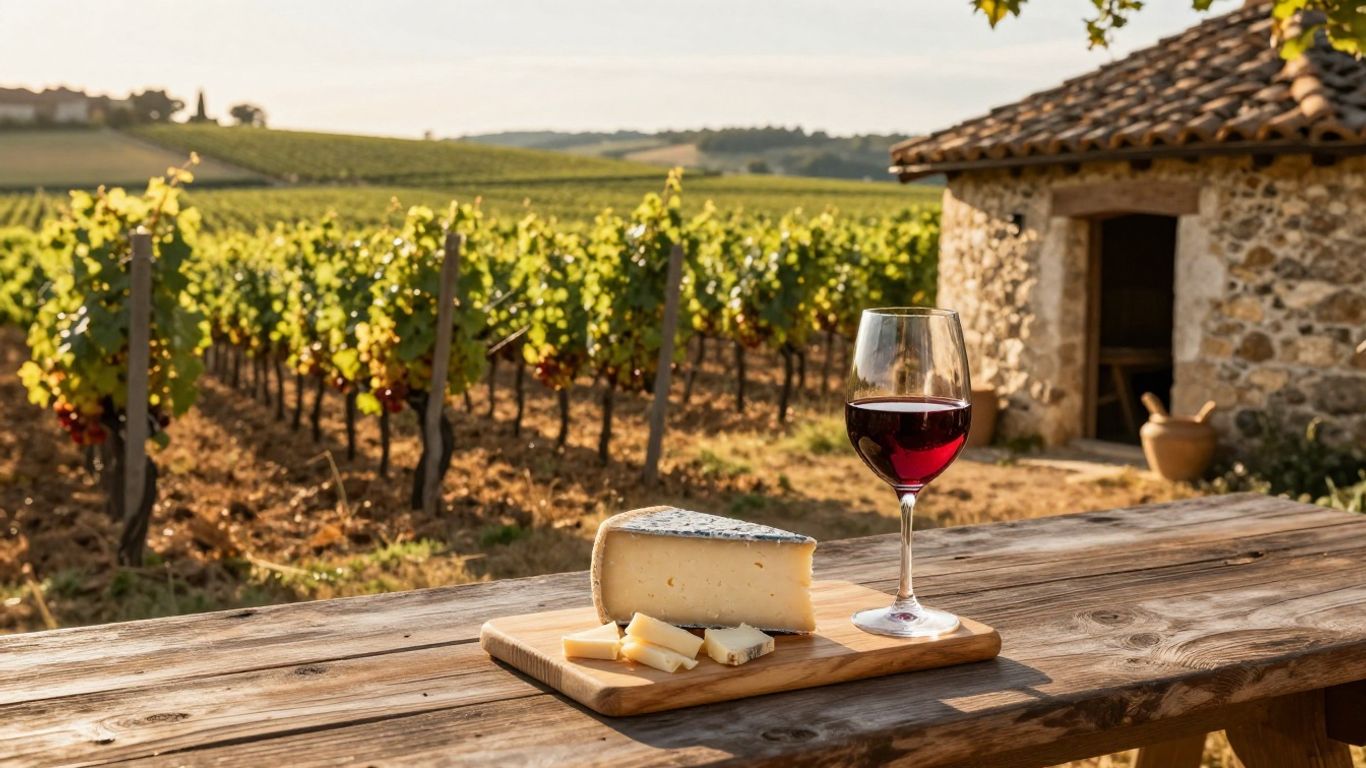
France has been making wine for a really long time, like over two thousand years or so. It’s not only a drink, it’s sorta stitched into the fabric of everyday life and big moments too. Every region seems to have its own background, its own grapes, and a particular way of going about it.
Like, Bordeaux is famous for its reds, while Burgundy shows up with reds and also whites , and both have this different kind of soil and climate that ends up shaping the taste in a noticeable way. Then you’ve got Champagne, of course, mostly tied to celebrations, and the Loire Valley with its crisp whites and rosés, those lighter styles that feel bright and clean. If you really want to appreciate French wine, knowing these regions matters a lot more than people think.
- Bordeaux: Known for its Cabernet Sauvignon and Merlot blends, often aged in oak.
- Burgundy: Famous for Pinot Noir and Chardonnay, with a focus on single-vineyard expressions. Champagne: The undisputed king of sparkling wine, made using the traditional method.
- Loire Valley: Offers a diverse range from crisp Sauvignon Blanc to fruity Gamay.
- Alsace: Distinctive for its aromatic white wines like Riesling and Gewürztraminer.
Wine Pairings for French Meals
Pairing wine with food in France is basically a sort of art form, you know. It’s about trying to get a balance where the wine doesn’t go too far and beat up the meal , and where the food doesn’t quietly make the wine taste flat or dull. Usually, you match the dish’s weight with the wine’s.
So, lighter plates like delicate fish or even salads tend to work well with lighter wines such as a crisp Sancerre, or a dry Rosé that feels fresh. For something heavier, like a proper, hearty beef bourguignon, then you’re more likely looking for a deeper red, maybe from the Rhône Valley or a classic Bordeaux, that sort of dependable choice.
The French way of thinking about wine and food is really tangled up in the idea of “terroir”. In a sense the land, the climate and even the old tradition all kind of sort of build up what you finally taste. And that attitude also shows up in how people actually serve and enjoy wine, like it should sit in the same room, as it were, with the dish, not fight it, focusing on harmony, equilibrium, too.
Tasting Experiences and Wine Bars
If you truly want to get a feel for French wine culture, exploring French cuisine through tasting experiences is basically essential. A lot of wineries will do tours, and tastings too, so you get a direct kind of connection to where the wine comes from in the first place. In cities, wine bars are everywhere, from those cozy little corner places to more modern spots that look almost polished.
To be honest, wine bars are the best choice to explore many types of wines on tap, since there are always professionals working there who will help you choose the wine you like. Moreover, you may discover a variety of places where you will find wines from only one region, or wines from different French regions in general. In any case, such places will become excellent sources of discovering new tastes.
And if you’re trying to go deeper, there are guided tastings that really dig into the production side. These sessions tend to bring out the small distinctions, from one vintage to another and across different regions. So explore French wine regions and, yeah, find your perfect match, eventually.
Seasonal Celebrations and French Food
France really knows how to celebrate with food, and their French culinary traditions are kind of tied to the seasons, in a way that’s hard to ignore. It isn’t only about holidays either, it’s more about what’s fresh right now and what you can actually get, so each meal feels kinda special, like with a small twist, or maybe a quiet touch of ritual.
Traditional French Christmas Foods
Christmas in France feels like it, it is a serious matter of eating and celebrating with traditional French cuisine, kind of. The big moment is usually the ‘Réveillon’ dinner, and honestly, it can get pretty elaborate too, not just a casual thing.
You’ll often see lavish openers like foie gras, then it keeps going with impressive seafood arrangements; think oysters and lobster, arranged like something from a parade. And naturally, a French Christmas is never fully complete without the famous Bûche de Noël, which is a chocolate yule log cake that looks gorgeous and tastes even better. It’s really a show stopper you can’t ignore.
Festive Feasts and Holiday Delicacies
After Christmas, well, there are all sorts of holidays and seasons that arrive with their own culinary quirks. Around the end of the year, people often organize special moments, and they tend to spotlight whatever is in season. In a lot of towns, they basically dedicate entire evenings to one ingredient, like truffles during autumn, or oysters during winter.
These little food festivals are honestly a terrific way to try local favorites, and also to catch that French passion for their nearby, humble products. It’s a good opportunity to taste things that you won’t really see year-round, and to notice just how much food gets woven into the everyday texture of French life. If you look around, you can spot some great food happenings throughout the year, and they’re particularly common in the fall and winter, showing off the best side of French gastronomy.
The French way of seasonal food isn’t only about taste, it’s sort of about being connected. It links people back to the land, to the growers, and also to each other. In a sense, it helps you feel time passing, and it encourages you to notice the richness of whatever season comes next.
A Taste of France to Remember
So, that’s sort of a little look into the amazing food scene in France. It’s way more than just fancy meals, you know; it feels tied to history and family, plus really good ingredients that are treated almost respectfully. From those hearty stews up north to the fresh seafood along the coast, every region has its own special vibe or ingredient, I mean.
Whether you’re making a classic Boeuf Bourguignon at home or you’re grabbing a simple croissant from a local bakery, you’re kind of tasting a piece of French culture. It’s really a food journey that stays with you, and yeah it makes you appreciate the simple things, also somehow makes you want to plan your next trip back for more.
Frequently Asked Questions
What is the most famous French dish?
While France doesn’t have one single official national dish, a lot of people tend to regard Pot-au-Feu as the most traditional option. It’s basically a filling beef and vegetable stew, in other words, a warming bowl for regular days.
Still, you’ll hear other choices mentioned just as often, like Boeuf Bourguignon, which is beef stewed in red wine, and also both sweet and savory crepes. Those are crazy popular, recognized worldwide, and honestly they show up everywhere.
What makes French food special?
French cooking is kinda famous for its focus on fresh, top quality ingredients. It also pays attention to careful ways of cooking, and often it leans into fairly simple, almost natural flavors from herbs and spices. The whole idea of “terroir” is also really important, though, as it means the local soil and the climate give ingredients a very distinctive taste, almost like a signature.
What are the main parts of a traditional French meal?
A typical French meal, as it is mostly, has at least three parts. First there’s a starter, called an ‘entrée’, and then a main course, known as the plat principal. After that, it can end with something sweet, like a dessert, or sometimes with a cheese course called ‘fromage’. Bread is pretty much always there too, and wine is often part of the whole occasion, even if people just sip it.
Are French pastries difficult to make?
Some French pastries, like that delicate macaron thing, need quite a lot of practice and kind of precise techniques, you know. Still, a bunch of other tasty French treats; like simple tarts, or even cookies are doable at home, with basic baking skills and general patience.
What’s the difference between a French bistro and a fancy restaurant?
A French bistro, usually it’s kind of a casual, lively spot, with simple and comforting dishes, and it is often listed there on a chalkboard. A gourmet restaurant feels more formal; you get many courses, there’s a real focus on elegant presentation, and typically, there’s a broader choice of fine wines, too.
Why is wine so important in French food culture?
Wine is kind of deeply tied to French meals and culture. In a way, the different regions of France are famous for their wines, and people often think that if you pick the right one, it will complement a dish’s flavors just perfectly. That idea is really common; it’s seen as a core thing, part of truly enjoying a meal… as it belongs there.