

Popular French Sour Beer Breweries to Try

As I’ve wandered through the vibrant landscape of French craft beer, I’ve been kinda impressed by how sour beers have been showing up lately. Some breweries are really pushing limits, and they’re making oddball, cool flavors that just deserve a real look. Honestly, I learned a few main ideas along the way, like these:
Key Takeaways
- French sour beers are gaining popularity, with breweries experimenting beyond traditional styles.
- La Débauche is a standout brewery, known for its creative and diverse range of experimental brews.
- Hoppy Road offers fruity and tart sour ales, often inspired by popular styles like Berliner Weisse.
- Brasserie Du Mont Salève is innovating near the Alps, exploring new yeast strains and hop combinations.
- Regions like Alsace-Lorraine and Nord-Pas-de-Calais are becoming important hubs for French sour beer production.
The Rise Of French Sour Beers
A Historical Perspective On French Brewing
It might surprise some folks, but beer has a pretty long history in France, stretching back even before the Romans brought wine into the picture. The ancient Gauls were brewing their own versions, likely simple concoctions from barley and whatever wild yeasts they could find.
If you kind of fast-forward through the Middle Ages, you notice monasteries getting more involved, sort of polishing the whole process a bit, and also brewing for their own tables, and for sale. Things really began to shift, once the Industrial Revolution arrived, because it brought new technologies that made brewing much more efficient, yes. But then came the World Wars and they really hit hard.
A lot of breweries ended up damaged or outright destroyed, and it took a long while for French beer culture to bounce back into shape. For some time there, it felt like wine was the only option in town, like everything else kinda went quiet.
The Modern Craft Beer Renaissance
Thankfully, things have really picked up in the last couple of decades. I’ve seen firsthand how the global craft beer movement has inspired brewers all over France. They’re not just making beer. They’re out here experimenting, sort of nudging limits, and pushing back on the notion that France is only about wine—not unlike the best French artisan breweries these days.
It’s honestly pretty exciting to watch these fresh breweries spring up, they come in with new angles and a lot of imagination, right on the table. They’re also giving older styles a second life, then inventing new recipes, so the French beer scene is really interesting to follow at the moment.
Understanding Wild Fermentation In France
When I first started exploring French sour beers, I kinda got stuck on how they always seem to have a particular vibe, not like anything I’d had elsewhere. I mean it’s not merely about making beer sour, it’s more about how that tartness shows up in the glass. Some people talk about using newer shortcuts, like kettle sours, but a lot of breweries are really leaning on older ways, wild fermentation.
Basically you let wild yeasts, plus bacteria, from the surrounding air do their little job, and then, you can end up with flavors that are kind of layered, sometimes unpredictable too. It feels like a gamble, yeah, and sure, it can go sideways. But when it lands right, the outcome is pretty awesome.
The interplay between local microflora and the brewing methods is kind of a distinctly French way of making sour ales, in a way. Like, these beers can show off really nuanced flavors, that come from their specific brewing surroundings, and it’s not just one thing. The setting matters and so do the techniques, because the environment sort of mirrors into the final taste.
Here are a few things I’ve noticed about wild fermentation in France:
- Local Microflora: Brewers often rely on the natural yeasts and bacteria present in their specific region, which can impart unique regional flavors.
- Patience is Key: Traditional wild fermentation can take a long time, sometimes months or even years, as the beer matures and develops its complex sourness.
- Experimental Approaches: While tradition is respected, many modern French brewers are also experimenting with wild yeast strains and aging techniques to create novel sour-beer profiles.
Pioneering Breweries In The French Sour Scene
When I first started poking around French sour beer breweries, I was kinda surprised by how creative some breweries have turned out to be. A few independent brewers really helped put France on the map for people who chase tart and wild ales. Each one has its own little angle, and together they kinda prove just how much French brewing has moved beyond plain lagers, and even the more rustic farmhouse styles. Let me take you through three that always stand out for me.
La Débauche: A Leader In Experimental Brews
Located near Cognac, La Débauche has been around since 2013. What’s wild is how they built their brewery with crowdfunding, showing how much buzz there was among local beer lovers for something different. Today, they have over 50 beers, and I keep going back to their sours. Their Hazy Diamond, for instance, packs a punch; soft but seriously tangy. What I love most: they aren’t afraid to use uncommon ingredients, tinkering with mixes of fruit, barrel-aging, and even grape must. The result is always intriguing and never boring.
La Débauche has, definitely pushed the envelope for what sour beer in France can be. It’s a must try for anyone curious about new flavor profiles, like you know what i mean. There is also a little look into the coming future of sour beer in France, kind of like a forecast. Honestly it feels bold but in a good way.
- Over 50 unique brews released.
- Known for intense sours and barrel projects.
- Built strong local support through crowdfunding
I’ve noticed every visit to their taproom turns up something surprising. You almost never drink the same thing twice, and for me, that’s half the fun of the place.
Hoppy Road: Crafting Fruity And Tart Ales
Down in Maxéville near Nancy, Hoppy Road is another brewery that’s grabbed a lot of attention lately. They really honed in on making sour beers refreshing and playful, like the Flamingo Berliner Weisse; hibiscus and lime, light but flavorful, ideal for summer. I tried this brew after hearing they’d snagged first prize at Paris Beer Week, and I totally see why.
They focus on crafting fruit- forward, tart brews that don’t lean too hard on the sharpness, basically the sort of sour you end up wanting again and again, one more glass, then another. Hoppy Road opened in 2016. Still their little creative angle on classics like Berliner Weisse shows how newer breweries are nudging French beer into fresher territory, going past the traditional patterns.
Here’s a quick look at what sets them apart:
| Year Founded | Specialty | Notable Sour |
| 2016 | Fruity Berliner Weisse | Flamingo |
| 2015 (award) | Experimental fruited | Multiple small-batch sours |
If you’re someone who thinks sour beer equals puckering vinegar, Hoppy Road will surprise you, in a good way.
Brasserie Du Mont Salève: Innovation Near The Alps
Nearing the Swiss border, Brasserie Du Mont Salève has its roots in science; the founder was a chemist. I think that geeky background shows in the meticulousness of their beers. None are filtered or pasteurized, but every style is clean focused, and unique. Lately they’ve been trying yeast from grapes, which gives a bunch of their sours this super aromatic wine like tilt (still not cloying).
It feels like this interesting overlap, you take the tartness from the wild yeast but then you also get richer, rounder flavors from the wine side, like it’s all meeting in the middle. Their focus on both hops and wild fermentation keeps their lineup fresh, blending what I’d call the best of both beer and wine cultures in France.
- Roughly 50 beers, all unfiltered
- Focus on local, wild fermentation
- Blend of hoppy IPAs and wine-yeast sours
The best part for me is visiting the region. On any trip, these breweries give you a reason to skip mass-market beer. Instead, you get something with a real sense of place.
As more French breweries get into wild fermentation and they’re really promoting local ingredients, there’s kind of a craft beer renaissance going on, though honestly it feels like it’s only warming up. In the world of French sour beer breweries in France, this whole thing is just starting, like barely at the edge of the curve. Each of these breweries brings a unique angle to sours. But they all share a curiosity and playful spirit that keeps French beer evolving and exciting, especially among wild ales France breweries.
Regional Hotspots For French Sour Ales
When I started exploring French sour beers and learning more about sour beer in France, I quickly realized something. Certain regions have become real hubs for this kind of brewing. It’s not just random; there’s a history and a modern drive behind it. I’ve found that looking at these areas gives you a great snapshot of what’s happening.
Alsace-Lorraine’s Brewing Heritage
Alsace-Lorraine, with its tight links to German brewing traditions, has long been a real centerpiece for beer in France. It’s not really famous for sours in the old sense, yet the region has solid brewing infrastructure and a slowly expanding taste for lots of different beer styles. So, it ends up being a kind of good soil for craft brewers who want to play with wild fermentation.
Lately I’ve been seeing more and more breweries around here, like it’s happening quietly but steadily. They start with classic styles and then push them into a tart and funky direction. In some cases they also add local fruits, those that grow pretty easily in the area. Honestly it feels like a simple evolution, a merging of old-world techniques with new-world sour sensibilities.
Nord-Pas-de-Calais: From Bière de Garde To Wild Ales
This region is historically famous for its Bière de Garde, a style that’s typically malty and robust. But it is also becoming a center for sour beer breweries France that visitors seek out. However, I’ve seen a fascinating shift happening.
Many breweries that once focused solely on traditional Bière de Garde are now venturing into sours. They’re taking that same dedication to quality ingredients and careful aging, but applying it to spontaneous and mixed fermentation. It’s a really interesting transition to witness, where the character of the region’s classic beers is being reinterpreted through a sour lens. I’ve had some fantastic examples that still hint at their Bière de Garde roots but have a delightful, complex sourness.
The Growing Scene In Nouvelle-Aquitaine
Nouvelle-Aquitaine, in the southwest, has really surprised me with its vibrant craft beer scene. Sours are a big part of that.This makes it one of the notable sour beer brewery France regions. This area is perhaps better known for wine. But it is now kind of home to a few innovative breweries , pushing the limits of what a French beer can be. This really brings to light the rise of French craft breweries sour ales.
I’ve ended up finding breweries around here that are not scared to try out, different yeasts, bacteria and aging methods, and it often leads to something genuinely singular in the realm of sour ales. Some of them even team up with nearby fruit growers, so the finished brews carry this very local kind of character, like a regional hint, if you will. It feels like the whole place is welcoming the craft beer revolution, with open arms almost like it’s no big deal. The sour beer segment is clearly benefiting from that energy.
The development of sour beer in these regions isn’t just about following a trend. It’s about brewers creatively adapting local resources and historical brewing knowledge. They’re also contributing to a broader global movement. I’ve found that the best examples often have a sense of place, reflecting the ingredients and the spirit of their home.
Here’s a look at some of the styles I’ve encountered in these regions:
- Fruited Sours: Often incorporating local berries, apples, or stone fruits.
- Barrel-Aged Sours: Utilizing old wine or spirit barrels to add complexity.
- Mixed-Fermentation Ales: Blending traditional brewing yeasts with wild yeasts and bacteria for unique funk and tartness.
- Saisons with a Sour Twist: Taking the traditional spicy and fruity Saison and adding a noticeable tartness.
Exploring The Nuances Of French Sour Beer Styles
Beyond Lambic: French Interpretations Of Wild Ales
When I first started looking into French sour beers, I thought it would be pretty much the same vibe as Belgian Lambics and Gueuzes. But sure, some French breweries do take cues from those classic styles, still I’ve noticed that a lot of them are going their own way. It’s less about strict adherence to tradition, and more about treating wild fermentation like a kind of blank canvas for singular flavors, which feels like a signature thing for a number of wild ales France breweries.
Some producers are basically borrowing ideas from the wine world as well, like aging the beer in barrels that once held grape must, or even blending in grape juice. That approach can add a different kind of complexity, and in some cases the result leans toward tannins and fruit character rather than that sharp, lactic sourness. It’s a pretty exciting evolution, because you can see brewers adapting those wild yeasts and bacteria to their local palate, and also to the ingredients they have around them.
Berliner Weisse And Grodziskie In France
While not traditionally French, styles like Berliner Weisse and Grodziskie are popping up in the French craft scene, and I’m here for it. These lighter, often tart wheat beers offer a different kind of sour experience. I’ve had some really refreshing examples that are perfect for a warm afternoon. They’re often brewed with a simpler malt bill, allowing the tartness and any added fruit flavors to really shine. It’s interesting to see how French brewers interpret these styles. Sometimes they add local fruits. Other times they use different yeast strains. Each approach gives the beer its own distinct spin. It’s a testament to the growing diversity in French brewing.
The Influence Of Terroir On Sour Beer Flavors
One of the most exciting aspects of French sour beers, for me, is the concept of terroir. Just like with wine, the local environment – the water, the wild yeasts present in the air, the types of wood used for barrels – can all influence the final flavor of the beer. I’ve tasted sours with a distinct minerality, almost like the chalky soil of a vineyard. Others have a subtle fruitiness that reminds me of local orchards. It’s not always something you can pinpoint directly, but there’s a sense of place that comes through. This connection to the land is what makes French sour beers so unique and captivating.
Here’s a quick look at how different elements can play a role:
- Water Source: The mineral content can affect mouthfeel and how perceived flavors interact.
- Wild Yeast & Bacteria: Local microflora contribute unique funk, tartness, and fruity notes.
- Barrel Aging: Oak barrels impart tannins and vanilla notes and allow for slow oxidation, adding complexity.
- Fruit Additions: Using local fruits brings regional flavors and aromas.
The journey through French sour beer styles is one of constant discovery, particularly within the world of France craft breweries sour ales. It’s like a space where tradition meets innovation, and brewers are kind of unafraid to experiment. I’m always eager to see what new interpretations— and flavor combinations— will come up next from these creative breweries, honestly.

Pairing French Sour Beers With Cuisine
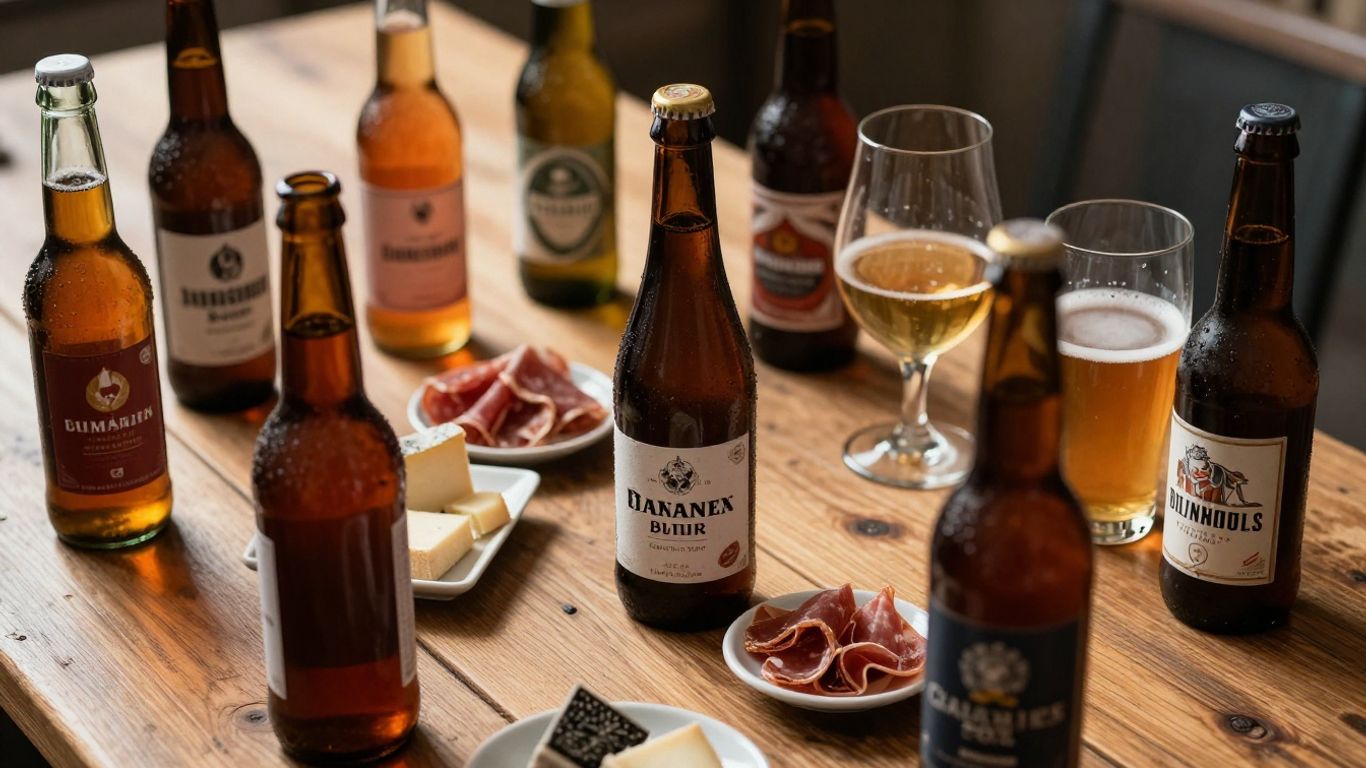
When I first started poking around French sour beers, I really wasn’t sure what I should expect, on the food side. Somehow it turned out that these tart brews are more versatile at the table than I thought. They can slice through richness, they compliment delicate flavors, and they even kinda work as a palate cleanser, like between bites. It’s a whole new way to think about pairing, not just the usual “grab any snack and go” stuff.
Complementing Rich Flavors With Tartness
One of the more exciting things about sour beers is, how they deal with richer, fattier foods in a way that feels kind of effortless. The sharp acidity in a solid French sour ale, like a Gose or a fruit-forward Lambic style, can slice through the heaviness of dishes. Just imagine pairing a dry, tart Gueuze with something like foie gras, or a luxuriant pâté. The beer doesn’t merely sit there. It kind of actively works, like a small cleanse for your palate, so each later bite tastes almost as good as the first one.
I’ve also found that a slightly fruity sour works wonders with pork belly or even a really decadent cheese board. It’s a balance that wine often aims for, but the beer brings a different kind of complexity.
Sour Beers As Palate Cleansers
This is kinda where sour beers really shine, especially when I’m hosting or rolling into a multi course meal. Their natural tanginess makes them pretty great for resetting your taste buds between one flavor and the next. Like, imagine a plate of oysters, or even some salty charcuterie; a crisp clean sour beer is basically the ticket, you know.
It’s like a little burst of refreshment that prepares you for whatever comes next. Even with something as simple as fried foods, a sour beer can cut through the grease without being overpowering. It’s a subtle but effective trick.
Experimenting With Local Gastronomy
Beyond the classic pairings, I’ve really enjoyed seeing how French sour beers interact with the local cuisine. Sure, wine gets all the attention, but I’ve noticed that a well picked sour can be just as, or even more, interesting. Like, take a Saison with those peppery vibes, it can be awesome next to mussels and fries, you know, a kind of classic French thing. Then there’s the slightly malty Bière de Garde, which, with something like Coq au Vin can work surprisingly well. The beer’s overall character can mirror the dish’s richness and it feels really satisfying, kinda in a quiet but strong way.
My best suggestion, honestly, is to keep being bold. Don’t shy away from pairing a sour beer with stuff you’d normally skip. You might end up, without expecting it, finding a brand new favorite combo. For those looking to explore French brewing traditions further, checking out La Débauche might help. It’s known as a leader in experimental brews. It can also give ideas for unique flavor profiles to pair with.
Experiencing French Sour Beer Culture
When I first started getting into French sour beers, I wasn’t quite sure what I’d run into. It kinda felt like walking into this new little universe, different from the sour beers I knew back home. But honestly the whole act of tasting them, it really is, kind of special, like a nuanced something you can’t quite describe, not fully. It’s not just about the beer itself, but the whole vibe around it.
Visiting French Breweries and Taprooms
My favorite way to really get a feel for French sour beer is to visit the breweries themselves. It’s like getting a backstage pass to how it’s all made. Many places have these cool taprooms where you can try their latest creations right from the source, especially at independent French artisan breweries. I remember one trip where I visited a small brewery tucked away in the countryside. The brewer was there, happy to chat about his process, and let me tell you, tasting his wild ale while sitting in the yard where the ingredients were grown? Unbeatable.
Try looking for local breweries that do tours. It’s an awesome way to catch the brewing process, right up close and personal. If you can, don’t be shy, ask some questions, even if it feels a little awkward at first. In most cases the brewers are genuinely passionate and enjoy sharing what they know, in their own small ways. Before you head out, check their social media too for opening hours and any special occasions or events. That little bit of planning saves time.
The atmosphere in these places is usually pretty relaxed. It’s less about some proper tasting and more about just enjoying good beer with good company, like people are casually hanging around, swapping stories and kind of noodling over new flavors as a group. You see it all the time, people gather, talk a bit too much, laugh, and then suddenly everyone agrees “yeah that’s interesting” without making it all too formal. just hanging out, sharing stories, and discovering new flavors together.
The Social Aspect of Beer Tasting in France
Beer tasting in France, especially when sours are involved, somehow feels more communal than you’d think. Not only is it about drinking, like just doing it alone; it’s more like sharing the whole moment. I keep noticing that people are genuinely pretty open about what they’re having, and it makes things easy. You’ll often start a casual chat with someone right at the bar about a particular beer you’re both sampling, even if you didn’t plan on it.
Honestly it feels like a simple way to bond, with locals and also other beer enthusiasts. It reminds me a bit of how wine is appreciated here, only there’s a more unhurried vibe, like everything flows a little slower.
Attending French Beer Festivals
If you really want to get immersed, showing up at a French beer festival is pretty much the way to go. Those things are great for tasting a ton of sour styles from different breweries all together, like in one room. It’s this whirl of flavors and scents, kinda nonstop. I went to one in Lyon last year and honestly it was amazing.
You can sample everything, from extremely sharp fruit bombs kinda pours to more restrained, funky versions too. It’s the perfect opportunity to discover new favorites and meet the people behind the labels. It’s also a great chance to see how diverse French craft beer really is, beyond just the sours.
Here’s a quick rundown of what to expect:
- Variety: Access to dozens of breweries and hundreds of beers.
- Interaction: Direct access to brewers and brewery staff.
- Discovery: A chance to find beers you might not encounter otherwise.
These festivals are more than just drinking events. They’re celebrations of the brewing craft and the growing appreciation for unique beers like French sours.
Conclusion
The world of French sour beers is exciting and still growing. I’ve really enjoyed seeing how breweries are taking traditional ideas and somehow making them new, not just repeating them. Whether you’re new to sours or you’re already a big fan, there’s so much to get into in France, in a really real way. From the experimental brews from La Débauche to the fruity twists you get with Hoppy Road, these breweries are showing us what French wild ales can become. I encourage everyone to hunt down these particular beers and taste the obsession behind them. It’s that flavor of France that you just won’t forget.
Frequently Asked Questions
What makes a French beer a ‘sour’ beer?
A sour beer gets its tang from certain yeast and bacteria that get used during fermentation. Not just normal yeast, but brewers will let wild yeast, along with a few bacteria, kind of do their own thing , so the whole process ends up creating that sharp, sometimes orchard- like or berry- leaning sourness we like. It’s kinda like letting nature ramble along, in a controlled way.
Are French sour beers very different from Belgian sours like Lambic?
Yes and no. While many French breweries are inspired by Belgian traditions, they often add their own French touch. You might find more fruit flavors, or a different kind of tartness that reflects local ingredients or brewing styles. Think of it as a French interpretation of a classic.
Which French breweries are famous for their sour beers?
Some breweries really stand out. La Débauche is known for being super experimental and making all sorts of interesting beers, including sours. Hoppy Road also makes some really nice, fruity, tart sours that are great for summer. And Brasserie Du Mont Salève is doing cool things too, especially with unique yeast.
Can I pair French sour beers with food?
Absolutely! Sour beers are fantastic with food. Their tartness can cut through rich or fatty dishes, like a creamy cheese or some pork. They can also be a great palate cleanser, making each bite taste fresh. Some fruity sours even go well with desserts!
Where in France can I find the most sour beer breweries?
While you can find great breweries all over France, some regions have stronger brewing scenes. I’ve noticed a lot of activity in regions like Alsace-Lorraine, Nord-Pas-de-Calais, and Nouvelle-Aquitaine. These places often have a good mix of tradition and new ideas when it comes to beer.
Is sour beer an acquired taste?
For some people, it might be at first. If you’re used to sweeter or more malty beers, the tartness of a sour can be surprising. But many people find they grow to love it! There are so many different kinds of sour beers, from mildly tart to very puckering, so there’s likely one out there for everyone to enjoy.


