

A Complete Guide To The Loire Valley Chateaux On A Budget

The Loire Valley is pretty renowned for its magnificent châteaux, scenic landscapes and quite deep historical roots, which are basically primary reasons why it sits among the top tourist spots in France. Even so, some tourists might think a trip to this heavily castle-populated zone is costly, but in reality there are so many ways to explore it without draining your wallet, not really.
If you’re dreaming of experiencing the Loire Valley on a budget, here are some things to remember.
Low-cost stays and travel, put together with a few money saving sightseeing tricks, this guide will help you get the most out of the Loire Valley even if your budget is tight.
Key Takeaways
- Buy a château pass to save money on entrance fees for many Loire Valley castles.
- Look for discounts and promo codes when booking your passes online.
- Public transport and shuttle buses are good options for getting between Loire Valley castles cheaply.
- Stay in hostels, small inns, or even a château for unique and affordable lodging.
- Plan your visit in the off-season for fewer crowds and lower prices.
Maximizing Your Loire Valley Châteaux Budget Travel
When I first started to think about my trip to the Loire Valley I kind of felt overwhelmed, by the sheer count of châteaux and also the question of how much it might cost in total. It’s pretty easy to imagine the expenses for roaming around those Loire Valley castles stacking up fast, if you’re not careful with it. But, honestly, if you do some smart arrangement, visiting Loire Valley chateaux can turn into a genuinely incredible experience without draining your wallet. I noticed that leaning on a handful of key tactics really changed the whole situation for both my budget and how much I actually enjoyed myself.
Understanding the Value of Loire Château Passes
Okay, so the first thing I really dug into was the idea of a château pass. At first, it might seem like just another thing to buy, but I quickly realized it’s often the smartest way to go if you plan on visiting more than two or three châteaux. Instead of paying the individual entry fee for each place, a pass bundles them together for a significantly lower price. It’s like getting a discount for being a good planner! I found that these passes really helped me see more without worrying so much about the per-ticket cost. It’s definitely worth doing the math based on the châteaux you absolutely want to see.
Choosing the Right Pass for Your Trip
This is where it gets interesting, because there isn’t just one kind of pass. I spent a good chunk of time looking at the different options, kinda, I mean really. Some passes are for a specific number of days, like a 3 day or a 7 day pass, and others might be for a fixed number of châteaux. I kept thinking about how many days I’d actually be in the region, and also how many castles I could realistically see in a day without feeling all rushed.
I noticed passes that covered a huge range of sites, and then others that were more tuned to one area. For my trip a multi day pass made the most sense, because I wanted to explore at a calmer speed without feeling forced to cram everything in. It also gave me the flexibility to tack on an extra château if I had time, which was really nice.
Here’s a quick look at common pass types:
- Multi-Day Passes: Best for exploring many châteaux over several days. You usually get unlimited access within the pass duration.
- Château-Specific Bundles: Some passes might group a few popular châteaux together, which can be good if those are exactly the ones you want to see.
- Regional Passes: These might cover not just châteaux but also other attractions in the Loire Valley, offering broader value.
Leveraging Promo Codes and Special Offers
Don’t just buy the first pass you see! I learned that there are often promo codes or special deals floating around, especially if you book online in advance. I kept an eye out for official tourism websites and even some travel blogs. Sometimes, booking directly through a château’s website might also reveal a special offer.
I also found that visiting during the shoulder seasons, like spring or early fall, sometimes came with slightly lower prices or fewer crowds, which was a win-win. It’s all about being a bit savvy and looking for those little savings that add up. You might even find deals that combine attractions for even more value.
Going ahead in advance is key, you know. If you take a minute to research the passes that are on offer and then compare them against the entry fees for the exact châteaux you plan to see, it really will help you save some money, plus a lot less stress. And don’t forget to look for any sort of discounts, like if you’re a student, senior, or part of a family—only if those options apply to you.
Where to Stay:
Even if it’s not directly tied to the pass itself, where you end up staying can really sway your budget. You might do better by choosing smaller towns or villages a bit outside the main tourist hubs, somehow less busy but often cheaper. I personally came across some nice and affordable guesthouses, like auberges, in spots such as Saumur, and it became a good base for wandering around quite a few châteaux. Also, booking accommodation ahead of time, particularly if you want something charming like a country inn, can help you lock in better rates.
Essential Loire Valley Châteaux for Budget Explorers
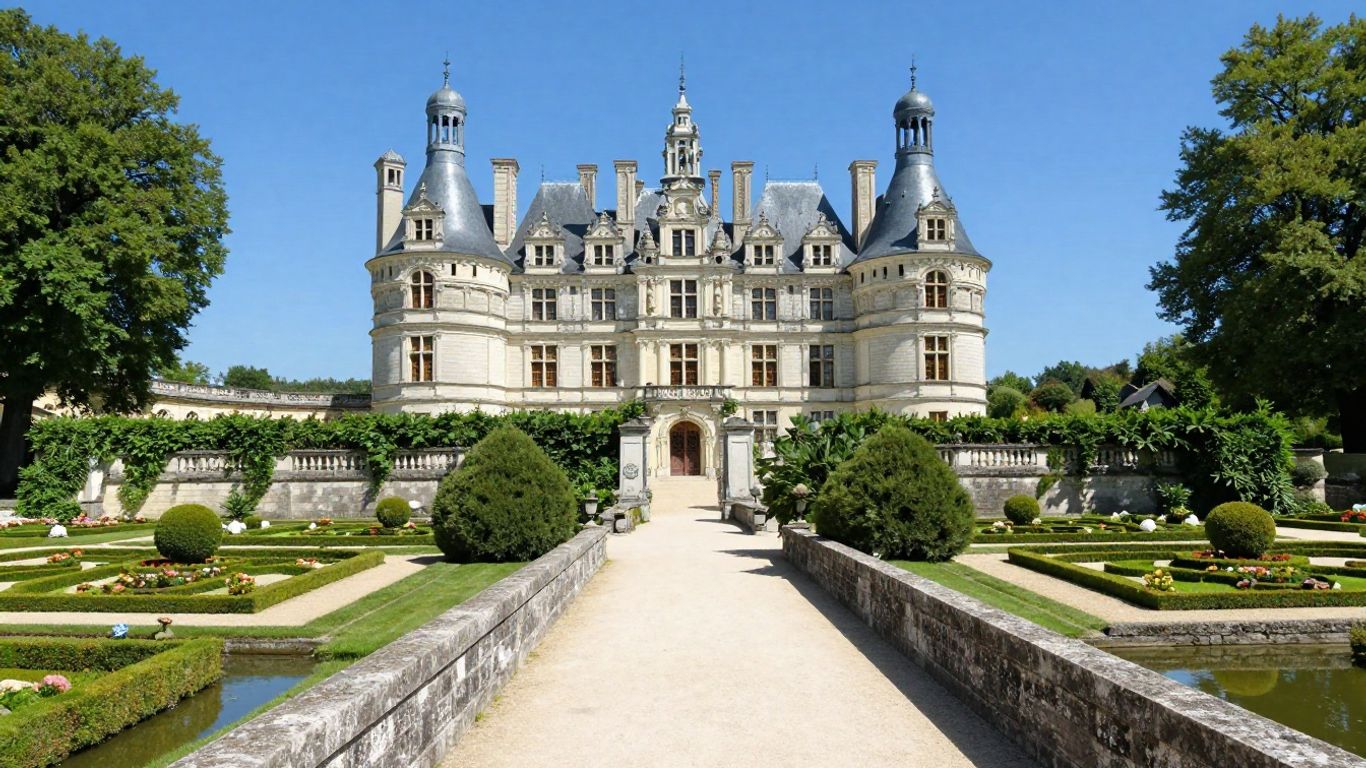
When you’re trying to plan a trip through the Loire Valley while keeping an eye on your budget, it can feel a bit much. There are simply so many châteaux, it’s easy to get overwhelmed before you even start. I’ve been there, just staring at maps and little brochure stacks, trying to decide which places are actually worth your time, without making your wallet hurt. And oddly enough, some of the best châteaux Loire Valley also come with a really solid visit for budget minded travelers. You really don’t have to spend a fortune to catch a glimpse of some of the most impressive sights there are.
Château de Chambord: A Renaissance Masterpiece
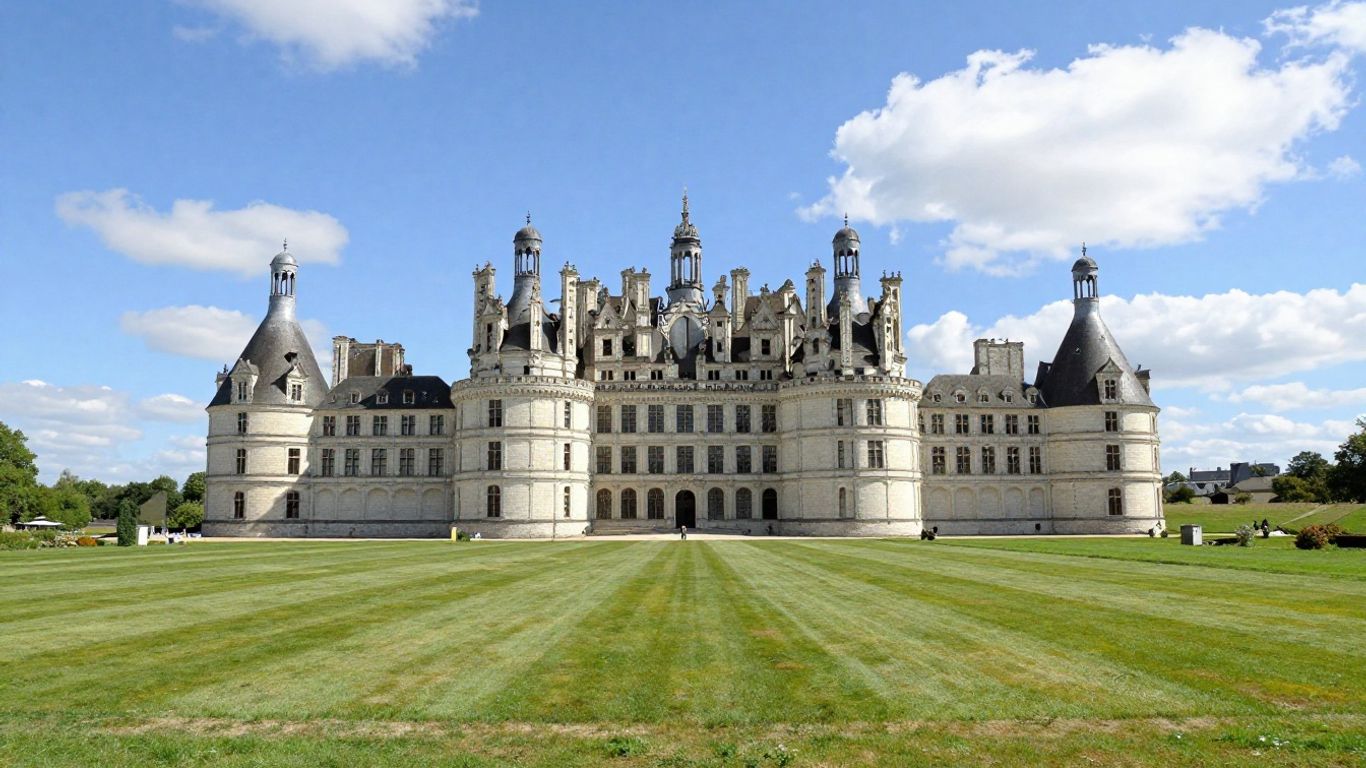
Chambord is, without a doubt, a showstopper. It’s massive, and the sheer scale of it is breathtaking. I remember walking around the grounds, just trying to take it all in. That double helix staircase, at least the story goes, designed by Leonardo da Vinci, is a true marvel of engineering, and you can tell it is one of the clear highlights. Inside it is kinda lightly furnished, more or less centered on the architecture, but honestly the exterior plus the nearby estate are what make the whole thing shine. You know, it feels like you’re stepping back into this grand, almost fantastical, past, where everything seems a bit more poetic.
- Don’t miss: The rooftop terraces offer incredible views and a chance to see the château’s unique skyline up close.
- Budget tip: Consider packing a picnic to enjoy on the vast grounds. There are plenty of scenic spots, and it saves you money on eating out.
- Getting there: While it’s a bit out of the way, it’s often included on organized tours from Paris or reached by bus from Blois, though this requires some planning.
Chambord feels less like an exercise in opulent rooms and more like it’s really about the grand design, and the sheer size of the place. It comes off as a sort of proof of the era’s ambition, you know, like they really meant it.
Where to stay: Staying around Blois, like really nearby, or even even closer in the village of Chambord, can end up being cheaper than in the bigger tourist hubs. You can also find these delightful rural guesthouses in the surrounding area, sort of in the countryside itself.
Château de Chenonceau: The Iconic ‘Women’s Castle’
Chenonceau is often called the ‘Women’s Castle,’ and for good reason. It’s been sort of shaped, and protected by a series of remarkable women over the course of history, and you can really feel that lingering legacy as you wander around. The château gracefully goes across the River Cher, and it makes this visual moment that’s almost impossible to forget. I personally found the interior to be very well kept, with elegant rooms, tapestry panels and artwork that sort of narrate the lives and stories of the former residents. The gardens are also a major draw, offering a variety of styles to admire.
- Key features: The gallery over the river is its most famous feature, but don’t overlook the gardens of Diane de Poitiers and Catherine de’ Medici.
- Value for money: The ticket price includes access to the château and its gardens, providing a full experience.
- Accessibility: It’s relatively easy to reach by train from Tours or Blois, with a short walk or local bus connection from the nearest station.
Where to stay: Staying in Tours or Amboise offers a good base with plenty of accommodation options, from budget hotels to charming B&Bs. You can easily take a day trip to Chenonceau from either.
Château d’Azay-le-Rideau: Picturesque Lakeside Charm
If you are looking for something a bit smaller but truly charming, Azay-le-Rideau is a gem, kinda. It sits right on an island in the Indre River, which gives it that fairy tale vibe. I was honestly struck by how well it feels, like it belongs, right there in the wet surroundings. The château itself is such a lovely example of early French Renaissance architecture, and the water reflections make for some fantastic photo opportunities too, no kidding. It’s a more intimate experience versus the bigger grandeur of Chambord, and that difference is kind of the point.
- What to expect: A beautifully restored château with elegant interiors and lovely views from the windows.
- Budget consideration: As a smaller château, it often has a more manageable entrance fee and can be visited in less time, allowing you to fit more into your day.
- Location: It’s located in the charming town of Azay-le-Rideau, which itself is worth exploring.
Where to stay: Staying in the town of Azay-le-Rideau itself offers a quaint experience. Or, larger towns like Tours are within easy reach and provide more budget-friendly accommodation choices.
Strategic Planning for Affordable Loire Valley Visits
Planning your trip ahead of time is kind of essential if you are visiting Loire Valley chateaux on a budget, and honestly it makes the whole thing feel way more enjoyable. I learned this the hard way on my first visit. I just winged it and ended up spending more on last-minute train tickets, and rushed meals too, than I actually had to. This time around I was determined to do it right, without the usual last second scramble.
Crafting Your Itinerary with Budget in Mind
When I started mapping out my trip, I looked at which châteaux were clustered together. Honestly it just makes sense to group them geographically, to save on travel time and fuel if you’re driving. Chambord Cheverny and Blois are pretty close, so I figured I’d visit them over two days, and I’d stay in a nearby small town. That way I wasn’t wasting half my day, just moving around from one site to the next. I also made a list of my absolute must-sees and then a secondary list of ‘if I have time’ places. This helped me rank and avoid that feeling of missing out if I couldn’t fit everything in.
- Group châteaux by region to cut travel time and costs.
- Rank your must-see list and be flexible with others.
- Factor in travel time between locations – don’t overschedule.
- Look for free activities in towns you visit, like exploring local markets or walking along the river.
Don’t underestimate the power of a route that was planned properly. It’s not only about saving money, but also about getting to experience more of the Loire Valley in a way that doesn’t feel rushed, or leave you completely exhausted afterwards.
Best Times to Visit for Savings
If you can swing it, trying to go outside of those peak summer months, like July and August, can make a real difference. I went in late September, and it was fantastic, honestly. The weather was still pretty pleasant, the crowds were way smaller, and I felt like accommodation prices were slightly lower too. Spring is another great angle, especially May and early June. You’ll end up with nice blooming gardens, without the full on summer heat or the peak-season rates, you know.
| Season | Pros | Cons |
| Spring (Apr-May) | Pleasant weather, fewer crowds, blooming | Some attractions might have limited hours |
| Summer (Jun-Aug) | Longest days, all attractions open | Peak prices, largest crowds |
| Autumn (Sep-Oct) | Mild weather, harvest season, fewer crowds | Shorter days, some attractions close early |
| Winter (Nov-Mar) | Lowest prices, fewest crowds | Cold weather, many attractions closed |
Prioritizing Châteaux Based on Value
Not all châteaux are made the same when it comes to your budget, some give you a more immersive mood for the ticket price than others. For me Chambord was one of the best chateaux Loire Valley has to offer, even if the entry fee is higher, because it’s just so vast and full of historical weight. Still, if you’re chasing pure loveliness and a singular story, Chenonceau was pretty much worth every euro. I also noticed that some of the smaller, less talked about châteaux felt more close up, more human, and they were frequently cheaper, sometimes even free to wander around on the grounds.
- Château de Chambord: Iconic, massive, and a true Renaissance marvel. Worth the splurge for the experience.
- Château de Chenonceau: The ‘Women’s Castle’ is stunning, with its unique architecture over the river. A definite highlight.
- Château d’Azay-le-Rideau: Smaller, but incredibly picturesque with its lakeside setting. Offers great value for its beauty.
Where to Stay:
If you want to truly save some money, try not to stay right beside the big most famous châteaux. I mean, pick something in a smaller town or even a village, it’s usually cheaper. I personally found this charming tiny guesthouse in a village around 20 minutes from Amboise, and it was like half the price of the places in town itself.
For options, look for “chambres d’hôtes” which are bed and breakfasts or just a small family-run hotel, something more modest. Also, booking in advance helps a lot, especially when you travel in the shoulder seasons. That way, you can often lock in better rates, before everything fills up.
Navigating the Loire Valley on a Budget
Getting around the Loire Valley without spending a fortune is totally doable, even if you’re not renting a car. I found that out firsthand when I decided to take on a few of the well known châteaux, using only public transport from Paris. It required a little planning, but honestly it felt quite rewarding.
Public Transportation Options for Castle Hopping
When I first looked into it, I was a little worried about how I’d get from one château to another without a car. But honestly, the railway system in France is pretty decent, you can just catch a TGV from Paris to cities like Tours or Orléans, they’re really good jumping points. After that, local buses, and regional trains can get you to most of the major châteaux. It’s kind of simple, in a way, not overly complicated. For example, I managed to visit Blois, Chambord, and Amboise using a combination of trains and buses. It’s not always direct, and sometimes you have to wait a bit, but the savings are significant. Don’t underestimate the power of a good regional bus network!
- Trains: The TGV is your best friend for getting to the Loire Valley from major cities like Paris. Once in the region, TER (regional trains) connect many of the towns.
- Buses: Local bus lines can be a bit trickier to figure out, but they often serve châteaux that aren’t directly on a train line. Check schedules carefully, as they can be infrequent, especially on weekends.
- Planning Tools: Websites like SNCF Connect (for trains) and local transport authority sites are invaluable for mapping out your routes.
Relying on public transit means you’ll probably swing past fewer châteaux in a day than if you had a car, but it kinda makes you slow down and really relish each place, like, more closely, or in a calmer way. And then you end up seeing a bit more of the everyday local life along the route.
Car Rentals and Driving Tips for Savings
If you end up deciding a car is the way to go, especially if you’re trying to roam a bit more beyond the main tourist trail, there are certain ways to keep costs low. Renting in a smaller town rather than at some big airport can sometimes feel cheaper, or at least less painful on the bill. Also, booking in advance is usually a good move, not just “nice”. I noticed that once I had my own ride it gave me that quiet freedom to pull over in tiny villages, and stumble on really charming medieval places I would’ve probably missed, otherwise. Just be mindful of parking fees at the châteaux – they can add up.
- Book Ahead: Compare prices online and book your rental car well in advance for the best rates.
- Fuel Efficiency: Opt for a smaller, more fuel-efficient car if you’re not carrying much luggage.
- Tolls: Be aware that French motorways (autoroutes) have tolls. Consider using national roads (routes nationales) for a more scenic, toll-free journey, though it will take longer.
Day Trips from Paris Without Breaking the Bank
Taking a day trip from Paris to the Loire Valley is a popular choice, and it doesn’t have to cost a fortune. While organized Loire Valley chateaux tours exist, they can feel rushed and impersonal. Doing it yourself via train is often more cheap and flexible. You can reach places like Blois or Tours by train in just a bit more than one hour. Once you’re there, you can either use the local transport system, or rent a car for the day, it depends on what you prefer.
I’d suggest choosing one or two châteaux that are pretty close to your arrival station, so you can get more time inside and reduce all that back and forth driving, especially through the valley. For example, seeing Château de Blois first, then taking a bus to Château de Chambord, feels like a very workable day trip.
Where to Stay:
While this part is mostly about getting around, if you’re thinking of staying overnight in the Loire Valley to look deeper, you might also check charming rural inns (auberges) or bed-and-breakfast places. A lot of them are, honestly, more affordable than you would expect, and the whole vibe feels more genuine than the bigger hotels. Some even have in-house dining where you can taste local dishes without spending too much. I stayed at a sweet spot near Saumur, it used to be a mill before, and it was really just right for a handful of easy, relaxing days.
Budget-Friendly Accommodation in the Loire Valley
Finding a place to stay in the Loire Valley doesn’t have to drain your wallet. I’ve found that you can get some really charming and affordable options if you know where to look. It’s all about balancing comfort with cost, and thankfully, the Loire Valley offers plenty of choices.
Charming Country Inns and Auberges
For a really authentic kind of stay I always drift toward the country inns, you know, the so called ‘auberges’ or sometimes ‘bed & breakfasts’. These places seem to hold the whole vibe of the Loire Valley’s lovely open countryside. On one past trip I ended up at Le Moulin Bregeon, a former wheat mill not far from Saumur. It felt so quiet, almost unreal, and it became a solid starting point for roaming around.
They also run cooking classes, which was genuinely enjoyable and kind of a pleasant way to get to know local ingredients. Then I found another great spot, Auberge du Cheval Blanc, it was honestly a bit surprising in price, budget-friendly really, and the restaurant there was just unreal. I mean it, the dinner I had turned into a highlight, like actually, of the whole trip to France!
Look for places outside the main tourist hubs: Smaller villages often have lower prices.
Consider former mills or farmhouses: These often have unique character and history.
Check reviews for breakfast quality: A good breakfast can set you up for a day of sightseeing without needing to buy lunch out.
Affordable Stays in Loire Valley Towns
If you prefer a bit more activity and extra amenities, staying in one of the Loire Valley towns can be a really solid option. Places like Amboise have that charming old quarter, and they’re ideally set up for touring several big châteaux without too much hassle. I also found Blois really enjoyable, because its castle sits right in the center of the city, and I even had a fantastic quiche there. For folks coming from Paris, Orleans is a convenient pick with plenty of hotel options and an easy TGV connection. It’s a good route to get a feel for a larger French city while still staying pretty near to the châteaux.
Towns to Consider:
- Amboise: Lively atmosphere, historic charm, and great access to many châteaux.
- Blois: Central location, impressive castle, good dining options.
- Tours: A larger city with good transport links, a good starting point for car rentals.
Unique Stays: Sleeping in a Château
Now, this could sound a bit like it’s outside the budget bracket, but listen… while sleeping in a full-blown château can get expensive fast, there are also some more affordable, kind of accessible alternatives. For instance, the Relais de Chambord is located right next to the famous château, offering a more integrated experience.
I’ve also seen lists of places that allow you to stay in parts of historic estates or manor houses that might be more affordable than a grand hotel. It’s worth doing a bit of digging on sites that specialize in unique accommodations to see if any fit your budget. It’s a splurge, for sure, but sleeping in a place with so much history can be an unforgettable part of your trip.
When planning your accommodation, it’s worth thinking a bit about how many châteaux you want to see, and also where they’re located. Often, choosing to stay in a little less central but charming village can help you save some money. It can also make things feel calmer, less busy. And don’t forget to take transport costs into account, from where you’re staying to the châteaux, when you’re comparing the total prices—otherwise it can look cheaper than it really is.
Beyond the Châteaux: Budget-Friendly Experiences
While the châteaux are pretty much the headliners of the Loire Valley, there is still so much more to get into, without draining your wallet. I figured, if you just sorta wander through the towns and villages, you end up with a much better feel for the place. You know, cobblestone streets, lively little market stalls, and this relaxed, almost slow-motion way people move around. It feels like a quieter kind of wonder, and yes it’s completely free too!
Exploring Loire Valley Towns and Cities
I highly recommend setting aside some time to just wander around, you know, places like Amboise or Saumur. Amboise has this royal château looking over the town, and it also comes with a nice riverside walk, plus a pretty lively market on Saturdays. Saumur is kind of perched up on a hill,so you get great views over the Loire River and then there’s its impressive château too. Try not to think you need a strict route or anything, just let your feet do the guiding, really. Along the way you may end up in little tucked away squares, discover quaint bakeries, and maybe catch a local celebration, depending.
- Amboise: Explore the old town, visit the market, and enjoy the riverside.
- Saumur: Climb up for city views and admire the architecture.
- Chinon: Known for its medieval fortress and wine.
Discovering Lesser-Known Historical Sites
Beyond the famous châteaux and the obvious stuff, the Loire Valley is basically scattered with smaller, kind of overlooked historical treasures. I noticed that quite a few of them have this more intimate vibe, with a lower entry fee, or sometimes none at all. So, it helps to stay alert for old churches, Romanesque abbeys, or honestly even simple historical markers that look a bit too plain at first glance. Those spots often end up telling a pretty unique story, about what the region was becoming, way back when, and how it changed over time.
Sometimes the most memorable experiences are the ones you don’t plan for. For example, a quiet moment in a little village church or a chat with the local shopkeeper can be just as rewarding as running into a grand château. And it’s strange, because you expect one thing, then another, almost like the day rearranges itself, without really asking.
Enjoying Local Gastronomy on a Budget
Eating well in the Loire Valley doesn’t have to cost a fortune. My favorite meals were often found at local bistros or bakeries. Look for ‘formula’ menus at lunchtime – these set menus offer great value.
Grabbing a fresh baguette, some local cheese and a bottle of regional wine for a picnic by the river is a great, and also pretty affordable, option. I still daydream about the pastries I stumbled on in a small boulangerie in Tours.
Where to Stay:
Even if it’s not directly tied to personal experiences, where you decide to stay can make a difference in your money for wandering around. You might try choosing smaller towns or quiet villages instead of being right next to the big châteaux. That way, you can sometimes find rates that are way more affordable, and you end up with a more genuine, lived-in feeling. Also, keep an eye out for a charming country inn, like an auberge, or you can look for gîtes, which are basically holiday rentals, and they can be surprisingly cost-effective. This is especially true if you’re traveling with a group, or if you plan to cook a few meals yourselves.
Making the Most of Your Loire Valley Châteaux Pass
When I first started planning my trip to the Loire Valley, the sheer number of châteaux felt kinda overwhelming, you know. And honestly the thought of paying separate entry fees for every single one of them made my wallet start to sweat, like immediately. That’s when I discovered the magic of the Loire Valley Châteaux Pass. It’s honestly one of the smartest ways to see these incredible places without spending a fortune.
Benefits of Pass Ownership: Speed and Flexibility
One of the biggest perks, especially if you’re visiting during peak season, is kinda skipping the ticket lines. I remember at Château de Chambord, the ticket queue was pretty long, but with my pass I just walked right up to the entrance, no waiting. It felt like a VIP experience or something, and it saved me a ton of time, honestly. Plus a lot of passes are valid for several days, like a 7 day option, so you can really go at your own pace. You aren’t rushing from one place to another all day. You can decide, on a whim, to spend more time in a garden or to revisit a favorite room. That kind of flexibility is sort of a game changer for a more relaxed trip.
Accessing Major Sites and Hidden Gems
These passes aren’t just for the big names, though they certainly cover many of the Best chateaux Loire Valley visitors want to see. You get access to the most famous spots, like Chambord, Chenonceau, and Amboise, which are really must-sees. But honestly what I appreciated the most was that some passes also come with entry to less-known, but still very charming, spots. It’s a great way to meet places you might not have thought about otherwise. For example, I stumbled upon a lovely small château-monastery, La Corroirie, and it turned into a real highlight, included with my pass.
Extending Your Experience with Multi-Day Passes
If you’re trying to truly sink into the Loire Valley, well, a multi-day pass is pretty much the smartest path, I guess. I chose a 5-day pass, and honestly it felt great. I was able to see around six châteaux at a calm tempo, and the price per château ended up way less than grabbing separate tickets. Plus it let me mix château time with wandering through the quaint towns and villages right in between, so it didn’t feel like I was just rushing from one stop to the next, all day. It really made it feel like I was getting the whole Loire Valley experience, not some neat little highlight reel. And you can also find combo passes, like ones that add Beauval Zoo, which is especially handy if you’re traveling with family and want to squeeze in extra experiences.
Where to Stay:
While a lot of passes look at chateau access, think a bit about where you’ll actually sleep, to stretch your budget. Try to find those quaint auberges or chambres d’hôtes in smaller towns, a little beyond the main tourist areas. It tends to be a far more genuine kind of stay and, honestly, it’s often quite a lot cheaper than hotels inside big cities. Some places even bundle options like local wine tastings or Loire Valley chateaux tours, which sort of complements your own chateau visits, nicely.
Key Châteaux Highlights for Budget Travelers
When you’re trying to see as many Loire Valley châteaux as possible without spending a fortune, a few stand out for their sheer impact and relative accessibility. I found that focusing on places with distinct features really helped make the most of my time and money.
Château de Villandry’s Spectacular Gardens
I’d heard about Villandry’s gardens for ages, and honestly, they lived up to the hype. It’s not just a few flower beds; it’s a whole landscape design masterpiece.
The different sections, like the ornamental garden, the vegetable garden (which is surprisingly beautiful!) and the water garden are honestly just stunning. The sheer scale, and the meticulous upkeep of those gardens is what makes Villandry a must-see, even if you’re on a tight budget. You can spend hours literally wandering around them. The interior of the château is nice too, but it’s really the outdoor spaces that steal the show here. If you’re into beautiful landscapes, then this is your place, no question.
- Ornamental Garden: Designed to represent the different types of love, it’s a visual feast.
- Kitchen Garden: A working garden that supplies produce to the château’s restaurant, it’s incredibly neat and orderly.
- Water Garden: A peaceful area with a pond and a temple, perfect for a quiet moment.
Where to Stay: Villandry itself is a small village, so staying nearby might mean looking at options in Tours or smaller towns closer to the château. Tours offers more budget-friendly hotels and hostels, and it’s a good base for exploring many sites.
Château d’Amboise: Royal History and Artistic Legacy
Amboise felt like I was stepping right into French royal history, no joke. It sits up high on a bluff, looking out over the Loire River, kind of with that important presence all around it. What I really liked though was the tie to Leonardo da Vinci, because his tomb is actually in the chapel here. That little link gives it an artistic weight you don’t see at every château, it’s not just decoration. And honestly the ramparts views are also pretty fantastic, you get this wide panorama of the town and the river down below. Overall it’s a spot that somehow manages to feel grand but still pretty welcoming, easy to approach.
The château has been through centuries of royal coming and going, like Charles VIII to Francis I, each one leaving their mark on the building and the history. It’s like, a place where you can truly sense the heaviness of the past, even in quiet corners.
- Royal Apartments: Explore the rooms where kings and queens once lived.
- Chapel of Saint-Hubert: See where Leonardo da Vinci is believed to be buried.
- Panoramic Views: Enjoy sweeping vistas of the Loire River and the surrounding countryside.
Where to Stay: Amboise is a really charming town, with lots of accommodation choices, you can find it from small hotels and guesthouses, to something a bit quieter. If you stay right in Amboise itself it’s easier, like you can just walk over to the château, and then wander around the town markets, shop fronts and small streets, without rushing.
Château de Saumur: City Views and Architectural Beauty
Saumur offers a different kind of charm. Up on a hill above the town, the château sort of sits there and gives some of the best views over Saumur and where the Loire meets the Thouet, a confluence like you wouldn’t expect. It has this distinct, almost fairytale like look with all its many towers, and it kinda feels theatrical even before you step inside. The interior, well it may not be as elaborately furnished as that of some other big châteaux, but the historical weight is obvious… It started out as a fortress, then later it became a palace. I personally found the museums inside quite engaging, especially the one dedicated to tapestries, the whole thing was fascinating. So yeah it’s a solid place if you’re after a blend of history, architecture, and breathtaking cityscapes without necessarily spending a lot on entry fees.
- Fortress Origins: Learn about its early days as a defensive stronghold.
- Tapestry Museum: Admire a collection of historical tapestries.
- Riverside Views: Take in the picturesque scenery from the château’s vantage points.
Where to Stay:
Saumur is a pretty nice town really, with a train station that makes it a handy base, because you can get there without too much trouble. In town you can spot quite a few hotels and B&Bs, and they are often priced more reasonably than in some places that are a bit more tourist heavy, if that makes sense. When you stay in Saumur it’s also easier to wander around the town itself and even reach the château on foot, rather than relying on transport the whole time.
Smart Spending Strategies for Loire Valley Châteaux
When I first started planning my trip to the Loire Valley, like actually, visiting Loire Valley chateaux kind of felt a little overwhelming. There’s just so many available, and I mean, it was a bit intimidating for my wallet, not gonna lie. I knew I wanted to see a few of the big names, but I also didn’t really want to burn a fortune. I did some digging, and eventually found a couple ways to make seeing these incredible places much more affordable, without making it a whole ordeal.
Comparing Pass Prices and Inclusions
This is where I really started to see some savings. Instead of buying individual tickets for each château, I looked into the available passes. It’s not exactly one size fits all thing, so you have to see what’s actually included, before you commit. Some passes cover a specific number of châteaux and others give you unlimited access for a set span of time. I noticed that for the châteaux I cared about most, a multi-day pass worked out cheaper than taking the long way with separate tickets. Still, you should always line up the list of included châteaux with your must-see destinations, just to be sure.
Here’s a quick look at what I found:
| Pass Type | Duration | Typical Cost (approx.) | Best For |
| Single Château | 1 Day | €15-€20 | Visiting just one or two specific sites |
| Multi-Château | 2-3 Days | €40-€60 | Seeing 3-5 châteaux |
| Regional Explorer | 7 Days | €80-€120 | Extensive exploration of the region |
Utilizing Shuttle Services for Cost-Effective Travel
Getting between the châteaux can, you know, add up pretty fast, especially if you’re bouncing around on taxis or buying separate train tickets. I figured out that certain regions run shuttle routes that link up popular châteaux, like a sort of little connected circuit. These options tend to be way less expensive than other kinds of transport, and they’re really set up for château visitors, not for general commuters.
Sure it takes some planning to line up the shuttle timetable with whatever visit times you chose, but honestly the savings can be quite significant. I tried one that went between Chambord, Cheverny and Blois, and it felt way easier than trying to decode local buses on my own, or just guess which way was right.
Combining Château Visits with Other Attractions
Don’t forget the Loire Valley has more going on than just châteaux! Like, many different passes or local tourism offices will have these combined tickets that include other things too, local vineyards, neat gardens, or even boat tours on the Loire River. I came across a really good deal that basically bundled my château pass together with a wine tasting at a nearby vineyard. Honestly it felt fantastic, like i could experience more of the region without paying extra for separate things. It’s also smart to ask the local tourist office about those kinds of packages; a lot of the time they have offers you won’t really find advertised online.
When I was planning, I realized that sometimes the ‘cheapest’ option isn’t always the best value. It’s about looking at the total cost of your desired experiences. A slightly more expensive pass might save you money on transport and give you access to more sites you actually want to see. Think about how many châteaux you realistically want to visit and how you plan to get around before committing to a pass or individual tickets.
Where to Stay:
While not directly related to château passes, your choice of accommodation can affect your spending. Staying in smaller towns or villages outside the main tourist hubs can often be more affordable. Look for ‘auberges’ or ‘chambres d’hôtes’ (bed and breakfasts) for a more local and budget-friendly experience. Some even offer dinner, which can be a great way to save on evening meals. I found a lovely little place near Saumur that was a fraction of the cost of hotels in Tours and still within easy reach of several châteaux.
Conclusion
Exploring the Loire Valley on a budget doesn’t have to be expensive or stressful. With a bit of planning, like picking the right château pass, using public transport, and choosing budget-friendly places to stay, you can see some of the most beautiful castles in France without spending a fortune. Remember, it’s not about seeing every single château, but about enjoying the ones you pick and making the most of your trip. Whether you’re a history fan, a garden lover, or just want a taste of French culture, there’s something for everyone. Happy exploring!
Frequently Asked Questions
What is the best way to save money visiting Loire Valley châteaux?
Buying a château pass is usually the cheapest way to visit several castles. These passes often include discounts and fast entry.
Can I visit the Loire Valley châteaux without a car?
Yes! You can use trains, buses, and special shuttle services to reach many of the main châteaux. It just takes a bit more planning.
When is the cheapest time to visit the Loire Valley?
Try to go in the spring or fall. Summer is busy, and prices go up. During the off-season, you’ll find better deals and fewer people.
Are there any free châteaux to visit?
Some smaller or lesser-known châteaux offer free access to their gardens or courtyards. Most big ones charge an entrance fee, though.
Is it possible to stay overnight in a château?
Yes, some châteaux offer rooms for guests. If you book early or go off-season, you can sometimes find good deals.
What should I pack for a budget trip to the Loire Valley?
Bring comfy shoes, a water bottle, snacks, and maybe a picnic lunch. Many châteaux have big grounds to explore.
How do I find promo codes for château passes?
Check the official château websites, tourism offices, or travel forums. Sometimes, deals pop up during sales or holidays.
Can I visit the Loire Valley on a day trip from Paris?
Yes, it’s possible! High-speed trains go to Tours or Orléans in about an hour. From there, you can join Loire Valley chateaux tours or use local transport.


