

Barrel-aged beers in France: wine barrels, bold flavours, and where to find them

I recently found myself exploring the fascinating world of barrel-aged beers in France, and let me tell you, it’s a journey worth taking. My first encounter was with a beer aged in a wine barrel, and it completely changed my perspective on what beer could be. The subtle complexities and bold flavors that emerge from this process are truly something special. If you’re curious about how wine barrels, in particular, can transform a beer, or just want to know where to find these unique brews in France, you’ve come to the right place.
Key Takeaways
- French oak, known for its tight grain, imparts distinct flavors like vanilla and spice, especially when used for aging beers and spirits like Cognac.
- Beyond French oak, other wood types like American, Spanish, Hungarian, Carpathian, German, and Danish oak offer diverse aromatic profiles and tannin structures for barrel aging.
- Wine barrels, particularly those that held Bordeaux or Burgundy, lend fruity, complex notes to barrel-aged beers, adding a unique dimension beyond traditional spirit barrel aging.
- Breweries like Val-Dieu Abbey, Brasserie La Debauche, and Brehon Brewhouse are notable for their experimental and traditional approaches to barrel-aged beer production in France.
- Discovering barrel-aged beers in France can involve visiting specialty beer shops, online retailers, brewery taprooms, or experiencing them at beer festivals.
The Art Of Barrel Aging In France
When I first started exploring the world of craft beer, the idea of aging beer in barrels seemed pretty mysterious. It’s not like wine, where it’s a standard practice. But in France, with its deep history in winemaking and spirits, barrel aging for beer has really taken off, and it’s fascinating to see how it works.
Understanding The Barrel’s Influence
The barrel is more than just a container; it’s an active participant in the beer’s transformation. As the beer rests inside, it interacts with the wood, picking up new flavors and aromas. This process isn’t just about adding oak notes; it’s about complexity. The wood itself breathes, allowing a small amount of oxygen to interact with the beer, which can smooth out harsh edges and develop richer character over time. The type of wood, its previous contents, and how long the beer ages all play a massive role in the final taste.
French Oak: A Cornerstone Of Flavor
France is famous for its oak, especially from regions like Limousin and Nevers. French oak, particularly from Limousin, is known for its tight grain. This means it imparts flavors more slowly and subtly compared to American oak. I’ve noticed beers aged in French oak often have these delicate spicy notes, hints of vanilla, and a certain elegance. It’s a wood that really respects the beer it’s aging, rather than overpowering it. It’s also a go-to for aging spirits like Cognac, so it brings a certain pedigree to the beer aging process.
Beyond French Oak: Exploring Other Woods
While French oak is a star, the world of barrel aging isn’t limited to just one type of wood. I’ve come across beers that have seen time in barrels that previously held American whiskey, port, or even sherry. Each wood and previous contents bring a unique signature. American oak, for instance, tends to be more porous and can impart stronger vanilla and coconut notes. Then there are other woods like chestnut or acacia, which are less common but can add really interesting, sometimes fruity or floral, dimensions. It’s a constant experiment for brewers, trying to find that perfect wood to complement their beer.
Exploring French Barrel-Aged Beer Styles
When I first started exploring the world of barrel-aged beers in France, I was struck by how many different directions brewers were taking. It’s not just about sticking a beer in a used wine barrel and calling it a day. There’s a real artistry involved, and it leads to some seriously interesting results.
The Nuances Of Wine Barrel Maturation
This is probably the most common starting point for barrel-aged beers here, and for good reason. France has such a rich wine culture, so using those barrels makes a lot of sense. I’ve found that the type of wine the barrel previously held makes a huge difference. A barrel that held a bold red Bordeaux will impart different flavors than one that held a lighter white wine. You often get these subtle fruity notes, sometimes a bit of tartness, and a general complexity that you just don’t find in non-barrel-aged beers. It’s like the beer is having a conversation with the wine that was there before.
- Red Wine Barrels: Tend to add dark fruit notes (like plum or cherry), tannins, and sometimes a bit of earthiness.
- White Wine Barrels: Can contribute lighter fruit notes (apple, pear), a touch of acidity, and a cleaner oak profile.
- Sweet/Dessert Wine Barrels: Might add notes of honey, dried fruit, or a richer sweetness.
The interaction between the beer and the residual wine in the barrel is fascinating. It’s a slow process, and the wood itself breathes, allowing for oxidation and flavor development that can’t be replicated any other way.
Cognac And Brandy Barrel Expressions
Moving beyond wine, I’ve also encountered some fantastic beers aged in barrels that once held Cognac or other brandies. This is where things can get really decadent. These barrels often bring a warmth and a richness that’s quite distinct. I’ve tasted beers with notes of vanilla, spice, and a smooth, almost syrupy quality. It’s a bolder statement than wine barrels, for sure. Brasserie La Debauche, for example, has some really impressive creations that showcase this influence, often resulting in beers that are meant to be sipped and savored.
Whiskey Cask Influence On French Brews
And then there’s the whiskey. Using ex-bourbon or other whiskey casks is another popular route. This often brings out those classic notes of vanilla, caramel, and sometimes a bit of smoke or peat, depending on the whiskey. I remember trying a stout that had spent time in bourbon barrels, and the dark chocolate and vanilla notes were just incredible. It’s a style that really appeals to me when I’m looking for something robust. Breweries like Brehon Brewhouse are known for experimenting with different cask types, including whiskey, to add layers of flavor to their brews. It’s a testament to the versatility of barrel aging in the French craft beer scene, which is really starting to shine, much like the emerging craft beer scene in Occitanie.
- Bourbon Barrels: Typically impart vanilla, caramel, and a sweet oak character.
- Scotch Whisky Barrels: Can add smoky, peaty, or even medicinal notes, depending on the original spirit.
- Other Casks: Irish whiskey, rye, or even rum casks can bring unique spice, fruit, or molasses notes.
Notable French Breweries Crafting Barrel-Aged Beers
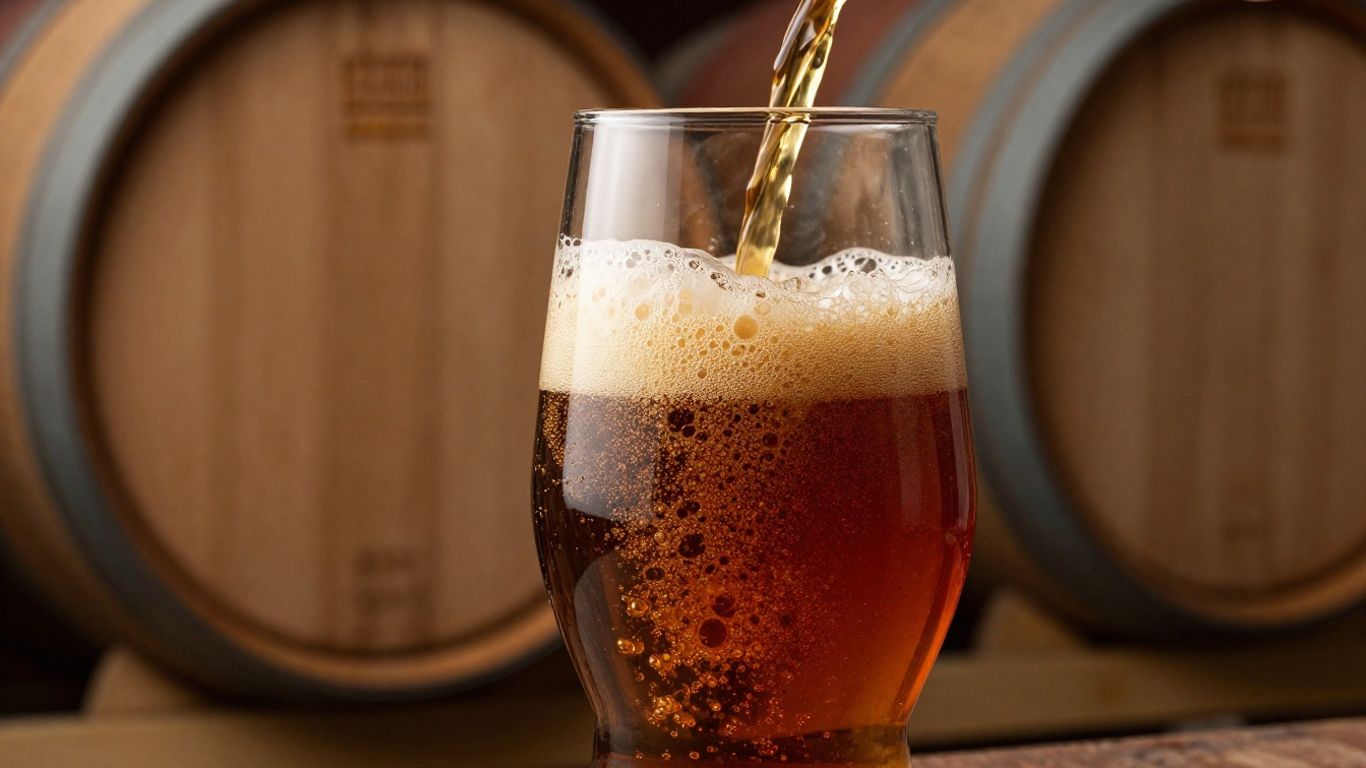
When I started exploring the world of French barrel-aged beers, I quickly realized there are a few breweries consistently pushing boundaries and creating truly special brews. It’s not just about sticking a beer in a barrel; it’s about intention, patience, and a deep respect for both the beer and the wood.
Val-Dieu Abbey’s Unique Approach
Val-Dieu Abbey has a fascinating way of approaching barrel aging. They take their classic Triple beer, a brew with a long tradition, and then let it rest in barrels that previously held all sorts of interesting things from around the world. It’s this blend of established brewing skill and the unexpected influence of the barrel’s past life that makes their beers stand out. The result is a beer that gains layers of complexity, picking up subtle notes of vanilla, spice, and fruit, all depending on what the barrel used to hold. It’s a testament to how a barrel can truly transform a beer.
Brasserie La Debauche’s Bold Creations
Brasserie La Debauche is another brewery that really caught my attention. I tried one of their barrel-aged creations, and it was a serious flavor bomb. They often play with different barrel types, including cognac barrels, which really adds a unique character. I found notes of caramel, dried fruits, and a distinct vanilla and oak presence, all rounded out by a pleasant warmth from the alcohol. These aren’t beers you just chug; they’re meant to be savored slowly, allowing the flavors to evolve as the beer opens up.
Brehon Brewhouse: A Barrel-Aged Pioneer
Brehon Brewhouse, while perhaps not exclusively French, has made a significant impact on the barrel-aged scene, and I’ve encountered some of their impressive brews. They’re known for taking risks, like aging a braggot in a mix of Bordeaux red wine casks and whiskey barrels. I’ve also seen their "Red Right Hand," a bourbon barrel-aged barley wine, which was a rich, dark, and complex beer with notes of caramel, dark fruit, and even a hint of coffee on the finish. It’s the kind of beer that makes you appreciate the brewer’s dedication to exploring new flavor territories. If you’re looking to discover more about independent breweries, visiting a French craft brewery can be a rewarding experience.
These breweries, among others, are showing the incredible potential of barrel aging in France, turning simple beers into complex, memorable experiences.
Flavor Profiles And Tasting Notes
When I first started exploring barrel-aged beers, especially those coming out of France, I was struck by how much the wood and the previous contents of the barrel changed the beer. It’s not just a subtle hint; it’s a whole new dimension.
Woody, Spicy, And Vanilla Undertones
French oak, particularly from regions like Limousin, is a big player here. It’s known for its open pores, which means it interacts with the beer pretty quickly. This often brings out strong spicy notes – think cinnamon, clove, and pepper. You’ll also get a distinct woody character, sometimes described as toasted bread or even a bit of leather. Vanilla is there too, but it’s usually more delicate than what you find in American oak. It’s a complex spice profile that really makes the beer interesting.
Fruit, Caramel, And Dark Chocolate Notes
This is where the wine barrels really shine. If a beer has been aged in a red wine barrel, I often pick up dark fruit notes – plum, cherry, maybe even a hint of raisin. White wine barrels can lend a lighter fruit character, sometimes more citrusy or stone fruit. And if the barrel previously held something like Cognac or Brandy, you’re going to get richer, deeper flavors. I’ve had some beers that tasted like caramel, toffee, or even dark chocolate, especially if they were darker, maltier beers to begin with. It’s like the barrel adds a whole dessert layer to the brew.
The Impact Of Aging Time On Complexity
Time is a huge factor. A beer that’s only spent a few months in a barrel will taste very different from one that’s been in there for a year or more. Shorter aging times tend to highlight the wood character more directly, sometimes with a bit of astringency. As the aging progresses, though, everything starts to meld together. The wood flavors become softer, more integrated with the beer’s original character. The tannins from the oak mellow out, creating a smoother texture. Longer aging often leads to a more complex and harmonious final product.
Barrel aging isn’t just about adding flavor; it’s about transformation. The beer evolves, taking on characteristics from the wood and the previous contents, creating something entirely new. It’s a patient process that rewards those who wait.
Here’s a general idea of what different barrel types might contribute:
- Red Wine Barrels: Dark fruits, tannins, sometimes a slight tartness.
- White Wine Barrels: Lighter fruits, floral notes, sometimes a crisp acidity.
- Cognac/Brandy Barrels: Rich caramel, dried fruit, spice, oak.
- Whiskey Barrels: Vanilla, caramel, smoke, spice, oak.
It’s always fun to try and guess what kind of barrel a beer might have been aged in. Sometimes the brewery will tell you, and other times, it’s a fun guessing game based on the flavors I’m picking up. It makes tasting these beers a real adventure, kind of like exploring the diverse wine experiences of the Loire Valley but in liquid form.
Where To Discover Barrel-Aged Beers In France
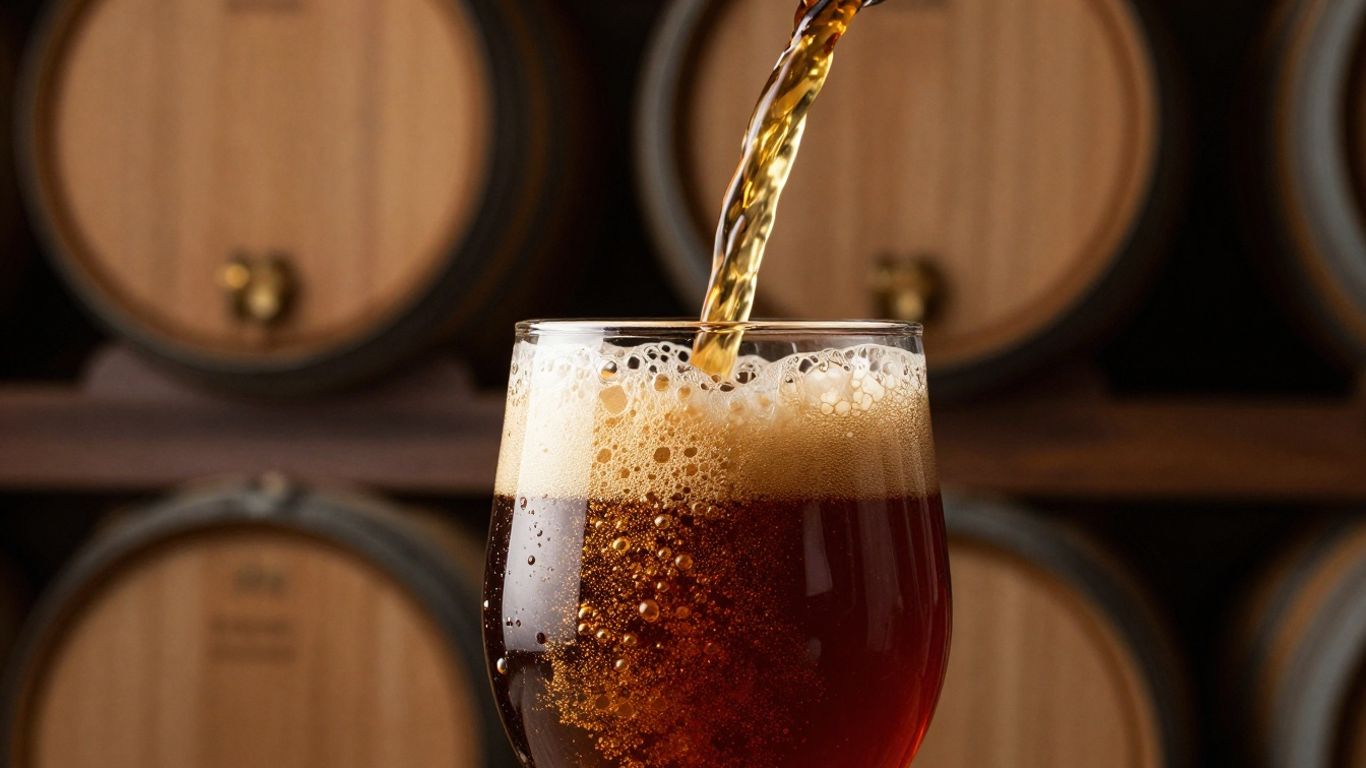
Finding these special barrel-aged brews can feel like a treasure hunt, but it’s a rewarding one. I’ve found that the best places to look are often where passion for craft beer really shines.
Specialty Beer Shops And Online Retailers
My first stop is usually a well-stocked specialty beer shop. These places often have a curated selection, and the staff usually know their stuff. They’re great for finding those harder-to-get bottles. If I can’t make it to a physical store, I turn to online retailers. Many French craft beer sites ship across the country, making it easy to get your hands on unique barrel-aged selections right at your doorstep. It’s a convenient way to explore what’s out there without leaving home.
- Look for shops that focus on craft and imported beers.
- Check their websites regularly for new arrivals.
- Don’t hesitate to ask for recommendations based on your preferences.
Brewery Taprooms And Direct Sales
Visiting a brewery’s taproom is an experience in itself. Many breweries that age beers will have them available directly from their source. Sometimes, you can even find special releases or limited editions that aren’t distributed widely. It’s a fantastic way to support the brewers directly and often get the freshest possible product. I always check a brewery’s website before visiting to see if they have any barrel-aged options on tap or for sale.
Some breweries even offer barrel-tasting events or tours that give you a behind-the-scenes look at the aging process.
Experiencing Barrel-Aged Beers At Festivals
Beer festivals are another excellent venue. They bring together a wide array of breweries, and many will showcase their most interesting and experimental brews, including barrel-aged ones. It’s a chance to sample a variety of styles and talk directly with the brewers about their creations. I’ve discovered some incredible barrel-aged beers at festivals that I might not have found otherwise. It’s a lively atmosphere, and everyone is usually eager to share their latest brews.
A World of Flavor, Barrel by Barrel
I’ve really enjoyed exploring the world of barrel-aged beers in France. It’s fascinating how using old wine barrels, or even barrels from spirits like Cognac or Armagnac, can completely change a beer. I remember trying a Val-Dieu Triple that had been aged in a wine barrel, and the subtle fruity notes it picked up were just incredible. It’s not just about adding alcohol; it’s about adding layers of complexity, like vanilla, spice, or even hints of fruit from the original wine. Whether you’re looking for something bold and rich, like a stout aged in whiskey barrels, or something more nuanced, there’s a barrel-aged beer out there for you. So next time you’re browsing the beer aisle or visiting a French brewery, keep an eye out for these special brews. They’re a testament to the creativity and tradition of brewing, and I, for one, can’t wait to discover my next favorite.
Frequently Asked Questions
What exactly is barrel aging?
Barrel aging is like giving beer a little vacation in a wooden barrel. I’ve seen how it works, and it’s pretty cool! The beer sits in barrels that used to hold things like wine, whiskey, or cognac. Over time, the wood and whatever was in the barrel before adds new flavors and smells to the beer, making it taste richer and more complex. It’s a slow process, but it makes for some really special brews.
Why do French breweries use wine barrels?
France is famous for its wine, so using wine barrels makes a lot of sense for their breweries. I remember trying a beer aged in a wine barrel, and it had these awesome fruity and slightly tart notes that you wouldn’t get otherwise. It’s like the beer picks up some of the wine’s personality. It’s a way for them to connect their beer-making with their rich wine history.
What kind of flavors can I expect from French barrel-aged beers?
Oh, the flavors are amazing! When I’ve tried these beers, I’ve tasted everything from deep vanilla and spicy notes from the wood, to fruity hints from wine barrels, or even smoky and caramel tastes from whiskey barrels. It really depends on what the barrel used to hold and what kind of wood it is. It’s like a flavor adventure in every sip.
Is French oak different from other types of oak?
Yes, it really is! I’ve learned that French oak, especially from places like Limousin, has a different structure. It tends to give beers a more subtle, spicy, and woody flavor compared to, say, American oak which often brings out more vanilla and coconut. It’s like choosing the right paintbrush for a painting – the type of wood totally changes the final taste.
How long do breweries age their beers in barrels?
The aging time can really vary. Some beers might only spend a few months in a barrel, while others could be in there for years! I’ve noticed that the longer a beer ages, the more the flavors meld together and become smoother and more layered. It’s all about patience and letting the beer develop its character.
Where can I buy these special barrel-aged beers in France?
Finding them is part of the fun! I’ve had luck at specialty beer shops, which often have a great selection. Sometimes, breweries have their own shops or taprooms where you can buy them directly – that’s always a great experience. And don’t forget online stores; they can ship them right to your door. It’s worth looking around!


