

A Complete Guide to the French Saison Beer Style

Saison is one of the notable beer styles of France, characterized by its refreshing crispness, an array of gentle spices, and a delightful finishing note. It was fermented on French farms originally as a farmhouse ale. But somehow it has turned into a favorite brew among craft beer enthusiasts, across the globe it seems. This article sort of covers the history of the French saison, the pretty unique taste it brings, and also why it stays one of the most popular beers in the world, even now, after all this time.
Here are some important points to remember about French saison beer.
Key Takeaways
- Saison, meaning ‘season’ in French, originated as a farmhouse ale in Belgium, brewed to refresh farm workers.
- Key characteristics include dryness, high carbonation, and fruity, spicy notes, often driven by specific yeast strains.
- While traditional Saisons are pale, variations in color and strength exist, with some incorporating spices or other grains.
- Brasserie Dupont’s Saison Vieille Provision is widely considered a benchmark for the style.
- American craft brewers have embraced saison, creating their own unique and often experimental versions.
Understanding French Saison Beer
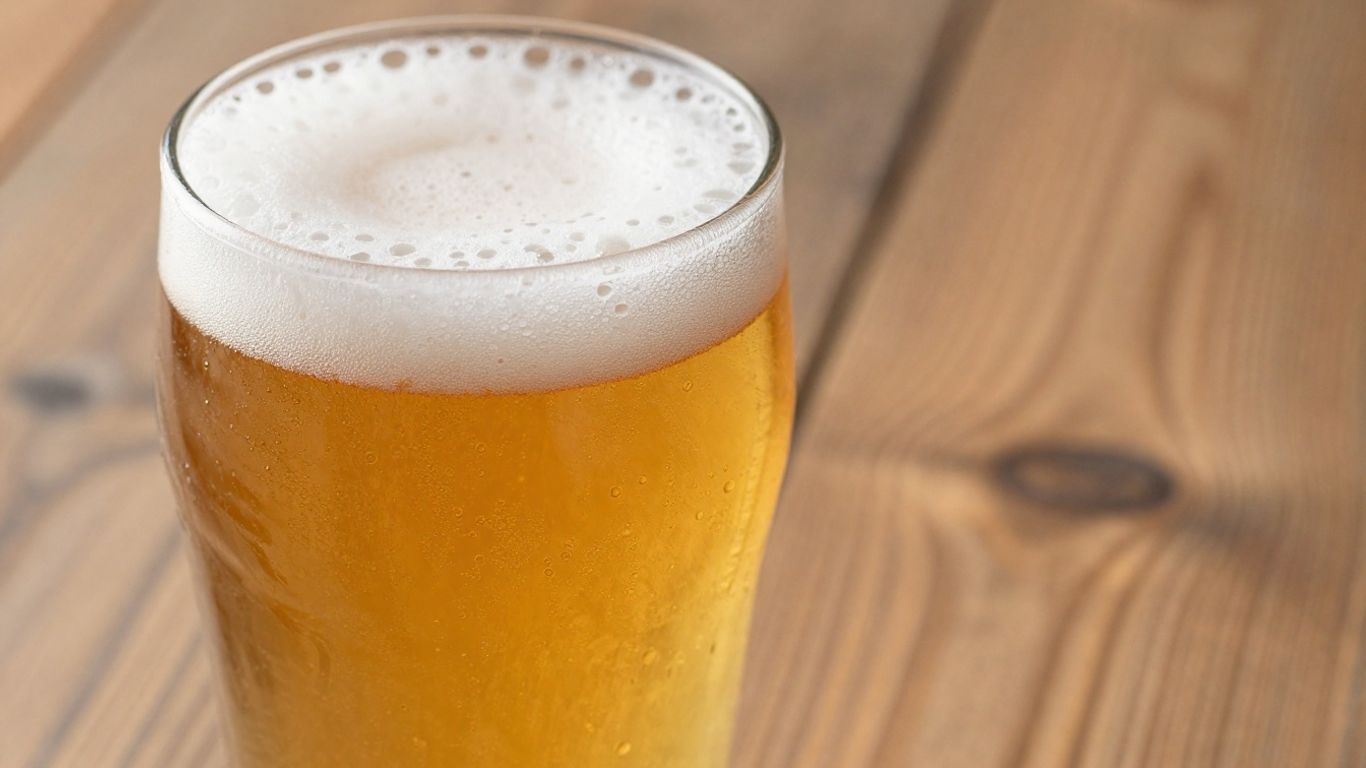
When I first started looking around in the beer world, the word “Saison” always felt a little mysterious, like it was hiding something. It sort of means “season” in French and the whole origin story is tied pretty tightly to the farmhouse life of Wallonia, the French speaking side of Belgium. There is this old legend, they said these brews were made for the “saisonniers”, the seasonal workers, who showed up to help during harvest time. Back before refrigerators were really a thing, brewers would get busy in the colder months, usually from late fall until spring, because fermentation was more manageable then, and also because the farm work pace was slower. This stock of “provision beer” was meant to last through the warmer months.
The Origins of Saison Ales
The practical goals of these early Farmhouse ale France brews were pretty straightforward: provide a refreshing drink for summer workers, keep farmhands busy during the winter lull, and produce spent grain for animal feed. So, beer brewed in winter was intended for summer drinking. It’s kind of hard to say exactly how these ancient Saisons tasted, since they were brewed by farmers not professional brewers, and they weren’t really sold commercially. There was likely a wide variation in the production from one batch of beer to another as the brewers used the grains that they could find, barley, wheat, rye, or spelt, and possibly even herbs and spices, if hops were a bit rare, etc. That switchable ingredients first mentality is actually a major characteristic of the modern Saison, even today.
Saison vs. Bière de Garde: A Tale of Two Farmhouse Ales
Today, Saison and its French cousin, Bière de Garde, are like the main types of Farmhouse ale in France traditions. They share a kind of common history but then they kind of, drift into different lanes as distinct styles. Usually, Saisons lean towards being a bit drier, with that noticeable hop character showing up, and Bières de Garde, well they’re often more about malt, with a fuller bodied feel. It’s interesting how these styles, originating from similar farm settings, have diverged so much.
The Evolving Definition of Saison
Trying to pin down a modern Saison beer style can be a bit of a challenge. They can be contradictory! Most are pale in tone, but a few come out darker. Some taste full-bodied and sweet, while quite a lot are insanely dry and also fruity. If you prefer your beer styles neatly sorted, Saisons might frustrate you. But for many, this very elusiveness is part of their charm – they represent a broad spectrum of possibilities within a loose framework.
For a lot of brewers today, “Saison” is kind of a blank slate, this definition that keeps kinda shifting around. Like, generally we can say modern Saisons land on the dryer side, they’re highly carbonated, they show fruity notes, and they tend to sit at a moderate alcohol level, usually somewhere from about 5% to 8% ABV. Hop bitterness is often in the 20 to 40 IBUs area. A good number of them are bottle conditioned, so you’ll frequently see a little sediment hanging out at the bottom which is part of that rustic charm. And the French beer scene is pretty diverse, so Saison beer in France is a solid entry point, for sure.
The spirit of Saison is kind of adaptability, and also resourcefulness, sort of like a quiet nod to its farmhouse origins. It’s a style that really takes variation as a given, so it feels lively and unpredictable for both the brewers and for whoever ends up drinking it.
Key Characteristics of Saison Beer
When I first started exploring Saisons, I was a bit confused. They don’t really fit neatly into little boxes like some other beers do. But once I got a handle on what makes them tick, I started to appreciate them a lot more, you know. They’re pretty unique, and honestly that part is what makes the whole thing charming.
Aroma and Flavor Profile
So, what do these beers actually taste and smell like? Um, usually you get a pretty big chunk of fruity, and also a little bit spicy kind of vibe. Think citrus, like orange or lemon, plus this peppery little kick. A lot of that comes from the yeast which is kinda a very big deal in Saisons. The malt tends to hang in the background, giving a touch of grain like feel, but it’s not really the headliner. Hops show up as well, and they can bring a spicy, or even earthy edge, though they generally don’t take over. The finish is almost always, like really super dry, which is kinda the signature of the style. You won’t usually meet too many sweet Saisons, and if there is any sourness it’s typically mild, refreshing, not that puckering thing.
The charm of a Saison very often sits with the yeast itself. Brewers carefully sort through strains that push out those signature fruity esters and spicy phenols, so the yeast becomes like a main ingredient in the final flavor profile, not just a silent worker.
Color and Body Variations
Saisons can come in a few different shades. Most are a pale straw or golden color, but you’ll also find darker versions that get their color from richer malts, though usually not roasted ones. The body is typically light to medium. They feel pretty refreshing, not heavy or thick. Even the stronger ones generally don’t feel that overly boozy. They’re pretty much famous for being highly carbonated, and that’s what gives them a sort of lively, effervescent vibe. Really, that high carbonation seems to push the dry finish along and that makes them extra drinkable, in particular on a warm day. You can find a great range of these beers, from lighter table versions to more robust ‘super’ strength ones, each with its own character. If you’re looking for a good starting point, check out some of the best craft beers in France.
The Crucial Role of Yeast
Honestly I can’t stress it enough, yeast is kind of the king when you brew a Saison. Not just any yeast either , but the particular strain and how it’s handled through fermentation, that really shapes that distinctive character. Most brewers try to set a fermentation temperature that kind of nudges the yeast into making all those fruity, and also spicy, compounds.
And yeah it’s pretty common for Saisons to be bottle-conditioned, so there’s that extra fermentation happening right in the bottle. That’s the part that boosts the carbonation, and it can also leave a little sediment sitting at the bottom. Which is totally normal, and really just part of the deal. It’s that yeast-led complexity that makes Saisons so fascinating, and somehow always a bit different. You’ll notice too that each brewery tends to favor their own yeast strain, so the flavor range can be huge even when you’re still talking about the same style category.
Brewing Your Own Saison
So, you’ve been enjoying all these fantastic French Saisons and thinking, ‘Hey, I could probably make something like that!’ And you’re right, you totally can. Brewing your own Saison is a really rewarding experience, and honestly, it’s not as complicated as you might think. It’s all about understanding a few key things and letting the yeast do its magic.
Essential Ingredients for Saison
When I first started looking into brewing Saison, I was kinda surprised by how simple the ingredient list often turns out to be. It’s not really about stacking on a ton of fancy malts. The real star is the yeast, but the grains set the base and kinda carry the whole thing.
- Malt: Pilsner malt is pretty much the go-to. It gives that clean, crisp base. Sometimes you’ll see a bit of wheat malt thrown in for body and head retention, or maybe a touch of Vienna for a little extra malt character. Don’t go overboard with darker malts; you’re aiming for pale.
- Sugar: This is where things get interesting. Adding a bit of sugar, often plain white table sugar or Belgian Candi sugar, is super common. It helps the yeast ferment more completely, leading to that signature dry finish and higher alcohol content. I usually add it during the boil.
- Hops: Saisons aren’t typically hop bombs. You’ll use hops mainly for bitterness, often with noble varieties like Saaz or Styrian Goldings for a subtle spicy or floral note. They’re there to balance, not to dominate.
- Yeast: This is the big one. You need a Saison-specific yeast strain. These are the workhorses that produce those fruity esters and spicy phenols we love. Different strains give different results, so picking the right one is key. Some brewers even use a blend.
- Spices (Optional): Some traditional Saisons might include spices like coriander or grains of paradise, or even citrus zest. It’s a way to add complexity, but it’s definitely not a requirement for a good Saison.
Step-by-Step Brewing Process
Alright, let’s get down to business. The brewing process, itself is pretty standard for an all-grain brewer, but there are a couple points where you’re gonna want to pay extra attention, like more than usual. Not much is wild, but those steps, they matter.
- Mashing: I usually mash in the 145-150°F (63-66°C) range. This temperature helps create a wort that’s fermentable, which is exactly what you want for a dry finish. Mash for about an hour.
- Boil: Bring your wort to a boil. Add your bittering hops early in the boil. If you’re adding sugar, this is usually when it goes in. Any flavor or aroma hops, and spices if you’re using them, go in near the end of the boil.
- Cooling and Pitching Yeast: This is probably the most important part for getting that classic Saison character. You want to cool your wort down to the yeast manufacturer’s recommended temperature, often in the low 60s°F (around 16-18°C). Pitch a healthy amount of yeast – a good starter is highly recommended. Don’t be afraid to ferment warm later on; that’s where the magic happens.
- Fermentation: This is where the yeast really shines. Start fermentation at a cool temperature, around 65°F (18°C), and let the temperature rise gradually over the next few days, potentially up to 80°F (27°C) or higher. This temperature fluctuation encourages the formation of those complex esters and phenols. Keep an eye on the gravity; Saisons are known for fermenting really dry.
- Conditioning: Once fermentation is complete, you can let it condition for a bit. Some brewers go straight to bottling or kegging, while others might let it sit for a few weeks to mellow out.
Achieving High Carbonation
Saison is a beer that sort of begs for bubbles, like, really. Seriously, though, it is that lively, effervescent beer vibe that makes it charming. Getting all that high carbonation is pretty straightforward, but you gotta watch out for your bottles or keg.
- Priming Sugar: When bottling, you’ll use priming sugar. Plain old table sugar (sucrose) works perfectly. You’ll need a bit more than you would for a typical ale. Aim for around 3.5 to 4.5 volumes of CO2. A good priming sugar calculator can help you figure out the exact amount.
- Bottle Conditioning: Let the bottles condition at room temperature for at least two to three weeks. This gives the yeast time to consume the priming sugar and produce carbonation.
- Keg Carbonation: If you’re kegging, you can force carbonate to your desired level. Again, aim for that higher CO2 volume.
Remember, you want a beer that kind of tingles on your tongue. It should feel, alive and refreshing, slicing right through that malt and yeast complexity with a bright, effervescence. Don’t hold back on the carbonation because it’s defining for the style, like genuinely.
It might take a batch or two to dial in your process a bit, but the results are really worth the effort. Happy brewing!
Exploring Notable French Saison Breweries
When I think about French saison, a few names immediately come to mind in any French brewery guide. These breweries are the ones that really set the standard and keep pushing the style forward in any French brewery guide. It’s fascinating to see how they approach brewing, often with a deep respect for tradition but also a willingness to experiment in the world of Artisan beer in France.
Brasserie Thiriez: A Pioneer of French Saison
Daniel Thiriez is basically a name people connect with bringing farmhouse brewing back to France, especially around French Flanders, you know. His brewery, Brasserie Thiriez, sort of became a real reference point for what a French saison can turn into, when it’s done right. Beers like La Blonde d’Esquelbecq and Étoile du Nord are prime examples of this. They’re crisp, clean, and just incredibly balanced. It’s amazing how simple they can be, yet so satisfying. Daniel has since retired, passing the brewery to his daughter, Clara, who continues this legacy. He always maintained that the “French Saison” yeast sold commercially wasn’t quite what he used, which just goes to show how unique their approach is.
- Étoile du Nord (known as “Extra” in the U.S.): A signature beer that embodies the brewery’s philosophy.
- La Blonde d’Esquelbecq: Another classic that showcases their clean, crisp style.
- Les Québécoises: A testament to their dedication to traditional farmhouse ales.
Thiriez is really about clean fermentation, like avoiding wild yeasts and getting this kind of sublime simplicity in the beers. It’s not just one thing though, it’s more like balance, and in the end you can feel it, because the quality of the ingredients actually shines through.
Brasserie de Cazeau: Traditional Belgian Farmhouse Charm
While it’s technically in Belgium, Brasserie de Cazeau is basically right on the French border and there’s this vibe that really, really fits the farmhouse ale tradition in a kinda natural way. The brewery building, it’s from 1753, and you can just feel that history in the air. Laurent Agache brought it back, reviving the brewery, and kept going with a tradition that had been paused for a bit.
Their “Tournay” line is well-known, but for me, Saison de Cazeau is the real star. It’s a seemingly simple saison, but the addition of elderflowers gives it a surprising depth and complexity. It reminds me of old books and a hint of perfume, a truly unique and stunning beer.
- Saison de Cazeau: The standout beer, featuring elderflowers for a complex flavor.
- Traditional Farmhouse Setting: The historic building adds to the authentic experience.
- Revived Legacy: Laurent Agache brought brewing back to this historic site.
Brasserie Dupont: The Benchmark for Saison
When you talk about Saison, you kinda have to bring up Brasserie Dupont. It’s in Tourpes, Belgium, and honestly it’s often treated like the gold standard of the style. Their Saison Vieille Provision is for a lot of people just the true, go-to saison. It’s a beer that nails that dry vibe, with fruity notes and a peppery edge, basically all the classic traits that make the best examples so special. They brew it with a real amount of care, and with that attention to detail you can almost feel it in your glass, because every sip tells the story. And yeah, they’ve been making this for a long time, so it’s there, you can taste how practiced it is.
- Saison Vieille Provision: Widely regarded as the classic, benchmark saison.
- Dry and Fruity Profile: Exemplifies the traditional saison characteristics.
- Long-Standing Tradition: A brewery with a deep history in saison production.
These breweries, each with its own unique story and approach, are why I have such an appreciation for Artisan beer France and Belgian farmhouse ales. They show that while there’s a traditional framework, there’s also plenty of room for individual expression and delicious results.
Discovering American Interpretations of Saison
When I first started exploring Saisons, it felt like a bit of a niche interest. Most folks were focused on other styles, and honestly, the term ‘Saison’ wasn’t as common in conversation. Fast forward to today, and it’s a whole different story. It seems like every serious craft brewery worth its salt has at least one Saison on tap, and I can totally see why. It’s a style that just begs for creativity.
The ‘No Rules’ Approach of American Craft Brewers
American craft brewers have really taken the Saison concept and run with it. They seem to embrace that “no rules” spirit that’s always been part of Saison’s history. It’s less about sticking to a rigid definition and more about using the style as a jumping-off point. This has led to a huge variety of Saisons being brewed across the US, sometimes making it hard to pin down exactly what a ‘modern American Saison’ should taste like. It’s a playground for brewers, really.
Fermentory Form: A Philadelphia Farmhouse Gem
One brewery that really stands out to me in this American interpretation is Fermentory Form out of Philadelphia. They’re doing some really interesting things, often playing with different grains and hop varieties. Their approach feels both respectful of the tradition and excitingly new. It’s a great example of how brewers are taking the core ideas of Saison and making them their own.
Beyond Belgium: The Global Reach of Saison
It’s fascinating to see how a style that originated in the farmhouses of Belgium has spread so far and wide. The US is definitely a major player in this global expansion, but you can find Saisons being brewed and enjoyed all over the world now. It’s a testament to the style’s versatility and its appeal. What started as a drink for farm workers has become a global phenomenon, and I’m here for it.
The Best French Saison Beers to Try
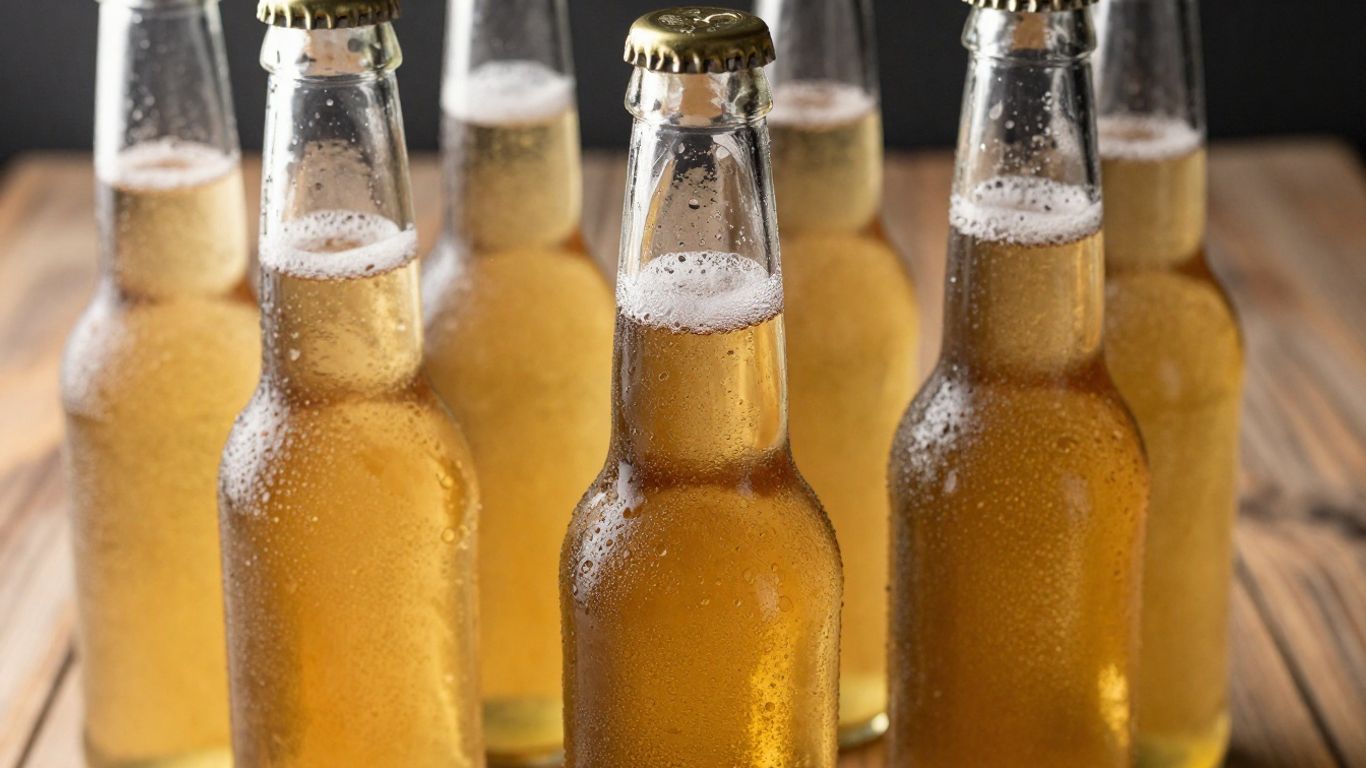
When I first got into craft beer, Saisons felt like a bit of a mystery. They were so different from the IPAs and stouts I was used to. But the more I tried, the more I appreciated their complexity and drinkability. If you’re looking to explore this Saison beer style, here are a few French Saisons that really stand out to me.
Saison Vieille Provision: The Classic Standard
If there’s one beer that defines the Saison style for many people, it’s Saison Vieille Provision from Brasserie Dupont. It’s often considered the benchmark, and for good reason. It’s a beer that just feels right – dry, fruity, and with a peppery note from the yeast that I find incredibly refreshing. It’s not overly complicated, but it’s perfectly balanced. This is the kind of beer that makes you understand why Saisons have such a long history.
This beer is kinda a testament to tradition, showing how basic ingredients and careful fermentation can make something really special, you know. It reminds you that sometimes the best beers are the ones that have held up over time, and not in some loud way, just steadily.
Étoile du Nord: A Sublime Simplicity
Brasserie Thiriez’s Étoile du Nord, sometimes known as “Extra” in the US, is another fantastic example. Founder Daniel Thiriez seemed really set on getting farmhouse brewing back to where it started in French Flanders, you know, the whole roots thing. This beer comes out crisp, fresh, and weirdly well balanced. It doesn’t lean on wild yeast, nope, it’s more like clean fermentation plus solid ingredient quality doing the heavy lifting.
Overall it drinks easy, still it has enough personality to keep you curious, and not bored after a few sips. I really appreciate the subtle hop notes in this one. It’s a great example of how one of the best craft beers in France can be both refined and approachable.
Saison de Dottignies: A Hop-Forward Belgian Example
While the focus here is on French Saisons, I have to mention Saison de Dottignies from Brasserie De Ranke. It’s a Belgian beer, but somehow it really shows that hop-leaning side that certain Saisons can turn up. You’re looking at something like 45 IBUs, and there’s a pretty clear hop bitterness there, that pairs with the fruity esters the yeast is putting out.
It feels a tad more assertive than some other Saisons I’ve had, and it kind of proves how wide the style can be while still staying near classic brewing procedures. Honestly it’s the sort of beer that makes you pause, and think—about how hops and yeast are interplayed in a Saison, not just next to each other.
Conclusion
So, that’s a look into the world of Saison beer in France. From its humble farm origins, to all those diverse takes we see today, saison kinda gives this unique and refreshing beer experience. Whether you’re wandering through traditional breweries or looking at modern craft takes, there’s a saison out there for everyone, honestly. I just encourage you to taste a few and somehow uncover your own preferred picks, and keep going from there. Cheers!
Frequently Asked Questions
What exactly is a French saison beer?
A French saison beer is a type of farmhouse ale. It originally came from farms in Belgium and France. These beers were made to be refreshing, especially during the warmer months when farm workers were busy. They are known for being dry and bubbly.
How is a Saison different from a Bière de Garde?
Both are farmhouse ales, but they have differences. Saisons are usually drier and have more hop flavor. Bière de Garde, on the other hand, tends to be a bit maltier and fuller in your mouth. Think of them as cousins, not twins.
What does a saison beer usually taste like?
You can expect a saison to be pretty dry, meaning it won’t be sweet. It’s often bubbly, like soda. Many have fruity flavors, like pear or citrus, and sometimes a little spicy kick, like pepper. It really depends on the yeast the brewer uses.
Are all French saison beers the same?
Not at all! While they share common traits, brewers put their own spin on them. Some are light and crisp, others might be a bit darker or have added spices. The definition has broadened over time, giving brewers a lot of freedom.
What are some famous French saison breweries?
Some well-known places include Brasserie Thiriez, which makes great beers like Étoile du Nord, and Brasserie de Cazeau, known for its traditional farmhouse charm. Brasserie Dupont is also a big name, often seen as the standard for this style with their Saison Vieille Provision.
Can I find good saison beers made in the US?
Yes, definitely! American craft brewers love making their own versions of saison. They often experiment with different ingredients and techniques, so you’ll find a wide variety. Some places, like Fermentory Form in Philadelphia, focus on this style.


