
France in Winter: Secret Places That Shine After Tourist Season

When the summer crowds thin out, France kind of shows another, quieter magic. Think less queues, more snug vibes and smallish seasonal happenings. If you’re planning a trip for France winter travel underrated destinations 2026, well honestly you’re in for a treat.
We’re talking about places that really glow once the temperatures drop, with genuine experiences that don’t come with the usual hustle. Skip the standard tourist traps, it’s more about uncovering the real France, in that slower, more personal season where everything feels a bit more intimate and even slightly mysterious.
Key Takeaways
- Paris offers festive lights and fewer crowds in winter, making attractions more accessible.
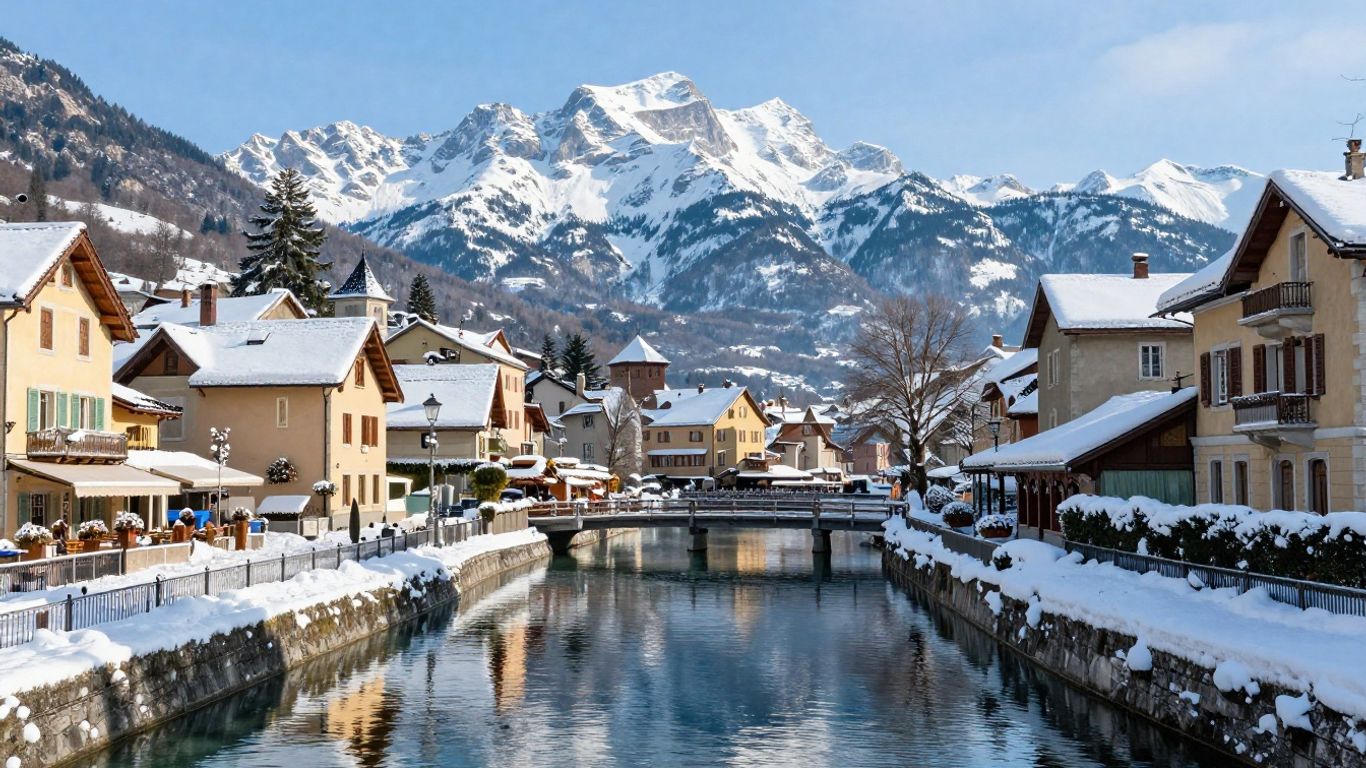
- Annecy, known as the ‘Venice of the Alps,’ provides a charming winter escape with snow-capped mountain views and a vibrant carnival.
- Lyon shines during its famous Festival of Lights and boasts a renowned culinary scene perfect for colder months.
- Colmar in Alsace transforms into a fairytale setting with its Christmas market and distinctive timber-framed architecture.
- The French Riviera, including Cannes, offers mild weather and sunshine, a pleasant alternative to colder climates.
Embrace the Magic of Paris Beyond the Summer Crowds
I’ve always loved Paris, but honestly, the summer crowds can be a bit much, and France in winter offers a completely different atmosphere. That’s why I started looking for ways to experience the city when things calm down a bit, and winter in Paris is surprisingly wonderful. It’s a completely different vibe, more intimate and, dare I say, even more romantic.
Discover Festive Lights and Seasonal Events
If you can swing a visit in early December, you’re in for a treat because France in December is filled with festive lights and seasonal celebrations. The city really comes alive with holiday decorations, and winter travel in France feels more, like, extra memorable during the festive season.
You get twinkling lights everywhere, especially along the Champs-Élysées, and there are charming Christmas markets popping up in different squares, kind of one after another. I still remember stumbling into one not far from Notre Dame a few years ago, and the smell of vin chaud, and roasted chestnuts was just incredible.
The city really comes alive with holiday decorations, and winter travel in France feels more, like, extra memorable during the festive season. You get twinkling lights everywhere, especially along the Champs-Élysées, and there are charming Christmas markets popping up in different squares, kind of one after another.
I still kinda remember wandering into one, not too far from Notre Dame a few years back, and the whole smell of vin chaud mixed with roasted chestnuts was… unreal, like seriously. It’s a really nice kind of moment to stroll around without any rush, absorb everything at once, and maybe pick up a few small, singular gifts while you’re there. Honestly the entire city feels like it’s wrapped in this celebratory cover, like a festive blanket that you can practically feel.
Enjoy Off-Season Attractions with Shorter Lines
This is a pretty big deal for me. When I go to the Louvre or the Eiffel Tower in summer, it’s always a fight with long lines, like nonstop. But in winter, honestly it’s kind of a game-changer. I could walk right into the Musée d’Orsay and stay there as much as I wanted admiring Impressionist paintings, without that rushed feeling or the usual crowd pressure. Even the Eiffel Tower seemed more doable. You can properly enjoy the views, without feeling like you’re in a sardine can. It makes the whole day feel calmer, and also more personal in a way that surprises me.
Experience Parisian Charm in Cooler Temperatures
There’s just something special about walking through Paris when it’s a bit chilly, and honestly it’s one of the reasons I enjoy France in winter so much. You sort of bundle up in a scarf, grab a warm croissant and a coffee from a local boulangerie and then you stroll. The light has this different quality too, softer and more diffused, it’s like it melts the edges a little, so the architecture looks even more stunning.
I also like slipping around places like Le Marais or Montmartre in the cooler months, you know, taking the slower way. You can duck into cozy little cafes, browse bookshops, and really get a feel for the neighborhood pace, not the constant buzz that comes with peak tourist season. It feels more genuine, in a way, like you’re getting a small window into the real Paris.
Where to Stay:
If you want a genuinely Parisian vibe, think about settling into a boutique hotel around Saint-Germain-des-Prés or Le Marais. Those parts feel like this steady blend of charm, history, and an easy hop to the main sights, so you are not rushing everywhere. Also, you’ll find plenty of snug cafes and small restaurants to duck into, whenever the weather gets a bit moody. It’s kind of understated, but really it works.
- Le Marais: Historic district with beautiful architecture, trendy boutiques, and a vibrant atmosphere.
- Saint-Germain-des-Prés: Known for its literary cafes, art galleries, and elegant shops.
- Latin Quarter: Lively area with a student vibe, close to the Sorbonne and Luxembourg Gardens.
Experience the Enchantment of Annecy, the Venice of the Alps
When the summer crowds pack up and head home, Annecy transforms into something truly special and remains one of the most memorable France winter destinations. I’d visited once before in the peak season, and while it was beautiful, it was also, well, busy. Going back in the cooler months felt like finding this kind of secret, you know. The air is crisp, and the famous Lake Annecy, with that really impossibly clear turquoise water, is usually framed by far away mountain ridges with a dusting of snow. It’s a sight that kind of clings to you though, even after you leave.
Witness Lake Annecy Framed by Snow-Capped Mountains
Honestly, the lake is kind of the star here no matter what season. In winter the surrounding Alps get this lovely, white cap and everything feels extra dramatic, like staged. I spent a good hour half just wandering along the promenade, watching how the light shifts across the water and the peaks. It’s calm, a total counterpoint to the summer buzz. You can still rent a boat, though you have to check availability first, or you can simply take in the panoramas from the shore. This place is a strong spot for some quiet reflection, really.
Immerse Yourself in the Colorful Annecy Carnival
This is the big one if you’re looking for a unique winter experience. The Annecy Carnival, most times in late February or early March, is kind of a sight to behold. It feels like a little Venice, but somehow it has this Alpine backdrop behind everything. Tons of folks show up in very elaborate costumes, and with masks too, and they wander through the old town in this slow, colorful moving current.
The vibe is, honestly electric, with music everywhere, even in those tight streets, and the photographers are always aiming for that perfect shot. It’s not just a parade or like a quick walk past, it’s more of a full-on festival, really. I still remember standing close to those incredible, hand crafted masks, the texture, and the tiny details were just … amazing, really amazing. It’s a fantastic opportunity to see the town come alive in a completely different way.
Savor Hearty Savoyard Cuisine
After a day of exploring, and especially if it’s chilly, you’ll probably want to sink into the local food. The Savoyard kind of cuisine is really about that comfort and steady warmth, and somehow it never disappoints. You can expect rich, cheesy creations that are made for refueling, like proper, kind of hearty little hits.
Here are a few things you absolutely have to try:
- Fondue Savoyarde: Melted cheese, usually a mix of Gruyère and Emmental, served with bread cubes. Simple, but so good.
- Raclette: A wheel of cheese is melted and scraped over potatoes, pickles, and charcuterie. It’s a communal experience and incredibly satisfying.
- Tartiflette: A gratin dish made with potatoes, reblochon cheese, lardons (bacon), and onions. It’s pure indulgence.
The food here is designed to keep you warm and happy through the colder months. Don’t be shy about ordering a carafe of local wine to go with it – it’s all part of the experience.
Where to Stay: For a real treat, take a look at Les Trésoms Lake and Spa Resort. It’s right there on the water, and it has a lovely spa, so, you can really unwind after a day out. If you’re after something that feels a bit cozier, you’ll find plenty of charming boutique hotels and also apartments in the old town, they put you in the thick of things, right in the middle of the action.
Explore Lyon’s Gastronomic Delights and Festival of Lights
Lyon is this city that really comes into its own in the winter, especially if you’re into great food and these dazzling light displays. I went a few years back in early December, and honestly it was such a treat. The place, you know, often seen as the gastronomic capital of France, just lives up to that reputation in a very real way. It’s not only about the fancy restaurants and the polished menus, it’s more like a whole atmosphere around savoring things properly, from warm little bistros to busy market stalls. Even when it’s cold outside, the whole vibe feels quietly invigorating.
Witness the City Illuminated During the Fête des Lumières
This is the big one, kinda the reason many people flock to Lyon in December, making France in December this unforgettable time for festival lovers. The Fête des Lumières, or Festival of Lights, is something else entirely. It began centuries ago as a simple act, lighting candles in windows, yet now it’s this huge four night event where artists turn the city into a sort of outdoor gallery.
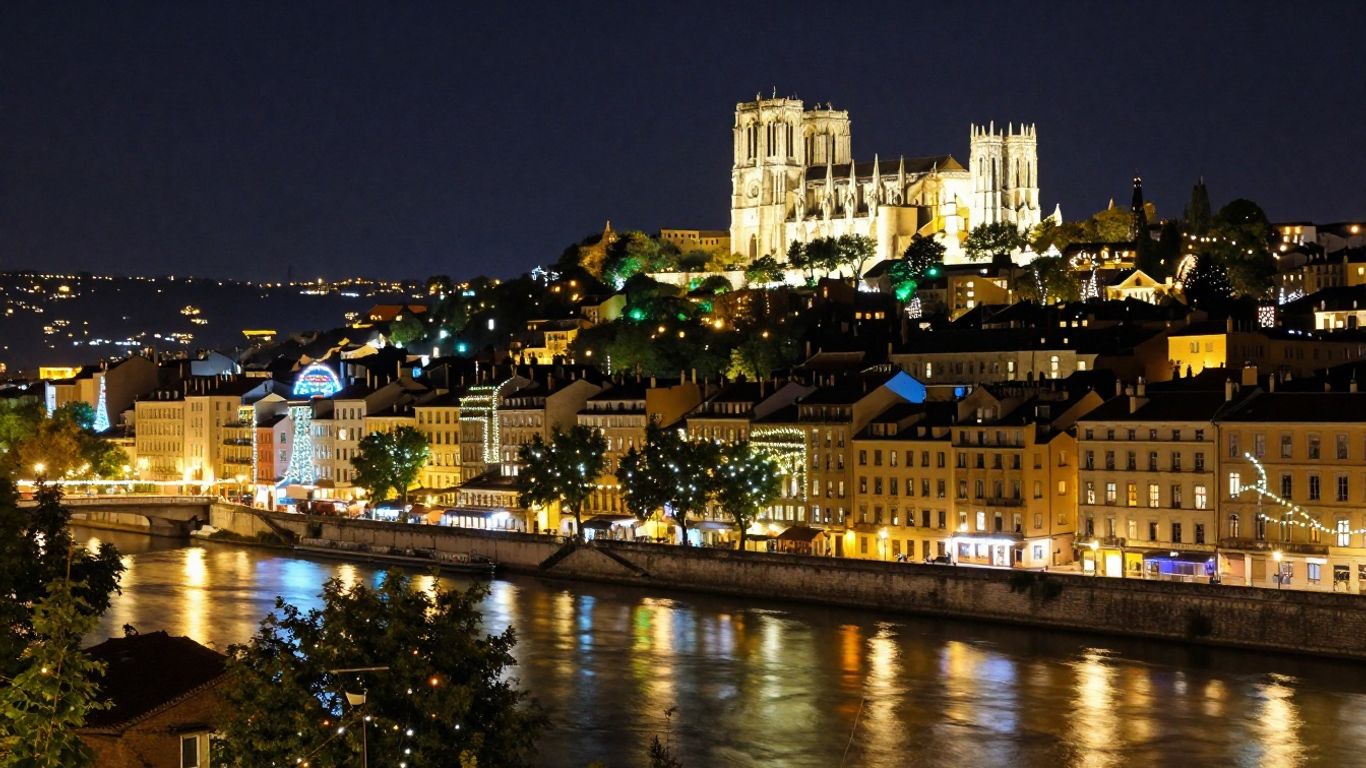
Whole buildings, parks, and squares all around Lyon are lit up with incredible light installations. Honestly it feels magical, and you’ll end up wandering for hours taking it in, no rush, no plan. Seriously though, book your accommodation well in advance if you’re planning to visit during the festival, because everything goes fast.
Indulge in Lyon’s Renowned Culinary Scene
When I think of Lyon, I think of food. It’s a place where meals are an event. You really need to try a traditional Lyonnaise bouchon, like for real. These are small, often family run places that sort of keep things classic and serve hearty plates. I once had amazing quenelles de légumes (not just dumplings, more like vegetable ones in a creamy sauce) at one, and honestly it felt like pure comfort food.
But beyond the bouchons, the city is stacked with incredible restaurants, from relaxed little spots to those with Michelin stars. Getting around and exploring the local food scene is basically mandatory, and if you want the easiest path you can join a food tour too, so you get a proper taste of Lyonnaise specialties, without wasting time.
Discover Museums and Silk Shops in a Festive Atmosphere
Even if you happen to miss the Fête des Lumières, Lyon still has plenty to do in winter, like seriously, a lot. The city carries a long history, and it’s easy to just spend days, drifting through its museums such as the Musée des Beaux-Arts, or just roaming around the historic Vieux Lyon area and its secret corridors, which locals call traboules. Lyon was also once a huge hub for silk production and, you can still spot gorgeous silk shops, especially around Croix-Rousse, it’s kind of a easy way to track down unusual souvenirs.
And honestly, the architecture is stunning, too—so many facades glow warmly in the winter light, and somehow even a simple walk turns into this small highlight, like you’re not really rushing, but you feel like you discovered something.
Where to Stay:
Lyon has a pretty wide array of accommodations, so you sort of have options everywhere. If you want something deluxe with a view, the Fourvière Hôtel is one of the more popular choices. But if you would rather be in the middle of the old town, there are a bunch of lovely boutique hotels. For travelers on a tighter budget there also a lot of well-placed hostels and regular hotels around, notably near the Part-Dieu train station area.
Discover the Fairytale Charm of Colmar in Alsace
When the summer crowds thin out, Colmar in the Alsace area of France kinda transforms into something magical and somehow ends up among the best underrated France destinations. I’d heard it was pretty, but honestly seeing it in person during the cooler months felt like stepping right into a storybook.
The half-timbered homes, painted in cheerful colors almost every shade, line narrow cobblestone streets that just beg you to wander and wander. It’s the sort of place where you can spend a whole day getting turned around, camera in hand, and still find fresh delightful corners around every bend, without really noticing the time.
Wander Through the Enchanting Christmas Market
If you end up there late November, or early December, it’s like you get an extra special treat. Colmar has one of France’s most talked about Christmas markets, and honestly it looks absolutely spectacular. The whole town seems to glow, with festive lights everywhere, and the air carries that familiar, comforting smell of gingerbread plus mulled wine.
It doesn’t just sit in one spot either, it’s spread across a few separate areas, and each part feels kind of distinct, like a different mood, or small universe. I found some wonderful handmade gifts and couldn’t resist trying all the local treats. It’s a truly immersive experience that captures the spirit of the season.
- Stroll through the six distinct market areas.
- Sample traditional Alsatian holiday treats like Bredeles (cookies) and Mannele (brioche figures).
- Enjoy the magical light displays that illuminate the town each evening.
Admire the Picturesque Timber-Framed Architecture
Colmar’s architecture is kind of the main draw, and honestly it’s easy to see why. The town is well-known for incredibly well preserved medieval and Renaissance buildings, especially the vivid, timber-framed houses that lean sort of charmingly over the lanes. If you walk through places like, you start to get that feeling where everything looks… still alive, not frozen in time.
Find Winter Sunshine Along the French Riviera
When the rest of Europe is hunkering down for winter, the French Riviera offers a surprisingly pleasant escape for anyone deciding where to go France winter. I’ve found that popping by this iconic coastline in the cooler months is kinda a real treat. In summer the crowds basically vanished, and what’s left is this softer, more unhurried vibe, you know. The weather isn’t exactly beach-towel weather, though, but it’s usually mild enough that you can still linger outdoors without feeling miserable, or maybe, it just feels that way.
Enjoy Mild Temperatures and Low Precipitation in Cannes
Cannes in winter is kind of a different beast than its glitzy summer self, I mean last January I was there and it honestly felt more like a crisp autumn day back home. The sun was out and I could comfortable walk around without all that usual throng, you know. The low humidity with gentle sunshine, it just works for exploring. You’ll still run into shops and restaurants that are open, because it’s a year-round residence for many, so it doesn’t feel empty or deserted. It’s a nice place to wander and take in the seaside atmosphere without the typical hustle and bustle.
Stroll Along the Marina and Relax on the Beaches
One of my favorite things to do in Cannes during the off season is, just walking along the marina. Seeing those rather impressive yachts without the summer crowds jostling for space, it feels pretty calm, more like quiet actually. The beaches, even if they are too cool for a proper full swim for most people, still are lovely for a stroll, nothing complicated. I remember finding this small beachside cafe that was open, and then sitting there with a coffee. Watching the waves go back and forth, it was kind of perfect, honestly. In a way it’s a chance to savor the coastline’s beauty without feeling rushed, or like you have to be somewhere else.
Hike to the Old Watchtower for Panoramic Views
For a bit of a workout and some truly stunning scenery, I highly recommend the walk up to the old watchtower, or Le Suquet. It’s not a strenuous hike, more of a brisk walk up through the old town’s charming streets. Once you reach the top, the view over the bay of Cannes and out towards the Mediterranean is absolutely breathtaking. It’s a pretty fantastic spot for photos, and you kind of get that real sense of the scale of the Riviera from up there. It’s honestly worth the trouble, especially on a crisp winter day, when the view is clear and bright.
Where to Stay:
While Cannes has plenty of luxury hotels, consider looking for deals in January or February. Many of the larger hotels offer reduced rates. For a more local feel, apartments can be rented, often with good sea views, and provide a bit more space to relax. I found a nice little place just a few blocks from the Croisette that was surprisingly affordable in the winter months.
Experience the Warmth of Marseille and the Charm of Provence
When the summer crowds thin out, Marseille really comes into its own. I’ve visited a few times in the cooler months, and honestly, it’s a different city – more relaxed, more authentic. It’s France’s oldest city, and you can feel that history layered everywhere, especially in the southern sunshine that still lingers.
Explore the Historic Le Panier District
This is where I always start. Le Panier is right by the water front, and honestly it turns into a kind of maze, with those tight, twisting street lanes. In winter it feels way less like a big tourist hotspot and more like a true, living neighborhood. You’ll spot small artisan shops hidden between turns, where they offer everything from handmade soaps to local art pieces. It’s really good for wandering without a plan, you know just drift along. I always end up peeking into the courtyards too, and admiring how the buildings look, all those colorful facades. For a photographer it’s basically a dream, even when the day is gray and cloudy.
- Get lost: Just pick a direction and walk. You’ll stumble upon hidden squares and charming staircases.
- Artisan finds: Look for unique souvenirs, like traditional savon de Marseille (Marseille soap).
- Street art: Keep an eye out for vibrant murals that pop against the old stone walls.
The energy here shifts dramatically from the bustling summer months. You can actually hear yourself think and chat with shopkeepers without feeling rushed.
Visit the Scenic Old Port and Local Fish Market
The Vieux Port (Old Port) is kinda like the pulse of Marseille, and in winter it gets a more local kind of vibe. The huge cruise ships are gone by then, so you end up seeing fishing boats bobbing around in the water, way more often. If you’re up early, the fish market feels almost alive, like a small festival.
The fishermen, in the off season, are usually a bit more open for a quick conversation and they’ll share a smile without too much fuss. I’ve bought some seriously incredibly fresh fish there before and then cooked it back at my apartment, honestly it was a real taste of the Mediterranean.
Dine on Patios with Local Wine and Provencal Dishes
One of the best things about going to Marseille in winter is honestly the food. The weather is often kind of mild, so you can still get away with sitting outside maybe with a light jacket, or just under a little patio heater. You’ll spot really fantastic restaurants, serving those classic Provencal meals. Think bouillabaisse (a deep fish stew) and ratatouille, and also tapenade. Then match that all up with a glass of local rosé, or maybe a red wine from the nearby Côtes du Rhône.
Overall it feels way more laid-back than the summer months, fewer people around, and the whole mood is calmer, like less rushed. It’s a good moment to really taste what the region is about, for real. And if you want something more authentic, try wandering through the lovely canal towns nearby too, for a different pace of life, sort of slower but nicer.
Where to Stay:
- Le Panier: For boutique hotels and apartments right in the historic heart.
- Vieux Port: Offers a range of hotels with great views and easy access to the waterfront.
- La Corniche: If you prefer sea views and a slightly quieter atmosphere, though it’s a bit further from the main attractions.
Adventure and Serenity in the French Alps
When the summer crowds start to thin out, the French Alps sort of flip into a winter wonderland, and there’s this other sort of magic for anyone planning winter travel in France. I’ve always noticed the change from busy summer trails to calm, snow-draped peaks is, well, something else. It’s a moment to see the mountains in a deeper, more intimate manner, whether you’re chasing adrenaline or you just want a tranquil retreat.
Ski and Snowboard on World-Class Slopes
For a lot of people, the Alps in winter kinda means just one thing… skiing. And France, yeah France has some of the best of the best. Places like Chamonix, Courchevel, and Val d’Isère are legendary for a reason or two. The sheer size of the terrain is honestly impressive, with runs that cater to basically everyone, from total beginners to hard-core seasoned experts.
I still remember my first time skiing in the Three Valleys it felt like it was some kind of endless playground. The snow is usually top quality, and the views… well they’re breathtaking. But it’s not only about bombing downhill, no. There’s this whole vibe of sliding down a perfectly groomed piste, sun right on your face, and that crisp mountain air filling your lungs, it’s pretty special in a way that sticks.
- Chamonix-Mont-Blanc: Famous for its challenging off-piste and the iconic Aiguille du Midi cable car. It’s a mecca for serious skiers and snowboarders.
- Three Valleys (Les Trois Vallées): The largest interconnected ski area in the world, linking resorts like Courchevel, Méribel, and Val Thorens. You could spend a week here and not ski the same run twice.
- Val d’Isère & Tignes: Known for reliable snow cover and a long season, offering a vast area with varied terrain.
Try Thrilling Activities Like Ice Climbing
If skiing isn’t really your main draw, or you’re in the mood for something kind of different, the Alps still give you a ton of adventure. Like, ice climbing for example, it’s this honestly incredible experience. I did it once near Cogne in Italy, which is just over the border, but the Alps feel like one connected system anyway!
You start strapping on crampons, then you use ice axes to climb up frozen waterfalls, and yeah it’s a unique challenge. It asks for a lot of focus, plus a solid dose of courage, and somehow that sense of achievement is huge. You can also do snowshoeing through those quiet forests, go cross-country skiing on prepared tracks, or even mess around with more extreme thrills like paragliding over the snowy landscape.
The quiet in the mountains in winter is really something else. Away from the main pistes and stuff, you can find that kind of solitude that feels real, too. It’s a chance to get back in touch with nature, and maybe with yourself as well, I mean. You stand there and listen, to the crunch of snow underfoot and the whisper of wind, as it moves around.
Ascend to Aiguille du Midi for Mont Blanc Views
Honestly, no trip toward the Chamonix valley feels finished if you don’t pop over to the Aiguille du Midi. Going up by cable car is already a whole thing on its own, you know, ascending thousands of meters in only a few minutes, like almost too fast. While you climb the view starts shifting in a really noticeable way, the valley below becomes smaller and quieter and the air feels thinner, like noticeably lighter. Once you reach the top, the sweeping outlook is just hard to describe, with a full 360-degree panorama stretching across the French, Swiss, and Italian Alps, and Mont Blanc basically owns the horizon.
Where to Stay:
Staying in the Alps ranges from pretty luxurious chalets and spa hotels, in places like Courchevel, to a bit more budget friendly apartments and guesthouses in the smaller villages. If you want something really unique, you could go for a mountain refuge for an overnight stop, although those usually feel more plain. Quite a number of hotels provide half board options, which is handy after a long day on the slopes, so you can just rest and not think about meals too much. Booking ahead is strongly suggested, especially when it’s peak holiday season.
Seek Wellness and Relaxation in Vichy
When the winter chill sets in, there’s something incredibly appealing about heading to a place dedicated to well-being. Vichy, tucked away in the Auvergne region, is kinda that particular destination, and it’s one of the most relaxing France winter destinations, honestly.
It’s a town that kinda built its reputation on the therapeutic benefits of its thermal waters and when you go during the off-season you basically get that easygoing vibe, you know, without the big summer crowd. I recall my first stop there, the air felt crisp, and those grand Belle Époque buildings seemed even more statuesque against the soft muted light of winter.
Experience Therapeutic Thermal Baths
The heart of Vichy’s appeal kind of lives in its thermal spas. The town is dotted with little establishments where you can settle in and soak up mineral rich waters, and yeah they’re known for therapeutic benefits. It’s not really only about some quick dip either, because a lot of places seem to offer full wellness programs, more like a slow unwind.
I personally found the experience of floating in the warm water, with the steam creeping up around me, to be genuinely calming. It felt like a real reset button for both body and mind. And the treatments often use that local Vichy water, which is naturally carbonated, and also packed with minerals.
- Thermal Baths: The main thermal centers offer a range of treatments, from simple hydrotherapy to more specialized medical treatments.
- Spa Experiences: Beyond the medical side, many hotels and dedicated spas provide luxurious relaxation experiences, including massages and beauty treatments.
- Local Water: Don’t miss the chance to taste the Vichy water directly from the source.
Admire the City’s Art Déco Heritage
Beyond the spas, Vichy is like a little trove for Art Déco architecture, and sure you can feel it. Napoleon III helped nudge the town into a proper fashionable spa resort, so a lot of that old grandeur is still here. When you walk through Vichy it’s kinda stepping back in time, with airy villas grand hotels and the Opera House standing out, showing off that distinctive look.
What really gets you is how packed the place is with well-preserved buildings, it’s honestly pretty remarkable. I spent an afternoon just wandering around, enjoying the decorative bits and sort of imagining the glamorous visitors from before, like they might still appear around the next corner.
Taste the Famous Vichy Water at Célestins Springs
One of the most iconic spots in Vichy is the Célestins Springs pavilion. It’s a beautiful historic building where you can taste the famous Vichy water right from the source. The water has this distinct mineral edge, and locals swear it has real health benefits. It’s a kind of small, simple joy, but standing there, sipping the water that has bubbled up from volcanic earth, it feels like a quintessential Vichy experience. You can take a breath and pause a bit, maybe after a morning of spa treatments or whatever you did before.
Vichy offers a unique blend of natural wellness and architectural beauty, making it a perfect winter escape for those seeking tranquility and rejuvenation. The town’s commitment to health and its elegant past create a truly special atmosphere.
Where to Stay:
Vichy offers a range of accommodations, from grand historic hotels to more modern spa resorts. Many hotels have their own thermal facilities or partner with the town’s main spas. For a truly immersive experience, consider staying at a hotel with direct access to thermal treatments. The Hôtel Les Célestins is a popular choice, known for its proximity to the springs and its own wellness facilities.
Drive the Route du Mimosa for Golden Blooms
Follow the Scenic Road from Bormes-les-Mimosas to Grasse
If you’re looking for a winter road trip in the South of France that offers sunshine and stunning scenery, the Route du Mimosa is a fantastic choice if you’re wondering where to go France winter. I drove this route a few years back in late January, and it was such a breath of fresh air compared to the usual winter chill.
The drive itself, stretching about 130km from Bormes-les-Mimosas to Grasse, is dotted with charming towns and, of course, the star of the show: the bright yellow mimosa flowers. They really are a symbol of winter sunshine, a cheerful sign that spring isn’t too far off. It felt like driving through a painting, with the vibrant yellow against the blue sky and the Mediterranean backdrop. It’s a slower pace of travel, perfect for just soaking it all in.
Discover Picturesque Medieval Towns and Botanical Gardens
Along the way, I made sure to stop in a few of the villages. Bormes-les-Mimosas itself is incredibly picturesque, with its stone houses and flower-filled alleys. It’s easy to see why it’s considered one of the most beautiful villages in France. Further along, I found myself in Tanneron, which is home to the largest mimosa forest in Europe.
Walking through it was amazing; the scent of the mimosa filled the air, and it was just so peaceful. I also visited some lovely botanical gardens that were still quite vibrant, even in winter. It’s a great way to experience the Côte d’Azur without the summer crowds. You can find more information on planning your trip and the various stops along the way on sites dedicated to French road trips.
Savor Alsatian Wines and Michelin-Starred Dining
While the Route du Mimosa is mostly about the views and those bright blossoms, the towns you pass through also bring along a few lovely culinary surprises, in a sort of relaxed way. You’ll come across plenty of local restaurants that serve regional specialties, with that familiar southern vibe. Think fresh seafood, robust Provençal comfort dishes, and of course local wines that taste just right.
In some of the bigger places, you may even stumble on Michelin star spots if you’re craving a more upscale meal, and not just something casual. I remember, having a genuinely great lunch in a small café in Mandelieu-La-Napoule, and I paired it with a glass of local rosé alongside some fresh grilled fish. It was quite simple, but completely satisfying.
Where to Stay:
Accommodation options kind of range from sweet guesthouses in the smaller villages to more established hotels in the towns of Grasse or Cannes. I personally stayed in a nice, little B&B in Fayence and it felt like a real good central base for wandering around. I’d say booking ahead is a good plan too, particularly if you’re traveling during the local mimosa festival, it can get busy fast.
The Route du Mimosa is a beautiful drive, especially in winter when the mimosa blooms, like suddenly. It feels like a chance to see the South of France a bit different, with fewer people and a more relaxed vibe. You end up noticing the scent of the flowers and the mild weather, together they make the whole thing really special and sort of calm.
Escape to the Caribbean Sun in Martinique
If you’re thinking about dodging the winter chill, I’ve got a good spot in mind—Martinique. It’s a French Caribbean island, really quite the solid choice when you want some genuine sun and, honestly, a break from the cold. I went there a few years ago, right after the Christmas rush and it felt like bliss, like a full reset. The whole place has this cool blend of French polish and vibrant Caribbean life, it’s sort of everywhere.
Relax on Pristine Beaches with Coconut Palms
Honestly, the beaches here are what postcards are made of. Think soft white sand, clear turquoise water, and, of course, plenty of swaying coconut palms. My favorite spot was Anse Dufour, a small, sheltered bay that felt incredibly peaceful. It’s the kind of place where you can just lay out your towel, listen to the waves, and forget all your worries.
If you’re looking for something a bit more lively, Les Salines is a long stretch of sand with beach bars and plenty of space to spread out. The best part about visiting in winter, especially after the holiday crowds leave, is that you often have these stunning beaches almost to yourself. It’s a completely different vibe than the busy summer months.
Embark on Coastal Walks and Volcano Hikes
Martinique isn’t just about lounging on the beach, though. For those who like to stretch their legs, there are some incredible opportunities for exploring. I took a hike up Mount Pelée, the island’s dormant volcano. It was a bit of a climb, and the weather can change quickly up there, but the views from the summit were absolutely breathtaking.
You can see so much of the island spread out below. There are also gentler coastal walks, like the one around the Caravelle Peninsula, which offers dramatic sea views and a chance to see some unique plant life. It’s a good idea to pack sturdy shoes and plenty of water for any of these excursions.
Explore Colonial History and Rum Distilleries
Beyond the natural beauty, Martinique has this real, rich history and culture that’s pretty interesting to dig into. I kinda spent a whole day just wandering around the old and historic streets of Saint-Pierre, which people called the “Paris of the Caribbean”, before it was wrecked by a volcanic eruption. The place feels poignant, and the ruins, they kinda speak for themselves, like a long quiet chronicle.
And yeah, you really can’t talk about Martinique without bringing up its rum. I went to a few distilleries, for example Rhum Clément, and I watched how Rhum Agricole is done, it’s made straight from sugarcane juice, not from molasses or anything fancy like that. Trying the different rums was a total highlight, and it’s a pretty smart way to understand a slice of the island’s heritage.
Also, many of the old plantation houses, or “domaine”, are still nicely preserved, so you get this strange feeling you’re stepping into the past, even if only for a little while.
Where to Stay:
Accommodation ranges from luxury resorts and charming boutique hotels to more rustic guesthouses and villas. For a truly relaxing experience, consider staying in a beachfront hotel or a villa with a private pool. Many places offer a blend of French comfort and Caribbean style. Booking outside of the peak Christmas holiday period can often mean better rates and fewer people.
Discover Off-the-Beaten-Path Winter Escapes
Embrace Wildlife and Open Landscapes in the Camargue
When the summer crowds vanish, the Camargue, that wild delta in the south of France, truly comes into its own as one of the most remarkable underrated France destinations. I remember visiting once in the dead of winter, and it was just… quiet. The air was crisp, and the only sounds were the wind and the calls of birds. It felt like I had the whole place to myself. This is the land of the iconic white horses, the black bulls, and thousands of flamingos. It’s a place where nature takes center stage, and you feel a million miles away from everything.
During winter, the landscape is starkly beautiful. The salt flats shimmer, and the vast wetlands are a haven for migratory birds. It’s perfect for long walks or bike rides, just soaking in the raw, open scenery. You won’t find many tourists, which means you can really connect with the environment. It’s a different kind of French experience, one that’s more about observation and quiet appreciation than ticking off sights.
Where to Stay:
- Mas de la Grenouillère: A charming farmhouse offering a peaceful retreat.
- Hôtel & Spa Le Vallon de l’Aube: For a bit more comfort and amenities.
Explore Medieval History in Cathar Country
If your kind of pull is toward history, and those dramatic landscapes, then Cathar Country in the Languedoc region is one of those have-to visits. The region is studded with ancient castles sitting pretty, almost precarious, up on hilltops, and they are the leftover signs of the Cathar spiritual movement that got suppressed in the 13th century. Going there in winter feels different.
The fog usually stays low in the valleys and it makes the fortresses look even more shadowy, and oddly commanding too. I remember being at Montségur, the so called “last stronghold” and the wind was whipping around me, I just stood there and it was like you could feel centuries, weight and all.
The towns themselves, like Carcassonne (though it can still pull in visitors its winter charm is undeniable) or even those smaller villages such as Puylaurens, feel calm and sort of atmospheric, yes. You can drift through cobbled streets without the usual hurry and bustle, and just picture daily life from centuries ago. It’s also a good opportunity to discover a meaningful slice of French history, at your own pace, with no rush and no strict schedule.
Key Castles to Visit:
- Château de Montségur
- Château de Quéribus
- Château de Peyrepertuse
The silence in these ancient places in winter is profound. It allows the stories of the past to echo more clearly, making for a deeply reflective experience.
Find Coastal Alternatives on the Cotentin Peninsula
For a rugged, windswept coastal experience that’s a world away from the Riviera, head to the Cotentin Peninsula in Normandy. This place has a wild, untamed beauty. Think dramatic cliffs, sandy beaches that stretch for miles, and charming fishing villages. I spent a few days here last winter, and the raw power of the Atlantic was incredible. The beaches were almost empty, perfect for long, bracing walks.
It’s also an area steeped in history, particularly from World War II, with sites like Utah Beach. But even beyond that, there’s a sense of timelessness. The seafood is fantastic, and you can find cozy inns to warm up in after a day exploring the coast. It offers a different perspective on the French coastline, one that’s more about solitude and natural beauty.
Don’t Miss:
- The Cap de la Hague for stunning cliff views.
- The charming town of Barfleur.
- Exploring the local oyster farms.
Where to Stay:
- Hôtel de la Gare (Barfleur): A simple, welcoming spot in a picturesque village.
- Le Grand Hard (near Carentan): Offers comfortable rooms and good local food.
Embrace the Quiet Charm
As summer crowds kind of fade out and that winter chill starts to settle in, France doesn’t really go “lights out”, not at all… it just shows this other more intimate side. Think festive lights in Paris and the snowy Alps, then swing down toward the sunnier climes of the South and all that Caribbean warmth in Martinique. There’s like a whole different France waiting there to be walked into.
These spots that most folks barely get to, are a real chance to taste the culture, savor the cuisine, and soak in the scenery, but at a steadier, more unhurried rhythm. Usually there are fewer people around, and the vibe feels more genuine, not so rehearsed. Honestly it’s a good moment to go find little hidden gems and just enjoy the small pleasures of French life, with way less of the usual hurry and bustle.
Frequently Asked Questions
Why should I visit France in the winter instead of summer?
Visiting France in winter means fewer crowds at popular spots, making it easier to enjoy attractions. You’ll also find that hotels and flights might be cheaper. Plus, winter brings its own special charm with festive lights, cozy food, and beautiful snowy landscapes in some areas.
What kind of weather can I expect in France during winter?
The weather in France during winter really changes depending on where you go. Northern France, like Paris, can be cold and gray, sometimes with a bit of snow. Southern France, especially the French Riviera, is much milder with less rain. The Alps are cold and snowy, perfect for winter sports.
Are Christmas markets a big thing in France?
Yes, Christmas markets are a huge deal in France, especially in towns like Colmar and Strasbourg in the Alsace region. Many cities, including Paris and Lyon, also have wonderful markets with crafts, food, and drinks that really get you in the holiday spirit.
Is it a good time to visit the French Alps in winter?
Absolutely! The French Alps are fantastic in winter if you love snow and outdoor activities. You can go skiing, snowboarding, or even try ice climbing. Places like Chamonix offer amazing views of Mont Blanc.
Can I still enjoy the beaches in winter?
While you won’t be sunbathing like in summer, the French Riviera, like in Cannes, offers mild weather even in winter. You can still enjoy walks along the beach, see the yachts, and find many restaurants and shops open without the huge summer crowds.
What about food and drink in winter?
Winter is a wonderful time to enjoy hearty French food! Think cheesy fondue and raclette in the mountains, rich stews, and delicious pastries. Cities like Lyon are famous for their amazing food scene year-round, and winter is perfect for cozying up in a bistro.
Is it worth visiting Paris in winter?
Definitely! Paris is magical in winter, especially around the holidays with all the festive lights and decorations. You can enjoy museums and attractions with shorter lines, and the city has a special, romantic feel in the cooler weather.
Are there any places in France that feel like summer in winter?
Yes, if you’re looking for sunshine, consider the French Caribbean island of Martinique, which is part of France. It offers warm weather, beautiful beaches, and a tropical escape. The southern coast of France, like the French Riviera, also has much milder temperatures than the rest of the country.