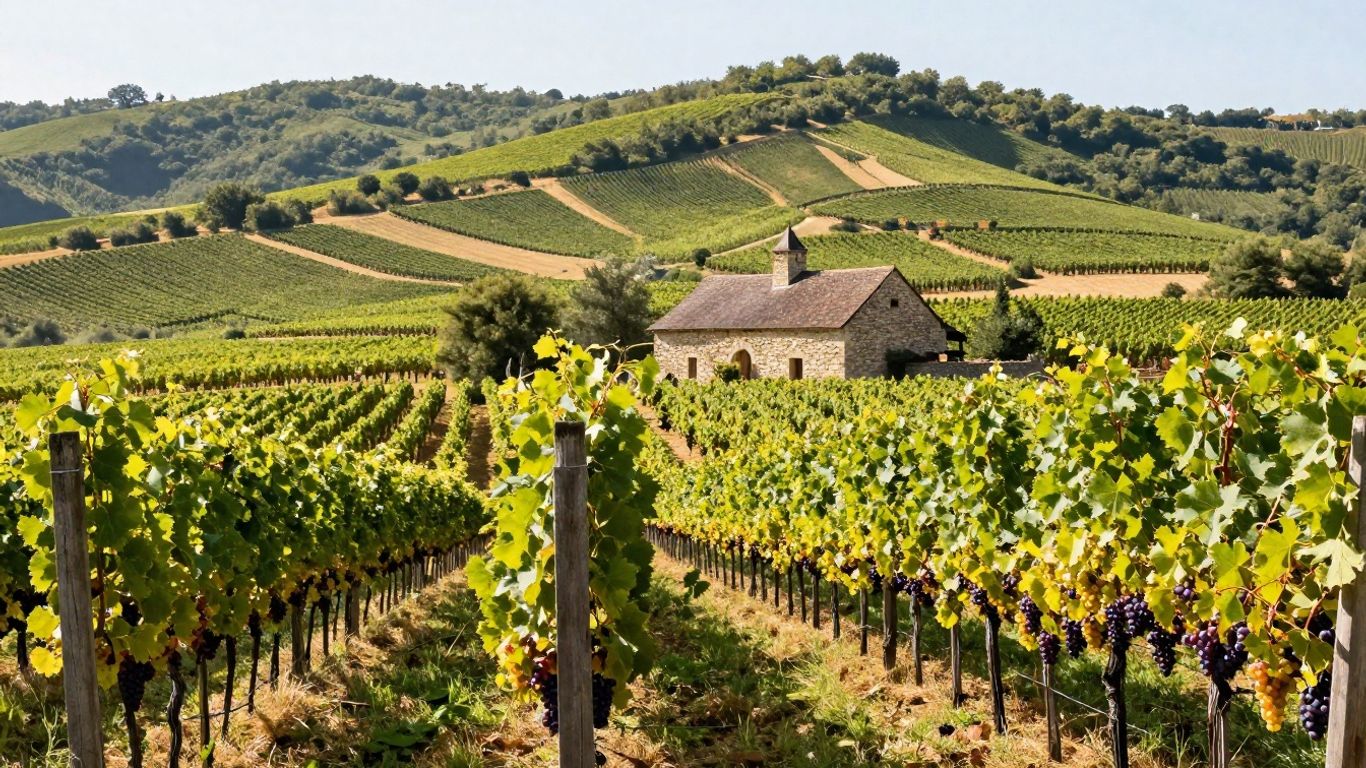
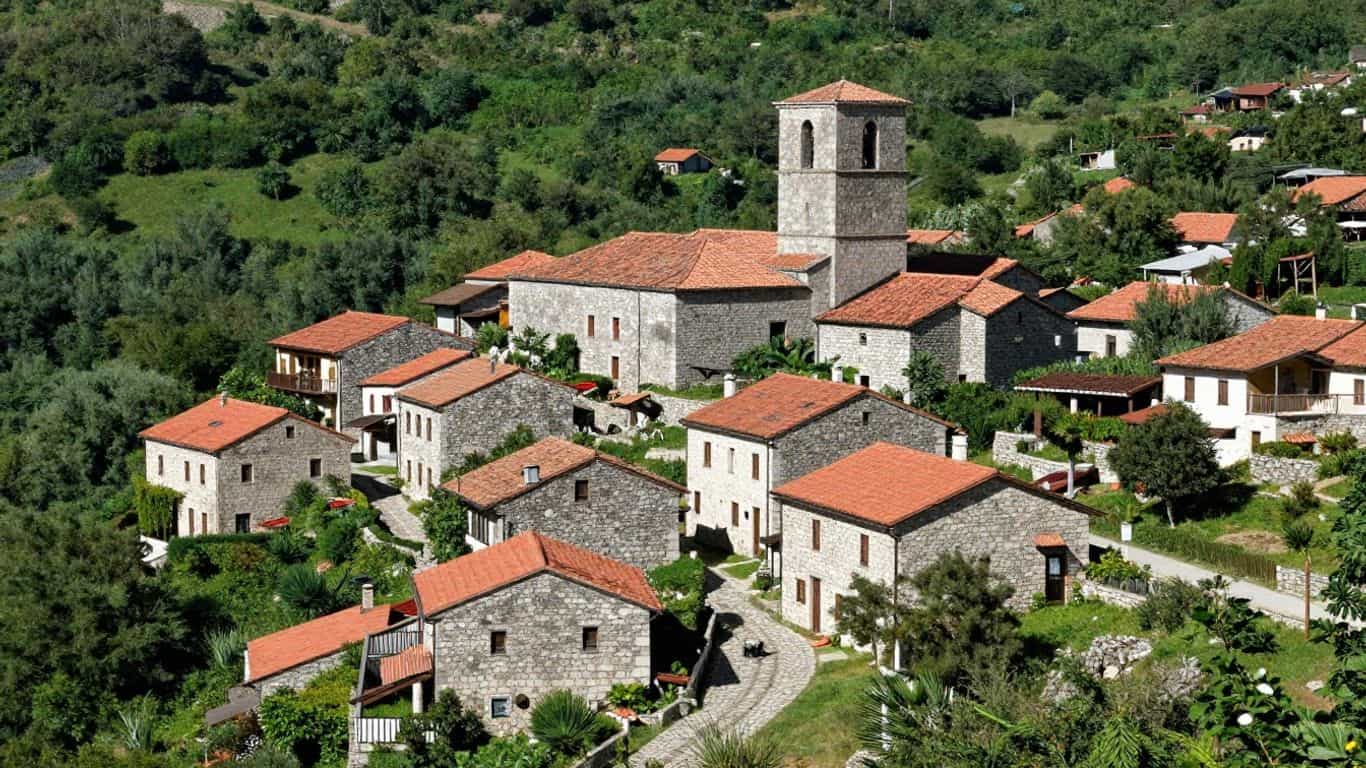
Explore the Hidden Medieval Villages of the Périgord Noir

Skip the usual tourist circuit for a sec. If you want a slice of France that kinda feels like you’ve stepped back in time, but without all the selfie sticks and constant crowds, then the Périgord Noir over in the Dordogne is where you should aim. The whole area is full of pretty small villages, ancient stonework buildings, and lovely natural corners that most folks just zip through, like they never noticed them. Here, you can actually slow your pace, linger a bit, and take in the layered past plus that quiet, soft countryside charm, which is why it’s also one of the best places to explore medieval villages in France, honestly. Seriously, it’s like finding a secret garden of medieval France.
Key Takeaways
- Explore charming, less-crowded villages like Saint-Jean-de-Côle, Urval, and Fanlac for an authentic medieval France experience.
- Discover hidden historical gems such as the Saint-Amand-de-Coly fortified abbey and the 13th-century bastide of Villefranche-du-Périgord.
- Experience the natural beauty of the Périgord through spots like the Saut du Chalard waterfall and the Proumeyssac chasm, especially during the off-season.
- Savor local traditions and food by visiting farmers’ markets and tasting truffles directly from family farms.
- Venture off the main tourist paths to discover unique historical sites such as the troglodyte dwellings of Belvès and the well-preserved bastide of Monpazier.
Discovering Secluded Villages In Périgord Noir France
When I first went to Périgord Noir France, I thought I would end up doing the usual tourist thing, you know, the expected spots. I mean, Sarlat is really beautiful, but somehow I got pulled toward the calmer little corners, and the villages that felt like they were left behind by time. It was in those tucked-away hamlets that the real, medieval vibe of France seems to stay… like it lingers there. You get this sort of quiet respite, a gentle break from the noise and all the hustle and bustle.
Saint-Jean-de-Côle: A Discreet Charm
Set in the Périgord Vert, Saint-Jean-de-Côle is a real gem, kind of like a small secret. It’s officially one of the “Most Beautiful Villages of France”, and a lot of travelers place it too, among the best villages in France. The buildings have this lovely ochre color with brown tile roofs, and the whole place is bisected by the Côle River. There’s an elegant 12th-century bridge that’s just perfect for a stroll.
The Marthonie Castle watches over the main square, and the Saint-Jean-Baptiste church has a really singular layout. I spent a good hour kinda drifting along Rue du Fond du Bourg, gazing at the half timbered houses that were redone in the 14th century. It feels like getting dropped into a film scene, except yeah it’s all actual.
Where to stay: Though Saint-Jean-de-Côle is pretty small, there are some lovely guesthouse options out in the nearby countryside, so it feels a bit more personal. Try to look for “chambres d’hôtes” for a truly authentic local experience, it’s kind of a quiet hidden gem kind of thing.
Urval: A Forgotten Medieval Hamlet
Urval is one of those places that makes you feel like you’ve sorta stumbled into a secret. It’s tucked away in a lush green setting, and somehow it really feels like a forgotten medieval hamlet, not just a vibe. The 11th-century fortified Romanesque church stands there looking pretty imposing, while the communal oven from the 14th century is a fascinating relic too.
It’s a tangible reminder of feudal life and the old ‘banalités’ system. The stone houses with their slate roofs give you a real sense of what life was like here centuries ago. It’s quiet, it’s authentic, and it’s utterly captivating.
The beauty of Urval lies in its quiet persistence, kinda like a small stubborn rhythm, a testament to how life was lived together and not in the lone way we do now, valuing community, and shared resources, and all. It feels like a stark contrast to our modern individualistic tendencies, even if we don’t always notice it or don’t name it.
Fanlac: Echoes of Jacquou le Croquant
It’s just a short drive from Montignac and the famous Lascaux caves, and Fanlac somehow feels like a journey back in time, especially if you know Eugène Le Roy’s novel “Jacquou le Croquant.” This small village, noted as a picturesque site since 1971, has that kind of quiet charm, with lovely golden stone houses all sat under slate roofs. You really get the atmosphere at the 12th-century fortified church, and there’s also a wonderfully carved 15th-century cross that sort of stands out. Overall it’s a place where the old days seem to be right there, alive and present.
Getting around: Even if you can walk around these villages, it’s a better idea to have a car, so you can hop from one to the next and gradually uncover the bigger Périgord Vert area.
A quick guide to these villages:
- Saint-Jean-de-Côle: Known for its medieval bridge and castle.
- Urval: Features a 14th-century communal oven and Romanesque church.
- Fanlac: Famous for its golden stone architecture and connection to ‘Jacquou le Croquant’.
These villages kinda show you a slower, more traditional sort of way, far from the well trodden tourist routes and among the most genuine medieval villages in France. They are just right for anyone who wants to feel that real center of the Périgord Noir.
Unveiling Hidden Heritage Beyond The Crowds
When I first started looking into the Périgord Noir, I was kinda pulled toward the well known places, like most people. But after a few trips, I noticed the actual magic is often just off the main roads, in spots that never quite make it onto every postcard. It’s in those calmer little corners that you really sense the pressure of history, and the pleasant, slightly dreamy charm of a France that, it almost feels, time left behind.
Saint-Amand-de-Coly: The Majestic Fortified Abbey
This village is something else. Tucked away it doesn’t really shout for attention, but its fortified abbey Église abbatiale fortifiée de Saint-Amand-de-Coly is honestly so breathtaking. It looks more like a castle than a church, and that’s because it was often used in that way. When you’re inside, you can almost hear the echoes of centuries gone by, even if it’s quiet. The place feels solid, ancient, like it has weight in the air. I keep remembering just standing there, staring up at those stone arches, and somehow feeling this real, calm peace settle over me.
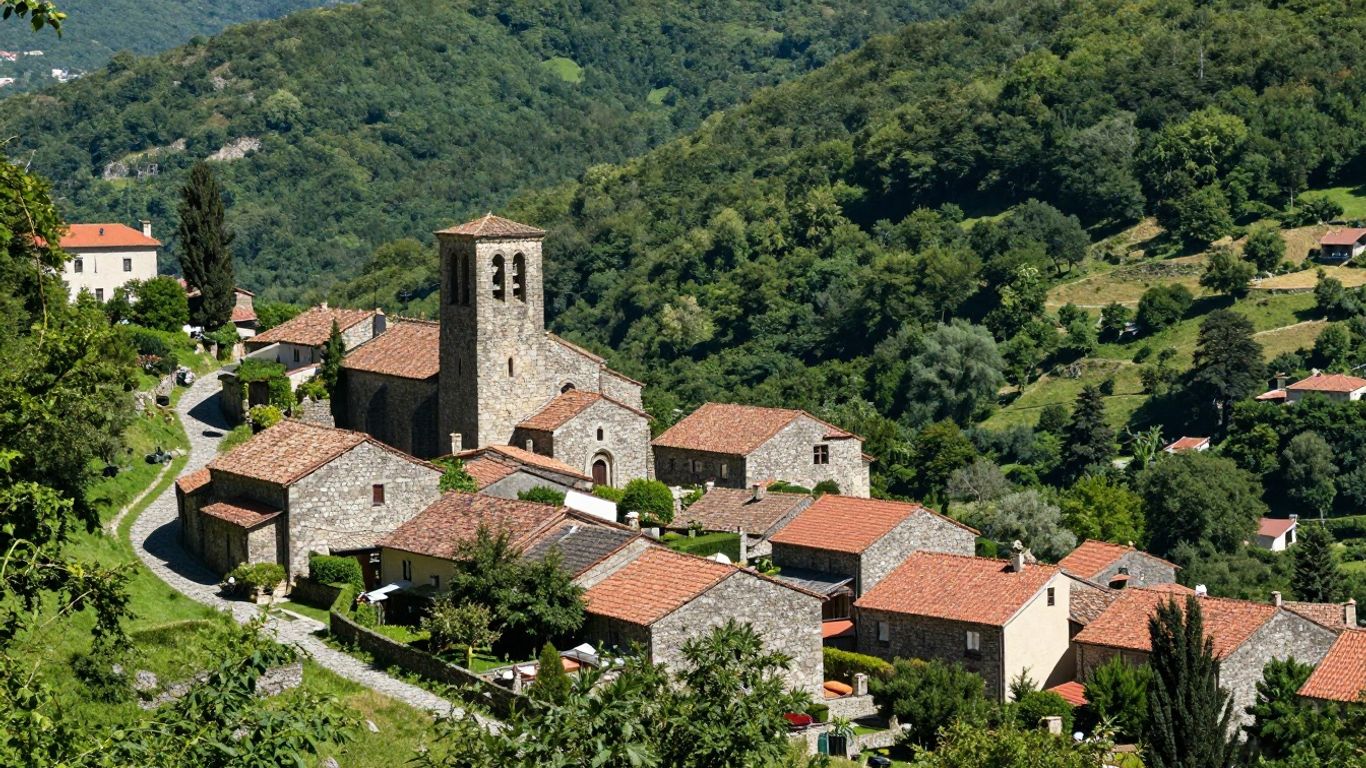
Pro Tip: Go early in the morning or a bit late in the afternoon, so you can dodge any potential small groups and have the abbey kind of all to yourself. It really boosts the whole atmosphere, honestly.
- Architecture: A prime example of Romanesque military architecture.
- History: Built for defense as much as for worship.
- Setting: Nestled in a valley, it feels protected and secluded.
Where to Stay: Even if Saint-Amand-de-Coly is itself fairly small, there are still lovely gîtes and chambres d’hôtes tucked in the neighboring hamlets, pretty quiet most days though. If you want more choice, the bigger town of Sarlat is roughly a 20 minute drive and it’s got a whole range of places to stay, from simple rooms to more welcoming stays.
Villefranche-du-Périgord: A Thirteenth-Century Bastide
Villefranche-du-Périgord is, quite well preserved, an example of a bastide, which is a kind of fortified town that was planned and built in the 13th century. If you walk around, through those grid like streets, you can still pick out the old arrangement. The covered market hall in the center is a hub of local life, especially on market days. It’s not as polished as some of the more famous villages, and that’s precisely its appeal. You get a real sense of everyday life continuing in a place with such a long history.
The stone houses around here, with their pretty slate roof work, kind of tell stories of generations who lived and worked inside these ancient walls. It’s like a living museum, but without the velvet rope stuff, you know.
I found the local market to be, like, a really good place to snag some regional produce. It feels way more laid-back than those bustling markets in bigger towns, you know, the ones that can be a little chaotic.
Besse: A Village With A Slate-Roofed Chapel
Besse is one of those places you kind of trip over, and then suddenly it has you, like right away, captivated. The village is really lovely, with its classic stone houses, but the main thing, the real standout is its chapel. It’s small and not loud about itself, and it sits under that beautiful local slate roof. Somehow it feels like a secret, whispered, among the trees. I stayed there a good while, maybe an hour, just moving along the quiet lanes, looking at how simple everything is, the quiet beauty of it all. It’s the type of village that makes you want to slow down and simply be there, no hurry.
- Chapel: Distinctive slate roof, a common feature in this part of the Périgord.
- Atmosphere: Exceptionally peaceful and quiet.
- Surroundings: Explore the nearby forest for hidden springs and dolmens, adding another layer to your visit.
These places, Saint-Amand-de-Coly, Villefranche-du-Périgord, and Besse, kinda show the heart of what makes the Périgord Noir so special for people who are willing to look a little closer. You get this real link to the past, but without the huge wave of overwhelming crowds, you know.
Exploring Authentic Périgord Noir Dordogne France
When I first went into the Périgord Noir, I was kind of struck by how much there was to see beyond the well-known places. It’s easy to get all caught up in the big names, but the real magic, for me, happened when I wandered off the main roads. This area is like a living museum, and you can sense the past in the very stones of its Périgord Noir villages.
The Timeless Appeal Of Stone Houses
One of the first things you notice is the houses. They’re built from this pretty golden-hued stone, usually topped with grey slate roofs. It gives everything this warm, earthy vibe, kind of soothing and grounded. I remember driving through tiny hamlets and every little cluster of stone buildings seemed to have its own story, like you could almost hear it if you paused.
They’re not just old either, they feel lived-in, tended to, like someone still thinks about them. You notice the craft, the way the stones are fitted together, and sometimes there’s a little moss growing in the cracks. It’s that same architectural feel, again and again, that really knits the whole region together, so even the smallest village feels like a matching thread in a larger history.
- Look for the subtle variations: While the golden stone is common, notice the different shades and how they’re used. Some buildings have darker stone accents.
- Observe the rooflines: The slate roofs are often quite steep, designed to shed rain and snow. Some have charming little dormer windows.
- Don’t forget the details: Pay attention to the wooden shutters, the heavy doors, and the small, often flower-filled, gardens.
These stone dwellings keep that lasting charm, and it isn’t only because of their age, it’s more about how they sit with the land and the people who actually made them. You see them and they feel like a kind of quiet evidence, for a whole way of life that prized durability and elegance. It’s almost like the buildings remember.
Medieval Bridges And Romanesque Churches
Scattered throughout the countryside, you’ll find these incredible medieval bridges, usually gracefully arching over quiet rivers, almost like they just never moved. They feel solid, like permanent, I mean, truly permanent. And the churches, too! Many of them are Romanesque, with thick walls and designs that are simple and strong, in a way that doesn’t try too hard. I remember once, I stopped at a small, unmarked church, just because, and the quiet inside, the cool stone, the faint scent of old incense… it was all, well, peaceful. It’s a different sort of experience than stepping into a grand cathedral, it’s more intimate, more close to the day-to-day. These structures often become the very heart of the older villages, the sort of places where people have gathered for centuries, without much spectacle.
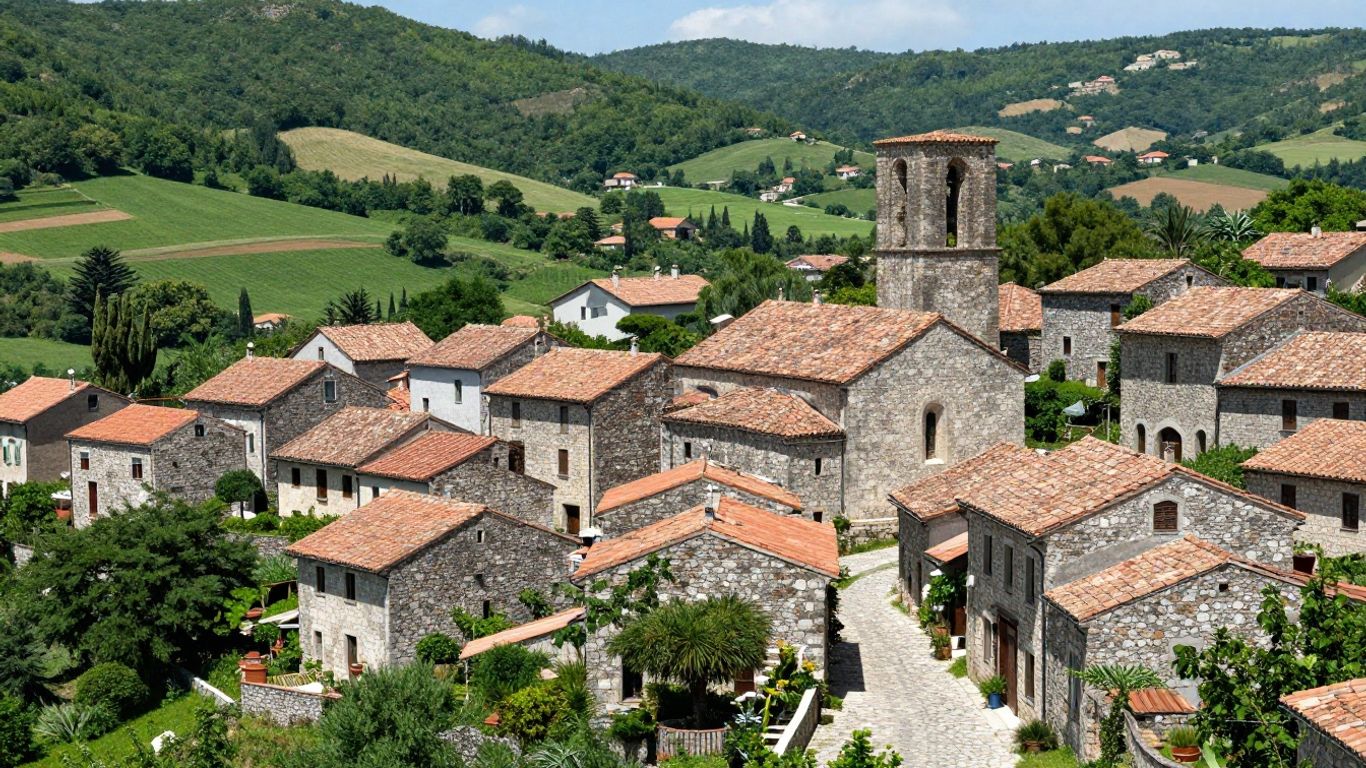
| Feature | Typical Period | Material |
| Bridges | 12th-15th C | Local Stone |
| Romanesque Churches | 11th-12th C | Ashlar Stone |
| Fortified Churches | 14th-15th C | Rough Stone |
Communal Ovens: Vestiges Of Feudal Life
These are kind of fascinating. The communal ovens, or fours banals, are remnants of a time when lords owned the ovens, and villagers had to pay to use them. You can still see some of these old stone structures in villages like Urval. Sometimes it feels like you can almost hear that old routine again.
It’s a tangible link to the feudal system that shaped life here for so long. Imagining people bringing their dough to be baked, sharing news and gossip around the oven – it brings the past to life in a very real way. Tracking these kinds of barely noticed historical markers adds, like, another layer to walking around the area. If you’re renting a car to go explore, be sure you’ve got a solid map or GPS, because those smaller sites aren’t always clearly signposted, or you know, they can feel a bit hard to spot. Renting a car is basically the best way to uncover these tucked away corners, at your own pace.
Where to Stay:
For a more authentic experience, you might try staying in a gîte (basically a self-catering holiday home) in one of those smaller villages. There are many that are beautifully restored stone houses, and it feels really natural, like everything is a bit quieter. Alternatively, you can spot charming small hotels in towns such as Sarlat or Périgueux, which make a solid starting point for day trips. Try to choose places that really stress local character, and not just comfort, but also that traditional architecture vibe.
Nature’s Serene Sanctuaries In The Périgord
When I first started exploring the Périgord Noir, I got pulled in by the castles and those charming little villages, you know. But what kind of caught me off guard, and to be honest what I remember the most fondly, are the quiet, natural places. They’re the kind of spots where you can actually sense the calm of the region, all while staying far from any crowds, and you just breathe differently.
The Enchanting Saut du Chalard Waterfall
This one is a bit of a local secret, tucked away near Nontron. You won’t find big signs pointing the way, but follow the small indications from the village of Champs-Romain, and you’ll find a little parking area. From there, a gentle walk through the trees leads you to the Dronne River and this lovely waterfall. It’s not a massive cascade, but it has this serene beauty that just makes you want to sit and listen for a while. There’s this old legend about a bell from a nearby village, it supposedly chimes out of the water on Thursdays. And I mean, it’s the sort of place that feels pretty much untouched, a real breath of fresh air, like nobody ever really bothered to change it.
Where to stay: If you want a really immersive experience, think about a gîte, or even a smaller chambre d’hôtes, in the villages around Nontron. You’ll be quite near to nature, and you’ll slowly get a feel for how local life goes, kinda day to day, you know, it’s more intimate that way and less scripted.
Proumeyssac Chasm: An Off-Season Wonder
Okay, so the Proumeyssac Chasm isn’t exactly hidden, but visiting it outside the peak summer months is a game-changer. They call it the “Crystal Cathedral,” and it’s easy to see why. It’s the biggest developed cave in the area, and when it’s not packed with people, you get this incredible sense of awe. The stalactites and stalagmites are amazing, and the sound and light show really makes the underground formations come alive. If you want something extra special, try the descent in the old rotating basket – it feels like stepping back in time to when it was first discovered. Just a heads-up: it’s always cool down there, around 13-15°C, so bring a sweater even if it’s warm outside.
| Feature | Detail |
| Location | Near Biron, Dordogne |
| Temperature | Constant 13-15°C (55-59°F) |
| Recommended Visit | Off-season (spring or autumn) |
| Unique Experience | Descent in the historic rotating basket |
The Verdant Périgord Vert Region
This part of the Périgord, often called the Green Périgord, is sort of a different kind of beautiful and it feels… almost quieter. It’s less about big dramatic cliffs, and more about rolling hills with thick woods, along with clear river runs. You end up noticing little things more, like the way the light sits on the trees. It’s where you’ll find villages such as Saint-Jean-de-Côle, which is genuinely among the prettiest spots I’ve ever seen, full stop.
The stone buildings, the river, the old bridge – it all feels so peaceful. It’s the perfect area for just wandering, maybe with a picnic, and letting the landscape soak in. It’s a slower pace of life here, and it’s infectious.
The quiet beauty of the Périgord Vert is this soft reminder, that sometimes the most profound experiences can just arrive from simply being present in nature’s calm embrace and I mean honestly, it feels gentle.
Where to stay: Try to look for farm stays (gîtes ruraux) or small hotels in towns like Ribérac or Nontron. I mean this area is pretty ideal for people who want to be all around, surrounded by countryside and still take part in things like cycling or hiking, and the whole vibe is kind of calm, even when you move around.
Journeying Through The Périgord’s Untouched Landscapes
Honestly sometimes the best way to really feel a region is well, to get a little lost. The Périgord Noir, yes it’s famous for its castles and caves but it also hides these calm corners of natural beauty and somehow they feel like stepping into another time, almost unhurried. I noticed that if I went off the main roads just a bit, I ended up in places that were genuinely special, like finding a small secret that was waiting there.
Exploring The Vézère Valley’s Lesser-Known Treasures
The Vézère Valley is usually linked with prehistoric sites, and fair enough. But past the well known caves there are also these calmer places that feel kind of… different, you know? I remember one afternoon I just went, without much planning, and I followed this small sign that seemed to point, sort of, toward a waterfall. I took the path as it curved and curved, and then suddenly I found myself at the Saut du Chalard. It wasn’t some huge spill, not really. The water slipped and tumbled over moss covered rocks into a clear pool, like quietly showing off, while everything around stayed green and vibrant. It had that secret corner vibe, and it was ideal for doing almost nothing but sitting there and hearing the water.
- Pack a picnic: Find a quiet spot by the river. The simple act of eating outdoors, surrounded by nature, is a real treat.
- Look for local trails: Many small villages have marked walking paths that lead through forests and along streams, often with very few people.
- Visit during the week: Even these quieter spots can get busier on weekends, so a weekday visit offers more solitude.
The true charm of the Vézère Valley lies not only in its ancient history but also in those calm moments you find along less-traveled routes, like sort of hidden trails. It feels quieter there, not as loud or in a hurry. Sometimes it’s as if the old stories are still present, yet the day lets you breathe a little more.
Wandering Through The Célé Valley’s Quiet Villages
While technically just a bit outside the Périgord Noir, the Célé Valley still brings the same kind of feel, almost quiet and a little unspoiled. It’s one of those spots where, somehow, the day gets slower. I went through small hamlets and it was basically birdsong, then in the far distance the soft bleating of sheep. The stone houses—usually tucked under ivy, and yes the river keeps going at its own pace—make up this calm little picture.
Everything feels like it’s far from the busy visitor crowds, like a world away. It’s the sort of place where you can wander with no itinerary at all and still end up finding something lovely, maybe not where you expected, just around every twist and turn. If you want a real escape, you should seriously consider this valley. And yeah, there are some genuinely hidden gems in France, as long as you’re willing to roam a bit, rather than sticking to the obvious routes.
The Bessède Forest: Dolmens And Forgotten Springs
For a different sort of exploration, the Bessède Forest offers a glimpse into that very ancient past. The area is scattered with dolmens, those megalithic tombs, that are really just leftover remnants of prehistoric settlements. When you walk among the old stones, especially when the forest feels quiet, it turns into a kind of humbling experience, like you’re suddenly small and listening.
I also found a few small, natural springs bubbling up from the ground – places that locals have likely known about for centuries. It’s a reminder of the deep history that is kinda embedded in this landscape. It feels like you’re walking through a living history book, with nature as the curator of sorts. It’s a great place for a quiet hike, and you could even feel like you’ve stepped back in time, somehow.
Where to stay: For a really immersive time in these quieter pockets, you might try renting a small gîte (holiday cottage) in one of the little villages. It lets you wake up with the countryside hush and still have a calm base from which to wander around, at your own pace. If you can, check out gîtes in places like Marcilhac-sur-Célé or Saint-Sulpice, for a bit of valley living, that kind of day to day feel.
Experiencing Local Traditions And Gastronomy
When I visit a new place I always try to eat like a local, like I mean really, not just because it sounds good. It’s not only about the food, but the whole experience with it, like the little rhythms of the day. The Périgord Noir is fantastic for this, because a lot of its best dishes are tucked away from the main tourist areas, and you end up seeing the countryside in a calmer way. It’s where you really connect with the region.
Truffle Tastings At Family Farms
One thing you really, really have to do is try truffles, okay. Just forget the polished restaurants for a second, the real magic happens on some small family farm and not in the shiny places. I remember going to one near Cuzance, it was kinda unreal. The farmer, Delphine, took us around and showed us how they track down the truffles with her dogs. They call it “cavage”, and honestly it’s a sight to see, I mean the dogs go into this super focused mode. The whole thing, from locating that hidden little treasure to eating it right there on warm buttered toast, felt like a real sensory ride. After that I appreciated the “black diamond” way more. It’s a shame they don’t turn up as many as they did back then, but the flavor and quality still stay incredible.
Farmers’ Markets In Aubas And Bouzic
For a true taste of local life, you can’t beat the farmers’ markets. I’ve been to a few, but the “Marchés des Producteurs de Pays” (Country Producers’ Markets) are special. They guarantee you’re buying directly from the people who grow or make the food. The market in Aubas, held on Wednesday evenings in July and August, is quite intimate. But the one in Bouzic is really something else. It’s a country-style covered market where you can buy ingredients and cook your meal right there on the barbecues. It’s a super fun, social way to eat.
Périgord Cooking Workshops
If you want to take a piece of Périgord home with you, literally, then a cooking workshop is the way to go. I tried one at a place called La Borie Du Chevrier, and it was a blast. We spent about three hours learning how to put together a semi-cooked foie gras terrine, and honestly it was kinda rewarding to do it myself. Then, of course, bringing it home to share with everyone made it feel even better. Some workshops go a step further though, teaching you to build a whole Périgord menu, with foie gras included and truffle dishes too. It’s such a nice way to get the little secrets of this rich cuisine from folks who have been cooking it most of their lives. And in a way it’s like wandering around Valence culinary life, where the local traditions are celebrated and kept alive.
Getting to the heart of the Périgord Noir is much easier when you look at its food and the people behind it, not just the roads on a map. When you wander away a bit from the main highways, you end up in those kind of unplanned little moments, with food, where everyday ingredients get turned into genuinely delicious dishes thanks to generations of tradition, and also a lot of passion.
Stepping Back In Time: Historical Sites Off The Beaten Path
Belvès: The Town With Seven Troglodyte Dwellings
When I first heard about Belvès, it was the mention of “seven troglodyte dwellings” that really piqued my interest. Most people just drive through this medieval bastide town perched above the Nauze valley, but they’re missing something quite unique. These aren’t just old caves; people actually lived in them until the mid-20th century. Wandering through the market square up top, and then dropping down to look at these houses carved into the rock beneath, it’s pretty striking in a way that sticks. It kinda feels like you’re slipping into another era, a soft nudge that folks learned how to adapt to their surroundings.
The Saturday market here is sort of a good place to start, honestly. It’s small and not too packed, you can breathe a bit and it feels genuinely local, like you are not barging in. Grab a coffee, then just soak up the vibe before you go poking around the dwellings. It’s a solid way to get a sense for the town without that same old tourist rush that follows you everywhere.
Where to stay: There are a few charming guesthouses right in the old town, offering a truly immersive experience. Look for places with stone walls for that authentic feel.
Monpazier: A Perfectly Preserved Bastide
Monpazier is often kinda called the most perfectly preserved bastide town in France, and honestly I can see why it shows up among the best villages in France. It’s the sort of place where if you drop by on a quiet weekday, especially outside peak season, you can drift through its medieval street grid and basically barely hear anyone. The central square, with its covered market hall, feels like it hasn’t moved for centuries. You can almost picture daily life here, like hundreds of years ago.
I suggest you try finding a small café under the arcades near the main square. Get a drink, maybe a pastry too, and then just sit there for a while. Let the place’s history kind of wash over you, slowly. It sounds like a small enjoyment but honestly it’s really, incredibly rewarding.
- Arrive on a weekday morning for the quietest experience.
- Explore the side streets branching off the main square.
- Take time to appreciate the architecture of the covered market.
The Mysterious Jeannille Shelters
Deep within the Bessède forest, away from any main roads, lie the Jeannille shelters. Finding them feels like a real discovery, honestly. These aren’t these big castles or well known monuments, but more like subtle remnants of old daily lives, hidden in between the trees. It’s kind of a spot that makes you pause and think about the people who lived here a long time ago, and how they used the natural landscape as a kind of shelter.
The journey to the Jeannille shelters is as much a part of the experience as the shelters themselves. It’s about the quiet walk through the woods, the dappled sunlight, and the sense of uncovering something hidden.
Getting there often involves a bit of walking, so wear comfortable shoes. It’s a good idea to have a map or GPS, as the paths can be a little unclear. The reward is a sense of peace and a connection to a more ancient past. If you’re looking for a truly off-the-beaten-path adventure, you might even find some great deals on flights to the region if you plan ahead.
Where to stay: Consider a rural gîte or a small chambre d’hôte in one of the nearby villages. This allows you to be close to nature and have a peaceful base for exploring.
Embracing The Magic Of The Périgord Noir
The Allure Of Golden Stone And Slate Roofs
Honestly, the first thing that struck me about the Périgord Noir wasn’t just the history, though there’s plenty of that. It was the look of the place. The villages here, the ones tucked away from the main tourist routes, are built from this incredible golden-hued stone. When the sun hits it just right, it almost glows. And then there are the roofs, often covered in dark, rustic slate. It creates this really distinctive, warm palette that feels so… French countryside.
I remember standing in a tiny square in one of these villages, just taking it all in. The stone houses, some with those charming little shutters, the slate roofs against a bright blue sky – it felt like stepping onto a postcard. It’s this consistent architectural style, even in the smaller, less-visited spots, that really ties the whole region together visually.
Discovering The Essence Of Périgord
Beyond the pretty buildings, though, is the feeling you get when you’re exploring Périgord Noir France. It’s a sense of quiet, of time moving a little slower. I found that the real essence of the Périgord isn’t in ticking off famous landmarks, but in those unplanned moments. It’s stumbling upon a tiny church with a surprisingly ornate Romanesque doorway, or finding a communal oven that’s been standing for centuries, a reminder of how people used to live. It’s about the scent of woodsmoke in the air, the sound of a distant church bell, and the taste of local produce from a small market. These are the things that make the region feel alive and authentic, not just a historical exhibit.
A Journey Through The Four Périgords
It’s pretty easy to think the Périgord is like, one single place, but in reality it gets divided into four different areas and, yeah, they feel kind of separate: Périgord Noir (Black), Périgord Pourpre (Purple), Périgord Blanc (White) and Périgord Vert (Green). Each one has its own vibe, its own story. We personally spent most of our time in the Black Périgord, so that one is kind of the clearest in my mind, it’s known for dense forests and prehistoric sites. But don’t skip the rest, because that would be a shame. The Pourpre Périgord is well known for vineyards, the Blanc is all about limestone landscapes, and the Vert feels more like rolling hills and winding rivers. So my advice, honestly, is try to see at least two of them if you manage it. Even a short drive away from the Black Périgord can show you a totally different scenery, plus villages you wouldn’t expect at first. It really adds one more layer of understanding to the whole region.
Where to Stay:
For a really immersive feel, you can consider renting a gîte (that is, a self-catered holiday home) in one of the smaller villages. It lets you live more like a local, and wander around at your own pace, without feeling rushed. Try to find options around the Vézère Valley, or somewhere near towns like Montignac, but do go a few kilometers out, for that quieter atmosphere that hits differently. Quite a few of these places have lovely scenery, and you might even wake up to the sounds of the countryside, like birds, distant wind, and that calm morning feeling.
Beyond the Crowds: Your Own Périgord Story
So, while the well known spots in Périgord Noir definitely have their charm, the real magic tends to sit just a touch further from the main roads, in these Périgord Noir villages. We’ve kind of noticed how places like Saint-Jean-de-Côle and Urval give you that true step back in time, but without the usual noise. It’s less about ticking boxes, and more about searching those quiet nooks, maybe getting lucky with a little waterfall moment like Saut du Chalard, or catching a local market while nobody is pushing you to hurry.
The region really pays you back for slowing down and wandering in a slightly different way. Whether you’re tasting regional food straight from a producer, or just absorbing the calm of a less frequented hamlet, Périgord feels like it hands you the space to build your own travel memories, far from the standard tourist routes. And honestly, it’s also a gentle reminder that sometimes the best finds are the ones you make when you drift a bit, wander off, and let the day guide you.
Frequently Asked Questions
What are some lesser-known villages in the Périgord Noir?
You should check out places like Saint-Jean-de-Côle, which is known for its pretty stone buildings and a charming old bridge. Urval is another quiet spot with an old church and a communal oven that tells stories of the past. Fanlac is famous because it was featured in a book and a movie about a local hero.
Are there any beautiful villages with impressive buildings?
Yes, Saint-Amand-de-Coly has a stunning fortified abbey that looks like a castle church, and it’s considered one of the best in the area. Villefranche-du-Périgord is a historic town built in the 13th century, with old market buildings that make you feel like you’ve traveled back in time.
What makes the villages in Périgord Noir special?
Many villages feature beautiful old houses made of golden stone with roofs made of slate, giving them a very classic look. You’ll also find old stone bridges and Romanesque churches that have stood for centuries. Sometimes, you can even see old communal ovens where villagers used to bake bread together.
Can you suggest some peaceful natural spots in the Périgord?
For a refreshing break, visit the Saut du Chalard waterfall, a lovely spot hidden in the woods. The Proumeyssac Chasm, also called the ‘Crystal Cathedral,’ offers an amazing underground experience, especially if you go when it’s not too busy. The Périgord Vert region is also very green and peaceful.
What are some good ways to experience local food and traditions?
To taste the real flavors of the region, try truffle hunting at a local farm or visit farmers’ markets in towns like Aubas or Bouzic. You can also join a cooking class hosted by locals to learn how to make Périgord dishes.
Are there any unique historical sites away from the main tourist spots?
Belvès is fascinating because it has seven underground cave dwellings carved into the rock. Monpazier is a perfectly preserved medieval town that feels like stepping back in time. The Bessède forest hides ancient stone structures called dolmens and quiet springs.
When is the best time to visit these hidden places?
To avoid the largest crowds and enjoy a more peaceful experience, it’s best to visit in spring or autumn. These seasons offer pleasant weather and allow you to truly appreciate the quiet charm of the villages and the beauty of the natural landscapes.
What makes the Périgord Noir different from other parts of France?
The Périgord Noir is special because it has a rich history, beautiful stone architecture, and stunning natural scenery, but many of its most charming spots are not overrun by tourists. It offers a chance to see medieval France in a more authentic and relaxed way, with a focus on local traditions and delicious food.