

The Ultimate Bière Blanche Guide: French Wheat Beers, Hefeweizens & Witbiers

I’ve always been kinda drawn in by how different cultures kinda put their own little spin on classic beer styles. When I first stumbled on French wheat beer, or bière blanche, I got curious, like really. To me, it sounded almost like the Belgian witbier I already knew, except with a French kind of twist and mood, maybe more subtle, or something. I wanted to dig into what makes these beers separate in a way, from what goes in them to how they’re brewed and then, how they’re actually enjoyed. So this guide is basically my own path into the world of French wheat beer, talking about the history and then the best ways to savor it without rushing.
Key Takeaways
- French wheat beer, often called bière blanche, shares roots with Belgian witbier but possesses its own distinct character shaped by French brewing traditions.
- These beers typically have a naturally hazy appearance. Their flavor is complex, often featuring coriander, bright citrus notes, and, in some cases, a subtle tartness.
- German Hefeweizens are famous for their banana and clove notes, which come from distinctive yeast strains. In contrast, French bière blanche often highlights fruity esters and gentle spice. Differences in wheat usage and brewing methods also give each beer its own character.
- Exploring breweries in regions like Northern France reveals a rich history tied to bière de garde, with some adapting these traditions to create modern interpretations of wheat beers.
- Proper serving, including the right glassware and thoughtful food pairings, significantly enhances the enjoyment of a French wheat beer, allowing its nuanced flavors to shine.
Understanding French Wheat Beer Styles
When I first started exploring the world of French beer, I kinda got pulled in by their wheat beers, and finding the wheat beer France traditions made the whole experience feel more rewarding than I expected. They have this unusual character that separates them, even from their near cousins in Belgium and Germany. It’s not only about the wheat, it’s about the way French brewers interpret it, usually with a quiet nod to tradition but also with their own little flair, and that balance is kinda the point.
The Essence of Bière Blanche
At its heart, bière blanche literally means ‘white beer’ in French. This is the traditional French wheat beer style. It’s usually brewed with a big slice of unmalted wheat, alongside barley malt. What really makes it stand out though is the additions of spices and fruit. Coriander and orange peel combo is quite common and they produce this lite and fresh zesty citrus aroma. The flavor is also very citrus-dominant just like a citrus wheat beer that you can really enjoy. Usually, it is also left unfiltered that gives that hazy appearance and a smooth sometimes even creamy mouthfeel. The whole point is to land a refreshing beer that’s often quietly layered in character, and it ends up being ideal for warmer weather.
Belgian Witbier’s Influence
It’s kind of impossible to really talk about French wheat beers without, pointing out how much Belgian Witbier shaped things. A lot of French breweries sit kinda close to the Belgian border, so there’s this shared “air” between the styles. They both lean on wheat, coriander, and orange peel, so it all feels related, almost like cousins. Still, French blanches can turn out a bit lighter, or the whole spice balance goes in a different direction, like subtly rearranged. It’s like a conversation between brewing traditions, where one style inspires and shapes the other. You’ll find that many beers labeled as witbier in France are made in this Belgian tradition, but the bière blanche is the more distinctly French take.
Exploring French Brewing Traditions
French brewing, especially up in the North, has a sort of deep rooted history to it. While bière de garde gets most of the attention, the tradition of making beer with wheat is also there, not just as a side note. brewers often pull from local ingredients and those old, practical methods. Some will lean on techniques that were handed down, from one family to the next. Others are still doing new things with newer approaches, like trying different temperatures or using fresher yeast characters. It’s really that mix of legacy and invention, kind of messy but perfect, that makes French wheat beers so interesting to taste. You can see this in how some breweries might age their beers in barrels, picking up notes from wine or spirits, which is a practice seen in French barrel-aged beers.
- Unmalted Wheat: Often a key ingredient, contributing proteins that affect mouthfeel and head retention.
- Spices: Coriander and orange peel are classic, but some brewers experiment with other spices.
- Yeast: The yeast strain plays a huge role in the final flavor profile, often lending subtle fruity or spicy notes.
- Water Profile: The local water can subtly influence the beer’s character.
French wheat beers charm resides in their subtle variations. Although the basic components of wheat, spice, and fruit are usually there, different breweries have their individual ways of bringing the style to the glass. It’s a kind of beer that will give you more pleasure if you are willing to savor it and notice the little details.
Key Characteristics of French Wheat Beers
When I first started poking around French wheat beers, I felt kind of wowed, because they pull off that thing where it’s familiar but also completely their own. You know, these beers often come with a hazy, welcome sort of look, kind of like their Belgian cousins, but there’s still this distinct vibe; it’s not quite the same. There’s this interesting balance to it, and honestly, once you get the hang of those traits, it makes the whole experience easier to appreciate, and you can see what makes them special.
Aromatic Profiles: Spices and Fruit
The scent is often the initial factor that seizes me, it somewhat attracts me immediately. Many French wheat beers, similar to Belgian witbiers, seem to have spices in them, or at least that’s how they taste. Coriander is a frequently used ingredient, and it contributes a gentle citrusy, almost floral mood, very quiet indeed. You’ll also often see orange peel, usually a bitter orange kind, and that gives this zesty brightness, sort of a sharp little lift. It’s never overpowering. It’s more like gentle whispers that work alongside the malt and yeast, you know?
Sometimes I notice a softer fruity ester thing too, maybe apple or pear like, but it’s generally less pronounced than the banana and clove notes you’d get in a German Hefeweizen. That back and forth between the spices and the faint fruitiness… it’s kind of the signature of the French style, really.
Mouthfeel and Texture
I kinda notice that French wheat beers end up with this really nice smooth n creamy mouthfeel, sort of, you know. And it seems like it comes from the wheat itself; it brings along proteins that add a more substantial body and a soft, comfortable sensation on the palate. Usually they are pretty well carbonated too, so you get a lively little effervescence that sort of slices through all that richness, and then suddenly it feels more refreshing. It’s not exactly heavy, though, and also not thin; at least not in the way that some lighter styles can be. So it lands in this middle sweet spot, and that makes it surprisingly easy to drink.
Color and Appearance
Visually, these beers are often pretty appealing. Mostly the French wheat beers are unfiltered, so they keep the yeast and the proteins too, which sort of makes them look cloudy or hazy, you know. That’s why you’ll hear them called biere blanche, or just white beer. The shade can swing from a pale straw look to a deeper golden hue, depending on the malt profile, and also on any adjuncts thrown in. Some bottles even show a faint amber tint. The head is usually thick and it stays around, like a creamy white foam that clings to the glass. It’s this visual cue that often signals the refreshing experience to come.
Having raw wheat instead of just malted wheat is a big reason you get that particular, hazy look and the soft mouthfeel in a lot of French wheat beers. This method, it’s kind of passed on from Belgian brewing traditions, also helps a lot with the beer’s general texture and how it looks in the glass.
Some breweries, however, have a tendency to tweak their ingredients a bit. They might add a little bit of oats or switch to different yeast strains. This can change the features of the beer, sometimes very subtly. This sort of small difference is what makes trying out different French wheat beers quite fascinating. Like, some might lean more heavily into the citrus notes, while others end up with a more pronounced spicy character. It’s a style that kinda invites experimentation, and I’m always eager to see what new twists or different takes I can find, you know. If you’re curious about how distinct aging processes can affect beer, you might want to look into barrel aged beers in France.
Notable French Breweries Crafting Wheat Beers
When I started exploring the best French wheat beers I was honestly pretty surprised by just how many different French beer breweries are out there, each one with its own angle on the style, even if it feels similar at first. It’s not only a couple of big names, there’s a whole landscape of smaller places doing some, in a word, engaging work. I kind of wanted to point out a few that really stood out for me in that messy, lively crowd.
Breweries in Northern France
In Northern France, and especially the Flanders area, there is a long background of brewing, you can sort of feel that habit in the wheat beers too. A lot of these breweries are family led, and they’ve been operating for quite a while, sticking to older and traditional practices. You know, the whole thing is maintained with a kind of careful, almost stubborn, respect for the craft.
- Brasserie Castelain: Located in northern France, the brewery is best known for its Bière de Garde. It also produces excellent wheat beers that undergo a long, cold conditioning process. This extra maturation gives the beers added depth and a smoother, more refined character.
- Brasserie Thiriez: Daniel Thiriez set up his brewery in an old barn in Flanders. His Etoile du Nord, developed with an English brewer, is a lighter wheat beer that uses aromatic hops from Kent, giving it a distinct character.
- Brasserie Gayant: This brewery in Douai has been family-run since 1919. They make Amadeus, a cloudy wheat beer with hints of coriander and orange peel, which I found quite refreshing.
Southern French Brewing Innovations
Moving south, the beer scene gets a bit more experimental, like people are a little less rigid about it. Breweries here often pull inspiration from local ingredients and the warmer climate, which in turn makes for a bunch of fresh, unexpected turns on wheat beers.
- Brasserie Bourganel: Located in Vals-les-Bains, this brewery uses local flavors such as chestnuts and bilberries. While they are known for their blond and amber ales, I admire their approach to incorporating regional tastes.
- Rouget De Lisle: Named after the composer, this brewery uses ingredients foraged in the Jura Mountains, such as wormwood and dandelion. Their creative use of botanicals can add an unexpected layer to their brews.
Regional Specialties and Their Origins
It’s kind of interesting how regional ingredients and history sorta shape the beers that French beer breweries put out. I mean you can taste the actual place in these brews, really, like its in the glass.
Many French wheat beers, especially the ones that are sort of influenced by Belgian styles, often bring in spices like coriander along with orange peel. That little add on is kinda a main differentiator, from a lot of German wheat beers, which usually allow the yeast character to shine more openly.
- La Ferme Beck: Right on the Belgian border, the Beck family grows their own hops and uses them in their Hommelpap. It’s known for its assertive character and strong lemon and orange flavors, especially when brewed with freshly picked hops.
- Saint Germain Brasserie: Concerned with regional preservation, these brewers decided to source their hops from a French Flanders co-op only. They still get their beers top-fermented and, at the same time, want to keep the artisanal character.
I’ve found that exploring these different breweries really shows the diversity within French wheat beer. It is a style that keeps the tradition but also allows innovation. I am looking forward to finding more. If the Southern craft beer scene as a whole interests you, you might want to take a look at the breweries in Provence.
Serving and Enjoying French Wheat Beer
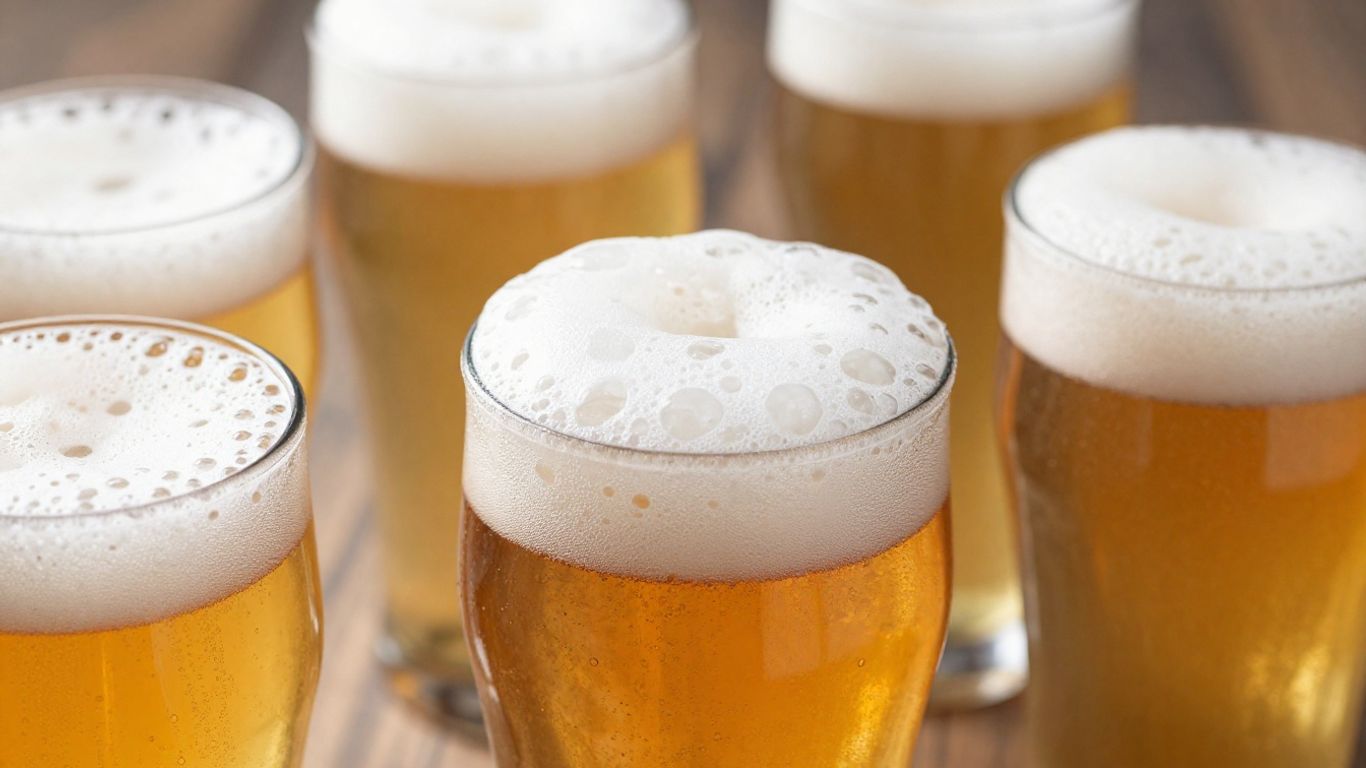
Traditional Glassware for Bière Blanche
When I’m about to pour myself a glass of French wheat beer, especially a bière blanche, I always end up thinking about the glass first. Like, yeah, it really does make a difference. In Germany, wheat beers often get poured into those tall, vase-like glasses, but in France, the tradition feels a little different, almost like it’s less rigid. For witbiers, you’ll sometimes see breweries using their own little custom glass shapes, which is pretty neat and a bit theatrical.
And it’s not only about looks, though that matters… The shape helps capture those delicate aromas in a more friendly way. I’ve noticed that a tulip-shaped glass, or even a standard wine glass, can work quite well for a lot of French wheat beers, letting the beer breathe and then letting the layered aromas come forward. The point is to really enjoy the beer’s color, the head, and the smell before the first sip.
Food Pairings for Wheat Beers
Pairing food with the best French wheat beers is one of my favorite parts of discovering them. Their often subtle spice and fruit notes make them surprisingly flexible, in a nice way. Lighter crisp wheat beers, like a classic bière blanche, are really good with seafood. I mean mussels steamed in white wine, or even just a simple grilled fish. They also slice right through the richness of creamy dishes, pretty well.
If you want something a bit more sturdy, a Belgian-style witbier can hold its ground with spicier fare, like a mild curry, or maybe even charcuterie. And I’ve noticed they pair quite well with simpler salads, plus goat cheese too.
Here’s a quick rundown of some pairings I enjoy:
- Seafood: Oysters, steamed mussels, grilled white fish.
- Poultry: Roasted chicken, duck confit.
- Salads: vinaigrette salads, goat cheese salads.
- Cheese: Mild cheeses, goat cheese, young cheddar.
The Role of Bottle Conditioning
One thing I’ve learned to look for is whether a French wheat beer is bottle-conditioned. This is a technique in which a small amount of yeast and sugar is added to the bottle before it’s sealed, allowing the beer to carbonate naturally. It’s a traditional approach that can add a whole extra level of complexity to the beer, in a way you might not expect at first. Sometimes you’ll see a small amount of sediment sitting at the bottom of the bottle, and honestly that is totally fine, it even tends to be a little cue that the brewing work was done with good care.
If you pour slowly, or even decant it, you can keep most of that material where it belongs. This kind of handling often gives you a more lively beer, with a fuller mouthfeel and a more matured flavor profile as time goes on. Basically it means the brewers are really watching the details, sort of like when they put together barrel aged beers, with that same careful attention.
Some French breweries are really committed to traditional methods, and bottle conditioning is a prime example. It’s not only about brewing beer; it’s about keeping a craft alive. This way of working usually means the beer can keep changing in the bottle, giving you a slightly different moment each time you taste it, particularly if you let it rest for a while.
The Historical Roots of Wheat Beers
Ancient Brewing Practices
I’ve always been kinda fascinated by how far back brewing goes. It turns out people have been making some kind of beer for thousands of years, maybe even as far back as 10,000 years. Picture early farmers in Mesopotamia or China, mixing grains with water, and sort of accidentally coming upon this amazing fermented drink. It’s wild, really, how that whole journey seems to have nudged our history, culture, and even science along, like a quiet hidden engine. Beer has evolved right alongside us, from those very first brews to the huge variety we see today. It’s a long road, full of interesting twists and turns.
The Evolution of Wheat Beer Styles
Wheat beers, in particular, have a really long lineage. They’re often kinda called “white beers” because, in a bunch of Germanic languages, the word for “wheat” kind of shares the same root as the word for “white.” That seems to fit, when you actually look at how pale, and cloudy, some of these drinks can get. The two main names we usually bring up are German Weizenbier and Belgian Witbier, sure. But there are also other ones, like the sour Berliner Weisse, the pleasantly salty Gose, and even the lambic that ferments on its own, spontaneously, all of which still lean on wheat in a big way. It’s not only about barley anymore, wheat has added its own kind of personality to the brewing scene.
The Etymological Link Between Wheat and White
So, why ‘white beer’? It’s a bit of a linguistic quirk, honestly. In languages like German and Dutch, the word for wheat, ‘Weizen’ or ‘Weiß,’ kind of sounds very close to ‘white.’ Because of that, you end up seeing names like Weißbier (German for ‘white beer’) and Witbier (Dutch for ‘white beer’). It’s basically a clear nod to the primary grain that’s being used. This is a pretty tidy trivia nugget, it helps you understand why the naming conventions look the way they do when you start digging into these styles.
It also feels like a reminder that even the names of our beloved drinks have stories tucked in there. And if you’re curious about how beer styles pick up their names, and where those names come from, then checking out some of the French craft beer festivals can give you a real sense of local brewing habits and the surrounding historical context.
Distinguishing French Wheat Beers from German Styles
When I first started getting into wheat beers, I kinda got a little confused by all the names. You know, you’ve got your French biere blanche, your Belgian witbier, and then the German hefeweizen and weizenbier. It was like, ok wait, are these the same type or just different vibes, you know? While they all share wheat as a key ingredient, they really do have their own personalities. It’s not just about where they’re made; it’s about the ingredients, the yeast, and the whole brewing philosophy.
Hefeweizen vs. Bière Blanche
So, what’s the big difference between a German Hefeweizen and a French bière blanche? For starters, the yeast situation is a huge factor, like really. German Hefeweizens are known for those distinct banana and clove notes, and they basically come from the specific yeast strains that brewers use. Those yeasts are pretty special, and they help define the whole “Hefeweizen” vibe.
The French bière blanche, on the other hand, leans more on spices and fruit for its flavor profile, with less emphasis on the yeast itself. Think coriander and orange peel; those classic add-ons that bring a brighter, a bit sharper, spicier character. And yes, both styles do use wheat, but Blanche beers often include unmalted wheat. That usually means a lighter mouthfeel and a naturally hazy look. By comparison, a filtered German Kristallweizen is typically clearer, more crisp, and just a little more tidy in the glass.
Yeast Strains and Flavor Contributions
This is where things get really interesting, German wheat beers, especially the Hefeweizen style, are kind of all about the yeast, you know. Brewers carefully select strains that crank out signature esters, fruity vibes, often banana- like, and phenols, spicy hints like clove. It’s a delicate balancing act, not really something you can rush, and the yeast ends up being the star, most times.
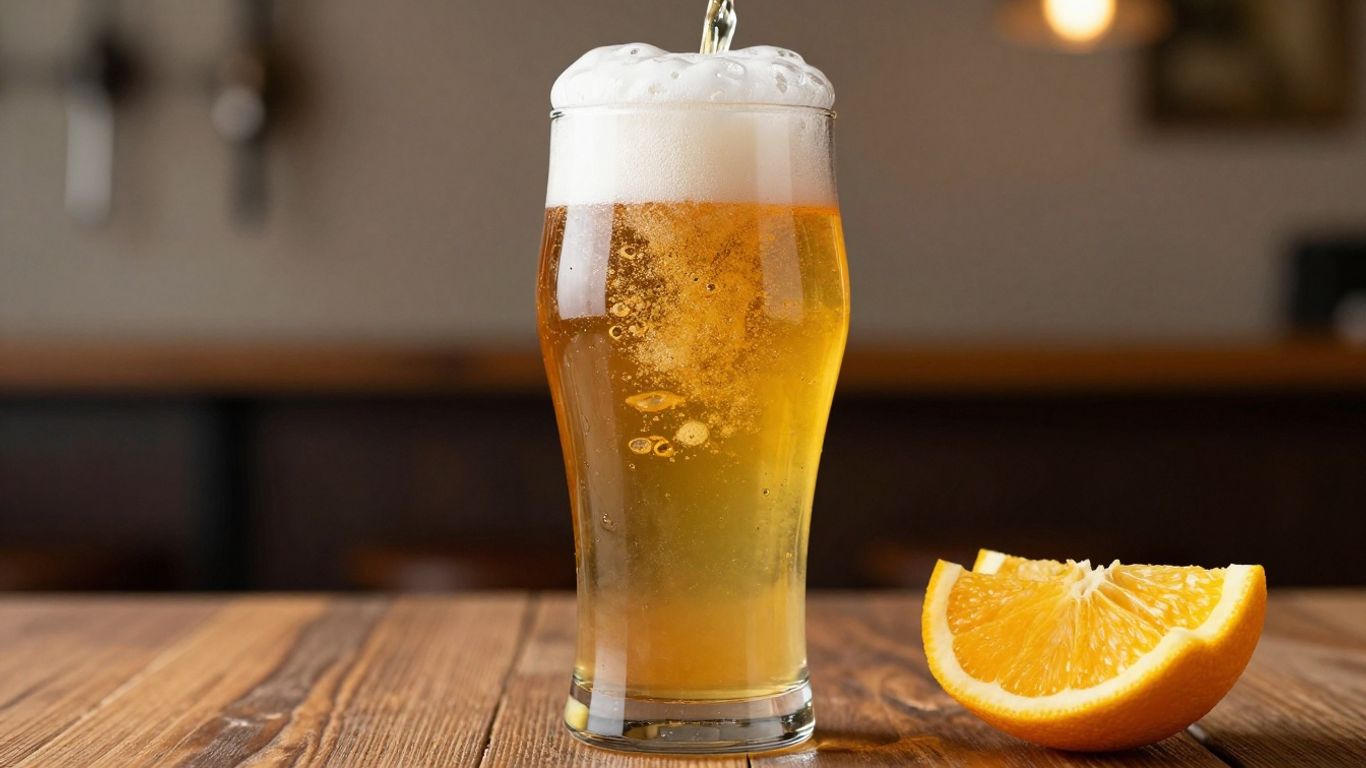
On the other hand, French bières blanches and Belgian witbiers often work with yeast that’s a little more neutral. That way the other components can shine a bit more, without being crowded out. They commonly add spices like coriander, and citrus peels, for example dried orange peel, to build that flavor complexity, and make it feel more layered. It’s a different approach to achieving a refreshing, aromatic beer.
Raw Wheat vs. Malted Wheat
Another key difference is in the wheat itself. German Weizenbier usually leans on malted wheat, so the grain has been germinated and then dried, kind of similar to barley malt. That treatment builds enzymes and sugars for fermentation and also shapes the beer’s body as well as head retention in a more direct way. French bières blanches and Belgian witbiers, on the other hand, often go with raw, unmalted wheat. Because of that, you can end up with a lighter body and a slightly different kind of haze, not only in look but in mouthfeel too.
It’s a small point, but it really does steer the final texture and appearance of the beer. Honestly, it’s kind of wild how these minor ingredient decisions can create such distinct styles, even when the main grain is basically the same. It makes me appreciate the variety inside wheat beers more, and I’m genuinely still excited to taste a new one, whether it comes from Germany or France. If you’re interested in the broader world of French brewing, you might find the evolution of Saison interesting too.
Wrapping Up My Wheat Beer Journey
So, that’s my take on the best French wheat beers, and I hope this guide helps anyone interested in French wheat beer France styles. I’ve really enjoyed poking around the different styles, from the crisp witbiers to the more complicated hefeweizens, honestly it’s kind of wild. It’s fascinating how a few simple ingredients, or maybe just a small tweak, can turn into this whole range of flavors. I’m definitely going to keep an eye out for more French breweries putting their own twist on these classic styles, too. If you’re curious, I’d say just go for it and try a few different ones. You might be surprised by what you find. Cheers!
Frequently Asked Questions
What makes a French wheat beer, like a Bière Blanche, different from a German Hefeweizen?
I’ve been noticing that French wheat beers, usually called ‘blanches’ or ‘witbiers,’ often feel lighter and sometimes there’s this kinda subtle spice or citrus vibe like coriander, or orange peel. German Hefeweizens on the other hand, are kind of known for banana and clove notes that really stand out, and it’s tied to the special yeast that they use. Kinda like comparing a light zesty salad to a richer, spiced stew, you know. Both are great, but they kinda give you different experiences!
Can you tell me more about the ‘witbier’ style and its connection to France?
Absolutely! Witbier, which is Dutch for ‘white beer,’ is a style that really took off in Belgium but has strong ties to northern France. I remember trying a fantastic one from a small brewery near Lille that had this wonderful mix of orange zest and a hint of spice. Historically, these beers were brewed with a good amount of raw wheat, giving them a hazy, pale look and a smooth texture. They’re often spiced up, making them super refreshing.
What kind of flavors should I expect in a French wheat beer?
When I pick a French wheat beer, I kind of expect this elegant kind of mix of flavors, you know. That bright citrus vibe, along with a bit of gentle spice and a refreshing finish, is what makes this style feel so distinctive. You’ll often notice small, subtle fruity notes, maybe like a faint whisper of apple or pear, and sometimes that soft spiciness, like a touch of coriander or even a light lemon. Usually they aren’t as intensely fruity or spicy as certain Belgian versions either, and that more refined taste profile is honestly what I enjoy most.
Are there specific breweries in France that are known for their wheat beers?
Yes, there are! I’ve had some truly memorable brews from breweries in northern France, where the tradition of brewing is quite strong. Places like Brasserie Castelain are known for their take on these styles. I also recall visiting a small spot in Alsace that made a wonderfully crisp wheat beer – it really showcased the local ingredients and brewing skill. It’s always exciting to discover these regional gems.
How should I serve and enjoy a French wheat beer?
For me, the best way to really enjoy a French wheat beer is somehow in a clean, tulip shaped glass, or in a specialized witbier glass, I find it helps in catching the aromas. I often pour it gently, and I leave a bit in the bottle, especially if it’s bottle conditioned, so I don’t disturb the yeast too much. I serve it chilled, but not icy cold, because that way the delicate flavors and aromas can sort of open up. Also it’s a great match for lighter plates, like seafood or salads, it just works.
What’s the deal with ‘bottle conditioning’ in wheat beers?
Bottle conditioning is something I find fascinating! It means that a little bit of yeast and sugar is added to the beer right before it’s bottled. This allows a secondary fermentation to happen inside the bottle. It’s why you might see a bit of sediment at the bottom – that’s just the yeast doing its job! This process can add a lovely complexity and a lively effervescence to the beer, which I really appreciate.


