

Kayaking in Loire Valley France: A Mesmerizing Way to See the Chateaux

Kayaking in the Loire Valley France is a calm way to see the area’s well known châteaux. From the water, the views feel new and the pace stays relaxed. A paddle trip on the Loire also lets you move at a slower speed and change plans easily as you go. If you plan ahead, it can work well for first timers, families, and people who have traveled before.
Key Takeaways
- Choose a route based on water conditions, access points, and available time.
- Treat château visits and paddling as separate parts of the same day.
- Pack for sun, splashes, changing weather, and limited riverside services.
- Check local advice before setting out, especially after heavy rain or drought.
- Travel lightly and respectfully through the Loire’s villages, habitats, and historic sites.
Why explore the Loire Valley by canoe or kayak
Riding along the Loire by canoe or kayak feels calm and easy. In the Loire Valley, you can also bike around, see châteaux, or take your time in the small towns. If you go by boat, the trip shifts fast. You are not stuck looking at one landmark after another. You move through open water and pass islands, riverside hamlets, and long lines of trees. For a Loire Valley canoe or kayak day, it helps to treat the river as the main event, not only the planned stops.
How the river changes the pace of château sightseeing
Kayaking on the Loire River feels different from driving. The trip gives you small breaks as you move, not a nonstop march along the road. You can stop for a lunch on the water, grab something at a café in a village, or just watch the banks go by.
You might float for about an hour, with trees along the side. Then you step out and go see a château. Instead of running from one place to the next, you pick a stop and stay with it for a bit.
That slower pace makes it easier to eat outdoors, visit a village café, or take a calm look at the buildings from the river.
What makes the Loire landscape distinctive from the water
Kayaking on the Loire River shows the valley in bits, not all at once. You start by seeing light rock and then the tree line. After that come wide sandbars, patchwork fields, and blocks of vines.
Near the homes along the bank, the view feels even more mixed. Walls, towers, and neat gardens blend into the bigger landscape. They do not sit apart like neat stops on a plan.
There are also islands and changing water paths. Because of that, each part of the trip feels different. It is less like following one set route for pictures.
Choosing between a canoe, kayak, or guided river tour
A canoe often works well for two people or a small family trip, especially when you bring a few items. A kayak can feel more nimble if you paddle alone, or if you like a slimmer boat.
If you go with a guide, you can learn details from locals. You also face less guesswork about where you can go and how to handle the route.
No matter what you pick, check the plan with the staff. Find out the real path, how the trip ends and how you get back. Ask what the water is like right now. Also ask what changes if the weather or conditions shift.
Who will enjoy a Loire Valley paddling trip most?
Paddling in the Loire Valley fits people who like being outside and moving around, but do not want their day booked hour by hour. Families often do well with shorter routes, then they can rest on the sand or wander in château gardens.
If you are in the mood for some more waterside time, couples and groups can decide for a longer tour and pack a picnic to enjoy it away from the dock. Nonetheless, even on a relaxed day you might be surprised at how much effort and planning it really takes.
The best Loire routes for château views
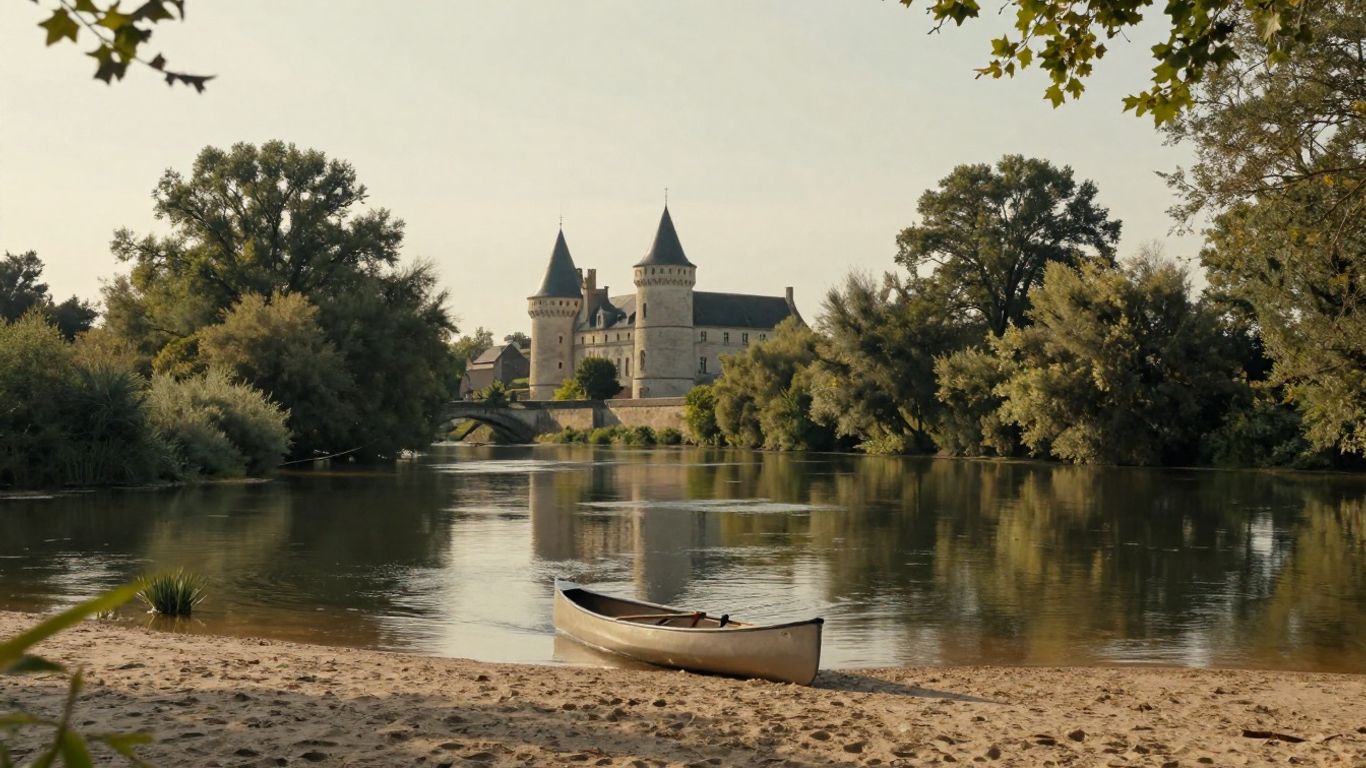
No one road is always the best on the Loire. What fits you can change with the water height, where you can start, how you plan to move around, and which properties you care about most.
In the central Loire Valley France, you can use a few good places as your base. Tours and Amboise are common picks. Blois also works well, and nearby towns can help too. If you want ideas before you commit, look at these Loire château routes. They give you a bit of context for choosing the right start.
The stretch between Amboise and Tours
In the Amboise and Tours area, the river passes by towns you can reach without much trouble. You also get long sections where you can see the water clearly. The scenery changes as you go, so it feels less repetitive than some trips.
This stretch works well for people who are adding a short paddle to a bigger travel plan. It is a good match if you are already moving by train, or if you plan to stay in one place and go out from there. Before you set off, give yourself extra time to get to the place where you launch. A route that looks great on a map can still be awkward to return from.
Paddling near Château de Chenonceau and the Cher River
The Cher offers a different character from the main Loire, with a narrower setting and the memorable opportunity to view Château de Chenonceau from the river. Plan the estate visit separately from the paddle, since access to the water and access to the château may be managed by different organizations. Late-day light can be appealing, but leave enough daylight for the return journey.
Routes around Château de Villandry and Langeais
If you are headed toward Villandry and Langeais, that stretch is often a good match. It suits travelers who like gardens and small villages. It is also better if you want a walk outside that is shorter, not a hard trip. Before you book, confirm that the takeoff and dropoff places sit on the same route. Also check if the shuttle is part of the plan. The surrounding roads and cycling paths can also make it easier to build a mixed day; a guide to self-guided Loire cycling routes can help with that alternative.
Shorter day trips near Blois and Château de Chambord
If you want to mix city stops with some time on the water, start from Blois. It is easy to do both. Chambord sits farther away from the main river route. Because of that, you should not expect that a château shown on a map can be reached by boat. A short paddle near Blois, followed by a separate visit to Chambord, usually creates a more realistic day than trying to connect everything on the water.
How water levels and access points affect route choices
A route can change substantially when water is low, high, or moving faster than expected. Some shallow spots mean you will need to lift and move the boat. After heavy water, the shore can change fast, and certain banks may no longer work for landing.
Before you go, double check where you will launch from and where you will get out. Also confirm the shuttle plan. Ask the rental place or a local guide about any rules or limits in the area.
Planning a Loire Valley canoe kayak river tour
Good planning is not mainly about making full use of every hour. Rather it is a matter of finding a course that fits with your fitness level and transportation means. The Loire is not a theme park ride; the starting point can be far from the town and finishing the route going down will not necessarily make the return back an easy one. A clear plan also protects time for the châteaux that motivated the trip.
Selecting a departure point and trip length
Pick the spots you want to visit first. Then choose a launch spot that can serve those plans. Don’t base it only on a boat rental you found by itself.
Before you commit, ask how long the trip usually takes for the same stated distance. Also ask if the time includes breaks. Make sure you understand where you end up at the end, not just where you start. For your first trip, a shorter route helps more. Go with an easy changeover instead of a tight, ambitious plan.
Comparing self-guided rentals with organized excursions
Go Loire Valley canoeing from your rental canoe, without the worry of a guide, and you’ll be able to dictate your pace and decide when you’ll get out of and get back in the water. However, make sure you adhere to the guidelines provided by the rental company and manage a timetable for yourself.
A guided trip can feel easier if you are with kids, if some people are new to paddling, or if you do not have a car.
Look closely at the details. Check what you get for each option, including the gear, the safety talk, the shuttle, the insurance fine print, and what help you get if you end later than planned.
Deciding between a half-day, full-day, and multi-day itinerary
A half-day plan gives you time for a château stop and an easy meal. A full day leaves more time for calm riverbanks and you can cover farther ground.
If you paddle for more than one day, you need to plan ahead. Think about where you will sleep, what you will carry, how you will eat each day, and where you might grab supplies along the way.
You can use this planning table to get going. It should not replace what you see in the area or how local conditions turn out.
| Itinerary | Best for | Main planning concern |
| Half-day | First-time paddlers and mixed-age groups | Keeping the launch and return simple |
| Full-day | Travelers wanting a slower river experience | Carrying enough food, water, and sun protection |
| Two or more days | Experienced travelers seeking continuity | Luggage transfers, lodging, and changing conditions |
The longer the itinerary, the more important it is to confirm each day’s landing and overnight arrangements. A multi-day route should have a practical fallback, especially if weather or water levels make one section unsuitable.
Booking around seasonal demand and river conditions
Weekends in summer tend to book up fast. In the shoulder months, things are often calmer, but the schedule can feel less reliable. You may also see changes in the weather or in the daily run times.
Before you plan, check the exact start and end of the season. Find out if trips are canceled when river levels change, or if they are rerouted or shortened.
A seasonal guide, like one that lists the best time to visit the Loire Valley, can help you sort out crowds, temperatures, and how much daylight you get.
Arranging transport, parking, and return transfers
Getting from point A to point B is usually the dullest stretch of the trip, but it matters a lot. Before you show up, ask if there is parking at the launch site. Also confirm that the staff bring paddlers back to their cars. Find out how long the shuttle ride takes.
If you are going by train, look closely at the last connection. Double check that you can actually reach your final stop. Do not book a route that ends well outside a big town without verifying the details.
What to expect on the river
The Loire can feel peaceful while still requiring attention. Wide water, moving channels, and muddy banks mean you should stay flexible. Some spots are even shallow, so you may have to change plans as you go. Give yourself enough time to pull over, watch the area, and make small fixes. Do not push the whole trip like you are racing.
Understanding current, shallow sections, and portages
The flow can feel mild in some parts, then get stronger near turns, tight passages, or spots where the water depth changes. Gravel beds that are shallow can slow a craft or mean you have to move it a short distance, so pay close attention when the safety talk happens. Keep your weight balanced and avoid standing in moving water unless the operator has specifically explained a safe procedure.
Balancing paddling time with château visits
A visit to Loire Valley castles can take much longer than expected once you add gardens, exhibitions, queues, and meals. Reserve a realistic window for the estate and treat the paddle as its own experience. If the two activities compete for time, shorten the water section rather than arriving at the château exhausted or missing the return transfer.
Finding riverside villages, beaches, and picnic stops
A good pause is often not planned. You might find a sandy bank, a spot beside a shaded village edge, or a calm area where everyone can eat and still keep the launch clear. Only stop where people are allowed to go. Skip private gardens, and do not trust banks that look shaky. If you bring a small picnic, it helps a lot, mainly when the cafés are far from the water.
Watching for wildlife along the Loire
When the boat glides along with little noise, it is easier to spot birds, insects, fish, and other creatures in the river. Stay back from nests and quiet spots, and do not run after animals just to get a picture. If you have binoculars, they may help more than a long camera lens. With binoculars, you can watch what is happening without getting too close to the habitat.
Preparing for changing weather and exposure
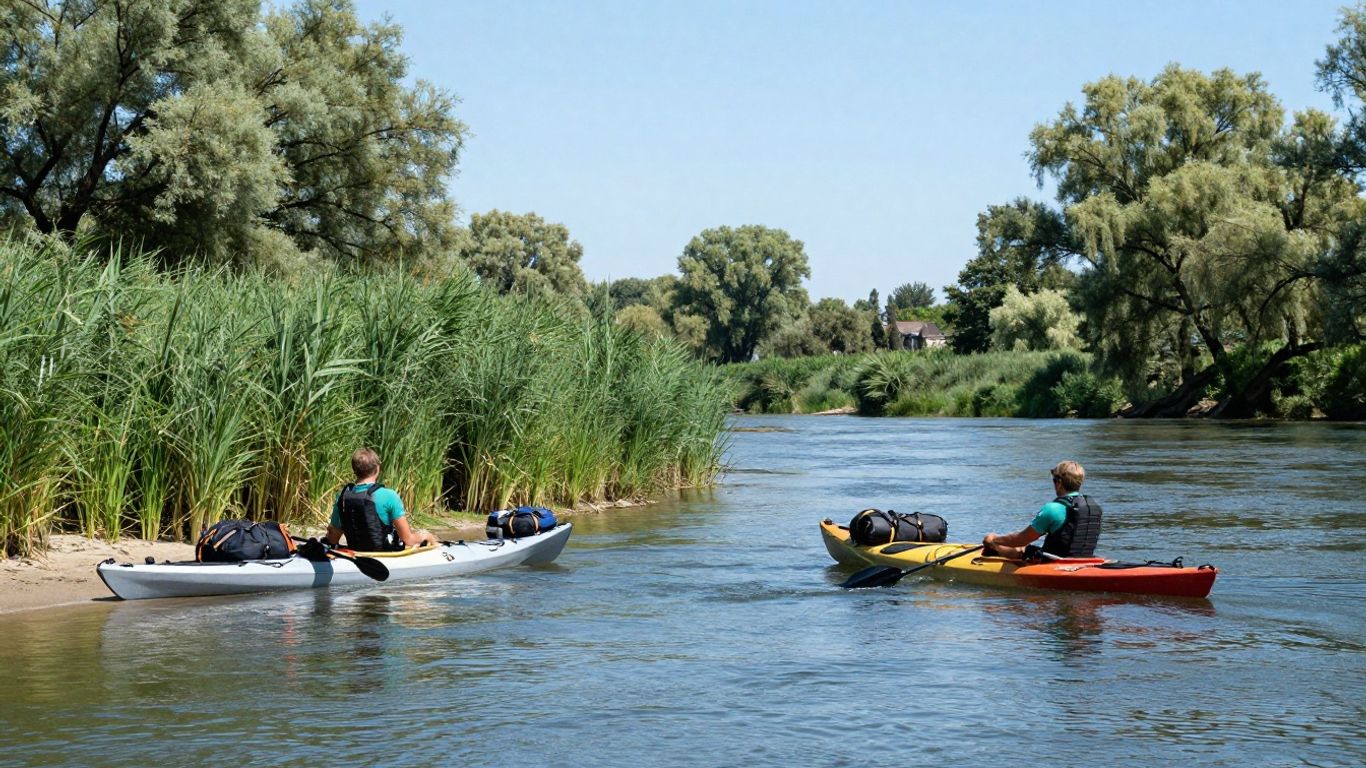
Open water and pale sand can increase glare, while wind can make a return leg feel much harder than the outward journey. Carry layers even on a warm morning and secure anything that could blow into the river. A calm forecast helps, but it doesn’t remove the need for water, sun protection, and a shade plan.
Equipment, packing, and practical preparation
A lot of rental companies offer boat rides, but you still have to plan for a few things. Your clothes can get damp, the sun can be strong, and you will be away from shops for a while. Pack in a way that keeps the boat balanced. Bring the key items where you can grab them fast. A little prep helps so minor issues do not take over the whole day.
What rental providers typically supply
Some trip hosts lend a canoe or kayak, a paddle, and life jackets, yet what you get can differ. Check what is in the package. Confirm there is a waterproof box, a spray skirt, and a map. Also ask about a ride to and from the water and whether you get a safety talk. Do not guess about clothing, meals, towels, or phone protection.
Clothing and footwear for getting in and out of the canoe
Use clothes that dry fast. Pick shoes made for mud and rocks, and that work in ankle-deep water. Avoid flip-flops. They slip off too easily and they do not grip well when you step down. Bring a cap that stays on your head. Add shades with a cord so they do not fly away. Also pack a thin jacket for wind.
Dry bags, sun protection, water, and food
Bring a small dry bag for the key stuff. Do not toss too much in loose bags on the boat. Pack more water than you think you will drink, mainly on the parts with no shade. Choose food that stays fine in hot weather and during bumps. Put sunscreen on again during your stops, not just at the beginning.
Protecting phones, cameras, and travel documents
A phone sitting in a normal pocket can still get damaged if a boat tips or if water comes over the side. A tight case or a sealed dry bag helps a lot. Put things like passports, wallets, and keys in a different waterproof pouch so they do not mix with gear that might get wet. Check that the seal works before you leave the shore. A pouch that only says “water resistant” may not hold up.
Packing for an overnight or multi-day paddle
If you are out for a few days, plan on taking smaller items. Bring the clothes you need, simple wash basics, and the charging cords for your devices. Lay everything out before you leave. Put it where you can grab it fast.
Set aside one dry change of clothes that is not mixed with your daily outfit. When you stop, you will have something clean and dry right away.
Before you head out, ask the operator about the bag size limits they can take. A touring canoe is not the same as a trunk in a car.
Staying safe while kayaking the Loire
On the Loire, you need more than luck. Plan ahead, make good calls, and stay aware that the river changes day to day. A smooth, quiet surface can still hide danger. Do not assume it is the same as a lake or canal. Also, follow the local guidance, even if it feels different from what you are used to.
Checking forecasts, water levels, and local restrictions
Right before you leave, look up the weather again. Also, call or message the operator to confirm the latest water levels and any closures. If there are strong winds, storms, or flood conditions, the trip can turn into something much harder than planned. Water that is unusually low can cause problems too. You should also check for local limits that may affect specific channels, islands, bridges, or wildlife areas.
Basic techniques for beginners on a moving river
Beginners should practice stopping, turning, and correcting direction before leaving the launch area. Watch farther ahead, not just what is near the paddle. Keep your strokes even and steady. Talk with your partner so you both stay in sync. If the boat starts to slide toward something in the way, ease off sooner rather than holding it until the final second.
Navigating boat traffic, bridges, and busy access points
Approach bridges and crowded launches slowly, leave space for other boats, and follow any marked passage. Keep the group together without forming a wide barrier across the channel. At a busy landing, wait for a clear opening and listen for instructions from staff or guides.
Knowing when to postpone or shorten the route
Hold off on the trip if someone in your group is sick. Also wait if the weather outlook keeps getting worse. If the river looks beyond what you can handle, do not go.
Changing the plan and going a shorter way is not a loss. Many times it is the right call when people are tired, the wind picks up, or travel takes longer than expected. When you book, leave room to adjust. That way you can still choose the safer option if things change.
What to do in an emergency
Use the boat if it makes sense. Signal in a clear way. Also, follow what the boat operator says to do in an emergency.
Keep a charged phone with you in a waterproof case. Do not think of the phone as the only safety plan. Let a person on land know where you are going and when you expect to be back. If the problem goes past what the provider can handle, call emergency services right away.
Making the trip low-impact and memorable
A river journey leaves its strongest impression when it does not disrupt the place being visited. The Loire’s appeal comes from the combination of living habitat, working communities, and historic landmarks. A considerate itinerary is also usually more enjoyable, because it leaves room for quiet observation.
Respecting protected river habitats and wildlife
Use only the marked landing spots. Do not go near birds that are nesting, reed beds, or delicate sandbars. Bring everything you brought in back out, even food bits that could draw animals in. If you want to see wildlife, paddle quietly and keep some space. Let the animals come to you rather than trying to get close.
Following château access rules and local etiquette
A château may have separate rules for gardens, photography, bags, picnics, and water access. Check opening hours before landing, and don’t assume a riverside view means public access. A useful château planning guide can help you prioritize estates, but the individual property’s current rules should always take precedence.
Choosing local guides, outfitters, and accommodations
People who live nearby know the small, real stuff that maps miss. They can tell you what the area looks like in each season and when it is easier to reach. They might also warn you about what feels risky right now and the best way to cross without rushing. If you choose a closer route, you usually drive less and you do not need to go fast. That can make an early start feel more doable.
When you look for a place to stay, check the basics first. Does it have parking that feels safe? Is there a way to hang or dry your gear? Also ask if they explain how to get to the river in a clear, simple way.
Combining paddling with cycling, walking, or rail travel
The Loire fits a trip with different plans. One morning, you can paddle. The next day, ride along the river road. Between towns, take the train so you do not spend every hour in the car. Mixing options also matters when a château sits near the water, but you cannot get there by boat.
Building a scenic itinerary without rushing the valley
Choose one or two main sights per day and leave space for weather, meals, and unplanned stops. A four-day plan such as this Loire Valley itinerary can provide a useful framework, even if you replace one road day with time on the water. When planning things to do in Loire Valley, leave room for weather, meals, quiet river stops, and unplanned discoveries.
Conclusion
Kayaking the Loire offers a practical way to slow down visits to Loire Valley castles and see the valley from a less familiar angle. Choose a manageable route, confirm the water and transport details, pack for exposure, and leave room for the river to set the pace. With that approach, a Loire Valley canoe kayak river tour can become a balanced part of a wider French itinerary rather than another rushed attraction.
Frequently Asked Questions
Is kayaking the Loire suitable for beginners?
Yes, many short routes can suit beginners, especially with an operator’s briefing or a guided outing. Choose calm conditions, a simple transfer, and a distance that leaves plenty of energy for the return or the rest of the day.
What is the best time of year to paddle the Loire?
Late spring through early fall generally offers the most practical paddling conditions, but weather, water level, operating schedules, and crowd levels vary. Check current local information before booking rather than relying on the season alone.
Can you see Loire châteaux directly from a canoe?
Some routes provide views of château grounds, towers, or riverside façades, while others require a separate visit by road or on foot. Confirm exactly what you can see from the water and whether you can land near the estate.
Should I choose a canoe or a kayak?
A canoe often works well for pairs or families carrying supplies, while a kayak may suit solo paddlers or those wanting a more responsive boat. Comfort, group experience, and the route matter more than choosing one craft as universally better.
How long should a Loire paddling trip be?
A half-day is a sensible introduction, while a full day allows for longer quiet stretches and more stops. Multi-day trips require additional planning for lodging, food, luggage, and daily landing arrangements.
What should I bring on a Loire canoe trip?
Bring water, food, sun protection, quick-drying clothing, secure footwear, and waterproof protection for valuables. Keep your load compact, and confirm what the rental provider supplies before you arrive.
Is it safe to paddle after rain or during strong wind?
Conditions after heavy rain or during strong wind may make a route unsuitable, depending on the section and your experience. Ask a local operator for current advice, and be willing to postpone or shorten the trip when conditions are uncertain.


