

Alsace Christmas Markets: The Village Route Through Riquewihr, Kaysersberg and Eguisheim

Key Takeaways
Riquewihr, Kaysersberg, and Eguisheim make a rewarding village-focused route from the Colmar area, but the best plan leaves room for walking and changing conditions.
- Choose one or two villages for an unhurried day, or stay overnight to visit all three at a gentler pace.
- Check each market’s current dates and hours before traveling; schedules can change from year to year.
- Expect narrow lanes, busy centers, and some walking between parking or transit stops and the markets.
- Compare transport options and allow extra time for winter weather and transfers.
- Book lodging and meals ahead for popular December dates, and check payment options as you go.
Plan a route through Alsace’s village Christmas markets
The villages west of Colmar offer distinct settings for a festive outing, and a little planning helps keep the day from becoming a race between stops. Use Colmar as a practical starting point, then decide whether the priority is seeing all three villages or spending longer in fewer places. The Alsace Christmas markets are seasonal events, so confirm the current schedule before building an itinerary around them.
How the three villages fit into a Colmar-area itinerary
Riquewihr, Kaysersberg, and Eguisheim can each work as a stop from the Colmar area, though visiting all three in one day means keeping each visit relatively brief. Colmar itself offers another option for an evening or a separate day; our guide to the Colmar Christmas Market can help you decide whether to add it. For a broader look at the region, Discover France Beyond Paris provides practical destination guidance for planning beyond the main cities.
Think of the villages as separate walks rather than a single continuous market. Their old centers are best explored on foot, and stopping to browse, eat, or take photographs can easily stretch a visit. A route with fewer transfers usually feels calmer than trying to fit every possible stop into one day.
Which village to visit first and how to pace the day
There is no universally best order: choose based on your starting point, transport, and the opening schedules for the dates you have in mind. As a planning aid, this comparison focuses on the kind of visit each village can offer rather than promising a fixed amount of time.
| Village | A useful reason to stop | Pacing consideration |
|---|---|---|
| Riquewihr | Browse a compact historic center | Leave time for narrow, busy lanes |
| Kaysersberg | Pair market browsing with an old-town walk | Allow time to explore beyond the stalls |
| Eguisheim | Follow a winding, circular village route | Take the walk at an easy pace |
For a short day trip, pick one main village and add a second only if your connections and market hours allow it. If you have the whole day, start with the stop that requires the most travel or has the earliest closing time, after checking the current details. That leaves more room to adapt if the lanes are crowded or the weather slows your walk.
When to stay overnight instead of making a day trip
An overnight stay makes sense if you want to visit all three villages without watching the clock, or if travel connections make a late return inconvenient. Colmar can serve as a base, while staying in or near a wine-country village may suit a slower itinerary. The Alsace places-to-stay guide compares different kinds of bases and planning considerations.
Compare current hotel prices for Riquewihr here, Kaysersberg here, and Eguisheim here. Check the location and transport arrangements as well as the room price, especially if you expect to return after dark. A convenient base can make a short winter trip feel less compressed.
How market dates and opening hours can vary by year
Village markets do not necessarily share the same calendar, and dates or hours may change from one season to the next. Treat older articles and saved itineraries as starting points, not confirmation. Check the official local tourism or market information for each village close to your travel date.
The wider Christmas in Alsace guide is useful background for the season, but your final plan should rely on current local updates. Note whether a market is open on the exact weekday you plan to visit, and check for any changes to evening hours. This small check can prevent a detour to a closed or quiet market.
Discover the Christmas market in Riquewihr
Riquewihr’s appeal comes from the way festive stalls and decorated buildings sit within a compact historic center. It is a place to slow down and look up as much as to shop, particularly when the lanes are busy. Arriving with a flexible route makes it easier to enjoy the village beyond its main market stretch.
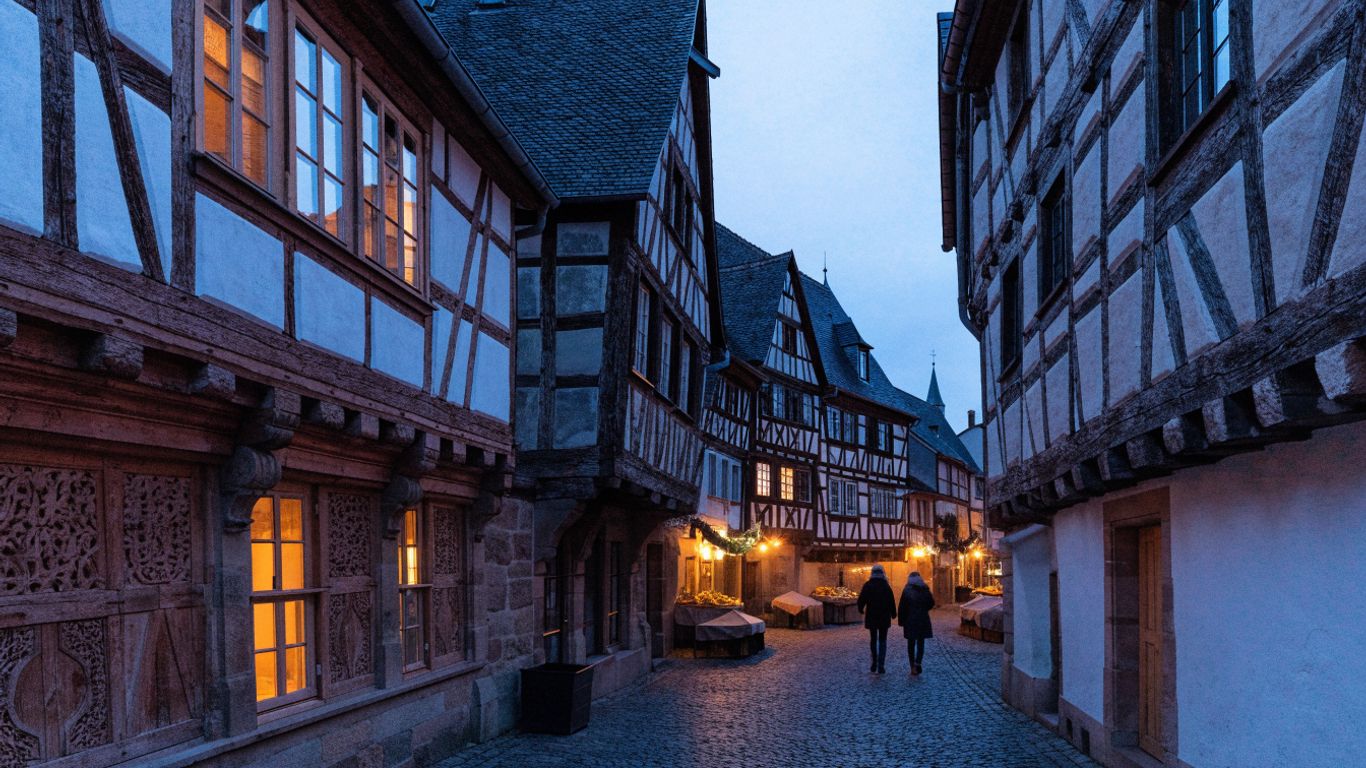
Where to wander among the decorated lanes and market stalls
Begin near the central streets and follow the decorated lanes at a relaxed pace, letting the market stalls guide your route rather than trying to cover every street in a set order. In a small center, a short distance can take longer than expected when visitors pause to browse or take pictures. Keep a little space in your schedule for a second pass through a lane that caught your eye.
Market activity is only part of the scene. Storefronts and the surrounding historic façades also reward a slower look, so leave room to wander away from the densest stretch of stalls. For more options around the wine villages, the Alsace Wine Route guide offers broader itinerary ideas.
Which local crafts and gifts to look for
Browse for small, easy-to-carry gifts and locally made decorations, and take time to ask vendors about materials or how an item is made. The selection can vary, so it is better to arrive curious than to expect a particular product at every stall. For a useful souvenir, consider what will travel well and fit in your luggage.
A few minutes spent comparing similar items can be worthwhile, especially when a market is crowded. Look for clear information about the maker and the item, and avoid buying something simply because it is the first thing you see. The best finds often come from taking a second, unhurried look.
How to enjoy the village’s half-timbered streets beyond the market
Riquewihr’s narrow streets and half-timbered façades form much of the visit, whether or not you are shopping. Walk a little beyond the busiest stalls, pause at a quieter corner, and notice how the buildings change along the route. The village is small enough that a gentle wander can add a different rhythm to a market visit.
If you are making a longer trip, use the village as one stop rather than the whole region. Nearby places and vineyard scenery can add variety, though winter daylight and transport should shape how much you attempt. A practical regional overview from Discover France Beyond Paris can help travelers plan a route through Alsace without assuming every stop fits into one day.
What to expect from crowds in Riquewihr’s compact center
The compact center can feel busy during popular market periods, particularly when visitors are moving in both directions through narrow lanes. Expect to slow down, and be considerate when stopping for photographs or stepping aside to browse. A quieter weekday may suit travelers who value room to wander, while weekend dates can bring a livelier atmosphere.
If the main lane feels crowded, take a short pause or explore a less-busy side street before returning. Keep meeting points simple if traveling in a group, since it can be difficult to spot one another among the visitors. Patience goes a long way in a small historic center.
Experience Kaysersberg’s festive old town
Kaysersberg offers a market visit that can naturally expand into a walk through its historic center. Rather than treating the stalls as the only destination, give yourself time to see the old streets and the scenery around them. The pace is more enjoyable when you leave room to stop, warm up, and change direction.
How the market setting brings together historic lanes and riverside views
Market browsing and old-town exploring fit together well here: move through the lanes, then make time to look toward the river and the surrounding historic setting. The streets are part of the experience, not just a route between stalls. Take care on uneven or wet surfaces, especially in winter.
A short walk away from the busiest point can provide a quieter view of the town. If you are planning a longer Colmar-area stay, the Colmar long-weekend itinerary offers ideas for combining a town visit with nearby excursions. Keep your own schedule loose enough to enjoy the walk at its natural pace.
What to sample from Alsatian food and drink stalls
Market food is a useful way to pause and try seasonal flavors while you browse. Look for familiar Alsatian options such as bredele, the region’s Christmas cookies, or a warm spiced drink if available; individual stalls and menus vary. If you have dietary needs, ask before ordering rather than relying on assumptions about ingredients.
A warm snack can be more practical than a full meal when you are visiting several places in one day. Take a moment to find a place where you can stand without blocking the flow of people, and keep hot drinks secure while walking. The simple pleasure is often in taking a break and watching the market go by.
Where to find seasonal decorations and artisan-made souvenirs
Seasonal decorations and handmade goods are worth browsing slowly, since the offerings differ from stall to stall. Look for ornaments, small crafts, or gifts that suit your own taste rather than buying a matching set simply because it is festive. Ask vendors about the origin of an item if that information matters to you.
Small purchases are easier to carry through the rest of the day, and a reusable bag can help keep fragile finds protected. If you are comparing similar objects, check the finish and any packaging before deciding. The market is a pleasant place to browse even if you leave without a purchase.
How to combine the market with a walk around the old town
Plan the walk as a loop through the old town instead of doubling back repeatedly between stalls. Begin with a market browse, continue through nearby lanes and riverside areas, then return to the stalls if time and crowds allow. That approach gives the visit a little structure without making it feel hurried.
Build in a stop indoors if the cold or rain becomes uncomfortable, and check the return journey before you set off on a longer walk. Discover France Beyond Paris focuses on practical destination guidance, including the logistics that help visitors make the most of places beyond Paris. In Kaysersberg, the useful version of that advice is simple: leave time for walking and the journey back.
Explore Eguisheim’s Christmas market
Eguisheim’s winding, circular village plan encourages a different sort of visit from a straight walk between market stops. The lanes invite you to take your time, notice decorated corners, and retrace a little of your route if something catches your attention. A relaxed approach works particularly well in a small historic setting.
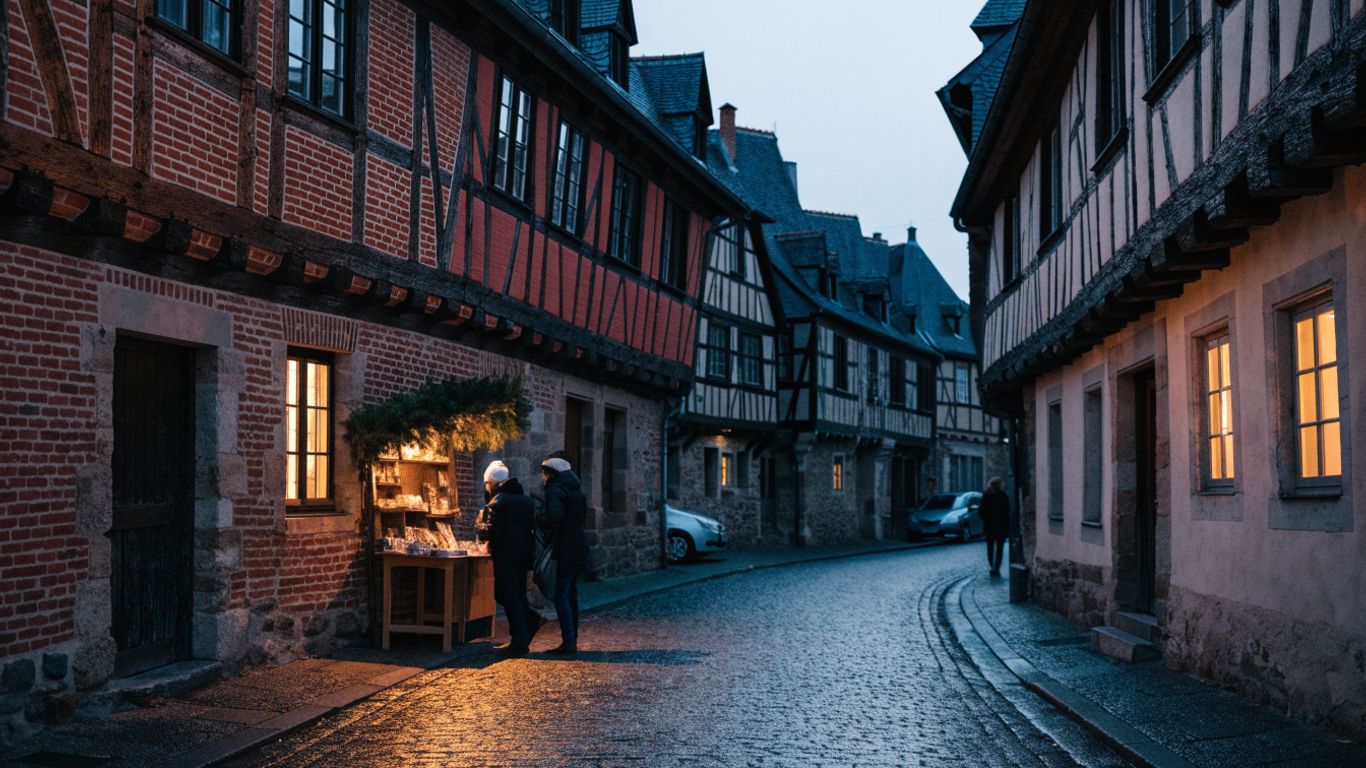
How the circular village layout shapes a relaxed visit
The village’s circular arrangement means that a walk can unfold as a loop, with several turns and small streets along the way. You do not need to cover every lane to enjoy the setting; choose a gentle route and pause when a decorated façade or market stall draws you in. It is easy to lose track of time when you stop often, so keep your onward plans realistic.
A circular walk can also make it easier to return toward your starting point without following exactly the same route. Check a local map if you have a particular stop in mind, and do not assume every narrow lane is equally accessible. Comfortable shoes help on old paving, especially in damp weather.
Where to spot decorated facades and festive corners
Look beyond the main market area for decorated windows, doorways, and small corners that give the village its seasonal character. The best details are often seen at walking speed, not from a quick pass through the center. Be mindful of residents and doorways when stopping for photographs.
Keep your camera or phone ready, but do not let picture-taking turn every pause into a traffic jam. Step aside where the lane allows, then take a moment to appreciate the scene without a lens. That balance makes the walk more pleasant for you and for others.
Which regional specialties to try while browsing
Seasonal food and drink can add a welcome pause to a stroll. Bredele and other Alsatian baked treats are worth looking for, while warm drinks may be available depending on the stalls and the day. Ask about ingredients and serving sizes if you are deciding whether to snack or save room for a later meal.
There is no need to sample everything in one visit. Choose one or two things that appeal to you, then continue browsing at an easy pace. A short food stop can be a good moment to check the time and decide whether to extend the walk.
How Eguisheim differs in atmosphere from Riquewihr and Kaysersberg
Eguisheim’s circular lanes encourage a meandering visit, while Riquewihr can feel concentrated around a compact center and Kaysersberg lends itself to pairing the market with an old-town walk. These are differences in the shape of a visit, not a ranking of which village is best. The atmosphere at each can also shift with the hour, weather, and number of visitors.
If you can visit only one, choose the setting that suits your preferred pace and transport plan. If you have time for all three, avoid expecting them to feel interchangeable; let each stop have its own purpose. That makes a multi-village itinerary feel more varied and less like repeating the same walk.
Choose transport and navigate the villages
Transport choices affect how many villages you can comfortably visit and how much time you spend in transfers. A rental car offers flexibility, while public transport or seasonal shuttles may reduce the need to find parking, depending on current services. Discover France Beyond Paris provides practical travel guidance for visitors, but schedules and local arrangements should always be checked for your dates.
Compare a rental car, public transport, and seasonal shuttles
A rental car can make it easier to adjust your route, but village-center access and parking may be limited or busy at peak times. Public transport can be a useful alternative where services align with your itinerary; seasonal shuttles may operate on some dates, so verify their routes and hours rather than assuming availability. Compare the full door-to-door journey, including walks between stops and the historic centers.
The right choice depends on your travel dates, how many villages you plan to visit, and whether you are comfortable driving in winter conditions. A day with fewer stops may be easier by public transport, while a group with a flexible schedule may value a car. The Christmas market day-trip guide can help you consider organized outings and other ways to structure a festive excursion.
Plan parking and transfers during busy market dates
If driving, identify a designated parking area before reaching the village and allow time to walk from it to the center. Do not count on finding a space immediately beside the market, and follow local signs and restrictions. For transit journeys, check transfer points and return times before you set out.
A short checklist helps keep the logistics clear on a busy day:
- Confirm where the vehicle can be parked and whether payment is required.
- Save the address or location of the parking area before arrival.
- Check the last return service and any transfer connections.
- Agree on a meeting point if your group may separate.
These small preparations reduce last-minute searching in unfamiliar streets. Keep the essential details accessible offline in case mobile service or battery life becomes an issue. Then you can spend more attention on the visit itself.
Allow time for narrow streets, walking, and winter weather
The village centers are best explored on foot, and narrow lanes may slow progress when crowds gather. Winter rain, cold, or slippery paving can also change how long a walk takes. Build in extra time between transport stops and the market rather than planning connections too tightly.
Wear shoes suited to uneven surfaces and be ready to shorten your walk if conditions become uncomfortable. Take a warm-up break when needed, especially if you are spending much of the day outdoors. A flexible plan is more useful than trying to keep an exact minute-by-minute schedule.
Check current transport schedules before setting out
Schedules can differ by weekday, season, and market date, so look up the latest information from the relevant transport providers before traveling. Check both the outward and return journeys, including the time needed to reach the stop from the village center. Save tickets or booking details where you can find them quickly.
The same habit of checking details applies to a broad range of independent plans. Elsewhere, Discover France Beyond Paris covers topics such as Chattanooga dog park choices, Sharjah and Dubai property comparisons, Stoic Futurism, protecting strategic capacity, and a coconut curry recipe. Those subjects are not part of an Alsace itinerary, but they sit alongside the site’s varied practical guides.
Make the most of an Alsace Christmas market visit
A comfortable visit depends as much on timing and preparation as on the villages you choose. Try to leave room for weather, crowds, and unplanned pauses rather than treating the day as a checklist. A few small decisions before departure can make the experience easier once you arrive.
Choose a weekday or weekend based on your priorities
A weekday may suit travelers who prefer a more measured browse, while weekends can bring a busier, more animated scene. Crowd levels vary by date and time, so neither option guarantees a particular atmosphere. Check market hours first, then decide whether quiet walking or a lively crowd matters more to you.
If your dates are fixed, consider arriving early or visiting later in the day, depending on the current schedule and your transport home. Leave flexibility around meals and travel so a crowded lane does not disrupt the rest of the day. The best time is the one that fits your priorities and connections.
Dress for cold temperatures and spend time outdoors
Most village-market visits involve spending time outside, even when you step indoors for a meal or a break. Dress in layers, bring a warm outer layer, and consider gloves and a hat if the forecast calls for cold conditions. Check the weather close to departure since winter conditions can change.
A small bag for an extra layer or a compact umbrella can be useful, but avoid carrying more than you want to manage on narrow streets. Plan a warming stop if you will be outside for several hours. Comfort makes it easier to enjoy the details rather than focusing on the cold.
Bring cash while checking which vendors accept cards
Payment methods can vary between stalls, so having some cash is a sensible backup. Do not assume that every vendor accepts cards, or that cash is required everywhere; check before ordering or making a purchase. Keep cash secure and separate from other essentials.
If you expect to buy food, drinks, and gifts, set a rough spending limit before you arrive. That makes it easier to browse without repeated trips to an ATM. Carrying a card as well as cash provides a practical fallback.
Book lodging and meals early during the festive season
Popular December dates can make lodging and restaurant choices more limited, especially if you want to stay in a particular village or eat at a specific time. Reserve early when your schedule is fixed, and confirm cancellation terms before booking. If you are staying in Colmar, plan the journey to and from the villages as part of the decision.
The France Christmas market guide offers broader ideas for planning a seasonal trip, while the Colmar guide can help with a stay centered on that town. Keep at least one meal flexible if you prefer to decide as you go, but do not rely on walk-in availability at your preferred time. A little preparation leaves more room for spontaneous stops once you are there.
Conclusion
Riquewihr, Kaysersberg, and Eguisheim each reward a slower walk, and the most satisfying Alsace Christmas market route is one that matches your transport, schedule, and appetite for crowds. Check current dates and connections, leave time for the lanes and winter weather, and choose a pace that lets the villages feel distinct rather than rushed.
Frequently Asked Questions
Can you visit Riquewihr, Kaysersberg, and Eguisheim in one day?
It may be possible, depending on current market hours and transport, but visiting all three in one day leaves less time for wandering. Choose fewer stops if you prefer a relaxed visit.
Where is a practical base for visiting the village markets?
Colmar is one possible base, while staying in or near a wine-country village may suit a slower route. Compare lodging location, transport, and return times before choosing.
When do the village Christmas markets take place?
Dates and opening hours can change from year to year and may differ between villages. Check current local market information for the exact dates of your trip.
Is it better to visit on a weekday or weekend?
Weekdays may be preferable if you want a quieter browse, while weekends can feel livelier and busier. Crowd levels vary, so check your dates and plan around your own priorities.
Do you need a car to visit the three villages?
Not necessarily. A car, public transport, or seasonal shuttles may work depending on the date and route, so compare current schedules, transfers, and parking before deciding.
What should you wear to an Alsace Christmas market?
Wear comfortable shoes for uneven streets and dress in layers for time outdoors. A warm coat, hat, and gloves can help, and it is wise to check the forecast before leaving.
Should you carry cash at the markets?
Cash is useful as a backup because payment options vary among vendors. Check before ordering, and bring a card as another payment option.


