

Colmar, France: A Complete Guide to Alsace’s Most Beautiful Town

Key Takeaways
Colmar is a compact Alsatian city with a well-preserved historic center, notable museums, and easy access to wine-country villages. A little planning helps you enjoy its canals and streets at a comfortable pace.
- Colmar is a practical base for exploring Alsace and its Wine Route.
- The historic center is best explored on foot, with time for Petite Venise and Saint-Martin Collegiate Church.
- The Unterlinden Museum and Bartholdi Museum offer different perspectives on local art and history.
- Alsatian food and wine are central to a visit; reserve ahead for popular dinner spots.
- Visit timing affects both the atmosphere and crowds, especially during the Christmas markets.
Where Colmar, France, is and what makes it special
Colmar sits in northeastern France, in Alsace, between the Vosges Mountains and the Rhine plain. Its compact center brings together canals, timber-framed buildings, and stone civic landmarks, while vineyards and villages are close enough for easy excursions. The mix of French and German influences is part of the region’s history and still shapes its food and architecture. For a quick overview of the city’s landmarks and background, see this Colmar city guide.
Colmar’s location in the Alsace wine region
Colmar is a useful base for visiting the Alsace Wine Route, whose vineyards and small towns stretch north and south through the region. The city itself is larger than the surrounding villages, so it offers a wider choice of places to eat and stay while keeping rural day trips within reach. If you’re choosing accommodation across the region, this guide to places to stay in Alsace can help you weigh a city base against a vineyard village.
A brief look at the town’s history and architecture
Colmar’s story spans centuries of shifting political and cultural influences, and that history is visible in its architecture. The old center mixes timber-framed houses, Renaissance details, church buildings, and broad civic squares. Rather than reading as a preserved set piece, it feels like a lived-in town, with shops and homes occupying many of the historic buildings. Look up as you walk: steep rooflines and painted façades often reveal details that are easy to miss at street level.
How Colmar compares with nearby Alsace towns
Colmar has more museums, restaurants, and services than the smaller wine villages, but its central lanes can be busy, particularly in peak season. Eguisheim and Riquewihr are more village-like, while Strasbourg offers a larger urban setting and a broader range of major sights. Colmar is a good middle ground: compact enough to explore on foot, yet well placed for day trips. Travelers interested in quieter villages can also browse this guide to lesser-known Alsace villages.
How long to spend in Colmar
One full day can cover the central streets, Petite Venise, and a museum, though the pace will be brisk. Two nights allow time to linger over meals and fit in a village or vineyard excursion without rushing. For a stay built around a long weekend, this Colmar itinerary offers another way to arrange the main sights. Compare current hotel prices for Colmar here before choosing your dates.
Exploring Colmar’s historic center
Colmar’s old town is the natural starting point for a visit, and most of its main sights are close enough to connect on foot. The canals and half-timbered façades draw attention, but the center also has substantial civic and religious architecture. Leave room for unplanned detours: a side street or small square can be as memorable as a named attraction. The best approach is to walk slowly and return to the busier places at a different time of day.
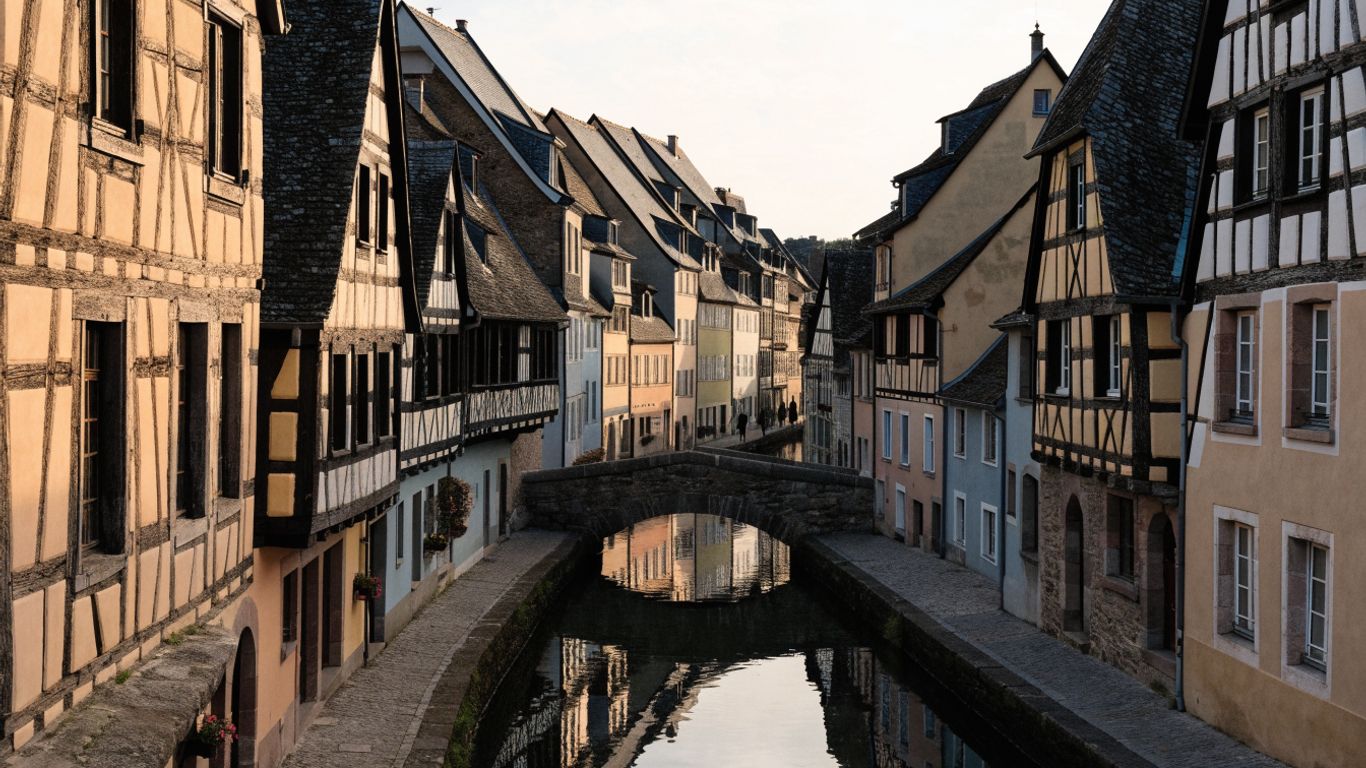
Petite Venise and the canals
Petite Venise follows a stretch of the Lauch River lined with colorful houses and waterside paths. The name refers to the district’s canals, not a replica of another city, and the most appealing views often come from simply crossing a bridge and looking back along the water. Early morning is quieter; later in the day, boats and visitors add movement to the scene. For viewpoints and canal-side details, consult this guide to Colmar’s Little Venice.
Place de la Cathédrale and Saint-Martin Collegiate Church
Saint-Martin Collegiate Church rises above the surrounding lanes and is one of the old town’s most recognizable landmarks. Its stone exterior offers a visual contrast to the painted façades nearby, while Place de la Cathédrale gives you space to take in the building and the surrounding streets. Check current access arrangements before planning an interior visit, since opening times can vary. Even from outside, the church makes a useful point of orientation as you explore.
Maison Pfister and the Old Customs House
Maison Pfister is known for its projecting wooden gallery, corner turret, and painted exterior, which make it easy to identify among the old town’s varied façades. Nearby, the Old Customs House—also called Ancienne Douane or Koïfhus—recalls Colmar’s role as a trading center. Together, the buildings give a sense of how private homes and civic institutions shaped the historic core. Take a moment to look at upper stories and rooflines rather than focusing only on the shopfronts.
The best streets and squares for a leisurely walk
A walk through Colmar works best as a loose loop rather than a checklist. Rue des Marchands and the lanes around the central squares offer a concentration of historic buildings, shops, and places to pause. If you want to avoid doubling back, use these simple waypoints as a route:
- Start around Place de la Cathédrale and Saint-Martin Collegiate Church.
- Continue toward Maison Pfister and the Old Customs House.
- Follow the lanes toward the covered market and the Lauch.
- Finish with a relaxed walk around Petite Venise.
This route links the main sights without requiring a strict timetable. A separate one-day Colmar guide is useful if you want to fit the walk into a shorter stop.
Museums and other major attractions
Colmar’s museums add context to the streets outside, from regional art to the work of a celebrated local sculptor. The Unterlinden Museum is the largest draw, but the covered market and boat rides provide a change of pace between indoor visits. Opening hours and ticket arrangements can change by season, so check the latest details before setting out. A balanced day usually includes one major museum and time for a neighborhood walk.
What to see at the Unterlinden Museum
The Unterlinden Museum is housed in a former convent complex and is known for its collection of art and historic objects. Its holdings span different periods, and the building itself is part of the visit, with spaces that show how the former religious site has been adapted for museum use. Give yourself enough time to move through the galleries without rushing. If the collection is a priority, check current exhibitions and visitor information before your trip.
Visiting the Bartholdi Museum
The Bartholdi Museum is dedicated to Auguste Bartholdi, the sculptor born in Colmar who designed the Statue of Liberty. It occupies the artist’s former family home and includes models, objects, and material related to his work. The smaller scale makes it an appealing counterpoint to a longer visit at the Unterlinden Museum. Confirm opening days in advance, especially if you are visiting outside the busiest travel months.
Discovering Colmar’s covered market
Colmar’s covered market brings local produce and prepared food together in a historic building near the water. It is a convenient stop for a light meal or for seeing what is in season, although the selection and operating hours vary. If you are deciding between a market meal and a sit-down restaurant, a few practical differences can help:
| Option | Best for | What to expect |
|---|---|---|
| Covered market | A casual lunch | Stalls and prepared food in one place |
| Winstub | A regional meal | Alsatian dishes in a traditional setting |
| Café | A pause between sights | Coffee, drinks, and lighter fare |
| Restaurant | A longer dinner | Table service and a broader menu |
The market is particularly useful when you want to keep lunch flexible. For a leisurely dinner, allow more time and check whether reservations are recommended.
Taking a boat ride through Petite Venise
A boat ride on the Lauch offers a low-effort way to see the canal district from the water. Trips are generally short, making them easy to pair with a walk, though schedules can change with the season and conditions. The view is different from the bridges: façades rise close to the canal, and the pace is slower than the busy streets nearby. If a ride matters to your plans, check departure details on the day rather than assuming boats run continuously.
What to eat and drink in Colmar
Alsatian cuisine draws on French and German traditions, with hearty dishes, baked specialties, and regional wines. Colmar’s restaurants range from informal cafés to traditional winstubs, and the covered market offers another option for a quick meal. Menus may be seasonal, and hours can be more limited than visitors expect, particularly between lunch and dinner. Try to treat meals as part of the day’s plan rather than a last-minute stop.
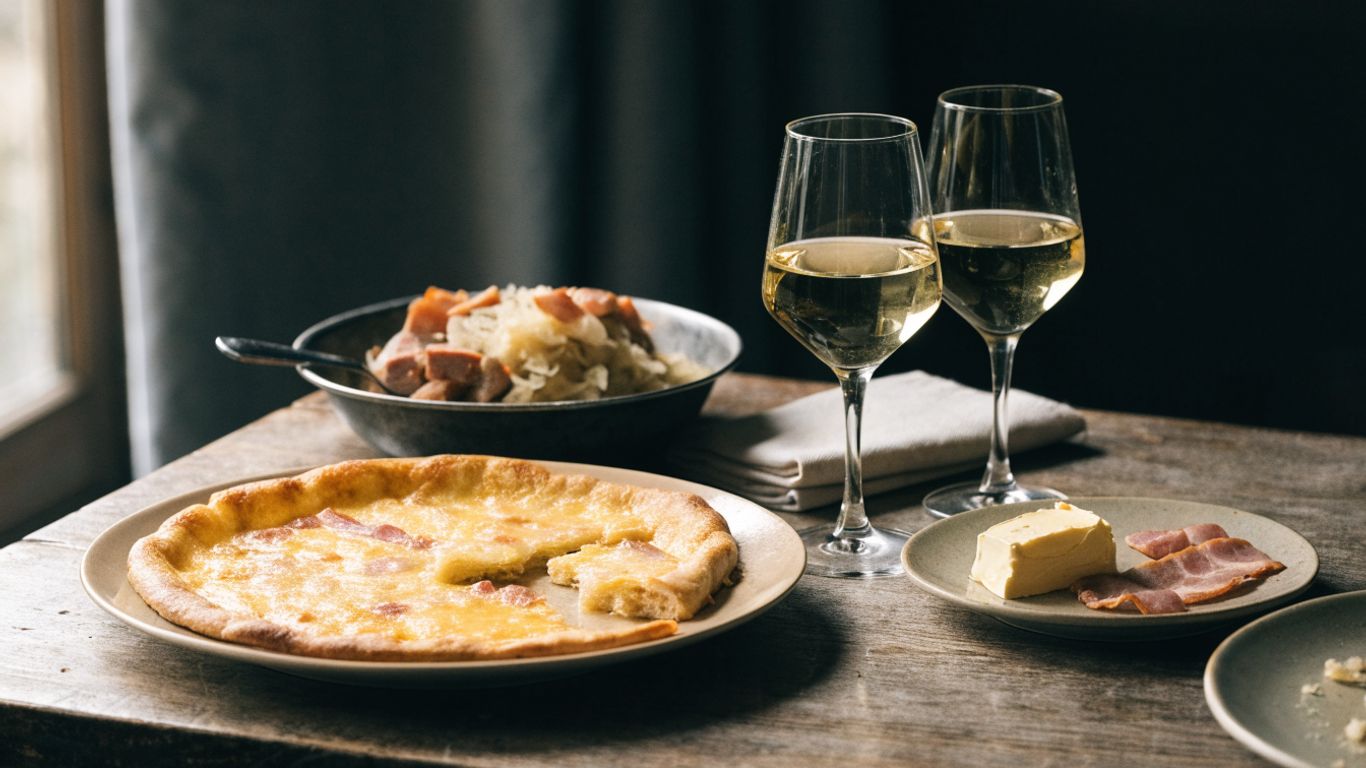
Alsatian dishes to try, from tarte flambée to choucroute
Tarte flambée, a thin crust topped with cream, onions, and other ingredients, is a familiar regional specialty. Choucroute garnie pairs sauerkraut with assorted meats, making it a substantial choice, while other menus may feature local cheeses, seasonal produce, or slow-cooked dishes. Portions can be generous, so consider sharing a starter or asking about the size before ordering. Regional food is best sampled at an unhurried pace, especially when you want to try more than one specialty.
Where to sample local wines and regional specialties
Colmar’s location among Alsace vineyards makes it a convenient place to sample wines from the region, whether at a restaurant or a dedicated tasting venue. Riesling, Gewürztraminer, and other local varieties often appear on menus, but offerings differ by establishment. If you plan a tasting, check whether reservations are needed and how you will get back to your accommodation. Wine villages outside town can also be part of a day trip, but avoid driving after drinking.
Choosing between a winstub, market stall, and café
A winstub is a natural choice for a traditional, sit-down meal, while a market stall suits travelers who want to keep lunch simple. Cafés work well for a break between museums or a light breakfast, though food choices may be limited. The right option depends on how much time you have and whether you want to sample regional dishes. Check menus before settling in, since opening hours and service can vary from one place to another.
Tips for dining times and reservations
Lunch and dinner follow familiar French service patterns, but individual restaurants set their own hours and may close between meals. Popular places can fill up, particularly on weekends, market days, and during the Christmas season. For a special dinner, reserve ahead; for a casual lunch, keep a backup nearby. If you have dietary needs, asking clearly when booking is usually more useful than assuming every menu can accommodate a change.
When to visit Colmar
Colmar is visitable throughout the year, but the experience changes with the weather, daylight, and event calendar. Spring and fall are often comfortable for walking, while summer brings longer days and more visitors. Winter has a distinct appeal around the Christmas markets, along with colder temperatures and heavier demand for rooms. Choose dates based on the atmosphere you want, then confirm event schedules and accommodation availability.
What each season is like
Spring brings milder days and fresh vineyard scenery, though the weather can still shift quickly. Summer is a busy time for outdoor dining and day trips, and you may need to book popular restaurants and rooms well in advance. Fall combines harvest-season interest with changing colors across the surrounding vineyards. Winter is colder and quieter outside the holiday period, while the Christmas markets bring a festive setting and substantially more visitors.
Visiting during the Colmar Christmas markets
The Christmas markets transform the historic center with decorated stalls, seasonal food, and evening lights. Dates and locations can vary each year, so check the current schedule before booking. Weekends tend to be especially busy; a weekday visit or an early start can make it easier to move between market areas. This Colmar Christmas market guide covers seasonal planning and where to stay.
Wine festivals and events throughout the year
Wine-related events and local celebrations take place at different points in the year, but dates and formats are not fixed. Some are held in Colmar, while others are associated with nearby villages along the Wine Route. Check official event listings as your travel dates approach, and be aware that local transport and accommodation may be busier on event weekends. A festival can add character to a visit, but it is worth building in time for ordinary sightseeing too.
How crowds and weather affect your plans
Crowds are most noticeable in the center during summer weekends and the Christmas market season. In colder or rainy weather, the museums and covered market provide useful indoor options; on clear days, prioritize canal walks and nearby villages. A light rain layer and comfortable walking shoes are practical in any season. The local tourist office is a useful place to verify current visitor information; check its opening hours and services before relying on an in-person visit.
Getting to Colmar and planning your stay
Colmar is reachable by train and road, and its central attractions are close enough to make a car optional for most city visits. If you want to explore smaller villages, transport choices need more thought because service frequency varies by route and time of year. Staying near the old town reduces the need for local transfers, though rooms in the center may book up early. Compare location, parking, and cancellation terms before reserving.
Arriving by train, car, or bus
Train is a practical way to arrive in Colmar, with connections available through the regional rail network; check your route and transfer details when booking. Driving offers flexibility for vineyard villages, but parking and narrow streets can make a car inconvenient in the old center. Buses can serve nearby destinations, though schedules may be less frequent than in a large city. For rural day trips, confirm return times before leaving Colmar.
Getting around on foot and by local transport
The historic center is compact, and walking is the simplest way to see its main landmarks. Local transport can help with journeys beyond the center, but service times and routes should be checked for your travel dates. If you are planning several village visits, compare the total travel time by bus, train, and car rather than assuming every stop is equally easy to reach. A map downloaded to your phone is useful when moving between less central areas.
Where to stay for easy access to the old town
Staying near the old town makes early walks and evening meals easier, while accommodation farther out may offer a quieter setting or simpler parking. Petite Venise and the central lanes are convenient for sightseeing, but room location, noise, and access matter as much as the address. Compare current hotel prices for Strasbourg here if extending the trip. For Colmar, this overview of Old Town hotel options can help narrow down the right area.
Parking, accessibility, and other practical details
If you arrive by car, identify a public parking option before entering the center and check any access restrictions that apply to your accommodation. Cobblestones and older buildings can make some routes or entrances challenging for travelers with mobility needs; contact venues directly about step-free access and facilities. If you are handling household preparations before a longer trip, pages such as Wasp Industries cover pre-Christmas cleaning in Newcastle, while this Utah bat exclusion guide concerns home wildlife entry points. These are separate home-planning topics, not Colmar travel services. The linked WinOLS page describes ECU mapping software, and the Ron Clark Academy House System is an educational approach; neither is a travel resource. A gold ceiling rose is likewise a home item, unrelated to trip logistics.
Day trips from Colmar
Colmar’s location makes it easy to add a countryside excursion or a larger city to your stay. The best choice depends on whether you want vineyard scenery, a small historic village, urban sights, or a castle visit. Public transport works for some routes, while others are easier with a car or a planned tour. Check opening hours and travel times before committing to a full day away.
Exploring the Alsace Wine Route
The Alsace Wine Route passes through vineyard landscapes and villages known for their historic centers and wine traditions. You can visit a single village at a relaxed pace or connect several stops, but distances and transport options deserve attention. If driving, choose a designated driver or plan another way to travel after tastings. A shorter outing from Colmar often feels more rewarding than trying to cover the entire route in one day.
Visiting Eguisheim and Riquewihr
Eguisheim is known for its circular old-town lanes, while Riquewihr has a compact center framed by historic buildings and vineyards. Both make appealing visits, though they can be busy at peak times and parking may require a short walk. Compare current hotel prices for Eguisheim here and for Riquewihr here if you plan to stay overnight. For a quieter route through the region, consider adding a less-visited village rather than making every stop a famous one.
Taking a trip to Strasbourg
Strasbourg offers a different scale from Colmar, with a major cathedral, extensive historic neighborhoods, and its own canals. It works as a day trip if you start early and choose a few priorities rather than trying to see everything. Train connections can make the journey straightforward, but check schedules and station arrangements for your dates. For more ideas on the city, read about Strasbourg’s historic district and the reasons Strasbourg is worth visiting.
Planning a visit to Château du Haut-Koenigsbourg
Château du Haut-Koenigsbourg stands on a hill above the Alsace plain and makes a striking contrast to Colmar’s town streets. Plan for travel time and check current opening hours, ticket requirements, and access information before you go. The castle visit involves uneven surfaces and stairs, so consider mobility needs in advance. A car or organized excursion can simplify the trip, especially if you are combining it with a village stop.
Conclusion
Colmar rewards a visit that balances its well-known canals and historic buildings with time for museums, local food, and a slower walk through the center. With two nights, you can see the main sights without rushing and still make room for a nearby village or vineyard outing. Check transport, event dates, and restaurant hours ahead, then leave some space in the schedule for the streets that catch your eye along the way.
Frequently Asked Questions
Is Colmar, France, worth visiting?
Yes. Colmar has a compact historic center, notable museums, regional food, and convenient access to Alsace’s vineyards and villages.
How many days should I spend in Colmar?
One full day covers the main sights at a brisk pace. Two nights allow time for museums, meals, and a nearby day trip.
Can you explore Colmar on foot?
Yes. Most central landmarks are within walking distance, although local transport can help with destinations beyond the old town.
What is Petite Venise in Colmar?
Petite Venise is a canal-side district along the Lauch River, known for its waterside paths and half-timbered houses.
When are the Colmar Christmas markets?
They usually take place during the holiday season, but dates and locations vary each year. Check the current schedule before booking.
What food should I try in Colmar?
Tarte flambée and choucroute are familiar Alsatian specialties. Local wines and seasonal dishes are also common on restaurant menus.
Is Colmar a good base for exploring Alsace?
Yes. Its central location and range of accommodation and dining make it a convenient starting point for nearby villages and wine-country excursions.


