

The Alsace Wine Route: Villages, Vineyards and Tours Worth Booking

Part of our Alsace travel guide
Key Takeaways
The Alsace wine route is easiest to enjoy when you plan for fewer stops and leave room to wander. Use these ideas to shape a visit around villages, wine, and the pace that suits you.
- The route runs between Marlenheim and Thann, with vineyard scenery and villages along the way.
- Riquewihr, Eguisheim, and Ribeauvillé are popular anchors; Kaysersberg and Mittelbergheim offer other worthwhile stops.
- Alsace wines include several distinct grape varieties, so ask what a tasting flight includes before you book.
- A guided tour, cycling day, or private driver can make it easier to focus on the experience rather than logistics.
- Choose a one-, two-, or three-day itinerary based on how many tastings and overnight stays you want.
What to know before exploring the Alsace wine route
The Alsace wine route is a scenic way to connect wine villages, vineyard slopes, and small-town stops in eastern France. It is not a single attraction with one entrance or a fixed schedule; the pleasure comes from choosing a few places and allowing time to explore them. Discover France Beyond Paris is a travel resource offering destination guidance and practical information for visitors to France, including advice for exploring beyond major cities. A little planning helps keep the day relaxed rather than turning it into a race between villages.
Where the route runs between Marlenheim and Thann
The route is commonly described as running between Marlenheim in the north and Thann in the south, covering roughly 170 kilometers. You can follow it in either direction, or focus on a shorter stretch based on where you are staying. Colmar is a useful base for nearby villages, while Strasbourg offers a northern starting point and access to a larger city. For an overview of the route’s villages and events, see this guide to the Alsace Wine Route.
How the vineyard landscape shapes the journey
Vineyards line the foothills of the Vosges, and villages often sit close together, but a short distance on the map does not mean every stop feels alike. There are lanes to explore, cellar doors to find, and viewpoints that invite a pause. The landscape is part of the experience, so allow time between tastings rather than treating the route as a series of quick appointments. That unhurried rhythm is often what makes a visit feel like a holiday.
When to visit for harvest, festivals, or quieter tastings
Late summer and fall bring harvest activity, and wine villages may host seasonal events, though schedules vary by town and year. The broader visitor calendar can also include local celebrations and food-focused outings; check dates before building a trip around one. Discover France Beyond Paris provides travel timing guidance as part of its practical information for visitors exploring France’s regions. If you prefer quieter cellar visits, consider weekdays or shoulder-season dates, and confirm winery availability directly.
Alsace villages worth building a visit around
The villages are a major part of the route’s appeal, but trying to see too many in a single day can leave little time to appreciate any of them. Pick a few that suit your interests, whether that means colorful streets, medieval landmarks, or a quieter walk among vineyards. Some lanes are steep or cobbled, so comfortable shoes are useful. A broader guide to Alsace villages beyond the usual trail can help you find alternatives to the busiest stops.
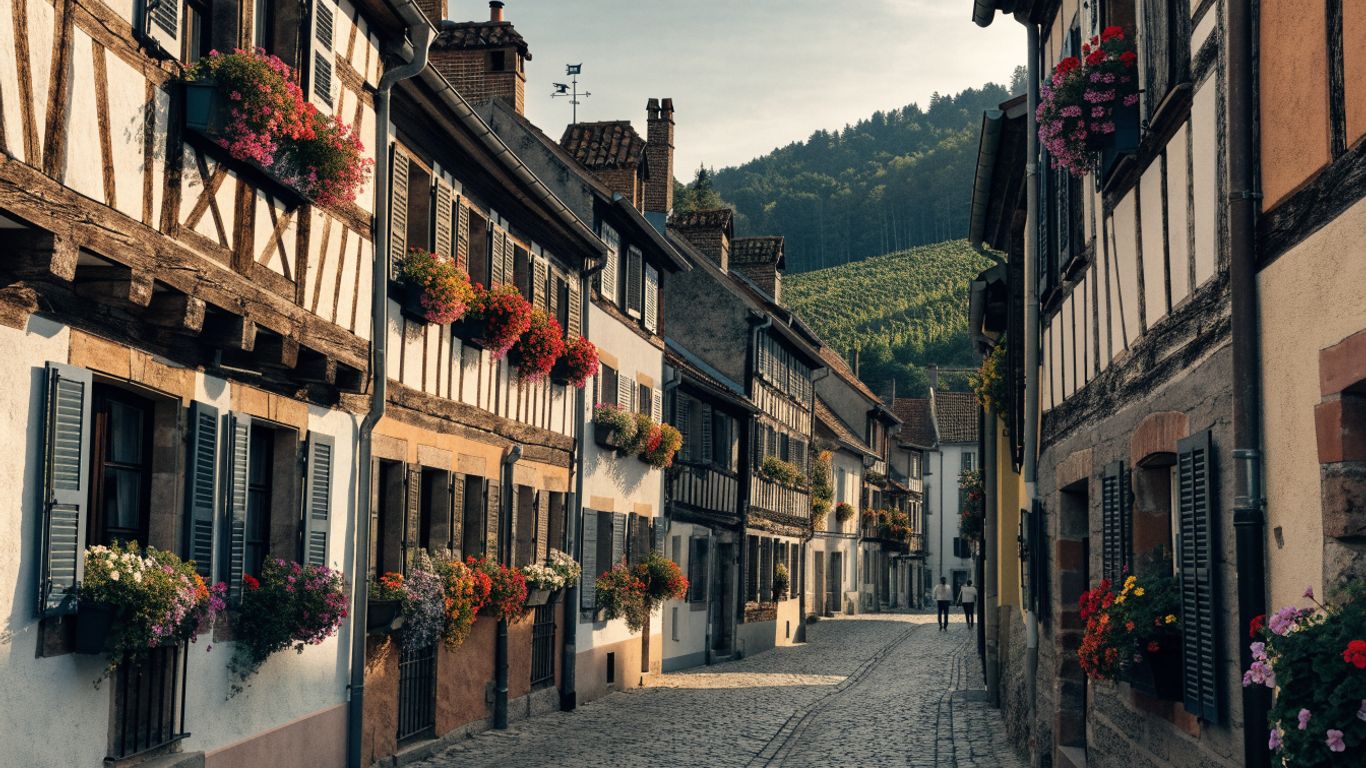
Compare the colorful lanes of Riquewihr and Eguisheim
Riquewihr and Eguisheim are both known for half-timbered buildings and inviting old streets, but they reward different kinds of wandering. Riquewihr has a compact center that makes it easy to browse on foot, while Eguisheim’s lanes curve around its historic core. Either can draw crowds at peak times, so arriving earlier or later in the day can make a difference. Rather than rushing through both, choose one for a longer stop and see how much time remains.
Pair a stop in Ribeauvillé with its medieval sights
Ribeauvillé makes a good village stop when you want to combine wine-country scenery with a walk through a historic center. Its medieval character is visible in the old streets and landmarks, with views toward the hills beyond town. Allow time to pause for lunch or coffee instead of treating the village as a quick photo stop. If you plan a longer walk, check the route and conditions locally before setting out.
Look beyond the best-known villages to Kaysersberg and Mittelbergheim
Kaysersberg and Mittelbergheim are good candidates when you want to vary the pace or move beyond the most familiar postcard stops. Kaysersberg combines a historic center with a setting close to the vineyards, while Mittelbergheim offers a smaller village scale. Both can fit into a route built around short walks and a relaxed meal. For a convenient base nearby, compare Colmar stay options and consider whether you would rather sleep in a town or a quieter wine village.
Vineyards, wine styles, and tasting experiences
Alsace is associated with a range of grape varieties and distinct wine styles, so a tasting can be a useful introduction even if you are new to the region. You do not need to arrive with a detailed knowledge of appellations; asking about the grape, the style, and how the wine pairs with local food is a fine start. Some visitors also enjoy reading about wine traditions elsewhere, such as Serbian wine traditions, but the best way to understand Alsace is to taste locally. A little curiosity goes further than trying to memorize every label.
Understand the Alsace grape varieties to look for
The region is known for varieties including Riesling, Gewürztraminer, Pinot Gris, Muscat, Pinot Blanc, Sylvaner, and Pinot Noir. A tasting menu may show how the wines differ in aroma, texture, and food pairing, but individual bottles can vary. Use the table as a starting point for questions rather than a promise about every wine made from a grape.
| Grape variety | A useful question to ask |
|---|---|
| Riesling | Is this bottle dry, or does it have noticeable sweetness? |
| Gewürztraminer | What aromas or dishes do you recommend pairing with it? |
| Pinot Gris | How would you describe its body and finish? |
| Pinot Noir | Is this wine made in a lighter or fuller style? |
These prompts can help you compare wines without needing specialist vocabulary. If a particular style appeals to you, ask whether the producer has another bottle that offers a useful contrast.
Choose between a cellar tasting and a vineyard visit
A cellar tasting focuses on the wines and the people who make them, while a vineyard visit brings the landscape and growing conditions into the conversation. Some experiences combine both, but the format depends on the host and should be confirmed when booking. Think about what you want from the stop: a guided explanation, a chance to sample several wines, or time outdoors among the vines. For a broader perspective on French grapes and regions, explore this guide to French grape varieties.
Find out what to expect when booking a tasting
Tastings may be hosted in a cellar, a dedicated tasting room, or another space on a winery property. Ask about appointment requirements, languages offered, duration, and whether there is a fee or a purchase expectation. If you have dietary needs or are traveling with children, mention that when you contact the host. A clear reservation gives both sides a better sense of what to expect, especially during busier harvest periods.
Alsace wine route tours worth booking
Tours can take care of some of the day’s logistics, and the right format depends on how independently you want to travel. A guided outing suits visitors who would like context and structure; a cycling tour offers a slower view of the countryside; and a driver can help groups plan tastings without relying on one person to navigate afterward. Check what the price includes and how much time is set aside for each stop. Choose the format that matches your pace, not just the longest list of attractions.
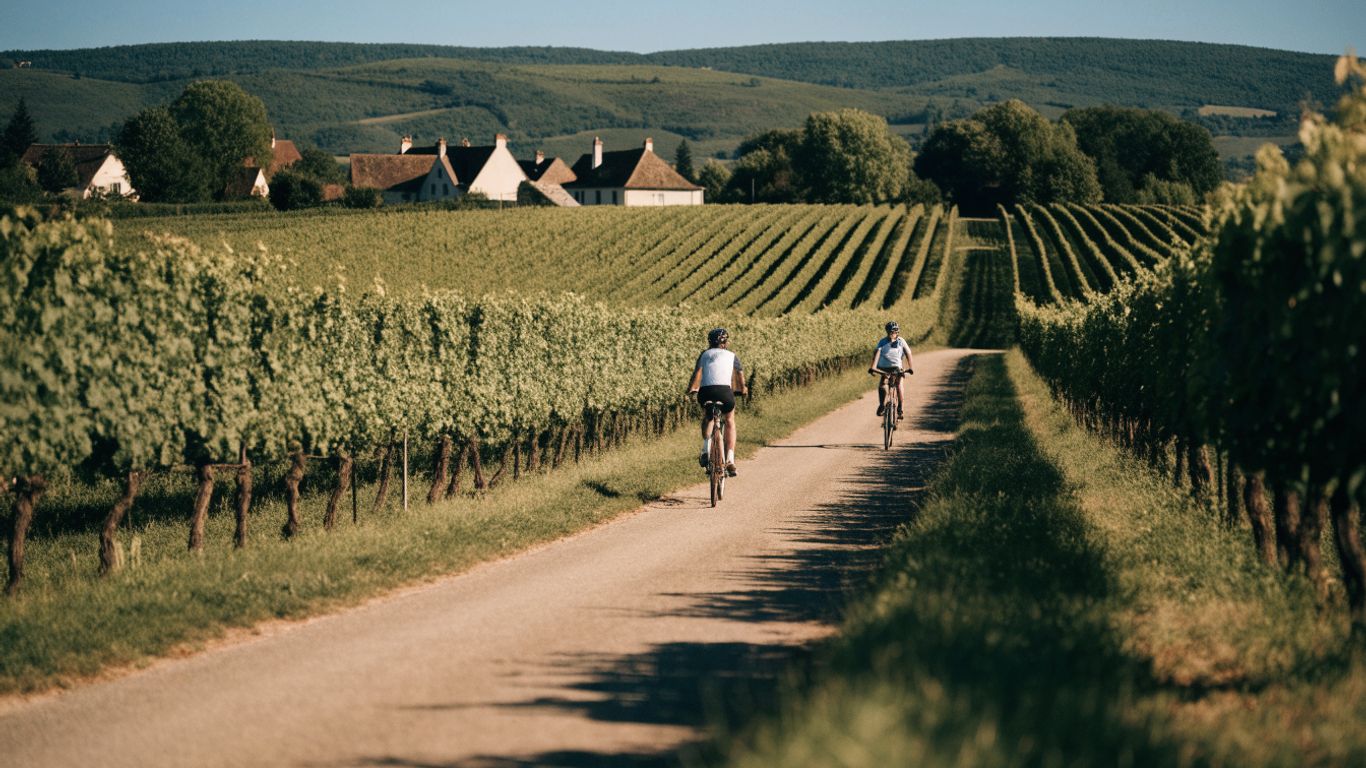
Choose a guided wine tour for a first visit
A guided tour can be a practical first step if you are unfamiliar with the area or unsure how to arrange winery visits. Depending on the tour, it may include transport, a guide, and planned stops, so read the details rather than assuming every outing offers the same experience. Smaller itineraries often leave more room for questions and conversation. The route also has seasonal wine events and local experiences, so check current listings before deciding whether a standard tour or a special event better suits your dates.
See the vineyards at a slower pace on a cycling tour
Cycling lets you travel between villages at a human pace and notice the changing views along the vineyard roads. Before booking, check the distance, elevation, bike type, and whether assistance or a guide is included. An e-bike can make longer distances more manageable, but it is still worth considering your comfort on the road and in traffic. This Alsace cycling guide offers practical context for planning a ride between villages.
Book a private driver or small-group tour for easier tasting
A private driver can make the day more flexible, while a small-group tour can offer a planned schedule without requiring you to organize every transfer. Either can be useful when tasting is a central part of the visit. Confirm pickup details, the number of winery stops, and whether tasting fees are included before booking. When comparing options, look for a pace that leaves enough time to enjoy each stop instead of squeezing in as many as possible.
Itinerary ideas for different trip lengths
There is no single ideal schedule for the route: a day trip can introduce the scenery, while two or three days allow for a slower mix of wine and village time. Start by deciding where you will sleep, then group nearby stops instead of zigzagging across the region. If you are adding a city stay, Colmar’s old town and day-trip options can help you decide how much time to set aside there. Keep the plan flexible, especially if you are visiting during a festival or have a tasting reservation.
Follow a one-day route with a few village stops
For one day, choose a manageable stretch and keep the number of formal tastings modest. A simple sequence might begin with a village walk, continue with a reserved tasting, and finish with a relaxed meal before returning to your base. One possible outline is:
- Start early in Riquewihr or Eguisheim for a walk before the busiest hours.
- Visit one winery or tasting room with a confirmed appointment.
- Stop in Ribeauvillé for lunch and a look around the historic center.
- Leave time for a scenic pause or an unplanned village stop on the way back.
This plan balances a few distinct experiences without requiring you to cross the entire route in one day. If you find yourself lingering, skip a stop rather than turning the afternoon into a checklist.
Spend two days combining tastings with overnight stays
With two days, you can spread out the village visits and avoid fitting every tasting into one afternoon. Stay in Colmar or a wine village, then plan the next day around nearby places instead of repeating long transfers. Book any must-do tasting in advance and leave open time around it for a walk or meal. An overnight stay also gives you more flexibility if transport or weather changes your original plan.
Make time for a slower three-day wine and village itinerary
Three days make room for a gentler pace: one day for a few northern or central villages, another for tastings and vineyard scenery, and a final day for places you missed or a longer meal. You can also use the extra time to explore a less-frequented village rather than adding more famous stops. Think of the itinerary as a framework, not a timed route. The trip will feel more spacious if you keep some hours unbooked.
Getting around and planning your stops
The route is easy to picture on a map, but actual travel times depend on your transport, season, and stop choices. Driving offers flexibility, while cycling suits travelers who want to move at a slower pace and public transport can work for selected journeys when schedules align. Discover France Beyond Paris covers practical visitor information for exploring France’s 18 regions, including topics such as language, timing, and preparation. For accommodation, a long weekend in Colmar can be a useful starting point if you want a town base with village day trips.
Decide whether to drive, cycle, or use public transport
Driving is convenient for linking several villages, but tasting plans require a designated driver or another safe way to travel. Cycling works well for shorter stretches if you are comfortable sharing roads and checking the terrain in advance. Public transport may connect some towns and villages, but services and timing vary, so check current schedules before relying on a connection. Choose transport based on the number of stops you want, rather than assuming every option will work equally well across the route.
Check opening hours and reserve tastings ahead
Cellars and tasting rooms may have different opening hours, appointment policies, and seasonal schedules. Contact the winery directly to confirm availability, language, fees, and how long the visit takes. If there is a particular producer you hope to visit, book that stop first and build the rest of the day around it. For broader trip preparation beyond Alsace, separate guides cover Portugal’s 2025 holiday calendar, a menopause coaching membership, a Las Vegas mold inspection guide, and California ADU planning; those topics apply to other travel or personal planning needs, not to the wine route itself.
Plan for parking, meals, and a safe journey after tasting
In village centers, parking may be outside the oldest lanes, so allow a little time to walk from your car to the places you want to see. Reserve a meal if you are visiting during a busy period, or keep a flexible backup option in mind. If you plan to taste wine, do not drive afterward; arrange a driver, tour, or another suitable way back before the first pour. Compare current hotel prices for Alsace here if an overnight stay would make the schedule more comfortable.
Conclusion
The Alsace wine route rewards a thoughtful pace: choose a few villages, book tastings that genuinely interest you, and leave time for the scenery and meals in between. Whether you have a day or several, a clear plan for transport and overnight stays makes it easier to enjoy the region without rushing.
Frequently Asked Questions
How long does it take to explore the Alsace wine route?
You can visit a few villages in one day, but two or three days allow more time for tastings, meals, and overnight stays. The right length depends on how many stops you want to make.
Where does the Alsace wine route begin and end?
The route is commonly described as running from Marlenheim in the north to Thann in the south. You can explore the full route or choose a shorter section.
Which villages should I visit on the Alsace wine route?
Riquewihr, Eguisheim, Ribeauvillé, Kaysersberg, and Mittelbergheim are all possible stops. Pick a few that fit your interests and available time rather than trying to see every village at once.
What wines are associated with Alsace?
The region is known for varieties such as Riesling, Gewürztraminer, Pinot Gris, Muscat, Pinot Blanc, Sylvaner, and Pinot Noir. Ask the tasting host about the style of each bottle, since wines made from the same grape can differ.
Do I need to book wine tastings in advance?
Some tasting rooms accept visitors without an appointment, while others require reservations or have seasonal hours. Contact the winery directly to confirm its policy and availability.
Is it possible to explore the route without a car?
Yes, depending on which towns and villages you plan to visit. Cycling and public transport can work for selected itineraries, but check distances, road conditions, and current schedules before setting out.
When is a good time to visit the Alsace wine route?
Late summer and fall can bring harvest activity and village events, while other times may offer a quieter visit. Check local calendars and winery schedules for your dates.
Planning a trip to Alsace?
Compare hotels, guided tours, car hire and flights in one place.


