

The Ultimate Guide to Occitanie Beer Culture and Local Craft Breweries

I spent a bit of time wandering around Occitanie, down in southern France, and honestly I thought I was going to get the usual amazing wine and food. But then I ran into something else, like not just “a little different” either, more like fully different. There was this surprisingly vibrant craft beer scene.
I didn’t really hear much about it before, and yet as I moved from place to place I kept noticing little independent breweries, sometimes almost quietly hidden, and then suddenly right there. It felt like a new wave was doing its thing. So I got curious, really curious, about what these craft breweries in Occitanie are about and why they seem to be popping up everywhere.
Key Takeaways
- Southern France, particularly the Occitanie region, is seeing a significant increase in craft beer Occitanie microbreweries, moving beyond its traditional wine reputation.
- You can find a wide range of unique beer styles across Occitanie, influenced by local ingredients and brewing traditions.
- Exploring specific areas like Hérault and Gard reveals a growing network of breweries worth visiting.
- Many craft beer Occitanie microbreweries are small, independent operations, making craft breweries in Occitanie known for quality and local sourcing.
- The craft beer culture in Occitanie is growing, with opportunities to visit breweries, pair beers with food, and attend local events.
The Rise Of Craft Beer Occitanie Microbreweries
A New Wave Of Brewing In Southern France
It seems like it was only yesterday, that the whole idea of craft beer in Occitanie was still kinda a novelty. For a long while now, this region was basically only synonymous with wine, and it was fair enough. But I’ve noticed a real shift, like a little buzz in the air, building up around something fresher: microbreweries. It’s really exciting to watch so many folks dive into brewing their own beer, trying things around with flavors and textures, and ending up with something truly singular right here down in the south of France. This doesn’t feel like just a fleeting fad, it feels more like a genuine movement, you know.
From Wine Country To Hop Havens
For generations, the vineyards have dominated the landscape and the economy. You can’t drive far without seeing rolling hills covered in grapes. But now, right along with the wine presses, you start to spot hop fields and those gleaming stainless steel tanks. It’s really fascinating, and honestly I think it shows how adaptable and creative people can be in this part of the world. They take that same passion and dedication, the kind that goes into making fine wine and they sort of apply it to beer instead. It feels like a natural progression too, moving from one fermented drink to another, and somehow it’s producing some genuinely interesting outcomes.
Exploring The Diverse Flavors Of Occitanie
What I find most compelling is the sheer variety popping up. It’s not just one type of beer; brewers are exploring all sorts of styles that reflect regional French beer traditions. You’ve got your lighter, refreshing lagers perfect for a warm afternoon, but also richer, more complex ales that remind me a bit of the traditional Bière de Garde styles from further north, though with a distinct Occitan twist. Some people are even working in local ingredients, which honestly is a whole other story I’m kinda eager to poke into. It’s like a clear testament to how good the brewers are, and how much they want to leave their own mark on what they make. The whole scene is definitely expanding, and I’m really looking forward to tasting what comes next.
Discovering Local Brews Across Occitanie
When I first started dabbling in the craft beer world here in Occitanie, I was honestly kind of unsure what to expect. I mean southern France is super famous for its wine, right? So I was thinking beer would be more of a side note, like, an afterthought, not really the main thing… but it turns out it’s not exactly like that, at all.
But I quickly found out that this region is also becoming a real hotspot for some seriously good beer. It’s been a fun journey trying to map out where the best brews are hiding.
Hérault’s Thriving Brewery Scene
Hérault, and cities like Montpellier, it really feels like the center of everything. I sort of wandered into so many small breweries, in spots I didn’t expect at all. It’s not only about the big names, no, it’s those smaller crews with their own way of doing things that caught my eye. They try out local ingredients and honestly you can taste the nuance.
- Finding a great IPA Celtique was a highlight for me. It’s a style that really shows how French brewers are putting their own spin on classic beer types.
- Many places offer tasting flights, which are the perfect way to sample a few different styles without committing to a full pint of something new.
- Keep an eye out for breweries that use local fruits or herbs; they often create really unique flavor profiles you won’t find anywhere else.
The sheer variety I’ve encountered in Hérault alone is impressive. From crisp lagers to rich stouts, there’s a beer for every palate, and the brewers are usually happy to chat about their process.
Gard’s Emerging Craft Beer Trail
Moving into the Gard department, I noticed a slightly different vibe. It feels a bit more spread out, but there’s definitely a growing network of craft beer spots. It’s the kind of place where you might need a car to hop between breweries, but the effort is usually rewarded with some fantastic discoveries. I found a couple of places near Nîmes that were particularly memorable.
Aude’s Unique Brewing Traditions
The Aude region has its own charm. While perhaps not as dense with breweries as Hérault, the ones I found here often have a strong connection to the local culture and history. Some people are even putting in traditional ways or ingredients that feel pretty specific to this corner of Occitanie. It’s like a quiet reminder that even in a place famous for wine, beer is slowly making its own separate identity. You can almost feel it, because it’s carving out its own lane.
Spotlight On Notable Occitanie Microbreweries
Artisanal Ales In Montpellier
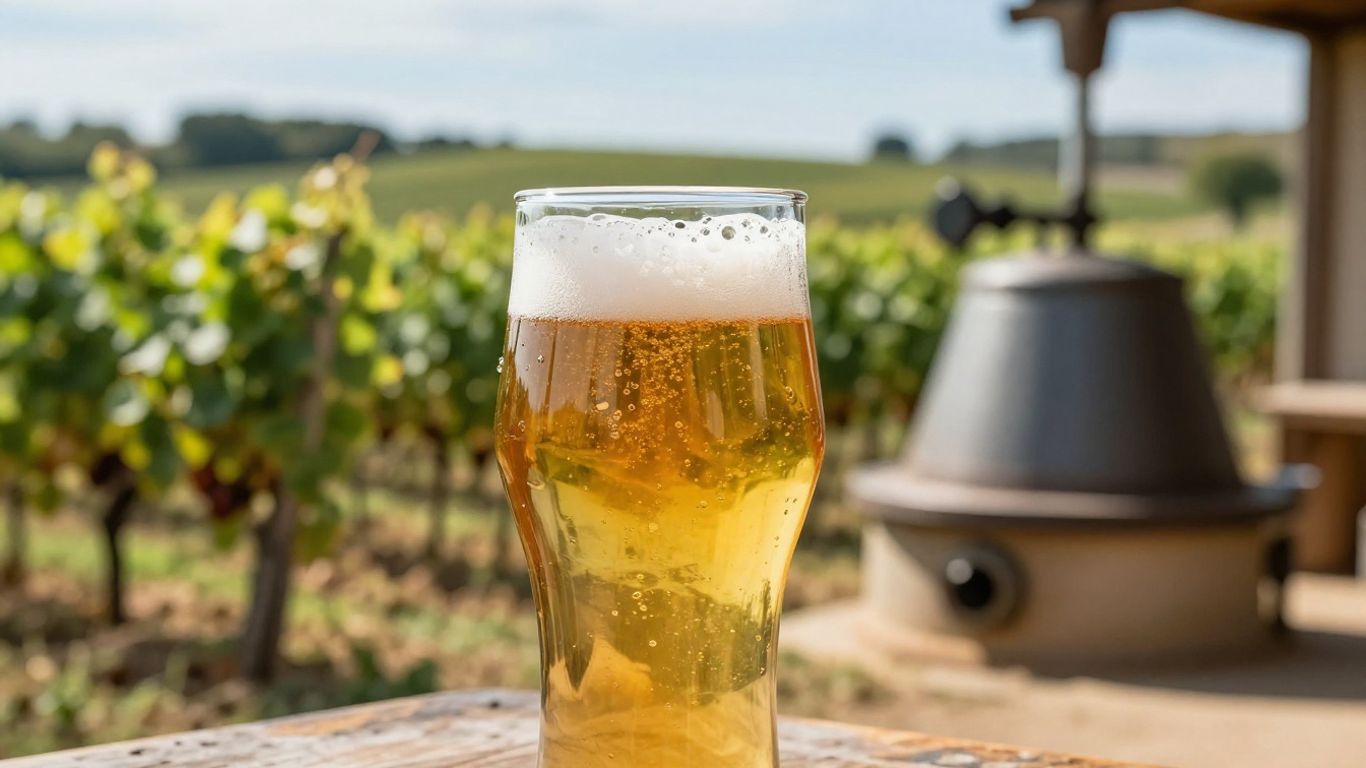
Montpellier, a lively city in Occitanie, has become a real hub for craft beer. I found that the breweries here really put a lot of thought into what they make. It’s not only about churning out beer, it’s more about creating something special, you know like they care. A lot of places lean heavily on local ingredients, and I feel that this makes a noticeable difference in the end taste, plus it really highlights artisan beer in France.
You can spot everything from crisp lagers that are perfect for a warm afternoon, to more involved dark ales that work well for a cooler evening. It feels like a scene that keeps shifting, with fresh breweries showing up all the time and the older ones tuning their craft, again and again.
Boutique Breweries Near Nîmes
Venturing out from Nîmes, I’ve discovered some really charming smaller breweries. These places often have a very personal touch. The brewers are usually right there, happy to chat about their process and what inspires them. I remember visiting one spot where they were experimenting with a beer flavored with local herbs – it was surprisingly good!
It’s these kinds of unique brews that make exploring the area so worth it, and honestly kinda fun. If you’re planning a trip, it’s really worth looking into local brewery lists to see what’s around. They usually do small batch runs, so you might stumble on a true gem, like not even expecting it.
Hidden Gems In The Pyrenees-Orientales
My wanderings have taken me to the Pyrenees-Orientales, which is a place people know more for wine, but somehow it also has some fantastic craft beer spots too. In those small towns, I keep running into breweries that feel, you know, properly tucked away, off the main road. It’s stuff like this that keeps me loving to explore around here because you never quite know what’s going to show up, and that small surprise is kind of the point.
One brewery I stopped at was sitting down in a valley, and their signature beer had this delicate fruity hint to it, I still sort of think about that flavor. It feels like a reminder, almost a quiet one, that great beer can appear anywhere, even in those unexpected corners of southern France.
The craft beer movement in Occitanie is about more than just the beer itself; it’s about the passion of the brewers, the connection to the land, and the joy of sharing a well-made pint with others. It’s a journey of discovery, one glass at a time.
The Brewing Process And Ingredients
Local Ingredients Shaping Occitanie Beers
When I first started to explore the craft beer vibe here in Occitanie, I noticed pretty fast how the local scenery really colors what ends up in my glass. I mean, it’s not only about the hops and the barley, it’s also the water, the yeast, and even the fruits or herbs that grow in this bright sunny corner. Somehow everything feels connected, like if the landscape is brewing along with me, even if I’m just pouring. Many brewers are really committed to using what’s around them, which makes sense, right? Why import when you have fantastic local stuff?
I’ve noticed a few key ingredients popping up frequently:
- Local Grains: While barley is standard, some breweries experiment with other grains grown in the South, adding unique textures and flavors.
- Regional Fruits: Think peaches, apricots, cherries – these find their way into saisons and fruit beers, giving them a distinct Occitan twist.
- Herbs and Spices: Lavender, thyme, and rosemary, common in Provençal cooking, are also used sparingly in some beers for a subtle aromatic lift.
- Water Quality: The water here, often sourced from mountain springs, has a particular mineral content that brewers carefully consider, as it affects the final taste.
Traditional Techniques Meet Modern Innovation
It’s quite fascinating to watch how brewers here sort of juggle old school methods with fresher notions. A bunch of them are really steadfast about the traditional approaches, like bottle conditioning, in which the beer carbonates on its own, inside the bottle. That part can really bring out a more complex flavor map, also a longer shelf life, too. It makes me think of the old brewing days in areas like Nord-Pas-de-Calais, where they basically had to craft beer that would last, and not go off too soon.
On the other hand, you’ve got brewers who are always tinkering a bit. Like they’re trying out different yeast strain setups, letting beers rest in wine barrels (which is a natural fit for wine country after all), and then doing stuff like dry-hopping to pull more aroma out of the hops. So it’s that blend of honoring what came before, but still nudging toward the next thing. That weird in-between, makes Occitanie’s beer scene so interesting, really.
The Art Of Craft Beer Production
Making good craft beer isn’t just throwing ingredients together. It’s kind of a careful process, and I’ve learned a ton just talking to brewers and, you know, watching them work up close. It begins with the mash, where the grains are basically steeped in hot water so the starches can turn into fermentable sugars. Then you move into the boil, where hops show up, giving bitterness, plus that flavor and aroma side of things. After that the wort is cooled down, and that’s when you introduce the yeast, and this is where the fermentation magic really starts; the yeast consumes those sugars and ends up making alcohol along with carbon dioxide.
The whole thing, from milling the grain till it is packed up in the final product, needs a lot of precision and patience. Even tiny changes here and there, can make for a very different beer, like really different—so you can’t just rush it.
Finally, there’s conditioning and packaging. This is where the beer sort of matures and gets its final vibe, kinda like it rounds out, you know. Some beers are filtered, but others, like several traditional styles are left unfiltered to hang on to more flavor and body. The commitment to quality at each and every step is what really defines craft brewing for me.
Experiencing Occitanie’s Craft Beer Culture
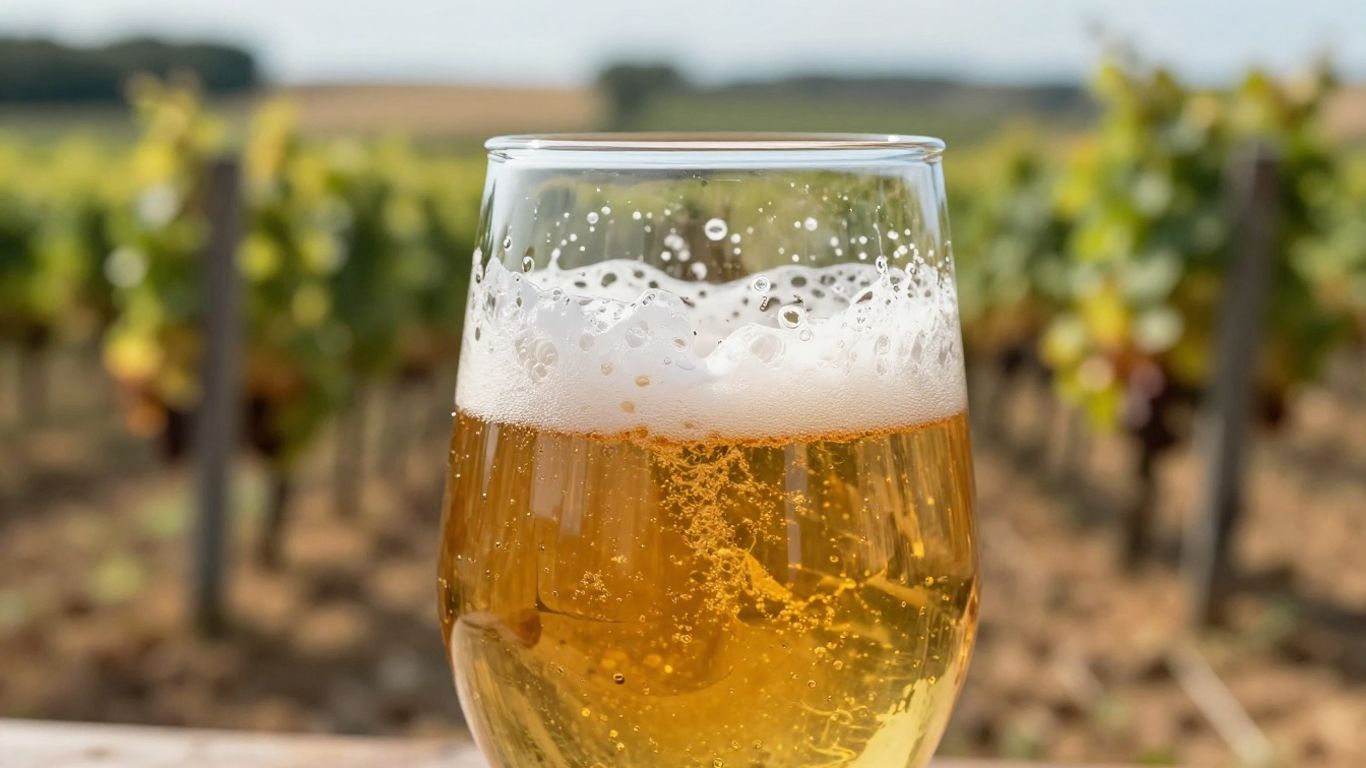
My journey through Occitanie beer culture has been a real treat, and honestly, it’s about more than just the beer itself.
It’s kind of about the entire vibe, the people, and how everything just slots in with the region’s already rich culture. I’ve noticed that when I stop by the breweries and the taprooms, it’s the best way to really catch what’s going on, like without trying too hard.
Visiting Breweries and Taprooms
When I show up at a brewery, I’m not just looking for a pint, I’m looking for a story. Most places I’ve been to are happy to chat about their process, and it kinda feels like you get the whole background with every pour. It’s pretty cool to see where the magic happens. Some places even have tours, which I always try to do if I have the time. It gives you a better appreciation for the work that goes into each batch.
Here’s what I usually look for when I visit:
- Atmosphere: Is it a cozy spot or a bustling hub? Does it feel welcoming?
- Staff Knowledge: Can they tell me about the beers, the ingredients, and the brewery’s history?
- Tasting Options: Do they offer flights or smaller pours so I can try a few different things?
- Local Vibe: Does it feel like a place where locals hang out?
Pairing Beer With Regional Cuisine
This is kinda where it gets interesting for me. Occitanie’s pretty famous for its food and I’ve been experimenting pairing local craft beers with regional dishes. Not that it’s only about drinking beer, it’s more about how it kinda complements the flavors on your plate or whatever. I noticed that a crisp, hoppy IPA can slice right through the richness of certain local cheeses, and then, a darker, maltier beer can really stand up, to the thicker stews. It feels like the two just go together.
I’ve been keeping a little log of my pairings:
- Cassoulet: A robust stout or a Belgian-style dubbel works surprisingly well.
- Seafood: A lighter saison or a pale ale is a good match.
- Local Cheeses: Sours or even a gose can offer a nice contrast.
It’s amazing how the right beer can completely change how you experience a dish. I used to think wine was the only way to go with French food, but craft beer is opening up a whole new world of possibilities. It’s a different kind of enjoyment, more down-to-earth perhaps.
Festivals and Events For Beer Enthusiasts
If you really want to immerse yourself, hitting up a beer festival is the way to go. I’ve been to a few smaller ones, and they’re fantastic for discovering new breweries and trying beers you might not find otherwise. It’s a great chance to meet the brewers and other beer fans. The energy at these events is usually pretty high, there’s live music and, food trucks that are often part of the mix. It feels like a real celebration of local brewing traditions.
I’m always on the lookout for upcoming events. They’re a great way to plan a trip around and get a concentrated dose of Occitanie’s craft beer scene. Plus, it’s just plain fun to be around people who are as enthusiastic about good beer as I am.
Challenges And Future Of Occitanie’s Breweries
Navigating The Market As A Small Producer
It’s not always easy being a small brewery here in Occitanie. I’ve seen firsthand how tough it can be to get noticed when you’re up against established wineries and larger beverage companies.
The market feels crowded, and getting your beer, on the shelves at local shops or in restaurants— takes a bunch of legwork, really. You end up competing on price a lot too, which is tough, especially when you’re leaning on solid ingredients and brewing in smaller runs. Building brand recognition is not a “once and done” thing, it’s an ongoing grind, kind of constant effort.
Sustainability In Occitanie’s Craft Beer Scene
Sustainability is becoming a bigger deal, and rightly so. A lot of brewers I’ve talked with, are honestly trying to shrink their overall impact. So it’s not just the beer itself but also where everything comes from. When they can, they’re leaning on local hops and grains, kind of the more sensible way to do it. And then there’s the water and energy part, they manage that more carefully, like watching every little cost.
A few folks are also looking into reusing spent grain, not just for animal feed, but sometimes even for baking, which is kinda neat. It’s still a work in progress though, there’s no magic switch, but that push to be more eco friendly is really growing day by day.
The Growing Appeal Of Craft Beer Occitanie Microbreweries
Despite the hurdles, the future looks pretty bright. People are more curious about craft beer than ever before. They want to try something different, something local. I’ve noticed more and more people seeking out brewery taprooms, not just for the beer, but for the experience. It’s about connecting with the brewer, understanding the story behind the beer, and enjoying a unique atmosphere. This interest is what keeps many of these small breweries going. The demand for authentic, locally made products is a strong trend, and craft beer fits right into that.
Here’s a look at some of the things brewers are focusing on:
- Ingredient Sourcing: Prioritizing local suppliers for hops, barley, and even water where feasible.
- Waste Reduction: Implementing practices to minimize waste throughout the brewing and packaging process.
- Energy Efficiency: Investing in equipment and methods that use less electricity and gas.
- Community Engagement: Building relationships with customers and other local businesses.
Occitanie beer culture is sort of still finding its feet, but there’s a genuine fire behind it. It’s a mix of old ways and newer angles, and honestly I think that’s what makes it kinda interesting to keep track of. It feels more lived in than just a trend, even if it’s not totally settled yet.
Final Thoughts on Occitanie’s Beer Scene
I’ve really enjoyed exploring the craft beer scene here in Occitanie. It’s clear that this region is becoming a serious spot for good beer, with new breweries popping up all the time. It’s not just about the big names anymore; there are so many smaller places making interesting brews. I’m looking forward to seeing how it all continues to grow. If you’re visiting, definitely make time to seek out some of these local spots – you might be surprised by what you find. I know I was.
Frequently Asked Questions
Why is craft beer suddenly popular in Occitanie?
I’ve noticed this real buzz around craft beer here lately, it’s kinda everywhere now. It seems like people are really wanting something different from the usual stuff, and the small breweries are stepping up to the plate, again and again. It feels like a cool shift away from the wine-focused vibe, offering exciting, new flavors to dig into. Honestly it’s pretty refreshing, like the whole town is moving.
What makes Occitanie’s craft beer scene unique?
What I like is honestly how every brewery feels. It has its own character, kind of like a mood. Some lean on local ingredients, honey or herbs from the countryside, and it gives the beer a special turn, you know? It’s like you catch a little bit of the region in every sip, so each glass feels like real regional French beer, which is pretty neat in a low key way.
Can I visit these small breweries?
Absolutely! I had a real blast stopping by a few spots here and there, honestly. A lot of them come with small tasting rooms or little pubs, where you can sample what’s new lately and have a chat with the brewers too. It feels like a solid way to find fresh favorites, and also pick up stuff about how the beer is actually made.
What kind of beers can I expect to find?
You’ll find all sorts! From light, refreshing lagers perfect for a sunny afternoon to darker, richer ales that are great with food. Some places even experiment with fruity or spicy flavors. There’s really something for everyone, no matter your taste.
Is craft beer expensive in this region?
It can be a bit more than mass-produced beer, but I find it’s usually worth it. You’re paying for quality ingredients and the passion that goes into making artisan beer in France. Plus, supporting these local businesses feels good.
Are there any beer festivals in Occitanie?
Yes, I’ve heard about a few! These events are fantastic for trying a wide variety of beers all in one place and meeting other beer lovers. Keep an eye out for local listings; they’re usually a lot of fun.


