
Cap d’Agde French Market Local Guide: Everything You Need to Know

Planning a trip to the region gives you a chance to get into the lively local culture, where open air trade is really happening. These French markets are often the best option to really feel the genuine Mediterranean way of life, with fresh produce and that historical charm around every corner.
Key Takeaways
- The traditional Agde markets offer a deep dive into local heritage and represent some of the finest local markets in France.
- Saturday mornings in the resort center provide immense convenience for travelers.
- Waterfront markets in Le Grau d’Agde highlight the connection between land and sea.
- Seasonal fruits and fresh-caught fish define the essence of local shopping.
- Sustainable, zero-waste shopping habits are easy to practice at these coastal stalls.
The Traditional Markets of Agde
Wandering through the historic town of Agde you kinda notice a whole layer of local life that seems kept away from the loud, busy beach crowds, and there’s this feel of a traditional French market, like. The old little streets also give you the right frame for lively trading that has kept the community going for generations, no joke. And yeah, while they try to keep tradition in place with the everyday, modern needs, the market halls are often what really holds the town’s social fabric together.
The weekly Thursday market at Place Jean Jaurès
Locals have gathered here for years to secure the best produce before the day gets too warm. This particular gathering is basically the beating heart of how the city is set up, pulling in people from everywhere, so they can trade items under that Mediterranean sun. Most times you’ll spot really authentic regional products there, everything from homegrown vegetables to everyday household necessities, and it ends up feeling like a genuine farmers market in France type experience.
Seasonal variations and frequency throughout the year
While the peak summer season kicks in, there’s this massive influx of vendors, but the core operations never really slow down, they stay running all year. You might notice that the number of stalls kind of fluctuates quite a lot, depending on the calendar—like, during the warmer months you get bigger assortments, more diverse, a little more colorful too. Winter brings a more intimate experience, often centered around heartier, shelf-stable goods.
Layout and atmosphere surrounding the market halls
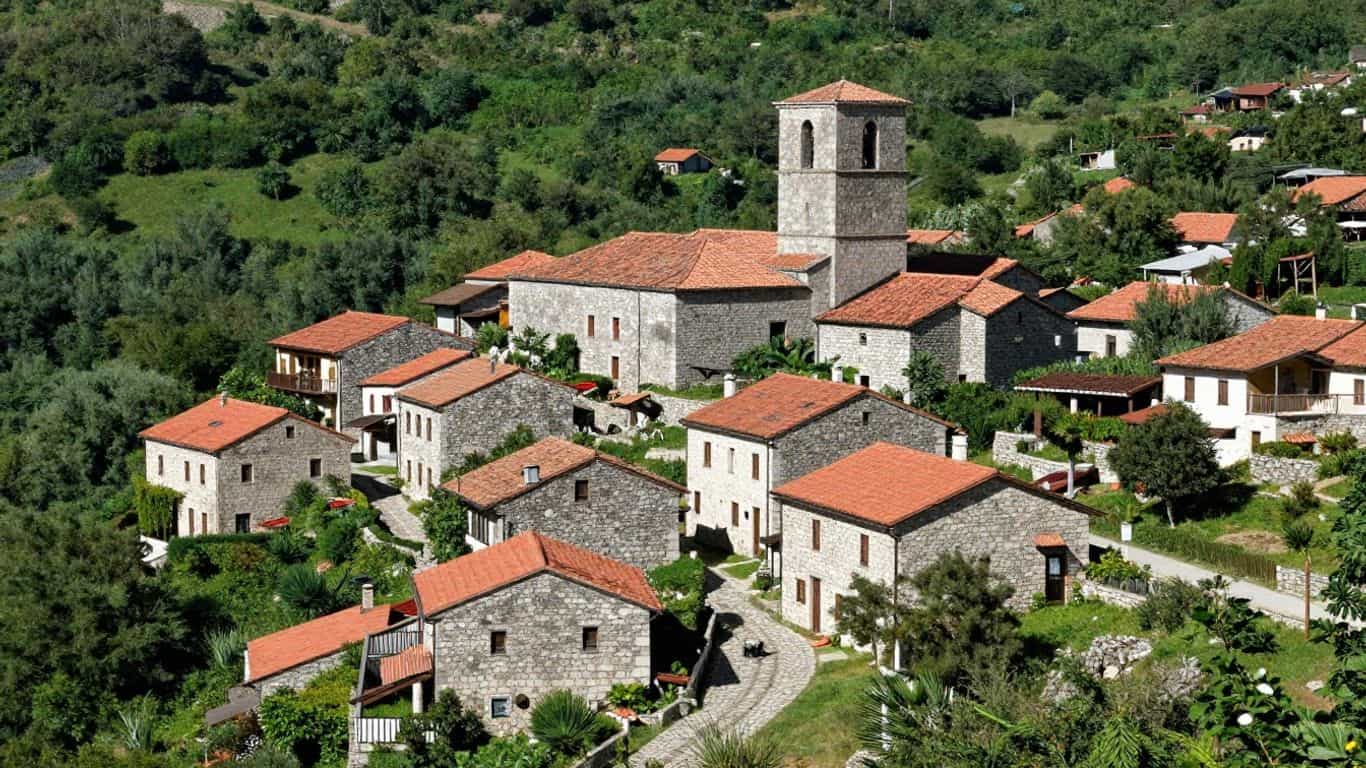
Architecture has this huge say in the whole charm of the area, because those stone buildings kind of frame the market space real nicely. The stalls are laid out so people drift through at a calmer pace, not in some rushed little stream. It doesn’t feel sterile at all, more like this enormous open-air living room where neighbors catch up, talk for a moment, and then move on.
Navigating the historic city center stalls
Finding your way through these kinda narrow lanes is half the fun of this particular excursion. You’ll wanna prepare for really tight spots and a fair amount of back and forth with the stall vendors who are usually pretty eager to tell the story behind what they sell. Maps are rarely needed if you follow the movement of the local crowd and the enticing scents of the region.
Markets In The Heart of Cap d’Agde

If you’re hanging around the modern resort zones, getting to the Cap d’Agde market is usually a pretty easy thing, like short strolls or a quick bike ride. The way the area is planned here is kinda aimed at making everything easy to reach for travelers who want a slice of local life, but don’t really want to go too far from where they’re staying. And by keeping those spots more central, the town pretty much makes sure the freshest goods stay nearby, within easy reach for just about everyone.
The Saturday morning market at Rambla du Soleil
This venue is kind of widely considered to be the height of commercial activity in the resort district. On Saturday mornings it is all devoted to this event, sort of like a bridge between that laid back feeling of the resort and the genuine, energetic nature of a traditional French market. You can expect a pretty broad selection of choices that will satisfy both local residents and visitors too.
Variety of goods ranging from produce to hardware
It is truly impressive to see the diversity present at these stalls, where one can find handmade soap sitting right next to seasonal produce. You might find specialized hardware or tools that are difficult to locate elsewhere in the resort setting. This mix makes it an ideal spot for those who need practical items while maintaining a holiday pace.
Convenience for holidaymakers and resort visitors
Because this market is situated right in the center of the resort, it eliminates the need for complicated travel plans. Many travelers staying at facilities like Sandaya find it incredibly simple to pack a bag and head out for a quick morning of browsing. The layout considers the needs of busy visitors who value efficiency as much as variety.
Best parking and access points for the town center
Getting to the Cap d’Agde market is usually better done early, like in the morning, when the parking areas still have a few available spaces. Most folks end up using the central town parking lots, they’re built to handle a lot of movement during the loudest hours. If you keep your route a bit more deliberate, at first light, you’ll avoid that familiar pile up people complain about in the peak resort time.
Waterfront Markets in Le Grau d’Agde

There’s like this undeniable magic when you’re browsing stalls as the sun goes down below the horizon along the water. The riverside setting gives it this extra layer of character that you just can’t find in market places that are landlocked, somehow. It turns what should be a simple grocery outing into a more sensory experience, where the sound of the waves blends with the chatter of the crowd. And you know, it feels almost effortless, even if it’s busy.
Evening markets and vibrant summer ambiance
Taking advantage of the cooling evening air, these markets sort of transform once the lights start to glow, along the boardwalk. The atmosphere becomes noticeably more festive, and it often draws in families that want to enjoy that breeze after a long day out at the beach. You can end up spending hours just wandering around, in the gentle glow and that cooler air.
Coastal delicacies and fresh Mediterranean catch
If you’ve been hunting for the absolute freshest items, you will find them here, among the vendors who push direct-from-the-boat inventories. Tapping into the bounty of the nearby sea, the stalls carry everything from shellfish to cured fish goods. Those interested in Discover France Beyond Paris will find this coastal interaction particularly representative of the region.
Integrating with local street performances
It is common to spot musicians or small theatrical setups placed near the market entrances to keep spirits high. Integrating the arts into the retail space creates a sense of community that feels open and welcoming to outsiders. These spontaneous performances add energy that makes browsing through the selection feel like a genuine event.
Cultural significance of the riverside locations
Historically, these banks have always been the point of contact between sailors and the terrestrial population. Today, they continue to serve that role by facilitating the exchange of the sea’s bounty for the fruits of the land. Understanding this history gives you a much deeper appreciation for the simple items you are purchasing.
Essential Local Products To Bring Home
The charm of buying close by is that it brings back that true, regional flavor into your own kitchen, not like the usual stuff. Lots of travelers depend on Cap d’Agde to steer their little food adventures, so they can come back home with authentic local delights that feel kind of impossible to find elsewhere. These specific products signify the hard work of producers who take immense pride in their long-standing methods.
Regional wines and Muscat de Frontignan
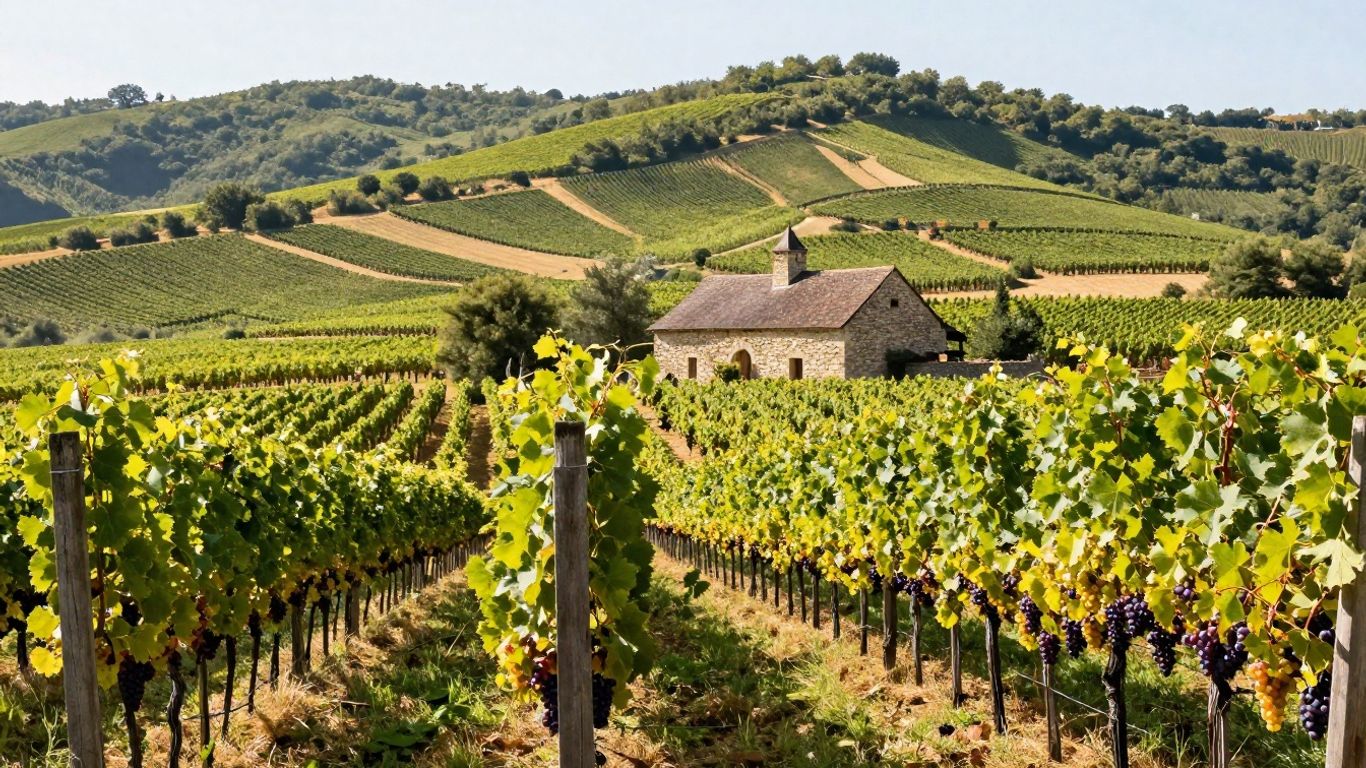
If you want to really understand the identity of this section of France, sampling the local viticulture is kinda mandatory. The Muscat is especially known for its sweet, multi-layered profile, and honestly it makes a great keepsake. A lot of the time, you’ll see producers just standing right beside their bottles, ready to walk you through the terroir behind every single batch.
Seafood specialties including oysters and mussels
Local maritime traditions ensure that the shellfish available is pulled from the water just hours before it reaches your plate. It provides a level of quality that is rarely accessible in typical shipping environments. Pairing these with local seasonings will remind you of the coast long after your trip concludes.
Seasonal Hérault fruits and sun-drenched vegetables
Nothing really compares to the flavor you get from produce grown in the Hérault heat, it kind of seems to squeeze, or concentrate the natural sugars and those deeper flavors. You will end up seeing stalls overflowing with lively tomatoes, peppers, and melons that practically glow under the market lights and it feels almost unreal. Grabbing, or stocking up on these things then gives you this healthy, vibrant taste, like a slice of the Mediterranean summer.
Locally produced charcuterie and artisanal cheeses
Charcuterie and cheese boards are the essential components of any evening snack back at your accommodation. The curing traditions here differ significantly from those found in northern regions and are worth exploring. Whether you prefer a hard, aged cheese or a soft spreadable variety, you will find a dedicated producer.
Handcrafted pottery and regional souvenirs
Artisans from the surrounding villages bring their unique style to the stalls through clay work and textile designs. These pieces act as tangible memories that are far superior to mass-produced tourist plastic. Supporting these craftspeople helps preserve a heritage that is becoming increasingly rare.
Tips For An Authentic Market Experience
Getting ready is the main, kinda single thing if you want to glide through the stalls like a veteran, not just somehow “walk around”. If you know the rhythm of the vendors, and the etiquette of the crowd, you can dodge that annoying frustration. When you anticipate how the morning moves you give yourself breathing room to concentrate on the unique goods, not the mass of people.
Best arrival times for peak freshness and selection
If you want dibs on the best fish and the ripest peaches, you need to arrive right around the opening time. Stalls get picked over quite aggressively by the time the midday sun begins to take hold. An early start ensures you avoid the largest crowds while catching the inventory in its most pristine condition.
Standard payment methods and market etiquette
While some larger vendors might have digital payment options, it is always a safe bet to carry enough cash in small denominations. Handling exact change makes the busy morning flow much smoother for the seller. Be mindful of not blocking the walkways while you inspect items, as stall aisles can become quite narrow.
Embracing sustainable and zero-waste shopping
Bringing your own canvas bags or woven baskets is not only a vibe choice here, it is kinda a practical necessity really. Most vendors genuinely appreciate it when customers don’t need those single-use plastic bags for their daily groceries, and honestly it shows. This thing fits really well into the sustainable lifestyle that many residents are already practicing near the coast.
How to prepare your basket for a successful outing
Try to sort your shopping list a bit by the weight and how fragile the stuff seems, so nothing gets crushed. Things that are heavy, like wine bottles or root vegetables, should go at the bottom, always. And honestly, spreading out your errands gives you a little breathing room too, so you can notice the bustle and kinda soak up the atmosphere before you head back home.
Wrapping Up
Wandering through the markets in this very beautiful nook of France is probably one of the most rewarding ways to really experience the local markets in France, on holiday. Either you’re hunting down the absolute freshest seafood, or just trying to soak up the everyday chatter, these places feel like a living, breathing link to the Mediterranean way of living. And yeah, it’s the kind of thing that sticks with you long after you’ve left the coast.
Frequently Asked Questions
Are the markets open during public holidays?
Most local markets continue their regular schedule during public holidays, but you should always check the local tourist office website for any specific seasonal closures or extra holiday morning sessions.
Can I find organic produce at these markets?
Many local farmers and producers bring organic goods to the market, reflecting the authentic atmosphere of a farmers market France destination. Also, you will typically see labels or stalls clearly marked by vendors, though you are always encouraged to ask the sellers directly about their farming practices.
Is haggling common at these French markets?
Haggling is generally not expected or appropriate for food items that have clearly marked, fair prices, as these reflect the labor and quality of the local producer.
Can I pay for my goods using a credit card?
While a growing number of vendors accept card payments through mobile terminals, smaller stalls still rely heavily on cash, so carrying a variety of coins and small notes is recommended.
Are pets allowed inside the crowded market areas?
Generally, pets are permitted, but it is considered polite to keep them on a short leash and avoid bringing them into the most tightly packed aisles to ensure the safety and comfort of all shoppers.
Do the markets sell items other than food?
You will find a wide variety of non-food items including textiles, local handcrafted ceramics, traditional clothing, and artisanal soaps, making these markets a one-stop shop for many needs.
Should I bring my own bag for shopping?
Bringing your own reusable bag is highly encouraged and is essentially the standard way to shop, as it supports the local commitment to reducing waste at these outdoor sites.