
Loire Valley Chateaux Tours from Paris: Day Trips Worth Booking

Key Takeaways
A Loire Valley day trip from Paris can be rewarding, but the long travel time makes itinerary choices matter. Decide what you most want to see, then compare the schedule and inclusions against your preferred pace.
- Expect a substantial travel day, with time split between the road or rail journey and château visits.
- Chambord, Chenonceau, and Amboise offer different settings and architectural experiences.
- Compare group size, transportation, admission, meals, and free time before booking.
- Pack for walking and plan ahead for meals, pickup details, and seasonal opening hours.
- Consider staying overnight if you want a slower visit or more time in the region.
What to expect from Loire Valley tours from Paris
The Loire Valley is far enough from Paris that a day trip requires an early start and a full day. On my own visit, I found that the journey and the châteaux each deserved attention, so it helped to treat the schedule as a series of focused visits rather than a leisurely regional tour. The best fit depends on how much time you want inside each estate and how comfortable you are with a packed itinerary.
How long the journey takes and what the day involves
Travel time varies with the departure point, route, traffic, and mode of transport. By road, plan for a few hours each way; rail can be quicker on some routes, but you still need to coordinate connections and transport between estates. Most day trips leave Paris in the morning, visit a limited number of châteaux, and return in the evening, making this a long day even when everything runs smoothly. Compare Paris-to-Loire transport options before deciding whether a guided departure or independent plan suits you better.
What guided day trips typically include
A guided trip generally brings together transportation and a set route, reducing the need to arrange each transfer yourself. Depending on the specific booking, château entry, a guide, meals, or tasting activities may be included or priced separately, so read the inclusions rather than relying on the headline description. I recommend checking what happens during the time between visits, too: a scheduled lunch stop and unstructured free time are not the same thing. The details that shape the day are often the practical ones, especially pickup location and the return plan.
How much time you’ll spend at each château
Time at each estate depends on the tour’s route and the number of stops. A visit may include the interior, gardens, and a little time to orient yourself, but a tight schedule can make it difficult to linger or revisit a room. On my visit, I found it useful to decide in advance whether I cared more about the château interiors, the grounds, or simply seeing several places in person. If one estate is your priority, look for an itinerary that gives it enough time instead of assuming every stop gets equal attention.
Why the pace can feel busy
The distance between Paris and the Loire Valley uses up a meaningful part of the day, and the stops themselves can involve walking, queues, and time outdoors. That leaves less room for spontaneous detours than you might expect from looking at a map. I’d make a short list of the things I most wanted to see and accept that some smaller details may have to wait for another visit. A day-trip reality check can help set expectations about what fits into one day.
Which châteaux you can visit on a day trip
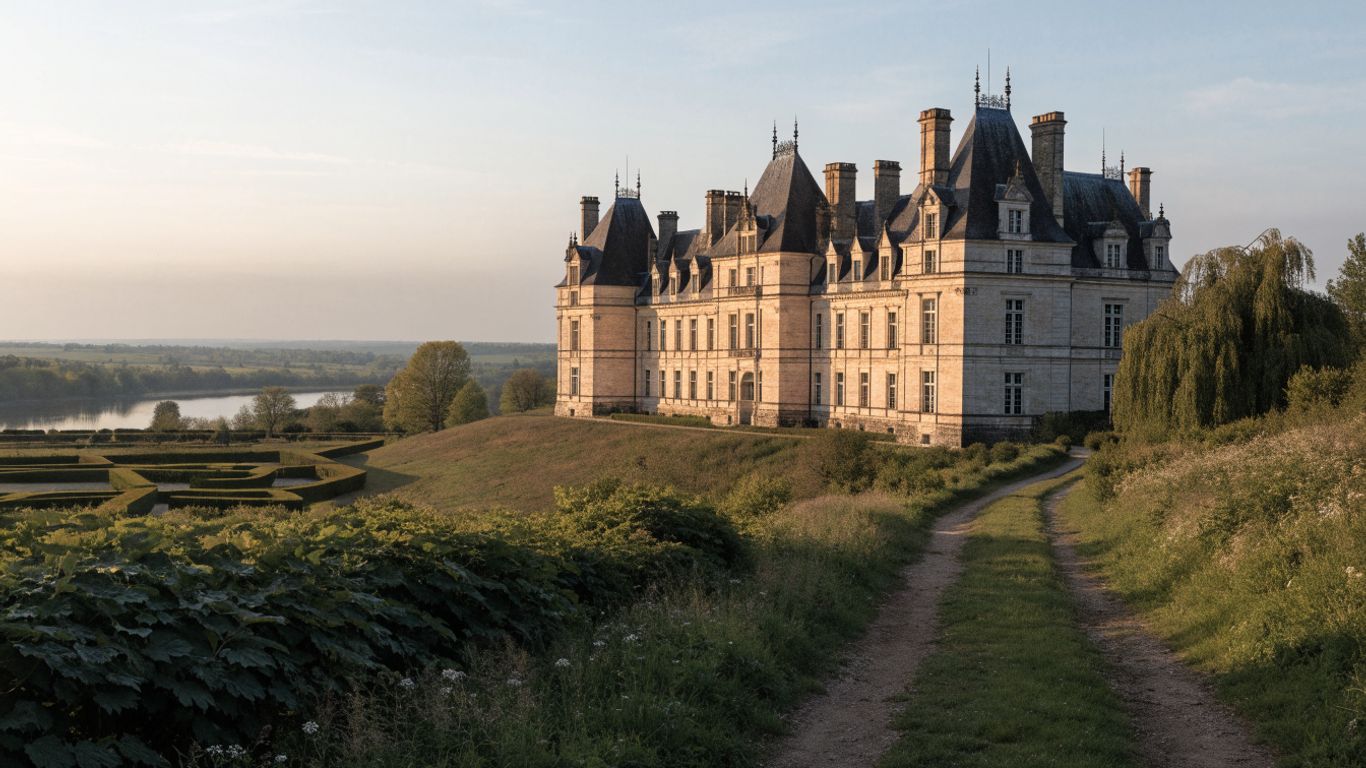
The châteaux most often considered for a Paris day trip have distinct settings and character, so choosing among them is not just a matter of counting stops. I remember how differently each place felt: one expansive and monumental, another closely tied to its river landscape, and another looking out over a historic town. Tour schedules vary, so use the route as a guide to the experience rather than assuming every itinerary covers the same sites.
Château de Chambord for grand scale and Renaissance design
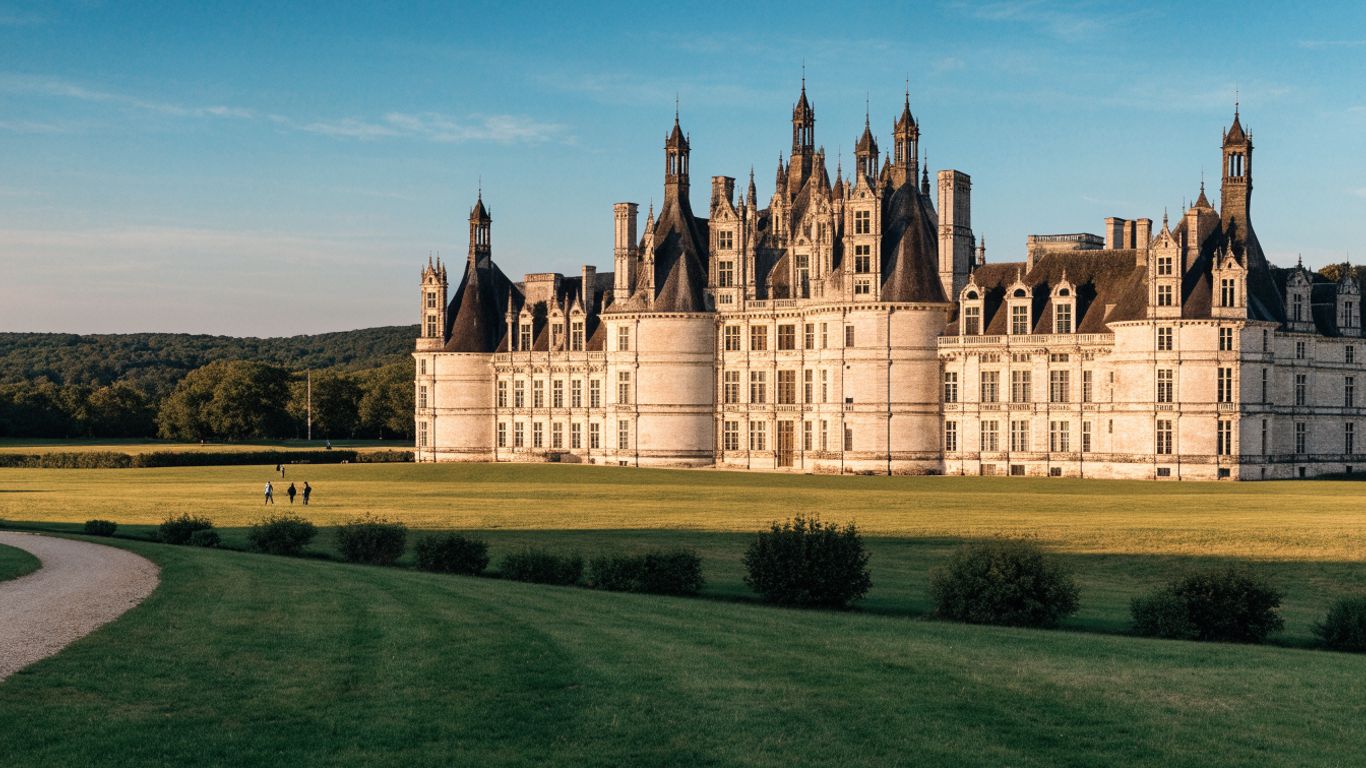
Chambord is known for its imposing scale and Renaissance architecture, and the setting makes an impression before you even begin exploring inside. Its size can reward a slower visit, particularly if you want to take in the exterior and grounds as well as the rooms. On a day trip, check how much time is allotted, since a brief stop may leave you choosing between different parts of the estate. It is a strong option for travelers drawn to grand architecture and a large, memorable setting.
Château de Chenonceau for its gardens and river setting
Chenonceau is closely associated with the Cher River, and its distinctive position gives the visit a different feel from an inland estate. The gardens add another reason to leave time outdoors, especially if the weather is pleasant. I found the setting as compelling as the building itself, so I would avoid treating this as a quick indoor stop if the itinerary allows more time. For garden and river scenery, it can be a particularly satisfying choice.
Château Royal d’Amboise for royal history and town views
The Château Royal d’Amboise sits above the town, combining a historic residence with views across the surrounding landscape. Its location also makes it possible to pair the château with a short look around town, depending on the schedule. The visit may suit travelers who want royal history alongside a sense of the local setting, rather than a château standing alone in open countryside. Check whether the itinerary includes town time or moves directly on to the next estate.
How tour routes balance multiple estates
A route with more châteaux offers variety, but it also divides the available time among more visits and transfers. A shorter itinerary may give you more room at each stop; a longer one can be worthwhile if seeing a range of places matters more than exploring any single estate in depth. This simple comparison can help clarify the trade-off:
| Route emphasis | What it can offer | What to consider |
|---|---|---|
| Chambord | Grand scale and Renaissance design | Check how much time remains for the grounds and interior |
| Chenonceau | Gardens and a river setting | Ask whether the schedule allows time outdoors |
| Amboise | Royal history and views over town | Confirm whether there is time to explore the town |
| Several estates | A broader first look at the region | Expect a more structured and faster-paced day |
Use the route to decide what kind of day you want, rather than choosing only by the number of stops. For more château ideas and planning context, browse this guide to standout Loire Valley châteaux.
How to choose the right tour format
The format determines how much structure you have and how much of the day you arrange yourself. On my visit, the practical difference was less about a label and more about whether the transport and timing matched what I wanted from the day. Consider group size, flexibility, departure logistics, and how comfortable you are handling connections before choosing a guided or independent option.
Comparing small-group and large-coach tours
Small-group trips may feel more personal and can be easier to coordinate at stops, while large-coach departures can suit travelers who value a clearly organized group journey. What matters most is the specific itinerary: group size alone does not tell you how long you will spend at each château or what is included. Check the meeting point, vehicle arrangements, and the rules for late arrivals or missed departures. I would choose based on the schedule and practical details, not the assumption that one format is always better.
When a private tour may be worth the higher cost
A private tour may make sense when you value greater control over timing, have particular sites in mind, or are traveling with people whose needs call for a tailored pace. The extra cost is easier to justify when flexibility is genuinely important to your group, rather than simply sounding appealing. Before booking, ask which parts of the itinerary can change and whether the price includes transport, entry, and any guide services. A private format still has to work within the distance and opening times of the region.
What to know about train-based day trips
Rail can shorten part of the journey from Paris, but it does not automatically solve local transportation between châteaux. You may need to coordinate a connection, a local transfer, or a separate visit arrangement once you arrive. Check train times in both directions and leave a margin for delays or walking between stations and meeting points. For a more relaxed regional visit, compare the options for where to stay in the Loire Valley rather than assuming a train day trip will provide plenty of time at every stop.
Matching the format to your pace and interests
Think about whether you prefer a fixed schedule or room to change plans as you go. The following questions can help make the choice concrete:
- Do you want to visit several châteaux, or spend longer at one or two?
- Would you rather have transport and timing organized for you?
- Is a flexible pace important for your group?
- Are you comfortable arranging local transfers and keeping track of connections?
Your answers point toward a format more reliably than a tour label does. If a full day of movement feels tiring, choose fewer stops or consider staying in the region instead.
How to compare itineraries and inclusions
Two tours that visit the same châteaux may still feel quite different once you compare what is included and how the time is divided. I learned to look past the attraction list and check the practical details that determine whether the day feels smooth or rushed. Read the itinerary from departure through return, including any meal breaks and time that is described only as free time.
Checking whether château entry tickets are included
Confirm whether admission to each listed château is included in the quoted price or must be purchased separately. If tickets are not included, check whether you will buy them independently, whether the tour provides guidance on timing, and how much extra to budget. Also make sure the itinerary names the actual estates you will enter, not just places passed along the route. Clear admission details make it easier to compare the full cost of different trips.
Understanding lunch, wine tasting, and free-time options
Lunch arrangements can range from a planned group meal to a stop where you choose and pay for your own food. Wine tasting, when offered, may take time that could otherwise be spent at a château, so consider whether it is a priority for you. Free time is useful only if you know where it happens and how long it lasts. If wine is a central interest, look at broader Loire Valley wine experiences and consider whether they are better suited to a separate day.
Weighing two-château and three-château itineraries
A two-château itinerary can offer more time at each stop, while a three-château route provides a wider first impression of the region. Neither choice is automatically better: the right balance depends on your interests, energy, and tolerance for transfers. I would compare the actual time allotted to each visit, not just the number of names in the itinerary. If you prefer a leisurely pace, a multi-day Loire Valley road trip offers more room to spread out the stops.
Looking for clear pickup and return details
A good itinerary should make the meeting point, departure time, expected return, and late-arrival policy easy to find. Check whether the pickup is at a fixed location or offered at different points, and confirm how far in advance you should arrive. Those details matter when you have other plans in Paris that evening or need to coordinate with a hotel. I would also save the meeting instructions offline in case mobile service is unreliable during the day.
How to plan for the travel day
A little preparation makes a long day easier, especially when several visits are planned. I found it helpful to check the practical details the night before and pack for walking rather than dressing only for photographs. Weather, meals, opening hours, and the pace of the tour can all affect what you need.
Choosing a departure point in Paris
Check the exact meeting address rather than relying on a general reference to central Paris. Allow enough time to reach it, particularly if you need to cross the city or use public transportation early in the morning. Confirm the arrival time, the guide or operator’s contact details, and what to do if you are delayed. A clear start can make the rest of the day feel much less uncertain.
What to wear and bring for château visits
Expect a mix of indoor visits and outdoor walking, so comfortable shoes and layers are more useful than a carefully styled outfit. I usually pack only what I need for the day, keeping essentials easy to reach and avoiding a bag that becomes uncomfortable after several hours. A compact checklist helps:
- Comfortable walking shoes with a secure fit.
- A light layer suited to the forecast.
- Water and any snacks permitted by the tour.
- A portable phone battery and saved booking details.
Pack for the forecast, but remember that conditions can feel different outdoors than they do inside a vehicle or château. Keep valuables close and check any bag-size rules before departure.
Planning around meals and limited downtime
If lunch is not included, identify what the tour says about meal timing and whether there is time to sit down. Carrying a small snack can be useful if the schedule is tight, but it should not replace a proper meal when one is available. I would avoid planning a restaurant reservation immediately after the expected return, since traffic and the final transfer can shift the evening. Build a little breathing room into the day whenever possible.
Checking seasonal opening hours and accessibility
Opening hours and access arrangements can vary by season and by château, so verify them for your travel date rather than relying on a general annual schedule. If mobility, stairs, or long walks are a concern, ask the tour operator and the estates about the specific route and available access before booking. Gardens and outdoor areas are especially dependent on weather and daylight. Seasonal guidance for choosing when to visit can help you weigh conditions and crowds.
When booking a day trip makes sense
A day trip works best when you want a convenient introduction to the Loire Valley and accept that the schedule will be selective. I found it rewarding as a way to see the region’s variety, but not as a substitute for time to explore every château or town in depth. The choice comes down to your available days, preferred pace, and willingness to manage transportation.
Comparing guided tours with an independent visit
A guided tour can bundle transportation and a planned route, which is useful when you want to visit multiple estates without organizing each transfer. Independent travel gives you more control, but you will need to coordinate rail or road transport, local connections, and admission timing. For either approach, start with realistic travel times and the places you most want to see. A broader Loire Valley trip guide can help you think through options beyond a single day.
Deciding whether convenience outweighs a packed schedule
Convenience may be worth a busy itinerary if your time in Paris is limited and you want a first look at several famous châteaux. It may feel less worthwhile if your main goal is to wander gardens, browse a town, or spend hours inside one estate. I would be honest about how I travel: a full schedule can be satisfying, but it leaves little room to change plans once the day begins. Pick the day trip because its trade-offs suit you, not because it seems like the only way to see the region.
Considering an overnight stay for a slower Loire Valley visit
Staying overnight makes it easier to visit at a gentler pace and to explore a town or nearby estate without fitting everything into one return journey. Amboise, Tours, Blois, and other towns can serve different travel needs, so the best base depends on your route and transportation plans. I would consider an overnight stay if there are several places I want to see or if a long day in transit sounds tiring. A four-day visit plan offers one example of how a longer trip can distribute its stops.
Identifying travelers who may prefer a different itinerary
A day trip may not suit travelers who dislike early starts, need frequent breaks, or want substantial time at each château. Families and visitors with mobility needs may also prefer a route with fewer transfers and a more flexible schedule. If the day feels too compressed, staying overnight or choosing one area to explore can make the experience more comfortable. The best itinerary is the one that leaves you enough energy to enjoy the places you came to see.
Conclusion
Loire Valley tours from Paris make sense when you want an organized introduction and are comfortable with a full day of travel and sightseeing. Compare the route, time at each château, inclusions, and pickup details before booking, then choose the pace that fits your priorities. If you want more room to explore, an overnight stay can turn the same region into a slower, more rewarding visit.
Frequently Asked Questions
The right choice depends on your schedule, the châteaux you most want to see, and how much time you want to spend traveling. These answers cover common planning questions before you book.
How long is a Loire Valley day trip from Paris?
It is a full-day commitment, with several hours of travel each way depending on the route, traffic, and transportation. The exact schedule varies by tour and departure point.
Can you visit Chambord and Chenonceau in one day?
Yes, some itineraries include both, but the time available at each estate will be limited compared with an overnight visit. Check the actual schedule and transfer time before choosing.
Is a guided tour better than traveling independently?
A guided tour can simplify transport and itinerary planning, while independent travel allows more control but requires you to coordinate local connections. The better option depends on your comfort with logistics and preferred pace.
Are château tickets usually included in a day trip?
Inclusions vary by booking. Check whether entry to each château is part of the price or an additional expense, and confirm how tickets are handled on the day.
What should I bring on a Loire Valley tour?
Wear comfortable walking shoes and bring weather-appropriate layers, water, booking details, and any personal essentials. Check the tour’s guidance about bags and food before departure.
Is one day enough to see the Loire Valley?
One day can give you a useful first impression and let you visit selected châteaux, but it is not enough to explore the region in depth. An overnight or multi-day stay allows for more time at each stop.
Where should I stay for a longer Loire Valley visit?
Choose a base according to your itinerary, transport, and the towns or châteaux you plan to visit. Amboise, Tours, Blois, and Saumur are among the places travelers may compare when planning a longer stay.


