

Camargue Safari Tours: 4x4s, Horseback and Boat Trips into the Wild

Key Takeaways
The Camargue is best explored at a pace that suits its open wetlands and changing conditions. Choosing between land, horseback, and water outings can shape what you notice along the way.
- A 4×4, horseback ride, and boat trip offer different ways to experience the delta.
- Wetlands, salt flats, lagoons, and open plains create varied scenery.
- Wildlife sightings depend on season, location, and conditions.
- Check tour length, access needs, and weather before booking.
- Keep a respectful distance from animals and follow local guidance.
What to expect from Camargue safari tours
The Camargue is a broad, low-lying delta where water and land meet in shifting patterns. On my visit, the changing views made it clear that a safari here is less about covering ground quickly and more about noticing how each landscape differs. The experience can feel quite different depending on whether you travel by vehicle, horse, or boat.
How the region’s wetlands, salt flats and marshes shape each outing
The delta’s channels, marshes, lagoons, and salt flats create distinct settings within a relatively open landscape. Some routes pass through wetter areas, while others cross broad plains or skirt the coast. I found that the setting often determines the pace: water routes follow navigable channels, while land outings can pause at viewpoints or along tracks.
Because access and conditions vary, a route is not always a fixed list of stops. The Camargue’s landscapes are easier to understand when you allow time to look around rather than expecting every outing to follow the same pattern. For a broader sense of the region’s habitats, guided reserve outings can help clarify what land-based, walking, and boat visits involve.
Wildlife and landscapes visitors may encounter
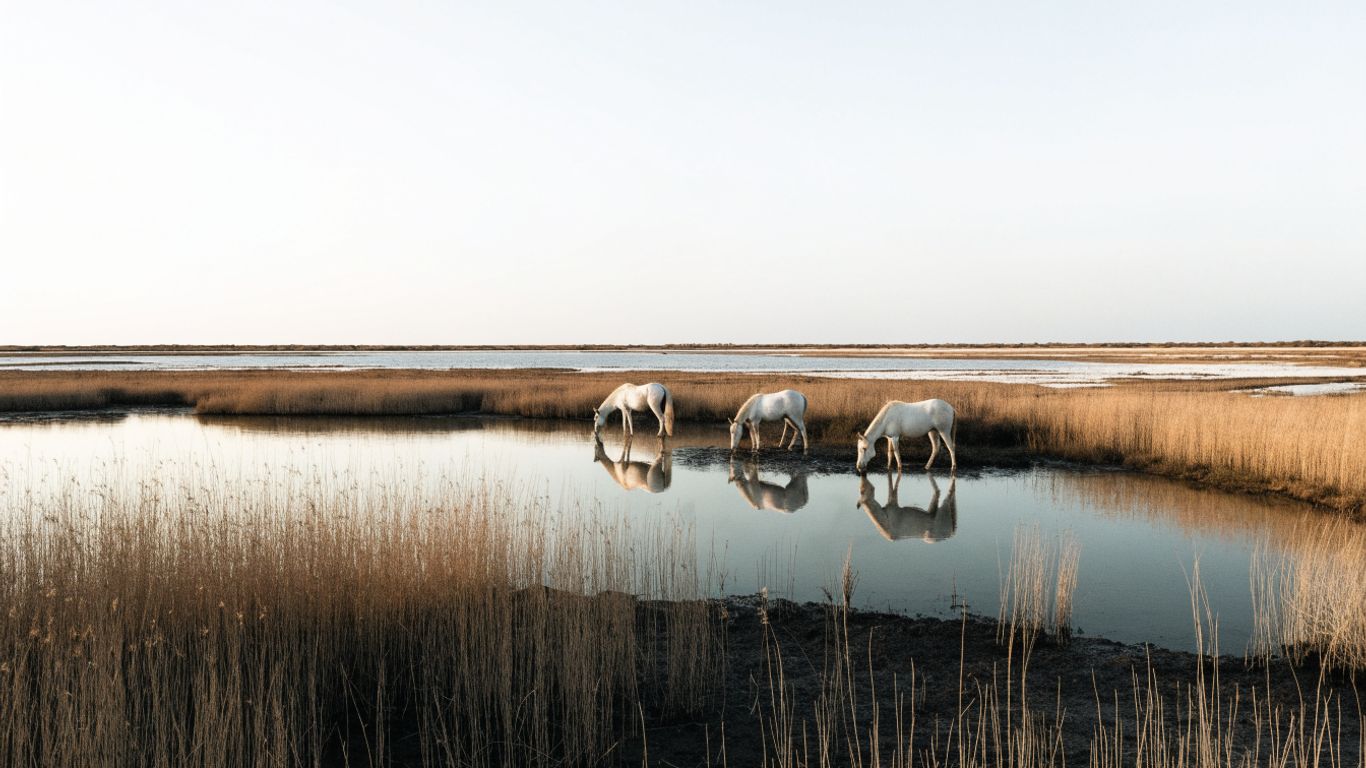
Visitors may see flamingos, herons, and other wetland birds, as well as the region’s familiar white horses and black bulls. Sightings are never guaranteed, and birds in particular shift with season, water levels, and migration. The open horizons are part of the appeal too: a quiet stretch of marsh or a view across a lagoon can be memorable even when animals remain far off.
When I watched the wetlands, I noticed how much there was to take in beyond wildlife: reeds, reflective water, and the changing color of the land. Give yourself time to scan the scene, and bring binoculars if you have them. A little patience often makes the outing feel richer than trying to spot a particular animal at all costs.
Guided tours versus exploring independently
A guided outing can make the landscape easier to read, especially if you are unfamiliar with the delta’s routes and local conditions. Going independently can give you more control over timing, but requires planning for access, transport, and navigation. I would choose based on how much structure I wanted that day, rather than assuming one approach is always better.
If you are driving or cycling on your own, check which areas are open to visitors and follow posted restrictions. A guided trip is useful when you want someone else to manage the route and explain what you are seeing. Either way, the quietest experience comes from leaving room for pauses instead of trying to fit too many stops into one day.
Choosing the right kind of safari
The best outing depends on the kind of experience you want and what feels comfortable. I found it helpful to think about pace, access, and the perspective each mode offers, rather than choosing by scenery alone. The options overlap in what they may reveal, but each one changes how you move through the landscape.
When a 4×4 tour is the best fit
A 4×4 outing can suit visitors who want to cover more ground without walking or riding for long stretches. It offers a seated view across the delta and can make sense when you have limited time or prefer a guided route. Ask about the vehicle, the length of the trip, and the number of stops before booking, since those details affect comfort as much as the scenery does.
I would consider this option if I wanted a broad overview and a guide to help interpret the places along the way. It is less suited to travelers who prefer to move slowly on foot or spend an extended time on the water. The route and actual wildlife sightings can vary, so it is worth treating the trip as an introduction rather than a promise of particular encounters.
What horseback rides offer and who they suit
Horseback rides bring you close to the landscape at a slower pace, and local operators may offer routes for different levels of experience. Ask directly about beginner options, riding time, and any age or ability requirements; these vary by provider. For a closer look at route types and preparation, Camargue horseback rides can help you compare options before making plans.
A short comparison can make the choice clearer, especially if you are traveling with people who have different preferences. These are general distinctions rather than guarantees; individual tours vary.
| Outing | A useful fit for | What the perspective offers |
|---|---|---|
| 4×4 | Visitors wanting a guided overview | Seated travel across a wider area |
| Horseback | Riders seeking a slower outdoor outing | A close, ground-level view of the landscape |
| Boat | Visitors interested in channels and wetlands | Views from the water and its edge |
Consider how each option matches your comfort and interests, then check the specific route with the operator. If you are new to riding, choose an outing that clearly welcomes beginners rather than assuming every ride is suitable. For visitors who would rather not ride, a vehicle or boat can still offer a rewarding view of the delta.
How boat trips provide a different view of the wetlands
From the water, the edges of marshes and channels become the focus. A boat trip can offer a quieter, lower vantage point than a vehicle, though the route and pace depend on the boat and local conditions. If you are especially interested in birdlife, compare flamingo boat tour options and check what kind of trip is offered before reserving.
I liked the idea of seeing the wetlands from a different angle, but a boat is not automatically the best choice for everyone. Consider how you feel about time on the water, the length of the outing, and the weather forecast. For a compact trip, ask how much time is spent traveling and how much is set aside to observe the surroundings.
Exploring the Camargue by 4×4
A 4×4 tour offers a practical way to see several types of terrain in one outing. The experience may include stretches of open country and pauses to look across wetlands, but the exact route depends on the guide and conditions. On my visit, I appreciated having time to take in the scale of the landscape instead of focusing only on the next stop.
Typical routes and stops on a guided drive
Guided drives may use rural tracks and roads to reach different parts of the delta, with stops chosen according to the route and conditions. Rather than expecting a fixed itinerary, ask what the tour typically covers and whether the guide makes time for questions or photography. You can also check whether the departure point is convenient for your base.
A well-paced drive gives you a chance to notice changes between one area and the next. Some tours may include cultural or working-landscape context, while others focus mainly on scenery and wildlife. Confirm what is included directly with the operator, since a tour’s title alone may not explain its route or format.
What to look for along lagoons, marshes and open plains
Look for contrasts: open water against reed beds, wide horizons beside narrow channels, and the different colors that appear as light shifts. Wildlife may be visible at a distance, so binoculars can be useful. I found that scanning slowly from one part of the view to another was more rewarding than searching for a single animal.
Keep expectations flexible. Seasonal water levels, weather, and wildlife movement can all change what a particular stretch looks like. You might see a busy lagoon one day and a quieter view the next; both are part of experiencing a living wetland rather than a staged attraction.
Group size, tour length and vehicle accessibility
Before booking, ask about the total duration, group size, and how passengers enter and exit the vehicle. Those details matter if you are traveling with children, have limited mobility, or simply prefer a smaller group. Do not assume every vehicle or route offers the same level of access.
A few practical questions can help you compare tours without overcomplicating the decision:
- How long is the outing, including any stops?
- How many people usually share the vehicle?
- Is there a step up or other access consideration?
- What happens if weather affects the route?
Once you have those answers, you can decide whether the outing fits your day and your needs. I would also leave a little breathing room before and after the tour, especially if you are traveling between towns or planning another activity.
Discovering the Camargue on horseback
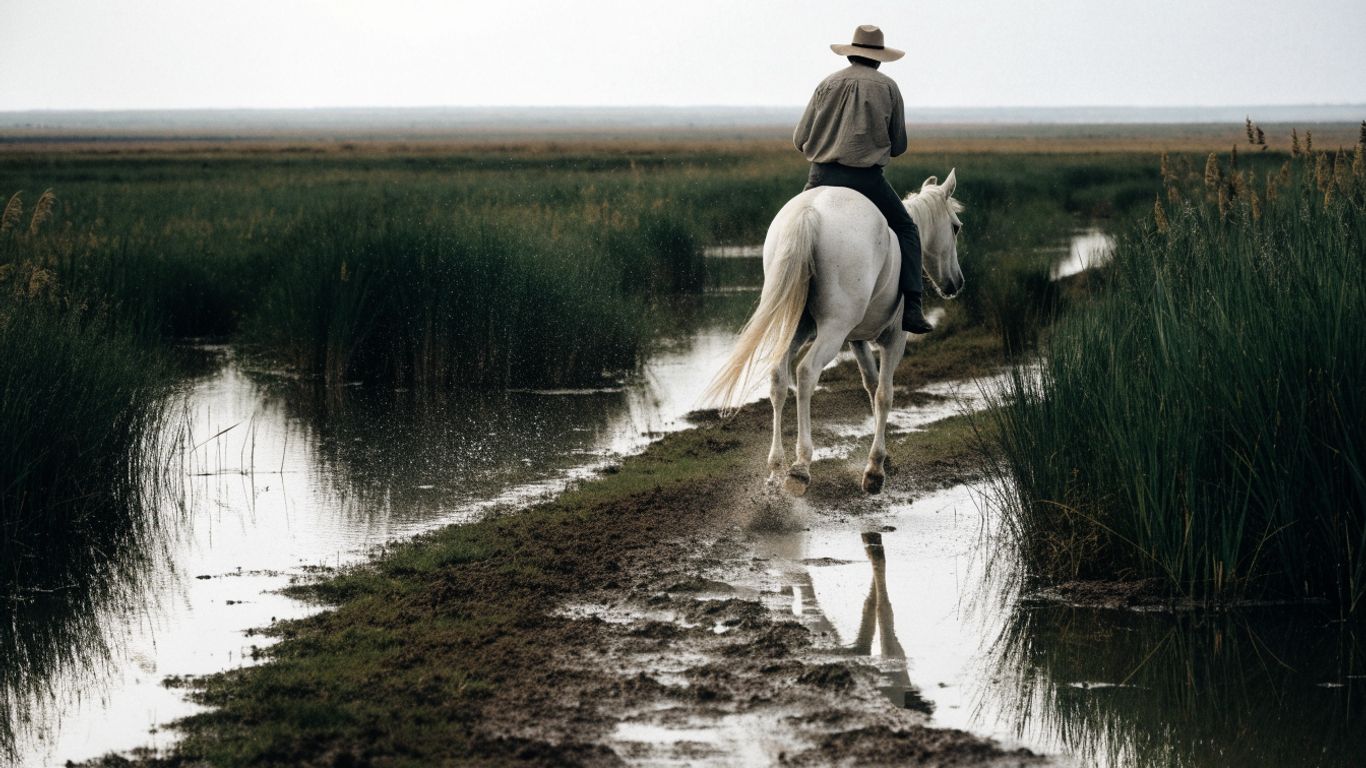
Riding through the Camargue offers a close view of its open spaces and slower rhythms. It is a distinct experience from watching the landscape through a vehicle window, but it depends on your comfort around horses and the suitability of the route. On my visit, I found it useful to treat the ride as a chance to experience the terrain gently, not as a fast-paced excursion.
Riding options for beginners and experienced riders
Operators may offer rides of different lengths and styles, but the available choices vary. Beginners should ask whether the ride is suitable for first-time riders, how much instruction is provided, and what pace to expect. More experienced riders can explain their ability level when booking and ask whether the route matches it.
Do not book based only on a photograph or a route name. Check the stated requirements and be honest about your experience, since the guide needs to match riders with a suitable outing. If you are unsure, a shorter or beginner-friendly option may be the more comfortable way to start.
What to wear and bring for a ride
Comfortable clothing that can handle wind and changing weather is a sensible choice. Wear closed-toe shoes and follow the operator’s instructions about helmets and other riding equipment. I would also bring water and sun protection, as the open landscape can feel exposed even when the day seems mild.
Think through a few simple preparations before setting out:
- Choose clothes that allow you to move comfortably.
- Bring water and sun protection suited to the forecast.
- Ask the operator what safety equipment is provided.
- Keep loose items secured while riding.
The operator’s guidance should take priority, especially about equipment and what to bring. Pack lightly so that you can focus on the ride, and check the weather close to departure in case conditions change.
Horse welfare and responsible riding practices
Responsible riding starts with choosing an operator who explains the route, rider requirements, and care of the horses. Follow the guide’s instructions, keep a calm pace, and avoid feeding or approaching animals unless invited to do so. If anything feels unclear, ask before the ride begins.
A good experience should respect both the rider and the horse. Be realistic about your ability, and do not pressure an animal or guide to take a route that is not appropriate. The same care applies when you encounter horses elsewhere in the region: observe from a distance and let them move freely.
Taking a boat trip through the wetlands
A boat trip changes the scale of the landscape: from the water, reeds and banks can feel close, while the open delta still stretches beyond them. Routes, vessels, and trip lengths differ, so it is worth checking the details before booking. I would choose a boat outing when the water itself is part of what I want to experience, not just a way to reach another stop.
Differences between river cruises and smaller guided outings
Larger cruises and smaller guided outings can differ in pace, group size, and the kind of route they follow. A bigger vessel may feel more stable and spacious, while a smaller outing may offer a more intimate setting; actual features depend on the operator. Ask what the boat is like, how long the trip lasts, and whether the route is suitable for your group.
The name of a tour does not always make these distinctions clear. I would look for practical details such as boarding arrangements, shelter, and how the guide handles questions. If you have mobility or motion-sensitivity concerns, check those directly before reserving.
Wildlife viewing from the water
Birds and other wildlife may be visible from a boat, but sightings depend on where animals are and how they behave that day. Keep your voice low and follow the guide’s directions rather than asking the boat to approach an animal. A respectful distance gives wildlife room and often makes the viewing feel more natural.
Bring binoculars if you have them, and keep a camera ready without letting photography take over the trip. I found that watching the waterline and the edges of the reeds offered plenty to notice even when animals were not close. A quiet, attentive approach is better than expecting a guaranteed close-up.
Seasonal conditions and route considerations
Water levels, weather, and seasonal patterns can influence which routes are available and what you may see. Wind or rain may also affect comfort on board. Ask the operator whether the route changes with conditions and what happens if the trip needs to be altered or postponed.
Plan for the day you are likely to have, not an idealized version of it. Bring a light layer, check the forecast, and make sure the trip length suits your schedule. I would keep the rest of the day flexible in case the outing takes longer than expected or conditions change.
Planning a responsible visit
A little planning can make a visit to the Camargue easier and more respectful of the place. Distances between stops, transport choices, and weather can shape a day as much as the tour itself. On my visit, I found it helpful to choose one main outing and leave room to explore at a slower pace.
Best times of year for scenery and wildlife
There is no single best time for every traveler, since seasons affect both scenery and wildlife. Wetland views and bird activity can change over the year, while heat, wind, or rain may affect comfort. Check recent local information when choosing dates, and think about whether you care most about mild conditions, a particular landscape, or opportunities to watch birds.
Avoid assuming that one month guarantees a specific sighting. The Camargue is a working and natural landscape, and conditions shift. I would plan around the experience I wanted—such as a boat ride or a horseback outing—then stay open to whatever the day reveals.
Booking, transport and weather preparations
Book ahead if you have a particular tour type or departure time in mind, and confirm the meeting point before traveling. The Camargue covers a wide area, so transport plans matter; getting around the region can help you compare ways to reach key destinations. If you are deciding where to base yourself, compare places to stay in the Camargue by location and the kind of trip you want.
Check the forecast and allow extra time for getting to your departure point. For a simple day bag, I would bring:
- Water and sun protection.
- A light layer for changing conditions.
- Comfortable shoes for getting to and from the outing.
- Binoculars or a camera, if you use them.
These basics are useful across different tour types, but follow the operator’s specific advice. Confirm whether meals, equipment, or transport are included rather than assuming they are part of the booking. A clear plan for returning to your accommodation can make the day feel less rushed.
How to observe animals without disturbing them
Keep to designated routes and follow the guide’s instructions around wildlife. Do not feed animals, approach them for photographs, or leave marked paths to get closer. I found that distance did not make the experience less rewarding; it helped me notice animal behavior without interrupting it.
Use binoculars instead of moving toward wildlife, keep noise low, and take any litter with you. If an animal changes direction or appears unsettled, give it more space. Responsible observation protects the habitat and leaves the landscape as calm for the next visitor as it was for you.
Conclusion
Camargue safari tours offer several ways to experience the delta, each with its own pace and perspective. Choose an outing that suits your comfort, time, and interests, prepare for changing conditions, and leave room for the landscape to set the rhythm of the day.
Frequently Asked Questions
What is a Camargue safari tour?
It is an organized way to explore parts of the Camargue by vehicle, horseback, or boat, often with a guide. Routes and experiences vary by operator.
Which is better in the Camargue: a 4×4, horse ride, or boat trip?
It depends on your preferences. A 4×4 can cover ground, a horse ride offers a slower land-based experience, and a boat provides a view from the water.
Can beginners go horseback riding in the Camargue?
Some operators offer options for beginners, but requirements differ. Ask about experience levels, ride length, pace, and equipment before booking.
What wildlife might I see in the Camargue?
Visitors may encounter flamingos, other wetland birds, white horses, and black bulls. Sightings vary with season, location, and conditions.
When should I visit the Camargue for wildlife?
Wildlife activity changes throughout the year, and no date guarantees a particular sighting. Check current local information and choose dates that also suit your weather and travel preferences.
What should I bring on a Camargue tour?
Water, sun protection, and weather-appropriate layers are useful starting points. Closed-toe shoes suit many outings, but follow the operator’s specific instructions.
How can I watch wildlife responsibly?
Stay on designated routes, keep a respectful distance, avoid feeding animals, and follow your guide’s directions. Binoculars can help you observe without approaching.


