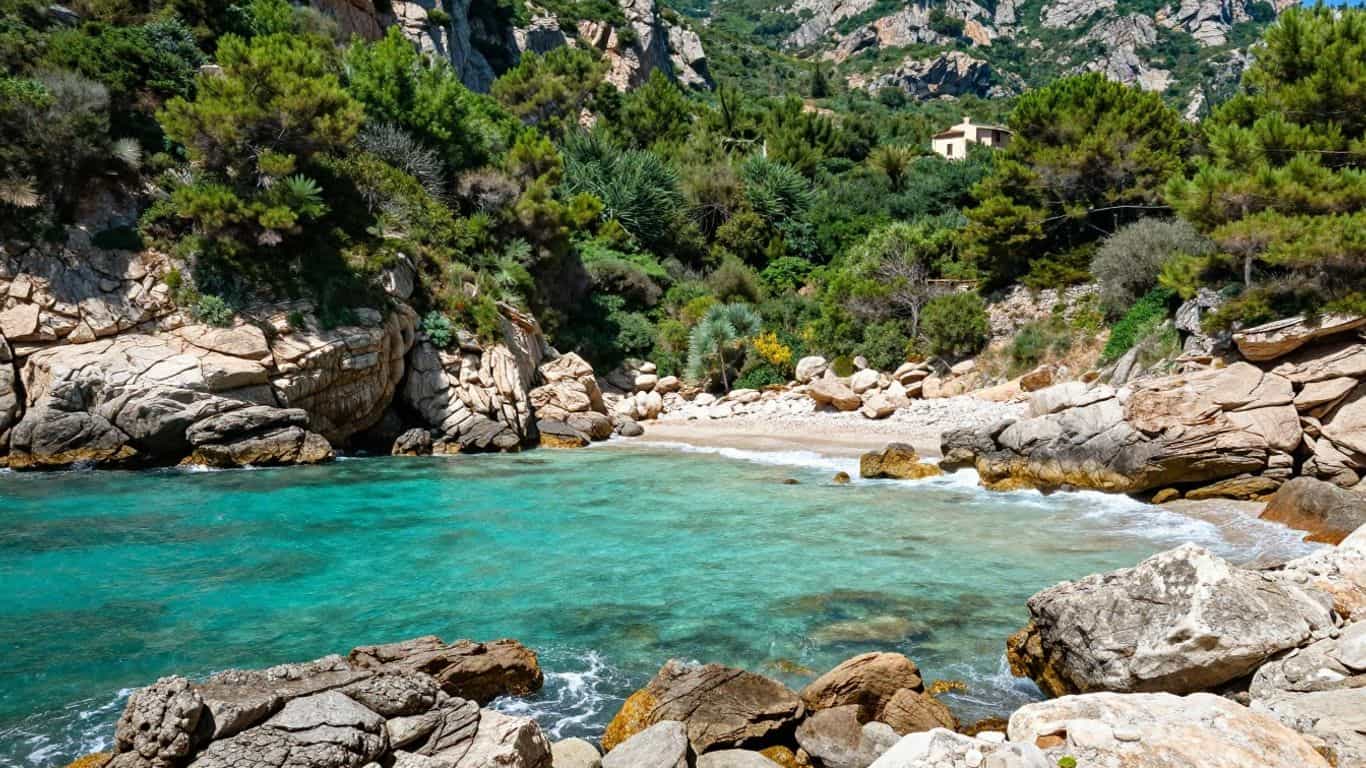

One Week in Corsica: A 7-Day Itinerary from Bonifacio to Cap Corse

Key Takeaways
This route links Corsica’s southern cliffs with its west coast and northern peninsula. I’d keep the pace flexible: island roads can make a short distance take longer than expected.
- Start in Bonifacio and spend time in its citadel and harbor.
- Break the drive north with a stop in Sartène or a swim near Valinco.
- Stay overnight in Ajaccio, Piana, Calvi, and Saint-Florent to limit backtracking.
- Allow time for the Calanques de Piana and Balagne’s hilltop villages.
- Finish around Cap Corse, then continue to Bastia or plan your return drive.
Day 1: Explore Bonifacio’s old town and harbor
I like beginning in Bonifacio because the compact old town and the harbor below it make a satisfying first day without a long drive. The limestone cliffs give the place its striking outline, but the small details—stone lanes, church interiors, and boats coming into the marina—are what kept me lingering. I’d leave room for the weather and the pace of the day rather than trying to fit every viewpoint into one visit.
Walk the citadel’s lanes and visit the historic churches
The citadel is best explored on foot, with time to wander rather than follow a strict route. I found that the narrow lanes open onto occasional views of the sea, and the historic churches offer a quieter pause from the busier streets. For a little more context before you go, this Bonifacio old town guide covers the cliff-top town and its coastline.
Follow the cliffside path for views over the Strait of Bonifacio
I’d set aside a separate stretch of time for the path above the water. The views across the Strait change as you walk, and the exposed setting can feel breezy even when the town is warm. Comfortable shoes and a water bottle make this short outing easier, especially if you plan to continue exploring afterward.
Take a boat tour to see the limestone cliffs and sea caves
From the harbor, a boat trip gives you a different perspective on the pale cliffs and the caves at their base. I’d check the day’s conditions and departure options before building the rest of the schedule around a tour. If the sea is unsettled, staying on land is a sensible alternative; the cliffside paths still offer a memorable look at the coast.
Day 2: Drive north from Bonifacio to Ajaccio
The drive from Bonifacio to Ajaccio is more enjoyable when treated as a full travel day, not a transfer squeezed between major activities. I’d break it up around Sartène and the Gulf of Valinco, then arrive in Ajaccio with enough time to settle in. This is also a useful point to remember that Corsica’s winding roads can make distances feel longer than they look on a map.
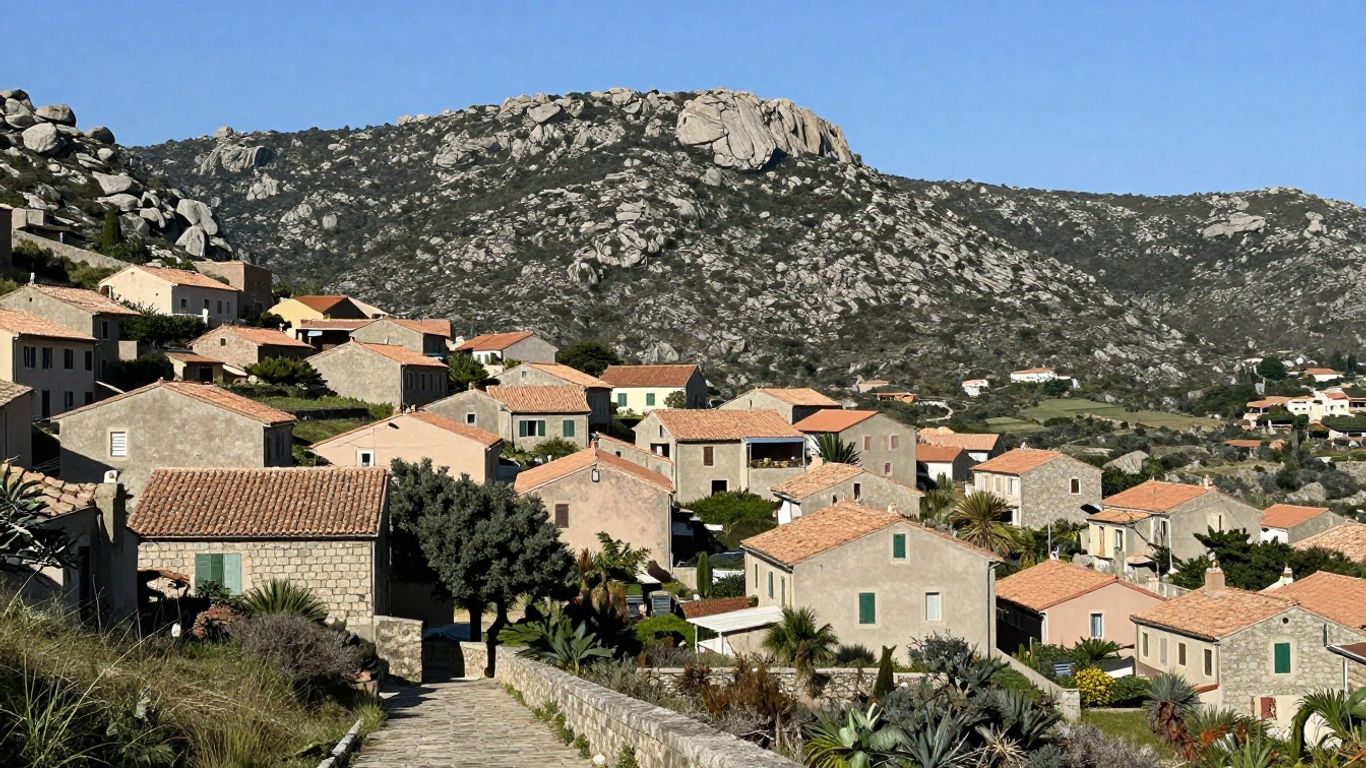
Stop in Sartène to explore its granite streets and old town
Sartène makes a natural pause on the way north, with granite buildings and a compact old center that rewards a slow walk. On my drive, I preferred to decide in advance how much time to give each stop, while leaving some flexibility for lunch or a scenic pause. This simple outline helps keep the day balanced:
| Stop | Why pause | How to use the time |
|---|---|---|
| Sartène | Granite streets and old-town lanes | Walk around and take a relaxed break |
| Gulf of Valinco | Coastal scenery and beach options | Choose a swim or lunch stop |
| Ajaccio | A comfortable overnight base | Arrive with time to check in |
The table is a guide, not a strict timetable; the right amount of time depends on your plans and the day’s road conditions. I’d keep the evening in Ajaccio easy after the drive.
Choose a beach break near Propriano or along the Gulf of Valinco
A beach pause near Propriano or elsewhere along the Gulf of Valinco can turn a long drive into a more relaxed day. I’d choose one coastal stop rather than trying to visit several, then check access and conditions before committing to a particular beach. Even a short swim or an unhurried meal by the water makes the journey feel less like a transfer.
Set aside time for the drive and settle in for the night in Ajaccio
I’d plan to reach Ajaccio with enough daylight to check in and take a short walk, rather than arriving late after a packed route. Staying in or near the center makes it easier to explore the old town and waterfront the next morning. If you’re arranging air travel as part of the trip, Aviasales is a free flight metasearch engine that compares available options based on your filters; booking takes place on airline and agency websites.
Day 3: Visit Ajaccio before continuing to Piana
Ajaccio deserves more than a quick stop, even on a route that continues west. I’d use the morning for the historic center and waterfront, then leave time for lunch before driving toward Piana. This split lets you see the city without turning the afternoon drive into a rushed finish.
See the old town, waterfront, and Napoleon’s birthplace
I’d begin on foot in the old town, then make my way toward the waterfront and the places connected with Napoleon’s birth. The center is a good place to slow down over coffee or a meal before getting back on the road. It also gives the day a change of pace after Bonifacio’s cliff-top setting.
Choose a morning activity, such as a market visit or a boat trip
I like choosing one main activity for the morning and keeping the rest of the schedule open. A few options fit naturally into a short visit:
- Browse a market and pick up something for the road.
- Take a boat trip if departures and sea conditions suit your plans.
- Spend longer around the waterfront and old town instead.
Choosing just one keeps the morning from feeling crowded and leaves a useful buffer before the drive. I’d check local opening times and tour schedules close to the day rather than assuming every option runs on the same timetable.
Drive to Piana and plan for winding roads and scenic stops
The road to Piana is part of the experience, but I’d allow more time than a map estimate suggests. Narrow bends and tempting places to pull over can stretch the journey, so it helps to choose a few safe stops rather than stopping wherever the view catches your eye. I’d stay overnight in Piana or nearby Porto to make an early start around the coast easier.
Day 4: See the Calanques de Piana and travel to Calvi
The red rock around Piana and Porto is one of the most distinctive parts of this route, and I’d give it the best part of the morning. Roadside viewpoints and a short walk can fit together well, but conditions and traffic may change the timing. Once I’ve had time to take in the coast, I’d continue toward Calvi without trying to add too many detours.
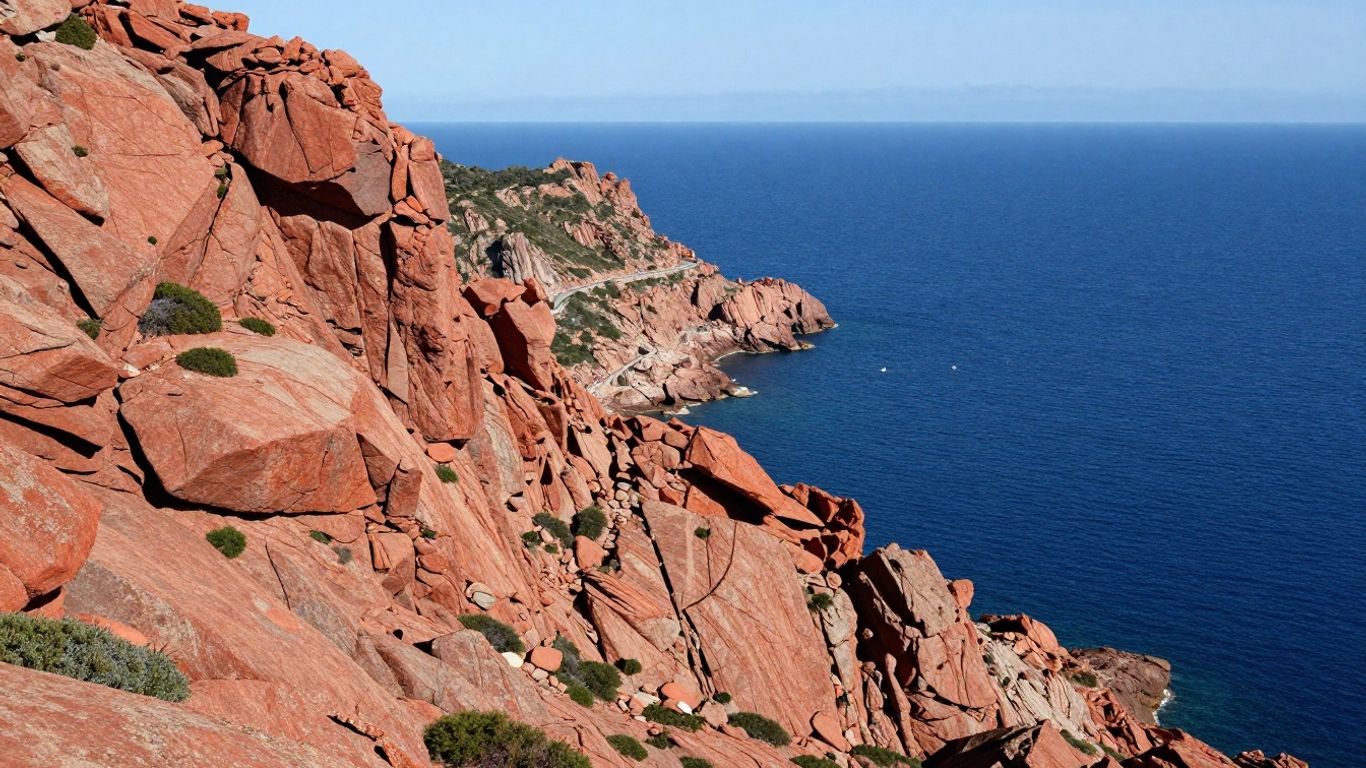
Explore the red-rock scenery around Piana and Porto
The contrast between red stone, green vegetation, and blue water is striking along this stretch of coast. I’d pause at viewpoints where it is safe to stop and take a walk suited to the day’s heat and conditions. The Calanques de Piana boat tour is another way to see the formations from the water, with options depending on the excursion and conditions.
Take a coastal boat trip or short walk, depending on conditions
I’d choose between a boat trip and a short walk after checking the weather and sea state. From the water, the cliffs and coves appear at a different scale; on foot, you can take the landscape at your own pace. Either way, keeping this part of the day flexible is more useful than committing to a tight schedule.
Continue to Calvi and check road times before setting out
The onward drive to Calvi is a substantial leg, so I’d check current road times before leaving and avoid adding a late detour. Staying in Calvi puts the citadel, harbor, and beach within easy reach the next day. I’d book a second night here rather than moving on immediately, especially if I want time to explore the Balagne.
Day 5: Spend a full day in Calvi and the Balagne
Calvi works well as a base for a slower day after the longer drives. I’d explore the citadel and harbor first, then choose either a beach afternoon or a trip inland through the Balagne villages. Keeping the same room for another night means there’s no need to pack up between these options.
Visit Calvi’s citadel and harbor
I’d start with the citadel while I had the energy for its lanes and viewpoints, then wander down toward the harbor. The two areas feel quite different, and taking time between them makes the day more than a checklist of stops. A leisurely lunch near the water is an easy way to reset before the afternoon.
Choose between a beach day and a trip through Balagne’s hilltop villages
For a restful day, I’d stay near the coast and leave plenty of time for a swim. If I wanted a change of scenery, I’d drive into the Balagne and visit one or two hilltop villages instead of trying to cover them all. The Balagne village route offers ideas for pairing village visits with the surrounding landscape.
Book a second night in Calvi to avoid rushing the area
I’d keep Calvi as a two-night base, with the second night giving the day a more comfortable shape. It avoids a late arrival somewhere new after a full day out and makes it easier to adjust plans if the weather changes. That extra night is especially useful if the village roads or a beach stop take longer than expected.
Day 6: Travel from Calvi to Saint-Florent
The drive from Calvi to Saint-Florent is a chance to take one last look around the Balagne before heading toward the northeast. I’d leave time for a village or coastal stop, but not so many that the afternoon arrival becomes stressful. Saint-Florent is a practical base for the final day’s loop around Cap Corse.
Make a stop in Île-Rousse or another Balagne village
Île-Rousse makes an easy coastal pause, while a village inland offers a different view of the region. I’d choose one based on the mood of the morning and how much time I wanted to spend on the road. A short wander and a coffee can be enough before continuing north.
Break up the drive with a swim or a meal along the coast
A swim or a relaxed meal can divide the drive into manageable pieces. I’d check parking and beach access as I go, since the most appealing stop is not always the most practical one on a travel day. Keeping this break simple leaves more time to arrive in Saint-Florent and settle in.
Stay in Saint-Florent for convenient access to Cap Corse
I’d stay in Saint-Florent so the next morning starts close to the peninsula. Choosing accommodation near the center or harbor makes an evening stroll straightforward after the drive. It’s also a useful place to review the route and decide how far around Cap Corse I want to go.
Day 7: Explore Cap Corse from Saint-Florent
For the last day, I’d head north from Saint-Florent and take the coastal road at an unhurried pace. Cap Corse is best treated as a scenic drive with stops, not a race from one end to the other. The itinerary can finish in Bastia, or include extra time for the return journey if your trip ends elsewhere.
Visit Patrimonio’s vineyards or the nearby beaches
Patrimonio offers a vineyard stop, while the nearby coast gives you the option of a final swim. I’d choose one main focus for the morning and check what is open before setting out. If a wine visit is part of the plan, arranging it ahead helps avoid relying on a spontaneous stop.
Follow the peninsula’s coastal road through fishing villages and viewpoints
The coastal road passes villages and viewpoints that are worth enjoying without rushing. I’d pull over only where it is safe, and allow time for the narrow roads and occasional pauses. For the flight home, Aviasales compares available flight options based on selected filters, with booking completed directly on airline or agency websites.
Finish in Bastia or allow extra time for the return drive
Bastia makes a practical endpoint if it fits your onward plans, and it gives you a final chance to walk around a Corsican port town. If you need to drive farther, I’d leave a generous buffer instead of assuming the final leg will be quick. A Corsica seven-day route can be useful for comparing this itinerary’s overnight bases with other ways to organize the island.
Conclusion
This week-long route gives me a satisfying mix of Bonifacio’s cliff-top history, the west coast’s red-rock scenery, and the villages and coastal roads of the north. I’d keep the overnight bases steady, protect time for the longer drives, and be willing to trade a stop for a slower, more enjoyable day.
Frequently Asked Questions
Is seven days enough to explore Corsica?
Seven days is enough for a focused route linking several major coastal areas, but it won’t cover the whole island in depth. Choose a few bases and leave time for the drives between them.
Do I need a car for this itinerary?
A car makes it easier to connect Bonifacio, Sartène, Ajaccio, Piana, Calvi, and Saint-Florent. Check rental terms and plan for narrow, winding roads before setting out.
Where should I stay on a week-long Corsica trip?
For this route, consider overnight stays in Bonifacio, Ajaccio, Piana or Porto, Calvi, and Saint-Florent. Two nights in Calvi help make room for both the town and the Balagne.
How much driving should I expect?
The route includes several longer transfers, especially between Bonifacio and Ajaccio and between Piana and Calvi. Allow extra time for winding roads, stops, and changing conditions.
When is a good time to visit Corsica?
The best timing depends on whether you prioritize warm beach weather, quieter roads, or milder conditions for walking. Check seasonal transport and opening schedules when choosing your dates.
Can I take a boat trip at Bonifacio or Piana?
Boat trips are available in both areas, but schedules and conditions vary. Check current departures and sea conditions before planning your day around an excursion.
Should I end the itinerary in Bastia?
Bastia is a sensible endpoint if it suits your onward travel plans. If you need to return elsewhere on the island, leave extra time for the drive rather than adding one more stop.