
Bonifacio: The Cliffside Town at Corsica’s Southern Tip

Key Takeaways
Bonifacio rewards travelers who balance its historic upper town with time on the water and along the coast.
- Stay at least one night if you want more than a quick look at the citadel.
- Wear sturdy shoes for steep lanes, cliff paths, and uneven fortifications.
- Book a boat trip to understand the scale of Bonifacio’s limestone coast.
- Reserve extra time for nearby beaches such as Piantarella and Sperone.
- Check transport, parking, and seasonal opening details before arrival.
Getting to know Bonifacio and its dramatic setting
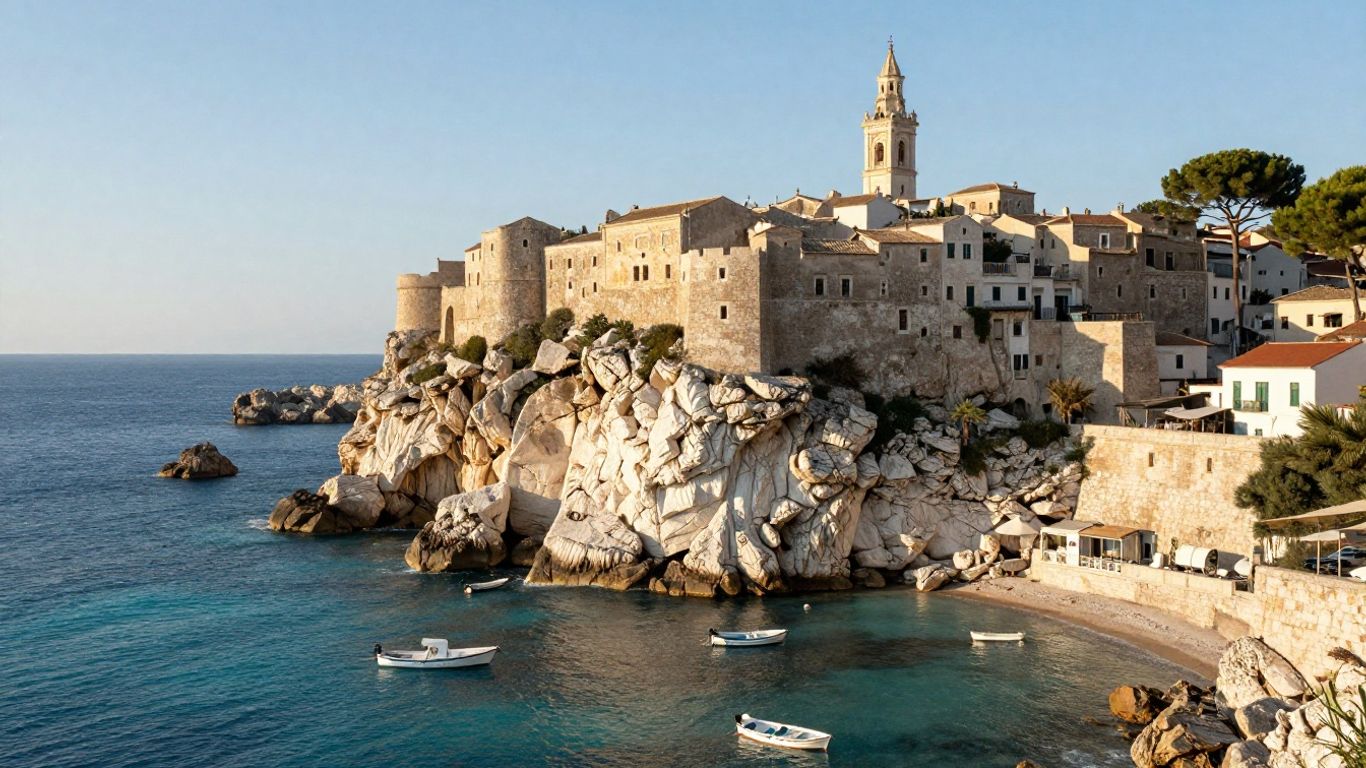
Bonifacio is a compact town with an unusually dramatic position at Corsica’s southern tip. Its fortified old town sits above pale limestone cliffs, while the marina occupies a sheltered inlet below. A first visit is most satisfying when you treat these as connected but distinct parts of the destination.
Where Bonifacio sits on Corsica’s southern coast
Bonifacio faces the Strait of Bonifacio, with Sardinia lying across the water to the south. Its location makes it feel both like a historic border town and a Mediterranean port, especially when the wind moves through the narrow streets. It is a natural base for exploring the southern coast, although roads between destinations can take longer than the map suggests.
How the limestone cliffs and natural harbor shape the town
The town’s white cliffs are not just a scenic backdrop: they determine where roads, buildings, paths, and boats can go. From above, the harbor appears tucked into the rock, while from sea level the citadel seems to rise directly from the shoreline. The view changes completely when you move from the ramparts to a boat, so both perspectives are worth making time for.
The difference between the upper town, marina, and surrounding coast
The upper town contains the citadel, old lanes, churches, shops, and viewpoints. Below it, the marina is flatter and more open, with restaurants, mooring points, and departures for excursions. Outside town, the coastline becomes quieter and more practical to explore by car, shuttle, bicycle, or on foot.
How long to stay for a first visit
A day can cover the main citadel streets, a viewpoint, and a short harbor experience, but it will feel busy in summer. Two nights allow you to add a beach or a longer boat trip without rushing every stop. Travelers who prefer swimming, walking, and slow meals should consider three nights.
Planning your trip to Bonifacio
Planning matters in Bonifacio because the most attractive places are spread across different levels and stretches of coast. Summer brings strong demand, hot walking conditions, and more traffic near popular beaches. Discover France Beyond Paris takes a practical approach to regional travel, so use the same habit here: match your transport, lodging, and activities to the time you actually have.
When to visit for weather, swimming, and smaller crowds
Late spring and early fall generally offer a useful balance of warm days and more manageable visitor numbers, though sea temperatures may vary. July and August are the busiest period, with intense sun and greater pressure on parking and boat departures. May and September can suit travelers who want a mixture of walking and swimming, while weather remains changeable enough that a light layer is sensible.
Reaching Bonifacio by car, bus, ferry, or flight
A car gives the greatest flexibility for beaches and coastal viewpoints, but it is not essential if you plan to stay close to town. Regional buses connect parts of Corsica, although schedules can be limited and seasonal. Ferries serve Corsica from mainland France and Italy, while flights arrive at airports serving the south; planning ferry and flight routes can help you compare arrival points before booking.
Parking, walking distances, and mobility considerations
Parking areas around the citadel and marina can fill during the high season, so arriving early is often easier than circling later. Expect slopes, steps, cobblestones, and stretches without much shade between the upper town and waterfront. A small day bag is more comfortable than rolling luggage, and anyone with mobility concerns should confirm access details with accommodation and tour operators in advance.
For a quick comparison, this is the practical trade-off between the main arrival choices:
| Option | Best for | Main consideration |
|---|---|---|
| Rental car | Beaches and flexible day trips | Parking and winding roads |
| Bus | Travelers staying in town | Limited schedules and routes |
| Ferry | Bringing a vehicle or traveling slowly | Port connections and sailing times |
| Flight | A shorter journey to southern Corsica | Ground transport after landing |
The right choice depends less on the mode itself than on your itinerary. If most of your time is inside the citadel, avoid paying for flexibility you will not use; if beaches are central, transport planning becomes much more important.
What to pack for steep streets, boat trips, and sun exposure
Bring shoes with a firm sole, sunscreen, a hat, water, and a light layer for breezy boat rides. A swimsuit and compact towel are useful even when swimming is not the day’s main plan. Keep valuables secure on crowded lanes and protect electronics from spray during coastal excursions.
Exploring the citadel and old town
Bonifacio’s citadel is best explored on foot, without trying to follow every lane in a single pass. Begin near an entrance, walk the main streets, then allow yourself to turn toward the walls and quieter corners. The old town is compact, but its changes in level make a slow pace more comfortable.
Walking through the Porte de Gênes and historic fortifications
The Porte de Gênes is a natural starting point for understanding the old town’s defensive design. Passages, walls, and gateways reveal how carefully the settlement was separated from the harbor below. Look up as you walk: the stonework and buildings often feel more impressive when seen from the narrow approach streets than from an open square.
Following the streets around Place d’Armes and the citadel
Place d’Armes provides a useful orientation point before you continue through the central lanes. Nearby streets combine residential doorways with cafés, small shops, and historic façades, so the atmosphere shifts throughout the day. Early morning is particularly pleasant for photographs and unhurried wandering.
Visiting the King of Aragon’s Steps and nearby cliff paths
The King of Aragon’s Steps lead steeply down the cliff and require care, especially in hot weather or when the stone is damp. Check access conditions and your comfort level before committing, since the return climb is part of the experience. Cliff paths nearby offer a different way to see the edge of town, but railings and shade are not consistent everywhere.
Finding viewpoints over the Strait of Bonifacio
The ramparts and cliff edge provide broad views across the strait, harbor, and surrounding coast. Visibility varies with haze and wind, so do not judge the outlook solely by one cloudy morning. Sunset can be beautiful, but bring a layer and leave enough light for a safe walk back through the old town.
Discovering Bonifacio from the water
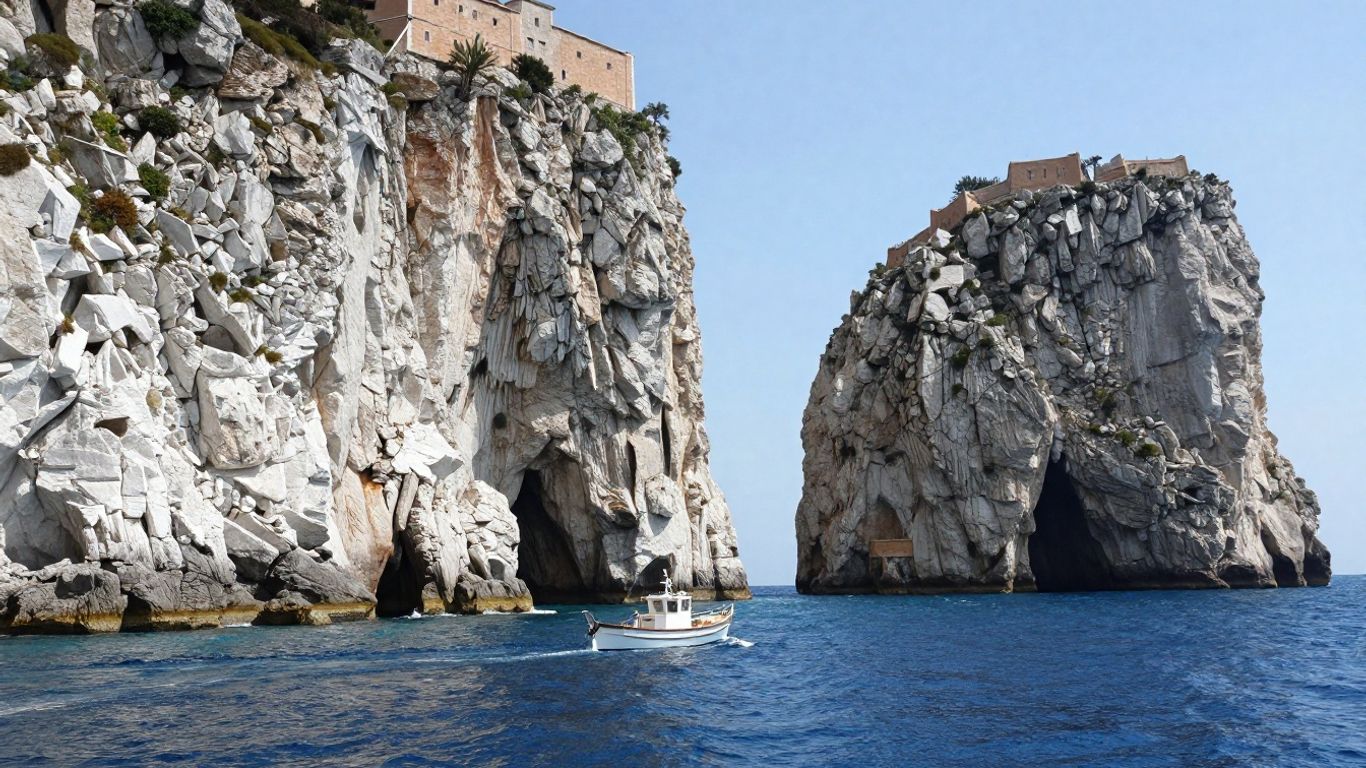
A boat trip adds context to everything seen from land. The cliffs, arches, harbor entrance, and buildings look more unified from sea level, while a calm day makes the colors and rock formations especially clear. Choose the excursion length according to your tolerance for sun, wind, and time on the water.
Choosing between a harbor cruise, cliff tour, and day excursion
A short harbor cruise is convenient for first-time visitors and usually leaves room for an afternoon in the citadel. A longer cliff tour focuses more closely on caves, rock formations, and the coastline outside the harbor. Full-day excursions require more commitment but can combine extended time at sea with an island or swimming stop.
Seeing sea caves, arches, and hidden coves by boat
From a boat, the limestone formations become the main subject rather than a distant edge behind the town. Operators may pass sea caves, arches, and small coves that are difficult to reach from land, though routes depend on weather and sea conditions. For additional coastal ideas, this guide to Corsica’s hidden coves offers useful context beyond Bonifacio.
Taking a day trip to the Lavezzi Islands
The Lavezzi Islands are a popular choice for a longer outing from Bonifacio, particularly for travelers interested in clear water, rocky scenery, and a day outdoors. Pack water, sun protection, and footwear suitable for rough ground, and check the return schedule carefully. Conditions can change, so leave flexibility rather than planning a tightly connected evening reservation.
Booking responsibly in the protected coastal environment
Use operators that explain safety procedures, weather limitations, and the route before departure. Avoid touching marine life, taking rocks, or leaving waste in coves and island areas. Small choices matter in a coastline where visitors concentrate in a few accessible places.
Beaches and outdoor activities near Bonifacio
The coast around Bonifacio offers more than one type of beach day, from shallow water and fine sand to rocky edges suited to snorkeling. Access, wind, and parking can change the experience as much as the beach itself. Go early in peak season and carry what you need rather than assuming every cove has services.
Comparing Piantarella, Petit Sperone, and Grand Sperone
Piantarella is associated with water activities and a more open coastal setting, while Petit Sperone and Grand Sperone are known for their bright sand and clear water. They are close enough to consider together, but walking between them still takes time in sun and uneven terrain. Check local conditions before setting out, especially if wind or strong heat is forecast.
Reaching beaches and coves on foot or by shuttle
Some beaches are reached by paths from parking areas, and the final approach may be rougher than expected. Seasonal shuttles or local transport can reduce the walking burden when available, but schedules should be confirmed locally. Wear shoes for the approach and reserve flip-flops for the sand.
Trying kayaking, snorkeling, diving, and paddleboarding
Calmer water can suit kayaking and paddleboarding, while snorkeling and diving are best arranged with providers familiar with local conditions. Wind and boat traffic influence which activity feels comfortable on a given day. Beginners should ask about sheltered areas, equipment, supervision, and cancellation policies before paying.
Visiting Capo Pertusato and other coastal viewpoints
Capo Pertusato offers a strong sense of the exposed southern coastline, with open water, cliffs, and changing light. Set out with water and sun protection, and stay behind barriers or well away from unstable edges. A viewpoint visit pairs well with a beach morning because it adds scenery without requiring another full town visit.
Eating, staying, and experiencing local life
Bonifacio is lively in the evening, but it does not need to be treated as a nightlife destination. The best rhythm is often a late walk through the citadel, a carefully chosen meal, and time near the harbor before the streets quieten. Accommodation location has a noticeable effect on how often you climb between the upper town and waterfront.
What to eat in Bonifacio and southern Corsica
Look for Corsican specialties such as brocciu, cured meats, local cheeses, chestnut-based dishes, and seafood from the surrounding Mediterranean. Menus vary, so ask what is seasonal rather than ordering only familiar items. A simple meal with regional ingredients can be more memorable than a long list of elaborate dishes.
Choosing between a citadel hotel, marina stay, and countryside lodging
A citadel stay places you close to historic lanes and viewpoints, but may involve stairs and more evening activity. The marina is convenient for restaurants and boat departures, with easier access to the water. Countryside lodging offers more space and quiet, though a car is usually helpful for reaching town and beaches.
Exploring the harbor restaurants without overspending
Harbor tables are appealing, but prices and portions can vary considerably along the waterfront. Compare menus, check whether drinks and extras are included, and consider eating one meal slightly away from the busiest quay. Booking ahead in summer helps, while lunch can sometimes offer a calmer and less expensive experience.
Finding local markets, shops, and evening activities
Markets and small shops are good places to browse regional food, crafts, and practical picnic supplies. Evening activity tends to center on walks, dining, and seasonal cultural events rather than large venues. Ask your host or local tourist office what is happening during your dates, since schedules change throughout the year.
Building a Bonifacio itinerary
A workable itinerary gives each part of Bonifacio its own time instead of squeezing the citadel, beach, and boat trip into one hurried loop. Start with the fixed elements, such as ferry departures or boat bookings, then add flexible walking and meals around them. Discover France Beyond Paris is built around practical destination guidance, and that same planning method works well for this southern Corsican stop.
What to see during a one-day visit
Arrive early for the citadel, walk through the Porte de Gênes, and follow the ramparts toward the main viewpoints. After lunch, choose either a short harbor cruise or a nearby coastal stop, depending on departure times and weather. Keep the evening simple: a final old-town walk gives the day a natural close.
How to plan a relaxed two- or three-day stay
With two nights, use one day for the citadel and water, then devote the next morning to a beach or Capo Pertusato. A third day makes room for a longer island excursion or a slower meal-and-market schedule. Avoid filling every afternoon; wind, heat, and travel delays are common reasons to leave space.
Combining the citadel with beaches and a boat trip
The most balanced plan usually places the citadel walk at a cooler time of day and the beach during the strongest swimming hours. Boat trips are easiest to fit once you know their fixed departure and return times. A simple sequence might look like this:
- Morning citadel walk and cliff viewpoints.
- Midday meal near the upper town or marina.
- Afternoon beach visit or harbor cruise.
- Evening dinner and a short waterfront walk.
This sequence keeps the major experiences connected without forcing every coastal activity into the same day. Adjust it around wind, shade, and the amount of walking your group enjoys.
Where to go next along Corsica’s southern coast
Porto-Vecchio, the extreme southern beaches, and inland villages can all extend a Bonifacio trip, but driving times deserve attention. Choose the next stop according to your route rather than collecting distant places from a map. A broader Corsica road trip itinerary can help connect the south with the island’s other landscapes.
Conclusion
Bonifacio is easiest to appreciate when approached as three experiences at once: a fortified town above the cliffs, a working marina below, and a wide southern coast reached by road, path, or boat. Give yourself enough time to move between them, prepare for sun and uneven ground, and let weather guide the details of each day.
Frequently Asked Questions
Is Bonifacio worth visiting for one day?
Yes. One day is enough to see the citadel, walk the main viewpoints, and add either a short boat trip or a nearby coastal stop, although the schedule will be fairly full.
How many nights should I spend in Bonifacio?
Two nights suit most first visits because they allow time for the old town and at least one coastal activity. Add a third night for beaches, a longer excursion, or a slower pace.
Do I need a car in Bonifacio?
Not necessarily if you stay in the citadel or marina and focus on walking and boat trips. A car is more useful for visiting beaches, viewpoints, and other towns along the southern coast.
What should I wear when exploring Bonifacio?
Wear supportive shoes for steep lanes, steps, and cliff paths. Light clothing, a hat, sunscreen, and a layer for breezy boat rides are practical choices.
Can I visit the Lavezzi Islands from Bonifacio?
Yes, boat excursions commonly connect Bonifacio with the Lavezzi Islands. Check departure times, weather conditions, and the return schedule before committing to other plans.
Are Bonifacio’s beaches easy to reach?
Some are straightforward with a car and a short walk, while others require longer paths over uneven ground. Conditions and seasonal shuttle services vary, so confirm access locally.
What is special about Bonifacio’s setting?
The town combines a citadel perched above white limestone cliffs with a sheltered natural harbor and open views across the Strait of Bonifacio. Seeing it from both land and water reveals its distinctive shape.