
Where to Stay in the Loire Valley: The Ultimate Guide to Unique Château Hotels

Choosing Loire Valley hotels is not about finding one perfect spot. It is more about matching where you sleep with how you move around. Think about the route you will take and whether you want your days to feel rushed or calm.
Key Takeaways
- Amboise, Tours, Blois, and Saumur each offer a different balance of access, atmosphere, and dining.
- Château hotels range from simple heritage stays to full-service estates with restaurants, pools, and spas.
- A car gives you the most flexibility for visiting several châteaux, especially in rural areas.
- Staying near your priority sights can save substantial driving time over a short trip.
- Check parking, breakfast, room access, cancellation terms, and seasonal rates before booking.
Understand the Loire Valley’s main areas before booking
The Loire Valley includes lots of towns, quiet villages, wine routes, and large country estates. With that in mind, visitors can choose places to stay in Loire Valley around the path they want to take, and the kind of trip they prefer. That is why the first stop you choose matters so much. A nice hotel may still feel like a hassle if it is too far from the châteaux you want to visit. Start by writing down where you plan to go and what you want to do each day. After that, review each area you might base yourself in, check the distance, and see what travel options you have.
Amboise for central access and historic charm
Amboise is a solid choice for your first stay. You can explore the old streets on foot, and you are close to key places. In town you will find Château d’Amboise and Château du Clos Lucé. For Chenonceau, Chaumont-sur-Loire, and Villandry, you will need a car for day trips. Hotel options vary a lot. Some are in town, close to shops and places to eat. Others sit on the edge of town in larger houses. Because of that, look at the exact address in each listing. Do not trust wording like “near Amboise” alone.
This town is a good pick for people who like to have dinner without getting back in the car every night. You get river views, a busy market feel, and a small main area you can walk through. If your day includes a visit to a château, the rest of the time still feels easy. For a quick plan, the mix of seeing places and having dinner nearby can be worth a little extra money.
Tours for transport links, dining, and city conveniences
Tours is the practical choice when rail connections, a wider restaurant selection, and urban services matter more than sleeping beside a château. The city works well as a place to start. This works well for people who only want short trips now and then. Some folks just rent a car for a couple of days and then move on.
You can also pick from lots of lodging. There are hotels near the station. You can find other options too, right in the downtown parts.
It comes down to distance. Many big châteaux are not right in town, so you need a drive or a trip you plan ahead. At night, the city also feels a bit less lively than a small riverside place. That said, Tours can make things easier. It helps if you arrive by train. It also helps if you are traveling without a car. And it works well if you want to pair the Loire with other areas of France.
Blois for château-hopping and family-friendly stays
Blois works well if you plan to see Chambord, Cheverny, and Chaumont-sur-Loire. You can also visit the royal château in the city itself. The location is handy, so it is easy to set up day trips for the north and central Loire region. This is even easier if you are driving. For families, it can also be a good fit because some stays offer bigger rooms, apartments, or hotels with useful extras.
In Blois, you can enjoy more in the evening than you would at a countryside property. At the same time, the place still feels old and rooted in history. If you are coming by car, check the parking first. The roads in the center are often tight. Some hotels and rentals may ask you to park before the oldest area, then walk in.
Saumur and the western Loire for quieter countryside escapes
Saumur works well for people who like vineyards, calm mornings, and a sightseeing plan that does not feel rushed. It sits a bit farther from the group of sights around Chambord and Chenonceau in the east. Still, the payoff can be good, especially for meals, local wine, bike rides, and trips through the fields. If you want a longer route, Saumur also fits. You can keep going toward Angers or further west toward the coast.
Pick a place to stay where the hotel is actually part of the day, not just a stop so you can drive out to châteaux each day. Some rural inns do have gardens, swimming pools, or meals on site. Still, many places feel spread out and not very convenient. Check the distance to nearby restaurants. Also ask if taxis can be found at night, or if you would be stuck without a ride.
Choose the right type of Loire Valley accommodation
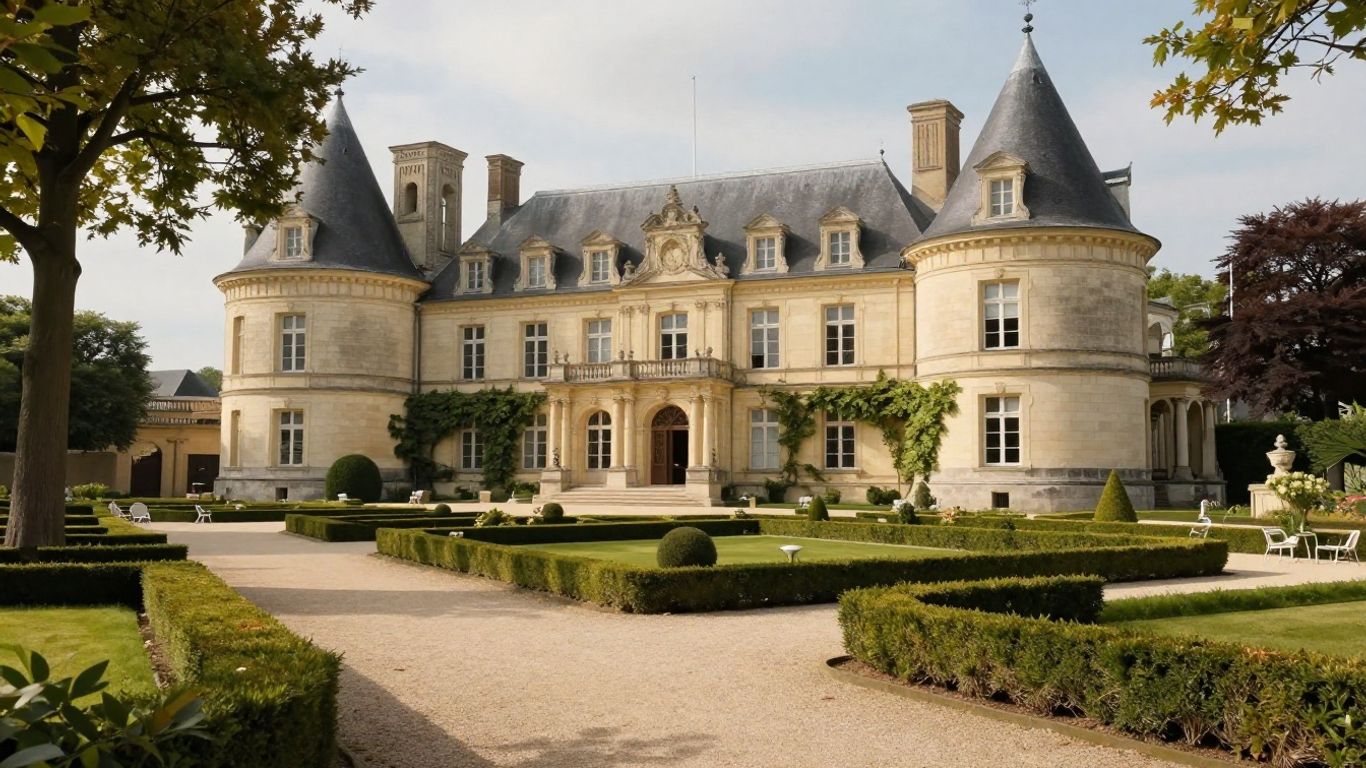
Loire Valley hotels can be grand old château stays, small boutique places, country inns, or simple rooms in towns. Each choice changes how your trip feels day to day.
A château hotel can look amazing and feel like a treat, yet it might be a long way from the town center. A small guesthouse is often nearer to daily life there, and the people who run it can point you to nice places without making it a big thing. Ask yourself what you care about most. Should the hotel be the main draw, or do you mainly want a quiet place to return to once you have gone out to see the sights?
Château hotels for a historic overnight experience
If you want to sleep somewhere old and storied, a château hotel is often the first pick. Many rooms are set in a past home, a hunting lodge, or a manor. The grounds also help, since a night walk can feel just as special as a trip in daylight. Still, not every place matches the same level. Some feel more like small homes for visitors. Others run like full hotels, with dining options and a wide range of services.
Read recent room descriptions closely. “Château” does not guarantee that every room sits in the main house. Older parts of the estate can have smaller bathrooms, awkward steps, uneven floors, and weak cooling. The charm is still there, but it is easier to enjoy once you expect those trade-offs that come with the building.
Boutique hotels in towns and villages
Staying in a small hotel in Amboise, Blois, or Tours can feel like the right fit. You get some local charm, not something stiff or plain. Still, you are not forced to eat at the hotel each night. If the hotel is close to the center, you can reach cafés and market stalls on foot. On calmer afternoons, it is also nice to walk by the river.
These places often have fewer rooms. Because of that, the layout can change a lot. Amenities can also vary from room to room. Before you book, confirm a few details. See if there is an elevator and if it is easy to reach. Ask how loud the street is at night. Check what they offer for luggage. Also ask about parking, including how far it is. A place might look great in photos. But it can feel inconvenient if the nearest parking is a few blocks away.
Country inns, guesthouses, and bed-and-breakfasts
Small country inns and bed-and-breakfast places suit people who like a more personal touch and a calm atmosphere. The hosts often share tips on where to eat, when local markets are on, and what times are best if you want fewer crowds. Many guests also look forward to breakfast. It can be really good when it has local bread, fresh fruit, cheese, and jams or preserves made at home.
A rural trip needs more thought. The reception desk might close early. Dinner may need to be booked ahead. Also, help in English may not be there when you need it. Discover France Beyond Paris shares practical tips for going past Paris. The same approach helps here too. Look into the small, day to day parts first. Do not assume the stay in the countryside will run on its own.
Vacation rentals and self-catering stays
Renting a vacation home can be a solid choice for families and groups. It tends to work best when your trip lasts four nights or more. Having a kitchen helps you grab groceries from stores nearby. You can also make simple meals on your own. After a busy day, you can eat without taking another drive. In many areas, apartment setups give you extra space compared with a usual hotel room.
Stays are not like hotels. With many rentals, extra costs can swing the final total. Cleaning charges and deposits may apply. You may also have limits on the number of nights. The check-in steps can differ too. Even linens and basic items can vary by host.
Before you book, ask about parking. Find out if there is a real, reserved spot. Also check the kitchen setup. Make sure you can cook there. Do not assume it is fine just because there is a microwave and some cups.
Find château hotels for every budget
There is not one set price for a stay in a Loire Valley château. The rate moves depending on the time of year and even on what day you book. Your room type also matters. How close the place is to the well-known estates can change the cost too. Sometimes a small guesthouse is easier than a grand estate. Other times a mid-range hotel can give the feel people look for, without charging for a full top-tier package.
Affordable hotels and guesthouses near the major châteaux
If you are looking for the best hotels Loire Valley, do not limit yourself to places that are marketed as “château hotels.” Take a close look at the area you will be staying in. Notice how easy it feels to live there, day to day. Also check what you actually get for the money. Compare these things before you book.
You may find good options in Blois, Amboise, or nearby towns. Smaller hotels, guesthouses, and basic apartments can still keep the big sights close. That can leave extra budget for entry tickets and meals.
Sometimes it helps to book just outside the old center. You may get easier parking and rooms with more space.
It helps to look at what you pay each day in total, not only the nightly room fee. Sometimes a lower rate sounds good, but the trip time adds up. Add in paid parking and the fact that you may end up eating out most nights, and the cost can climb fast. This Loire Valley budget guide is meant to help you add up lodging, getting around, and things to see as one set of costs.
Mid-range château stays with comfort and character
Mid-range properties are often the sweet spot for visitors who want period details, attractive grounds, and reliable comfort. They may offer a strong breakfast, a good restaurant, a pool in warmer months, or rooms in a converted historic building. Location remains more important than decorative style, particularly on a two- or three-night visit.
Check the room types before you book. The entry level room can feel much smaller than the photos imply. See the bed size listed, and confirm how the room is cooled. Also check how many bathrooms there are and what they include. Find out if the room is in the main château or in a nearby building.
After a day of walking and visits, comfort counts. Most days involve hours outside, either driving or on foot.
Luxury castle hotels with fine dining and spa facilities
Château style hotels are made for people who want the place itself to feel like part of the trip. Great meals, cared for gardens, spa visits, and quiet pool time help a one night stay feel special. If you are marking an anniversary, or you have a day with no rush, it can be an easy choice. Many of these hotels sit out in the countryside. That means you should be happy to stay on the grounds longer than you would in a city.
To figure out whether it is worth the money, think about what you will use each day. If you are out every morning and you come back just to sleep, then a spa place might be a letdown. But if you enjoy long meals, slow walks in the gardens, and some calm time in the middle of your day, then the extra fee could make sense for you.
What is typically included in each price range
Price bands are not set in stone. The table below is meant to help you compare listings. Still, check what is included on each listing page. Breakfast, parking, and access to leisure facilities can change from one property to another, even when the room rate looks similar.
| Accommodation level | Common strengths | Details to verify |
| Budget | Simple rooms, guesthouse warmth, useful locations | Private bathroom, parking, air conditioning |
| Mid-range | Historic character, breakfast, gardens, occasional pool | Room size, building location, restaurant hours |
| Luxury | Fine dining, spa facilities, extensive grounds, full service | Resort fees, meal costs, seasonal facilities |
| Rental or apartment | Space, kitchen, laundry, flexibility for groups | Cleaning fees, deposits, check-in, linens |
This comparison is a starting point, not a promise of what any category includes. A well-reviewed budget property can be a better choice than an expensive estate if it saves driving time and places you near the restaurants you want to use.
Match your location to the châteaux you want to visit
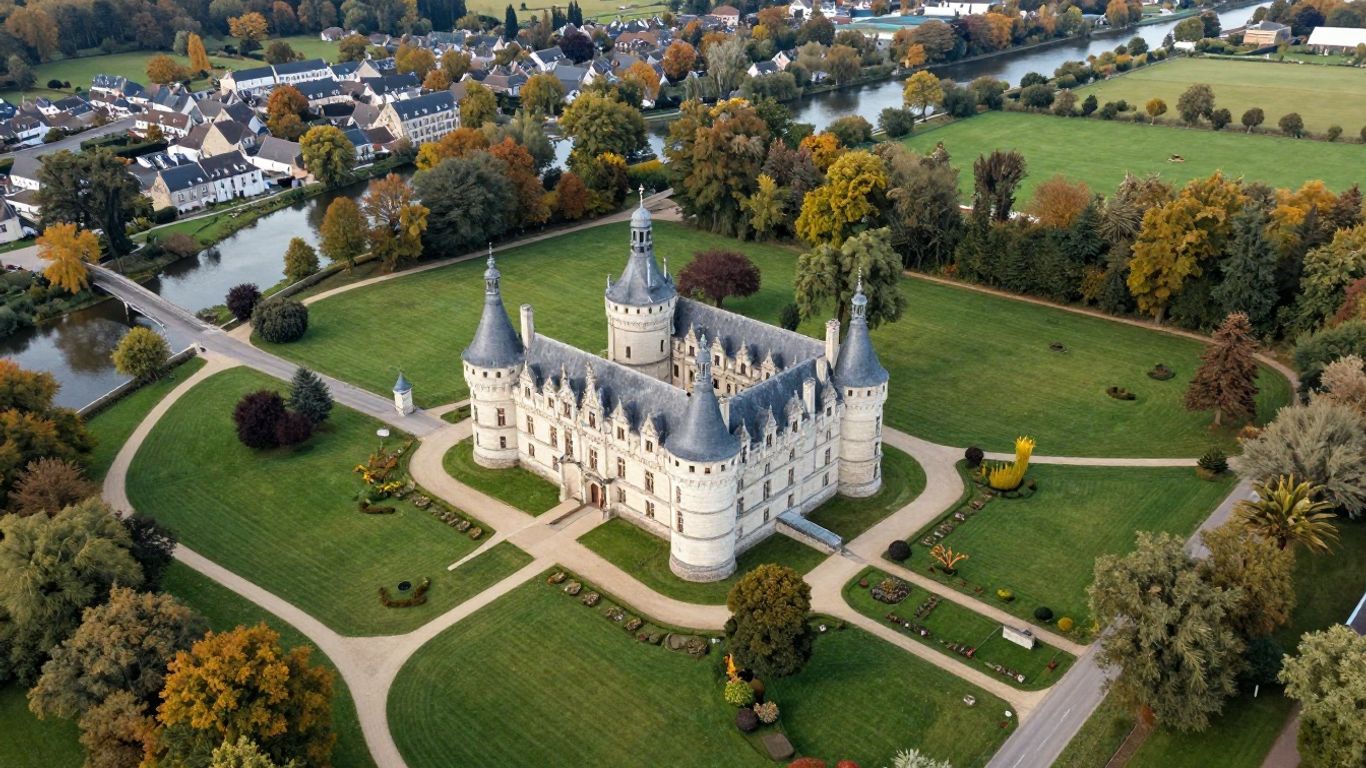
The Loire Valley’s best known châteaux are not lined up like soldiers. Because of that, it is easier to plan visits by area. Pick two or three stops for each day. Do not try to see every big estate from one far away place.
A plan of four days can fit well too. Split your time between a busier town and a calmer spot nearby. This four-day Loire route shows one practical way to plan it.
Staying near Château de Chambord and Château de Cheverny
Go to Chambord and Cheverny by heading east or north from Blois. Aim for nearby villages that sit close to the wooded estate lands. This route cuts down on detours, so you can get there sooner. Try to arrive before the biggest tour crowds.
If you want options, you can also stop at Château de Beauregard. Or spend a while on foot and on a bike around the nearby lanes and fields.
The area is more rural than Blois so evening options may be limited. A hotel that also has a restaurant can help a lot. Still, you should see if they serve dinner every night. You will want to know if you must book a table ahead of time. If the place sits away from the main area, parking is often easy. In that case, you will likely need your own car.
Choosing a base for Château de Chenonceau and Château de Villandry
Staying in Amboise works well if you plan to visit Chenonceau. The small towns between Tours and Amboise are also handy. Villandry is further west, closer to Tours, so it takes more time to reach. If you want to do both stops in one trip, plan for some extra driving. Do not treat them like they are right next to each other. Picking a hotel in the middle, in Amboise, is usually a good option. You can walk to several older sites and still find places to eat nearby.
If you are planning a garden-heavy day, you may feel better staying closer to Villandry or Azay-le-Rideau. Look up the opening dates first, and also check how the gardens look in season. Do not choose a hotel only because one place is listed first in the ad. A good base should fit your whole plan, not only the château mentioned on the booking page.
Where to stay near Château de Blois and Château de Chaumont-sur-Loire
Blois works well as a starting point for the Château Royal de Blois. From there, it is also a good way to reach Chaumont-sur-Loire without much trouble. If you like staying close to the town center, eating out in the evening, and having options that fit your budget, Blois is a solid choice. Then you can go to Chaumont as part of a full day. That day can take in the Loire riverbanks and the nearby villages.
If you are into gardens, look up the dates for the International Garden Festival at Chaumont-sur-Loire. Timing can change how busy things get.
If the weather shifts, staying in Blois can still work well. You can find museums there, walk through historic streets, and visit places that are indoors.
Exploring Château d’Amboise, Château du Clos Lucé, and nearby sights
Amboise works well if you want to see Château d’Amboise and Château du Clos Lucé and skip the car. They are near each other, so you can walk between them. Still, expect some hills along the route and on the grounds. Plan it like this: fit in the market or take a walk along the river. If you want more, choose a short wine visit nearby. Try not to squeeze far away places into one day.
Amboise fills up fast, so plan ahead if you want a weekend stay or travel in high summer. A hotel right in the center might be pricier, and parking can be tight. A place farther out may be cheaper, with nicer grounds and simpler parking. Think about what matters more to you. Do you want to walk to spots after dinner, or would you rather have a calm base where everyone can relax?
Plan the best stay for your travel style
Where you stay is tied to what you do each day. Some couples care more about the vibe and a nice place to eat. Many families look for a pool, rooms close together, and parking that is simple. People who travel for wine, good meals, or quiet time may choose a countryside hotel, even if it takes a drive to visit the main châteaux.
Romantic Loire Valley hotels for couples
For a date night, pick a place that feels real, not overdone. Sometimes a tiny château works well. Other times, a room by the river feels right. You can also choose a nice garden setting or a well known restaurant and keep it simple. You do not need a top tier luxury hotel to make the evening memorable.
If you want to walk around town, Amboise is a solid choice for couples. The streets feel historic, and there are plenty of places to eat. If you prefer quiet time and space, a country estate is often the better fit.
Do fewer stops each day than you would on a trip built for sightseeing. Pick one main château, plan a proper lunch, and leave time to rest at the hotel. That usually feels better than driving around all day just to gather lots of photos. If you will arrive late, ask the front desk about a late check-in and also book a table for dinner in advance.
Family-friendly hotels with pools and larger rooms
If you are comparing places to stay in Loire Valley, begin with the room details. Count the beds first. Then check how the rooms link together. After that, ask about parking. Next, confirm breakfast. When those are set, check how far the site is from nearby places you want to see.
Choose spots that suit both kids and adults. Family rooms are a strong clue. If you want an extra room, look for rooms next to each other. Also look for sofa beds. Write down the size in simple digits. For the bathroom, make sure the space works when more than one person is using it.
A pool can be nice on warm days. But do not treat it as always available. Ask if it is open only in certain months. Find out who is on duty around the pool area. Also ask if the water is warm. Finally, check if the pool is for everyone at the property or only linked to a spa section.
Parking and breakfast also matter more with children. Having a place that is easy to get to can cut down on time each morning and each night. If there is a simple breakfast option or a buffet, some families can start their trip before the peak visiting times. For stays that last longer, apartments might fit better since they have a kitchen and laundry.
Rural retreats for food, wine, and relaxation
A countryside hotel can be a good choice if you plan to see the château and also eat local dishes. You can add vineyard tastings, go cycling, or just spend a slow afternoon without much to rush. Try to give the place enough days. If you arrive late and leave soon, you might only get the room and nothing else. Ask whether the restaurant uses reservations and whether nearby alternatives exist.
In the Loire countryside, you may find fewer services and buses that run less often than in the larger towns. Discover France Beyond Paris offers advice for people who want to see other parts of France, not only the big city sites. It also points out what day to day travel can feel like once you leave the main hubs. With that in mind, you can choose how much freedom you want, whether you need help with language, and how much time you want to spend on plans.
Convenient stays for first-time visitors and short trips
If it is your first trip and you only have two nights, pick one good base. Stay near the château you care about most. Do not try to see the whole valley at that time. You can sleep in Amboise, Blois, or Tours. Each place can work. The right pick depends on where you arrive. It also depends on whether you will have a car. A simple hotel can be the better plan. Look for safe, easy parking. Try to choose a spot where you can walk to meals. That is usually more helpful than staying at a fancy place that sits far from everything.
Pick one main château for each half day. Give yourself extra time for traffic, lunch or dinner, and things you did not plan for. If you can, book the first night close to the route you will take when you arrive. That can make the trip feel easier, especially if you are heading out of Paris by train or by car.
Compare transport, parking, and day-trip convenience
Transport can shape the Loire Valley experience as much as the hotel itself. Rail access is strongest in the main towns, while many château hotels and rural attractions require a car or a prearranged transfer. Before booking, map the likely journeys from the property rather than judging distance in a straight line.
When a car is essential for château-hopping
A car is often the best way to see a set of estates in different parts of the valley. You can get there early, bring a picnic, or move luggage without trouble. With a car, you can link big châteaux with nearby towns and wine spots that do not sit right by the rail line. This also comes in handy at country château hotels, since local taxis may be hard to find.
Parking takes extra focus. Some village streets are very tight, too. If you plan on wine tasting, think ahead about alcohol and how you will get back safely. Try not to pack in too many far away stops during the same day. The car feels most useful when you slow your pace. Not when you just drive farther for the sake of it.
Loire Valley hotels near train stations and local transport
Tours, Blois, and Amboise are the most practical places to consider if you are arriving by train or avoiding a rental car. From these towns, you may be able to walk to your hotel, use local services, or join a planned excursion. A rail-based trip works best when you select a small number of accessible sights rather than trying to reach every château.
Check the final connection from the station to the property. A hotel described as “near” a station may still require a taxi, and rural properties can be difficult to reach with luggage. Contact the accommodation before arrival if you need a transfer or late check-in.
Parking, driving times, and seasonal traffic considerations
Parking is often free or easier outside historic centers, but not always. Confirm whether spaces are on-site, reserved, secure, or subject to an additional fee. During summer weekends and major events, roads near popular estates can be slower than expected, so build in time for parking and walking from the lot.
A simple daily checklist helps keep the route realistic:
- Check the opening hours and last admission time for each château.
- Estimate door-to-door driving time, including parking and walking.
- Reserve dinner when staying outside a town.
- Keep one flexible stop or unplanned hour in the itinerary.
These habits are more useful than trying to predict every minute. They also make it easier to adjust when weather, traffic, or a delayed lunch changes the schedule.
How many nights to spend in each area
If you only have two nights, you can start in Amboise or Blois and keep things simple. With three or four nights, you have room to see more gardens and small towns, and you can slow down for meals that feel easy. For longer trips, it helps to split your lodging between the east and the west. That way you are not stuck doing the same long drive again and again. A guided tour can work well for a quick rail stop. Still, if your plan is mostly about food and wine, Saumur in the countryside needs extra time.
In most cases, only switch hotels if it cuts your driving time in a real way. Getting packed and checking in can run long, especially if you have kids or large bags. For a quick trip, it often helps to stay in one good location instead of moving around.
Know what to check before booking a château hotel
Photographs can communicate a property’s mood, but they rarely answer the practical questions that determine whether a stay works. Historic buildings have quirks, rural hotels have limited operating hours, and inclusions may change between room rates. Read the details, then contact the hotel if anything remains unclear.
Room amenities, accessibility, and on-site facilities
First, confirm the room category. After that, check how the beds are arranged. Look closely at the bathroom layout. Then ask what keeps the room cool during hot hours. Make sure the Wi-Fi signal is strong and stable. Also count the stairs you will use and note where they are.
Since it is a restored château, room sizes can change. In some rooms the ceiling feels higher or lower. The view can also be different from room to room. You may find access routes that feel awkward or narrow.
If you need help with mobility, ask about the main entry points. See whether an elevator is available. Find out how you will get around the grounds. Also ask how far parking is from the reception area.
Also verify pool dates, spa hours, children’s policies, pet rules, and luggage storage. A facility listed on the property page may be seasonal or located in a separate building. Asking clear questions before arrival is easier than fixing a mismatch after check-in.
Restaurants, breakfast, and nearby dining options
A rural château hotel may have an excellent restaurant but no practical alternative nearby. Find out whether the restaurant is open on your dates, whether reservations are needed, and whether breakfast is included in the rate. If you plan to leave early for a popular château, ask about takeaway breakfast or an early serving time.
When you eat in a town with walkable spots, you can change your plans more easily. Still, during busy weeks, some well known places fill up fast. Also think about what time you get in. If you arrive late and the hotel staff stop serving early, you may have trouble finding food. The next village might be a few miles off too.
Cancellation policies and seasonal pricing
Look at flexible and nonrefundable rates side by side. Check the total cost, not only the headline number. Summer can be pricey, especially around school holidays, garden events, and weekends. Spring and early fall are often calmer in terms of both weather and booking demand. Also, a cheaper rate is not always the best deal if you are still figuring out your schedule.
Review the due date, the deposit amount, the no-show policy, and how date changes work. Also check what local taxes add, whether breakfast is charged, and any parking fees. Confirm if you must pay in advance. When you compare options, put the final total next to similar listings so you do not match a room-only price against a deal that bundles extra items.
How to balance château atmosphere with modern comfort
A really good stay usually has a clear sense of place, but it also gives you the simple things you actually need. Old stone walls, period furniture, and nice gardens can be great, yet they should not come at the cost of basic comfort. If the air conditioning is not there, if the stairs are rough, or if the restaurant timing is a pain, that matters more than the charm. Pick what parts of the history you can accept losing, and hold firm on the comforts you will not skip.
Pick a hotel using three main points: where it is, how comfortable the room feels, and the vibe of the place. Start with those in that order. If the hotel nails the first two, you can accept a weaker vibe and still have a good trip. But if it only has the vibe, the location and room comfort will likely get in the way day after day.
Conclusion
Choosing where to stay in the Loire Valley means balancing geography, budget, transport, and the kind of evenings you want after sightseeing. Amboise and Blois are strong all-purpose bases, Tours is convenient for rail and city services, and Saumur or a rural estate suits a slower trip. When comparing the best hotels Loire Valley options, consider the complete cost, location, and route before booking, then choose a property that supports the pace you actually want to travel.
Frequently Asked Questions
Where to stay in the Loire Valley for first-time visitors?
Amboise and Blois are often the easiest all-around bases because they combine historic atmosphere, dining, and access to several major châteaux. The better choice depends on whether your itinerary leans toward Chenonceau and Villandry or Chambord and Cheverny.
Is it better to stay in a château hotel or a town?
A château hotel offers atmosphere, grounds, and a memorable overnight setting, while a town provides more restaurants, transport, and everyday convenience. Choose the château when the property is part of the experience; choose a town when sightseeing flexibility matters most.
Do you need a car to visit Loire Valley châteaux?
A car helps when visiting several châteaux, especially rural estates and vineyards. Without one, base yourself in Tours, Blois, or Amboise and focus on attractions that are accessible by train, local transport, walking, or organized excursions.
How many nights should you spend in the Loire Valley?
Two nights can cover a focused selection of sights, while three or four nights allow for a less hurried itinerary. Longer stays may work best with two bases so that you avoid repeating long cross-valley drives.
Which Loire Valley area is best for families?
Blois and Amboise offer practical access to restaurants and attractions, while rural hotels may provide larger rooms, gardens, and pools. Families should prioritize room configuration, parking, breakfast times, and easy access over a grand building alone.
When is the best time to book a château hotel?
Book well ahead for summer weekends, school holidays, and special garden or cultural events. Spring and early fall can be attractive alternatives, but always confirm seasonal opening dates for pools, restaurants, and nearby attractions.
What should you check before booking a rural château hotel?
Confirm parking, restaurant hours, breakfast arrangements, room access, air conditioning, cancellation terms, and the distance to the nearest village. Also check whether the property is reachable without a car if you are traveling by train.