

The Best Time to Visit the Loire Valley (And When to Avoid the Crowds)

Key Takeaways
The best time to visit the Loire Valley depends on whether you value gardens, events, wine, quiet sightseeing, or lower prices most.
- Late spring and early fall offer the best balance of mild weather and manageable crowds.
- June brings long days, open gardens, and a full calendar of château events.
- July and August have the liveliest atmosphere but also the heaviest visitor numbers.
- September and October are strong choices for harvest scenery, fall colors, and slower tours.
- Winter is the quietest and often least expensive season, though some sites have reduced hours.
1. Visit in late spring for mild weather and blooming gardens
Late spring, especially May, is one of the most comfortable times to explore the Loire Valley. Days are generally mild enough for long château visits, cycling, and walks through historic towns, while the countryside is fresh and green. Rain is still possible, so a light waterproof layer belongs in your day bag.
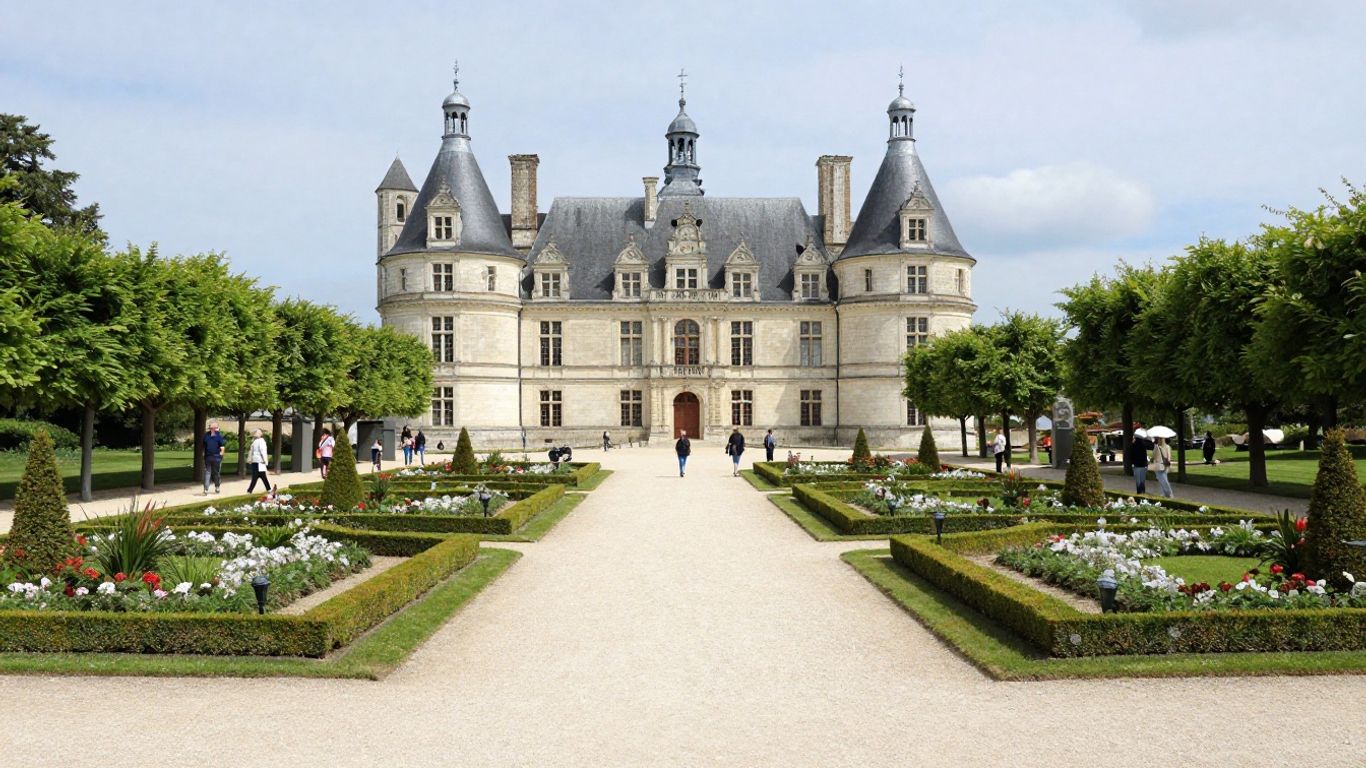
The gardens are a major reason to choose this season. Formal parterres, roses, irises, and flowering trees add color to estates that can feel more austere later in the year. Villandry is particularly rewarding when its geometric planting schemes are coming into full form, while smaller château gardens often feel unhurried in the morning.
Late spring also gives travelers more flexibility than midsummer. Hotels and restaurants may have better availability, and popular estates are easier to enjoy if you arrive near opening time. For practical background on the region’s towns, food, wine, and transport, use this Loire Valley travel guide while building your route.
2. Choose early summer for long days and château events
June is a strong choice for travelers who want a full sightseeing schedule without committing to the busiest part of summer. The long daylight hours leave room for a château in the morning, a village or vineyard in the afternoon, and dinner outdoors. Temperatures can rise, but the days are usually manageable when you plan the most exposed activities early.
Many estates begin their summer programming in June, including evening performances, concerts, garden events, and seasonal activities for families. The exact calendar changes each year, so check official château websites before booking around a particular event. Advance planning matters more when an event has limited seating or a fixed entry time.
June works especially well for a first visit because transport and accommodation are generally easier to arrange than in July and August. A car gives the most freedom in rural areas, while Tours, Amboise, and Blois can work as practical bases for travelers using rail and local connections.
3. Travel in July and August for the liveliest atmosphere
July and August are the most active months in the Loire Valley. Château grounds are open at their fullest, restaurants and tour providers operate on busy schedules, and towns have a steady flow of visitors. Families may prefer this period because school holidays bring more child-friendly programming and outdoor activity.
The trade-off is heat and congestion. Main estates can be crowded from late morning through midafternoon, and parking lots fill quickly at the most famous attractions. Reserve rooms, major château tickets, and popular tastings well in advance, particularly for weekends and French holiday periods.
You can still have a relaxed trip in high season by changing the rhythm of your days. Visit one major estate at opening time, spend the hottest hours at lunch or indoors, and use the evening for a riverside walk. The four-day Loire Valley itinerary offers a useful framework for balancing major châteaux with villages and wine stops rather than trying to see everything at once.
4. Go in early autumn for harvest season and smaller crowds
Early autumn, particularly September, is one of the best all-around choices for the Loire Valley. Temperatures often become more comfortable after summer, the landscape remains green, and the largest crowds begin to thin. It is a practical season for travelers who want time outdoors without the pressure of peak-season scheduling.
Vineyards take on a different character during harvest. Depending on the year and the appellation, you may see activity in the fields, seasonal celebrations, or wineries operating around the demands of picking and fermentation. Harvest dates vary with weather, so treat September as a favorable window rather than a guaranteed festival calendar.
September is also well suited to slow travel. You can combine château visits with cycling, a market, or an extended lunch instead of moving between attractions every few hours. Book ahead for weekends, but weekday availability is often more forgiving than it is in midsummer.
5. Visit in October for fall colors and quieter château tours
October brings cooler air, softer light, and the beginning of autumn color across the Loire Valley. The best foliage varies by location and year, but wooded château grounds, riverbanks, and vineyard rows can become especially attractive. Pack layers, since mornings may feel chilly while afternoons remain pleasant.
The main benefit is the pace of sightseeing. Tours are often quieter, and you may have more room to appreciate interiors, kitchens, chapels, and gardens without a constant stream of visitors. Some seasonal attractions reduce their schedules after summer, so verify opening days before setting out.
October is a good month for travelers who prefer atmosphere over a packed event calendar. Pair a château with a village walk or a wine tasting, and allow extra time for weather changes. The region’s appeal is not limited to its landmark estates; ordinary roads, river views, and small towns become part of the experience when the itinerary is not overfilled.
6. Consider winter for peaceful sightseeing and lower prices
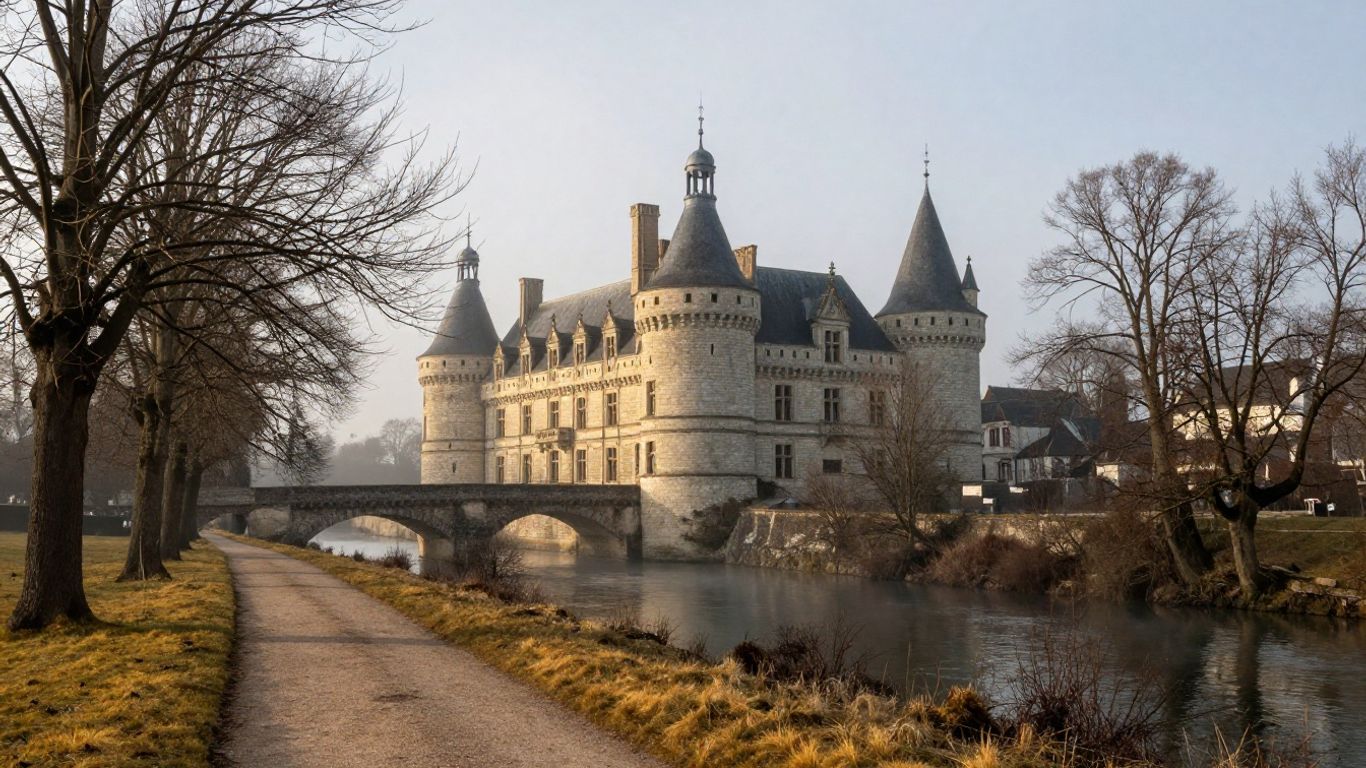
Winter is the quietest season in the Loire Valley and can suit travelers who value space, calm, and lower accommodation rates. Town centers are less crowded, and many historic interiors feel more intimate without summer tour groups. Expect short daylight hours, cool weather, and a greater need to check schedules before traveling.
Not every château operates on the same winter timetable. Some close on selected days, open only for limited hours, or offer a reduced visitor route while maintenance takes place. Build a list of alternatives so a closure does not disrupt the entire day, and confirm details directly with each estate.
Winter works best when you slow the trip down. Choose a convenient base, focus on a smaller number of sites, and leave time for cafés, local meals, and indoor museums. Travelers comparing neighborhoods and lodging styles may find this guide to Loire Valley château hotels helpful when deciding between a town base and a countryside stay.
7. Plan around the best months for Loire Valley gardens
Garden lovers should generally look first at late spring through early summer, when formal beds and flowering borders are at their most vivid. May and June offer a particularly good combination of fresh planting, comfortable temperatures, and enough daylight for several gardens in one trip. September can also be rewarding, with mature planting and a warmer, more settled palette.
Different gardens peak at different times, so there is no single perfect month for every estate. Before choosing dates, identify the gardens that matter most and check their seasonal displays, special openings, and maintenance periods. This prevents a broad seasonal recommendation from disappointing someone who has one specific garden at the center of the trip.
A simple seasonal guide can help narrow the decision:
- Choose May for spring flowers, fresh foliage, and mild walking weather.
- Choose June for fuller borders, long evenings, and garden programming.
- Choose July or August for mature planting and special nighttime events, accepting more heat and crowds.
- Choose September for late-season abundance and a calmer atmosphere.
The right month depends on whether you want the first flush of spring or the fullness of a developed garden. Either way, arrive early at the most popular estates and keep the middle of the day for shaded paths, lunch, or indoor sightseeing.
8. Time your trip for wine tastings and vineyard activities
The Loire Valley’s wine season follows a rhythm of its own. Spring and summer are comfortable for vineyard walks and outdoor tastings, while early autumn brings the visual energy of harvest. Winter can still work for tastings in established cellars, but appointments and opening hours may be more limited.
September is appealing for visitors who want to see vineyards at a transitional moment. The exact harvest schedule depends on grape variety, soil, and weather, and not every producer offers public activities during picking. Contact wineries ahead of time rather than assuming a visit will be possible simply because you are traveling during harvest season.
It also helps to choose a wine area based on taste rather than trying to cover the entire valley. The guide to Loire Valley wine regions can help you compare areas associated with dry whites, sparkling wines, Cabernet Franc, and other regional styles. A focused route usually produces better tastings and less time spent driving between unrelated stops.
9. Avoid peak crowds at the most popular châteaux
The busiest period is usually July and August, with additional pressure on weekends and public holidays. Chenonceau, Chambord, Villandry, and other headline estates can become difficult to navigate during the middle of the day. Crowds are not limited to the buildings; parking, cafés, shuttle services, and nearby roads can all take longer.
The easiest strategy is to travel in May, June, September, or October, when conditions are often more balanced. If summer is your only option, reserve what you can, arrive at opening time, and avoid planning two major estates back-to-back. One substantial château plus a smaller town or garden often makes a more enjoyable day than a rushed list of three landmarks.
Timing within the day matters as much as timing within the year. Start with the most popular site, take a longer lunch away from its immediate entrance, and return to outdoor areas later if evening access is available. Flexible travelers can also choose lesser-known estates or visit famous ones on a rainy morning, when some visitors change their plans.
10. Choose the best time based on your travel priorities
There is no universal answer to the question of the best time to visit Loire Valley. The ideal dates depend on how you want the region to feel: bright and social, green and floral, productive and wine-focused, or quiet and reflective. Your transport plans, budget, and tolerance for changing weather matter just as much as the calendar.
Use the following comparison as a starting point rather than a strict rule:
| Travel priority | Best window | Main advantage | Main compromise |
|---|---|---|---|
| Gardens and mild weather | May to June | Fresh blooms and long days | Some rain and rising demand |
| Events and family activities | June to August | Full programming and lively towns | Heat, crowds, and higher prices |
| Wine and harvest scenery | September | Vineyard activity and comfortable days | Harvest schedules vary |
| Fall colors and quiet tours | October | Softer light and fewer visitors | Shorter hours at some sites |
| Lowest prices and solitude | November to February | Peaceful visits and potential savings | Closures, cold weather, and short days |
This comparison also shows why shoulder season is so often the practical answer. September may be best for one traveler, while May is better for another who cares most about gardens. Once you identify your priority, choose a base and transport plan that support it rather than letting a generic “best month” decide everything.
For outdoor travelers, late spring and early fall are especially useful because walking and cycling can fit naturally between château visits. The Loire Valley cycling routes guide can help you assess whether a route suits your preferred pace, equipment, and travel season.
Conclusion
For most travelers, May, June, September, and early October offer the strongest balance of pleasant weather, open attractions, attractive gardens, and manageable crowds, while July and August suit those who want maximum activity and winter suits those who prefer quiet and lower costs. Choose the season that matches your priorities, then confirm château hours, accommodation availability, transport, and event dates before booking.
Frequently Asked Questions
What is the best time to visit Loire Valley for good weather?
Late spring and early fall are usually the safest choices for comfortable sightseeing, with mild conditions for walking, cycling, and visiting château gardens. Weather can change quickly, so pack layers and a light rain jacket.
How many days should I spend in the Loire Valley?
Four days is enough for a well-planned introduction covering several major châteaux, a town, and one or two food or wine experiences. A longer stay allows a slower pace and more rural stops.
Is the Loire Valley crowded in summer?
July and August are generally the busiest months, particularly at famous châteaux and on weekends. Early starts, advance reservations, and visits on weekdays can reduce the worst congestion.
Are Loire Valley châteaux open in winter?
Some remain open with shorter hours, while others close on certain days or for part of the season. Check each château’s official schedule before traveling and keep alternative sites in your plan.
When are the Loire Valley gardens in bloom?
Many gardens are most colorful from May through June, although some have strong displays later in summer and early fall. The exact timing varies by garden, plantings, and weather.
Is September a good month for wine tasting in the Loire Valley?
Yes, September can combine comfortable sightseeing weather with vineyard activity and harvest scenery. Because producers may be busy during picking, arrange tastings and visits in advance.
Do I need a car to visit the Loire Valley?
A car is useful for reaching rural châteaux, vineyards, and smaller villages, but travelers can also base themselves in towns with rail access and use local transport or organized excursions. The best choice depends on the number and location of your planned stops.


