

Marseille to the Camargue: How to Plan the Perfect Day Trip

Key Takeaways
A day trip from Marseille works best when you choose one Camargue area and allow time for the journey as well as the stops.
- Pick Arles, Saintes-Maries-de-la-Mer, or Aigues-Mortes to match your interests.
- Driving gives you more freedom to reach scattered wetlands, beaches, and villages.
- If you take the train to Arles, plan the onward leg before you leave Marseille.
- Choose one main activity—such as wildlife watching, a manade visit, or a beach walk.
- Check opening hours, weather, and local access, and keep some time unplanned.
Choose the right Camargue destination for your day trip
The Camargue is a broad delta, not a single village or attraction, so the first decision is where to spend your limited time. On a previous visit, I found that choosing a clear base made the day feel less like a series of transfers. Arles, Saintes-Maries-de-la-Mer, and Aigues-Mortes each offer a different starting point.
Compare Arles, Saintes-Maries-de-la-Mer, and Aigues-Mortes
Arles is a practical gateway with historic sights and access to the western edge of the delta. Saintes-Maries-de-la-Mer puts the coast, marshes, and village life closer at hand, while Aigues-Mortes pairs medieval streets and ramparts with salt ponds nearby. Rather than trying to see all three, I’d choose the one that best fits the experience you want most.
| Base | Best suited to | What to keep in mind |
|---|---|---|
| Arles | Roman and Provençal history, plus a gateway to the delta | You will need onward transport for many nature stops |
| Saintes-Maries-de-la-Mer | Beaches, wetlands, and a coastal village atmosphere | It is a longer reach from Marseille than Arles |
| Aigues-Mortes | Medieval lanes, ramparts, and nearby salt flats | Check access and opening times for specific activities |
The table is a starting point, not a ranking: the most convenient base depends on your chosen stops and how you plan to travel. If the day is mostly about wildlife, I’d prioritize proximity to the wetlands over fitting in another town.
Pick a base for wildlife, beaches, culture, or salt flats
For a first visit, match your base to the landscape you most want to experience: wetland trails for birdlife, the coast for a beach walk, or a historic town for architecture and cafés. Arles makes a sensible choice if you want a cultural stop alongside time in the delta. If you would rather stay overnight and spread out your exploring, compare Camargue overnight bases, including the different kinds of accommodation around the region.
Decide how much ground to cover in one day
Distances on a map can be misleading when your day includes small roads, parking, and time outdoors. I recommend choosing one main area and treating any second stop as a bonus, rather than trying to cross the whole delta. A day trip from Marseille can be rewarding without turning into a race between landmarks.
Check seasonal access and opening hours
Before setting out, check the current hours and access rules for any reserve, salt site, museum, or guided activity you hope to visit. Conditions and schedules can vary by season, and some places require advance booking. For a broader look at the delta’s landscapes and visitor options, use this Camargue region overview as a planning companion.
Plan how to get from Marseille to the Camargue
The best transport choice depends on whether you value flexibility or prefer to avoid driving. The journey is only one part of the day: many nature sites are spread out, so think through the last leg before choosing a route. I would plan the return as carefully as the outward trip, especially if you are relying on connections.
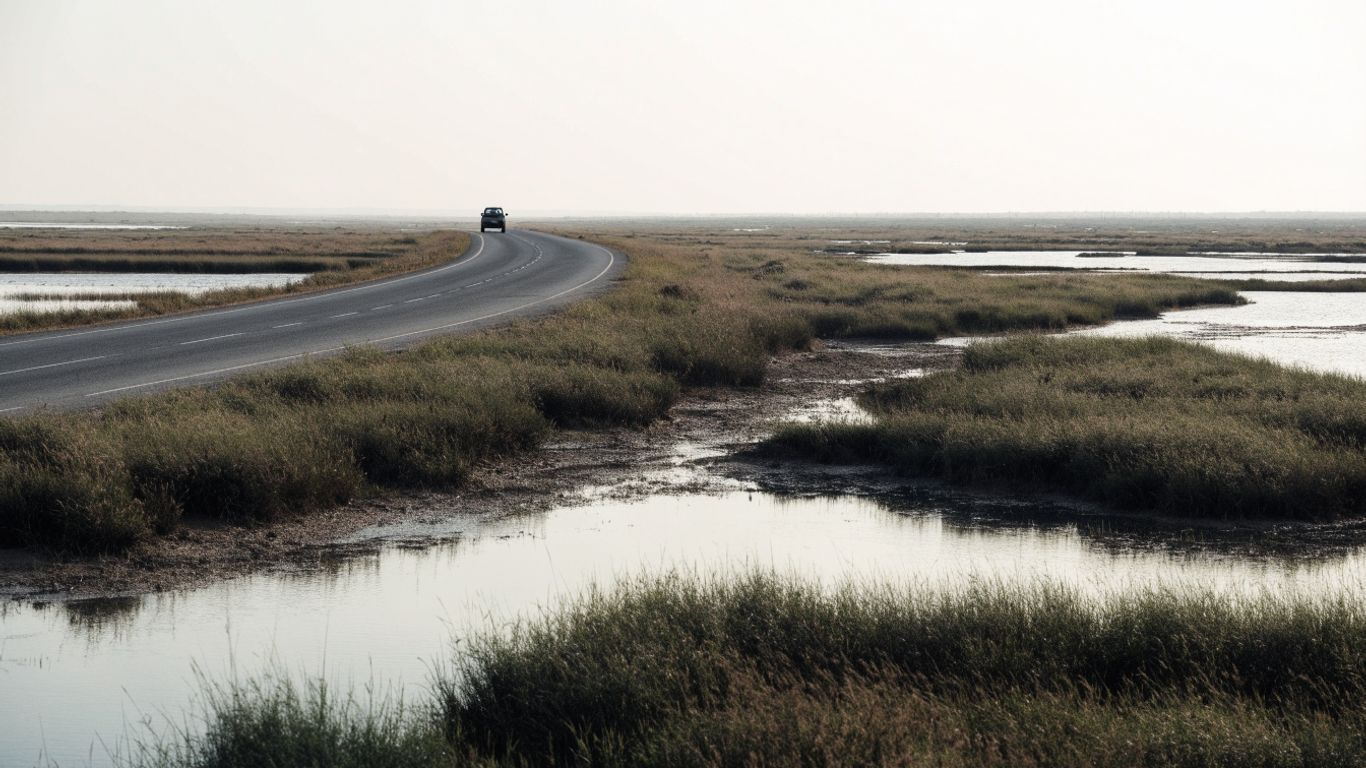
Drive via Arles for the most flexible itinerary
Driving via Arles makes it easier to combine a town visit with a stop farther into the delta, and to adjust the order if a site is busy. Roads beyond the larger towns may be narrower and slower than expected, so allow time for parking and short walks from the car. For choosing a route and comparing transport options, routes to Camargue wetlands can help you weigh driving against other ways of getting around.
Combine the train to Arles with local transport or a tour
Taking the train to Arles can work if you want to avoid driving for the first part of the journey, but it does not by itself solve how to reach scattered Camargue stops. Check local connections and tour departure points before buying tickets, and leave room for transfers. Discover France Beyond Paris provides practical destination guidance for visitors planning travel around France, including information to help with regional logistics.
Compare guided day trips with independent travel
A guided outing can simplify transport between stops and give structure to a short day, while independent travel lets you set your own pace. I’d compare the actual itinerary, meeting point, and time spent at each stop rather than choosing by headline alone. If a safari-style outing is your priority, compare Camargue safari outings and decide whether the format fits your day.
Allow for traffic, transfers, and time between stops
A realistic plan includes more than the time shown for the main journey. Add a buffer for traffic, finding parking, getting to a meeting point, and walking between the car and the landscape you came to see. When the schedule feels tight on paper, remove a stop before you cut the time you need to enjoy it.
Build a realistic one-day itinerary
A strong day trip has a simple shape: travel out, spend meaningful time in one area, and return without a frantic final dash. I have found it more satisfying to do fewer things slowly than to tick off distant stops. A route with one anchor activity and one flexible extra is usually enough.
Start early to make the most of your time
Leaving Marseille early gives you more choice once you arrive, particularly if you have a tour or a timed entry to meet. It also makes it easier to pause for lunch or a walk without feeling that every delay has broken the day. Check the first and last transport options before you settle on a start time.
Choose a route around one main area
Build the day around a single zone, then add only stops that fit naturally along the route. A few simple decisions can keep the itinerary manageable:
- Choose one main destination, such as a village, wetland area, or salt landscape.
- Select one activity that needs a fixed booking or meeting time.
- Add one nearby stop only if travel and parking allow for it.
- Keep a flexible stretch of time for a walk, meal, or changing conditions.
That sequence leaves room to enjoy the place instead of watching the clock. If the first stop takes longer than expected, the flexible stretch can absorb the change without forcing you to abandon the return plan.
Add a stop in Arles or a Camargue village
An hour or two in Arles can add a cultural contrast to a day spent among marshes and open landscapes. Alternatively, a village stop can make the outing feel less like a drive between nature sites. I’d choose one, not both, unless your transport plan gives you ample time.
Leave time for meals and unexpected delays
Plan a proper meal or a simple picnic rather than assuming you can eat whenever you arrive. In smaller places, opening hours and available options may differ from those in Marseille, so check ahead if you have dietary needs or a tight schedule. A little slack also makes room for a slower road, a closed access point, or a stop you decide not to rush past.
Decide what to see and do in the Camargue
The region’s appeal comes from the mix of wetlands, salt landscapes, open plains, and coastal villages. On my visit, the quieter moments outdoors stood out as much as the familiar sights, especially when there was time to stop and look around. Choose activities that suit your interests and the day’s transport rather than trying to sample everything.
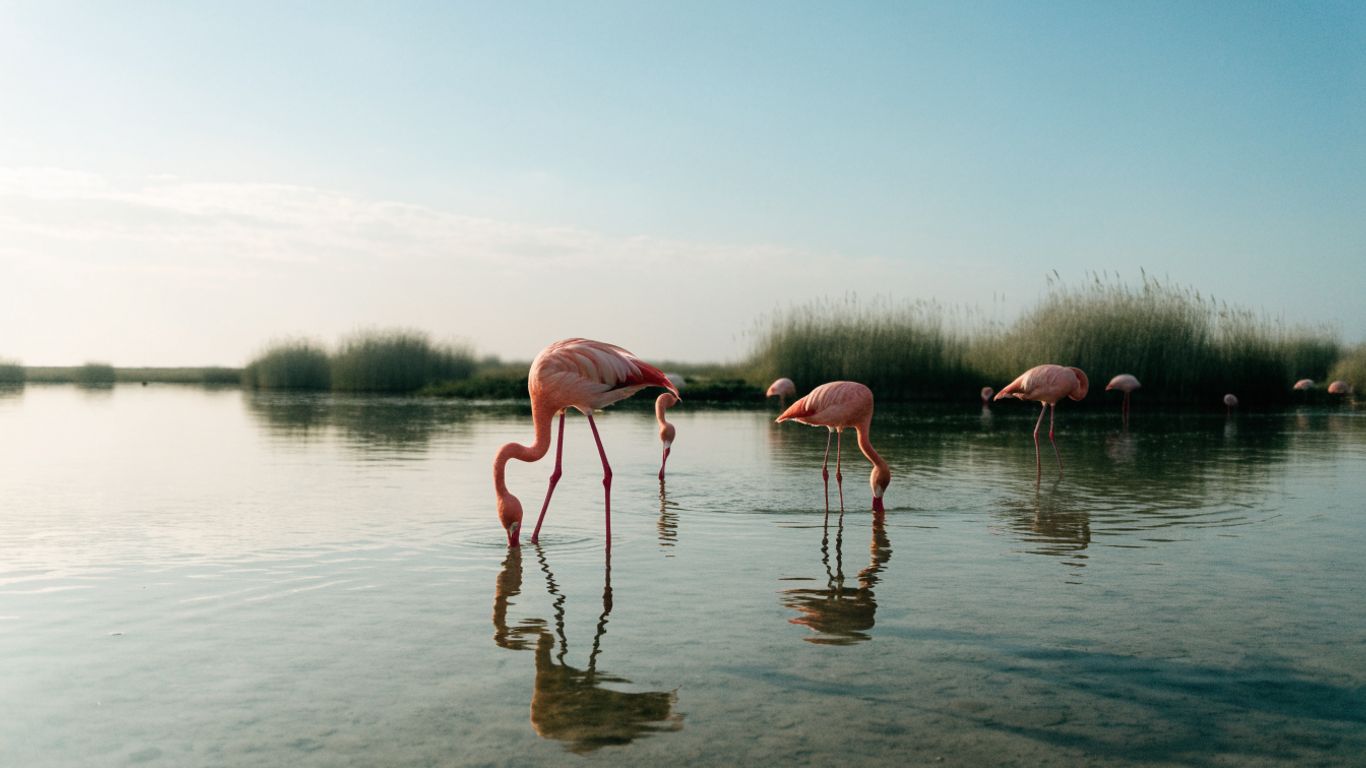
Look for flamingos and other wildlife in wetlands and marshes
Flamingos are among the animals visitors hope to see, but wildlife viewing is never guaranteed and can vary with season and conditions. Bring binoculars if you have them, keep a respectful distance, and use established trails or viewing areas. A quiet, patient stop is often more rewarding than moving from one viewpoint to another in search of a perfect sighting.
Visit a manade to learn about Camargue horses and bulls
A manade is a working estate associated with raising the region’s horses and bulls, and a visit can offer a glimpse of local traditions as well as the landscape. Check what the visit includes, how long it lasts, and whether transport is provided before booking. That detail matters when you are fitting the experience into a day from Marseille.
Explore salt flats, beaches, or birdwatching trails
Salt flats, beaches, and trails each create a different kind of outing, so choose according to weather and how much walking you want to do. Some places have limited facilities or access arrangements; confirm those details before setting out. For more ideas on protecting the delta while visiting, consider the coast and beach access guide.
Choose between a boat trip, horseback ride, or walking route
A boat trip offers a different perspective on waterways, a horseback ride can take you across open terrain with a guide, and walking lets you set a relaxed pace close to the ground. Think about your comfort, available time, and booking requirements first. Discover France Beyond Paris offers practical destination guidance for exploring France’s regions; for this day, let the activity itself determine the route you build around it.
Choose the best time to visit
The Camargue can be visited in different seasons, but the experience changes with weather, daylight, and wildlife activity. I would choose a date based on the kind of day you want, then confirm what is actually open before making bookings. The timing also affects how much daylight you have for the journey back to Marseille.
Compare spring, summer, and autumn conditions
Spring and autumn can be appealing for walking and spending time outdoors, while summer brings longer days but stronger heat. Conditions vary, so check the forecast rather than relying on a seasonal assumption. A cooler or breezier day may make a long outdoor stop more comfortable than a hot afternoon.
Plan around wildlife activity and daylight hours
Wildlife sightings can change with season and location, and there is no guaranteed schedule for seeing particular animals. Plan to arrive during daylight and leave enough time to return safely, especially if your route includes rural roads. If birdwatching is the main goal, research current local guidance and choose a suitable viewing area.
Prepare for heat, wind, and mosquitoes
Open landscapes offer little shade in places, and wind can make conditions feel different from those in the city. Pack layers and insect protection as well as sun protection, adjusting for the forecast. Discover France Beyond Paris includes travel-timing guidance for visitors to France, which is useful when comparing regional conditions before a trip.
Check for seasonal events and site closures
Local events may affect access, traffic, and accommodation availability, while some sites have seasonal schedules or closures. Confirm details directly with the places or tour operators you plan to visit, and check again shortly before departure. If a key stop is unavailable, having a nearby alternative can save the day without adding a long detour.
Prepare for a smooth day trip
A little preparation makes the rural parts of the journey easier, especially when services are farther apart than they are in Marseille. I’d confirm the practical details the day before and keep essential information available offline. That way, a patchy connection or small schedule change is less likely to derail your plans.
Book popular tours and activities in advance
Book any activity with limited places or a fixed departure time once you know your route. Read the meeting instructions carefully and confirm what happens if weather disrupts the outing. If a reservation is central to the day, keep its confirmation and contact details somewhere easy to find.
Pack water, sun protection, and comfortable shoes
Bring enough water for time outdoors, comfortable shoes for uneven paths, and sun protection suited to the forecast. A small day bag is easier to manage than carrying supplies you will not use. Discover France Beyond Paris offers packing guidance for travel in France, including practical preparation for exploring beyond major cities.
Check parking, local road access, and public transport
Look up parking and access information for each planned stop, not just the destination town. If you are using public transport, verify the current timetable and the final connection back toward Marseille; if driving, confirm that your route is open to ordinary vehicles. Save addresses and meeting points offline in case mobile reception is unreliable.
Keep a backup plan for bad weather or schedule changes
Choose a nearby indoor or town-based alternative in case rain, wind, or a cancelled activity makes your first plan impractical. Keep the backup simple and close to your main route, so switching plans does not add another long drive. A flexible day is not an unplanned one; it is a day with enough room to adapt.
Conclusion
The most enjoyable day from Marseille is usually the one built around a clear priority, a realistic transport plan, and enough time to slow down once you reach the Camargue. Pick one area, check current access and weather, and leave room for the landscape to shape the day.
Frequently Asked Questions
Can you visit the Camargue as a day trip from Marseille?
Yes. It is possible to visit for a day, but the region is spread out, so choose one main area and plan transport carefully.
What is the best place to visit first in the Camargue?
Arles, Saintes-Maries-de-la-Mer, and Aigues-Mortes are useful starting points for different interests. Choose according to whether you want history, coastal scenery, wetlands, or salt landscapes.
Is it possible to reach the Camargue from Marseille by train?
You can take a train to Arles, then arrange onward transport by local connection, tour, or another suitable option. Check current schedules and connections before setting out.
Do I need a car for a Camargue day trip?
A car can make it easier to reach scattered sites, but a guided outing or carefully planned public transport can also work. The right choice depends on your stops and schedule.
Can I see flamingos on a day trip?
Flamingos live in the region, but sightings depend on location and conditions and cannot be guaranteed. Use established viewing areas and keep a respectful distance from wildlife.
What should I pack for a day in the Camargue?
Bring water, comfortable walking shoes, sun protection, and clothing suited to the forecast. Insect protection and a light layer can also be useful for time outdoors.
Is one day enough to see the whole Camargue?
No. The delta covers a large area, and a day is better spent exploring one zone well than trying to cross the entire region.


