

Colmar or Strasbourg for the Christmas Markets? How to Choose (and How to Do Both)

Key Takeaways
Strasbourg and Colmar offer two different ways to experience the Alsace Christmas markets. The right choice depends on how much time you have and whether you prefer a larger city or a compact historic center.
- Choose Strasbourg for a broad city visit with markets spread across its center.
- Choose Colmar for a smaller-scale visit among historic streets and canals.
- Check the current dates and hours before booking; schedules can vary by year.
- A train trip makes it possible to see both cities, but leave room for delays and crowds.
- Weekdays and earlier visits can make it easier to explore at a comfortable pace.
Colmar or Strasbourg Christmas market: which is right for you?
Both cities make a strong base for a winter trip to Alsace, but they create different kinds of days. Strasbourg has the feel of a substantial city with festive markets woven into its neighborhoods, while Colmar’s market areas sit close together in a historic center. If you are weighing the colmar or strasbourg christmas market, start with the scale of experience you want, then factor in your travel time and pace.
Choose Strasbourg for a bigger-city festive experience
Strasbourg suits travelers who want markets alongside the sights and services of a larger city. You can move between market squares, explore central neighborhoods, and take breaks in cafés or shops without treating the markets as the only activity. Its breadth also means that a visit benefits from a loose route rather than an attempt to see every corner at once. For an overview of the city beyond the seasonal stalls, explore this Strasbourg city guide.
Choose Colmar for a compact, storybook setting
Colmar is a good fit if you want a market visit centered on a walkable historic core. Its smaller market areas are woven into streets of historic buildings, so the transition from browsing chalets to wandering the old town feels natural. The compact setting can make a shorter visit feel satisfying, though popular streets can still get busy. This Colmar Christmas market guide can help you think through timing, food, and where to stay.
Match the destination to your trip length and travel style
With one day, choose the city that best matches your preferred atmosphere instead of trying to cover both in a rush. An overnight stay gives you time to explore at a slower pace, especially if you want an evening walk as well as daytime market browsing. A slower itinerary is often more enjoyable than squeezing every market and neighborhood into a single packed schedule.
Compare the market atmosphere and experience
The contrast between the cities is not simply large versus small. Strasbourg’s markets are part of a broader urban setting, while Colmar’s are closely tied to its historic center. In either place, the atmosphere changes over the course of the day, and weather, crowds, and seasonal programming can all shape what your visit feels like.
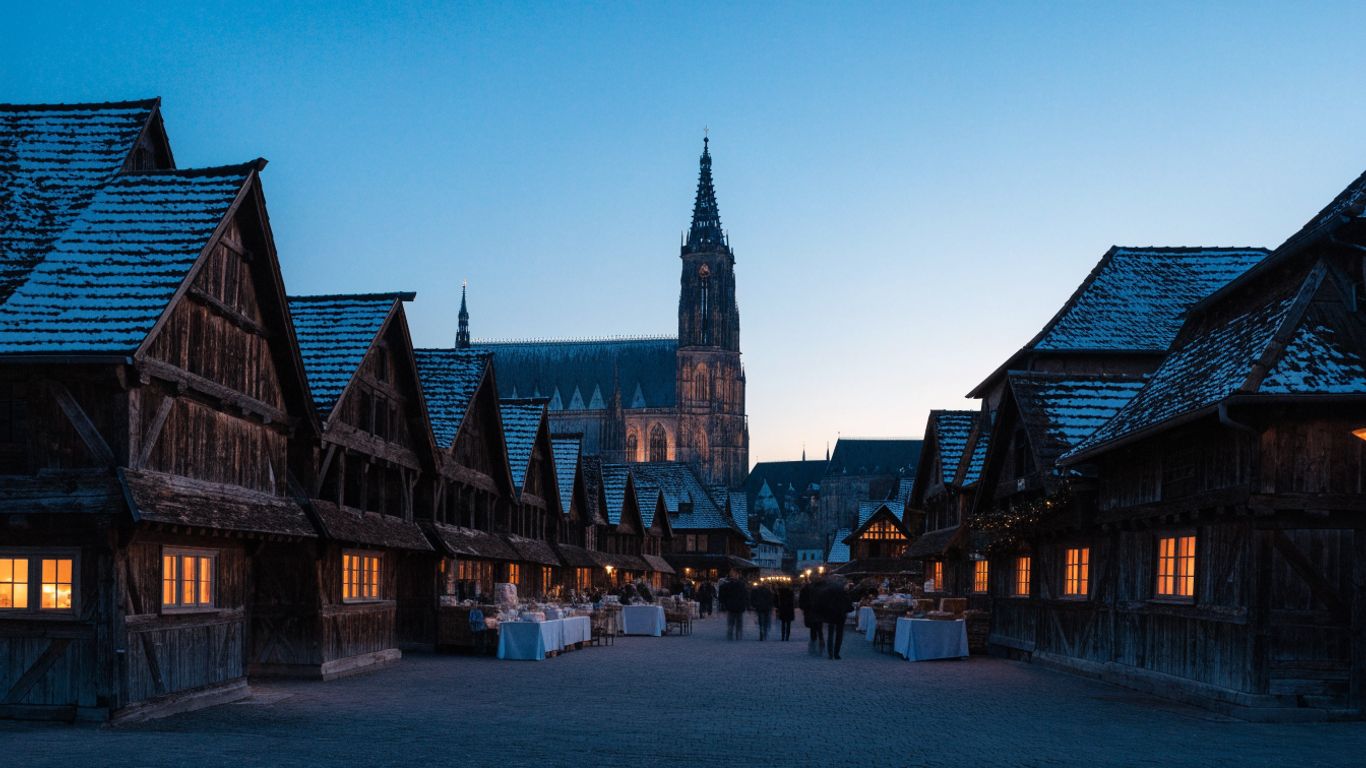
Strasbourg’s spread-out markets and grand city backdrop
Strasbourg’s market experience unfolds across several parts of the city center, so walking between locations is part of the visit. Its larger streets and landmarks provide a grander urban backdrop, and there is room to combine market browsing with a neighborhood stroll. The trade-off is that you will want to keep an eye on distances and avoid assuming that every market is just around the corner. A map-based Strasbourg market route can help you plan a sensible sequence.
Colmar’s smaller markets across the historic center
Colmar’s market areas are spread across a smaller historic core, making it easier to build a visit around a relaxed walk. The surrounding old-town streets and canals add interest between stops, without requiring a long transfer across the city. That compactness does not guarantee a quiet visit, especially at popular times, but it can simplify the day. For a wider look at the center and its canals, see this guide to Colmar’s historic center.
Food, crafts, decorations, and evening ambiance in each city
Both cities invite you to slow down for seasonal food, browse stalls, and notice the decorations around the markets. The atmosphere can feel different after dark, when lights become more prominent but visitor numbers may also rise. Rather than trying to compare every stall, pick a few things you genuinely want to do and leave some room to wander. The table below gives a simple way to choose which experience to prioritize.
| If you want… | Consider… | What to keep in mind |
|---|---|---|
| A city-scale market visit | Strasbourg | Plan a route between market areas |
| A compact historic setting | Colmar | Expect busy streets at popular times |
| More time for neighborhoods | Either city | Build in breaks between market stops |
| A two-city comparison | Both | Allow time for the train and transfers |
The table is a starting point, not a promise of a particular crowd level or market layout in a given year. Check current local information and let your preferred pace guide the final choice.
Compare locations, transport, and practical logistics
Strasbourg and Colmar are both useful stops for exploring Alsace, and rail travel can connect them as part of a wider itinerary. The practical details matter most during the market season: accommodation fills, central streets can be crowded, and a short transfer on paper still needs time for station access and arrival. For broader regional planning, this Alsace travel overview covers transport and destinations beyond the two cities.
Getting to Strasbourg and Colmar from major Alsace hubs
Both cities have rail stations and can be approached as part of a journey through the region, but your best route depends on where you arrive and where you plan to continue. Check your train options and arrival times before booking a hotel, especially if you are carrying luggage or expect to arrive late. The station-to-stay walk is worth considering, even when a hotel looks close on a map.
Traveling between the cities by train
Train travel offers a straightforward way to connect Strasbourg and Colmar, though timetables and journey details should be checked for your specific date. Allow time at each end to reach the station, find your platform, and walk from the destination station into the market area. For a day trip, avoid planning around the last possible departure; a little flexibility can make the day feel far less rushed.
Where to stay for convenient market access
Staying near the center can reduce daily walking and make it easier to take a break before an evening visit. In Strasbourg, compare the historic center and nearby neighborhoods with the location of your planned activities; in Colmar, consider how close you want to be to the old town and station. You can compare current hotel prices for Strasbourg here or compare current hotel prices for Colmar here. This Strasbourg lodging guide offers neighborhood context, while a Colmar hotel guide compares locations in the historic center.
Navigating crowds, walking routes, and accessibility
Market visits involve plenty of walking, and narrow or busy streets can make progress slower than a map suggests. Build a route with a few priority stops and leave optional detours for when conditions feel comfortable. If mobility, luggage, or a family’s pace affects your plans, check access details for specific sites and accommodation rather than assuming every route is equally easy.
A few practical choices can keep the day manageable:
- Pick a small number of must-see market areas before you set out.
- Leave a buffer between train arrival and your first planned stop.
- Choose a meeting point in case your group gets separated in a crowd.
- Keep an indoor break or café stop in reserve for cold or wet weather.
These measures are simple, but they help turn a crowded day into one you can adjust as you go. For excursions beyond the two cities, compare Alsace Christmas market day trips before adding another destination.
Choose the best dates and time of day
The right dates can matter as much as the city you choose. Market calendars, opening hours, and special arrangements are seasonal, so do not rely on a previous year’s schedule when making plans. A little flexibility also helps: weekday visits and earlier starts may feel calmer, while evenings and weekends often attract more visitors.
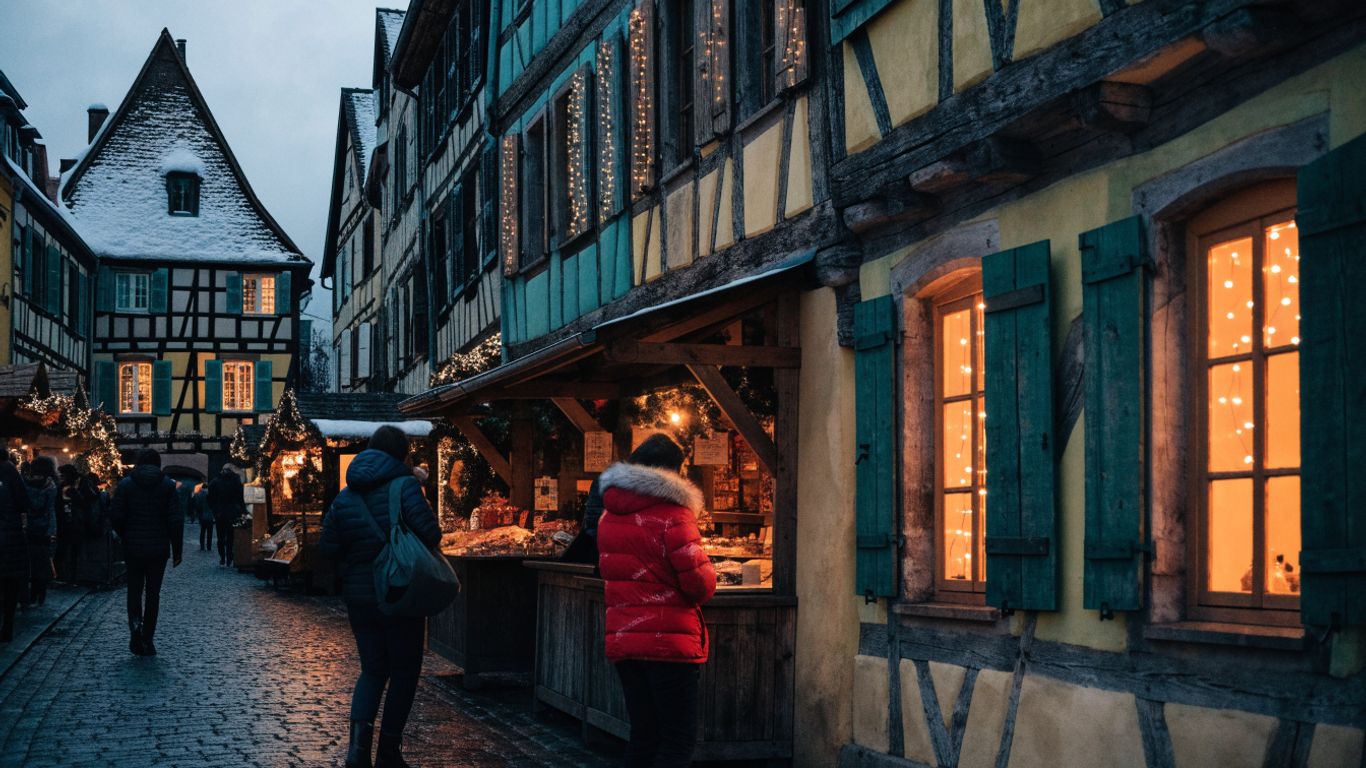
Check market dates and opening hours for your travel year
Confirm dates and hours through current local information before booking nonrefundable travel. Different market areas or seasonal events may not follow identical schedules, and arrangements can change from one year to another. A guide to Christmas markets across France can help you compare the wider picture, but use current city updates for final decisions.
Visit on weekdays to avoid the busiest periods
A weekday visit can make it easier to browse at your own pace, particularly if you arrive earlier in the day. It is not a guarantee of empty streets, since school breaks and seasonal travel affect visitor numbers too. If your dates are fixed, focus on building a realistic route rather than expecting a quiet experience everywhere.
Plan around peak evenings and weekend crowds
Evenings bring out the lights and a festive feel, but they can also draw larger crowds. Weekends are popular for visitors arriving from elsewhere, so plan extra time for walking, food, and transport if you go then. You can make the day more comfortable by choosing one evening market area as a priority instead of trying to cover the whole city after dark.
Allow time for weather, daylight, and seasonal closures
Winter weather can affect comfort and walking speed, so bring layers and shoes suitable for wet or cold streets. Daylight is limited compared with summer, and outdoor wandering may feel different after dark or in poor weather. Keep an indoor activity or a flexible meal plan in mind, and check for any closures or schedule changes close to your visit.
Plan a Christmas market trip to just one city
A single-city trip can be a good choice when your schedule is short or you prefer fewer transfers. The decision is not about seeing the maximum number of stalls; it is about giving yourself time to enjoy the surroundings and take breaks. Either city can fill a satisfying visit, especially if you pair the markets with a few neighborhood sights.
Spend one day exploring Strasbourg’s markets and neighborhoods
For a one-day Strasbourg visit, begin with a small set of market areas and connect them with a walk through the central neighborhoods. Pause for a meal or warm drink rather than treating the day as a continuous circuit. If you are staying overnight, consider keeping an evening stroll separate from the main daytime route so that you do not have to rush between both.
Make the most of an overnight stay in Colmar
An overnight in Colmar gives you room to see the historic center at different times of day and to stop when the streets feel busy. You can browse the markets, take a walk by the canals, and leave time for a meal without needing to return immediately to the station. If you are deciding how long to stay, this Colmar long-weekend itinerary offers ideas beyond the seasonal market.
Add nearby sights without overloading your schedule
Choose one nearby sight or village only if it fits comfortably around your market plans and transport. Alsace has more to see than two city centers, but adding too many stops can turn a festive break into a string of hurried transfers. For another perspective on how to build a wider route, browse this Alsace village itinerary.
For readers browsing well beyond this trip, separate guides cover choosing a shingle color, business IT support, contractor payment platforms, baseball park conditions, and a book-order offer. Those topics are unrelated to an Alsace itinerary, so keep them separate from the decisions about dates, transport, and market access here.
Visit both markets in one trip
Seeing both cities is possible if you give the transfer its own space in the itinerary. You can base yourself in one city and make a day trip to the other, or split the stay to experience each at a less hurried pace. The best arrangement depends on arrival and departure times, hotel availability, and how much time you want to spend moving luggage.
Choose a base that fits your arrival and departure plans
Use your arrival and departure points to decide which city makes the better first or last stop. A single base may simplify packing and check-ins, while splitting the stay can reduce backtracking if your route naturally moves between the two. Compare hotel location as well as price: a convenient base can make early starts and evening returns easier.
Build a one-day transfer or a slower overnight itinerary
A day trip can work when you are comfortable with a focused visit and a return train, but it leaves less room for delays or long breaks. An overnight split gives you more flexibility and lets you experience both cities without repeatedly checking the clock. If your trip has only a day to spare, choose a short list of priorities for the second city rather than trying to repeat the full itinerary.
Decide which city to visit first and when to travel
Start with the city that best matches your arrival logistics, then consider whether the other makes sense as a day trip or a separate overnight. Check current train times before choosing the order, especially if your travel dates fall on a weekend or near a holiday. This Strasbourg and Colmar comparison can help frame the choice, but your own schedule should make the final call.
Leave room for market hours, meals, and unexpected delays
Avoid filling every hour with a timed stop. Trains, crowded streets, weather, and slow meals can all shift your plans, and a little slack makes it easier to enjoy whichever city you are in. A useful rule is to decide what you most want to see in each place, then treat the rest as optional rather than a list to complete.
Conclusion
Strasbourg is the stronger fit for travelers drawn to a larger city and markets spread across its center, while Colmar offers a compact visit shaped by its historic streets. If you have time, combining the two can give you both experiences; if not, choose the city that suits your pace, check the current market schedule, and leave enough room to enjoy the day without rushing.
Frequently Asked Questions
Is Strasbourg or Colmar better for a first Christmas market trip?
Strasbourg suits travelers looking for a larger city experience, while Colmar is a good fit for a compact visit centered on a historic core. Choose based on the scale and pace you prefer.
Can you visit Strasbourg and Colmar in one trip?
Yes. Many itineraries include both, with a train transfer between them. Allow time for station access, local walking, and any timetable changes.
Is Colmar small enough to explore on foot?
Its market areas and historic center are close enough to make walking a natural way to explore. Crowds, weather, and individual mobility needs can affect how easy a route feels.
How many days should I spend in Strasbourg?
A day can provide a focused market visit, while an overnight gives you more time for neighborhoods and an evening walk. Your ideal stay depends on how many other sights you want to include.
When should I visit the Christmas markets?
Check the current season’s dates and hours before booking. Weekdays and earlier visits may be calmer, while weekends and evenings can be busier.
Are the markets open every day during the season?
Schedules can vary by market area and year. Confirm current opening information for the specific dates you plan to visit.
What should I wear to the Alsace Christmas markets?
Dress in warm layers and choose comfortable shoes suited to winter weather and extended walking. A waterproof outer layer can be useful if rain or damp conditions are forecast.


