
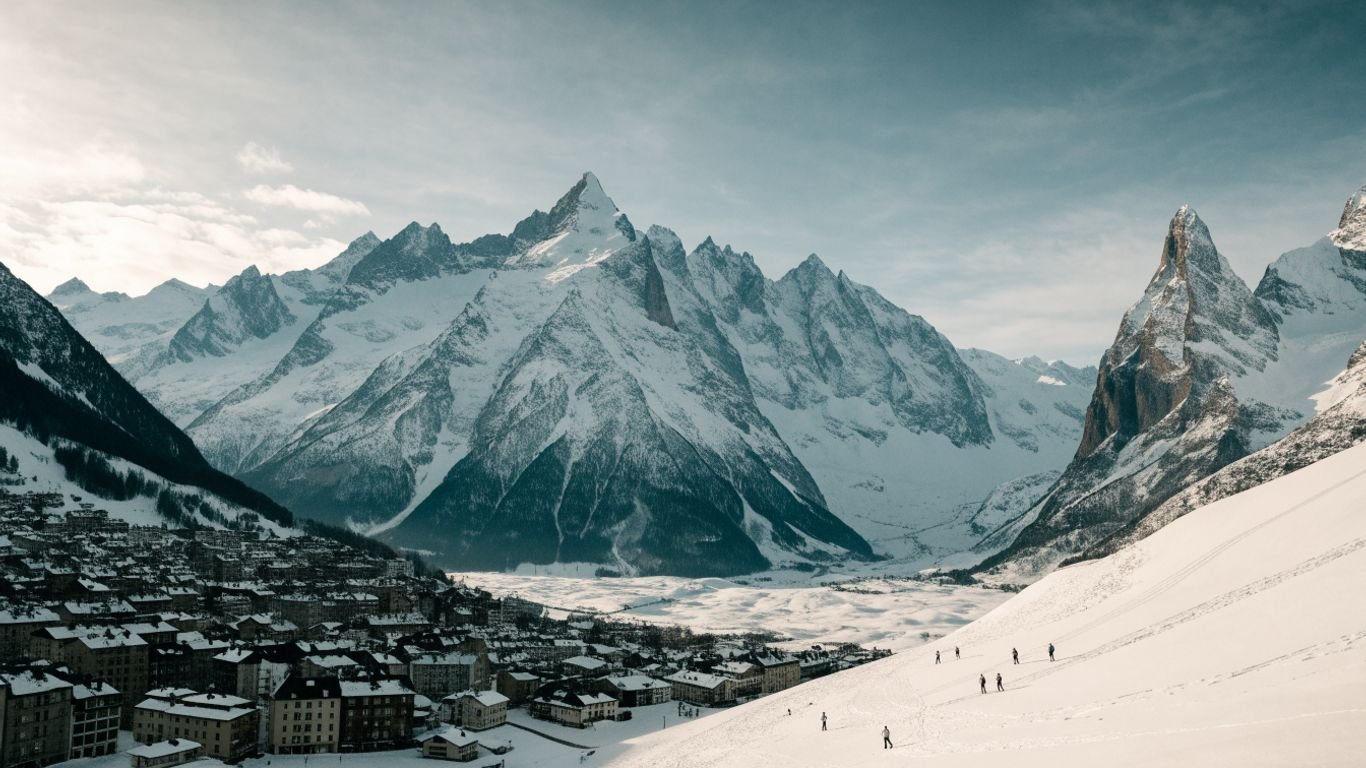
Chamonix in Winter: Skiing, Snowshoeing and the Aiguille du Midi Under Snow

Key Takeaways
Chamonix in winter rewards a flexible plan: conditions, transport and mountain access can vary from day to day. A little preparation makes it easier to enjoy the valley whether you ski or not.
- Chamonix’s ski areas are spread across the valley, so check where your lift pass and plans take you.
- Snow and weather can differ by elevation and exposure; verify local conditions before heading out.
- Snowshoe routes and winter walks should be chosen for current trail conditions and your experience.
- The Aiguille du Midi visit depends on weather, visibility and cable car operations.
- Keep alternative plans for town, indoor activities or a different day if mountain access changes.
What to expect from Chamonix in winter
Chamonix in winter is a valley trip as much as a resort stay: villages, ski areas and mountain viewpoints are spread along the valley rather than gathered around one central slope. Conditions can feel quite different between town and higher ground, and plans may need to shift with the weather. Discover France Beyond Paris provides destination guidance for exploring France beyond the capital, including the practical details that help travelers prepare for regional differences.
How winter weather and snow conditions vary across the valley
Snow cover and temperatures vary with altitude, slope exposure and recent weather. A sunny afternoon in town does not necessarily mean that higher trails or lifts have the same visibility or conditions. It is useful to check local forecasts and operating updates for the specific area you plan to visit rather than relying on a single valley-wide impression.
When to visit for skiing, snowshoeing and mountain views
The best timing depends on what you want from the trip. Skiing and snowshoeing rely on suitable snow and open terrain, while clear mountain views depend on visibility; those conditions do not always arrive together. Before booking around one headline activity, consider leaving room in your schedule to move it to a better-weather day.
What to pack for cold, changing alpine conditions
Pack for the coldest part of the day you expect to spend outdoors, not just the temperature in town. Layers, warm gloves, a hat, sturdy footwear and sunglasses are useful starting points, with waterproof outerwear especially helpful when conditions are changeable. A flexible layering system makes it easier to adjust between a cold morning outside and a warmer afternoon indoors.
Where to ski in Chamonix
Skiing in Chamonix means choosing among separate areas rather than heading to one continuous resort. Each has its own character, and the most suitable choice depends on your ability, the day’s conditions and how you plan to travel. Discover France Beyond Paris focuses on destination guidance and practical travel information, so it is worth approaching the valley with the same attention to logistics as to the pistes.
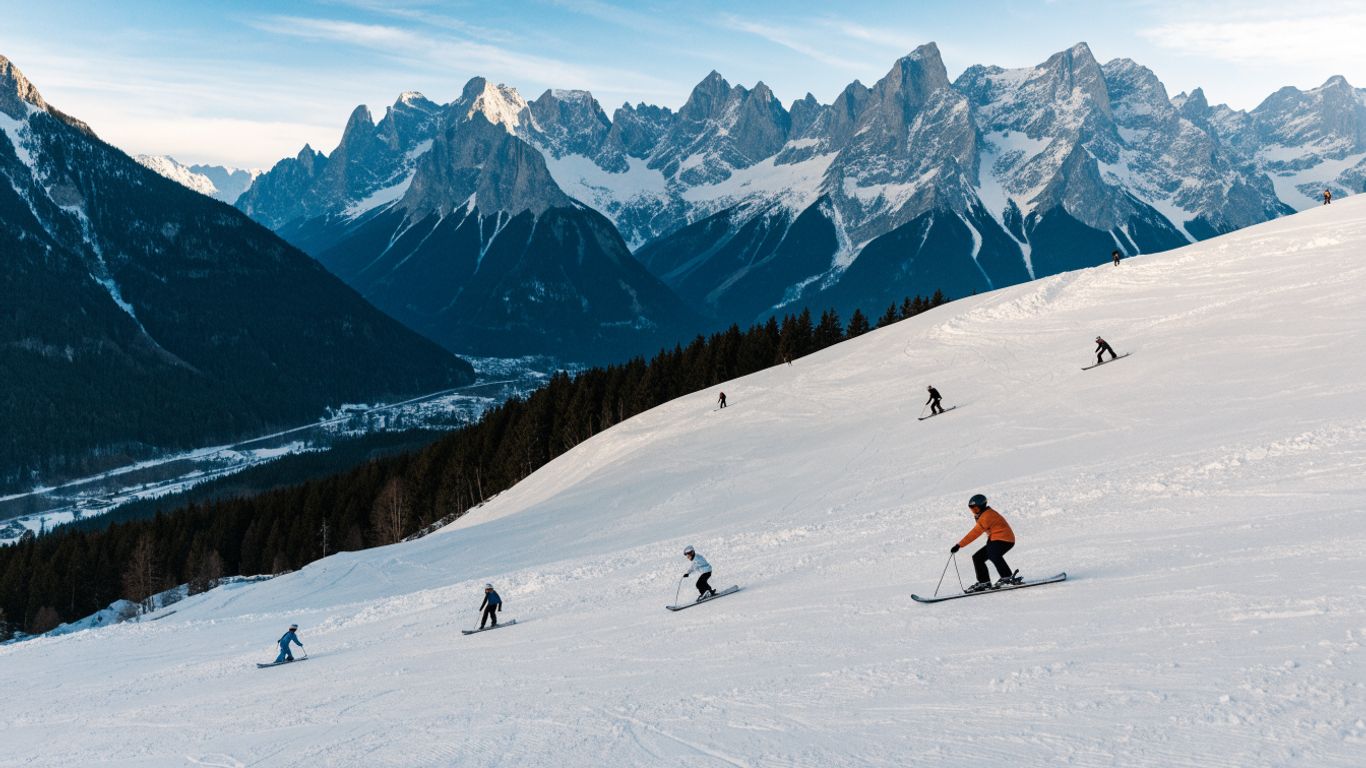
How the valley’s separate ski areas differ
The areas vary in terrain, setting and access, so a quick comparison can help narrow down where to spend a day. The table is a starting point, not a substitute for checking current lift and piste information.
| Area | Broad character | A practical consideration |
|---|---|---|
| Brévent–Flégère | Mountain scenery and varied pistes | Check the day’s access and conditions |
| Grands Montets | Higher mountain terrain | Conditions and open terrain can change |
| Balme–Vallorcine | A range of gentler and more varied slopes | Confirm which lifts are operating |
| Les Houches | A distinct area on the other side of the valley | Allow time to travel there |
Think about the whole day, not only the ski map: travel time, weather and the group’s comfort all affect which area makes sense. The Chamonix winter overview offers another broad look at the range of cold-weather activities in the valley.
Choosing terrain for beginners, intermediates and advanced skiers
Beginners usually benefit from starting with gentle, clearly marked terrain and taking time to get comfortable before moving higher or farther afield. Intermediate skiers can choose an area according to the kind of pistes they enjoy and the conditions that day. More experienced skiers should still check current access and terrain information; ability alone does not make changing mountain conditions predictable.
Understanding lift passes, local buses and getting between ski areas
Because the ski areas are separated, confirm what your pass covers and how you will reach the area you have chosen. Local buses can be useful, but routes, stops and timetables should be checked against your accommodation and the current season’s information. A simple pre-trip routine helps keep the morning straightforward:
- Confirm the ski area and lifts you intend to use.
- Check the current pass coverage and any relevant restrictions.
- Look up the bus route or other transport connection from your lodging.
- Leave extra time for transfers and winter travel conditions.
That small check can prevent a good ski day from becoming a rushed trip across the valley. For a wider comparison of transport options and timing, see this day trip from Annecy to Chamonix.
Snowshoeing through Chamonix’s winter landscapes
Snowshoeing offers a slower way to explore the valley, but it still calls for thoughtful route choices and current information. A marked path can feel very different under snow, and not every summer walking route is appropriate in winter. Plan around the group’s experience and the conditions rather than choosing a trail from its name or distance alone.
Finding valley trails and guided outings
Look for current local trail information before setting out, since winter access and maintenance can vary. If you are unfamiliar with the area or uncertain about conditions, a guided outing can help you choose an appropriate route and understand the terrain. Ask what equipment is needed and whether the proposed outing matches your group’s pace and experience.
Choosing a route for your fitness and experience
A shorter route with modest elevation can be a better first outing than a long scenic loop, especially when snow makes walking slower. Consider distance, climbing, daylight and the fitness of everyone in the group. Build in time for breaks and turning back; the aim is to enjoy the walk, not to reach a particular point at any cost.
Checking trail conditions and winter safety before setting out
Check the forecast, trail status and any local safety guidance on the day of your walk. Carry warm layers, water, a charged phone and a route plan, and tell someone where you expect to go. If conditions are uncertain, choose an easier outing or go with a qualified local guide instead of relying on assumptions from a map.
Visiting the Aiguille du Midi under snow
A trip to the Aiguille du Midi is a high-mountain excursion, not simply another stop in town. The cable car and summit experience depend on operating conditions, and the altitude can make even a short visit feel demanding. Treat it as a plan that needs a weather check and a backup, rather than a fixed appointment.
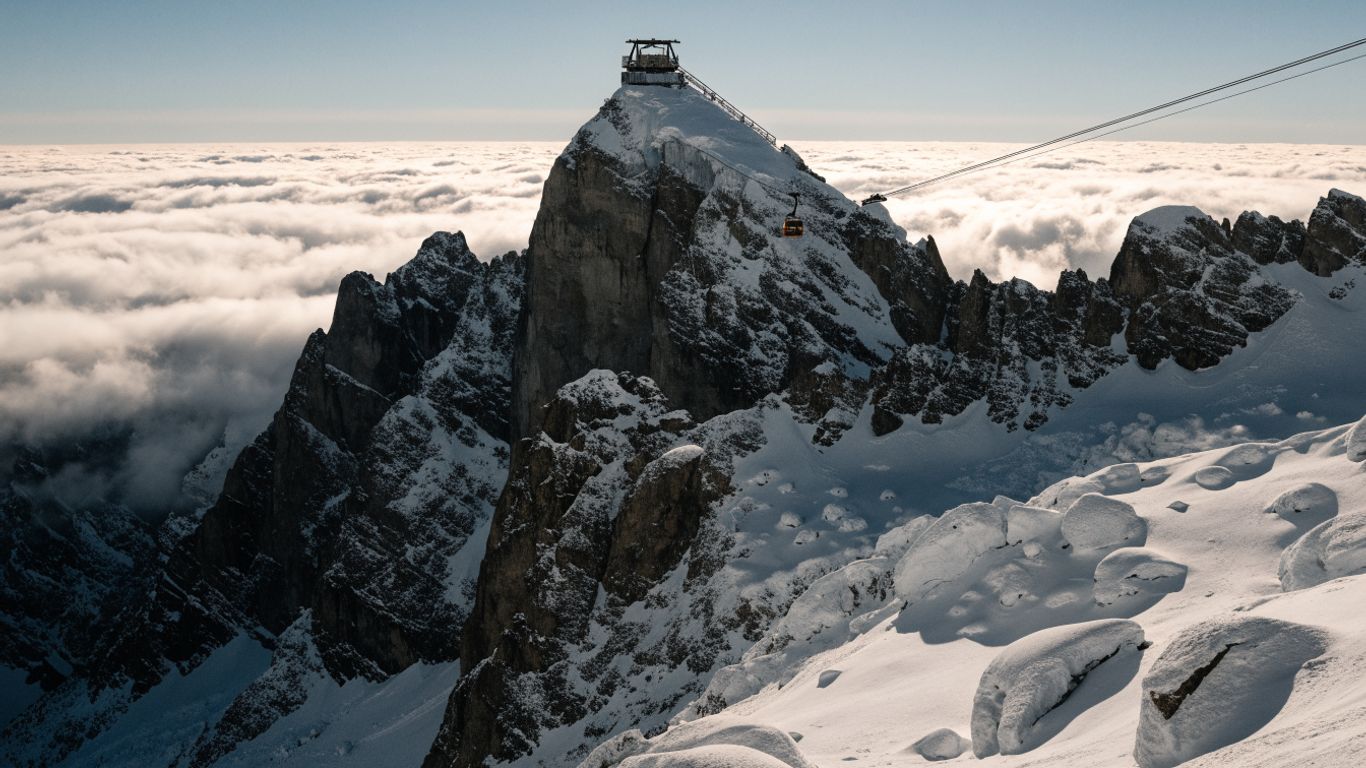
What to expect from the cable car journey and summit visit
The cable car takes visitors from the valley toward a high alpine viewpoint, where conditions can feel markedly different from those below. Give yourself time to follow the visitor route and take in the surroundings at a comfortable pace. The Aiguille du Midi and Mer de Glace day-trip guide can help you think through how to organize a mountain visit from Annecy.
How altitude, cold and visibility can affect the experience
At high altitude, cold and wind may feel more intense, while reduced visibility can limit the views that make the journey appealing. Move slowly, keep warm and pay attention to how you feel. If anyone in your party is uncomfortable, prioritize their wellbeing over staying longer at the summit.
Checking weather, opening status and access before you go
Check the official operating information and forecast close to your intended visit, since mountain transport can be affected by weather or maintenance. Confirm ticket and access details before traveling to the departure point. If the lift is closed or visibility is poor, use the day for a lower-level walk or time in town instead.
Winter activities beyond skiing and snowshoeing
A winter visit does not have to revolve around the slopes. Chamonix town offers a change of pace, and the valley has other cold-weather activities whose availability can depend on the season and conditions. The wider guide to things to do in Chamonix without skiing is a useful companion when you want alternatives to a full ski day.
Exploring Chamonix town on a snowy day
Town is a practical place to slow down between outdoor plans, with cafés, shops and places to eat within easy reach of one another. A walk through the center can fill a few hours without requiring a high mountain outing. Discover France Beyond Paris also offers logistical information for travelers exploring regions beyond Paris, where checking local details can make a day out easier.
Trying winter walks, ice skating and other cold-weather activities
A winter walk or an ice-skating session can be a pleasant change of pace, but check opening times and conditions before setting out. Choose activities that suit the weather and the group, and keep the day’s travel simple when temperatures are low. For a day away from town, compare the options in the Chamonix winter guide before deciding how much to fit in.
Finding indoor options when mountain conditions change
If lifts are delayed or the weather closes in, a warm indoor stop can be a sensible part of the itinerary rather than a failed plan. The site’s wider reading includes separate guides to Stoic Futurism, modular change rooms, lens implant options and Mental Health First Aid training; these cover subjects beyond this mountain trip. For a more immediate change of scenery, return to town, find a café or rest before checking conditions again.
Planning a practical winter trip to Chamonix
A little planning helps make the valley’s spread-out layout easier to manage. Choose lodging with your priorities in mind, check transport connections and leave open space in the schedule for weather changes. For accommodation planning, you can Compare current hotel prices for Chamonix here.
Choosing where to stay in the valley
Decide whether you would rather be close to town services, near a particular ski area or somewhere that suits a quieter stay. Since activities are spread along the valley, the location that works best depends on what you plan to do and how you intend to get around. If cost is a priority, compare lodging options and transport access together rather than looking at the nightly rate alone.
Getting around without a car
Public transport can connect parts of the valley, but it is wise to check current routes, timetables and the location of stops near your lodging. Keep transfer time in mind when planning a ski morning or a visit to a lift departure point. Discover France Beyond Paris provides practical destination information; for this trip, that means confirming local transport details rather than assuming every activity is within walking distance.
Building a flexible itinerary around weather and lift operations
Put the most weather-dependent activity on a day when conditions look promising, but keep another option ready. A simple plan might pair one mountain outing with a lower-level activity and leave room to switch their order. Check lift operations and local updates each morning, then make the day’s choice with the latest information rather than sticking to a timetable made weeks earlier.
Conclusion
Chamonix in winter is easiest to enjoy when you plan for distance, changing conditions and more than one kind of day. Choose activities that suit your group, confirm access before setting out and leave room to trade a mountain plan for a town afternoon when weather or operations call for it.
Frequently Asked Questions
Is Chamonix worth visiting in winter if I do not ski?
Yes. You can explore the town, consider snowshoeing or winter walks, and plan mountain viewpoints when access and weather allow. Check availability before traveling.
When is the best time to visit Chamonix in winter?
It depends on your priorities and the conditions you hope for. Check current snow, weather and operating information, and avoid building the whole trip around one fixed mountain activity.
Are Chamonix’s ski areas connected?
The ski areas are spread across the valley rather than forming one continuous slope. Check transport connections and pass coverage for the areas you plan to visit.
Can beginners ski in Chamonix?
Beginners can look for gentle terrain and suitable learning areas, while checking which facilities are open and appropriate for their level on the day.
Is snowshoeing safe in Chamonix?
It can be a suitable winter activity when the route matches your experience and current conditions. Check local guidance, carry appropriate clothing and equipment, and consider a guide if you are unsure.
Does the Aiguille du Midi cable car operate every day in winter?
Operations can be affected by weather, maintenance or other conditions. Check current opening and access information before making the trip.
Can I get around Chamonix without a car?
It may be possible to use local transport, depending on your accommodation and plans. Check current routes and timetables, and allow extra time for transfers.
Enjoyed this guide? Follow Discover France Beyond Paris on Pinterest for new itineraries, hidden gems and seasonal ideas.
Follow on Pinterest


