

The Bluest Lake in France: Sunrise Over Annecy and the Alps

Key Takeaways
Lake Annecy is at its most captivating before the day becomes busy, when calm water, clear air, and Alpine peaks align. A little planning makes an early visit more comfortable and more respectful of the landscape.
- Sunrise color comes from clear water, low-angle light, and the surrounding mountains.
- Talloires, Menthon-Saint-Bernard, Annecy, and Col de la Forclaz offer different perspectives.
- Spring and autumn often bring quieter paths, while summer has the warmest mornings and busiest access.
- A lakeshore viewpoint is easy to reach; mountain overlooks require more care before dawn.
- Leave no waste, respect private shorelines, and follow local water and wildlife guidance.
Why Lake Annecy looks so turquoise at sunrise
Lake Annecy’s famous color is not a single fixed shade. It shifts with depth, weather, suspended particles, and the angle of the morning sun. At dawn, the quieter surface and cooler air can make the lake appear especially glassy beside the Alps.
Glacial origins and exceptionally clear water
The lake occupies a glacial basin shaped by ice and later filled with mountain water. Its clarity allows sunlight to travel through the upper water column, while the surrounding slopes provide a dark, textured frame. The result is a color that can move from blue-green to deep blue across the same view.
How sunlight creates the lake’s blue-green color
Low morning light passes across the surface at a shallow angle, so the lake may look darker before sunrise and brighter as the sun clears the ridges. Water selectively absorbs and scatters different wavelengths, while the pale lakebed and clear conditions help turquoise tones remain visible near shore.
Why the Alps create striking reflections
Reflections are strongest when wind is light and the surface has not yet been broken by boats or swimmers. The mountains also create a layered composition: a darker foreground, a bright band of water, and ridgelines that catch the first warm light. Calm water matters most for a recognizable reflection.
Seasonal and weather conditions that change the view
A clear autumn morning may reveal crisp ridges and vivid color, while summer haze can soften the distant peaks. Spring brings fresh vegetation and occasional mist, and winter can place snow on the higher slopes. Check the forecast, but allow for change; mountain weather can shift quickly around the lake.
The best sunrise viewpoints around Lake Annecy
The best viewpoint depends on whether you want an easy walk, a village setting, or a broad panorama from above. The eastern shore generally faces the morning light well, while Annecy’s central waterfront is convenient for travelers staying in town. For wider trip planning, this Annecy travel guide is a useful starting point.
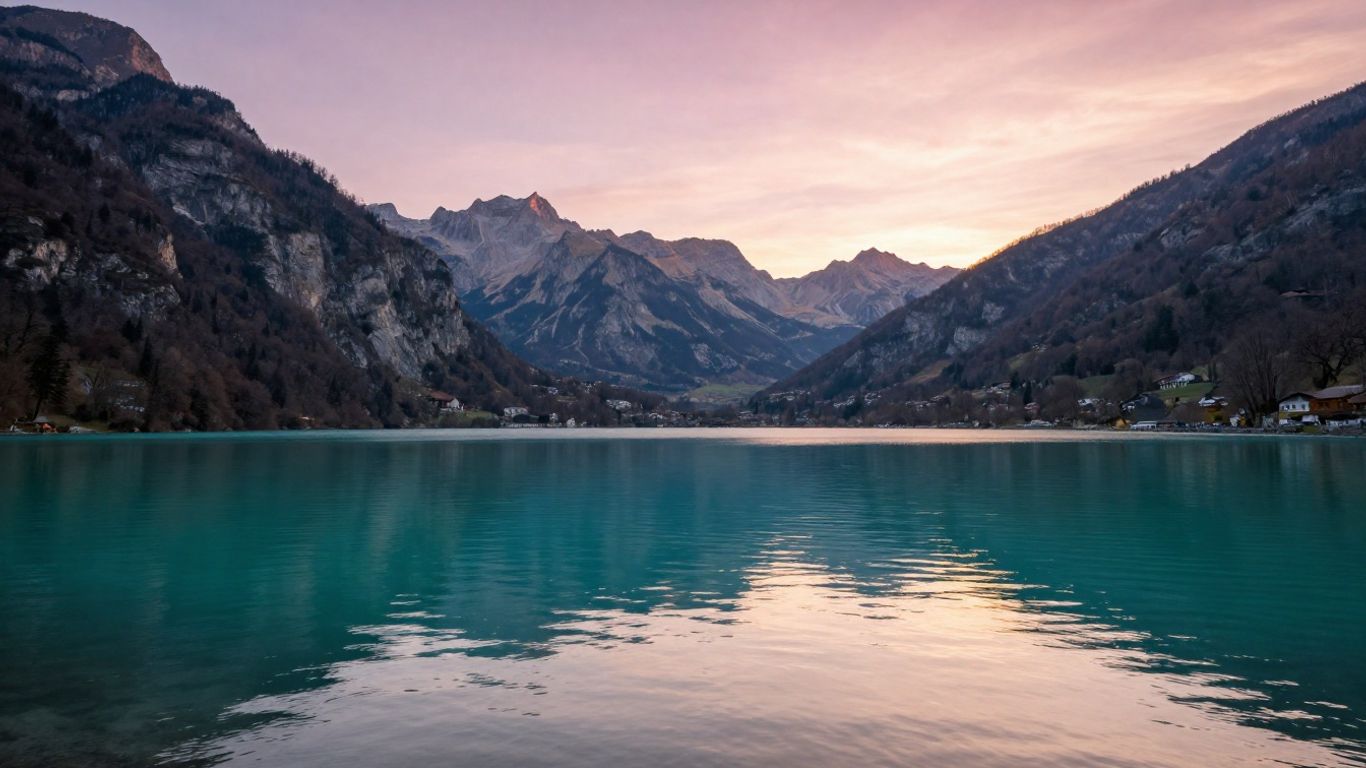
Talloires and the eastern shore
Talloires offers a peaceful lakeside atmosphere, with water, wooded slopes, and mountain walls close together in the frame. Arrive early enough to find an open public access point and avoid assuming that every attractive shoreline is available to visitors. Small changes in position can reveal a different balance of village, lake, and peak.
Menthon-Saint-Bernard and the mountain backdrop
Menthon-Saint-Bernard is well suited to travelers who want a village viewpoint with a strong Alpine background. The lake can look particularly vivid from lower eastern-shore paths, especially when the surface is still. Pairing the visit with the château later in the day creates a fuller itinerary without rushing the sunrise.
Annecy’s lakeside promenade and Jardins de l’Europe
The promenade and Jardins de l’Europe are practical choices for visitors without a car. They provide open lake views, easy walking, and a simple route back toward the old town once cafés and shops begin opening. The Annecy old town guide fits naturally after a waterfront morning, particularly for first-time visitors.
Col de la Forclaz for an elevated panorama
Col de la Forclaz looks across much of the lake from above, giving the turquoise water a different scale. The access road and final walking route deserve more attention before dawn than a town promenade does. Weather, darkness, and seasonal road conditions can all affect whether this is the right choice on a particular morning.
What to expect during an Annecy sunrise
Sunrise at Annecy is a gradual sequence rather than one instant. The sky often changes first, followed by the ridges, then the water as reflected light spreads across the surface. Expect the view to evolve for at least half an hour after the stated sunrise time.
Sunrise times by season
Summer mornings begin very early, while winter sunrise comes later and may be easier for travelers who dislike pre-dawn starts. Spring and autumn offer a useful middle ground, with manageable light and generally less seasonal pressure. Confirm the exact time for your date and plan to arrive before it, not at it.
Morning temperatures, mist, and changing light
Even a mild daytime forecast can mean a chilly lakeshore before sunrise. Mist may gather above the water or in low valleys, sometimes hiding the mountains and then thinning within minutes. Layers, gloves outside summer, and shoes suitable for damp paths make the wait more pleasant.
How crowds and access vary throughout the year
Summer draws the most visitors and usually brings the greatest demand for parking, lodging, and popular waterfront spaces. Late May through June and September into early October can feel quieter while retaining useful daylight for later activities. This guide to the best time to visit Annecy can help match crowd levels with weather and swimming plans.
Choosing between a lakeshore and mountain viewpoint
A lakeshore location is simpler, safer in darkness, and better for seeing reflections at close range. A higher viewpoint offers a larger composition but adds driving, walking, and weather considerations. Choose the viewpoint that fits your available time and confidence rather than selecting the highest possible perch.
| Viewpoint type | Main advantage | Main consideration | Best for |
|---|---|---|---|
| City lakeshore | Easy access and walking | More urban foreground | First visits and car-free mornings |
| Eastern shore village | Water and mountain layers | Limited public access in places | Quiet, close-up scenery |
| Elevated pass | Broad lake panorama | Dark roads and changing weather | Experienced early risers |
This comparison is less about ranking locations than matching them to the morning you actually want. A clear reflection from an accessible shore can be more satisfying than a distant view reached with unnecessary stress.
Planning a sunrise visit to Lake Annecy
An early visit works best when transport, access, and clothing are decided the evening before. Many services will not yet be running, and some roads or facilities may operate differently outside the main season. Keep the plan simple enough to follow in the dark.
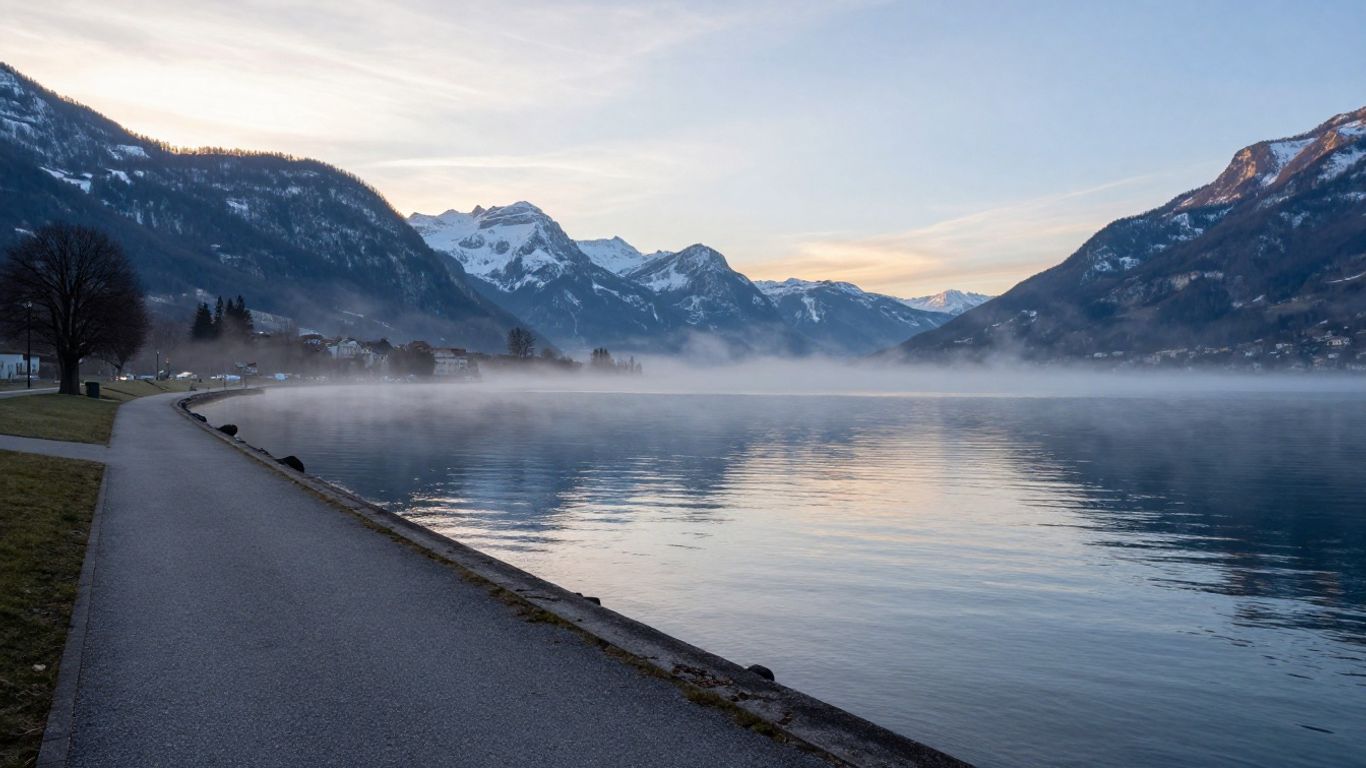
Getting to Annecy and moving around the lake
Annecy is reachable by rail and road, but moving around the lake before dawn may require a car, a taxi, a bicycle, or lodging within walking distance of the shore. Public transport timetables can be limited in the earliest hours. If you plan to travel between villages, check the return options rather than focusing only on the outbound journey.
Parking, walking routes, and early-morning access
Use marked parking areas and verify restrictions, especially near beaches, village centers, and narrow residential roads. A short route that is obvious in daylight may feel different before sunrise. Save a map offline, identify a legal stopping place, and allow extra time for walking from the vehicle.
What to bring for a comfortable outing
A compact set of useful items is usually better than a heavy day pack. Consider these basics:
- Warm layers that can be removed as the morning brightens.
- A small flashlight or headlamp for unlit paths.
- Water and a simple snack if shops will still be closed.
- A charged phone, offline map, and backup battery.
These supplies cover comfort and orientation without turning a short sunrise stop into a technical expedition. Add camera equipment only after deciding how far you will walk.
Safety considerations near the water and mountain roads
Stay on stable paths beside the lake and keep clear of slippery edges, rocks, and unprotected drops. On mountain roads, drive slowly, expect cyclists or wildlife, and do not stop where visibility is poor. If conditions are icy, foggy, or stormy, choose a lower and more accessible viewpoint.
Photographing the Annecy turquoise lake and Alps reflection
Photography at dawn rewards patience more than complicated equipment. The scene changes quickly from blue shadows to warm highlights, and the brightest part of the sky can easily fool a camera’s meter. Make a few test frames and watch the histogram rather than relying only on the rear screen.
Camera settings for low-light landscapes
Begin with a stable camera, a moderate aperture, and a shutter speed that keeps the water and peaks sharp. Raise ISO only as needed, and focus on a distant ridge or use manual focus after checking it carefully. A tripod is useful, but it should never be placed where it blocks a path or creates a hazard.
Framing the lake, peaks, and reflection
Leave enough foreground water to show the reflection, then use the mountain line to give the image structure. A shoreline curve, pier, or tree can provide depth without overwhelming the peaks. Vertical framing suits steep mountain walls, while horizontal framing better conveys the breadth of the lake.
Capturing color changes before and after sunrise
Take photographs before the sun appears, when the scene may be cool and subdued, then continue as the ridges turn gold. The turquoise color may be strongest after the first direct light rather than at the official sunrise. Short intervals between frames make the changing palette easier to compare later.
Managing glare, haze, and uneven exposure
Bright sky and darker foreground can exceed the camera’s dynamic range. Try a graduated filter, exposure bracketing, or a carefully protected highlight exposure. A lens hood helps with stray light, while wiping condensation from the front element prevents soft, hazy images that can be mistaken for atmospheric mood.
Experiences to add after sunrise
Once the light is established, Lake Annecy becomes a base for several different kinds of mornings. You can stay close to the water, explore the town, or move into the surrounding hills. Choose one main activity rather than trying to cover the entire region before lunch.
Exploring Annecy’s old town and canals
The old town is easiest to enjoy after the early waterfront quiet begins to fade. Walk beside the Thiou, cross the small bridges, and look into the lanes around the historic center before settling somewhere for breakfast. The canals provide a change of scale from the open lake and are especially pleasant in the cooler part of the day.
Cycling the Lake Annecy loop
The full circuit is a substantial outing, not a quick add-on after a sunrise walk. The route includes separated paths as well as road sections, with distance and elevation varying by direction and stopping pattern. Consult this Lake Annecy cycling route for practical planning, bike hire questions, and realistic timing.
Visiting Château de Menthon-Saint-Bernard
The château adds history and architecture to a landscape-focused day. Check opening dates and visiting hours before setting out, since access can vary by season. Its position above the eastern shore also makes it a natural companion to a morning spent photographing the lake.
Finding viewpoints near Semnoz and Mont Veyrier
Semnoz and Mont Veyrier offer different approaches to elevated scenery, from accessible outlooks to more demanding trails. Conditions can differ sharply from the lakeshore, particularly in colder months. This guide to hiking above Annecy is helpful when comparing route difficulty, distance, and mountain exposure.
Protecting Lake Annecy’s clear water and natural scenery
The lake’s beauty depends on more than its color in a photograph. It is also a living environment and a shared public space, with residents, boaters, swimmers, wildlife, and visitors using the shoreline in different ways. Small decisions during an early visit help keep the experience available to everyone.
Respecting shoreline access and private property
Not every attractive strip of shore is public, and village access points may have specific rules. Use signed paths, beaches, and public promenades rather than crossing lawns, gardens, or private docks. If a route is unclear, turn back and choose a documented access point instead of treating the waterline as an uninterrupted public trail.
Following swimming, boating, and wildlife guidelines
Follow posted swimming zones, launch rules, and seasonal restrictions. Keep a respectful distance from birds and other wildlife, and avoid feeding animals. For practical information about accessible swimming areas, see this guide to Lake Annecy swimming spots, then check current local notices before entering the water.
Reducing waste and limiting environmental impact
Carry out food packaging, tissues, and any small items you bring to the shore. Keep music low, avoid washing products into the water, and use established toilets where available. Walking from nearby lodging or sharing a ride can also reduce pressure on limited early-morning parking.
Visiting responsibly during busy seasons
Busy months require patience, especially around beaches, village roads, and the central promenade. Spread out across legal viewpoints, avoid blocking residents’ access, and leave space for people who live beside the lake. A quieter visit often comes from adjusting the date or viewpoint rather than arriving earlier at the busiest spot.
Conclusion
Sunrise at Lake Annecy is most rewarding when treated as a changing landscape rather than a single photograph: clear water brightens, Alpine ridges emerge, and the shoreline gradually comes to life. Choose an accessible viewpoint, prepare for cool and shifting conditions, and leave the lake as calm and clean as you found it.
Frequently Asked Questions
What is the best place to see Lake Annecy at sunrise?
The best place depends on whether you prefer easy lakeside access or a broad mountain panorama. Annecy’s promenade is convenient, while Talloires, Menthon-Saint-Bernard, and Col de la Forclaz offer different eastern-shore and elevated perspectives.
Why is Lake Annecy turquoise?
Its color results from clear water, sunlight, depth, the lakebed, and surrounding conditions. The shade changes with cloud cover, wind, viewing angle, and the amount of light reaching the water.
What time should I arrive for sunrise?
Arrive roughly 20 to 40 minutes before the published sunrise time so you can park, walk, and settle without rushing. Add more time if the route is unfamiliar or the viewpoint is above the lake.
Is Lake Annecy cold in the morning?
Yes, the lakeshore can feel cold before sunrise even when the afternoon forecast is mild. Bring layers and expect extra chill near damp paths, open water, or elevated viewpoints.
Can I visit Lake Annecy without a car?
Yes, especially if you stay near Annecy’s center or the lakeside promenade. Reaching villages and elevated viewpoints before dawn may be more difficult, so check early transport options or arrange a suitable transfer.
Is sunrise a good time for photography?
Yes. Low-angle light, quiet water, and changing colors create varied conditions within a short period. Use a stable position, protect highlights, and continue shooting after sunrise as the lake becomes brighter.
What should I do if weather hides the mountains?
Keep the plan flexible. Mist and cloud can clear, but if visibility remains poor, enjoy the shoreline, old town, or a lower route instead of driving into unsafe mountain conditions.


