

Boat Tours to the Calanques de Piana: Corsica’s Red Cliffs by Sea

Part of our Corsica travel guide
Key Takeaways
A boat trip is one of the clearest ways to understand the Calanques de Piana and the wider Gulf of Porto. A little advance planning makes the experience more comfortable and respectful of this protected coast.
- Departures for the calanques generally leave from Porto, not from the mountain village of Piana.
- Boat size, group size, duration, and sea conditions all affect the experience.
- Longer excursions may combine Piana with Scandola Nature Reserve and Girolata.
- Sun protection, secure bags, water, and motion-sickness planning are useful preparations.
- Road viewpoints and short walks make worthwhile additions to a day on the coast.
Why take a Corsica boat tour to the Calanques de Piana
The Calanques de Piana are best understood as a coastal landscape rather than a single viewpoint. From Porto, a boat follows the shoreline into a succession of red rock formations, sea arches, and narrow inlets. A corsica boat tour calanques piana experience also gives travelers a practical way to combine several west-coast sights in one outing.
What makes the red granite coastline distinctive
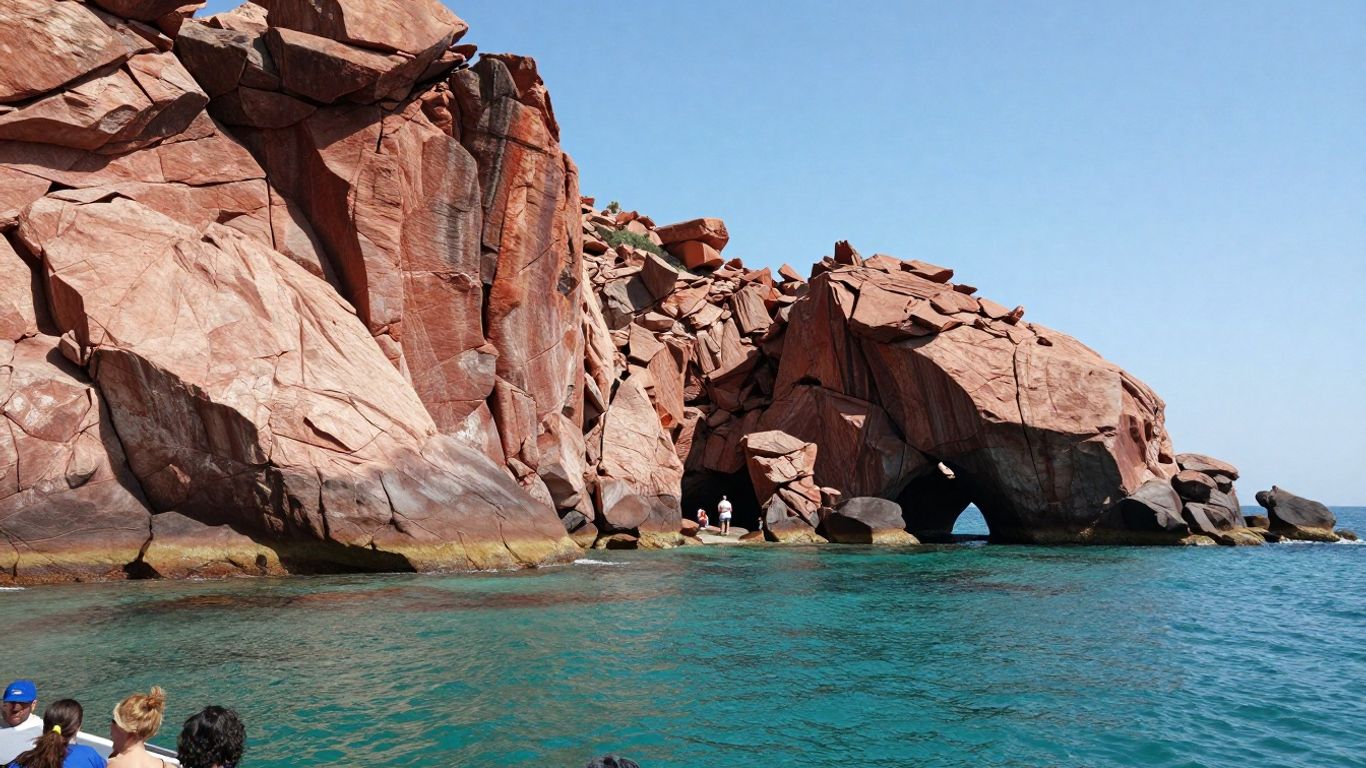
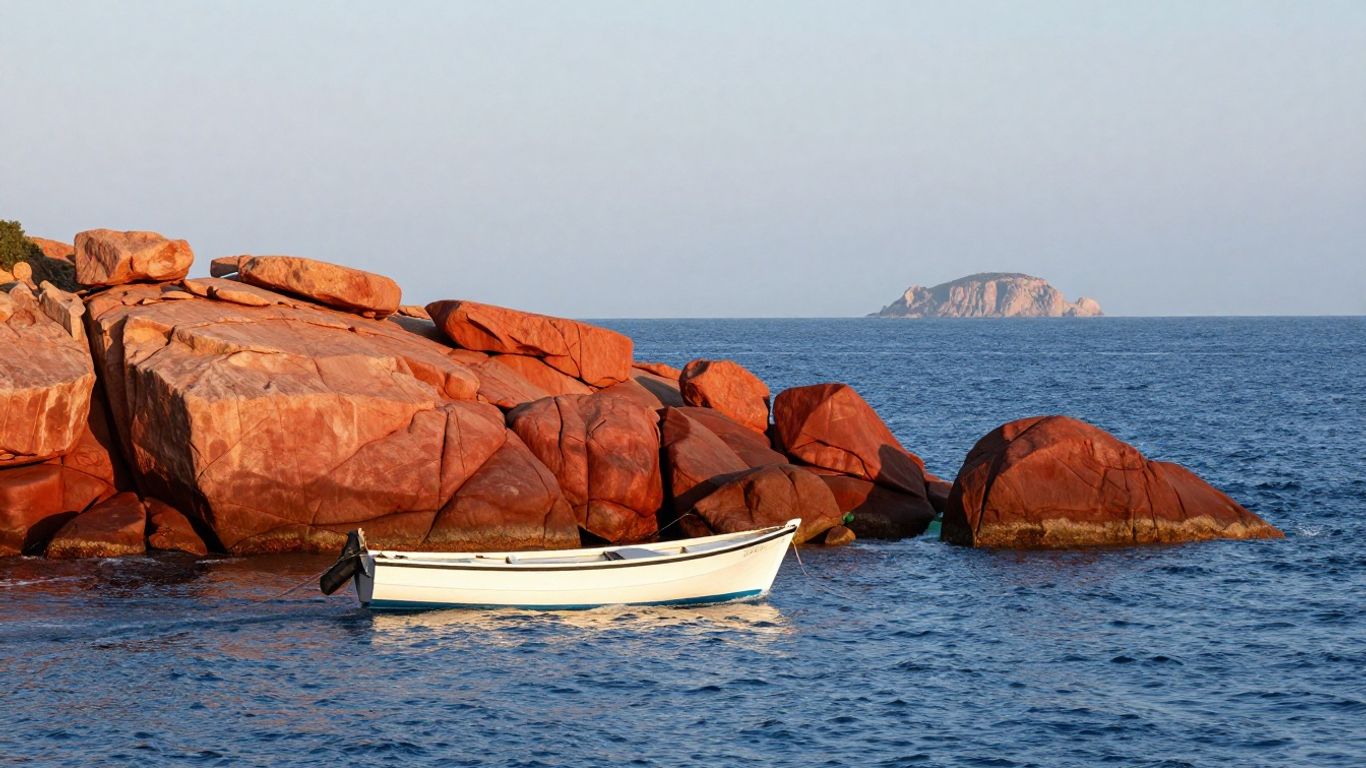
The coast is marked by warm red and orange rock set against deep blue or turquoise water. Weathering has carved the granite into irregular towers, holes, and sculpted silhouettes, so the scenery changes as the boat moves. The colors are often strongest when the sun is high, although softer light can reveal more detail in the cliffs.
How the cliffs look different from the water
From the sea, the rock walls rise directly from the water and appear more continuous than they do from the road. Boats can approach the bases of formations and enter coastal recesses that are invisible from inland viewpoints. The changing distance also alters the scale: a familiar cliff may seem modest from above but immense when seen from below.
Why a boat trip complements a road visit
The road through the Piana area offers elevated perspectives, pullouts, and access to the village itself. The boat supplies the opposite angle, with the cliffs viewed at sea level and the shoreline unfolding without the need to search for parking. Doing both is worthwhile because neither experience replaces the other.
What travelers can expect to see offshore
A route may pass beaches, rocky coves, sea caves, and the headland around Capo Rosso. Depending on the itinerary and conditions, passengers may also see seabirds circling the cliffs and clear water over submerged rock. Wildlife sightings are never guaranteed, so the landscape should remain the main reason for booking.
Choosing the right boat tour from Porto
Porto is the practical departure point for exploring the calanques by sea. Excursions differ in vessel type, pace, route, and comfort, even when their advertised destination sounds similar. Read the timing and inclusions carefully rather than choosing by duration alone.
Comparing shared excursions and private charters
Shared trips are usually the straightforward choice for solo travelers, couples, and families who want a scheduled sightseeing experience. A private charter offers more control over pace and stops, but it requires checking the boat’s capacity and what the quoted price includes. Ask whether the route is fixed, how long the boat spends near the formations, and whether swimming is part of the plan.
Selecting a sightseeing boat, semi-rigid, or larger vessel
A larger sightseeing boat may feel steadier and provide more room to move, while a semi-rigid boat can offer a closer, more agile ride along the coast. Smaller craft may expose passengers to more spray and vibration. The best option depends on your comfort with motion, your interest in close approaches, and the needs of everyone in your party.
Understanding tour durations and departure times
A short cruise focused on Piana can suit travelers with limited time, while a longer outing may add Scandola or Girolata. Morning departures often leave more flexibility later in the day, whereas afternoon trips can fit better around a road itinerary. Confirm the full check-in time, not just the departure time, since marinas may require passengers to arrive early.
Checking group size, accessibility, and onboard facilities
Before paying, check seating, shade, toilets, boarding arrangements, and storage for bags. Semi-rigid boats can involve a step down or an exposed ride, which may not suit every traveler. Travelers with mobility concerns, young children, or back problems should describe their needs directly to the operator and request specific advice.
What a typical Calanques de Piana itinerary includes
Most outings begin in Porto and travel west or south along the Gulf of Porto before reaching the dramatic rock formations. The exact sequence depends on the boat, sea state, and whether the excursion is dedicated to Piana or combines several destinations. Treat the published route as a framework rather than a minute-by-minute promise.
Departing from Porto and entering the calanques
After leaving the marina, the boat follows the rugged shoreline toward the calanques. The approach itself is part of the sightseeing, with beaches and headlands appearing gradually rather than all at once. Passengers should keep their cameras ready but also leave time to watch the coastline without looking through a screen.
Cruising beneath the most dramatic rock formations
The boat typically slows near the most sculpted sections, allowing passengers to look up at walls, pinnacles, and openings shaped by erosion. Guides may identify prominent features, but commentary varies between operators and languages. Staying seated when requested is sensible, especially when the boat is turning close to the rocks.
Combining Piana with Scandola Nature Reserve
Longer cruises may continue toward Scandola Nature Reserve, a protected coastal area known for its cliffs and marine setting. Combining the two sites creates a fuller day on the water, but it also means less time at each individual location than a focused trip. Check whether the reserve is included in the advertised route or offered as a separate excursion.
Adding Girolata, coves, or swimming stops
Some itineraries include Girolata, a small coastal settlement accessible by sea or foot, while others add a cove or a brief swimming stop. These additions can be appealing on warm days, but they may extend the total duration considerably. Ask whether swimming equipment is supplied and whether the stop depends on safe anchorage and sea conditions.
When to plan your boat trip
The boating season is shaped by daylight, demand, and the Mediterranean weather rather than by scenery alone. Summer generally offers the largest choice of departures, but it can also bring crowded marinas and stronger heat. Shoulder-season trips may feel quieter, although schedules are often more limited.
Comparing summer conditions with the shoulder seasons
July and August are popular because travelers often want warm weather and a reliable holiday schedule. May, June, September, and early October can provide a calmer pace, but water temperature and operating days vary. If the boat trip is central to your plans, avoid leaving it to the final available day.
Choosing morning or afternoon departures
Morning light can be crisp and temperatures are usually more comfortable before the hottest part of the day. Afternoon departures may work well for travelers who want to drive the coastal roads first or sleep later. Consider your return plans too, since a delayed boat can affect dinner reservations or a long drive.
How wind, swell, and visibility affect the experience
Wind and swell influence comfort, route changes, and whether a boat can approach narrow coastal areas. Visibility matters as well: haze can soften the contrast between the red cliffs and the sea. Check the forecast shortly before departure, but remember that the operator’s local assessment is more relevant than a forecast viewed several days in advance.
What happens when weather cancels a tour
Operators may postpone or cancel a trip when conditions make navigation unsafe or uncomfortable. Policies differ, so read the terms for refunds, transfers, and rebooking before confirming. Keep a flexible alternative, such as a road visit or a village walk, rather than assuming the original departure will operate.
How to prepare for a day on the water
A boat excursion is simple to book but slightly different from an ordinary sightseeing stop. There may be little shade, limited storage, and no convenient shop once the boat leaves Porto. Preparing lightly but deliberately helps you enjoy the scenery instead of managing avoidable discomfort.
What to wear and pack for sun and sea spray
Wear quick-drying layers, secure footwear, and a hat that will not lift easily in the wind. Bring sunscreen, sunglasses, drinking water, and a light cover-up even on a warm day. A thin jacket is useful because the boat’s speed can make the air feel cooler than it does on shore.
Protecting your camera and other valuables
Sea spray can reach passengers even on calm-looking water. Keep phones, cameras, and documents in a sealed dry bag or double protection, and use a wrist strap when taking photographs near the edge. Leave bulky luggage at your accommodation whenever possible.
Planning for motion sickness and heat
If you are prone to motion sickness, choose a seat with a clear view toward the horizon and avoid a heavy meal immediately before boarding. Follow any medication guidance you already use and drink water steadily. Heat, glare, and engine movement can combine to make a mild sensitivity feel much worse.
Booking tickets and confirming departure details
Reserve ahead during busy summer periods, particularly for small boats and preferred departure times. Recheck the meeting point, boarding time, cancellation policy, vessel type, and language of the commentary. Save the operator’s contact details so you can confirm changes if the weather turns uncertain.
Responsible travel in the Gulf of Porto
The Gulf of Porto is not simply a scenic backdrop; it is a living coastal environment with protected areas and sensitive habitats. Responsible behavior begins with choosing an excursion that respects local rules. It continues with small decisions about noise, waste, wildlife, and where you enter the water.
Understanding the protected status of Scandola
Scandola Nature Reserve has protected land and marine areas, so access and navigation are governed by conservation rules. Routes may be restricted and boats may need to maintain distance from wildlife and cliffs. Follow crew instructions even when a closer photograph seems tempting.
Respecting wildlife and coastal habitats
Keep voices low near nesting areas and never feed birds or marine animals. Do not collect shells, stones, or other natural objects from the coast. If swimming is permitted, use established access points and avoid standing on shallow rock or seagrass.
Choosing operators with responsible practices
Look for clear information about protected-area rules, group conduct, waste handling, and the route’s environmental limits. An operator that explains why it changes speed or distance is giving useful evidence of careful navigation. Responsible practice is not always visible in a booking headline, so ask direct questions before departure.
Reducing waste during the excursion
Bring a reusable bottle and pack snacks without unnecessary wrapping. Keep every item secured because wind can carry light packaging into the sea. Take all waste back to shore, including fruit peels and tissues, which do not belong in a marine reserve.
Alternatives and add-ons to a boat tour
A boat trip fits well into a broader stay around Porto and Piana, but it does not need to be the only coastal activity. Road viewpoints reveal the landscape from above, while walks and village visits slow the pace. Building in alternatives is also useful when a departure is full or weather interrupts the schedule.
Seeing the Calanques by road from Piana
The road through the calanques offers elevated views of the red granite formations and access to roadside pullouts. Driving requires patience because sections can be narrow and busy in peak season. Start early when possible, and never stop in a place that obstructs traffic or creates a hazard on a bend.
Exploring coastal viewpoints and short hikes
Short walks near Piana can add texture to the visit, particularly when you want time away from an engine and a timetable. Wear proper shoes and carry water, since shade and facilities are not guaranteed along every path. A viewpoint visit is a good complement to the sea-level perspective of a boat excursion.
Combining a boat trip with Porto village
Porto works well as a base because the marina, restaurants, and evening waterfront are close together. Allow extra time around the excursion rather than scheduling a tight connection immediately afterward. This makes room for boarding delays, a slower meal, or a quiet walk beside the harbor.
Building a wider west Corsica itinerary
West Corsica rewards travelers who avoid rushing between distant points. You might connect Porto with Piana, the Gulf of Girolata, and other mountain or coastal stops, then continue toward a different regional base. For a longer journey, this seven-day Corsica road trip provides a useful framework for balancing beaches, mountains, villages, and travel time.
Conclusion
A boat tour from Porto offers a direct and memorable view of the Calanques de Piana, while road stops, short walks, and time in Porto give the visit useful depth. Choose the vessel and itinerary around your group, watch the weather, and treat the Gulf of Porto as a protected place rather than a backdrop for hurried sightseeing.
Frequently Asked Questions
Where do boat tours to the Calanques de Piana depart from?
Most boat tours depart from Porto marina. The village of Piana is inland and does not serve as the usual departure point for coastal excursions.
How long does a Calanques de Piana boat tour take?
A focused visit may take around one and a half hours, while combined routes including Scandola or Girolata can last several hours. Exact durations vary by operator and conditions.
Is a boat tour suitable for children?
Many excursions accept children, but minimum ages, seating, and vessel suitability differ. Check the operator’s policy and consider whether the ride’s motion and sun exposure suit your child.
What is the best season for visiting by boat?
Late spring through early fall generally offers the broadest choice of departures. Summer has the most services but also the highest demand, while shoulder seasons can be quieter and less predictable.
What should I bring on the boat?
Pack water, sunscreen, sunglasses, a secure hat, a light layer, and protection for electronics. Keep belongings compact and sealed against sea spray.
Can tours be canceled because of weather?
Yes. Wind, swell, or poor visibility can lead to cancellation or route changes. Review the refund and rebooking policy and keep a flexible backup plan.
Can I visit the Calanques without taking a boat?
Yes. The area can be explored by road from Piana, with viewpoints and walking opportunities along the coast. The road experience provides elevated scenery rather than the close sea-level perspective of a boat.
Planning a trip to Corsica?
Compare hotels, guided tours, car hire and flights in one place.


