
Renting a Car in Corsica: What to Know Before You Drive the Island

Key Takeaways
A car can make Corsica’s varied landscapes easier to explore, but it pays to plan for slower roads and rental details. A little preparation helps keep the trip flexible without turning every day into a long drive.
- Choose a pickup point that matches your arrival and first destination.
- Compare the full rental terms, including deposit, insurance, and fuel policy.
- Allow more time for winding roads, viewpoints, and village stops.
- Plan overnight bases, fuel, parking, and offline navigation in advance.
- Document the car’s condition and follow the agreed return procedure.
Why rent a car in Corsica
Corsica brings beaches, towns, and mountain scenery into a relatively compact island, but moving between them takes planning. On my visit, I found a car most useful for linking places that did not fit neatly into a single town-based stay. It also made spontaneous stops easier, though I learned to leave more time than a map suggested. The right choice depends on where you want to go and how much driving you enjoy.
Reach beaches, villages, and mountain areas beyond public transport
A car gives you more choice about when to leave and how long to stay, particularly when your plans include several small places in one day. I liked being able to pause at a village or viewpoint without working around a fixed departure time. Some beaches and inland destinations may require extra planning by public transport, so check access and current transport options before assuming a car is essential. For ideas on reaching quieter shores, see this guide to Corsica’s quieter beaches.
Compare driving with buses, trains, and organized tours
Driving is not the only way to see the island. A train or bus can suit a trip centered on a few towns, while an organized excursion can take the responsibility for a particular outing off your hands. I would weigh the number of stops you want to make against the time you are willing to spend behind the wheel. Corsica’s scenic railway routes may be a good fit for travelers who prefer a slower journey through the interior.
Decide whether a car suits your itinerary and travel style
Think about how often you expect to change locations, whether your lodging has parking, and how comfortable you feel on narrow roads. If you plan to settle in one town and take occasional excursions, a car for only part of the trip may be enough. For a multi-stop stay, the freedom to change plans can be valuable, but it comes with fuel, parking, and rental costs. I found it helpful to decide on the shape of the trip before choosing the rental period.
Allow extra time for scenic routes and frequent stops
Distances can look modest on a map while the actual drive takes longer than expected. Curves, slower traffic, and stops for views all add time, and rushing makes the drive less enjoyable. I now treat travel time as part of the day’s plan rather than a gap between activities. The Corsica road-trip guide offers practical pointers for planning routes, fuel, parking, and narrow roads.
Plan your rental and pickup
A convenient pickup point can save time at the start of a trip, but convenience depends on where you are arriving and where you plan to go first. Compare the rental locations available for your dates and note whether reaching them requires a transfer. I also recommend checking opening hours before booking an arrival late in the day. Thinking through the first and last legs can help narrow the options.
Choose between airports, ferry ports, and town locations
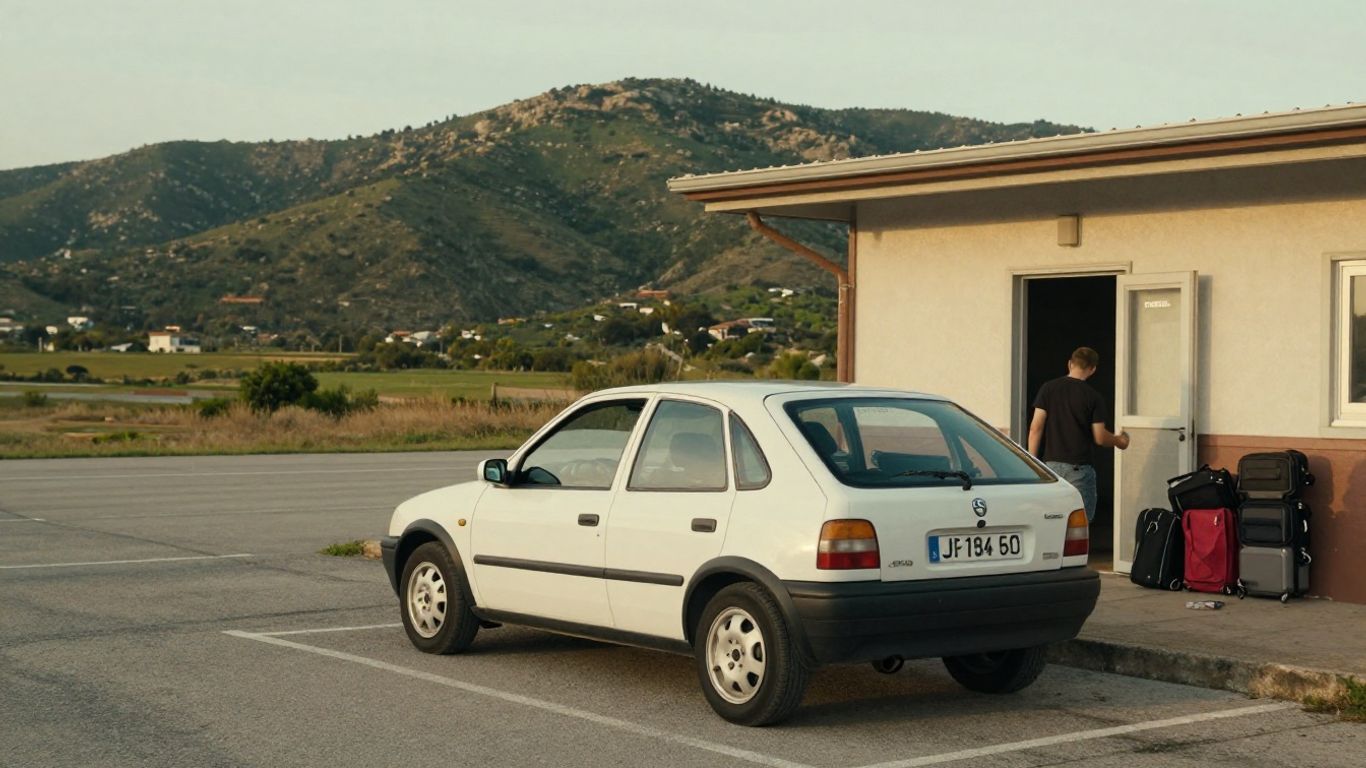
Airport pickup may be straightforward if you are flying in, while a ferry arrival can make a port or nearby town location more practical. A town office may work better if you plan to spend the first night without a car. The best choice is not always the closest counter; compare the onward journey and the return location too. This simple comparison can help organize the decision:
| Pickup option | May suit travelers who | Check before booking |
|---|---|---|
| Airport | Want to start driving after a flight | Counter hours and transfer details |
| Ferry port area | Arrive by sea with onward driving planned | Exact office location and opening time |
| Town location | Prefer to settle in before collecting a car | Access from lodging and local office hours |
| Different return point | Plan a route ending elsewhere | Any one-way fee and return conditions |
Once I had a likely arrival point in mind, comparing Corsica’s airport options helped me think through which part of the island to visit first. If you are still deciding between air and sea travel, this overview of ferries to Corsica is another useful starting point.
Book early for summer travel and compare prices across providers
For a summer trip, it is sensible to check rental availability well before departure, especially if you need a particular vehicle type or pickup time. Compare the total shown for the same dates and terms rather than focusing only on the initial daily rate. Pay attention to cancellation conditions, included mileage, and what the price assumes about fuel and insurance. If you are still arranging flights, Aviasales lets travelers compare flights from airlines and travel agencies, track price drops, and book directly with the provider.
Check whether you need a manual or automatic transmission
Transmission choice can affect comfort and availability, so decide before confirming a booking. If you normally drive an automatic, do not assume you will be comfortable switching to a manual on unfamiliar, winding roads. Check that the confirmation lists the transmission you selected; a broad vehicle category may not promise a particular make or model. I would prioritize a car I can drive confidently over a small difference in price.
Review cross-border, ferry, and additional-driver policies
Read the rental conditions for any plans to take the vehicle onto a ferry, travel outside Corsica, or share the driving. Permission and extra charges vary by rental agreement, so get the relevant terms confirmed before paying. Check whether every intended driver must be present at pickup and what documents they need. If your itinerary includes a ferry crossing, compare the sailing and rental conditions together rather than assuming the car may travel on board.
Check rental requirements and total costs
The advertised price is only one part of a rental decision. Requirements for drivers, deposits, and payment can differ between providers and booking conditions, so confirm the details for your reservation. I found it useful to read the terms before comparing cars, not after choosing one. A few minutes spent on the small print can prevent a rushed conversation at the counter.
Confirm license, age, and payment-card requirements
Check what driver’s license is accepted, whether there are age limits or surcharges, and which payment cards are allowed for the deposit. Requirements may vary, including for additional drivers, so use the conditions attached to the exact booking. Make sure the name on the reservation and payment card meets the provider’s rules. If anything is unclear, ask the rental company for confirmation before travel.
Understand the security deposit and excess
A security deposit is an amount the rental provider may hold or authorize under the agreement; the excess is the amount you may have to pay toward covered damage. They are different figures, and both can affect the amount of available credit you need. Check how the deposit is collected, when it is released, and what circumstances could delay that release. I keep a copy of the terms so I can refer to the figures at pickup and return.
Compare insurance coverage and exclusions
Look beyond labels such as “basic” or “full” and read what the policy includes and excludes. Note the excess, any excluded parts of the vehicle, and the steps required if there is damage or an incident. Coverage offered by a booking channel or a separate policy may work differently from the rental company’s options. Choose based on the actual wording and your comfort with the potential out-of-pocket cost.
Budget for fuel, tolls, parking, and optional equipment
Build the trip budget around the whole rental, not just the daily rate. Fuel, overnight parking, child seats, and other extras can add up, while the relevance of tolls depends on your route. It helps to compare the main cost categories side by side:
| Cost to check | What to confirm |
|---|---|
| Fuel | Fuel type and return policy |
| Parking | Whether your lodging has a space and any fees |
| Equipment | Price and availability of requested extras |
| Road charges | Whether any planned route includes charges |
This overview is a prompt to check your own route and booking terms, not a fixed estimate. Once the costs are clear, it is easier to decide whether a smaller car or a shorter rental period makes sense.
Prepare for Corsican roads and driving conditions
Driving in Corsica can be rewarding, but it is not always quick or effortless. Road widths, curves, traffic, and weather can change the feel of a journey from one stretch to the next. On a previous visit, I learned to plan fewer stops in a day than I first expected. A calmer schedule leaves room to enjoy the scenery and handle surprises safely.
Expect narrow, winding roads and slower journeys than the map suggests
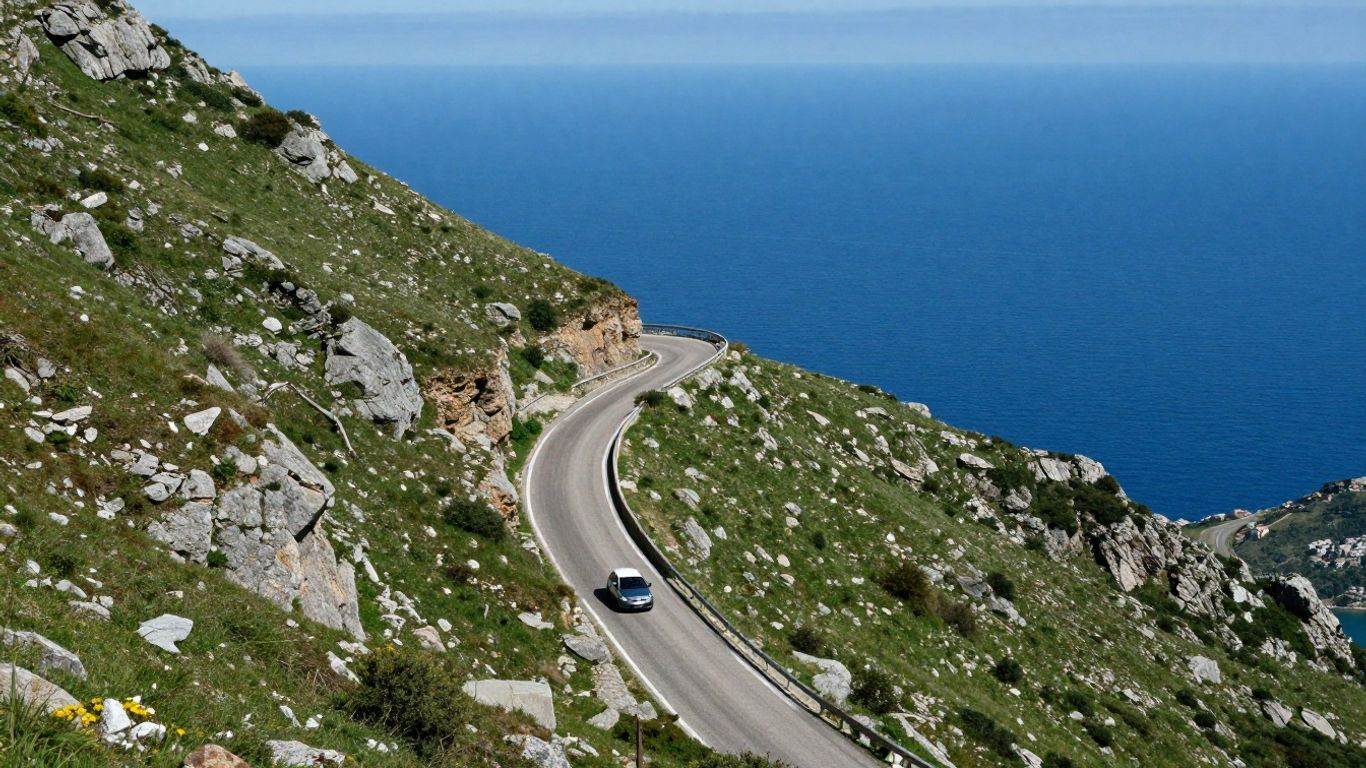
Some routes wind through hilly or mountainous terrain, and narrow sections can call for patience when vehicles meet. A short distance may take longer than a larger, straighter road elsewhere, especially if you stop along the way. I recommend checking realistic drive times and avoiding a tightly packed itinerary. The practical advice in this guide to driving in Corsica is useful when mapping out a day.
Adjust to mountain routes, coastal traffic, and changing weather
Conditions can shift between the coast and higher ground, and popular routes may be busier at certain times. Check the forecast for the places you will actually visit, not just your overnight town, and allow flexibility if weather affects your plans. On coastal drives, leave space for slower traffic and viewpoints rather than trying to keep to a strict arrival minute. A relaxed pace is especially useful when the route itself is part of the day.
Learn local speed limits, signs, and right-of-way rules
Before setting off, review the local driving rules and the meaning of road signs, particularly if you are accustomed to driving somewhere else. Follow posted speed limits and adjust your speed to visibility, road surface, and traffic. If you are unsure at a junction or on a narrow road, pause in a safe place and check your route rather than making a hurried move. Carry the rental documents and any required driving paperwork where you can access them.
Take care around livestock, cyclists, and blind bends
Keep a careful lookout on rural roads, where animals, cyclists, and vehicles moving slowly may appear with little warning. Ease off before blind bends and stay in your lane; do not assume the road ahead is clear. If another vehicle approaches on a narrow stretch, take your time and use a safe passing place when available. The simplest rule is to leave enough space and time to respond calmly.
Make the most of your car around the island
A car is most useful when the route works with the island’s geography instead of trying to cover everything in one go. Consider how many nights you want in each area and whether a base will reduce repeated driving. I found that a few well-chosen stops made for a better visit than changing accommodation every night. Corsica’s places to stay range from towns suited to culture and transport to bases nearer beaches or mountain trails.
Choose a base or route that limits unnecessary backtracking
Before booking accommodation, sketch the places you hope to visit and group nearby stops together. Then check whether a single base suits the plan or whether moving once or twice would cut down on repeated drives. A simple sequence can keep the itinerary manageable:
- Pick the main areas you want to explore.
- Group nearby sights and beaches on the same day.
- Choose overnight bases that follow that sequence.
- Leave unplanned time for weather, rest, or a worthwhile stop.
I use this as a loose framework rather than a timetable. For a wider route idea, compare a seven-day Corsica itinerary with the time you actually have, and trim stops that would make the days feel rushed.
Plan fuel stops in remote areas and check station opening hours
Do not wait until the tank is nearly empty to look for fuel, especially on a day that takes you away from larger towns. Check where stations are along the planned route and whether their opening hours fit your schedule. The fuel policy in your rental agreement also matters: note whether the vehicle must be returned full or under another arrangement. I like to make the next fuel stop part of the day’s route rather than a last-minute search.
Find out where to park in busy towns and near popular beaches
Parking can be limited near popular destinations, so check options before setting out and arrive with time to look for a legal space. Ask your accommodation whether parking is available and whether it needs to be reserved. At beaches, follow local signs and avoid blocking access or leaving valuables in view. If your plans focus on a town, consider whether you can park once and explore the center on foot.
Use offline maps where mobile coverage may be limited
Download maps for the areas you expect to visit before leaving a reliable connection. Offline navigation can help if mobile coverage drops, but it is still worth checking road closures and route details when you do have access. Keep the route simple enough to follow if the signal disappears, and stop safely before adjusting navigation. I also save accommodation addresses and pickup details in a format I can access without a connection.
Return the car without surprises
The return is easier when you treat it as part of the itinerary rather than a final errand. Confirm the location, timing, and fuel conditions while you still have time to ask questions. I leave a buffer before a flight or ferry so that traffic, refueling, or a queue does not create a last-minute scramble. Keep the paperwork together until the rental is fully closed out.
Confirm the return location, opening hours, and after-hours procedure
Check the exact return address, not only the town or airport name, and confirm the office hours for your return date. If you expect to drop the car outside staffed hours, read the procedure carefully and find out where the keys should go. Ask what to do if the lot is full or the designated area is inaccessible. Having these details saved before departure makes the final day more straightforward.
Refuel according to the rental agreement
Use the fuel policy in your agreement as your guide. If the car must be returned full, allow time to find a station near the return location and keep the receipt if the terms recommend it. If a different policy applies, confirm the charge and conditions in advance. Avoid relying on memory: check the contract before you set out for the return.
Photograph the car and document any existing damage
At pickup, take clear photos of the vehicle’s exterior and interior, including any marks already recorded on the inspection form. Make sure the images show enough context to identify where damage is located, and tell staff about anything missing from the paperwork. Repeat the process at return and keep the files until the deposit has been released. Documentation is a simple precaution, not a substitute for completing the provider’s inspection process.
Keep rental documents and return confirmation until the deposit is released
Save the rental agreement, inspection notes, fuel receipt if relevant, and any return confirmation. Check that the return record reflects the date and time the car was handed back, and contact the provider if you notice a discrepancy. Deposit release timing can depend on the provider and payment method, so keep the documents until the hold or charge is resolved. A tidy record makes follow-up easier if a question comes up later.
Conclusion
Renting a car in Corsica can make it easier to combine different parts of the island, provided the vehicle, route, and rental terms suit your trip. Plan around slower roads, allow room for unplanned stops, and check the details of pickup, insurance, fuel, and return before you travel. With a practical itinerary and a little patience behind the wheel, the drive can become a useful part of the visit rather than a race between destinations.
Frequently Asked Questions
Is renting a car in Corsica worth it?
It can be worthwhile if you want to visit several areas or reach places that are less convenient by public transport. For a stay focused on one town, compare the cost and effort with local transport or occasional excursions.
Do I need to book a rental car in advance?
Booking early is a sensible approach for busy travel periods or when you need a particular transmission or pickup location. Compare the full terms and cancellation conditions before confirming.
Is it difficult to drive in Corsica?
Some roads are narrow and winding, and journey times can be longer than expected. Drive at a pace that suits the conditions and build extra time into each day.
Should I choose a manual or automatic car?
Choose the transmission you are comfortable driving, especially on unfamiliar roads. Check that your reservation confirms the type you selected.
Can I take a rental car on a ferry?
That depends on the rental agreement. Confirm permission and any conditions with the provider before booking a crossing with the car.
What should I check before picking up the car?
Review your license and payment requirements, deposit, excess, insurance terms, fuel policy, and pickup location. Photograph the vehicle and make sure existing damage is noted before leaving.
What should I do when returning the rental car?
Follow the agreed return location and fuel policy, allow time for the handover, and keep the return confirmation and rental documents. Retain them until any deposit hold has been released.