
Things to Do in Sète: Canals, Beaches and the Best of France’s Little Venice

Key Takeaways
Sète is best enjoyed at an unhurried pace, with time for the working harbor, the hillside views, the coast and the food.
- Follow the canals and harbor quays, then wander the lanes of Pointe Courte.
- Climb Mont Saint-Clair for views over the Mediterranean and the Thau lagoon.
- Make room for Sète’s museums, maritime history and music heritage.
- Pick a beach to suit the day, and check conditions before you swim.
- Try tièle sétoise and seafood, and plan ahead for lagoon activities and where you’ll stay.
Things to do in Sète, France, along the canals and harbor
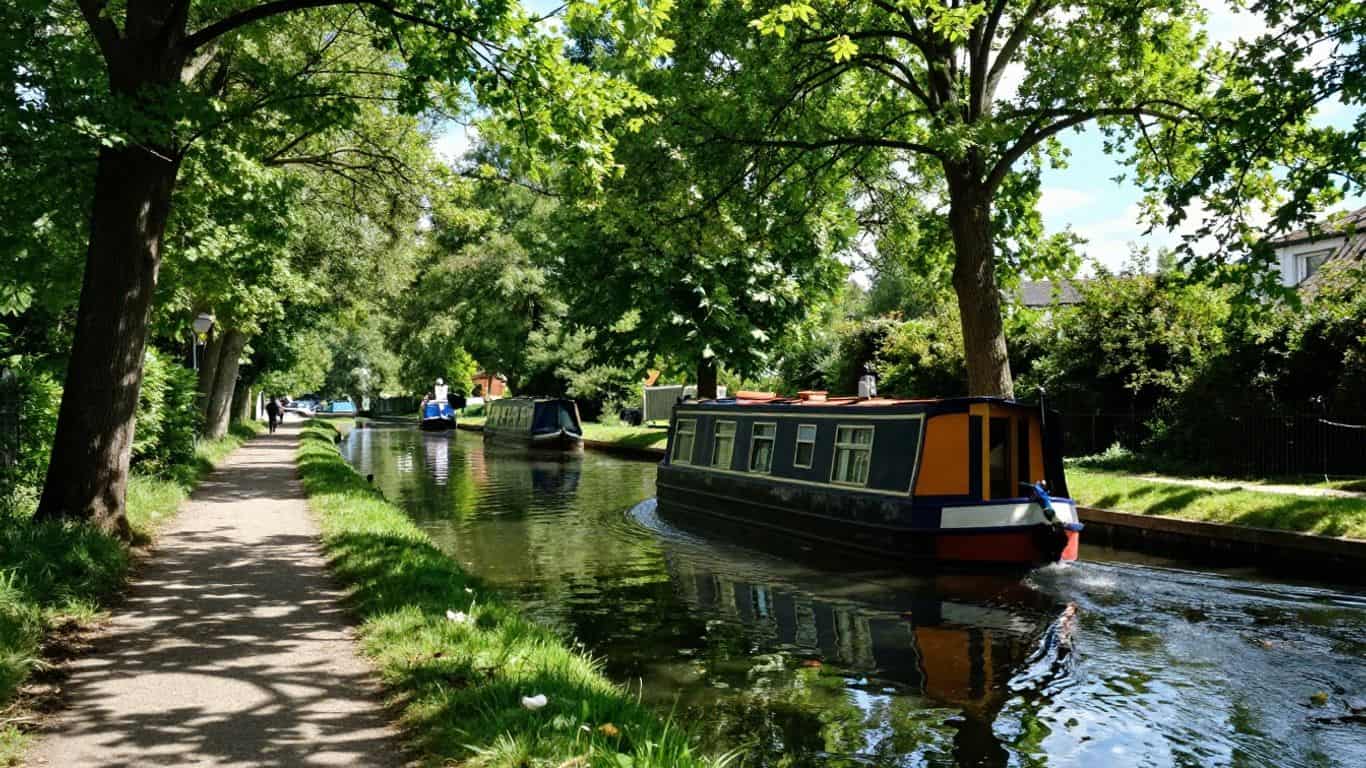
Sète’s canals run through a busy port city, so a walk here puts everyday harbor life in the same view as pastel façades and boats. On my visit, I started near the center and let the water set the pace instead of trying to tick off every landmark. The bridges, quays and neighborhoods each have their own feel. For a little background before you go, our Sète destination guide introduces the canals and the fishing port.
Stroll the Canal Royal and watch the bridges open
Canal Royal is a natural place to begin. Find a spot by the water and watch boats pass under the bridges. If one opens while you’re nearby, stop and enjoy the change in rhythm along the canal. Even a short stroll here showed me how closely the center is tied to the harbor. It’s worth coming back at a different time of day, when the light and the activity on the waterfront feel different.
Explore the fishing port and its waterfront quays
The quays give you a closer look at Sète as a working port, with fishing boats and waterfront activity alongside cafés and restaurants. Leave time to walk without a fixed destination. The boats, the nets and the harbor views are part of the appeal. The port isn’t just a backdrop for a stroll. It’s a reminder that fishing is still central to the city’s character. Take your time along the water and don’t rush off to the next stop.
Wander through the colorful lanes of Pointe Courte
Pointe Courte feels more intimate and neighborly than the busier central quays. I enjoyed wandering its lanes slowly, taking in the colorful houses and how close the water is. Be respectful. This is a lived-in part of town, not a set built for visitors. A quiet walk lets you enjoy its character without getting in the way of residents’ daily routines.
Take in Sète’s views and landmarks
Sète sits between the Mediterranean and the Thau lagoon, and that’s clearest from above. Set aside part of a day for Mont Saint-Clair and the landmarks on its slopes, instead of squeezing them in between short stops downtown. The climb and the viewpoints give you a different view of the city’s waterways and coastline. Bring comfortable shoes, and leave time to stop and look around.

Climb Mont Saint-Clair for a view over the sea and lagoon
Mont Saint-Clair gives you a wide view across Sète, the sea and the lagoon, so the climb is worth it if you have the time and energy. When I went, I treated the climb as part of the outing, not a quick photo stop. Routes and conditions affect how hard it feels, so plan for a steady walk, and check local transport if you’d rather not walk all the way. From the top, it’s easy to see how the city sits on a narrow strip between two stretches of water.
Visit Notre-Dame-de-la-Salette and its painted interior
Notre-Dame-de-la-Salette is another good stop on the hill. Inside, the painted surfaces give the church a different look from its exterior, and it’s a quiet pause in a day of walking. Check opening times before you set out, since access can vary. If it’s open, take a few minutes to look properly instead of treating it as a quick stop on the way to the view.
Stop at the Marine Cemetery above the Mediterranean
The Marine Cemetery sits above the Mediterranean and is known for its setting facing the sea. It’s best approached as a place for a quiet visit, with attention to the view as well as the cemetery itself. Keep to the paths, and remember it’s a place of remembrance. Its elevated position pairs naturally with a walk around the nearby landmarks.
Discover Sète’s art, music and maritime history
Sète’s cultural stops connect the landscape with the people who shaped its artistic and maritime identity. Choose one or two museums based on your interests, and don’t try to fit them all into one rushed afternoon. The subjects range from local seafaring traditions to writers and musicians linked to the city. Opening schedules can change, so check current visitor information before you go.
See works by Paul Valéry at the Musée Paul Valéry
The Musée Paul Valéry is a good stop if you’re interested in the writer and the artistic life of Sète. I like pairing the museum with a visit to the nearby Marine Cemetery, where Valéry is buried, because it connects the collection to the landscape. Give yourself enough time to look around without hurrying on to the next attraction. The museum adds a cultural layer to a visit that’s otherwise shaped by water and harbor life.
Learn about Georges Brassens at the Espace Georges Brassens
At the Espace Georges Brassens, you can learn about the singer-songwriter’s life and work. It’s a good pick if you want to understand one of the best-known cultural figures connected to Sète, even if you only know a little about his music. Check the museum’s current hours and visitor details before you make it a fixed part of your day. Pairing it with another stop nearby keeps the outing relaxed.
Explore local seafaring traditions at the Musée de la Mer
The Musée de la Mer focuses on the city’s maritime heritage, which makes it a good complement to watching boats in the harbor. Seeing the port first gave the museum more context for me. The working waterfront feels less like scenery once you know more about its traditions. Check what’s on view and the opening schedule before you go. It’s also a handy change of pace if the weather turns or you want something quieter.
Make time for the beaches and coastline
The coast is a big part of a Sète visit, whether you want a long beach day or just a short walk by the water. Decide in advance whether you want to stay close to town or head farther along the Lido, then leave some flexibility for the weather and sea conditions. In warmer months, the shore is a welcome break from sightseeing. A little preparation helps you choose the right stretch for the day.

Choose a beach near town or along the Lido
Beaches near town are handy if you want to combine a swim with a meal or a walk through the center. The Lido is a longer stretch of coast between Sète and Marseillan, and it suits a half day outdoors better. Choose based on how much time you have and whether you want facilities close by. Either way, you can enjoy the shoreline without turning every beach visit into an all-day outing.
Swim, paddle or try other watersports in season
When conditions are right, swimming and paddling are easy ways to enjoy the coast, and other watersports may be on offer in season. Before you pick an activity, check what’s running locally and whether the day’s conditions suit it. A few basics keep a beach outing comfortable:
- Bring drinking water and sun protection.
- Check local swimming and safety notices before you go in the water.
- Confirm activity availability and any rental arrangements in advance.
- Keep an eye on changing weather and sea conditions.
Those small checks save time and help you pick a safer, more comfortable spot for the afternoon. If conditions aren’t right for swimming, a coastal walk is still a good reason to head for the shore.
Check beach conditions and facilities before you go
Facilities and conditions vary by beach and season, so don’t assume every stretch has the same services. Look up current access, amenities and any local safety notices on the day. That’s especially helpful if you’re visiting with kids or planning to stay for several hours. A quick check helps you pack right and avoid a longer walk than you planned.
Taste Sète’s seafood and local specialties
Food is one of the real pleasures of Sète, with seafood and local specialties tied closely to the water around it. Leave space in your plans for a market visit or an unhurried meal. Don’t treat food as a quick stop between sights. The flavors are another way to understand the port and the lagoon. Menus and market offerings vary, so go with what looks good when you arrive.
Try a tièle sétoise at a bakery or market
Tièle sétoise is a savory local pie, usually made with octopus in a tomato-based filling. Try one from a bakery or market as an easy snack before you commit to a full meal. It travels well for a casual lunch, though it’s just as nice to sit and enjoy it slowly. If you don’t know it, ask what’s in that day’s version. It’s an easy way to choose.
Sample seafood and oysters from the Thau lagoon
Seafood is the obvious choice in a port city, and oysters from the Thau lagoon are a local specialty to look for. Ask what’s fresh and in season instead of ordering out of habit. The lagoon’s shellfish culture gives a meal here a real sense of place, especially if you try oysters close to where they’re produced. Pick a restaurant or producer with current availability, and give yourself time to enjoy the meal instead of rushing through it.
Browse Les Halles de Sète for local produce and snacks
Les Halles de Sète is a good place to browse local food and pick up something casual to eat. I like markets because you see what people are buying, not just what’s on offer for visitors. Arrive with time to look around, and check the market’s current hours before you build your morning around it. It’s a good stop for a snack, picnic supplies or a closer look at regional ingredients.
Explore the Thau lagoon and plan your visit
The lagoon gives Sète a wider setting beyond the city streets, with a chance to see shellfish farming and enjoy the shoreline at a slower pace. If your schedule allows, reserve time for one activity outside the center, then plan transport around the places you most want to reach. The right choice depends on your energy, the season and current local schedules. A few practical decisions make the visit easier, especially if you’re also choosing where to stay.
Visit an oyster farm or take a lagoon boat trip
An oyster farm visit or a boat trip on the lagoon adds a different perspective to a stay in Sète. Check available tours and departures in advance, since schedules and access can change with the season. An organized outing is a straightforward way to learn how the lagoon’s shellfish are produced, and a boat trip lets you see the water from another angle. Pick the one that fits your timing and interests, and confirm details with the operator before you set out.
Cycle or walk along the Lido between Sète and Marseillan
The Lido between Sète and Marseillan is a natural choice for a coastal walk or cycle. Before you head out, think about how far you want to go, the weather and how you’ll get back. This quick comparison can help you match the outing to your day:
“`html| Option | Best for | Before you go |
| Walk along the Lido | A flexible coastal outing | Choose a manageable stretch and check the weather |
| Cycle the Lido | Covering more shoreline | Check bike availability and your return plan |
| Take a lagoon boat trip | Seeing the water from the lagoon | Confirm departures and seasonal schedules |
| Visit an oyster farm | Learning about local shellfish | Check access and arrange a visit in advance |
These are different ways to experience the same landscape. You don’t need to fit them all into one visit. Pick the one that suits your pace, then leave room for an easy meal or a stop by the water.
Choose how long to stay and how to get around town
On a first visit, allow enough time for the canals, a hillside landmark, a museum and a beach or lagoon outing. A longer stay gives you more room to slow down. Walking works well for most central sights, while cycling or local transport helps with longer distances. For places to sleep, compare areas and options in our guide to where to stay in Sète, including spots near the center and transport links. For flights, Aviasales lets you compare airfares using your preferred filters, then book directly with an airline or travel agency. Its mobile app also offers price-drop alerts.
Conclusion
Sète rewards a visit that balances its busy harbor with quieter moments on the hill, in a museum or by the sea. Plan a few anchor stops, leave room for seafood and a walk along the water, and let the weather help shape the rest of the day.
Frequently Asked Questions
What is Sète best known for?
Sète is known for its canals, fishing port, Mediterranean coastline, cultural heritage and seafood, including local specialties tied to the Thau lagoon.
How many days should I spend in Sète?
A day covers a walk through the center and a few key sights. Two or more days give you time for the museums, beaches and lagoon at a more relaxed pace.
Can I explore Sète on foot?
Many central areas and waterfront sights are walkable, though Mont Saint-Clair or farther stretches of the Lido may need more time, a bike or transport.
When is a good time to visit Sète’s beaches?
Warmer months are usually the best for swimming and seasonal watersports. Check current weather, sea conditions and local facilities before you go.
What should I eat in Sète?
Look for tièle sétoise, seafood and oysters from the Thau lagoon, plus local produce at Les Halles de Sète.
Is it possible to visit the Thau lagoon from Sète?
Yes. Depending on current schedules and access, you can look into an oyster-farm visit, a lagoon boat trip or a walk or cycle along the Lido.
Where should I stay in Sète?
Choose based on your plans. A central spot is convenient for the canals and restaurants, while somewhere near transport links suits a shorter or more transit-focused stay.