The ultimate France bucket list: 30 experiences beyond the Eiffel Tower
Thinking about a trip to France but want to skip the usual tourist traps? You’re in luck! France is packed with amazing experiences that go way beyond the iconic Eiffel Tower. From stunning natural landscapes to charming towns and unique cultural activities, there’s a whole world waiting to be explored. This list is all about those unforgettable moments and places that make a trip to France truly special, focusing on the best France bucket list experiences beyond Paris.
Key Takeaways
- Explore the breathtaking Aiguille du Midi gondola for incredible mountain views, a must-do in the French Alps.
- Discover the charm of smaller French cities like Nîmes, often called the ‘French Rome’ for its Roman heritage.
- Embark on an adventure with a Via Ferrata climb, offering thrilling experiences on rocky paths.
- Experience the magic of Mont Saint Michel, a tidal island abbey that’s a UNESCO World Heritage site.
- Toast to your travels with a visit to the Champagne region for some bubbly tasting.
1. Aiguille Du Midi Gondola
![]()
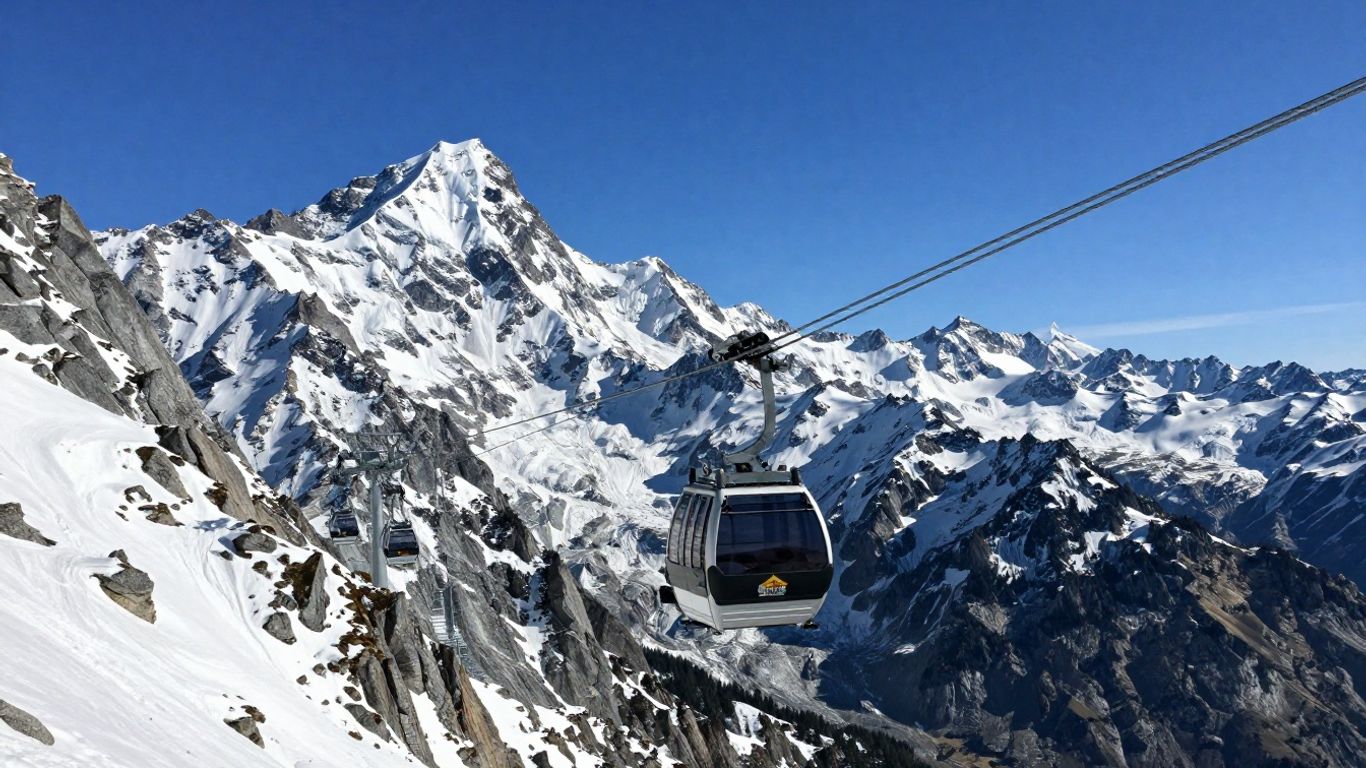
Okay, so if you’re heading to the French Alps, specifically Chamonix, you absolutely have to take the gondola up to Aiguille du Midi. I did this trip a few years back, and honestly, the views are just unreal. It’s not just a quick ride; it’s a proper ascent, taking you up to nearly 3,842 meters.
When you get to the top, you’re basically standing on the roof of Europe, with Mont Blanc right there in front of you. It’s pretty breathtaking. They even have this glass box called ‘Step into the Void’ where you can stand and look straight down. It’s definitely not for the faint of heart, but it’s an incredible photo op if you can manage it!
The journey itself is part of the experience, with the landscape changing dramatically as you climb higher. It feels like you’re entering another world, all jagged peaks and snow. Just remember to dress warmly, even in summer. It’s much colder up there than you’d expect.
Getting There and Around
- Start Point: The gondola station is right in the center of Chamonix. Easy to find.
- Tickets: You can buy tickets online in advance, which I highly recommend, especially during peak season. It can get busy.
- Altitude Sickness: Take it easy when you first get to the top. Walk around slowly and drink water. It can affect people differently.
Where to Stay
Chamonix itself is the obvious choice. There are tons of hotels, chalets, and apartments to suit all budgets. I stayed in a small hotel just off the main street, and it was perfect for walking to the gondola and exploring the town.
A word of advice: book your tickets ahead of time. Seriously. The queues can be massive, and you don’t want to waste precious mountain time waiting around.
It’s not the cheapest outing, I think a round trip ticket was around €100 when I went, but honestly, it’s one of those things you just have to do once. It’s a proper bucket list item for a reason.
2. Paris City Break
![]()
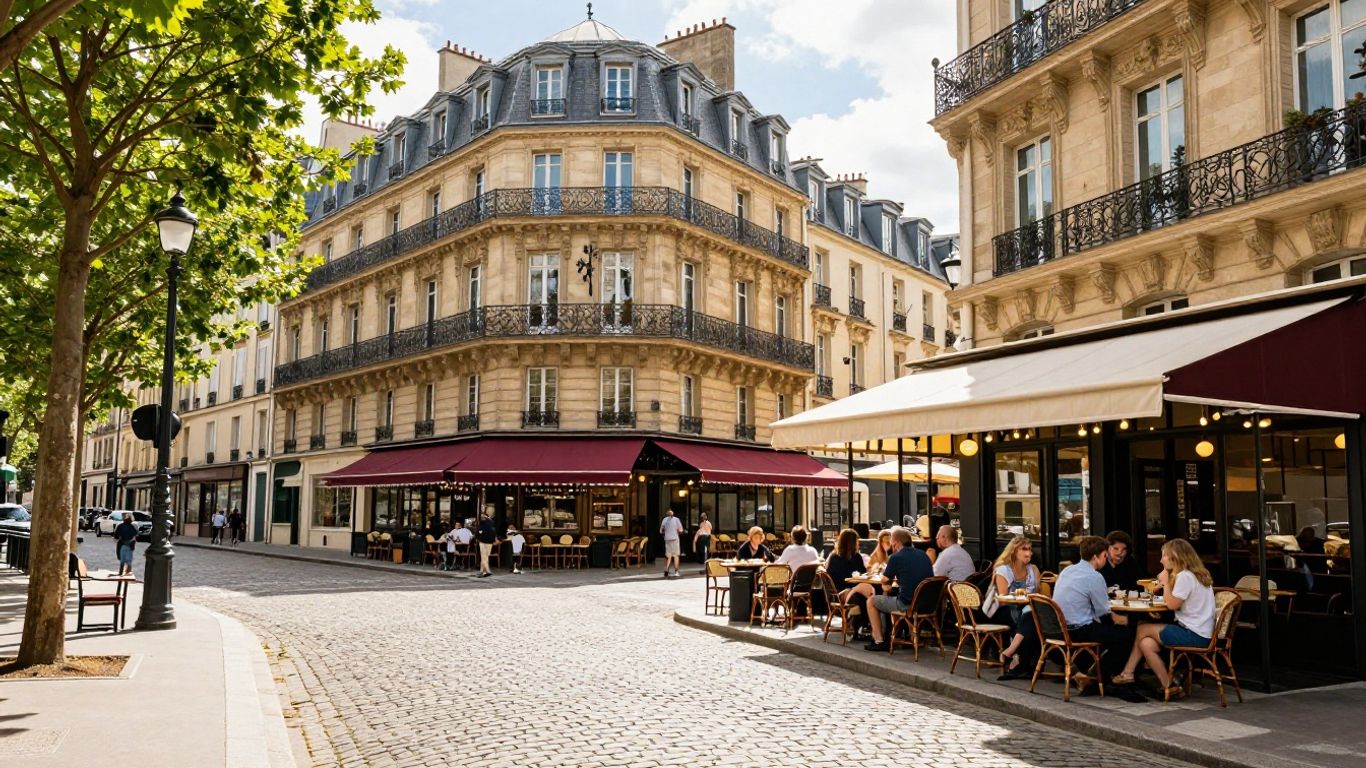
Paris. Just the name conjures up so many images, right? It’s one of those places that feels both incredibly familiar and yet, when you’re actually there, it’s a whole new world. I’ve been a few times now, and each visit feels like I’m discovering it all over again.
Forget just ticking off the big sights; Paris is best experienced by just being there. My favorite thing to do is simply wander. Pick a neighborhood, maybe Le Marais with its charming old streets and trendy boutiques, or the Latin Quarter with its bookshops and student vibe, and just get lost. You’ll stumble upon hidden courtyards, tiny bakeries selling the most amazing pastries, and local markets buzzing with life.
One thing I always make time for is finding a good café. It’s not just about the coffee (though that’s usually great); it’s about sitting back, watching the world go by, and soaking in the atmosphere. Seriously, find a small café, order a café crème, and just observe. It’s a simple pleasure, but it’s pure Paris.
If you’re looking for something a bit different, I’d recommend exploring some of the city’s smaller museums. The Musée Rodin, with its beautiful sculpture garden, is a personal favorite. It’s a peaceful escape from the city bustle.
Paris has a way of making you feel like you’re in a movie. The architecture, the sounds, the smells – it all comes together to create this unique, almost magical feeling. Don’t try to plan every minute; allow for spontaneity.
For foodies, Paris is obviously a dream. Beyond the classic bistros, I’ve found some really interesting spots by looking into the Parisian craft beer scene. It’s a great way to discover local brews and hang out with locals.
Where to Stay:
- Le Marais (3rd & 4th Arrondissements): Chic, historic, and full of great shops and restaurants. Perfect for a romantic getaway or a stylish city break.
- Saint-Germain-des-Prés (6th Arrondissement): Classic Parisian charm, known for its literary history, upscale boutiques, and lively cafés.
- Montmartre (18th Arrondissement): Offers a more bohemian vibe with stunning views, but can be hilly. Great for artists and those seeking a unique atmosphere.
Getting around is pretty easy. The Metro is efficient, but honestly, walking is the best way to see the city. If you’re arriving from elsewhere in France, the TGV high-speed train is a fantastic option.
3. Calanques Swimming In Marseilles
You know, I’d heard about the Calanques near Marseilles for ages, and finally getting to see them in person was something else. It’s not just a quick trip to the beach; it’s more of an adventure. We decided to hike to one of the closer ones, and let me tell you, the path wasn’t exactly paved. It was rocky, a bit dusty, and definitely made me appreciate the cool water even more when we finally arrived.
But oh, that water! It was this incredible shade of turquoise, so clear you could see all the little fish darting around. The cliffs rising up around the little coves were just stunning, covered in pine trees that smelled amazing in the sun. It felt like a hidden paradise, a real escape from everything.
Here’s what I’d recommend if you’re thinking of going:
- Wear sturdy shoes: Seriously, those trails are no joke. Flip-flops are a definite no-go.
- Pack plenty of water and snacks: There aren’t any shops once you get to the Calanques, so come prepared.
- Bring a snorkel: The underwater world is just as beautiful as the scenery above.
- Go early: Especially in summer, it gets busy. Getting there earlier means you’ll have a better chance of finding a quiet spot.
We went to Calanque de Sugiton, which involved a bit of a hike, but the views were totally worth the effort. There are other Calanques, like Sormiou and Morgiou, that you can sometimes access by car or even boat, but hiking gives you that real sense of discovery.
The sheer beauty of these natural inlets, carved by the sea into the limestone cliffs, is hard to describe. It’s a place where the rugged landscape meets the vibrant blue Mediterranean, creating a truly unforgettable scene.
Getting there involves a bit of planning, but the reward is immense. We stayed in Marseilles for a couple of nights before heading out to the Calanques. It’s a lively city with plenty of great food options.
Where to stay:
- Marseilles: Plenty of hotels and apartments to choose from, making it a good base for exploring the city and the nearby Calanques. Look for places near the Vieux Port for a classic experience.
- Cassis: A charming little town closer to some of the Calanques, offering a more relaxed vibe. It’s a bit smaller but very picturesque.
4. Agriates Desert Hiking In Corsica
Corsica is an island that really surprised me. I went expecting beautiful beaches, and it has those in spades, but the interior is something else entirely. The Agriates Desert, which isn’t a desert in the sandy, arid sense you might first imagine, is actually a rugged, scrub-covered plateau. It’s a wild and beautiful place, and hiking through it is a fantastic way to see a different side of Corsica.
My favorite hike was the trail from Saint-Florent to Lotu beach. It’s not a long hike, maybe a couple of hours each way depending on your pace, but it feels like a real adventure. You’re walking through this landscape that feels ancient, with low-lying shrubs, rocky paths, and the scent of wild herbs in the air. The contrast when you finally reach the turquoise waters of Lotu beach is just stunning. It feels like a reward for the effort, a hidden paradise.
Here’s what you should know if you’re planning this hike:
- Footwear is key: Wear sturdy hiking shoes or boots. The terrain can be uneven and rocky.
- Water is essential: There are no facilities along the trail, so bring plenty of water, especially in the warmer months. I packed more than I thought I’d need, and I was glad I did.
- Sun protection is a must: Hats, sunscreen, and sunglasses are non-negotiable. The Corsican sun is strong, and there’s not much shade on the trail.
- Consider the return: You can hike back the way you came, or, if you time it right, there are often boat taxis that can take you back to Saint-Florent from Lotu beach. It’s a nice way to relax after your hike.
The Agriates Desert offers a unique hiking experience that’s quite different from what you might expect on a Mediterranean island. It’s a chance to connect with a more untamed natural environment before cooling off in the clear sea.
Where to stay:
Saint-Florent is a charming coastal town with plenty of accommodation options, from small hotels to apartments. It’s the perfect base for exploring the Agriates region and the northern coast of Corsica. You can find some great places right by the marina, which is lovely for an evening stroll. For those looking for a more remote experience, there are a few gites or rural accommodations scattered in the countryside around the desert area, but Saint-Florent offers the most convenience for this particular hike.
5. Skiing In Val D’Isere
If you’re looking for a serious ski experience in France, Val d’Isere is the place to go. I’ve hit the slopes here a few times, and it never disappoints. The snow is usually fantastic, especially in the higher parts of the Espace Killy ski area, which it shares with neighboring Tignes. It’s a pretty big area, so you can spend days exploring without hitting the same run twice.
What I really love about Val d’Isere is the sheer variety of terrain. Whether you’re a beginner just finding your feet on the nursery slopes or an expert looking for a challenge, there’s something for everyone. The off-piste opportunities are legendary, but even if you stick to the marked runs, you’ll find plenty of steep and exciting descents. The views from the top of the Bellevarde or Solaise mountains are just breathtaking, especially on a clear day.
Beyond the skiing itself, the après-ski scene here is pretty famous. Places like La Folie Douce are legendary for their on-mountain parties, where you can literally ski right up to the bar. It’s a fun way to wind down after a day on the snow, though it can get pretty lively!
Where to Stay:
Val d’Isere offers a range of accommodation, from luxury chalets to more budget-friendly apartments. For a classic ski-in, ski-out experience, look for places in the main village or near the lifts. Some popular areas include:
- Le Fornet: A charming, quieter hamlet at the end of the valley, offering great access to higher slopes.
- La Daille: Known for its lively atmosphere and good value accommodation.
- Val d’Isere Centre: Puts you right in the heart of the action, close to shops, restaurants, and bars.
It’s worth booking accommodation well in advance, especially if you’re planning to visit during peak season (Christmas, New Year, and February half-term).
6. Paragliding Over Lake Annecy
Okay, so if you’re looking for a view that will absolutely knock your socks off, you’ve got to try paragliding over Lake Annecy. I did this a few years back, and honestly, it was one of those moments that just sticks with you.
Imagine this: you’re strapped in, a little nervous maybe, but then you lift off. Suddenly, you’re floating. Below you is this stunning, bright blue lake, surrounded by the greenest, most picturesque Alps. It’s seriously breathtaking. The water is so clear, and you can see all the little boats and the towns dotted around the shoreline. It felt like being in a postcard, but way better because it was real.
The feeling of soaring over the water with the mountains as your backdrop is just incredible. It’s not as scary as you might think, either. The instructors are super experienced, and they really make you feel safe. You just get to enjoy the ride and the amazing scenery.
Here’s a little breakdown of what to expect:
- The Takeoff: Usually from a gentle slope, you’ll run a few steps and then you’re in the air. Easy peasy.
- The Flight: You’ll drift with the wind, getting amazing panoramic views. Your pilot will handle everything, so you can just relax and take it all in.
- The Landing: A smooth glide back down to a designated landing spot near the lake.
It’s definitely an experience that’s worth the splurge. I think I paid around €100 for my flight, but it was worth every penny for the memories. If you’re visiting Annecy, especially in the warmer months, I’d highly recommend booking this in advance. It’s a fantastic way to see the region from a totally different perspective. You can find various operators right by the lake, making it super convenient.
Annecy itself is such a charming place. Even without the paragliding, it’s worth a visit for its canals, flower-lined bridges, and the general relaxed vibe. It’s a perfect spot for a weekend getaway, easily accessible from Geneva.
Where to Stay:
Annecy has a range of options, from cozy B&Bs in the old town to hotels with lake views. Staying near the lake makes it easy to access paragliding operators and enjoy evening strolls along the water. For a more budget-friendly option, look slightly outside the immediate town center.
7. Wine Tasting In Bordeaux
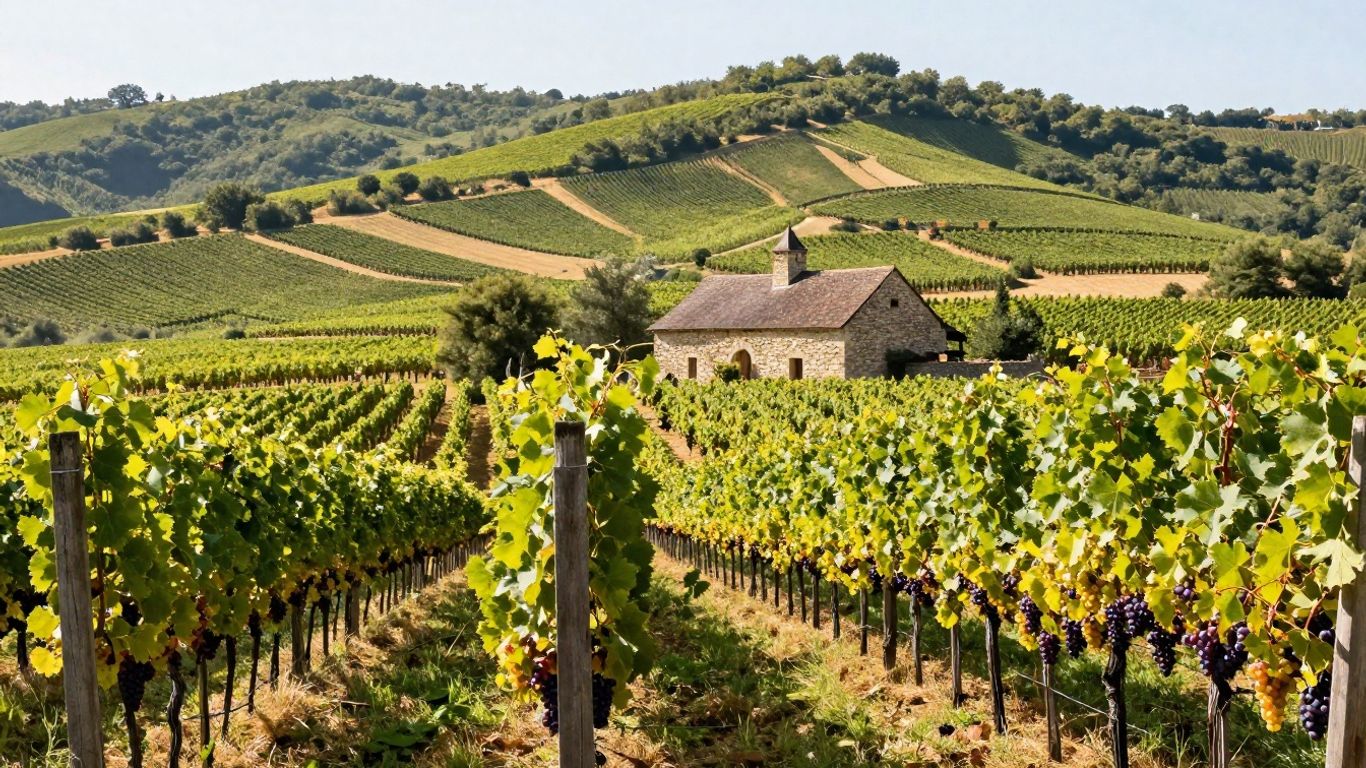
When you think of French wine, chances are Bordeaux comes to mind. And for good reason! This region is practically synonymous with world-class wine, and visiting is a must for any wine lover. I remember my first trip there; the sheer scale of the vineyards stretching out under the sun was breathtaking. It’s not just about the big names, though. Wandering through the charming towns and meeting the winemakers, hearing their passion for the land and their craft, that’s what really makes it special.
Bordeaux is famous for its red blends, primarily Merlot and Cabernet Sauvignon, but don’t overlook the crisp whites and sweet dessert wines. There are countless châteaux, from grand estates to smaller family-run operations, each offering a unique tasting experience. Booking a tour and tasting in advance is highly recommended, especially at the more popular estates.
Here are a few things I learned and would suggest:
- Choose your focus: Bordeaux is huge. Are you interested in the Médoc’s powerful reds, Saint-Émilion’s elegant wines, or perhaps the sweet wines of Sauternes? Knowing this helps narrow down your visits.
- Consider a bike tour: Cycling through the vineyards, stopping at different wineries along the way, is a fantastic way to experience the region at a relaxed pace. Many companies offer guided tours.
- Don’t skip the city: Bordeaux itself is a beautiful city with stunning architecture, great restaurants, and a lively atmosphere. It’s the perfect base for exploring the surrounding wine country.
Where to Stay:
- In the City: Bordeaux offers a wide range of hotels, from luxury stays to charming boutique options in the historic center.
- In the Vineyards: For a truly immersive experience, consider staying at a château hotel or a gîte (holiday cottage) within a vineyard. This allows you to wake up surrounded by vines and enjoy the tranquility of the countryside.
The best time to visit is generally spring or fall, when the weather is pleasant and the vineyards are at their most beautiful – either bursting with new life or showing off their autumn colors. Plus, harvest season in the fall can be a particularly exciting time to visit.
Getting around can be done by car, but be mindful of the strict drink-driving laws. Many visitors opt for organized tours or hire a driver for wine-tasting days to fully enjoy the experience without worry.
8. Weekend In Nîmes
When I first heard Nîmes called the ‘French Rome,’ I was a little skeptical. Rome has, you know, the Colosseum. But honestly, Nîmes holds its own. The Maison Carrée is just stunning, and the Arena of Nîmes? It’s incredibly well-preserved, and you can really feel the history when you stand inside. I spent a good chunk of my first day just wandering around these Roman sites, imagining what life was like centuries ago.
Beyond the ancient ruins, the city has a really pleasant vibe. The Jardins de la Fontaine are a beautiful spot to relax, with fountains and Roman ruins scattered throughout. I also enjoyed just strolling through the old town, popping into little shops and cafes. It felt much more laid-back than some of the bigger tourist cities, which was a nice change of pace.
Don’t miss climbing La Tour Magne for a great view over the city. It’s a bit of a climb, but totally worth it.
Here’s a quick rundown of what I focused on:
- Arena of Nîmes: An impressive Roman amphitheater. You can walk around the different levels and even see some exhibits inside.
- Maison Carrée: A remarkably intact Roman temple. It’s just beautiful to look at, especially when the light hits it.
- Jardins de la Fontaine: Lovely gardens with Roman remains, including the Temple of Diana and La Tour Magne.
- Pont du Gard: While technically a short drive away, this ancient Roman aqueduct is an absolute must-see if you have a car. It’s a marvel of engineering.
Nîmes offers a fantastic glimpse into Roman history without the overwhelming crowds you might find elsewhere. It’s a city that rewards exploration, with ancient wonders seamlessly blending into modern life.
Where to Stay:
I stayed at a small hotel right near the Arena, which was super convenient for sightseeing. There are plenty of options, from boutique hotels to more standard chains, all within walking distance of the main attractions. If you prefer something a bit quieter, look for places a few blocks away from the very center.
9. Via Ferrata Adventure
I have to admit, the first time I heard about Via Ferrata, I wasn’t entirely sure what to expect. It translates to ‘iron path,’ and that’s pretty much what it is – a protected climbing route found in mountain areas. Think of it as a way to tackle steep terrain without needing serious rock-climbing skills. They use steel cables, rungs, ladders, and even bridges to help you ascend. It’s a fantastic way to get into the mountains and see some incredible views.
I tried one near Chamonix, the Via Ferrata Parcours des Escaliers du L’Envers in Saint-Gervais-les-Bains, and it was an absolute blast. The route wound its way up the mountainside, offering breathtaking panoramas of the surrounding peaks. There were sections where you’d climb ladders bolted into the rock face, cross wobbly suspension bridges, and traverse narrow ledges. It definitely gets your heart pumping, but the feeling of accomplishment at the end is immense.
It’s a great option for anyone with a decent level of fitness who wants a bit of an adrenaline rush and some stunning mountain scenery without the technical demands of traditional climbing.
Here’s a quick rundown of what to expect:
- Safety First: You’ll be fitted with a harness and a special lanyard with two carabiners. These are clipped onto the steel cable that runs along the route, so you’re always attached. Always make sure both carabiners are clipped onto the cable, moving one at a time when you need to pass a section or a junction.
- Varying Difficulty: Via Ferratas come in different levels of difficulty, from beginner-friendly routes to more challenging ones that require more strength and nerve. It’s wise to research the specific route beforehand or ask for advice at a local tourist office or outdoor shop.
- What to Bring: Besides sturdy hiking boots and comfortable clothing, bring water, snacks, sunscreen, and a small backpack. A helmet is usually provided or recommended.
The beauty of Via Ferrata is that it opens up mountain access to a wider range of people. You get the exposure and the views of climbing, but with a built-in safety system that makes it much more accessible. It’s an adventure that leaves you feeling invigorated and connected to the natural landscape.
Where to Stay:
Many Via Ferrata routes are located in popular mountain resort towns. For the one near Chamonix, staying in Saint-Gervais-les-Bains or Chamonix itself makes the most sense. These towns offer a range of accommodation from budget hostels to luxury hotels. If you’re exploring other regions, look for towns near major climbing areas like the French Alps or the Pyrenees. Annecy is another great base for exploring various mountain activities.
10. Mont Saint Michel Visit
Okay, so Mont Saint Michel. I’d seen pictures, of course, but nothing really prepares you for seeing it in person. It’s this incredible tidal island, topped with a medieval abbey, that just rises out of the bay. It feels like something out of a fairytale.
Getting there is part of the adventure. Depending on the tide, you might walk across a causeway or even have to take a shuttle. I remember one time, the tide was coming in fast, and it really made you appreciate the island’s isolation. It’s a UNESCO World Heritage site for a reason, you know?
Once you’re on the island, it’s a maze of narrow streets, little shops, and restaurants. The climb up to the abbey is steep, but totally worth it. The views from the top are just stunning, looking out over the bay and the surrounding countryside. It’s a place that really makes you feel small in the best possible way.
Where to Stay
While you can visit as a day trip, staying overnight is a different experience. There are a few hotels right on the island, which is pretty magical, especially at night when the crowds thin out. It’s definitely more expensive, but waking up to the quiet of the island before the day-trippers arrive is something else. Alternatively, there are plenty of options in the nearby towns on the mainland if you prefer something a bit more budget-friendly.
- On the Island: Options like La Mère Poulard offer a historic stay, though book well in advance.
- Near the Bay: Towns like Pontorson or Avranches have more variety and are just a short drive or bus ride away.
- Further Afield: For a more relaxed pace, consider basing yourself in a town in Brittany, like Saint-Malo, and making Mont Saint Michel a day trip. It’s about an hour and a half drive from there.
Tips for Your Visit
- Check the Tides: Seriously, this is important. The bay can flood quickly, and it affects how you get to the island. Look up the tide times before you go.
- Wear Comfortable Shoes: You’ll be doing a lot of walking, and the streets are uneven. Leave the heels at home!
- Go Early or Late: To avoid the biggest crowds, try to visit first thing in the morning or later in the afternoon. The abbey itself has specific opening hours, so check those too.
Mont Saint Michel is one of those places that truly transports you. The sheer scale of the abbey, perched atop this rocky outcrop surrounded by water, is breathtaking. Wandering through its ancient halls and cloisters, you can almost feel the centuries of history. It’s a powerful reminder of human ingenuity and devotion.
If you’re exploring the Normandy region, Mont Saint Michel is an absolute must-see. It’s a highlight that stands out even among the region’s many charming coastal towns.
11. Champagne Region Toast
You absolutely have to make time for the Champagne region when you’re in France. I mean, it’s called Champagne for a reason, right? My trip there was a real highlight, and honestly, it’s way more than just drinking bubbly.
I started my journey in Reims, which is a fantastic base. The city itself is beautiful, and of course, home to the Reims Cathedral, where French kings were once crowned. It’s pretty awe-inspiring. From there, I explored some of the big-name houses. You can book tours and tastings at places like Veuve Clicquot or Taittinger. Walking through their underground cellars, seeing millions of bottles aging, is quite the experience. It really gives you an appreciation for the history and the craft.
Epernay is another must-visit, especially if you want to stroll down the Avenue de Champagne. This street is lined with the most famous Champagne houses – it’s like a champagne lover’s dream. I found that booking tours in advance was a good idea, especially for the more popular ones. Some places offer more in-depth tours that explain the whole process, from grape to glass, which I found really interesting.
Don’t just stick to the big houses, though. The smaller, independent growers, often called ‘vignerons’, offer a more intimate tasting experience. You get to meet the people who actually make the wine, and their stories are often fascinating.
If you’re looking for a more structured way to see the region, consider following one of the designated wine routes. They guide you through picturesque villages and vineyards, with plenty of opportunities to stop for tastings along the way. I found a great little map at the tourist office that helped me plan my route for a couple of days.
Where to Stay:
- Reims: Plenty of hotels, from luxury to budget-friendly. It’s a good hub for exploring.
- Epernay: Offers charming boutique hotels and guesthouses, often right on or near the Avenue de Champagne.
- Smaller Villages: Look for ‘chambres d’hôtes’ (bed and breakfasts) for a more local feel. I stayed in one near Ay and it was lovely.
12. Festival Dancing
France really knows how to throw a party, and if you’re looking for an authentic, high-energy experience, hitting up a music festival is the way to go. I remember going to Les Eurockéennes in Belfort a few years back, and it was fantastic. It felt like a real French celebration, not overrun with tourists, which was a nice change. Macklemore was headlining that year – pretty wild!
If you’re after something even bigger, Vieilles Charrues in Carhaix is apparently the largest festival in France and draws a massive international crowd. It’s a great chance to see some big names and soak up the atmosphere.
Attending a festival is a brilliant way to experience French culture and music firsthand.
Here are a few things to keep in mind:
- Book tickets early: Popular festivals sell out fast, especially if there’s a big headliner.
- Check the lineup: Make sure the artists playing are your kind of music.
- Plan your transport and accommodation: Festivals can be in remote locations, so sort out how you’ll get there and where you’ll stay well in advance.
- Pack accordingly: Weather in France can be unpredictable, so bring layers, rain gear, and comfortable shoes for all the dancing.
Festivals offer a unique glimpse into local life and a chance to let loose. It’s not just about the music; it’s about the shared experience, the food stalls, and the general buzz of thousands of people coming together.
Where to stay: This really depends on the festival. Some have camping on-site, which is often the most convenient and immersive option. Others might require you to stay in a nearby town or city, so look for hotels or rental apartments. Always check the festival’s official website for recommendations or partnerships.
13. Normandy Road Trip
Driving through Normandy was one of those trips that just sticks with you. It’s not the flashy, postcard-perfect France you might see in movies, but it has a quiet charm that really gets under your skin. We decided to rent a car and just see where the roads took us, and honestly, it was the best decision.
We started by picking up our car near Caen and just headed west. The coastline is dotted with these tiny fishing villages, each with its own little harbor and a few cafes. One morning, we found this amazing little bakery in a town called Honfleur and had the freshest croissants I’ve ever tasted. It’s the kind of place where you can just wander around, soak in the atmosphere, and not worry about sticking to a strict itinerary. We spent a lot of time just pulling over whenever we saw something interesting, which usually meant a scenic viewpoint or a particularly quaint-looking church.
Highlights of the Trip:
- Étretat Cliffs: These chalk cliffs are seriously impressive. We hiked along the top for some incredible views of the English Channel. It felt like being at the edge of the world.
- Arromanches-les-Bains: This is where you can really feel the history. Seeing the remnants of the Mulberry harbor from the D-Day landings was quite moving. There’s a small museum there that’s definitely worth a visit if you’re interested in that period.
- Cider Tasting: Normandy is famous for its cider and Calvados (apple brandy). We stopped at a small farm and got to try some of their homemade cider. It was a bit stronger than I expected, but delicious!
Where to Stay:
We found that staying in smaller towns was more rewarding than big cities. Honfleur was a great base for a couple of nights, with its picturesque harbor and lots of restaurants. We also spent a night in a charming guesthouse near Bayeux, which was perfect for exploring the tapestry and the cathedral.
Normandy offers a different pace of travel. It’s about slow mornings, scenic drives, and discovering hidden gems. Don’t rush it; let the region reveal itself to you.
14. French Alps Road Trip
If you’re looking for a trip that combines jaw-dropping scenery with the freedom of the open road, a French Alps road trip is absolutely the way to go. I did this a few years back with a friend, and honestly, it’s one of those journeys that sticks with you. We started near Chamonix and just let the winding roads lead us. The air gets so crisp and clean as you climb, and around every bend, there’s another view that makes you pull over just to stare.
We spent a good chunk of time exploring the areas around Mont Blanc, and the sheer scale of the mountains is something else. It’s not just about the big names, though. We found these tiny villages tucked away in valleys, places where you can grab a coffee and a pastry that tastes like it was made just for you. It felt like stepping back in time, in the best way possible.
One of the best parts was the flexibility. We had a rough idea of where we wanted to go, but if we saw a sign for a scenic viewpoint or a charming-looking town, we just went for it. That’s the beauty of a road trip, right? You’re in charge.
Where to Stay
Accommodation options are pretty varied. You’ve got everything from bustling ski resorts like Val d’Isère (even in summer, it’s got a great vibe) to quiet guesthouses in smaller hamlets. Booking ahead is a good idea, especially if you’re traveling during peak season, but we also found some lovely little places by just looking around when we arrived in a new area. Think cozy chalets and small hotels with mountain views.
Must-Do Stops
- Chamonix-Mont-Blanc: The gateway to many Alpine adventures. Even if you’re not skiing, taking the Aiguille du Midi cable car offers incredible views.
- Annecy: Often called the ‘Venice of the Alps,’ this town has a beautiful lake and a charming old quarter with canals.
- Évian-les-Bains: Famous for its mineral water, this lakeside town has a more relaxed, spa-like feel.
- Scenic Drives: Don’t just stick to the main routes. Look for signs pointing to ‘route panoramique’ or ‘col’ (mountain pass) for truly spectacular drives.
The freedom to stop whenever a view catches your eye, to explore a village that wasn’t on the original plan, or to simply pull over and breathe in the mountain air – that’s what makes this road trip so special. It’s more than just getting from A to B; it’s about the journey itself.
We found that having a car gave us access to places that would be hard to reach otherwise. We packed picnics from local markets and ate them with incredible backdrops. It was simple, but it was perfect. If you love mountains and the feeling of discovery, this trip is a winner.
15. Verdon Gorge Kayaking
Kayaking in the Verdon Gorge was an absolute highlight of my trip to the South of France. Seriously, the water is this unbelievable shade of turquoise, it almost doesn’t look real. The cliffs tower over you, reaching up to 700 meters, and it feels like you’re in another world. I remember paddling along, the sun warming my face, and just being completely in awe of the sheer scale of it all.
Getting there involves a bit of a drive, but it’s so worth it. You can rent kayaks right at the base of the gorge, and they give you a quick rundown on how to use them. The feeling of being so small surrounded by such immense natural beauty is something I won’t forget. It’s a pretty peaceful experience, too, especially if you go earlier in the day before it gets too busy. You can stop and swim in the cool water whenever you like, which is a welcome relief on a warm day.
Here’s a quick rundown of what to expect:
- Water Color: Expect vibrant turquoise, almost unreal. It’s fed by the Verdon River and the Sainte-Croix Lake.
- Cliffs: Towering limestone walls that create a dramatic canyon.
- Activities: Primarily kayaking, but you can also swim and hike in the surrounding park.
- Best Time to Go: Early morning or late afternoon for fewer crowds and softer light.
The sheer scale of the gorge is breathtaking. It’s a place that makes you feel incredibly connected to nature. Remember to bring plenty of water and sunscreen, as there isn’t much shade once you’re out on the water.
Where to Stay:
Most people base themselves in the nearby town of Castellane or Moustiers-Sainte-Marie. Both offer charming accommodations and are good starting points for exploring the gorge. You can find everything from small guesthouses to more established hotels. Booking in advance is a good idea, especially during peak season. If you’re looking for a more unique stay, consider a campsite near the Sainte-Croix Lake for a more immersive experience.
16. Unique Paris Experiences
Paris is famous for its grand landmarks, but honestly, some of my favorite moments have come from stepping off the beaten path. It’s these little discoveries that really make a trip feel personal.
One thing I always try to do is find a spot to just be in the city, away from the usual hustle. Place Dauphine, tucked away on the Île de la Cité, is a perfect example. It’s this quiet, triangular park surrounded by charming buildings. Grabbing a coffee or a glass of wine from a nearby cafe and just sitting on a bench here feels like you’ve stumbled upon a local secret. It’s a great place to people-watch or just soak in the Parisian atmosphere without the crowds.
Another experience that’s become a must-do for me is enjoying a drink on one of the boats moored along the Seine. Forget the crowded river cruises; this is about finding a spot like a barge cafe, especially in the late afternoon. You can watch the city lights start to twinkle while sipping on a Kir or a glass of wine. It offers a completely different perspective of landmarks like Notre Dame, and it’s incredibly relaxing.
If you’re looking for something a bit more active and hands-on, consider a cooking class. I took one that involved a trip to a local market to pick out ingredients, followed by preparing a meal. It was so much more than just learning recipes; the chef shared stories that brought the food and the culture to life. It’s a fantastic way to connect with French cuisine on a deeper level.
| Experience Type | Suggested Activity |
|---|---|
| Relaxation | Enjoying a drink at a Seine barge cafe |
| Cultural Immersion | Participating in a market-to-table cooking class |
| Local Discovery | Relaxing in the quiet ambiance of Place Dauphine |
| Artistic Exploration | Visiting independent artist studios like 59 Rivoli |
| Culinary Adventure | Exploring the unique offerings at Beaupassage Paris |
Beyond these, I’ve found joy in simply wandering through covered passages, discovering hidden courtyards, or even just finding a good spot to enjoy a picnic. These experiences might not be in every guidebook, but they’re the ones that stick with you long after you’ve left.
Paris has a way of revealing its magic in the quiet corners and unexpected moments. Don’t be afraid to stray from the main attractions; that’s often where the real charm lies.
Where to Stay:
For these kinds of experiences, staying in a central arrondissement like the 1st, 4th, 5th, or 6th puts you within easy reach of many unique spots. Boutique hotels or well-located apartments can offer a more local feel than larger chain hotels. Look for places near the Seine or in neighborhoods known for their independent shops and cafes.
17. Seine Boat Drink
Forget the crowded cafes for a moment. One of my absolute favorite ways to experience Paris, especially as the day winds down, is to grab a drink on a boat moored right on the Seine. It’s a simple pleasure, but it offers such a different perspective of the city. I remember one evening, I found a barge near the Pont de l’Archevêché. There was some quiet music playing, and I just sat there with a glass of wine, watching the lights of Notre Dame twinkle across the water. It felt so peaceful, a real escape from the hustle.
These spots can change names, so it’s worth looking around for what’s currently popular. Often, they’re just simple barges or even repurposed boats. The vibe is usually pretty relaxed, whether there’s a live band or just some background tunes. It’s the perfect time to try a Kir, that classic French mix of white wine and cassis liqueur, or just stick with a good glass of French wine. Watching the city drift by from the water, especially as dusk settles, is something special.
It’s a chance to slow down and appreciate the iconic landmarks from a unique vantage point, away from the usual tourist paths.
This is a fantastic alternative to a typical riverside stroll or a busy cafe.
Where to stay:
- Near the Seine (1st, 4th, 5th, 6th arrondissements): Staying in these central areas puts you within easy walking distance of many of these boat spots and other attractions. You’ll find a range of hotels, from boutique to larger chains.
- Latin Quarter (5th arrondissement): Known for its lively atmosphere and proximity to the river, it’s a great base for exploring.
- Saint-Germain-des-Prés (6th arrondissement): Offers a more upscale experience with charming streets and easy access to the Seine.
18. Place Dauphine Relaxation
Tucked away at the western tip of the Île de la Cité, just a stone’s throw from the Seine and the Pont Neuf, lies Place Dauphine. It’s easy to miss if you’re not looking for it, which is part of its charm. This quiet, triangular square feels like a secret garden in the middle of bustling Paris. I remember stumbling upon it one afternoon, seeking a break from the crowds, and being instantly charmed by its peaceful atmosphere.
It’s a perfect spot to simply sit and be. The square is lined with elegant 17th-century buildings and a few small cafes, but the real draw is the central green space. You’ll often find locals reading books, enjoying a quiet conversation, or just soaking up the sun. It’s a place where time seems to slow down.
Here’s what makes it a great escape:
- Tranquil Ambiance: The absence of heavy traffic and the surrounding architecture create a serene environment.
- People-Watching: Observe Parisians in their natural, relaxed state.
- Proximity to Attractions: It’s close to Notre Dame and Sainte-Chapelle, making it an ideal spot for a breather between sightseeing.
I love bringing a small picnic here – maybe a fresh baguette, some cheese, and a bottle of water. Finding a bench under one of the trees and just watching the world go by is one of those simple pleasures that makes Paris so special.
Where to stay:
While there aren’t many hotels directly on Place Dauphine itself, the surrounding Île de la Cité and the nearby Saint-Germain-des-Prés area offer a range of charming boutique hotels and well-located apartments. Staying in this central part of Paris means you’re within easy walking distance of many major sights, including this lovely little square.
19. Fat Tire Bike Tour
There’s something really special about seeing a city by bike, and Paris is no exception. I recently did a "Fat Tire Bike Company" tour, and it was a fantastic way to get around. We rode for a few hours, covering a lot of ground and seeing major sights like the Eiffel Tower and the Louvre from the outside. It felt different than just walking or taking the metro; you really get a feel for the streets.
The evening tour was particularly memorable, with the city lights making everything look magical. We cruised down boulevards and through courtyards, and while there was some commentary, the real highlight was just soaking in the atmosphere. It’s a pretty relaxed pace, and they make sure it’s safe for everyone, even families with kids.
What made it even better was that the tour wrapped up with a boat cruise on the Seine, complete with some wine. It was a perfect way to cap off an active day and see the city from a different perspective.
What to Expect:
- Duration: Tours typically last around 4-5 hours.
- Sights: You’ll see iconic landmarks like the Eiffel Tower, Notre Dame, and the Louvre.
- Pace: It’s a leisurely ride, suitable for most fitness levels.
- Inclusions: Often includes a guided tour and a Seine river cruise with drinks.
Where to Stay:
Staying in central Paris neighborhoods like the Marais, Saint-Germain-des-Prés, or the Latin Quarter will put you close to many starting points for these tours and offer easy access to other attractions. Look for hotels or apartments that are well-connected by public transport, making it simple to get to your tour meeting point.
This kind of tour is a great way to get acquainted with Paris, especially if it’s your first visit. It breaks up the sightseeing into manageable chunks and adds a bit of fun and exercise.
20. Eiffel Tower Private Elevator Dining
Okay, so dining in the Eiffel Tower is a pretty classic Paris experience, right? But what if you could skip the main elevator queues and have a more exclusive feel? That’s where the private elevator dining comes in. I remember doing this a few years back, and it really felt special. You get whisked up to the second level, and honestly, the views are just as amazing as from the top, but with fewer people jostling for space.
The food itself was a highlight, a real taste of French gastronomy. It’s not just about the view; it’s a proper culinary experience. Think elegant dishes, beautifully presented, and a wine list to match. It’s definitely a splurge, but for a significant occasion, it felt worth it.
Where to Stay
For this kind of experience, staying relatively close to the Eiffel Tower makes sense. The 7th arrondissement is your best bet. You’ll find a range of hotels, from charming boutique places to more established ones. It’s a lovely area to walk around, too, with plenty of cafes and shops.
- Hotel La Bourdonnais: A nice, comfortable option not too far from the tower.
- Pullman Paris Tour Eiffel: If you want to be right at the foot of the Iron Lady, this is it.
- Le Derby Alma: A stylish choice with good access to the area.
Dining at the Eiffel Tower, especially via a private elevator, transforms a tourist attraction into an intimate gastronomic journey. It’s a chance to savor exquisite French cuisine while suspended above the city lights, creating memories that truly last.
21. Galeries Lafayette Fashion Show
I have to admit, I’m not usually one for big shopping trips, but when I heard about the fashion show at Galeries Lafayette, I was intrigued. It’s not quite Paris Fashion Week, but it’s a pretty cool way to get a taste of the Parisian style scene without all the fuss.
The show happens most Fridays around 3 PM in the Salon Opera on the 7th floor of the Haussmann store. It’s a 30-minute event, and honestly, it feels like a little peek behind the curtain of the fashion world. You get to see some of the latest trends and styles, and it’s all presented in a really elegant way. I remember feeling a bit out of place at first, but everyone was just there to enjoy the show.
It used to be free, but now there’s a small fee, which is totally worth it for the experience. You do need to book your spot in advance through their website, so don’t just show up expecting to get in.
Here’s a quick rundown of what to expect:
- Timing: Most Fridays at 3:00 PM.
- Duration: Approximately 30 minutes.
- Location: Salon Opera, 7th floor, Galeries Lafayette Haussmann.
- Booking: Reservations are required via their website.
- Cost: There’s a small entrance fee (around 13.9 Euros for adults).
It’s a fantastic way to break up a day of sightseeing or shopping. You get to see some beautiful clothes and get a feel for the energy of Parisian fashion. Plus, the building itself is stunning, so even just being there is an experience.
Where to stay:
Galeries Lafayette is right in the heart of Paris, so you have tons of options. Staying in the 9th arrondissement puts you right on its doorstep. You’ll find everything from luxury hotels to more budget-friendly boutique options. It’s a really central spot, making it easy to get to other parts of the city too.
22. Galeries Lafayette Rooftop View
After you’ve done some shopping or just want a break from the bustling streets below, make your way up to the rooftop of Galeries Lafayette. It’s surprisingly easy to find – just follow the signs for the rooftop terrace, usually accessible by escalator and then a few stairs to the 8th floor. Once you step out, the view just opens up. You get this incredible, sweeping panorama of Paris that includes landmarks like the Eiffel Tower, Sacré-Cœur, and the Opéra Garnier. It’s a really different perspective than you get from street level.
I love grabbing a coffee or even a glass of wine up there and just finding a spot to sit. It’s not just about the big sights, though. You can see the intricate rooftops, the Haussmannian architecture, and just the general flow of the city. It’s a great place to take a breather and soak it all in.
Here’s what you can expect:
- Iconic Landmarks: Spot the Eiffel Tower, Notre Dame (from a distance), Sacré-Cœur, and the Opéra Garnier.
- Cityscape: Admire the classic Parisian rooftops and Haussmannian buildings.
- Relaxation Spot: Enjoy a drink or snack with a view, away from the crowds.
It’s a fantastic, free way to see Paris from a new angle. Definitely worth the trip up.
Where to Stay:
Galeries Lafayette is located in the 9th arrondissement, a very central and lively part of Paris. Staying in this area means you’re close to many attractions, department stores, and good transport links. Hotels range from budget-friendly options to more luxurious stays. Consider areas like Opéra, Grands Boulevards, or even the edges of Montmartre for a good balance of convenience and atmosphere.
23. Seine Jazz Listening
There’s something truly special about listening to live jazz music with the gentle sounds of the Seine River as your backdrop. I remember one summer evening, Paris Plages was in full swing, and the riverbanks were buzzing with people. Tucked away near one of the pop-up sandy areas, a small jazz trio had set up. The music wasn’t loud or intrusive, just a smooth, cool sound that blended perfectly with the city’s ambiance.
It felt like a secret concert, just for those of us who happened to wander by. This kind of spontaneous musical moment is what makes Paris so magical. You can find these impromptu performances scattered along the river, especially during the warmer months when the city truly comes alive.
While there isn’t a specific venue for this, the best times to catch these musicians are during Paris Plages (usually July and August) when the city transforms the riverbanks into temporary beaches. You’ll often find them near the bridges or in more open areas along the quays.
Where to Stay
Staying in the Marais (3rd and 4th arrondissements) puts you within easy walking distance of many Seine-side spots and offers a vibrant atmosphere with plenty of cafes and boutiques. Alternatively, Saint-Germain-des-Prés (6th arrondissement) provides a more classic Parisian feel, also with good access to the river.
- Listen for the music: Keep your ears open as you stroll along the Seine, especially in the evenings.
- Look for small gatherings: Musicians often set up in areas where people are relaxing.
- Enjoy the atmosphere: Even if you don’t catch a full set, the music adds a wonderful layer to a riverside walk.
The beauty of these jazz moments is their unpredictability. You might stumble upon a soulful saxophone solo or a lively quartet just as you’re enjoying a leisurely walk. It’s a reminder that sometimes the best experiences are the ones you don’t plan for.
24. Cordon Bleu Cooking Class
I’ve always wanted to be one of those people who can whip up a fancy French meal without breaking a sweat. So, when I was planning my trip to France, taking a cooking class at Le Cordon Bleu was a no-brainer. It felt like the ultimate way to get a real taste of French cuisine, beyond just eating it.
I opted for a half-day class focused on classic sauces. Honestly, it was way more hands-on than I expected. We started with the basics, learning how to make a perfect béchamel, then moved on to a hollandaise. Our instructor, a chef who had clearly spent years in professional kitchens, was patient but also no-nonsense. He showed us the techniques, and we practiced them ourselves. The key is constant whisking and paying attention to the heat – something I definitely learned the hard way with a few lumps in my first attempt.
By the end of the session, I felt like I’d actually learned something useful. We got to taste our creations, of course, and they were surprisingly good! It’s a great way to understand the building blocks of so many French dishes. They offer classes on everything from pastries to regional specialties, so you can pick whatever sounds most appealing.
What to Expect:
- Hands-on learning: You’ll be doing the cooking, not just watching.
- Expert instruction: Learn from experienced chefs.
- Tasting: Enjoy the fruits of your labor at the end.
- Variety of classes: From macarons to main courses, there’s something for everyone.
If you’re serious about improving your cooking or just want a fun, immersive experience, a Cordon Bleu class is definitely worth considering. It’s more than just a tourist activity; it’s a chance to gain some real culinary skills.
Where to Stay:
Most Cordon Bleu locations, especially the famous one in Paris, are centrally located. Staying in areas like the 6th or 15th arrondissement in Paris puts you close to the school and offers plenty of hotel options, from budget-friendly to more upscale choices. Look for hotels near a metro station for easy access to the school and other attractions.
25. Bastille Day In Paris and more
If you happen to be in Paris on July 14th, you absolutely have to experience Bastille Day. It’s France’s National Holiday, and the city really comes alive. I remember being there a few years back, and the energy was just incredible. The day kicks off with a massive military parade down the Champs-Élysées. It’s quite a sight, with marching bands, military vehicles, and fighter jets flying overhead. It’s a really impressive display of French pride and history.
After the parade, the city buzzes with celebrations. Many people head to parks for picnics, and in the evening, the grand finale is the fireworks display near the Eiffel Tower. It’s truly magical to see the tower lit up with fireworks exploding behind it. If you can, consider booking a Seine River dinner cruise for a unique vantage point of the fireworks. It’s a bit of a splurge, but the views are unforgettable.
Beyond the official celebrations, Paris offers so many other unique experiences that are worth seeking out, especially if you want to get away from the main crowds:
- Wander the Rodin Museum Gardens: Even if you don’t go inside the museum, the gardens are beautiful and home to "The Thinker." It’s a peaceful escape.
- Indulge in Berthillon Ice Cream: Located on the Île Saint-Louis, this is arguably the best ice cream in Paris. Grab a cone and stroll along the Seine.
- Relax in Luxembourg Gardens: This is a classic Parisian pastime. Find a chair, people-watch, and maybe watch the little sailboats on the central fountain.
- Explore Shakespeare and Company: This iconic English-language bookstore is a haven for book lovers. They often have author talks, and the atmosphere is just special.
Bastille Day is more than just a holiday; it’s a vibrant celebration of French culture and history. While the parade and fireworks are must-sees, taking time to explore the city’s quieter corners offers a more personal connection to Paris.
Where to stay:
For Bastille Day, staying in the central arrondissements (like the 1st, 4th, 7th, or 8th) puts you close to the action on the Champs-Élysées and offers easy access to the Seine for evening festivities. Hotels near the Champs-Élysées offer convenience, but areas like Le Marais (4th arrondissement) provide a charming, historic atmosphere with plenty of boutique options.
So, What’s Next?
Alright, so we’ve covered a whole bunch of amazing things to do in France, way beyond just the usual spots. From sipping wine in Bordeaux and exploring ancient Roman ruins in Nîmes to tackling a via ferrata or paragliding over Lake Annecy, there’s really something for everyone. Whether you’re a history buff, an adventure seeker, or just someone who loves good food and wine, France has got you covered. This list is just a starting point, really. The best part about France is that there’s always more to discover, so get out there and make your own unforgettable memories!
Frequently Asked Questions
What’s the best way to see the French Alps?
Driving through the French Alps is an amazing adventure! You can explore cool places like Chamonix and Annecy. It’s a fantastic road trip if you love mountains.
Is wine tasting in Bordeaux worth it?
Definitely! Bordeaux is a huge wine area, famous for its delicious wines. Visiting a winery is a great experience, and you can even go during the Bordeaux wine festival.
What’s unique about visiting Nîmes?
Nîmes is called the ‘French Rome’ because it has a really well-preserved colosseum and other old Roman buildings. It’s fun to walk around the old town and see the history.
Are ‘via ferrata’ adventures difficult?
Via ferratas are like ‘iron paths’ with ladders and bridges built into rocks. They make climbing easier than rock climbing but are still exciting and offer amazing views, like the one near Chamonix.
What’s special about Mont Saint Michel?
Mont Saint Michel is a famous island landmark that looks amazing. You can watch the tides change, which affects how you get to the island, and explore the beautiful abbey.
Can you really go paragliding over Lake Annecy?
Yes, you can! Paragliding over Lake Annecy is a magical experience with incredible views of the Alps. Annecy itself is a beautiful place for a getaway.
What are some cool things to do in Paris besides the Eiffel Tower?
Paris has tons to offer! You can have a drink on a boat on the Seine River, relax in the charming Place Dauphine, take a bike tour, enjoy a fashion show at Galeries Lafayette, or even take a cooking class.
Is it easy to travel around France?
Yes, France is very diverse! You can go on road trips through different regions like Normandy or the French Alps, ski in places like Val D’Isere, swim in the beautiful Calanques in Marseilles, or hike in Corsica.