
From Brewery to Table: Perfect French Craft Beer and Food Pairings

I’ve always loved exploring France, and this trip was no different. While I usually head straight for the cheese shops, this time I kind of decided to dive into something new, like French craft beer. Honestly I wasn’t sure what to expect, wine gets all the glory, right? But then I got totally charmed by the local breweries and, more importantly, by how well their beers matched up with the food. It turns out pairing beer with French dishes is kind of this whole delicious world waiting to be uncovered, with singular combinations that really spotlight both the beer and the meal.
Key Takeaways
- French craft beer is really taking off, with brewers making unique versions of classics like Bière de Garde and Saisons, often inspired by Belgium but with a French touch.
- You’ll find cool stuff like beers aged in wine barrels and brews featuring local herbs and fruits, which totally pair well with French cooking.
- Finding the good stuff means looking beyond the usual supermarkets. Check out small breweries and ask people at craft beer bars for recommendations.
- Pairing French craft beer with food is all about matching flavors, like a spicy Saison with goat cheese or a dark beer with a rich meat dish.
- Don’t be afraid to try different combinations; your own taste buds are the best guide to finding your perfect French craft beer food pairing.
Understanding French Craft Beer Styles
When I first started exploring French craft beer, I was kind of surprised by how much more there is than just wine. It’s a little scene that’s really growing, full of brewers who are respecting tradition and also pitching out totally new ideas, almost like something else entirely. They’re not just copying other countries; they’re putting a real French stamp on their brews.
Bière de Garde: A Revived Classic
This style, which literally means ‘beer for keeping,’ is a big deal, especially in the northern regions like Nord-Pas-de-Calais. Historically, these beers were made in the colder months and then aged for a good while. They’re pretty robust, and you can find them in shades that range from pale blonde all the way, to dark brown. When I taste one, I usually pick up notes of malt caramel and sometimes, toast or dried fruit, too. It’s a classic for, well, a reason.
Saisons and Wild Ales: Belgian Influence with a French Twist
Saisons are pretty strongly tied to Belgium, but French brewers did a kind of twist on that, especially near the border area. Back then they were more like farmhouse ales, and the French versions now are often bone dry, really foamy, and you get those kinds of fruity plus spicy notes that come up. I remember trying one that was just perfectly balanced – it had that rustic farmhouse feel but with a certain French elegance. Wild ales, made with natural yeasts, are also becoming more common. They can be quite complex, with sour and funky flavors. It’s a fascinating area where Belgian roots meet French creativity.
Barrel-Aged Masterpieces and Culinary Infusions
Here is where the French craft breweries scene turns into an exciting adventure. Besides the main brewing, many people also let their beers mature in the old vats they used for keeping wine or spirits, resulting in a depth that surpasses your expectations. By doing this, the beer also gets the scent of the wood that the barrel had, the fragrance of vanilla, or any other smell of what the barrel had originally been carrying.
After the barrel part, brewers are doing something similar by adding local stuff into the brew—like fruits, spices, and herbs. It almost feels like they are holding onto a bit of France in a bottle. Some breweries are basically built around these experiments, and it shows, because you can taste how their brewing is tied to the country’s food habits. Honestly, it’s a solid way to uncover some unusual French brews.
French brewers are kind of really good at taking traditional styles and putting in their own creative little touches, a lot of times they use local ingredients and then do aging processes that show the country’s deep culinary heritage, I mean it’s like they respect the classics but still add something else, you know.
Principles of French Craft Beer Food Pairing
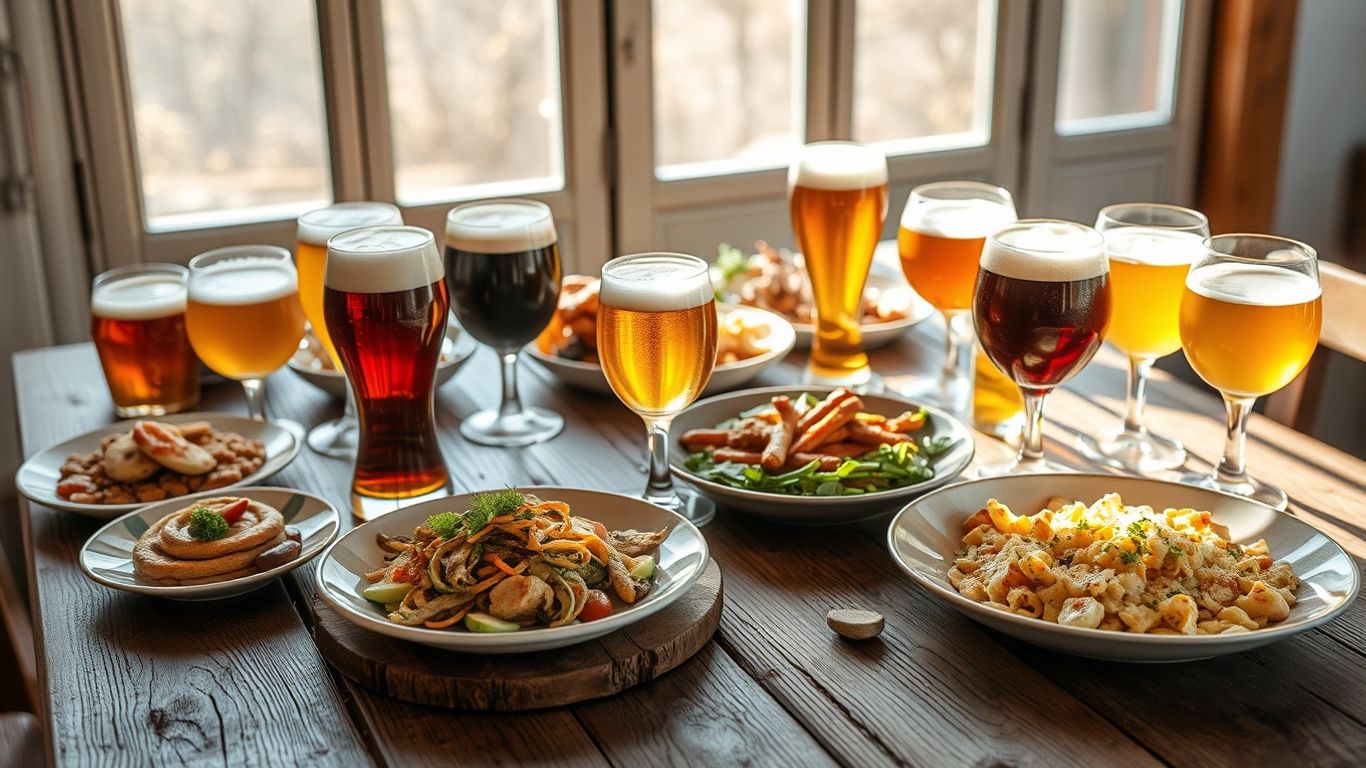
I’m usually thinking about the same few things when I’m trying to match up French craft beer with a meal. It’s not only about selecting a beer that the palate enjoys; it’s about enhancing the flavors in the food and the beer as well. It’s almost like doing balance yoga, where it goes so smoothly that you forget about it. That’s how we make the food and the beer go great together.
Complement or Contrast Flavors
Honestly, this is probably the most important part for me. I keep asking myself: do I want the beer to taste kind of similar to the food, or do I want it to do the exact opposite? Like, for example if I’ve got a rich creamy cheese, I might reach for a beer that has some tartness or carbonation, so it slices through that heaviness. That’s the contrast, right.
On the other hand, if I’m eating something with roasted character, say dark meat, then I’ll usually choose a darker beer with roasted notes or more malty flavors, something that basically matches the vibe. That’s complementing. It’s all about creating a conversation between the beer and the food on my plate.
Match Beer and Food Intensity
Another thing I always consider is how strong the flavors are in both the beer and the dish. You don’t want a super light, delicate beer to completely get lost next to a really bold spicy meal. That’d be a shame for both. Likewise, a really heavy, intense beer might end up bulldozing a simple salad. I try to pair beers and dishes that are on a similar level of flavor intensity, like making sure everyone in a conversation can still be heard, you know, even when someone talks a bit louder.
Here’s a rough guide I sometimes use:
- Light-bodied beers (such as many Saisons or lighter Bières de Garde) pair well with light foods such as salads, seafood, or delicate poultry.
- Medium-bodied beers (think IPAs or more robust Bières de Garde) can pair well with richer dishes like charcuterie, burgers, or roasted chicken.
- Full-bodied beers (like dark ales or barrel-aged stouts) are great with hearty red meats, game, or even rich desserts.
Highlight Regional and Cultural Affinities
France has this really strong sense of regional identity, and it kind of spills over into both its food and its beer. I notice the best pairings are often coming from the same area, like the same neighborhood in a way, not just random matching. When I’m up in the North, I might grab a Bière de Garde to go with something traditional from that side. Then again if I’m tasting a cheese that’s from the Loire Valley, I might look for a beer that’s brewed not too far away as well, you know. To me it feels like respecting those local customs, and the actual ingredients too, like with a quiet nod. It’s basically a way to taste the place, yeah, not only the product.
There are times when you stumble over least probable combinations and yet the result turns out to be the best pairing. Thus, it is not a bad idea to experiment and discover the taste of something new although you will be a bit scared initially.
Ultimately, taste is a personal thing and your tongue is the final judge.
Classic French Craft Beer Pairings
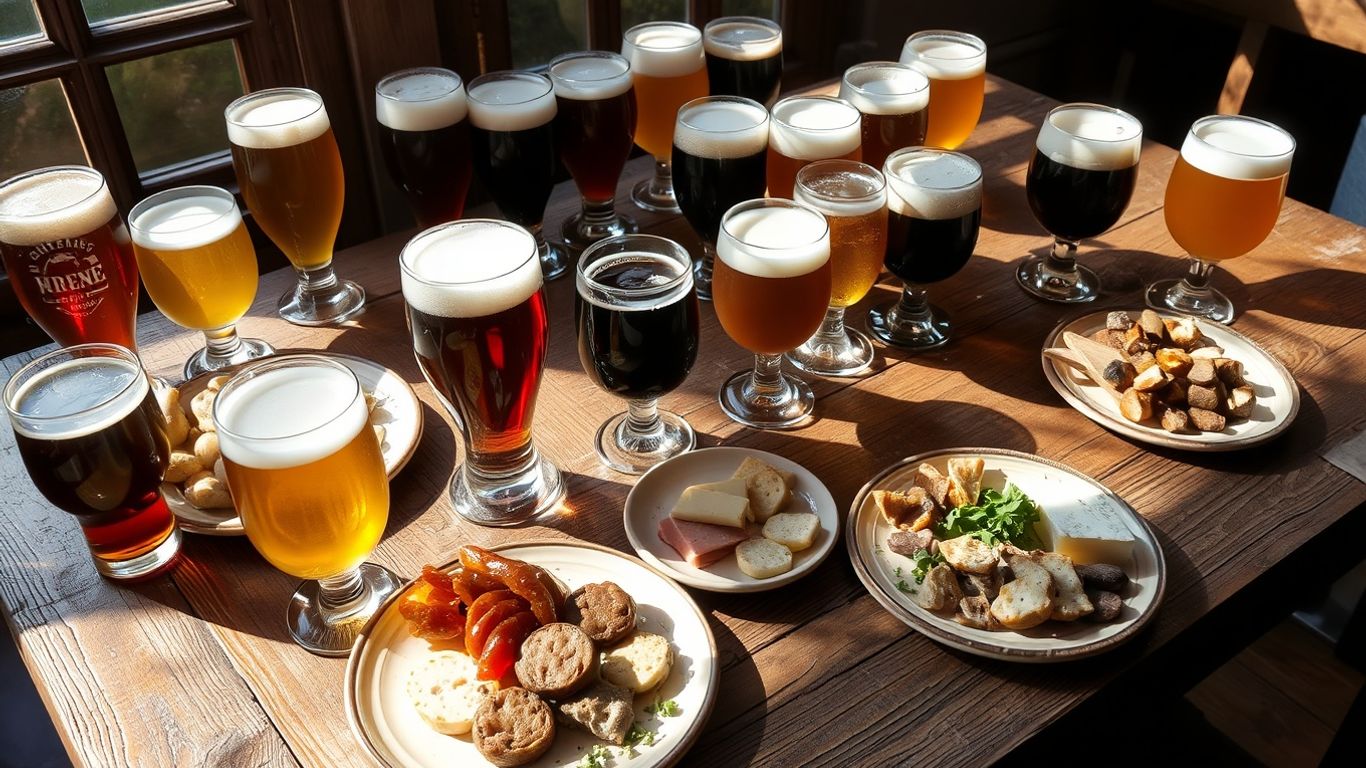
When I first started exploring French craft beer, I was kind of curious how it would slot in with the amazing food France is known for, you know. It turns out there are some fantastic match ups that just make sense, a lot more than I expected. It’s not only about drinking beer; pairing beer with French dishes creates this full on dining experience that really pulls out regional flavors and keeps everything in harmony, at least most of the time.
Saisons and Cheeses: A Perfect Match
Saisons are one of those beers that just sing with cheese. Their crisp, often fruity and spicy character, along with a good amount of carbonation, cuts through the richness of many cheeses. I’ve found that a good Saison can really make a simple cheese board feel special. Think about a creamy Brie or a tangy goat cheese – a Saison just lifts them up. It’s a pairing that feels both sophisticated and incredibly approachable. It’s a great way to start exploring the world of French craft beer.
IPAs and Charcuterie: Bold Flavors Unite
For something a bit more rugged, IPAs and charcuterie kind of work like a perfect, made-up in heaven kind of thing. The bitterness in an IPA is a great contrast to the salty, fatty nuances of cured meats like saucisson or rillettes. It clears your palate a little, so every single bite of charcuterie lands even better. This pairing is mostly about assertive flavors meeting in the same moment and not backing down. If you’re into strong tastes, this is one you should try, for sure.
Dark Beers and Red Meats: A Hearty Combination
Richer hearty dishes and red meats make the perfect partners for darker beers. I always reach for a darker beer when the meal is a hearty meat dish.
Making a Bière Brune or Porter, in particular, is the type that offers you more layers of rich malts and even some hint of roasting that can match the smoky side of your duck confit or the beef slow cooked stew, for example. There is a kind of weight to them that handles the richness of the meal without turning everything heavy or overly dominant. So yeah, it feels comforting, satisfying, and it works great on a cooler evening, where you want something a bit warmer in more ways than one.
Exploring Regional Beer and Food Pairings
Lille and the North: Belgian-Inspired Brews
When I’m up in Lille, I always feel this kind of, strong link to Belgium, and it sort of goes right into the beer as well. The North of France shares brewing history with its neighbor, so you’ll see plenty of Bières de Garde that have a similar vibe to Belgian strong ales. Those brews, with their malty sweetness and maybe fruity or even spiced yeast notes, go really well with the region’s heavier, rich meals.
Think about a classic Flemish stew, carbonnade flamande, where you’ve got beef braised in beer. And a slightly sweet, malty Bière de Garde can genuinely bring out that deep savory stuff, better than you’d expect. It’s kind of a pairing that fits naturally, because the culinary past is connected.
Alsace: A Rich Brewing History
Alsace is a region that, as far as I know, always had a pretty strong brewing tradition, and it’s been shaped a lot by German styles. You can find great lagers and also wheat beers there. For me, a crisp clean Alsatian lager works really well with the local choucroute garnie, that well known sauerkraut dish, filled with different meats. The beer feels refreshing and it sort of slices through all that richness, so the palate gets cleared out without the flavor thing becoming too much. It’s a straightforward pairing, but it still ends up being surprisingly satisfying, I think.
Occitanie: Summery and Innovative Brews
Moving south, into Occitanie, the whole vibe kinda shifts. It’s a region that gets talked about a lot for wine, sure but there’s also this new-ish craft beer scene that feels genuinely exciting. The brewers here seem to keep experimenting all the time, using ingredients from nearby places, and then going for lighter, more summery styles. I’ve managed to try a few fantastic saisons, plus pale ales that were so good it’s hard to explain, they just match the fresh seafood, and those lighter coast-side dishes.
Like, a hoppy pale ale with a bit of citrus in it can really make grilled fish pop, or it works great with a simple salad and local vegetables. Honestly it feels kinda like the region itself, bright, restless, and full of life, in that way that makes you want another sip. This craft beer movement is definitely something worth watching, it gives you a fresh angle on French brewing. Finding some of the best French craft beer around here is a real treat if you like unique local brews.
Bourgogne-Franche-Comté: Experimental Finds
This is where things get really interesting for me. Bourgogne-Franche-Comté is a region that is kind of famous for wine, but the craft beer scene here, well it’s packed with surprises. I’ve run into some truly experimental brews, you know barrel aged beers, plus oddball infusions. It feels like every little visit turns into a small discovery, not just another pint, if that makes sense.
These aren’t always easy to pair. But when you get it right, it’s amazing. A complex, barrel-aged stout with notes of oak and dark fruit can be incredible with a rich beef bourguignon, another regional classic. It’s a more challenging pairing that requires a bit of thought, but the depth of flavor you can achieve is remarkable. It’s a reminder that beer can be just as sophisticated as wine when it comes to food pairing.
When exploring regional pairings and regional French beers, I always try to think about what the locals would have traditionally eaten and drunk together. There’s often a historical reason why certain combinations work so well, rooted in the land and the culture.
Tips for Successful French Craft Beer Pairings
Embrace Experimentation and Personal Preference
I’ll be the first to say that finding the perfect beer and food combination isn’t about rules; it’s about trying things out and discovering what tastes good to you. There are endless pairing guides, but sometimes the best discoveries happen when I just trust my palate and take a chance by mixing a funky farmhouse ale with something unexpected. Here are a few things I’ve learned:
Don’t be afraid to try unusual pairings; sometimes the most unexpected combos really work.
Take notes on what you like and don’t like. Your preferences might surprise you over time.
Share tasting experiences with friends or locals; everyone has a different favorite, and you’ll pick up new ideas.
Honestly, messing around with food and beer feels like cooking with no guide, you might trip up once or twice, and still, you somehow stumble into something amazing.
Balance Flavors and Consider Intensity
Matching a delicate farmhouse Saison with a heavy beef stew is usually a bad idea; the food completely overpowers the beer. The same goes for strong beers with light snacks. The trick is to think about the strength and style of both the beer and the food.
Here’s a quick table I use when I’m not sure what to pair:
| Beer Style | Food Intensity | Example Pairing |
| Light Saison | Mild, fresh | Goat cheese, salads |
| Amber Bière de Garde | Medium, savory | Roast chicken, terrines |
| Dark Brune/Porter | Rich, hearty | Beef stew, duck confit |
If you keep the balance in mind, you’re more likely to enjoy both the food and the beer, rather than letting one drown the other out, totally. It’s kind of like that for your palate, you know, when one side starts screaming louder.
Serve Beers at Appropriate Temperatures
This one’s easy to forget, but beer temperature really can make or break a good pairing. Sometimes I’ve ruined an otherwise great meal just by serving a complex beer straight from the fridge, so cold I couldn’t taste the deeper flavors. On the other hand, warm beer is pretty much never good.
- Lighter beers (like Saisons or Blondes): Chill them, but don’t make them icy cold. Around 45–50°F (7–10°C) brings out the finer flavors.
- Medium to dark beers (Amber, Brune): Serve these a bit warmer, closer to cellar temperature—50–55°F (10–13°C).
- If you’re unsure, just let the bottle sit out of the fridge for a couple of minutes before pouring.
Just give it a few minutes, like let your beer warm a bit not too much, and suddenly it tastes way different, in a good way. Then you start getting more, sort of deeper meaning from the food pairing as well, like it all comes together, I mean you really do.
The International Vibe of French Craft Beer Establishments
Discovering Quality French Craft Beer
When I first started exploring French craft beer, I was a bit lost. You hear “France” and immediately think of wine, right? But honestly, discovering the best French craft beer options showed me that the country’s brewing scene is something else entirely. It’s not just about imitating what others are doing; there’s a real sense of French identity creeping into You’ll find places showcasing regional French beers that are influenced by global trends yet maintain a distinctly Gallic touch.llic touch. It’s this blend of global trends and local flavor that makes it so exciting.
Craft Beer Bars and Food Pairings
These craft beer spots, like they’re hiding in a calm corner of Lille or getting loud in a stylish slice of Paris, often come with this cool, international vibe. You walk in, and there are all kinds of people there, locals plus travelers, beer geeks and the rest, you know. The music is pretty solid, the staff really do know their beer, not just pretending, and the whole place feels inviting, like, right away.
It’s like a little community hub for anyone curious about what’s happening in French brewing. Many of these places also put thought into small food pairings, like a nice cheese board or some charcuterie. It’s not a full meal, but just enough to go with your beer and make the whole experience better. It shows they really understand how beer can complement French regional cuisine and create a more memorable tasting experience.
The Price of Quality Craft Beer
Okay so, let’s talk about the cost for a second. French craft beer can sometimes feel, a little pricier than you’re used to. Like you might spot prices around €6 up to €10 for a half-liter, a “demi” if you prefer that word. But if you think it through it kinda makes sense too. These beers rely on solid ingredients, they’re made with care, by hand. And honestly, they end up with a personality, not just a generic taste. It’s not only some random drink, it’s more like a small experience you carry with you.
For me, tasting something truly special, something brewed with care and creativity, is worth the extra few euros. It’s part of appreciating the craft. If you’re looking for a great example of regional brews, check out what’s happening in Brittany.
The craft beer scene in France is a fascinating mix. It’s got this global outlook, drawing inspiration from everywhere, but it’s also deeply rooted in French traditions and a love for good food. It’s a place where you can find something familiar and something totally new, all in the same glass.
My Final Thoughts on French Craft Beer and Food
So, I’ve spent some time exploring the world of French craft beer and how it plays with local food, and honestly, it’s been a really cool journey. It’s not just about drinking a beer; it’s about finding that perfect match, like when I tried a rich Bière Brune with some duck confit the other night – wow. It really made both the beer and the food sing.
I guess my biggest takeaway is to just be open to trying things. Don’t be afraid to ask the bartender at a local craft beer spot for a recommendation, or grab a cheese board and see which local Saison they have that might pair well with it. It’s all about finding what you like, and there are so many interesting options out there now. It’s definitely more than just wine in France, and I’m excited to keep tasting my way through it.
Frequently Asked Questions
What makes French craft beer different from other countries’ craft beer?
I’ve found that French craft brewers often blend old-school brewing styles, like Bière de Garde, with new ideas. They also seem to take a lot of inspiration from France’s amazing food culture, sometimes adding local flavors like herbs and spices. It’s like they’re bottling a taste of France, capturing the flavors and traditions of French regional cuisine.
Are French craft beers expensive?
Sometimes, yes. I’ve noticed that a small glass can cost between €6 and €10. But this often means they’re using really good ingredients and making the beer by hand. For me, tasting these unique flavors is totally worth the price.
Where can I find good French craft beer?
It’s best to look for small, independent breweries, especially if you’re outside the big cities. Also, craft beer bars are great places. The people working there usually know a lot and can give you awesome recommendations.
How do I know which French craft beer to pair with my food?
Think about matching flavors. If you have a rich dish, try a darker, stronger beer. For lighter foods, a lighter, more refreshing beer works well. I always try to match the beer’s strength to the food’s strength, and sometimes a little contrast is great too!
What’s the deal with Bière de Garde?
Bière de Garde means ‘beer for keeping.’ It’s an older French style, usually a bit stronger and with malty flavors like toast or caramel. I’ve had some pale blonde ones and some really deep brown ones, and they’re great with hearty meals.
Are there any specific regions in France known for craft beer?
Definitely! The North, near Belgium, has lots of Belgian-style beers. Alsace has a long brewing history, and the South, like Occitanie, is doing newer, summery brews. I’ve also found some really cool, experimental beers in the Bourgogne-Franche-Comté region.