
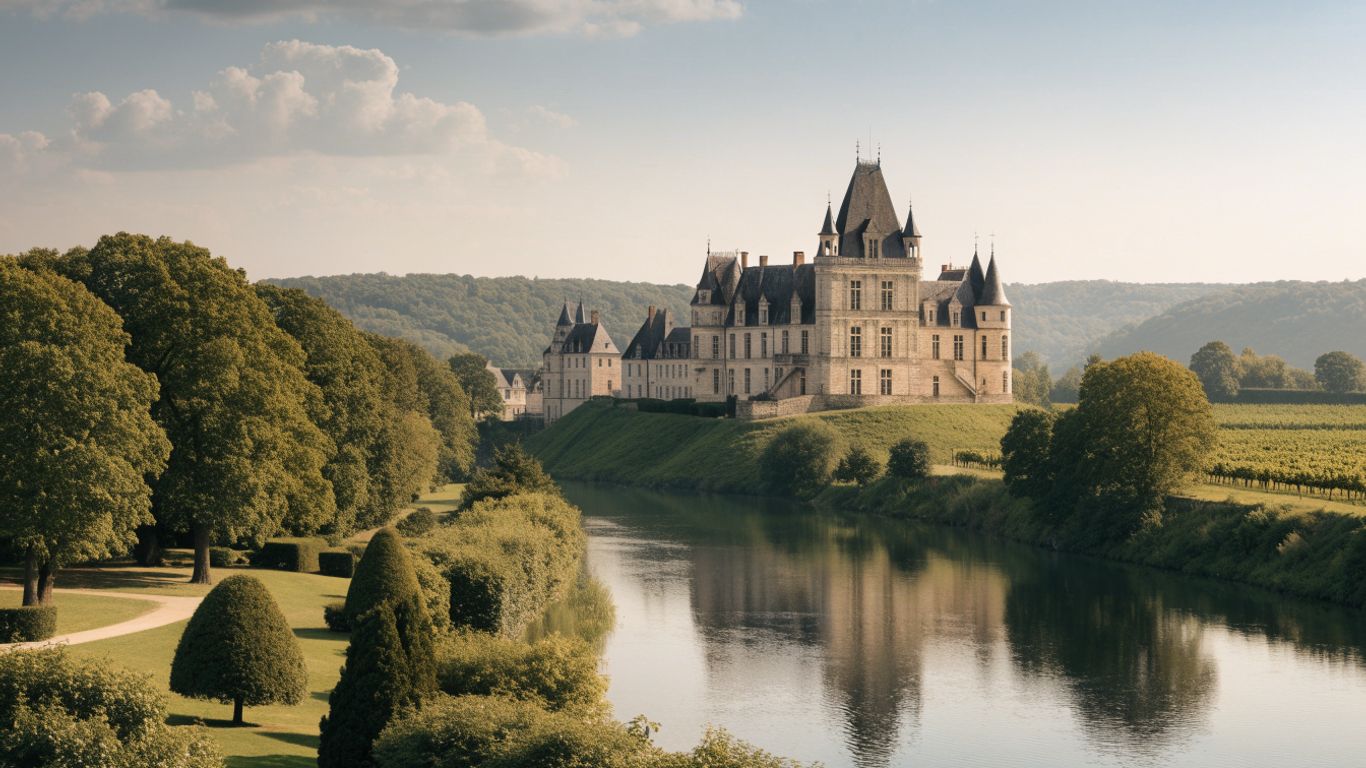
Three Days in the Loire Valley: The Perfect Chateaux Itinerary

Key Takeaways
Three days is enough to see several standout Loire Valley châteaux, but the route works best when you keep travel time in mind. I’d choose a convenient base, book ahead, and leave room for a slower meal or a walk beside the river.
- Base yourself in Amboise, Tours, or Blois according to your route and transport.
- Visit Amboise’s royal château and Clos Lucé on the first day.
- Start early at Chenonceau, then make time for a village or winery nearby.
- Pair Blois with Chambord, allowing time to explore the château grounds.
- Check opening hours, plan transport, and keep a flexible pace.
How to plan a Loire Valley 3 day itinerary
The Loire Valley covers a wide area, so a good three-day plan is less about ticking off every famous château and more about grouping visits sensibly. When I planned a trip here, choosing a base and being realistic about the time between stops made the days feel far more manageable. Discover France Beyond Paris provides destination guidance and logistical information for exploring France beyond the capital, a useful starting point when you’re preparing to travel outside Paris.
Choose a base in Amboise, Tours, or Blois
I’d choose a base based on the places you most want to see, rather than trying to find one town that is equally close to everything. Amboise suits a first day focused on the town and its nearby sights; Tours offers a larger city base, while Blois is practical for the final day’s château visits. For more on choosing a Loire Valley base, compare the towns’ atmosphere, transport, and access to your route. Here’s how I’d think about the options:
| Base | A good fit for | Keep in mind |
|---|---|---|
| Amboise | Starting with local sights and a compact town | Check how your transport connects to later stops |
| Tours | A city stay with a range of dining and transport options | Plan travel outward to the châteaux |
| Blois | Prioritizing Blois and Chambord | Allow for the distance to your first-day sights |
I’d settle in one place for all three nights if changing hotels would take time away from visits. The best choice is the one that makes your actual route simpler.
Decide whether to travel by car, train, or guided tour
A car gives you the most control over stops in the countryside, but you’ll need to plan parking and driving time around each visit. Train travel can work well between larger towns, though connections to individual estates may require additional planning. I use the practical destination guidance from Discover France Beyond Paris to think through those logistics, and the train routes from Paris guide can help with the journey to the region.
Book château tickets and check opening days in advance
Opening schedules and ticket arrangements can vary by château and season, so I’d check official visitor information for each place before setting off. Booking ahead can make the day easier, particularly if you’re visiting more than one popular site. Keep your schedule in one place, along with the time you expect to arrive and any transport details. That small bit of preparation can prevent a closed door or a rushed change of plans.
Pace your visits around travel times and garden hours
The interiors, grounds, and gardens can each take longer than expected, especially if you like to pause and look around. Rather than treating every stop as a quick photo opportunity, I’d build the day around one major château and one nearby addition. A simple rhythm helps keep the itinerary realistic:
- Choose one main château for the morning.
- Add a nearby town, garden, or winery after lunch.
- Leave a little unscheduled time before dinner.
That buffer is useful when you want to linger or a visit takes longer than planned. It also leaves room to enjoy the landscape between stops instead of watching the clock all day.
Day 1: Explore Amboise and the Loire
Amboise makes a satisfying first day because its main sights are close enough to combine without turning the schedule into a long drive. I’d begin with the royal château, visit Clos Lucé afterward, then slow down in town before dinner. This is a good day to settle into the region and get used to a more relaxed pace.
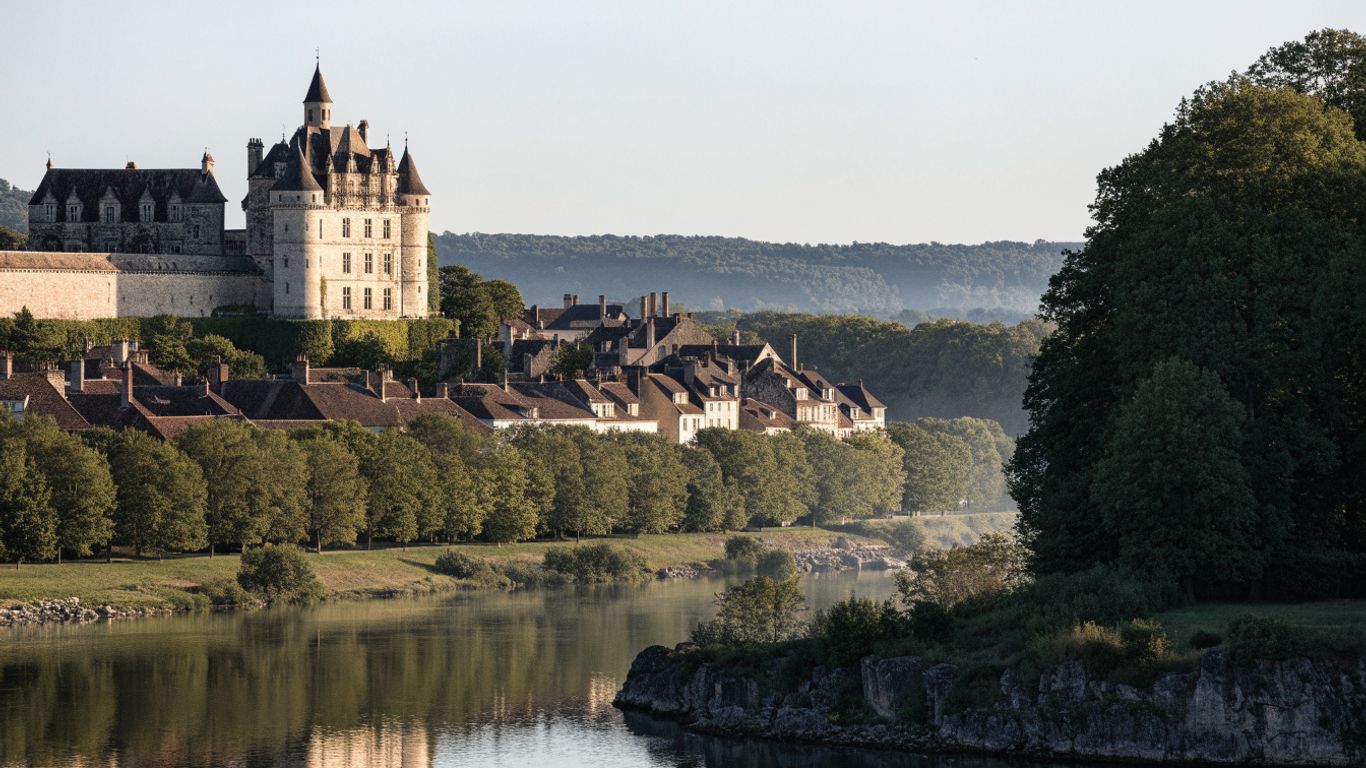
Tour the Château Royal d’Amboise
The Château Royal d’Amboise stands above the town and Loire, and its setting is part of the appeal. I’d take time to explore the rooms and outdoor areas rather than moving through as quickly as possible. From the higher parts of the site, the views bring the river and rooftops into the same frame. It’s an easy place to begin understanding how closely the Loire towns and their châteaux are tied to the surrounding landscape.
Visit Clos Lucé and Leonardo da Vinci’s inventions
Clos Lucé offers a different kind of visit, with its connection to Leonardo da Vinci and displays related to his inventions. I’d leave enough time to explore both the house and its grounds, rather than treating it as a brief add-on after Amboise’s château. The contrast between the two sites gives the day a nice change of pace. If you’re interested in the history and ideas associated with da Vinci, this stop can easily become a highlight.
Take time for Amboise’s old town and riverside views
After the château visits, I like to leave space for an unhurried wander through the old town. The streets, cafés, and riverside paths make a welcome pause after spending time indoors. Cross toward the river for a different view back to the château, especially if you have time to sit for a while. You don’t need to plan every minute of this part of the day; it’s often better to follow the town at your own pace.
Choose a local restaurant for dinner
For dinner, I’d look for a place in town rather than driving elsewhere after a full day of sightseeing. Check opening times and consider reserving a table during busy periods, since restaurant schedules can vary. I found that an easy evening close to the day’s final stop made the next morning feel less hurried. If you’re staying outside the center, check how you’ll get back before settling in for a long meal.
Day 2: Visit Château de Chenonceau and the surrounding countryside
Chenonceau is a natural centerpiece for the second day, and its setting over the River Cher gives the visit a distinct feel. I’d arrive early, when there’s more room to take in the château and gardens at a comfortable pace. Then, if time allows, continue to a nearby town or a winery rather than trying to squeeze in another major estate. Discover France Beyond Paris focuses on practical destination guidance, and that same approach—checking the route and opening details before leaving—helps this day run smoothly.
Arrive early to explore the château and its gardens
An early arrival gives you a better chance to enjoy the château and its grounds before the day feels crowded or hurried. I’d check the current opening hours and ticket information in advance, then decide how much time to spend in the gardens as well as inside. The formal planting and views toward the water are worth more than a quick walk-through. Keep your schedule flexible enough to pause when something catches your eye.
Walk through the galleries spanning the River Cher
The galleries over the Cher are the feature that makes Chenonceau feel unlike the other châteaux on this itinerary. Walking through them, I found it helpful to slow down and notice the views along the river as well as the architecture around me. This is a good point in the visit to take a breather rather than rushing straight from room to room. The water and gardens make the setting feel present throughout the château.
Add a stop in Montrichard or a nearby wine village
After Chenonceau, a stop in Montrichard or a nearby wine village can break up the return journey and give the afternoon a different character. I’d choose one place rather than trying to visit several, particularly if you’ve spent a few hours at the château. A short stroll, a café break, or a look around the village is enough to make the day feel varied. Check the route before you leave the estate so that your stop fits the way back to your base.
Sample Touraine wines at a local winery
If wine tasting interests you, look for a winery that fits the day’s route and check in advance whether visits require a reservation. I’d keep the tasting leisurely and avoid stacking it too close to a long château visit or the drive back. The region’s wine villages offer a chance to pause and learn about local production, but the details and visit arrangements differ from place to place. Discover France Beyond Paris is a resource for exploring France’s regions and practical travel requirements; for this stop, I’d pair that planning mindset with a quick check directly with the winery.
Day 3: See Blois and Château de Chambord
The final day pairs the Château Royal de Blois with the expansive grounds of Chambord. I’d start in Blois and then continue to Chambord, allowing time not only for the interior but also for the outdoor setting. It’s a full day, so the order of visits and your return journey matter. Keeping a little flexibility makes it easier to enjoy the scale of Chambord without racing back to your base.
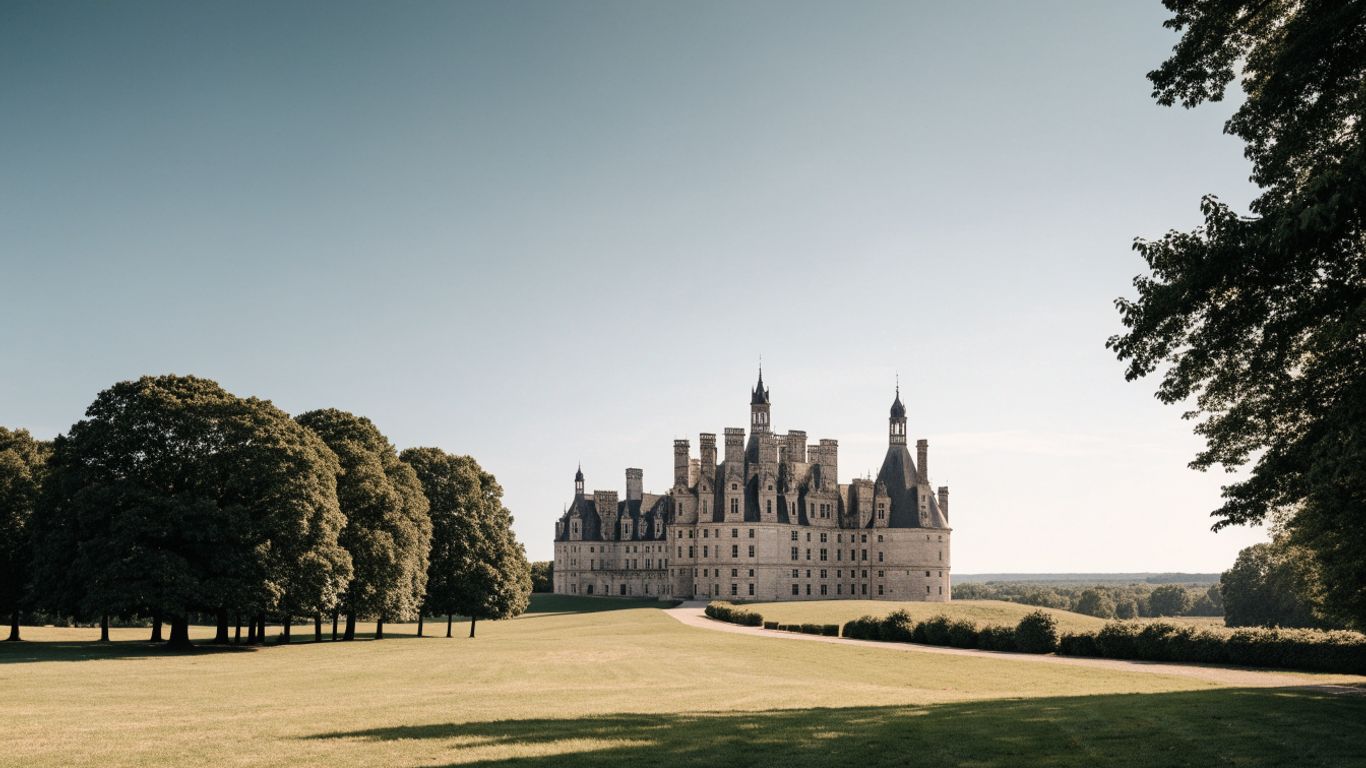
Start with the Château Royal de Blois and its architectural styles
The Château Royal de Blois brings several architectural styles together in one site, making it a useful introduction to the variety of Loire Valley residences. I’d take time to notice how the different parts of the château meet, rather than viewing the building as a single uniform façade. The central location also makes it easy to fit the visit into a morning in Blois. Afterward, leave enough time to make your way to Chambord.
Continue to Château de Chambord and explore the grounds
Chambord’s scale is striking, and the château grounds give you a sense of how much space surrounds the building. I’d plan the visit so that you have time for both the interior and an outdoor walk, rather than using all your time inside. Check the estate’s current access details before you go, as the grounds and visitor arrangements can affect how long you’ll want to stay. The landscape is part of the experience, not just the backdrop.
Allow time for the rooftop terraces or a bike ride
If the terraces are open during your visit, they’re worth considering for a closer look at the roofline and a different perspective on the estate. A bike ride around the grounds is another option when conditions and available services suit your plans. I’d pick one of these activities rather than packing both into a short stop. Give yourself a margin before leaving so you can enjoy the visit without worrying about every minute.
Plan your return journey around the distance to your base
Before you set out, check how long it will take to return to your base and whether you need to reach a station or collect luggage elsewhere. That matters most if your three days end with onward travel. I’d leave Chambord with enough time for the journey, while resisting the urge to cut the château visit down to the last minute. A clear departure plan makes the final afternoon much less stressful.
Make the itinerary work for your travel style
This route is a starting point, not a test you need to complete exactly as written. I’d adjust it to match your transport, interests, and energy, especially if gardens or small towns matter more to you than adding another château interior. A slower pace can make the trip more memorable than squeezing in extra stops. Keep the same broad geographic logic, then make the days your own.
Swap a château visit for Villandry’s formal gardens
If gardens are a priority, consider swapping one château visit for Villandry’s formal gardens. It’s better to give the gardens a proper visit than to add them as a rushed detour at the end of an already full day. Check location and opening details before changing the route, since the substitution may work better from one base than another. The key is to make room for the experience you most want, not simply add more stops.
Adapt the route for a car-free trip
A car-free itinerary is possible, but it needs more attention to connections between towns and individual château sites. I’d check train and local transport schedules for each day before booking accommodation, and avoid assuming that every estate is an easy walk from a station. A guided excursion may simplify transport for a particular day, while staying near a station can make the rest of the trip easier. If a connection makes the schedule too tight, drop a stop rather than relying on an optimistic transfer.
Choose a slower pace if traveling with children
With children, I’d plan fewer indoor visits and make space for breaks, outdoor time, and meals. A short list of priorities is easier to manage than a packed itinerary, and a garden or riverside walk can provide a change of pace between château visits. The family’s interests and ages will shape what works, so check visitor information before you go. The family trip advice can help you think through practical adjustments.
Check seasonal hours and allow for meal breaks
Seasonal schedules can affect both château visits and gardens, so confirm the hours for your travel dates instead of relying on a timetable from another month. I’d also leave a real gap for lunch; meals are part of the day, not spare time to be filled with one more drive. A little advance checking helps you avoid arriving just as a place is closing. If one stop doesn’t fit, take it off the list and enjoy the time you have.
Prepare for château visits and time on the road
A little preparation makes long visits and rural transfers more comfortable. I’d check each day’s route, carry what I need for a few hours outdoors, and keep a backup option in case the weather or opening schedule changes. Discover France Beyond Paris also provides practical guidance for travelers, including information about packing and travel requirements. You don’t need elaborate gear; comfortable basics and a flexible plan go a long way.
Wear comfortable shoes for stairs, courtyards, and gardens
Comfortable shoes matter here because a château visit can include stairs, uneven surfaces, courtyards, and garden paths. I’d choose footwear I can wear for several hours, not just something that looks right in a photograph. If rain is in the forecast, consider how the grounds might feel underfoot. A small amount of preparation makes it easier to enjoy the visit rather than think about your feet.
Carry water and plan for limited services at some estates
Bring water and check ahead to see what food or other visitor services are available at each stop. Services can differ between sites, so I wouldn’t assume you’ll find the same options everywhere. A small snack is useful between visits, especially when the day includes a drive or a long walk outdoors. You can then choose when to take a proper meal break instead of scrambling for one.
Use parking and shuttle options where available
If you’re driving, check parking information before arrival and look for any shuttle options described in the estate’s visitor details. The approach to a large property may take longer than expected, particularly if you need to park away from the entrance. I’d allow a little extra time for that transition. Knowing where you’ll leave the car can make the start and end of a visit much smoother.
Keep a flexible backup plan for weather or closures
Have one nearby alternative in mind for each day, such as a town visit, a covered attraction, or a longer meal. Check for closures and access changes shortly before leaving, then adjust the order if needed. I’ve found that a backup is most useful when it stays simple: one realistic replacement, not a second packed itinerary. That way, a change of plan doesn’t derail the whole trip.
Conclusion
Three days in the Loire Valley can bring together royal residences, gardens, riverside towns, and a taste of local wine without requiring a new hotel every night. Choose a base that suits your transport, group visits by area, and allow enough time to enjoy each stop. With a little planning and room to slow down, the itinerary can feel like a trip rather than a race between châteaux.
Frequently Asked Questions
Is three days enough for the Loire Valley?
Three days is enough to visit several major châteaux and towns, especially if you group stops geographically. It isn’t enough to see everything, so choose the places that matter most to you.
Where should I stay for a three-day Loire Valley trip?
Amboise, Tours, and Blois are all practical options, depending on your route and transport. Compare location, train access, dining, and the distance to the places you plan to visit.
Do I need a car to visit the Loire Valley?
A car makes it easier to reach countryside stops and adjust your schedule. A car-free trip can work with careful planning around trains, local transport, or guided excursions.
Which Loire Valley château should I visit first?
Amboise, Chenonceau, Blois, and Chambord are all strong choices. For a first visit, choose based on your interests and group nearby sights to limit travel time.
Should I book château tickets in advance?
Check each château’s current ticket information and opening schedule before your trip. Booking ahead can help you plan around busy periods and make the day more predictable.
Can I visit Chenonceau and Chambord in one day?
It may be possible by car, but it can make for a long day, particularly if you want time to explore the grounds. This itinerary gives each château a different day to keep the visits more relaxed.
When is the best time to visit the Loire Valley?
Spring through fall can be pleasant for gardens and outdoor visits, but opening hours and visitor levels vary by season. Check the schedules for your dates and plan around the weather.


