

Aix-en-Provence: A Complete Guide to Provence’s Elegant Capital

Key Takeaways
Aix-en-Provence is an easy city to enjoy on foot, with a compact historic center and plenty to explore beyond its main boulevard. A little planning helps you make the most of its markets, museums, and nearby countryside.
- Stay in or near the historic center for convenient access to major sights.
- Check whether your train arrives at Aix Centre or Aix TGV before planning transfers.
- Leave time for markets, cafés, and unhurried walks between landmarks.
- Spring and autumn are comfortable seasons for exploring outdoors; summer brings more activity and heat.
- Consider a day trip to Sainte-Victoire, the Luberon, or Marseille if you have extra time.
Why visit Aix-en-Provence
Aix-en-Provence rewards the traveler who likes to explore at a gentle pace. Its historic streets, shaded squares, fountains, and cafés sit close together, while the surrounding region offers an easy change of scene. The city is polished but still feels lived in, with markets and everyday routines sharing space with historic landmarks.
What gives the city its distinctive character
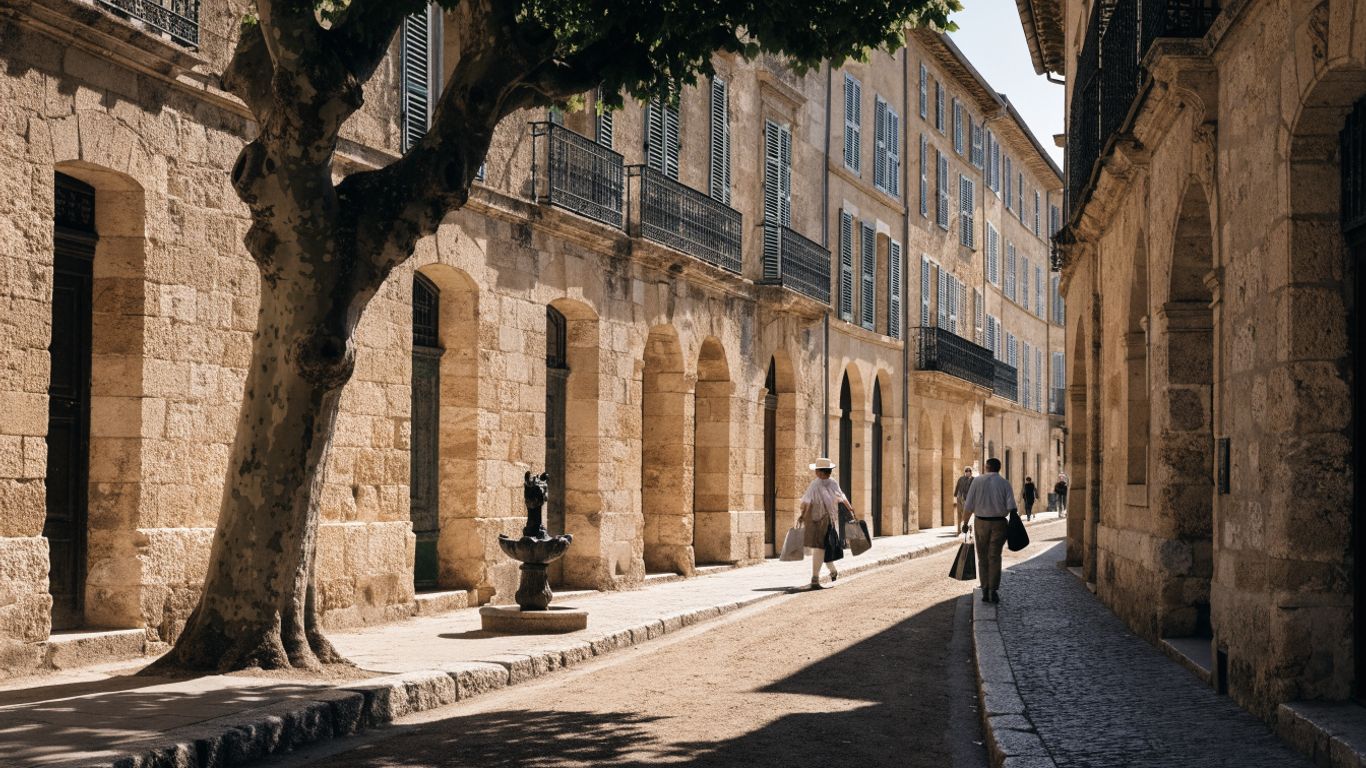
Aix’s appeal comes from the way its grand avenues and intimate lanes fit together. Cours Mirabeau provides a broad, leafy promenade, while the old town nearby is a tangle of smaller streets, shops, and squares. Fountains appear around corners, and outdoor tables make it easy to pause between sights. For a sense of the city’s promenading rhythm, browse this account of Aix’s elegant streets and markets.
A brief look at Aix’s history
Aix began as a Roman settlement, and traces of its long history are still part of the city’s layout and identity. Later generations added churches, mansions, and civic buildings that give the center much of its present character. Rather than treating the city as a museum, notice how older architecture sits alongside shops and daily life. This overview of Aix’s Roman beginnings offers additional historical context.
How long to stay
A full day is enough for a first walk through the center, but two or three nights make the visit less hurried. With extra time, you can fit in a museum, explore different neighborhoods, and take a day trip without rushing back for dinner. If Aix is one stop on a wider itinerary, a few nights can also provide a useful pause between larger cities.
Who will enjoy a visit most
Aix suits travelers who value architecture, food, art, and walkable streets more than a packed schedule of major attractions. Couples and solo visitors can spend hours wandering, while families may appreciate the compact center and frequent places to stop. The city is also a practical base for visitors hoping to pair an urban stay with excursions into Provence.
Getting to Aix-en-Provence and getting around
Aix is connected to regional and national transport, but the best arrival option depends on where you are coming from and where you plan to stay. The city’s rail stations are not interchangeable, so check the name on your ticket before you set off. Discover France Beyond Paris provides practical destination and logistics guidance for travelers planning journeys around France.
Arriving by train, plane, and car
Aix has a city-center rail station and a separate high-speed rail station outside the center. Marseille Provence Airport is another option for international and domestic arrivals, with onward travel needed to reach Aix. Driving can be useful for exploring villages and countryside, though parking is easier to arrange in advance than to improvise once you reach the historic center.
Choosing between Aix TGV and the city-center station
Aix TGV serves high-speed trains and sits outside the central streets, so plan a transfer from there to your lodging. The city-center station is more convenient for travelers arriving on services that stop there, especially if they are staying nearby. The simplest check is to match the station name on your ticket with your accommodation address before booking a taxi or bus.
Walking through the historic center
Most central sights are close enough to reach on foot, and walking is often the most pleasant way to understand the city’s layout. Some lanes are narrow or uneven, so comfortable shoes make a real difference. A simple walking plan can help you cover ground without turning the day into a checklist:
- Begin around Cours Mirabeau and take time to look into the side streets.
- Continue into the old town, leaving room for an unplanned café stop.
- Visit the cathedral quarter when you are ready for a quieter stretch.
- Save shopping and market browsing for a separate, slower loop.
This approach keeps the day flexible while helping you avoid unnecessary backtracking. Discover France Beyond Paris offers travel guidance for exploring destinations beyond the capital, including practical details that help visitors plan routes and logistics.
Using buses, taxis, and local transport
Buses can help when your lodging is outside the center or when you want to reach a station without walking with luggage. Taxis are useful for late arrivals, heavier bags, or direct transfers, though availability and fares can vary by time and route. Check current local transport information before departure, and allow extra time when connecting between stations or the airport and your accommodation.
Where to stay in Aix-en-Provence
For a short visit, location can matter more than having a long list of hotel amenities. A central base makes it easier to return to your room between sightseeing and dinner, while a quieter location can suit travelers who prefer slower evenings. Compare neighborhoods against your transport plans and the kind of stay you want. This Aix hotel-area guide compares the Old Town and areas near Cours Mirabeau, and you can compare current hotel prices for Aix-en-Provence here.
The historic center for first-time visitors
The historic center is a convenient choice if you want to walk to restaurants, shops, and many of the city’s best-known sights. Staying here can make a short trip feel straightforward, particularly if you arrive by train at the city-center station. Streets can be lively, however, so check the room’s location and reviews if you are sensitive to evening noise.
Mazarin Quarter for grand architecture and quiet streets
South of Cours Mirabeau, the Mazarin Quarter has a more formal feel, with elegant buildings and comparatively calm streets. It remains close to the center, so you can reach cafés and landmarks on foot without staying directly among the busiest lanes. This area can work well for visitors who want an atmospheric base and a little more quiet at night.
Near the train station for convenient connections
A hotel near the city-center station can suit travelers arriving late, leaving early, or making a short stop between destinations. Check the walking route to the station as well as the route to the old town; a location that looks close on a map may feel less convenient with bags or after dark. Remember that Aix TGV is outside the center, so a hotel near the central station does not remove the need to transfer from TGV services.
What to consider when booking
Before reserving a room, check whether breakfast, air conditioning, elevator access, and luggage storage are available if you need them. Old buildings can have stairs or compact rooms, and central streets may be noisy during busy periods. Booking early is sensible around popular travel dates, while flexible cancellation can be useful if your wider route is still changing.
The best things to see and do
Aix’s pleasures are spread across its streets rather than concentrated in a single landmark. It is worth leaving open space in your schedule for detours, a long lunch, or a market visit that takes longer than expected. A leisurely first walk can help you decide which museums and neighborhoods deserve a closer look.
Follow the Cours Mirabeau and explore the old town
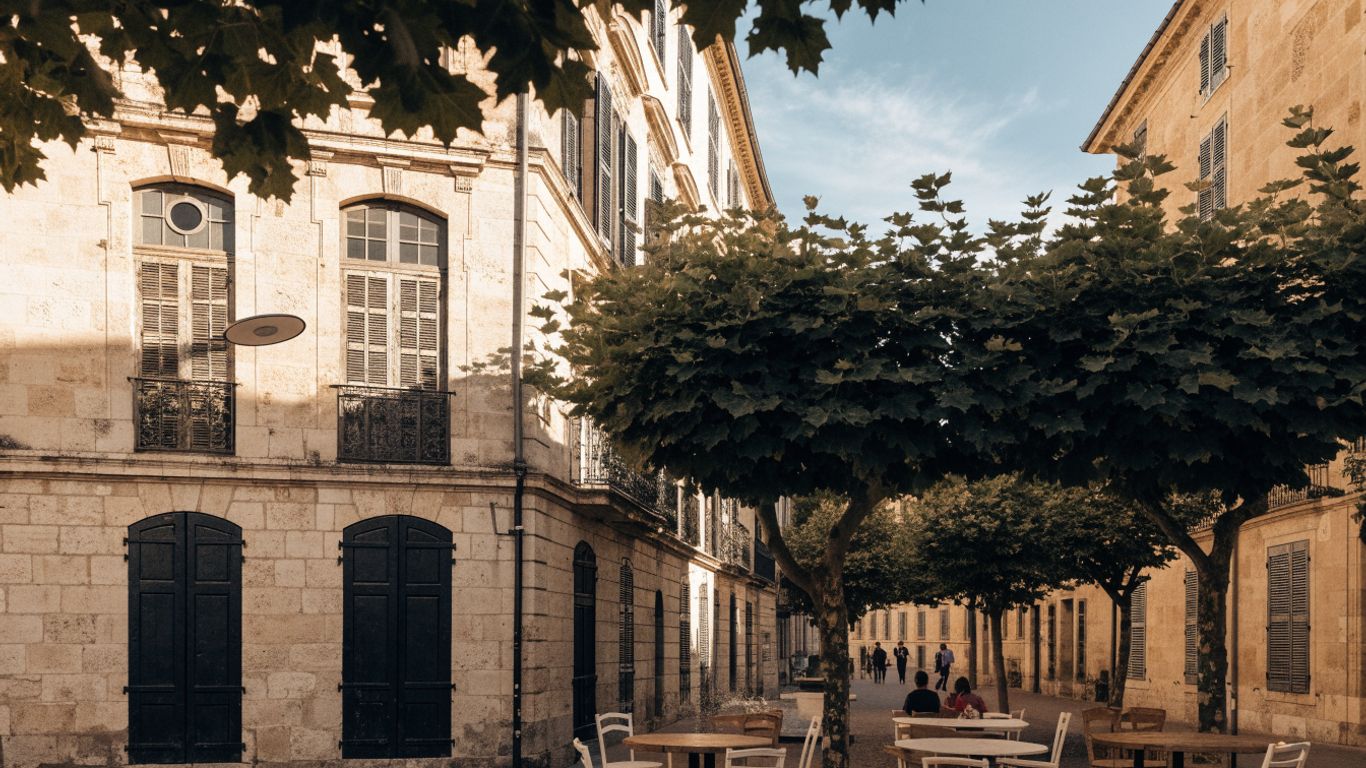
Cours Mirabeau is a natural starting point, with mature trees, cafés, and handsome façades lining the broad avenue. From there, turn into the old town and follow whichever lanes catch your eye; small squares and fountains often appear without much warning. Come back at a different time of day if you can, since the light and pace of the street change noticeably.
Visit Saint-Sauveur Cathedral and the surrounding quarter
Saint-Sauveur Cathedral brings together architectural details from different periods, making it a rewarding stop for visitors interested in the city’s layered history. The streets around it are quieter than the main boulevard and invite an unhurried wander. Check local opening information before planning a visit, especially if you hope to see a particular interior space.
Discover Cézanne’s connection to Aix
Paul Cézanne’s life and work are closely associated with Aix and the landscapes around it. Look for places connected to the artist and, if time allows, seek out views toward Montagne Sainte-Victoire, which appears in many of his paintings. A visit does not require a deep knowledge of art; noticing how the local light and landscape shaped his work is part of the pleasure.
Browse markets, fountains, and local boutiques
Markets are a good way to see the city at its most active, with seasonal produce, food, flowers, and other goods depending on the day and location. Check current schedules locally, since market arrangements can change. For broader ideas on timing and browsing, this guide to markets across Provence is a useful companion; in Aix, arrive earlier if you want to browse before the busiest hours.
Visit museums and art collections
Aix has museums and collections that can add depth to a trip, especially if the weather turns hot or rainy. Choose one or two that match your interests rather than trying to fit everything in. Opening days and hours vary, so check current details before building a tightly timed itinerary, and leave room for the walk between venues.
Aix-en-Provence’s food, markets, and café culture
Food is part of the city’s everyday character, from quick market snacks to long meals at a shaded terrace. The best plan is often to stay curious and let a meal fit the day rather than organizing every stop in advance. Market schedules, menus, and seasonal ingredients vary, so a little flexibility helps.
What to eat, from calissons to Provençal dishes
Calissons, the city’s distinctive almond-and-candied-fruit sweets, make a classic treat to try or bring home. Restaurant menus may feature Provençal ingredients and regional dishes, though offerings change with the season. Look for fresh produce, local cheeses, olives, and dishes built around vegetables, then ask what is especially good that day.
Where and when to find the city’s markets
Markets take place in different central squares and streets, and the selection depends on the day. Check a current local schedule rather than assuming every market operates daily. Arriving earlier gives you more time to browse, while a later visit can feel less hurried; either way, bring a reusable bag if you plan to shop.
Choosing a restaurant or café
A café stop can be as simple as ordering a drink and watching the street for a while. For a meal, look beyond the busiest frontage and compare menus, opening hours, and the atmosphere you prefer. Restaurants may keep different hours from those common in the United States, so it is wise to check whether a kitchen is open before heading over.
Local wines and dining customs
Wines from Provence are commonly available in restaurants and shops, but the best choice depends on the meal and personal taste. If you are unsure, ask for a recommendation by the glass or bottle. Meals can be leisurely, and a little patience is part of the rhythm; greeting staff when you enter and saying thank you when you leave are simple courtesies that go a long way.
When to visit Aix-en-Provence
Aix can be visited throughout the year, but the experience changes with the weather, daylight, and local events. Spring and autumn are often comfortable for walking, while summer tends to bring more activity and warmer days. Use the seasonal differences below as a starting point, then check event dates and forecasts before settling on your plans.
Spring for mild weather and outdoor exploring
Spring often brings comfortable conditions for walking and outdoor meals, though evenings can still feel cool. Gardens and streets are pleasant places to spend time, and day trips are easier to plan without peak summer heat. Pack layers so you can adjust as the temperature changes through the day.
Summer for festivals and lively streets
Summer brings lively streets, longer evenings, and a fuller calendar of cultural events. It can also be hot and busy, so book accommodation ahead and plan outdoor sightseeing for earlier or later in the day. Discover France Beyond Paris covers travel timing and practical destination planning for visitors exploring different regions of France.
Autumn for harvest season and fewer crowds
Autumn can bring a calmer pace after the busiest summer weeks, with pleasant days that still suit outdoor exploring. It is a good time to take a longer lunch or venture into the surrounding countryside. As the season progresses, daylight shortens and evenings cool, so keep a light layer handy.
Winter for a quieter city break
Winter offers a quieter version of Aix, with fewer visitors and a more local feel in the center. Some attractions or businesses may have shorter schedules, so check opening information before setting out. The cooler weather makes museum visits and long café breaks especially welcome parts of the day.
What to pack for each season
Your packing list should reflect the time of year and the kind of walking you plan to do. A few flexible basics will cover most city visits:
| Season | Useful clothing | Practical extra |
|---|---|---|
| Spring | Light layers and a jacket | Comfortable walking shoes |
| Summer | Breathable clothing and sun protection | Refillable water bottle |
| Autumn | Layers for changing temperatures | Compact umbrella or rain jacket |
| Winter | Warm coat and comfortable shoes | Scarf for cooler evenings |
Whatever the season, comfortable shoes are useful on the center’s varied streets. For a broader trip, Discover France Beyond Paris provides guidance on travel timing and packing for France’s varied regions, so consider the weather in your next destination too.
Day trips and practical planning
Aix works well as a destination in its own right, but the surrounding region adds options for travelers staying several nights. Some excursions are easiest by car, while others can be arranged with public transport or a tour; check the route before committing to a day plan. The Luberon guide and this seven-to-ten-day South of France itinerary can help you think through possible combinations.
Visit Cézanne’s Montagne Sainte-Victoire
Montagne Sainte-Victoire rises east of Aix and is closely associated with Cézanne’s paintings. The area offers scenic viewpoints and walking opportunities, but conditions and access depend on the route and season. Check current trail information and weather, carry water, and choose a walk that matches your experience and available time.
Explore the Luberon and nearby Provençal villages
The Luberon is known for villages, countryside, and market towns that make a contrast with Aix’s urban center. A car gives you more flexibility, particularly if you hope to visit several places in one day, while organized excursions can simplify the logistics. Avoid trying to fit too many stops into a single outing; a slower visit leaves more room for a market or an unplanned pause. For another village idea, see this guide to L’Isle-sur-la-Sorgue.
Plan a trip to Marseille or the Mediterranean coast
Marseille offers a larger, busier city experience and is a practical option for a day trip, subject to transport schedules and your interests. Coastal destinations can also be appealing, but the right choice depends on the season and how much time you want to spend traveling. If you are building a longer route, the guide to quieter Riviera towns offers ideas beyond the busiest stops.
Budget, opening hours, and accessibility tips
Costs vary with the season, accommodation, and dining choices, so compare lodging early and leave room in your budget for local transport and museum visits. Confirm opening hours directly before you go, particularly around holidays and seasonal closures. Historic streets may have uneven surfaces, steps, or limited access; contact individual venues and hotels about specific accessibility needs before booking.
Useful French phrases and local etiquette
A few polite phrases can make everyday interactions easier: “bonjour” for hello, “s’il vous plaît” for please, “merci” for thank you, and “l’addition, s’il vous plaît” when asking for the bill. Start with a greeting when entering a shop or speaking with staff, and speak calmly if you need to ask someone to repeat something. For readers balancing travel research with other interests, the wider reading list also includes rotator towing, a technical SEO agency, Spring Modulith, Synergy Oviedo Chiropractic, and Pharma Blog India.
Conclusion
Aix-en-Provence is best enjoyed with enough time to wander, eat well, and notice the details between its better-known sights. Choose a convenient base, confirm transport and opening times, and let the city’s streets and nearby landscapes shape the pace of your stay.
Frequently Asked Questions
How many days should I spend in Aix-en-Provence?
One day is enough for a first look at the center, but two or three nights allow time for museums, markets, and a relaxed day trip.
Is Aix-en-Provence walkable?
Yes, many central sights are close together and easy to explore on foot. Comfortable shoes help on narrow or uneven streets.
Which train station should I use for Aix-en-Provence?
Check your ticket carefully: Aix Centre is in the city, while Aix TGV is outside the center and requires a transfer.
What is the best area to stay in Aix-en-Provence?
The historic center is convenient for first-time visitors, while the Mazarin Quarter offers a quieter feel close to central sights. Choose based on your noise, transport, and walking preferences.
When is the best time to visit Aix-en-Provence?
Spring and autumn are often comfortable for walking. Summer is lively but can be hot and busy, while winter is quieter.
What food is Aix-en-Provence known for?
Calissons are a well-known local sweet. You can also look for Provençal dishes, seasonal produce, regional cheeses, and olives.
Can I visit the Luberon as a day trip from Aix?
Yes, a day trip is possible, particularly by car or organized excursion. Check travel times in advance and keep the itinerary manageable.