
The Beaches of Cap d’Agde: A Complete Guide

Key Takeaways
Cap d’Agde’s coast combines sandy beaches, rocky coves, and a clearly distinct naturist area. A little planning helps you choose the right setting and arrive prepared.
- Grande Conque is a small cove known for its dark volcanic scenery.
- Richelieu offers broad sand and room to spread out; Le Môle is closer to the port.
- Beach conditions, facilities, and lifeguard coverage can vary by season and location.
- The naturist beach is in a separate village area, where visitors should follow posted rules and access arrangements.
- Check conditions before swimming, and bring sun protection, water, and anything you may need for the day.
Understanding Cap d’Agde’s coastline
Cap d’Agde’s shoreline is not one continuous stretch of identical beach. It shifts between sandy areas, small coves, and built-up waterfronts, so the character of a beach can change noticeably over a short distance. When planning a visit, I find it useful to think in terms of setting and access as much as sand and sea.
How the resort’s beaches are arranged
The main public beach areas sit around the resort’s port and waterfront, while the naturist village has its own distinct beach setting. Some stretches are close to promenades and services; others feel more enclosed or natural. If you want a broader overview before choosing a base, this guide to things to do around Cap d’Agde also covers coastal walks and other local outings.
Sandy shores, rocky coves, and volcanic scenery
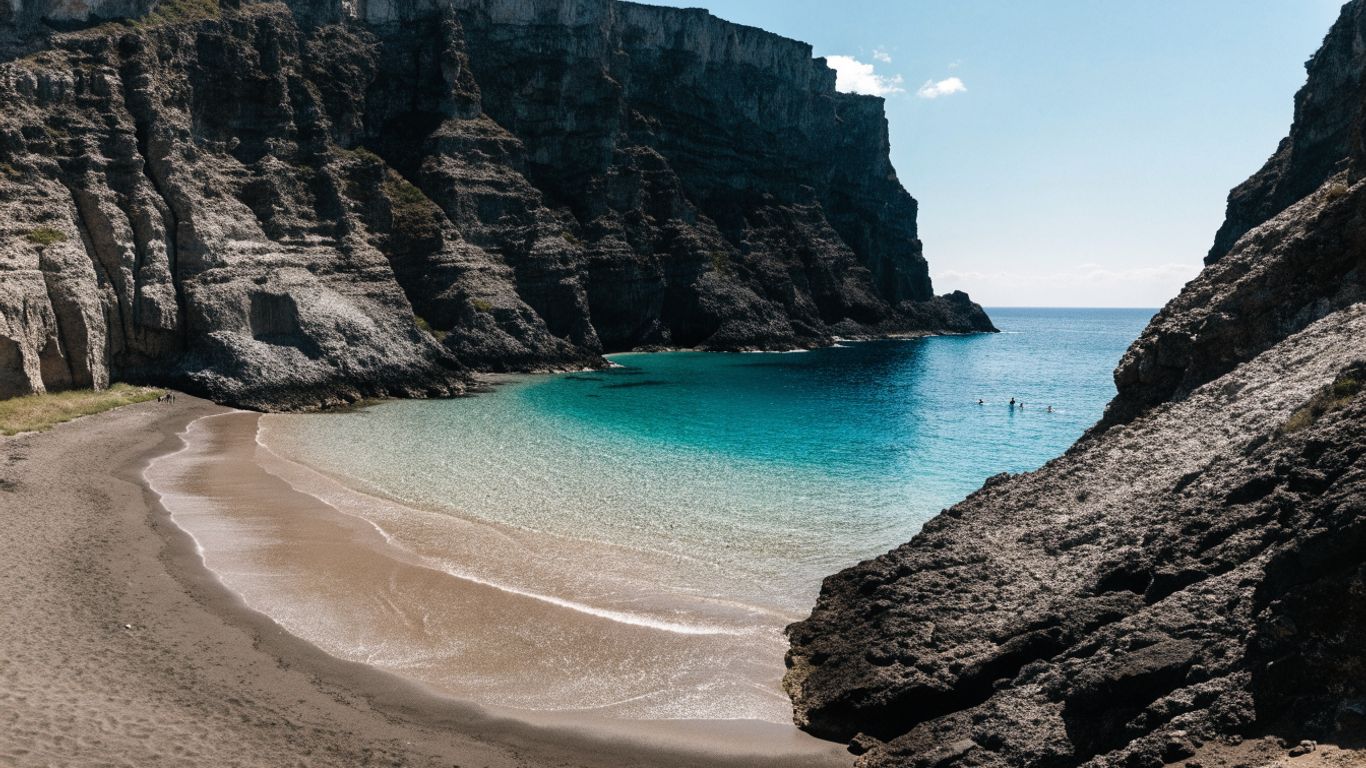
The coast’s variety is part of its appeal. Broad sandy beaches suit a long day by the water, while coves and dark volcanic rock create a more dramatic landscape. Grande Conque is the standout example: its dark sand and basalt cliffs give the small cove a different feel from the resort’s wider beaches. I would choose it for scenery, while keeping in mind that a rocky shoreline can be less straightforward for entering the water.
What to expect from the Mediterranean in different seasons
Summer is the busiest time for beach days, and the sun and heat can make an early start more comfortable. Outside the peak months, the coast may feel quieter, but services and lifeguard coverage can be seasonal, so check locally rather than assuming everything is open. The water and wind can also feel different from day to day; a calm-looking morning is no guarantee that conditions will stay the same all afternoon.
How the main beach areas differ
The main beaches each offer a different balance of scenery, space, and nearby activity. I would match the choice to the day you have in mind instead of trying to find one beach that does everything. The contrasts are easier to picture when you compare the settings side by side.
Grande Conque for volcanic scenery and a sheltered cove
Grande Conque stands out for its dark volcanic sand and steep basalt cliffs, which frame a compact cove. It is a good choice when the landscape is as important as swimming, and it can feel more intimate than the broad resort beaches. The cove’s particular shoreline may not suit everyone for getting in and out of the water, so take a look at conditions before settling in. For more on the cove and its setting, see this guide to Grande Conque beach.
Le Môle for a central beach close to the port
Le Môle is a practical option if you want to combine beach time with a stroll near the port and resort center. Its central position makes it easy to pair a swim with errands or a meal, though nearby activity can mean a livelier feel. I would consider it when convenience matters more than finding a secluded stretch of coast.
Richelieu for broad sands and family-friendly space
Richelieu’s broad sandy shoreline gives visitors space to settle in, and it is a natural option for families looking for room to play. As with any beach, shallow water and crowding vary with the exact spot and conditions, so take a quick look along the shore before choosing where to lay out. For other activities to pair with a beach day, this guide to water sports in Cap d’Agde offers ideas for different ages and interests.
Rochelongue for a lively waterfront atmosphere
Rochelongue suits visitors who like a beach day with a busy waterfront nearby. The promenade and surrounding activity can make it feel more social than a tucked-away cove, especially in peak season. I’d choose it for a day when a café stop or an evening walk is part of the plan, rather than expecting the quiet of a more natural setting.
The naturist village beach and its distinct setting
The naturist village beach is associated with a separate resort area, rather than being simply another section of the central public waterfront. That distinction matters both for access and for the expectations visitors should follow. If you are considering it, check current entry arrangements and local guidance before setting out; the dedicated naturist section below covers what to keep in mind.
Choosing a beach for your trip
There is no single best beach for every traveler, and a little thought about the day’s priorities can make the choice easier. I would start with who is coming along, then consider how much nearby activity you want and whether scenery or convenience matters more. The resort’s mix of coves, open sand, and promenades makes those preferences especially useful.
Finding shallow water and room for children
For a family day, broad sandy stretches such as Richelieu are a sensible starting point because they offer room to settle in. Still, water depth and swimming conditions depend on the location and the day; check the beach’s designated swimming area and posted advice rather than assuming the shoreline is uniformly shallow. Bring a simple plan for shade, water, and breaks, since a comfortable beach day with children depends on more than the sand.
Picking a quieter spot away from busy promenades
If you prefer a calmer atmosphere, consider visiting outside the busiest hours or looking beyond the most active waterfront areas. A smaller cove can feel more sheltered, while an expansive beach may give you more choice of where to sit. Quiet is relative in summer, so I’d arrive earlier and be ready to move if the first spot feels crowded.
Matching beach surroundings to swimming and water sports
Choose the shoreline with your planned activity in mind. Sandy beaches generally make it easier to spread out, while a cove may be more appealing for scenery or a closer look at the coast; water conditions still determine what is suitable on the day. Rentals and activities vary by location and season, so check what is operating before building the whole day around a specific sport.
Comparing natural scenery with nearby amenities
It helps to compare the feel of a beach with the practical convenience around it. The table below is a starting point, not a guarantee of what will be open or available on a particular date.
| Beach area | General setting | A useful fit |
|---|---|---|
| Grande Conque | Dark volcanic cove and cliffs | Scenery-focused visits |
| Le Môle | Central beach near the port | Combining beach time with town activity |
| Richelieu | Broad sandy stretch | Space to settle in with family |
| Rochelongue | Lively waterfront | A beach day with promenade activity |
Think of this as a way to narrow the options, then check current access, services, and swimming information locally. For a longer visit, I’d also weigh the beach against where you plan to stay: villa stays in Cap d’Agde and hotels and apartments can put you in different parts of the resort, so compare location as well as amenities.
Visiting the naturist beach
A visit to the naturist beach calls for a little more planning than a standard public beach day, particularly if it is your first time in the area. The key is to understand that it belongs to a distinct village setting and to follow the rules and entry arrangements in effect during your visit. A respectful, prepared approach makes the experience more comfortable for everyone.
Understanding where the naturist area begins and ends
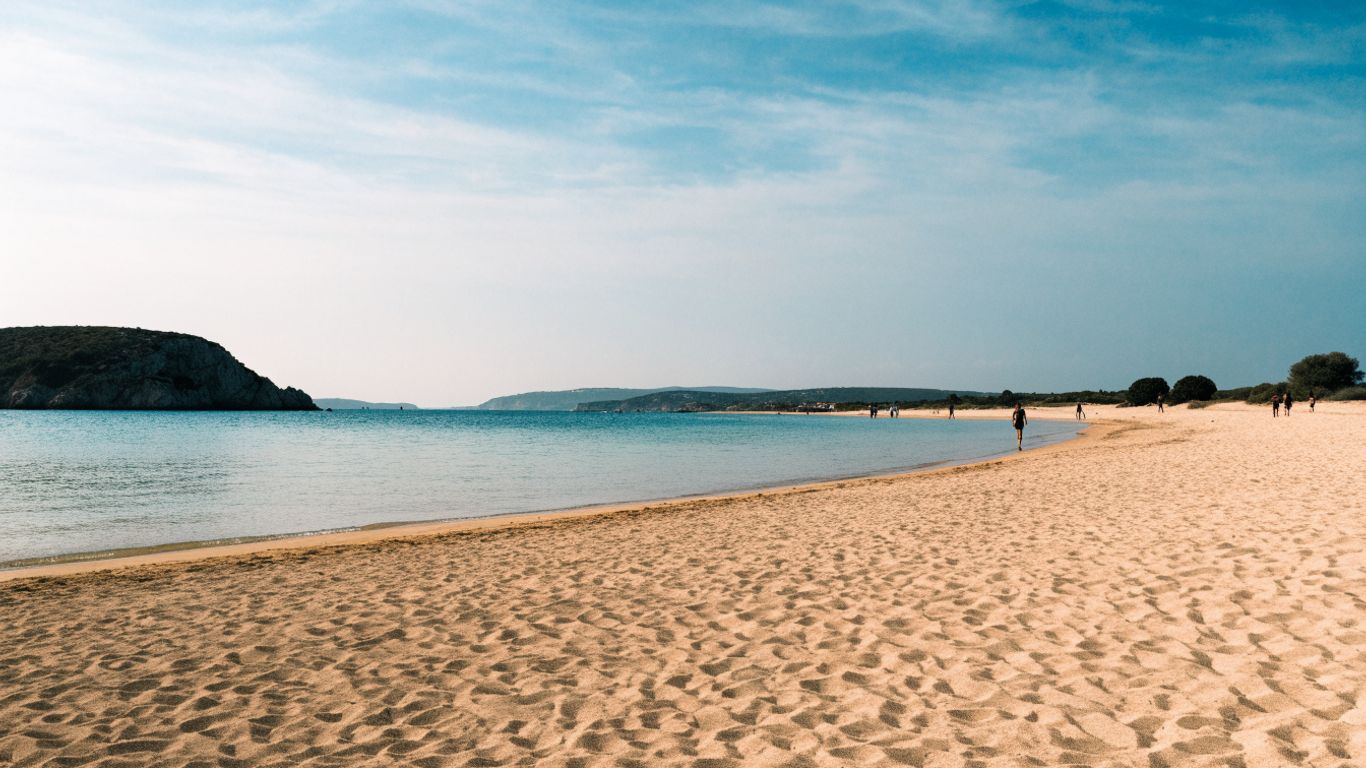
The naturist beach is associated with the Village Naturiste, a distinct area rather than an open continuation of the central resort beaches. Do not assume that a neighboring stretch of coast has the same rules or access. Before heading over, check a current local map or official visitor information so you know where the relevant boundaries and entrances are.
Following local dress and conduct expectations
Naturist settings have their own norms, and visitors should follow posted instructions and the expectations of the place they enter. If you are unsure about what is appropriate, ask at an official access point rather than guessing. A courteous, low-key approach is the simplest way to respect other beachgoers.
Checking access arrangements and seasonal conditions
Access arrangements may depend on the entrance, the time of year, or the rules in force when you visit. Confirm current details before making the naturist beach the centerpiece of your day, and check which facilities are operating. That small bit of preparation can prevent an unnecessary detour or surprise at the entrance.
Respecting privacy and photography boundaries
Treat the beach as a shared space, not a backdrop for casual photography. Do not photograph other visitors without clear permission, and follow any posted restrictions. When in doubt, keep the camera away; respecting privacy is a basic part of considerate beach behavior.
Getting to the beaches and using their facilities
How easy a beach day feels often comes down to the last part of the journey: where you leave your car or bike, how far you walk, and what is available once you arrive. The best option depends on where you are staying and how much you want to carry. For a wider trip plan, compare ways to reach Cap d’Agde before you travel.
Reaching the shore on foot, by bike, or by car
If you are staying in the resort, walking or cycling may be practical for nearby beaches, while a car can help when you are coming from farther away or carrying a lot. Routes and distances depend on your starting point, so check a map rather than relying on a single resort-wide estimate. If you are traveling to the region by air, you can also compare fares through Aviasales, which lists flight options and lets travelers book through airline and travel agency websites.
Checking parking options near popular beach areas
Parking can be more competitive at popular beaches during peak periods. Look for current signs and local parking information, allow extra time, and avoid assuming that a convenient space will be available right by the sand. If you are choosing accommodation, consider how often you expect to drive: a place closer to your preferred beach may reduce the need to move the car during busy hours.
Finding lifeguards, toilets, showers, and food
Facilities differ from one beach to another, and the services available can change by season. Check local signage for lifeguard coverage and swimming zones, and confirm whether toilets, showers, or nearby food options are open on the day. If you want to plan meals beyond the beach, this guide to restaurants around the port can help you think through nearby options.
Considering access for visitors with reduced mobility
Access can vary with the terrain: a broad, developed beach may be easier to approach than a cove with steps or uneven ground. Check current local information for accessible routes and facilities before traveling, and contact the relevant visitor service if details are unclear. Where possible, plan for assistance and allow extra time between the parking area and the water.
Planning a safe and comfortable beach day
A good beach day is usually the result of a few practical decisions made before you leave. Conditions can change, facilities may be seasonal, and the strongest sun often makes a midafternoon arrival less appealing. I’d keep the plan flexible and check local information again on the day.
Choosing when to arrive during peak season
In peak season, arriving earlier can make it easier to find a comfortable place and settle in before the hottest part of the day. Later visits may work well for a shorter swim or a waterfront walk, but light, temperature, and available services vary. If your plans include a popular cove or family beach, leave some flexibility in case the first spot is busy.
Checking flags, surf conditions, and swimming zones
Before entering the water, check the flags and any posted advice about swimming zones or conditions. Follow lifeguard instructions and stay within designated areas where they are marked. If conditions look uncertain, choose another activity or wait; a beach’s appearance alone does not tell you whether swimming is safe.
Protecting yourself from sun, heat, and wind
Sun protection matters even when a breeze makes the beach feel cooler. Bring water, sunscreen, a hat, and a way to find shade, and take breaks away from direct sun. Wind can also shift the feel of a beach day, so a light layer can be useful when the afternoon changes.
Preparing for beach activities and changing conditions
I keep a short packing routine so that a beach day does not depend on finding supplies after arrival. These basics cover comfort and help you adapt if the day changes:
- Carry drinking water and sun protection.
- Bring a towel and a light layer for wind.
- Check whether your chosen beach has the facilities you need.
- Keep a dry place for valuables and a phone.
The point is not to overpack, but to cover the essentials before leaving your accommodation. If the weather or water conditions shift, you can then change plans without needing to cut the day short.
Conclusion
Cap d’Agde’s beaches range from broad sandy shores to a dark volcanic cove and a separate naturist setting, so the right choice depends on the kind of day you want. Check access and conditions, plan around seasonal services, and choose a beach that fits both your group and your pace.
Frequently Asked Questions
Which beach in Cap d’Agde is best for scenery?
Grande Conque is a strong choice for dramatic coastal scenery, with its dark volcanic sand and basalt cliffs around a compact cove.
Which beach is a good choice for families?
Richelieu’s broad sandy stretch offers room to settle in, though families should still check local swimming conditions and facilities on the day.
Is the naturist beach part of the main public beach area?
The naturist beach is associated with the separate Village Naturiste setting. Check current local maps and access information before visiting.
Are facilities available at every beach?
No single list applies to every beach or season. Services such as toilets, showers, food, and lifeguard coverage can vary, so confirm locally.
When is the best time to visit the beaches?
Summer is the main beach season, while quieter periods can have fewer services. Arriving earlier during busy months can help you find a spot and avoid the hottest part of the day.
Can I walk or cycle to the beaches?
That depends on where you are staying and which beach you choose. Check a map for your route and distance, and consider how much you plan to carry.
What should I bring for a day at the beach?
Pack drinking water, sun protection, a towel, and a light layer for wind. Check current conditions and the facilities at your chosen beach before you set out.