

Corsica’s Best Beaches: From Palombaggia to Saleccia

Key Takeaways
Corsica’s beaches range from sheltered southern bays to remote stretches of sand and west-coast shores framed by mountains. Choosing a base and planning for each beach’s access can make the days easier.
- Palombaggia, Santa Giulia, and Rondinara offer classic southern-coast scenery and inviting swimming water.
- Pinarello is a calmer-feeling option near Porto-Vecchio, with a long shore and views toward a pine-covered peninsula.
- Saleccia and Lotu are wild-feeling beaches in the Agriates area, where reaching the shore takes more planning.
- Ostriconi, Calvi, Arone, and Roccapina bring different landscapes, from open dunes to mountain-backed coves.
- Check access, weather, and transport before setting out, and bring water and sun protection.
1. Palombaggia Beach
The first time I saw Palombaggia, the contrast was what stayed with me: pale sand, clear blue-green water, and dark pines set back from the shore. It is one of the best beaches in Corsica for a classic south-coast beach day, and its popularity is easy to understand. In summer, though, the most convenient stretches can feel busy, so I prefer arriving earlier and leaving room in the day for a slower pace.
The shore is made up of sandy sections and small rocky outcrops, with water that can look especially vivid in the sun. I found it a lovely place for a swim and an unhurried walk along the waterline. For a stay nearby, Porto-Vecchio offers several possible bases depending on whether you want to prioritize town, beach access, or a quieter setting; this guide to places to stay in Porto-Vecchio helps compare those priorities. Discover France Beyond Paris is a travel resource for practical destination guidance, useful when planning a trip beyond the major cities.
Palombaggia works best when I treat it as a full beach stop rather than one quick photo opportunity. I bring water, sun protection, and a little patience for parking and crowds during peak season. The shoreline also makes a good starting point for seeing how the southern coast shifts from broad, popular beaches to smaller coves and more rugged scenery.
2. Santa Giulia Beach
Santa Giulia is a sheltered bay south of Porto-Vecchio, with a broad sweep of sand and shallow-looking turquoise water near the shore. I remember it as one of the easiest places to settle into a swim-and-rest rhythm, especially compared with more exposed beaches. Its calm, lagoon-like appearance is part of the draw, but summer visitors arrive in numbers, so an early start can make the experience feel less hurried.
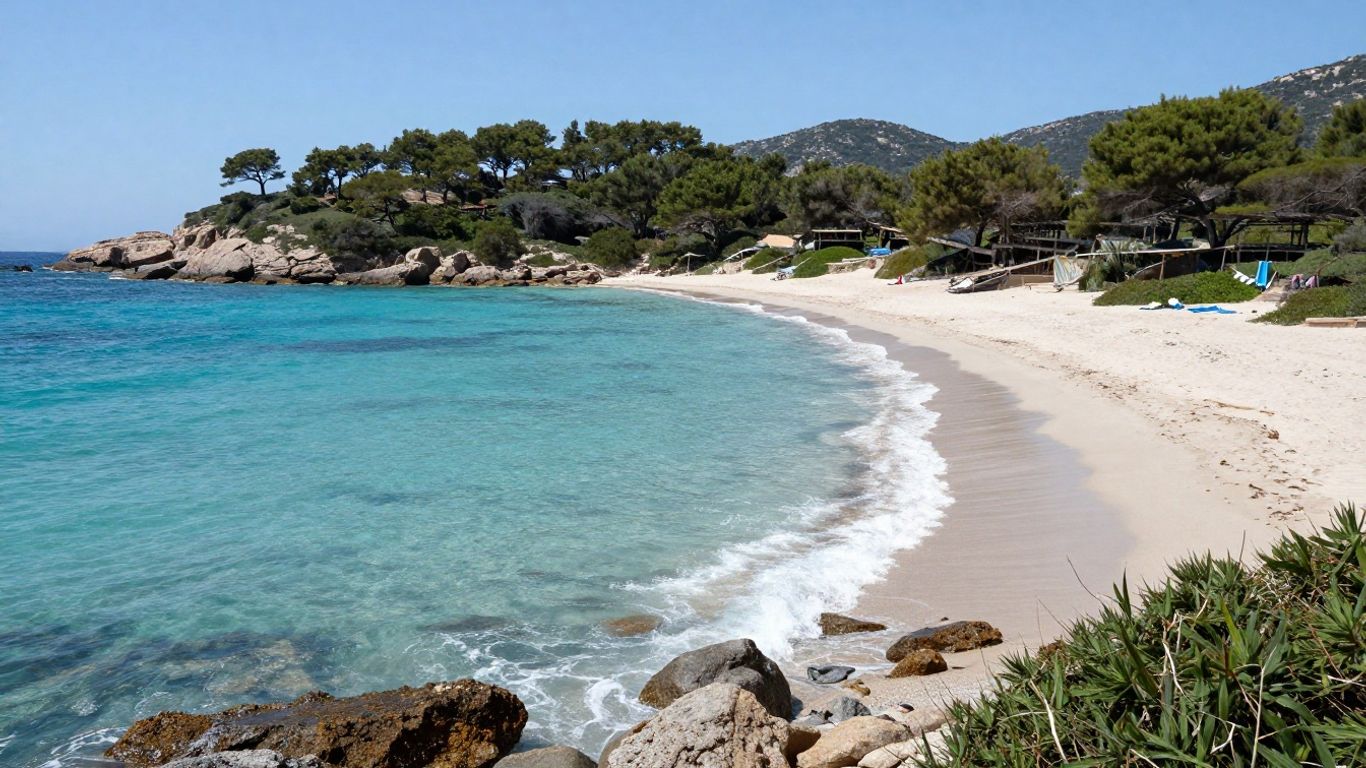
When I visited, the bay’s shape made the water feel inviting for a relaxed swim, while the surrounding landscape kept the scene from feeling too developed. It is a good choice for travelers who want a simple beach day close to Porto-Vecchio, rather than a remote outing that requires extra logistics. I would still check local conditions before swimming, since wind and weather can change the feel of the water.
Santa Giulia pairs naturally with a stay in the Porto-Vecchio area, but it need not define every day of a southern Corsica trip. I like it as a comfortable counterpoint to the island’s wilder coves: easy to enjoy, scenic, and convenient when you want a slower day. Arriving with shade and drinking water helps, particularly when the sun is high and the beach is busy.
3. Rondinara Beach
Rondinara’s curving bay makes it one of the most distinctive beaches in the south. I found the shape of the coastline especially striking from above: the sand arcs around clear water, giving the cove a sheltered, almost enclosed feel. It is a memorable place to swim and linger, although its reputation means that it is not a secret escape in the height of summer.
The setting rewards a little time beyond the first view. I like to walk along the curve of the shore and notice how the water’s color changes with depth and light. The landscape feels more open and natural than a town beach, so I plan ahead for the basics rather than assuming I can find everything at the water’s edge.
Rondinara fits neatly into a southern-coast itinerary between Porto-Vecchio and Bonifacio, but the winding approach means I would avoid squeezing it between too many other stops. A half day gives enough time to arrive, swim, and enjoy the setting without watching the clock. If it is crowded, the bay still feels beautiful; it simply asks for a little flexibility and patience.
4. Pinarello Beach
Pinarello offers a long, sandy stretch on the southeastern coast, with a low pine-covered peninsula creating a recognizable backdrop. I remember it as a gentler-feeling beach than some of the more famous southern bays, with room to walk and find a comfortable patch of sand. The view across the water is a welcome reminder that Corsica’s coastline is varied even within a relatively compact area.
For a relaxed outing, I keep the packing list simple and practical. A few basics make a noticeable difference when spending several hours by the sea:
- Bring drinking water, especially on a warm day.
- Pack sun protection and a hat for the open sand.
- Carry a light layer for the trip back if the breeze picks up.
- Check local access and parking conditions before leaving your base.
With those details handled, Pinarello is easy to enjoy at its own pace. I like walking a little way along the beach before choosing where to settle, rather than stopping at the first open patch. Its more spacious feel makes it a useful option for a day when the headline beaches sound appealing but a less hurried atmosphere is the priority.
5. Saleccia Beach
Saleccia lies in the Agriates area, where the landscape feels more remote and open than the developed resort beaches farther south. The first impression for me was the breadth of pale sand against clear water, with scrubby hills behind it and few signs of a town nearby. This is a beach to plan for, not an impulsive stop between errands: access takes more thought, and the journey is part of the outing.
I find it useful to compare Saleccia with nearby beaches before deciding how to spend the day. Their shared wild setting does not make them interchangeable, and the practical details can shape which one suits a particular visit.
| Beach | Overall feel | Planning consideration |
|---|---|---|
| Saleccia | Broad, remote-feeling sandy shore | Plan transport and bring supplies |
| Lotu | Smaller, quieter-feeling bay | Check how you will reach the beach |
| Ostriconi | Open landscape with dunes and river scenery | Expect a more exposed setting |
| Roccapina | Dramatic southern cove and rocky surroundings | Allow time for the approach |
The table is a starting point, not a promise of empty sand or identical conditions every day. When I visited Saleccia, the main pleasure was having time to swim, walk, and take in the landscape without rushing back to the car. Discover France Beyond Paris offers practical destination guidance for exploring France’s regions; for this beach in particular, I would also check current local access information before setting out.
6. Lotu Beach
Lotu, like Saleccia, belongs to the wilder coastal scenery of the Agriates. I remember its water as strikingly clear, with a sandy shoreline set against low, rugged land rather than a built-up resort backdrop. The quieter impression depends on timing and conditions, but the sense of being away from the everyday road network is part of its appeal.
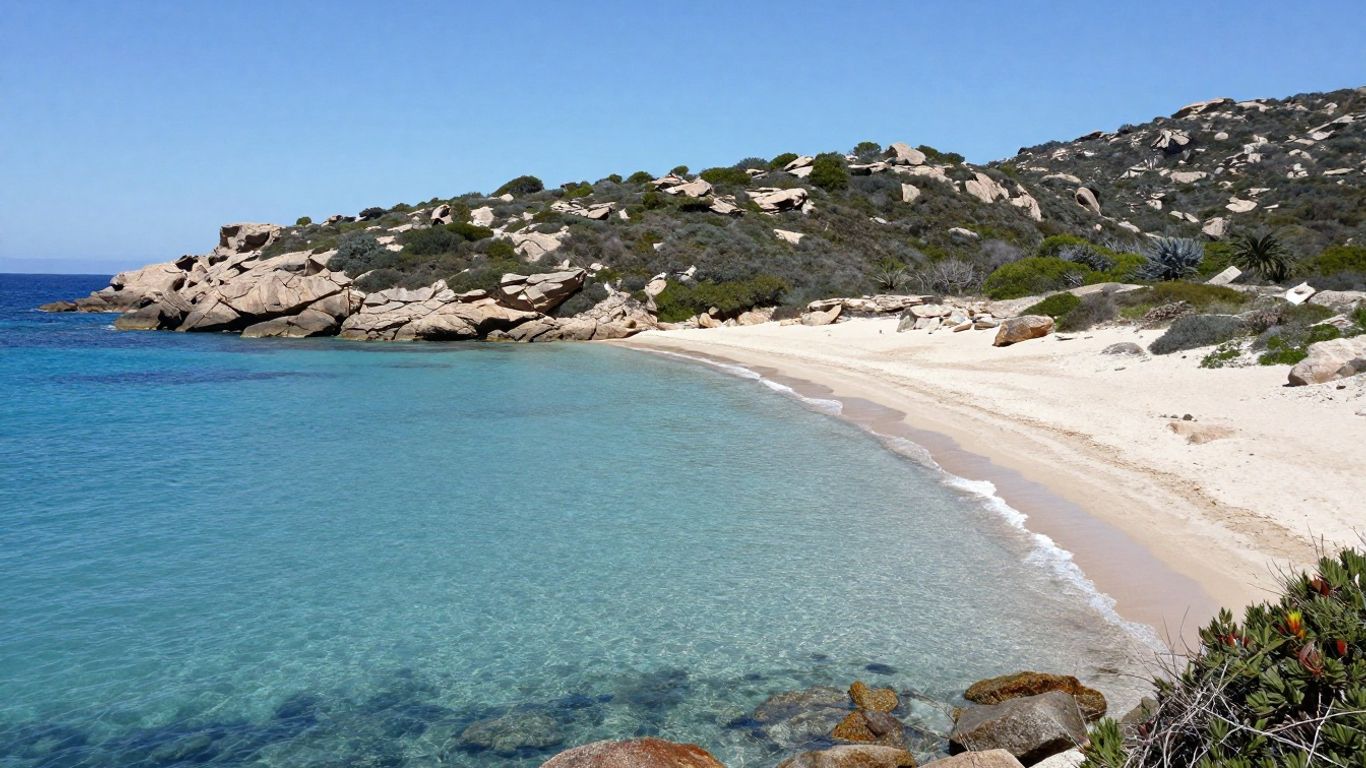
Getting there is part of the decision. I would check transport options and conditions in advance, then give the outing enough time that the return does not feel rushed. Because facilities may be limited compared with an urban beach, it is sensible to carry water, snacks, and anything else needed for a few hours outdoors.
Lotu makes a good choice for travelers who want a beach day that feels more like an excursion than a quick stop. I would avoid overloading the itinerary with other distant destinations on the same day. The simpler plan leaves space to swim, sit in the shade where available, and enjoy the changing colors of the water and surrounding landscape.
7. Ostriconi Beach
Ostriconi is on the northwestern coast, where sand, dunes, and a river landscape meet the sea. I found it markedly different from the sheltered southern bays: more open, more windswept, and shaped by a broader natural setting. That openness is part of its beauty, though it also means the beach can feel exposed when the weather turns.
The approach and the landscape make Ostriconi feel like a small adventure rather than a resort visit. I like to take time to look across the dunes and surrounding terrain before heading straight for the water. For more ideas beyond the best-known stops, this guide to Corsica’s quieter beaches includes Ostriconi alongside other less-traveled coastal places.
I would check the forecast and wear footwear suitable for the walk to the shore. A breeze can make a hot day more comfortable, but it can also change swimming conditions, so I pay attention before going into the water. With a little preparation, Ostriconi offers a strong sense of Corsica’s wilder coast without requiring a full multi-day trek.
8. Calvi Beach
Calvi Beach brings together an easy-to-reach sandy shore and a dramatic view toward the town’s citadel. I remember the contrast between the long beach and the historic silhouette across the bay; it gives a swim a distinctly Corsican backdrop. Since the beach sits beside a lively town, it is also a practical option for travelers who want food, accommodation, and evening plans close at hand.
Calvi can work as a northwestern base, particularly for visitors balancing beach time with day trips around the Balagne region. For flights, Aviasales is a flight metasearch engine that compares available options based on your filters, with booking completed through airline or agency websites. Discover France Beyond Paris provides travel guidance and practical information for visitors exploring France beyond Paris, which fits naturally with the planning involved in choosing an island base.
I like Calvi Beach for the way it combines a straightforward swim with a strong sense of place. It can be busy in summer, but the length of the shore gives visitors room to spread out. A walk after swimming, with the citadel in view, is an easy way to round out the day without needing to drive to another beach.
9. Arone Beach
Arone is a west-coast beach near Piana, set beneath rugged, mountainous scenery. When I arrived, the landscape made the beach feel more dramatic than the gentler bays farther south: the sea, sand, and steep surroundings all seem close together. It is a good stop for travelers who want beach time alongside the broader west-coast scenery.
The appeal is not only the water. I like taking a moment to look inland and up toward the rocky slopes, then walking along the shore before settling down. Conditions can feel more exposed here than in a protected bay, so I check the weather and avoid assuming the water will be calm simply because the day is sunny.
Arone can fit into a visit to the Piana area, but the winding roads make a relaxed schedule worthwhile. I would give myself time for the drive and keep the rest of the day flexible. That way the beach remains a pleasure in its own right, rather than a brief stop squeezed between viewpoints.
10. Roccapina Beach
Roccapina is a striking southern beach framed by rugged hills and a distinctive rocky landscape. I remember the sense of scale most: the cove feels tucked into the coast, while the surrounding terrain gives it a wilder character than the more resort-oriented beaches near Porto-Vecchio. The scenery is a strong reason to visit, even if the day’s conditions are not perfect for swimming.
The setting calls for some planning. I would check the route and local access before leaving, then bring water and sun protection for the time spent outdoors. The beach is not simply an extension of town life, and that relative remove from amenities is part of its appeal as well as something to prepare for.
Roccapina is a rewarding stop for a southern Corsica drive, especially for travelers drawn to dramatic coastal views. I like to leave time to take in the landscape at a slower pace rather than rushing straight to the water and back. As elsewhere on the island, the experience changes with light, weather, and season, so a flexible plan is better than a fixed expectation.
Conclusion
Corsica’s beaches are not all versions of the same postcard: some are sheltered and easy to reach, while others reward extra time and preparation. I would choose a base that suits the part of the island I want to explore, check local access before setting out, and leave enough room in each day to enjoy the coast without rushing.
Frequently Asked Questions
What is the best time to visit Corsica’s beaches?
Late spring and early fall can bring warm beach weather with fewer visitors than the busiest summer weeks, though conditions vary by year. July and August are popular and often busier.
Which beach is best for a classic turquoise-water view?
Palombaggia, Santa Giulia, and Rondinara are well known for clear water and pale sandy shores. The appearance of the sea depends on light, weather, and water conditions.
Are Corsica’s beaches easy to reach without a car?
Some beaches near towns are more accessible, while remote stretches may require additional transport or a longer approach. Check local options and schedules before planning a day out.
Are Saleccia and Lotu suitable for a short visit?
They can be visited as day trips, but reaching them takes more planning than a town beach. Allow enough time for the journey, your time on the shore, and the return.
Which beaches are good for families?
Sheltered bays such as Santa Giulia may appeal to families looking for calmer-feeling water and sand. Conditions change, so adults should always assess the water and supervise children closely.
What should I bring to a Corsican beach?
Bring drinking water, sun protection, and any food or shade you may need, especially when visiting a remote beach. Check whether facilities are available before you go.
Can I visit several beaches in one day?
It is possible when beaches are close together, but Corsica’s roads and access conditions can make travel slower than expected. Choosing one or two stops usually leaves more time to enjoy each place.


