

Corte: Corsica’s Mountain Capital and Gateway to the Interior

Key Takeaways
Corte is a compact mountain town that combines Corsican history with access to some of the island’s best inland scenery.
- Explore the citadel, old town, churches, and valley viewpoints.
- Use Corte as a base for the Restonica and Tavignano valleys.
- Travel in spring, early summer, or early fall for comfortable conditions.
- Plan carefully for mountain weather, trail access, and transport schedules.
- Allow at least two nights if hiking is part of your itinerary.
Understanding Corte and its role in central Corsica
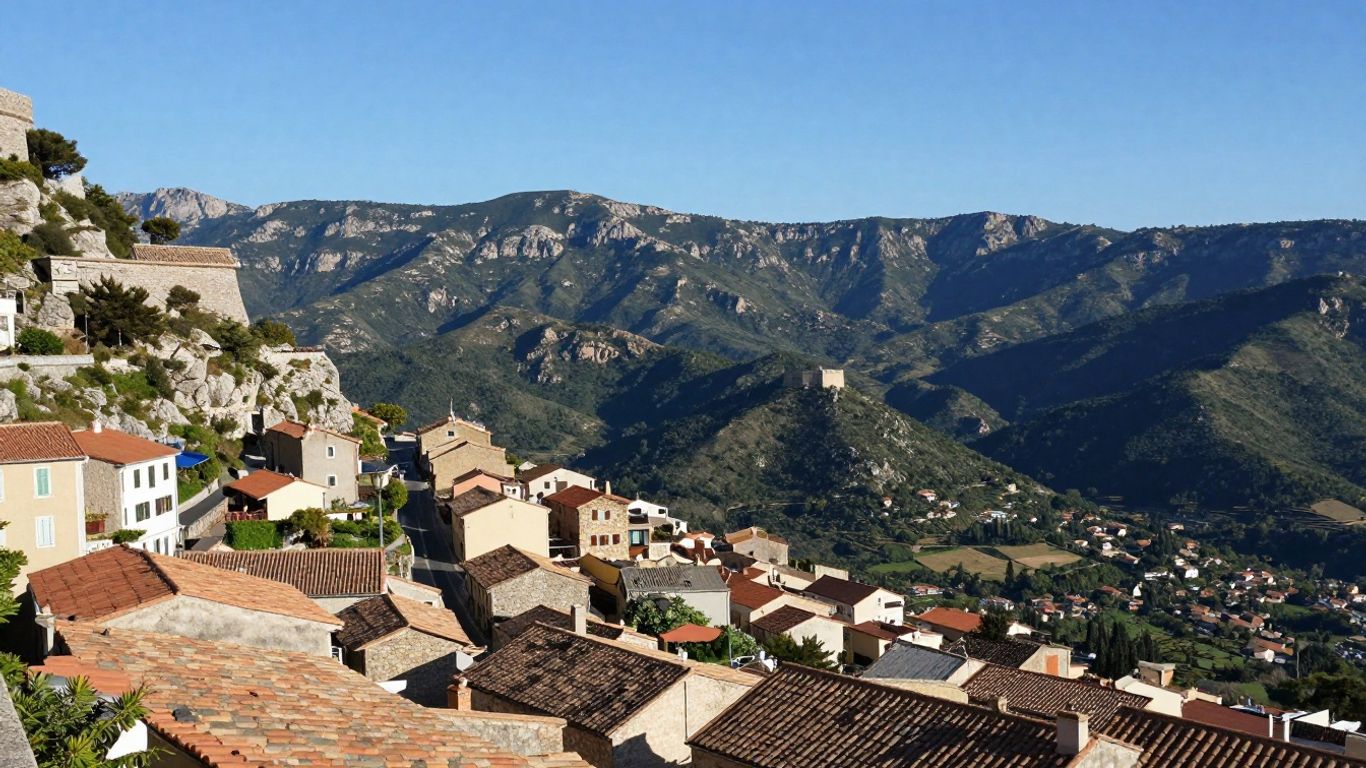
Corte sits in the heart of Corsica, away from the island’s busiest coastal resorts. Its steep streets, mountain setting, and historic citadel give it a character distinct from the port cities and beach towns. For travelers interested in the island’s interior, Corte is both a destination and a practical starting point.
Why Corte is known as Corsica’s historic mountain capital
Corte is closely associated with Corsican identity and political history. The town served as the capital of the independent Corsican state during the eighteenth century, and its citadel remains the clearest visual reminder of that past. Today, students, residents, hikers, and visitors share the same narrow streets, giving the town a lived-in atmosphere rather than the feeling of an open-air museum.
The town’s location between the island’s major mountain ranges
The town occupies a high inland position between the rugged ranges that shape central Corsica. Valleys lead away toward forests, granite peaks, and high lakes, while the surrounding roads climb quickly into more remote terrain. This geography explains both Corte’s historic importance and its appeal to visitors who want a mountain experience without staying in an isolated village.
A brief history of the citadel and Corsican independence
The citadel rises on a rocky spur above the old town and was developed as a defensive stronghold over several centuries. Its association with Pasquale Paoli, the eighteenth-century leader of Corsican independence, gives Corte a special place in the island’s national story. A visit is more rewarding when paired with the museum, since the landscape, military architecture, and political history are closely connected.
Corte as a base for exploring the interior
Corte works well for travelers who prefer one inland base rather than changing accommodation every night. From town, you can reach mountain valleys, villages, railway stops, and scenic roads by car or public transport, although excursions require realistic timing. A broader Corsica travel overview is useful when fitting Corte into a longer island route.
Planning your trip to Corte
Planning a stay in Corte means balancing town sightseeing with the slower pace of mountain travel. Distances may look short on a map, but winding roads and trail approaches can make excursions take most of a day. A little preparation helps you avoid arriving after an attraction closes or beginning a hike without enough daylight.
When to visit for mild weather, hiking, or local festivals
Late spring and early fall usually offer a comfortable compromise between warm days and manageable hiking conditions. Summer brings longer daylight and lively village activity, but exposed trails can be hot and popular access roads may be busy. For a more detailed seasonal comparison, consult this guide to the best time to visit Corsica before booking transport and accommodation.
How to reach Corte from Ajaccio, Bastia, and other Corsican towns
Corte is connected to Ajaccio and Bastia by road and by Corsica’s regional railway, with journey times depending on the service and conditions. Driving gives you more freedom for trailheads and villages, while the train offers a slower route through the interior. Check current schedules before departure, particularly outside the main summer season, when services can be less frequent.
Getting around the town and surrounding valleys
The historic center is walkable, though its steep streets make comfortable shoes worthwhile. Reaching the Restonica Valley, remote trailheads, and smaller villages is easier with a car, but visitors without one can combine local transport, taxis, and guided excursions. If you plan to drive, read advice on renting a car in Corsica, especially for narrow mountain roads and limited parking.
How many days to spend in a Corte itinerary
One day allows time for the citadel, museum, old town, and a meal, but it leaves little room for weather changes or a valley excursion. Two or three nights suit most visitors who want to combine culture with one substantial outdoor day. Longer stays make sense for hikers, photographers, and travelers using Corte as a quiet midpoint between the coast and the interior.
A simple planning framework can keep the itinerary flexible:
| Stay length | Best use | Planning approach |
|---|---|---|
| One day | Historic center | Focus on the citadel, museum, and old streets |
| Two nights | Town plus one excursion | Reserve a full day for Restonica or Tavignano |
| Three to four nights | Hiking-focused visit | Keep one day flexible for weather and trail conditions |
This approach avoids packing every hour with activities. Mountain weather can change quickly, so preserving an open afternoon is often more useful than adding another distant stop.
Exploring Corte’s historic center and landmarks
Corte’s historic center is compact but layered, with steep lanes, stone buildings, small squares, and views that open unexpectedly between houses. The main attractions can be visited on foot, although the terrain is uneven in places. Set aside time to wander rather than moving directly from one listed landmark to the next.
The citadel and Musée de la Corse
The citadel is Corte’s defining landmark, perched above the town on a dramatic rocky outcrop. The Musée de la Corse adds historical and cultural context through exhibitions about island life, traditions, and identity. Together, they provide a useful introduction before you head into the valleys, where the same relationship between geography and community is visible on a larger scale.
Place Gaffory and the old town’s streets
Place Gaffory is a natural pause in a walk through the older part of Corte. From there, lanes rise and narrow between traditional façades, cafés, and everyday shops. The best way to experience this area is at an unhurried pace, with time to notice details rather than treating the square as a quick photo stop.
The Church of the Annunciation and local heritage
The Church of the Annunciation is one of the town’s notable religious buildings and forms part of Corte’s broader architectural heritage. Its setting helps show how worship, civic life, and fortified geography developed together in the old settlement. Visitors should check opening arrangements locally, since access to historic buildings can vary by season and service times.
Viewpoints over the Restonica and Tavignano valleys
Several elevated paths and streets provide views toward the Restonica and Tavignano valleys. These outlooks are especially effective in the softer light of morning or late afternoon, when the ridges show more texture. Take a moment to identify the valleys before visiting them; the town’s high position makes the surrounding geography easier to understand.
Hiking and outdoor activities around Corte
Corte is one of the most convenient inland bases for experiencing Corsica’s mountain landscapes. The nearby valleys offer everything from short scenic walks to demanding routes over rocky and steep ground. Conditions, fitness, and equipment matter more than a route’s reputation, so choose an outing that matches the day rather than forcing an ambitious plan.
The Restonica Valley and its mountain trails
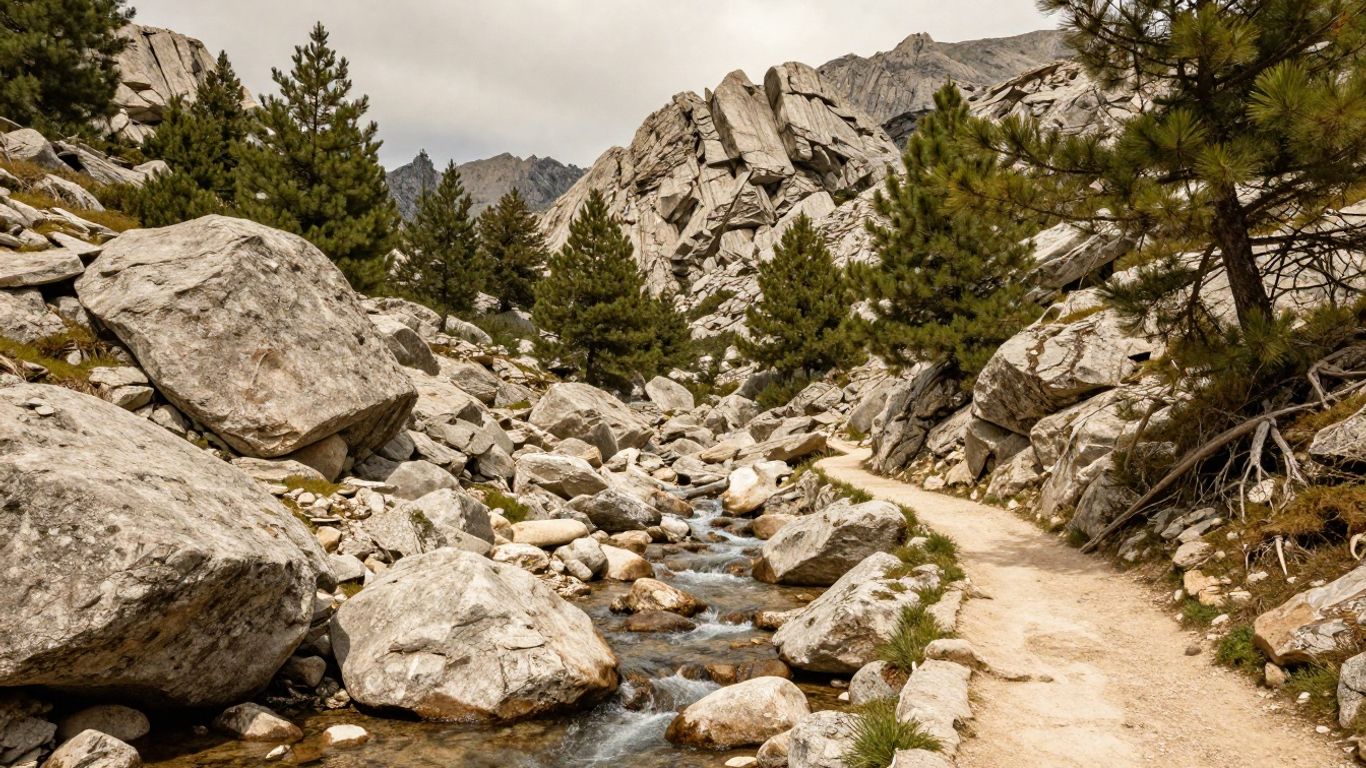
The Restonica Valley is known for granite scenery, clear streams, pine-covered slopes, and trails that lead toward higher terrain. Some walks are suitable for a half day, while others involve sustained climbs and rough surfaces. Access arrangements can change during busy periods, so confirm road conditions and any shuttle or parking rules before setting out.
Lakes Melo and Capitello for experienced hikers
The routes to Lakes Melo and Capitello are among the better-known mountain outings near Corte. They involve steep sections, uneven rock, and exposure in places, making them more appropriate for experienced hikers who are comfortable with changing conditions. Start early, carry sufficient water, and allow extra time for descents, which can be slower than expected.
The Tavignano Valley and longer walking routes
The Tavignano Valley offers a quieter alternative to the more heavily visited Restonica approach. Its longer routes pass through a rugged landscape where shade, water, and mobile coverage may be limited. Hikers should treat the valley as a serious day outing, even when the initial path seems straightforward.
Swimming, canyoning, and other warm-weather activities
Mountain pools and streams can be inviting during hot weather, but water temperatures and currents vary. Canyoning should be undertaken with qualified local operators who understand current conditions and the technical demands of the route. For casual visitors, a short riverside walk and a careful swim in a permitted area may be a better choice than an improvised adventure.
Trail conditions, permits, and mountain safety
Before leaving town, check weather forecasts, access notices, and current advice from local authorities or visitor services. Conditions can change after storms, and a route that is comfortable in dry weather may become slippery or unsafe after rain. Basic preparation remains essential: tell someone your plan, carry a charged phone, and turn back when the terrain or visibility no longer feels manageable.
Eating and staying in Corte
Corte’s food scene reflects the island’s mountain interior, with menus shaped by pastoral products, chestnuts, herbs, and seasonal cooking. Accommodation ranges from practical central rooms to quieter properties near the valleys. Booking early is sensible in summer, especially if you need parking or want to stay close to a particular trail approach.
Corsican specialties to try in local restaurants
Look for dishes built around brocciu, chestnuts, local cured meats, beans, and slow-cooked game when available. Menus change with the season, so a small restaurant’s daily special may offer a more representative meal than a familiar tourist staple. Ask about ingredients if you have dietary requirements, since recipes and terminology can vary between establishments.
Regional cheeses, charcuterie, chestnuts, and wines
Corsican cheeses and charcuterie are natural choices for a light meal or shared plate. Chestnuts appear in flour, desserts, breads, and savory preparations, while local wines provide useful contrasts between inland and coastal styles. Markets and small food shops are good places to assemble provisions for a hike, but carry food away from town only when you can store it safely.
Choosing between hotels, guesthouses, and apartments
Hotels suit short stays when you value reception services and a central location. Guesthouses can offer a more personal introduction to local routines, while apartments work well for families or travelers planning several nights. Compare cancellation terms, parking, kitchen access, and walking distance rather than choosing on room price alone.
Where to stay for historic-center access or outdoor excursions
Staying in the center makes evening meals, museums, and old-town walks easy, but parking may be limited and streets can be steep. Accommodation closer to the Restonica Valley offers quicker access to outdoor activities but may require a vehicle for shopping and town visits. Match the location to your daily priorities, since a few extra minutes of driving can save repeated uphill walks with equipment.
Practical advice for a Corte Corsica guide
A practical Corte Corsica guide should account for the difference between town travel and mountain travel. Weather, opening hours, road access, and transport schedules can all affect a plan that looks simple on paper. Keep a little flexibility, and confirm time-sensitive details locally rather than relying only on old itinerary notes.
What to pack for changing mountain weather
Even in summer, temperatures can drop quickly at altitude or after sunset. Pack layers, sun protection, sturdy footwear, and a light waterproof shell for day trips. A small first-aid kit, reusable water bottle, offline maps, and a headlamp are useful additions for longer walks.
Parking, opening hours, and seasonal access restrictions
Parking in the old center can be difficult, and some mountain roads or trailhead areas may have seasonal restrictions. Museums, churches, and shops may also use shorter schedules outside peak months. Check official or local sources on the day before visiting, then arrive early when access is limited.
Managing costs for transport, attractions, and meals
Corte can fit different budgets, but mountain excursions may add costs for fuel, parking, guides, equipment, or transport. Museum admission and town sightseeing are generally easier to estimate than a full outdoor day. A modest daily allowance for groceries and picnic supplies can reduce the need for expensive meals when a hike takes longer than planned.
When preparing a budget, account for these often-overlooked items:
- Parking or shuttle fees near popular valleys.
- Extra fuel for slow, winding mountain routes.
- Guided activities that require specialist equipment.
- Higher accommodation prices during July and August.
These costs are manageable when included from the beginning. Comparing a central room with a valley stay is also more meaningful when transport and meals are added to the nightly rate.
Responsible travel in Corsica’s protected landscapes
Stay on marked paths, take all waste with you, and avoid disturbing livestock or wildlife. Do not collect plants, stones, or historical objects, and use established swimming areas where guidance is provided. Respecting quiet villages and limiting vehicle congestion helps preserve the inland character that draws visitors to Corte.
Building day trips from Corte
Corte’s central position makes it possible to explore several parts of inland Corsica without changing base. Some day trips are best by train, while others require a car and a willingness to spend hours on winding roads. Choose one direction at a time, and avoid combining distant valleys simply because they appear close on a map.
Venaco and the scenic interior railway
Venaco lies along the railway corridor south of Corte and makes a natural excursion for travelers interested in mountain villages and slower transport. The regional train offers changing views of forests, ravines, and upland settlements. This scenic railway route can be especially appealing when you want a day away from driving.
The Niolu region and mountain villages
The Niolu region leads into a highland area known for mountain villages, rugged scenery, and a strong pastoral tradition. Roads are winding and distances take time, so the journey itself should be treated as part of the day rather than a short transfer. Stop respectfully, keep an eye on weather conditions, and allow enough daylight for the return route.
Calacuccia, Corsica’s highland landscapes, and nearby passes
Calacuccia and the surrounding uplands offer broad mountain views, reservoirs, and routes through some of central Corsica’s more open landscapes. Nearby passes can be striking, but visibility and road conditions vary by season. This is a good choice for travelers who prefer scenic driving and village stops to a single strenuous hike.
Combining Corte with Ajaccio, Bastia, or the coast
Corte pairs naturally with Ajaccio or Bastia as part of a wider island itinerary. It can also serve as a transition between coastal stays, but allow more time than a simple point-to-point map estimate suggests. For a longer route, place Corte between coastal sections and keep at least one buffer period for weather, delayed transport, or an unplanned village stop.
Conclusion
Corte offers a practical way to experience Corsica’s history, mountain scenery, and inland food culture in one compact stay. With time for the citadel, a thoughtful choice of valley outing, and realistic planning for roads and weather, the town becomes more than a stop between coasts: it is a rewarding base for understanding the island’s interior.
Frequently Asked Questions
Is Corte worth visiting in Corsica?
Yes. Corte combines a distinctive historic center with easy access to mountain valleys, making it worthwhile for both cultural travelers and outdoor enthusiasts.
How long should I stay in Corte?
One night is enough for a quick town visit, but two or three nights are better if you want to include a valley excursion or hiking day.
Can I visit Corte without renting a car?
Yes, especially if you focus on the historic center and use the railway or local transport. A car provides more flexibility for remote trailheads and villages.
What is the best time to hike near Corte?
Late spring, early summer, and early fall can offer favorable conditions, although exact trail access and weather vary with altitude and recent conditions.
Are the Restonica Valley trails suitable for beginners?
Some lower valley walks are accessible to casual walkers, while routes toward higher lakes are steeper and rockier. Choose according to experience, fitness, and weather.
What food should I try in Corte?
Look for brocciu, Corsican cheeses, charcuterie, chestnut-based dishes, seasonal vegetables, and regional wines.
Is Corte a good base for a Corsica road trip?
Yes. Its central position makes it useful for linking mountain villages, railway journeys, and selected coastal destinations, provided you allow enough time for winding roads.


