

The best lesser-known châteaux in France that aren’t Versailles

Everyone knows Versailles. It’s huge, it’s famous, and it’s packed with people. But France has so many other amazing castles, or châteaux, that don’t get as much attention. If you’re looking for a trip that feels a bit more personal and less crowded, these lesser known châteaux France visit spots are perfect. They offer a real glimpse into history without the massive tour groups. Let’s check out some of these hidden gems.
Key Takeaways
- Fontainebleau offers a mix of royal history and a beautiful forest for outdoor activities.
- Chantilly boasts impressive art collections and the famous Crème Chantilly.
- Château de Vincennes is a historic fortress with the tallest medieval keep in Europe.
- Champs-sur-Marne features elegant neoclassical architecture and lovely gardens.
- Écouen provides a look into Renaissance art and decorative arts within its walls.
1. Fontainebleau
Fontainebleau is one of those places I keep going back to, and honestly, it never gets old. It’s a royal palace, sure, but it feels so much more lived-in than some of the other grand estates around Paris. Built way back in the 12th century, it’s seen a lot of French history unfold within its walls. What really struck me the first time I visited was the sheer scale of it, and how it’s been a favorite for so many kings over the centuries.
One of the absolute must-sees is the Galerie François Ier. It’s this incredible long hall, and it really reminded me of the Hall of Mirrors at Versailles, but with its own distinct Renaissance flair. The walls are covered in these amazing frescoes with Italian influences, telling stories from Greek mythology and showing off the king’s good qualities. It’s just stunning.
Beyond the opulent interiors, you can explore the apartments of Napoleon, which is pretty fascinating. He really loved Fontainebleau, and seeing his personal spaces gives you a different perspective on the man. And then there’s the Courtyard of the White Horse, where he famously said goodbye to his Imperial Guard before his exile. It’s a spot that really makes you pause and think.
Fontainebleau isn’t just about the palace itself; the surrounding forest is a huge part of its appeal. It’s a massive area, perfect for a break from the castle walls.
The gardens are also a big draw, and they’re quite different from Versailles – more intimate, perhaps. I always recommend visiting on a weekday if you can. Weekends can get busy with families from Paris, and it’s much more peaceful when you have more space to wander.
Where to Stay
While you can certainly do Fontainebleau as a day trip from Paris, I actually prefer staying nearby. The town of Fontainebleau itself has some charming hotels and guesthouses. You can find anything from boutique hotels to more budget-friendly options. Staying overnight lets you explore the forest at a more relaxed pace or even catch a sunset over the palace grounds. It makes the whole experience feel less rushed.
- Getting there: A direct train from Gare de Lyon in Paris will get you to Fontainebleau-Avon station in about 40 minutes. From there, a local bus takes you right to the château. It’s a pretty straightforward journey.
- Best time to visit: Weekdays are definitely best to avoid the crowds. Spring and autumn offer pleasant weather for exploring the gardens and the forest.
- Don’t miss: The Galerie François Ier, Napoleon’s apartments, and a walk through the gardens. If you have time, the Forest of Fontainebleau is incredible for nature lovers and even rock climbers.
2. Chantilly
When I first visited Château de Chantilly, I was struck by how it felt like a secret whispered among art lovers. It’s located just north of Paris, making it a surprisingly easy escape from the city bustle. Unlike the overwhelming crowds at Versailles, Chantilly offers a more intimate experience with French aristocratic life and art.
The Musée Condé, housed within the château, boasts one of the most impressive art collections outside of the Louvre. I spent hours just admiring the paintings – works by Raphael, Botticelli, and countless others are displayed with such care. It’s a testament to the Condé family’s refined taste. The château itself is beautiful, reflected perfectly in the water surrounding it, and the sheer scale of the place is impressive.
Beyond the art, the grounds are spectacular. The gardens, designed by the same landscape architect as Versailles, André Le Nôtre, are vast and meticulously kept. I particularly enjoyed wandering through the different garden styles, from formal French designs to more relaxed English-inspired landscapes. It’s a place where you can truly lose yourself for an afternoon.
One of the absolute highlights for me, though, has to be the Grand Stables. These aren’t just any stables; they are a magnificent architectural feat in themselves, built to house hundreds of horses. Today, they host the Living Museum of the Horse, which offers fascinating insights into equestrian history and culture. Seeing the horses in their element was quite something.
And of course, no visit to Chantilly is complete without trying the famous crème Chantilly. It’s richer and more flavorful than regular whipped cream, and tasting it here, where it originated, feels like a delicious piece of history. I highly recommend ordering it with a pastry!
Getting there:
- By Train: The easiest way is to take a train from Paris Gare du Nord to Chantilly-Gouvieux station. The journey is quick, usually around 25 minutes, and trains are frequent.
- From the Station: From Chantilly-Gouvieux, it’s about a 20-minute walk or a short taxi/bus ride to the château.
Where to Stay:
While Chantilly is a popular day trip, staying overnight allows for a more relaxed exploration. There are several charming hotels in the town of Chantilly itself, offering easy access to the château and its grounds. For a more luxurious experience, consider a hotel in the nearby countryside, which often provides a tranquil escape.
3. Château De Vincennes
Just a stone’s throw from the heart of Paris, easily reachable by Metro Line 1, lies the Château de Vincennes. It’s easy to miss this one if you’re just looking for the typical gilded palaces, but I always find myself drawn back here. It started life as a medieval fortress, and you can really feel that history when you’re there. The massive keep, or ‘donjon’, is seriously impressive – it’s the tallest medieval fortified structure in Europe, standing at a whopping 52 meters (170 feet). Standing at the base and looking up, or peering down into the old moat, it’s like stepping back centuries. It’s a different vibe from Versailles, much more about raw power and defense, but equally fascinating.
When I visit, I usually focus on a few key areas:
- The Donjon: Definitely climb to the top if you can. The views are great, and you get a real sense of the scale of the place.
- The Sainte-Chapelle: Don’t confuse it with the one in Paris! This chapel inside Vincennes is stunning, with beautiful stained glass.
- The Ramparts: Just walking along the defensive walls gives you a sense of its military past.
It’s a place that feels solid and enduring. You can spend a good few hours here without feeling rushed, especially if you combine it with a stroll in the adjacent Bois de Vincennes park.
Vincennes offers a tangible connection to France’s medieval past, a stark contrast to the later royal opulence found elsewhere. Its imposing architecture speaks of power and strategic importance, making it a compelling historical site.
Where to Stay: Since it’s so close to Paris, most people make it a day trip. However, if you wanted to stay nearby, you’d find plenty of hotel options in the eastern arrondissements of Paris itself, or in the suburbs just beyond the Périphérique ring road.
4. Champs-Sur-Marne
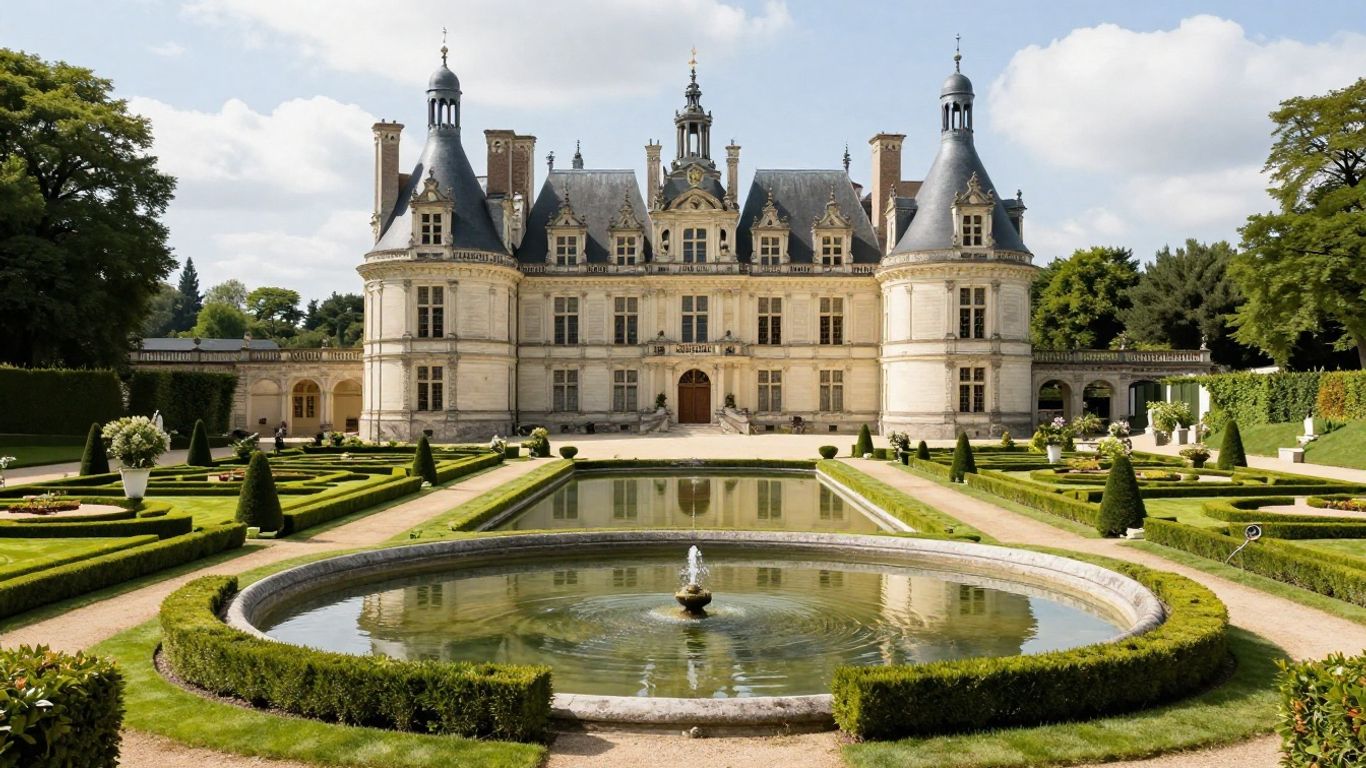
Champs-sur-Marne is a bit of a hidden gem, tucked away just east of Paris. I’d heard about it, but honestly, it wasn’t high on my list until I actually went. It’s not a sprawling palace like Versailles, and it wasn’t a primary royal residence, but that’s part of its charm. It’s a beautiful neoclassical building with some lovely Rococo touches inside.
What really captured my attention, though, were the gardens. I could have spent an entire afternoon just wandering through them. They’re beautifully maintained and offer a peaceful escape from the city bustle. It’s the kind of place where you can just stroll, clear your head, and appreciate the landscaping.
The real highlight for me was the sheer tranquility of the grounds. It felt like a personal retreat rather than a major tourist attraction. If you’re looking for a château experience that’s less crowded and more intimate, this is definitely one to consider.
Visiting Champs-Sur-Marne
- Getting There: It’s quite accessible, usually a straightforward journey from Paris by public transport. Check train schedules from Gare de Lyon, as it’s a common route.
- What to See: Beyond the main building, dedicate ample time to the gardens. There are different sections, each with its own character.
- Best Time to Visit: Weekdays are generally quieter than weekends, giving you more space to enjoy the gardens.
This château offers a different kind of French elegance, one that feels more personal and less performative than some of the grander estates. It’s a place to slow down and appreciate the details.
Where to Stay
Since Champs-sur-Marne is so close to Paris, many visitors make it a day trip. However, if you wanted to stay in the area, you’d find charming local hotels and guesthouses in the surrounding towns. For a more extensive stay with a vibrant atmosphere, consider exploring options in the nearby Chartrons neighborhood in Bordeaux, though that would be a separate trip entirely. For this specific visit, staying in Paris and taking a day trip is the most practical approach.
5. Écouen
When I first visited the Château d’Écouen, I was struck by how it felt like stepping directly into the Renaissance. It’s not as grand as some of the more famous palaces, but that’s part of its charm. Built in the 16th century, it now houses the National Museum of the Renaissance, and it’s packed with incredible art, tapestries, and stained glass.
One of the most interesting things I learned there was about how artists depicted historical and biblical scenes. They often dressed the figures in contemporary Renaissance clothing, which was apparently a way to make the stories feel more relevant to the people looking at them. It’s a fascinating insight into how art was used back then.
The collection of Renaissance art and artifacts here is truly impressive, offering a deep look into the period.
Here are a few things that really stood out to me:
- Paintings: You’ll find works that showcase the evolving styles and techniques of the era.
- Tapestries: The sheer scale and detail of the tapestries are breathtaking, telling stories through thread.
- Stained Glass: The vibrant colors and intricate designs of the stained glass windows are a sight to behold.
If you’re interested in Renaissance history or art, Écouen is definitely worth the trip. It’s a more intimate experience than some of the larger, more crowded sites, allowing you to really appreciate the details.
The château’s architecture itself is a beautiful example of Renaissance design, with elegant proportions and decorative elements that speak to the era’s artistic sensibilities.
Where to Stay:
Écouen is located just north of Paris. You can easily make it a day trip from the city. If you prefer to stay closer, there are charming small hotels and guesthouses in the town of Écouen itself, or you could base yourself in one of the northern suburbs of Paris for easy access.
6. Pompadour
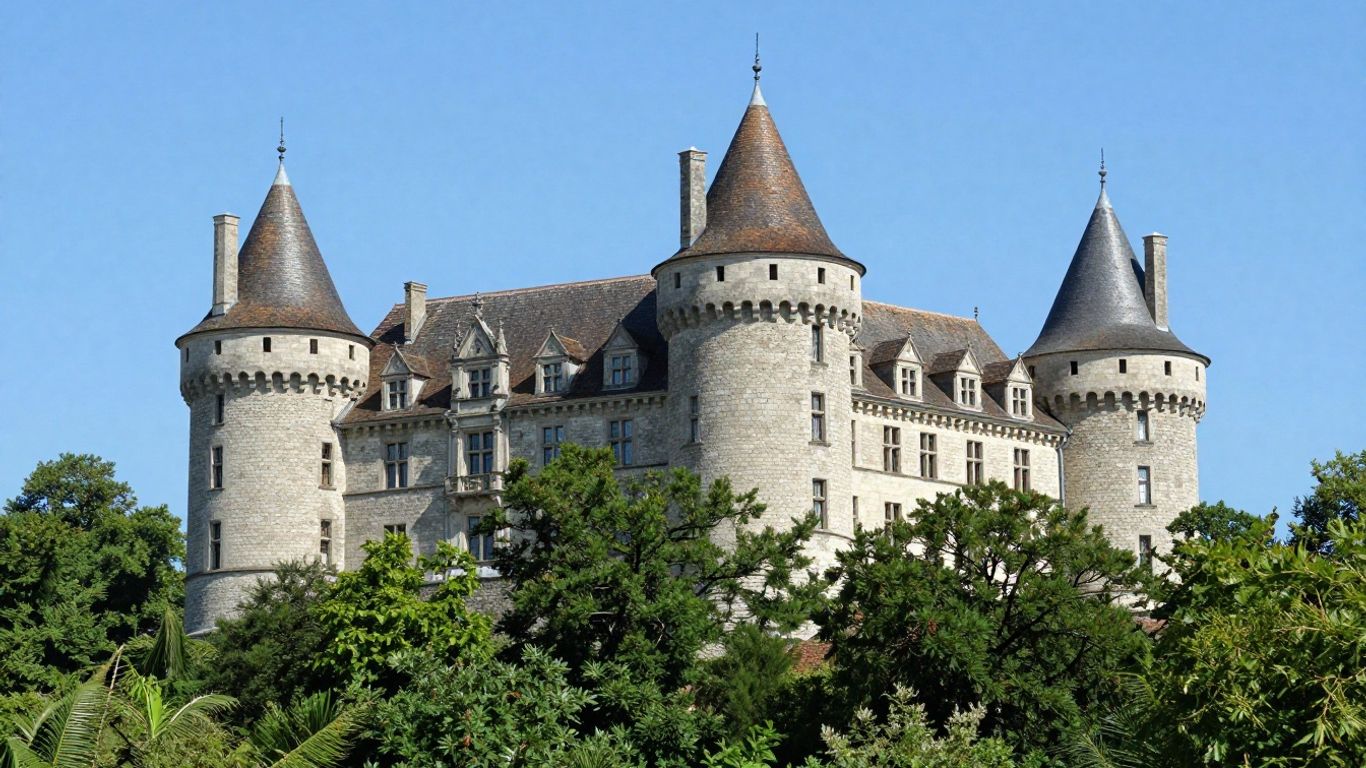
When I was driving through the Limousin region a few years back, I saw a sign for Arnac-Pompadour and the national stud farm, or ‘haras national’. My curiosity was piqued – a national stud farm sounded so uniquely French! I decided to take a detour, and I’m so glad I did. The Château de Pompadour itself is quite an imposing sight. It started out in the 14th century, and while it’s been changed a lot over the years, you can still see parts of the original defensive walls and some really old stables from the 16th century. The south wing is the only bit left from that original 14th-century structure that survived the revolution.
What makes this place extra special, though, is its connection to Madame de Pompadour, Louis XV’s famous mistress. You can tour some of the rooms that give you a feel for how important this place was back in its heyday. It’s a fascinating glimpse into a specific part of French history, tied to royalty and, surprisingly, horses.
Things to See and Do:
- Explore the Château: Wander through the remaining parts of the medieval fortress and see the 16th-century stables.
- Visit the National Stud Farm: Even if you’re not a horse expert, seeing the impressive facilities and perhaps some of the magnificent horses is a treat.
- Learn the History: Take the self-guided tour to understand the connection to Madame de Pompadour and King Louis XV.
The château’s history is deeply intertwined with the national stud farm, creating a unique atmosphere where history and equestrianism meet. It’s not just a castle; it’s a living piece of French heritage.
Where to Stay:
Arnac-Pompadour itself is a small village, so accommodation options are limited but charming. You’ll find a few local guesthouses and small hotels. For more variety, consider staying in nearby towns like Brive-la-Gaillarde or Uzerche, which offer a wider range of hotels and B&Bs. These larger towns are usually about a 30-45 minute drive away, making Pompadour a feasible day trip from a more central base. If you’re looking for a more rural experience, there are also gîtes (holiday cottages) available in the surrounding countryside, which can be lovely if you want to immerse yourself in the Limousin landscape. The Loire Valley region, while a bit further afield, offers many charming places to stay if you’re planning a broader tour of French castles.
7. Les Tours De Merle
When I first heard about Les Tours de Merle, the description "a gated community for medieval nobles" immediately caught my attention. And honestly, it lives up to the hype. Tucked away in the Corrèze region of southwest France, this isn’t just one château, but a cluster of seven distinct tower-houses, all within a fortified enclosure. It feels like stepping back into a very exclusive, very old neighborhood.
Driving up to it, the approach itself is part of the experience. The roads can be a bit winding, but the first glimpse of these stone towers rising from the landscape is pretty striking. I remember pulling over once, just to take it all in, and a local rider on a motorcycle stopped to ask what it was. When I explained, he just looked, took a breath, and said, "C’est magnifique." I couldn’t have put it better myself.
What makes Les Tours de Merle so interesting is the layout. You can see how different families or branches of a family lived here, each with their own fortified dwelling. It gives you a real sense of the period, the need for defense, and the social structure of the time. It’s not a grand, sprawling palace; it’s more intimate, more about the practicalities of life and defense for the nobility.
Visiting Les Tours de Merle
- Explore the different towers: Each tower has its own story and architectural nuances. Try to imagine life within these stone walls.
- Walk the grounds: The surrounding area is lovely, and you can get a good sense of the strategic location.
- Check opening times: Like many smaller historical sites, hours can vary, so it’s always best to check their official website before you go.
The sheer density of fortified structures within a single enclosure is what sets Les Tours de Merle apart. It offers a unique perspective on medieval living arrangements and the constant need for security among the upper classes.
Where to Stay:
Accommodation options are more likely to be found in nearby towns like Sarlat-la-Canéda or Brive-la-Gaillarde, which offer a range of hotels and charming guesthouses. For a more rural experience, look for ‘gîtes’ (holiday rentals) in the surrounding villages. These often provide a peaceful retreat after a day of exploring historical sites. If you’re interested in local produce and crafts, exploring markets in the area can be a real treat, similar to the vibrant spots you might find outside the city center of Paris.
8. Anjony
When I first visited Château d’Anjony, it felt less like a grand historical monument and more like stepping into someone’s very old, very well-preserved home. And that’s pretty much the point. Built way back in 1439, right after the Hundred Years’ War wrapped up, this place somehow dodged any major attacks. Even better, it’s been in the same family for over 600 years. You can really see that continuity – the furnishings are original, like the Aubusson tapestries showing a royal hunt, a Spanish travel chest, a grand piano, and even a cradle tucked away in a corner. It’s like a time capsule.
There’s also a bit of local drama attached to its history. Apparently, there was a long-standing feud between the Anjony family and another local family, the Tournemires. This went on for centuries and even led to a public duel in 1623. It adds another layer to the stories you can imagine within these walls.
The château’s intact state, thanks to its peaceful history and continuous family ownership, makes it a unique window into the past.
Where to Stay:
Since Anjony is in a more rural part of France, staying nearby means embracing the countryside. You’ll find charming guesthouses and small hotels in the surrounding villages. Look for places in towns like Mauriac or Riom-ès-Montagnes for a good base. Booking ahead is usually a good idea, especially if you’re visiting during peak season.
- Charming B&Bs: Many offer a taste of local life and home-cooked meals.
- Small Rural Hotels: Simple, comfortable, and often family-run.
- Gîtes: Self-catering cottages are great if you want more independence.
Visiting Anjony feels like you’ve been let in on a secret. It’s not about massive ballrooms or sprawling gardens; it’s about the intimate details of a family’s life through the ages, preserved remarkably well.
9. Chavanniac
Chavanniac might not be as grand as some of the more famous French châteaux, but it holds a special place in history as the birthplace of the Marquis de Lafayette. Visiting here feels like stepping into a more personal, less ostentatious past. It’s located in a part of France that still feels quite wild and sparsely populated, which adds to its charm.
When I visited, the château offered informative panels detailing Lafayette’s life, his significant role in the American Revolution, and his later interests, including his commitment to abolishing slavery. It’s a more rustic setting compared to the opulent palaces up north, but it has a comfortable, lived-in feel that many grander estates lack. It’s a place that truly connects you to a pivotal figure in both French and American history.
Visiting Chavanniac
- Focus on Lafayette: The exhibits are centered around his life and achievements.
- Appreciate the Setting: The surrounding landscape is part of the experience, offering a glimpse into the region where he grew up.
- Understand its Significance: While not a sprawling palace, its historical importance is immense.
Chavanniac offers a unique perspective on a historical figure, set against the backdrop of a less-traveled, beautiful region of France. It’s a quiet but impactful visit.
Where to Stay
Given its more remote location, accommodation options are typically found in nearby towns. You might look for charming guesthouses or small hotels in the surrounding Auvergne region. Booking in advance is a good idea, especially if you’re visiting during peak season. The Occitanie region offers a growing number of unique stays and local experiences, which could be a good starting point for exploring the wider area.
10. Tournoël
When I first heard about Tournoël, it was described as a ruin, a bit of a forgotten place. Back in the late 90s, when I first moved to the Auvergne region, it was exactly that – a pile of rubble that you could see from the road, perched on a hill. It was intriguing, though, sitting there overlooking the landscape near Clermont-Ferrand. I remember thinking, ‘What’s the story there?’
Well, I’ve been back a few times since then, and it’s honestly incredible to see the change. The chateau has been brought back to life and is now a private home, but the owners have done a fantastic job of preserving its history while making it livable. It’s not a museum in the traditional sense, but visiting feels like stepping back into a very real past. You can really get a sense of the tough times it’s been through, like sieges during the Hundred Years’ War and battles between Protestants and Catholics.
What I really appreciate about Tournoël is its setting. It’s surrounded by the natural beauty of the Massif Central, not far from the famous Puy de Dôme. It feels wilder here, less manicured than some of the more famous châteaux. It’s a good spot to explore if you’re interested in the history of the region and want to see something that feels authentic.
Visiting Tournoël
- Check opening times: Since it’s a private home, access can be limited. It’s best to check their official website or local tourist information before you go.
- Combine with local sights: The area around Tournoël is rich with history. Consider visiting the nearby village of Charroux, often called one of France’s most beautiful villages.
- Wear comfortable shoes: The terrain around the chateau can be uneven, especially if you decide to explore the grounds a bit.
Where to Stay
Given its location, staying in a smaller town or village nearby is your best bet. Clermont-Ferrand offers more hotel options, but for a more authentic experience, look for gîtes or chambres d’hôtes (bed and breakfasts) in places like Sayat or other villages in the Puy-de-Dôme department. This way, you can really soak in the atmosphere of the Auvergne region. If you’re exploring the local cuisine, you might find some amazing regional dishes, like hearty stews or local cheeses, which are a big part of the Auvergne food scene.
The transformation of Tournoël from a forgotten ruin to a cared-for home is a testament to the dedication of its current owners. It offers a unique perspective on French history, away from the usual tourist trails.
Beyond the Grandeur: Discovering France’s Hidden Châteaux
So, while Versailles certainly has its place in history and offers a dazzling spectacle, France is brimming with other châteaux that tell equally compelling stories without the overwhelming crowds. These lesser-known gems, from the historic halls of Fontainebleau to the charming grounds of Champs-sur-Marne, provide a more intimate glimpse into the country’s rich past. Venturing off the typical tourist path allows for a deeper connection with the architecture, the history, and the sheer beauty of these remarkable places. Next time you’re planning a trip, consider exploring these hidden treasures – you might just find your new favorite piece of French heritage.
Frequently Asked Questions
Why are these châteaux considered “lesser-known”?
These châteaux are considered lesser-known because they don’t attract the massive crowds that places like Versailles do. While they are beautiful and historically significant, they offer a more peaceful and intimate experience, allowing visitors to explore without feeling overwhelmed by tourists.
Are these châteaux easy to get to from Paris?
Many of these châteaux are located within a reasonable distance from Paris, often reachable by train or a short drive. Some, like Château de Vincennes, are even accessible via the Paris Metro. It’s always a good idea to check specific travel options and times before you plan your visit.
What kind of experiences can I expect at these châteaux?
You can expect a variety of experiences! Some offer stunning art collections, like Chantilly with its Musée Condé. Others, like Fontainebleau, combine historical interiors with beautiful natural surroundings like forests perfect for hiking. You’ll find medieval fortresses, elegant neoclassical palaces, and even places with unique histories tied to famous figures or national institutions.
Do I need to book tickets in advance?
It’s highly recommended to check the official website for each château before your visit. This will give you the most up-to-date information on opening hours, ticket prices, and whether advance booking is necessary, especially considering potential seasonal changes or special events.
Are these châteaux suitable for families?
Many of these châteaux offer engaging experiences for families. Whether it’s exploring vast gardens, learning about historical figures, or enjoying the natural landscapes, there’s usually something to capture the interest of different age groups. Some might have specific activities or tours geared towards younger visitors.
What is the best time of year to visit?
Spring and autumn often provide pleasant weather for exploring both the interiors and exteriors of the châteaux and their grounds. Summer can be lovely but also busier. Visiting on weekdays, especially outside of peak holiday times, can help you avoid larger crowds at most locations.
Can I visit multiple châteaux in one day?
Depending on their location relative to each other and to Paris, it might be possible to visit two châteaux in a single day. However, to truly appreciate each one without rushing, it’s often better to dedicate a full day to one or two significant sites, especially if they are further from Paris or have extensive grounds to explore.
What should I bring with me when visiting?
Comfortable walking shoes are a must, as you’ll likely be doing a lot of exploring. Depending on the season, bring layers of clothing, sunscreen, and a hat. Don’t forget your camera to capture the beauty! If you plan on spending time in the gardens or surrounding areas, a small backpack with water and snacks can also be useful.


