

Languedoc Wine Tours: The Best Vineyard Visits from Montpellier to Carcassonne

Key Takeaways
This route links vineyard visits from Montpellier to Carcassonne, with room to adjust the pace to your interests. Bookings and opening arrangements can vary, so check directly with each estate before setting out.
- Start near Montpellier, then continue west toward Pic Saint-Loup and the Minervois.
- Pair vineyard visits with historic sites and the Canal du Midi.
- Leave time between tastings rather than trying to fit in too many stops.
- Ask about visit formats and appointment requirements in advance.
- Choose an overnight base that suits your route, not just one estate.
1. Château de Flaugergues for a vineyard visit in Montpellier
I like beginning a Languedoc wine trip close to Montpellier, where a vineyard visit can fit easily into a day that also includes the city. Château de Flaugergues offers a gentle introduction to the region’s wine-country character without requiring an immediate drive deep into the countryside. On my visit, I found it useful to think of this as a first stop: a chance to shift from urban streets to an estate setting and get oriented.
The contrast is part of the appeal. Rather than treating wine tasting as a stand-alone activity, I’d leave some breathing room for the surrounding Montpellier area and let the visit set the pace for the days ahead. Check the estate’s current visit options before you go, especially if you have a particular tasting or tour in mind.
For an overnight stay, I’d choose based on whether I wanted more time in the city or an early start toward the vineyards. This guide to places to stay in Languedoc can help compare Montpellier with countryside and other regional bases. In my experience, deciding where to sleep before planning each day makes the route feel less rushed.
2. Château Puech-Haut for contemporary winemaking near Montpellier
Château Puech-Haut makes a natural next stop for travelers exploring wine country near Montpellier. I’d approach it as a chance to see another side of the area, then compare the atmosphere and conversation with what I encountered at the first estate. That kind of contrast can make a short itinerary more memorable than simply collecting tastings.
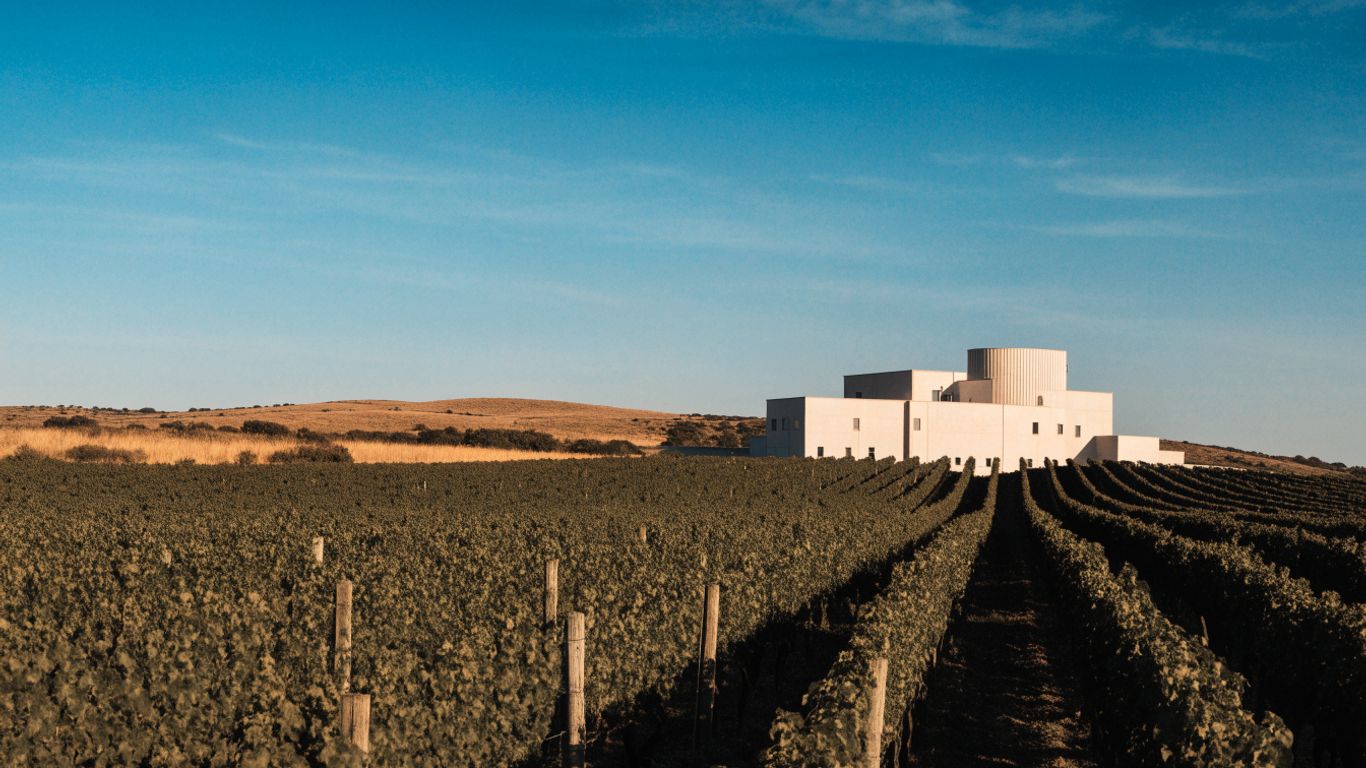
When I plan a visit, I leave room for the details that make an estate feel distinct: the setting, the way the host explains the wines, and the questions that come up while tasting. Ask in advance what is included and whether you need to reserve. Those small checks are particularly useful when you are fitting several visits into a broader trip.
I would avoid crowding this stop between a string of appointments. Give yourself time to listen, taste at a comfortable pace, and make notes while impressions are fresh. Even a simple record of what you enjoyed can help you spot the differences between estates as you travel farther into the Languedoc.
3. Domaine de l’Hortus for Pic Saint-Loup wines
At Domaine de l’Hortus, the focus turns toward Pic Saint-Loup, one of the defining wine areas on this route. I found that moving away from Montpellier changes the feel of the trip: the visit becomes part of a broader landscape journey, not just an easy city-side excursion. It is a good place to slow down and give the wines and their regional context your attention.
I recommend arriving with a little curiosity rather than a rigid list of expectations. Ask how the estate describes its wines and what local conditions shape them; a direct conversation can add texture to the tasting. I enjoy this kind of visit most when I’m not trying to compare every glass against a fixed idea of what the region should taste like.
Pic Saint-Loup is worth treating as a destination in its own right, rather than a quick stop on a long driving day. If you have time, plan a meal or a night nearby and let the area’s character settle in. That extra pause also makes it easier to appreciate how each estate brings a different perspective to the wider region.
4. Château de Lancyre for a taste of the Pic Saint-Loup terroir
Château de Lancyre gives the Pic Saint-Loup portion of the itinerary another point of comparison. I would not expect two visits in the same area to feel interchangeable; the value is in hearing how each producer speaks about its place and its approach. By this stage, I find it helpful to revisit notes from the previous tasting and notice what has changed in my impressions.
A tasting is more rewarding when the conversation is allowed to wander a little. I tend to ask which wines best express the estate’s identity and whether there is a particular order that makes sense to taste them. These are easy questions, but they can turn a brief stop into a clearer picture of what makes the visit distinctive.
If you are deciding between a second estate visit and more time exploring the area, consider your energy and the driving still ahead. I prefer fewer appointments with time to absorb them over a packed schedule. The Pic Saint-Loup section of a Languedoc trip works especially well when it has room for an unhurried afternoon.
5. Abbaye de Valmagne for wine tasting in a historic abbey
Abbaye de Valmagne brings a change of setting, pairing wine tasting with the atmosphere of a historic abbey. I found the contrast between the site’s long history and the present-day visit especially compelling. It gives the day a broader frame: wine is one part of a place that has been shaped by more than vineyards alone.
To make the most of a tasting in a historic setting, I like to arrive with a few simple intentions rather than a checklist. These habits help me stay attentive and leave room for the visit to unfold naturally:
- Check the current visit schedule before leaving.
- Ask whether a reservation is needed for the tasting.
- Take a moment to notice the historic surroundings between pours.
- Keep water and a modest pace in mind if visiting more than one estate.
That balance of practical preparation and openness works well here. The visit feels richer when I make time for both the wine and the abbey itself, rather than moving straight from one tasting to the next. It is also a reminder that the region’s stops can be as varied in character as the wines.
6. Château de Paraza for Minervois wines along the Canal du Midi
Château de Paraza makes a fitting stop as the route moves toward Minervois and the Canal du Midi. I like this part of the journey because it invites a different rhythm: vineyard time can sit alongside a day spent following the waterway or exploring nearby towns. For a broader sense of how to plan time around the canal, see this Canal du Midi trip guide.
A simple route comparison can help decide what kind of day to build around the visit. The table is not a timetable; it is a reminder to choose a focus and avoid asking one day to do everything.
| Trip focus | What to make time for | Planning thought |
|---|---|---|
| Wine visit | A relaxed estate appointment | Confirm visit details ahead of time |
| Canal-side day | Time by the waterway | Leave room for a slower pace |
| Combined outing | Wine and local sightseeing | Keep the number of stops modest |
I would use that choice to shape the rest of the day, rather than squeezing the estate between unrelated plans. When I combine a tasting with time along the canal, I make the tasting the anchor and keep the other activity flexible. That leaves space for delays, a longer conversation, or simply a pause to enjoy the surroundings.
7. Château Maris for biodynamic wines in La Livinière
Château Maris brings the itinerary into La Livinière, offering a chance to explore another distinctly named wine area within the Languedoc. I would go into the visit ready to ask how the estate describes its approach and what the team wants visitors to notice in the wines. A direct explanation is often more useful than arriving with assumptions based on a label or a broad regional description.
For me, the best winery visits are conversational. I taste, listen, and ask about the choices behind what is in the glass, while remembering that every estate has its own way of telling that story. Keeping my questions open helps me understand the visit on its own terms.
La Livinière also makes a good point in the trip to pause and take stock. By now, you may have visited several very different settings, and a quiet meal or an overnight nearby can help the day feel complete. I would rather carry a few clear impressions forward than rush on with a notebook full of hurried details.
8. Château de Pennautier for a visit near Carcassonne
Château de Pennautier is a useful stop as the journey approaches Carcassonne. I like to leave time here for both the estate visit and the surrounding area, rather than treating the destination as a final tasting before reaching the city. That approach gives the day a little more shape and keeps the drive from feeling like the only thing between stops.
A good overnight base depends on what you want from the next morning. Carcassonne can make sense if you want to spend time in the historic city, while a countryside stay may suit a slower vineyard-focused itinerary. I would compare travel time and the next day’s plans before booking; this Languedoc accommodation overview offers ideas across several kinds of bases.
On a trip that includes both wine and sightseeing, I try to avoid scheduling a late tasting followed by a long drive. Instead, I set the day’s endpoint first, then work backward to decide how much time to allow at the estate. It is a simple bit of planning, but it makes the visit feel less like a stop on a checklist.
9. Domaine Gayda for wine tasting near Limoux
Domaine Gayda extends the route toward Limoux, adding another perspective to a journey that has already crossed several parts of the Languedoc. I’d treat this stop as an opportunity to notice how the overall trip changes as the geography and itinerary shift. By the time I reach this point, I usually find that my palate and my questions have changed too.
Before booking, I would check what kind of tasting or visit is available and how much time to set aside. If you are traveling with someone who is less focused on wine, it can help to build the day around a shared meal or a nearby outing as well. A flexible plan keeps the visit enjoyable for everyone.
I also like to compare notes from Limoux with the earlier estates, without trying to declare one the winner. Each stop has its own context, and the most useful takeaway may be a style or conversation that surprised you. Leaving space for those surprises is part of what makes a multi-day wine route worthwhile.
10. O’Vineyards for a small-estate experience near Carcassonne
O’Vineyards offers a final stop near Carcassonne for travelers looking for a small-estate experience. I would keep this visit personal and unrushed, taking time to hear how the estate introduces its wines and what the hosts recommend tasting. After several days on the road, a quieter appointment can be a welcome way to bring the journey to a close.
At the final tasting, I like to look back at the route as a whole. The best memories are often not just particular wines, but the differences between settings: city-side vineyards, Pic Saint-Loup, a historic abbey, the Canal du Midi, and the countryside around Carcassonne. That range is what gives these languedoc wine tours their character.
Before you leave, make sure the last visit fits your transport plans and your remaining time. If you are driving, decide in advance who will taste and who will drive, or arrange another way to get around. Ending with practical details in hand lets the last stop feel like a proper farewell rather than a rushed departure.
Conclusion
From Montpellier to Carcassonne, this route brings together vineyard visits, historic places, and distinctive landscapes across the Languedoc. I would plan it around a handful of well-spaced appointments, confirm each visit in advance, and leave room for the parts of the journey that cannot be scheduled: a good conversation, an unexpected favorite, or a slower afternoon by the canal.
Frequently Asked Questions
How many days should I plan for Languedoc wine tours?
The right length depends on how many estates you want to visit and how much time you want for towns and scenery. Several days make it easier to travel at a comfortable pace instead of stacking appointments.
Do I need to book winery visits in advance?
It is wise to check directly with each estate before visiting. Opening hours, tasting formats, and reservation requirements can vary.
Is a car useful for visiting vineyards in the Languedoc?
A car can make it easier to connect rural stops, but plan ahead for safe transport after tastings. You can also build a trip around fewer locations or arrange transportation for specific days.
Can I combine wine tasting with a Canal du Midi visit?
Yes, the canal can fit naturally into a regional itinerary. Allow enough time for both activities, and keep the day’s schedule flexible.
What is a good base for a vineyard trip?
Choose a base according to the places you plan to visit and whether you prefer city amenities or a quieter countryside stay. Comparing the route before booking helps avoid unnecessary driving.
What should I ask during a wine tasting?
Ask about the wines being poured, how the estate describes its approach, and which bottle best conveys its identity. Open-ended questions tend to lead to useful conversation.
How can I pace several tastings in one trip?
Keep the number of appointments modest, leave time between them, and drink water as you go. A slower schedule makes it easier to enjoy each visit and travel safely.


