
Beyond the Abbey: The Best Things to Do Near Mont Saint Michel in Normandy

Key Takeaways
Mont Saint-Michel is best used as a base for exploring the surrounding Normandy and Brittany landscapes, not as the only stop on the itinerary.
- Walk the bay only with qualified local guidance and suitable tide information.
- Use Pontorson and nearby villages for practical dining, transport, and overnight options.
- Add medieval towns, museums, castles, and coastal scenery to your route.
- Plan seafood stops in Cancale and coastal walks around Granville.
- Leave time for slower travel through the countryside and smaller villages.
1. Walk across Mont Saint Michel Bay with a local guide
A bay crossing changes the way you understand Mont Saint-Michel. From the sand and shallow channels, the mount appears less like an isolated monument and more like the center of a wide tidal landscape. The view shifts constantly as water, mudflats, sky, and reflections alter the shape of the horizon.
This is not a walk to attempt independently. Quicksand, changing channels, and incoming tides make local knowledge essential, so book a qualified guide and follow the day’s safety advice. A guided bay walk can also help you choose a route suited to your fitness, footwear, and available time.
Wear shoes that can get wet and dirty, and avoid carrying anything you cannot keep secure. The experience is physical, but the pace is usually deliberate, with pauses to explain the bay’s geography and wildlife. For travelers researching things to do near mont saint michel normandy, this is one of the most distinctive experiences in the area because it puts the tides at the center of the visit.
2. Explore the village of Pontorson
Pontorson is a useful mainland base for a Mont Saint-Michel itinerary, especially if you prefer ordinary town amenities to staying directly beside the monument. Its streets, cafés, shops, and restaurants give the trip a more local rhythm, while its position makes it convenient for arranging visits around the bay. It is also a sensible place to pause before or after a full day of walking.
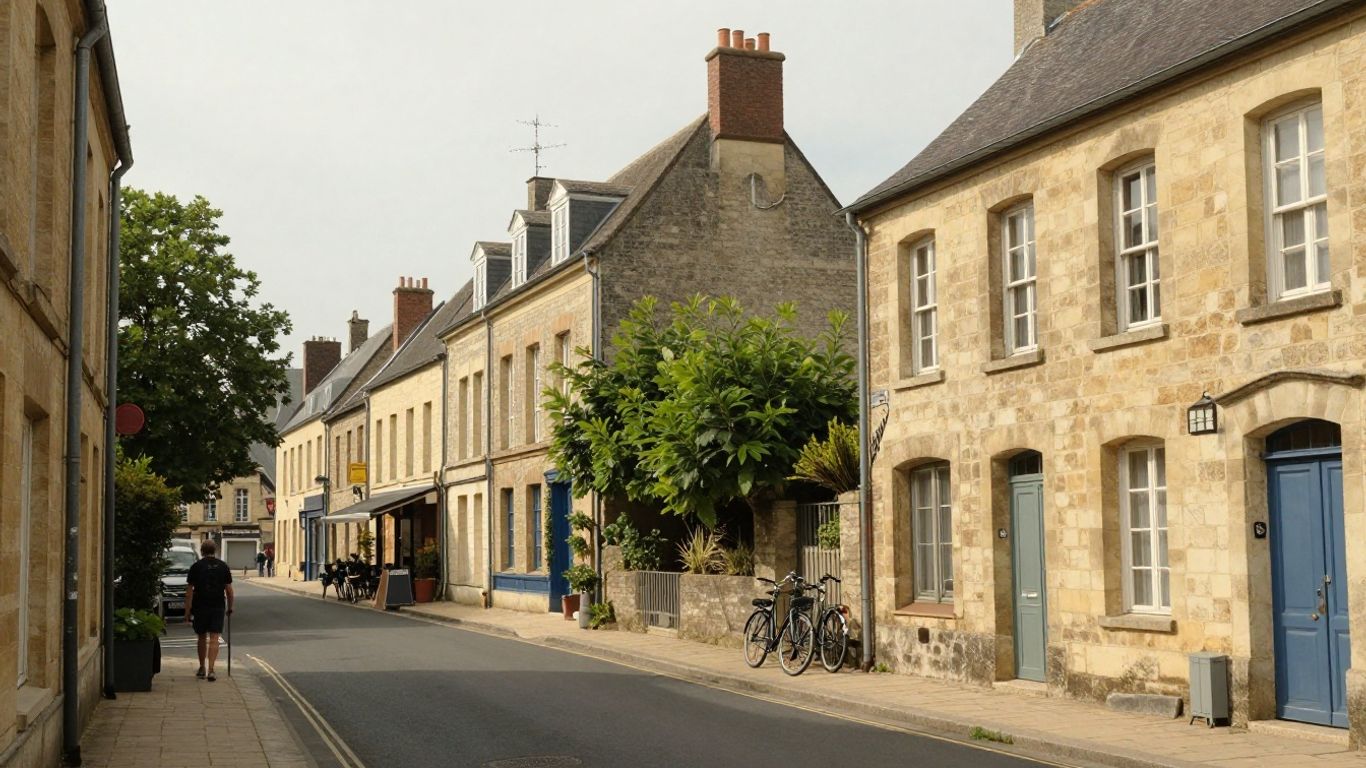
Use the town as a planning point rather than treating it as merely a place to sleep. Check transport connections, confirm opening times for nearby attractions, and allow extra time for seasonal changes. Travelers comparing options can review places to stay near Mont Saint-Michel when deciding between the island, Pontorson, Beauvoir, and other mainland locations.
Pontorson is particularly helpful for visitors traveling by car, since mainland accommodation often makes parking and luggage easier. It also suits a slower itinerary: spend the morning at the mount, return for lunch, and use the afternoon for a short countryside drive. The town may not have the dramatic silhouette of the abbey, but it supports a more manageable visit.
3. Visit the Scriptorial d’Avranches
Avranches offers a useful change of pace after the open spaces around Mont Saint-Michel. The Scriptorial, a museum devoted to manuscripts, brings attention to the written heritage associated with Mont Saint-Michel and medieval Normandy. Its collections and displays make the region’s intellectual history easier to understand than a quick walk through a historic street can.
Allow enough time to read the explanations instead of treating the museum as a brief rainy-day stop. Manuscripts are delicate objects, and the atmosphere is necessarily quiet and controlled. The visit works well for travelers who enjoy history, design, and the physical details of books, from handwriting and illumination to bindings and preservation.
Discover France Beyond Paris takes a practical approach to regional travel, and Avranches fits that perspective well: it is an accessible cultural stop that broadens the itinerary beyond the most photographed landmark. Pair the museum with a walk through the town and a view toward the bay, then continue only when you are ready rather than rushing between attractions.
4. Discover the medieval town of Dol-de-Bretagne
Dol-de-Bretagne is a compact historic town with a strong medieval character and a street plan that rewards wandering. Stone buildings, older façades, and the cathedral give the center a sense of depth, while the quieter pace makes it easier to notice architectural details. It is a good stop for travelers who want history without spending another full day in a major attraction.
The cathedral is the obvious anchor, but do not limit the visit to one building. Walk through the surrounding lanes, look for traditional construction details, and take a break at a café before continuing. Small towns often reveal themselves gradually, and Dol is more enjoyable when you leave space for an unplanned turn or a longer lunch.
Dol-de-Bretagne also helps connect the Normandy side of the bay with eastern Brittany. It can be visited as a day trip or included on a route toward Saint-Malo and Cancale. Check local opening hours in advance, particularly outside the busiest travel months, when some smaller museums and heritage sites may operate on reduced schedules.
5. Climb Mont Dol for panoramic views
Mont Dol is a modest rise in the landscape, but its position gives it an appealing outlook over the surrounding countryside and toward the bay. The climb is far less demanding than a major mountain hike, making it a practical addition for travelers who want a viewpoint without committing to a strenuous excursion. On a clear day, the broad horizon is the main reward.
Bring water and shoes with a reasonable grip, especially after wet weather. The summit area is best enjoyed slowly, with time to look across fields, villages, and distant coastal edges. Weather can change quickly in this part of France, so a jacket is useful even when the morning begins bright.
Mont Dol is also a reminder that good views do not always require a famous attraction. It pairs naturally with Dol-de-Bretagne, allowing you to combine a historic town with open countryside in one outing. If the sky is hazy, the walk still offers a quiet break from busy visitor routes and a chance to see the region at a gentler scale.
6. Tour the château of Fougères
The château of Fougères is one of the strongest reasons to extend a Mont Saint-Michel trip into Brittany. Its towers, walls, and defensive setting convey how medieval power was built into the landscape. Rather than presenting history as a single polished façade, the fortress lets you move through spaces shaped by defense, occupation, and centuries of change.
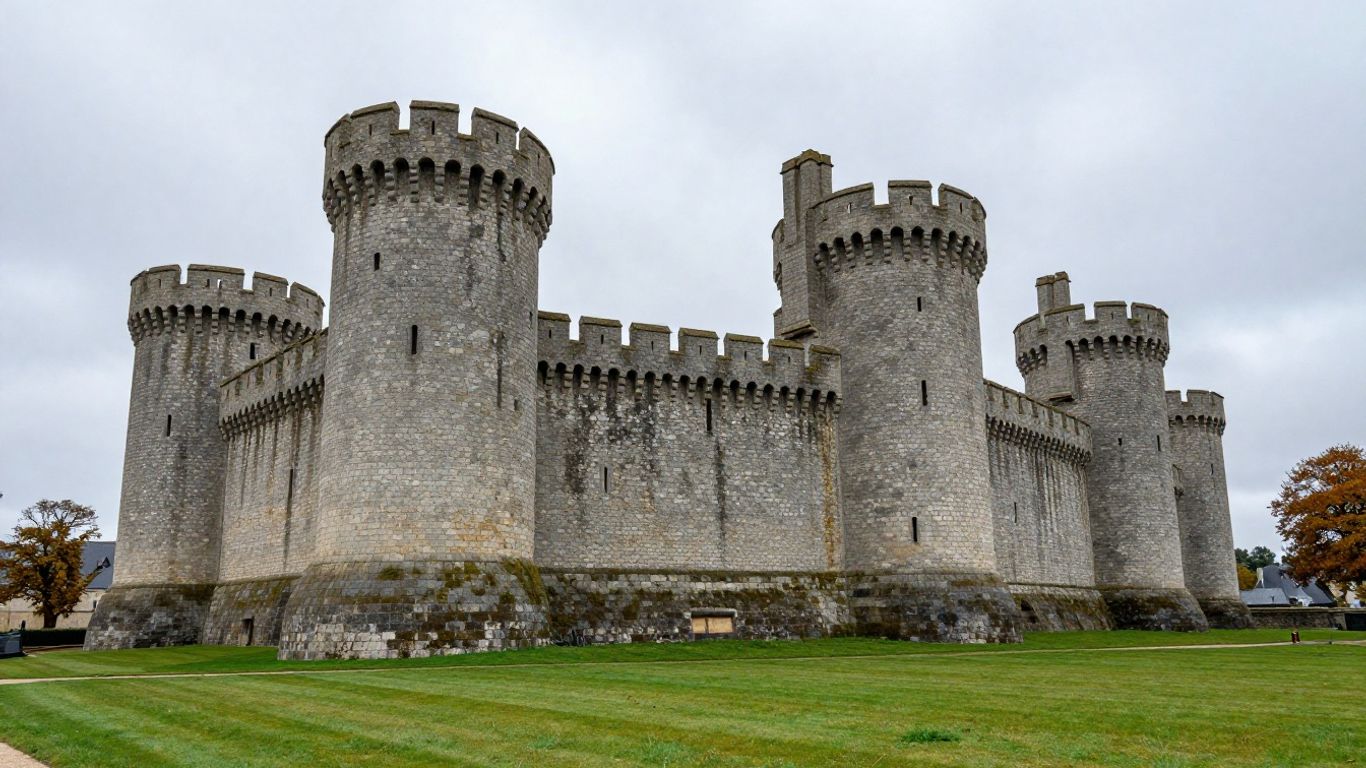
Wear comfortable shoes, since a castle visit involves uneven surfaces, stairs, and plenty of standing. Read the site information as you go, but also take time to observe how the towers relate to one another. The scale becomes clearer from different angles, especially when you step back and view the fortress from the surrounding town.
Fougères deserves several hours if you want more than a quick photograph. Add time for the historic center and a meal, and check current admission details before setting out. The town makes a worthwhile contrast with the bay: Mont Saint-Michel is shaped by water and pilgrimage, while Fougères presents a more direct lesson in medieval fortification.
7. Spend a day in Saint-Malo
Saint-Malo is an easy choice for a full coastal day, with a walled old town, maritime history, and broad views across the water. Walking the ramparts gives you several perspectives at once: the dense historic streets behind you, harbor activity below, and changing sea conditions beyond the walls. It is a place where a simple walk can occupy much of the morning.
Allow time to leave the ramparts and explore inside the walls. The streets can be busy, but quieter corners appear when you move away from the most direct routes. For overnight planning, compare the convenience of a coastal stay with a mainland base; a quieter Mont Saint-Michel visit may also help you decide when to schedule the busiest part of the trip.
A day in Saint-Malo works best without an overfilled checklist. Choose one museum or historic visit, have lunch, and reserve time for the waterfront. The following table offers a simple way to match the town with different travel priorities.
| Saint-Malo experience | Best for | Planning note |
|---|---|---|
| Rampart walk | First-time visitors | Allow time for exposed, windy sections |
| Walled old town | Architecture and cafés | Explore beyond the busiest lanes |
| Harbor and waterfront | Families and relaxed travelers | Combine with an unhurried lunch |
| Maritime museums | History-minded visitors | Check seasonal opening hours |
These options are flexible rather than competing attractions. A traveler with one day can combine the ramparts, old town, and harbor; someone returning for a second visit might focus on a museum and a longer coastal walk. Keep the schedule loose enough to account for weather and the tide.
8. Taste oysters and seafood in Cancale
Cancale is the natural food stop for travelers who want to connect the coast with what appears on the plate. The town is known for oysters and seafood, and the harbor area offers a direct sense of the relationship between local waters, producers, and dining traditions. Even a short visit can feel distinct from a restaurant meal inland.
If you are new to oysters, ask what is freshest and how the portions are served rather than ordering more than you can comfortably enjoy. Seafood availability changes, and menus may reflect the season. A simple tasting near the waterfront can be enough, though a longer meal gives you time to try other regional dishes as well.
Cancale combines naturally with Saint-Malo or a coastal drive, but leave room for the journey itself. Stop to look across the bay, pay attention to weather, and avoid treating lunch as a rushed fuel break. Discover France Beyond Paris is aimed at travelers exploring France beyond Paris, and Cancale is a clear example of how regional food can shape an itinerary.
9. See the coast and beaches around Granville
Granville adds a different coastal mood to a trip centered on the bay. The town has a harbor, an elevated old quarter, and access to beaches and shoreline walks. Its setting feels open and maritime, with enough urban life for a comfortable day while still keeping the sea in view.
Walk through the upper town before heading down toward the water. The contrast between older defensive streets and the active harbor gives the visit structure, while the beaches provide space to slow down. Bring a windproof layer, since the coast can feel cooler than inland towns even on a bright afternoon.
Granville is well suited to travelers who prefer variety over a single landmark. You can combine a museum or historic walk with time beside the sea, then choose a restaurant based on the day’s pace. If you have extra time, use the town as a starting point for exploring more of the surrounding coast rather than returning immediately to the main tourist circuit.
10. Cycle through the Normandy countryside and bay villages
Cycling is a practical way to see the spaces between major sights. Roads and paths through the countryside reveal hedgerows, farms, church towers, and small settlements that are easy to miss from a car. The experience is less about covering a long distance than about making the landscape part of the journey.
Choose a route that matches your bicycle, confidence, and weather conditions. Rural roads may have limited shoulders, and services can be sparse outside towns, so check the route before leaving and carry water. A short loop from a mainland base is often more enjoyable than an ambitious itinerary that leaves no time to stop.
A useful preparation checklist keeps the day uncomplicated:
- Confirm the route surface and elevation before setting out.
- Carry water, snacks, a charged phone, and basic repair equipment.
- Check the weather and wind, particularly near the open bay.
- Plan a café or village stop rather than relying on frequent services.
Once the practical details are covered, cycling becomes one of the easiest ways to connect Pontorson, small villages, and the wider Normandy countryside. Discover France Beyond Paris encourages travel beyond France’s most familiar urban routes, and this kind of self-powered outing offers exactly that: a closer look at ordinary places between the headline attractions.
Conclusion
Mont Saint-Michel is the starting point for a much richer regional itinerary. Combine the bay with Pontorson, Avranches, medieval towns, coastal food, fortified architecture, and countryside rides, then shape the order around tides, weather, transport, and your own pace.
Frequently Asked Questions
How many days should I spend near Mont Saint-Michel?
Two or three days allows time for the mount, a bay experience, one inland town, and a coastal excursion. A longer stay makes it easier to include Fougères, Granville, or cycling without rushing.
Is Pontorson a good base for visiting Mont Saint-Michel?
Yes. Pontorson offers mainland accommodation, dining, and practical access while avoiding the logistical limits of staying directly on the mount. It is especially useful for travelers arriving by car.
Can I walk across Mont Saint-Michel Bay alone?
It is safer to join a qualified local guide. Tides, quicksand, channels, and changing conditions make independent crossings unsuitable for visitors unfamiliar with the bay.
What should I see near Mont Saint-Michel besides the abbey?
Consider Avranches, Dol-de-Bretagne, Mont Dol, Fougères, Saint-Malo, Cancale, and Granville. Each adds a different combination of history, food, scenery, or coastal atmosphere.
When is the best time to visit the area?
The best timing depends on your priorities. Warmer months generally support outdoor activities, while shoulder seasons may feel quieter. Always check tide times, weather, and attraction schedules before finalizing plans.
Is Cancale suitable for travelers who do not eat oysters?
Yes. Cancale has a broad seafood scene and other regional dishes, so visitors can enjoy the harbor and coastal setting without ordering oysters. Ask restaurant staff about current alternatives.
Do I need a car to explore the region?
A car offers the most flexibility for smaller towns, viewpoints, and rural cycling starts, but some destinations can be connected by regional transport. Plan around schedules and allow more time when changing between towns.