

Best Hiking Trails in France Beyond the Alps and Pyrenees

When you think of France, maybe you picture vineyards or fancy cities. But did you know it’s also a great spot for hiking? Forget the super famous Alps and Pyrenees for a minute. We’re talking about some really cool, less-crowded trails that offer amazing views and a real sense of adventure. These are some of the best hiking trails France has to offer if you’re looking for something a bit more hidden and less known. Get ready to discover some truly special places.
Key Takeaways
- France offers a vast network of hiking trails beyond the well-known Alps and Pyrenees.
- Exploring lesser-known trails provides a more solitary and authentic hiking experience.
- These hidden gems showcase diverse landscapes, from mountain cirques to glacial lakes.
- Many trails are accessible and offer rewarding views without extreme difficulty.
- Discovering these trails is perfect for those seeking unique adventures in France.
1. Mont Né
Mont Né is a fantastic spot if you’re looking for a hike that feels like a real adventure without being overly difficult. I remember my first time heading up there; the path was surprisingly well-maintained, which made the climb much more enjoyable. It’s definitely a bit steep in places, so wear good shoes, but it’s totally manageable, even for those who aren’t seasoned hikers. The views from the top are absolutely worth the effort.
We went on a clear day, and the panorama stretched out for miles. It felt like we could see forever. It’s the kind of place that makes you feel small in the best way possible. I’d recommend packing a picnic to enjoy at the summit – there are plenty of flat spots, and it’s just magical to eat with such a backdrop.
Here’s a quick rundown of what to expect:
- Trail Difficulty: Moderate, with some steep sections.
- Best Time to Go: Late spring to early autumn for clear weather.
- What to Bring: Sturdy hiking boots, water, snacks, and a camera.
This mountain offers a great introduction to higher altitude hiking. It’s challenging enough to feel rewarding but accessible enough that you won’t be completely wiped out by the end of the day. It’s a solid choice for a full day out.
Where to Stay:
There aren’t many accommodations right at the base of Mont Né itself. Most people tend to stay in nearby towns like Bagnères-de-Luchon or Saint-Gaudens. These towns offer a range of hotels and guesthouses, giving you a comfortable base to return to after your hike. From these towns, it’s usually a short drive to the trailhead.
2. Lac de Gaube
I remember my first visit to Lac de Gaube like it was yesterday. It’s often called the most beautiful lake in the French Pyrenees, and honestly, it’s hard to argue with that. The water is this incredible shade of turquoise, and it’s surrounded by these dramatic peaks and smaller waterfalls cascading down the rocks. It really is a postcard-perfect scene.
Getting there is part of the adventure. You can hike up, which takes a couple of hours, or you can take a chairlift for a good portion of the way, which is what I did on my second visit. The chairlift ride itself offers some pretty amazing views as you ascend. Once you get to the lake, there are paths you can follow around it, and you can even continue on to other trails if you’re feeling ambitious. The sheer clarity of the water, reflecting the surrounding mountains, is something you won’t forget.
Where to Stay:
While you can do Lac de Gaube as a day trip, staying nearby makes it much more relaxed. The village of Cauterets is the main hub for accessing this area. It’s a charming spa town with plenty of hotels and guesthouses. I stayed at a small family-run place there, and it was perfect for resting after a day on the trails. You can find options ranging from budget-friendly hostels to more comfortable hotels.
- Cauterets: The most convenient base, offering a range of accommodations and amenities.
- Luz-Saint-Sauveur: A bit further out, but a larger town with more options and a historic feel.
- Gèdre: While some parts of Gèdre can feel a bit quiet, it’s close to several trailheads and has some lodging options, including the well-regarded Hôtel la Brèche de Roland.
The hike up to the lake isn’t overly strenuous, but it’s definitely rewarding. Pack some snacks and water, and just take your time to soak in the scenery. It’s one of those places that makes you feel really small in the best possible way.
If you’re visiting in the autumn, you might find fewer crowds, and the changing leaves can add another layer of beauty to the landscape. It’s a good reminder that France has stunning natural beauty outside of the more famous mountain ranges, like the Alsace region in autumn.
Tips for your visit:
- Wear sturdy hiking shoes, even if you’re just going to the lake.
- Bring layers of clothing, as mountain weather can change quickly.
- Don’t forget your camera – you’ll want to capture the views!
- Check the operating times for the chairlift if you plan to use it.
3. La Jonction
I remember my first time heading towards La Jonction, and honestly, I wasn’t entirely sure what to expect. The trail description mentioned a "glacial-amphitheatre," which sounded pretty dramatic, and it absolutely lived up to the hype. You start off following a path that winds alongside river glaciers – you can feel the cool air coming off them, which is a nice break on a warm day. The real magic happens as you ascend the zig-zagging path, with the landscape opening up to reveal this incredible natural amphitheater carved by ice. It’s one of those places that makes you feel really small in the best possible way.
Getting there involves a bit of a climb, but it’s manageable if you’re reasonably fit. The path is clear, though it can get a little rocky in places, so good hiking boots are a must. I’d say it takes about 2-3 hours to reach the main viewpoint, depending on your pace and how often you stop to gawk.
Where to Stay
Most people use Chamonix as a base for exploring this area. It’s a bustling town with tons of accommodation options, from hostels to fancy hotels. You can easily catch a bus or drive to the trailhead from Chamonix. If you prefer something a bit quieter, the smaller villages nearby, like Les Houches, might be more your speed. Booking accommodation in advance is usually a good idea, especially during peak season.
- Chamonix-Mont-Blanc: Offers the widest range of hotels, apartments, and hostels. Great for amenities and transport links.
- Les Houches: A more relaxed option, still with good access to trails and a charming village feel.
- Servoz: A smaller, quieter village that can be a good alternative if you’re looking for peace.
The sheer scale of the glacial amphitheater at La Jonction is breathtaking. It’s a powerful reminder of nature’s sculpting force over millennia, and standing there, you can almost feel the ancient ice that shaped the landscape.
4. Fontanalba
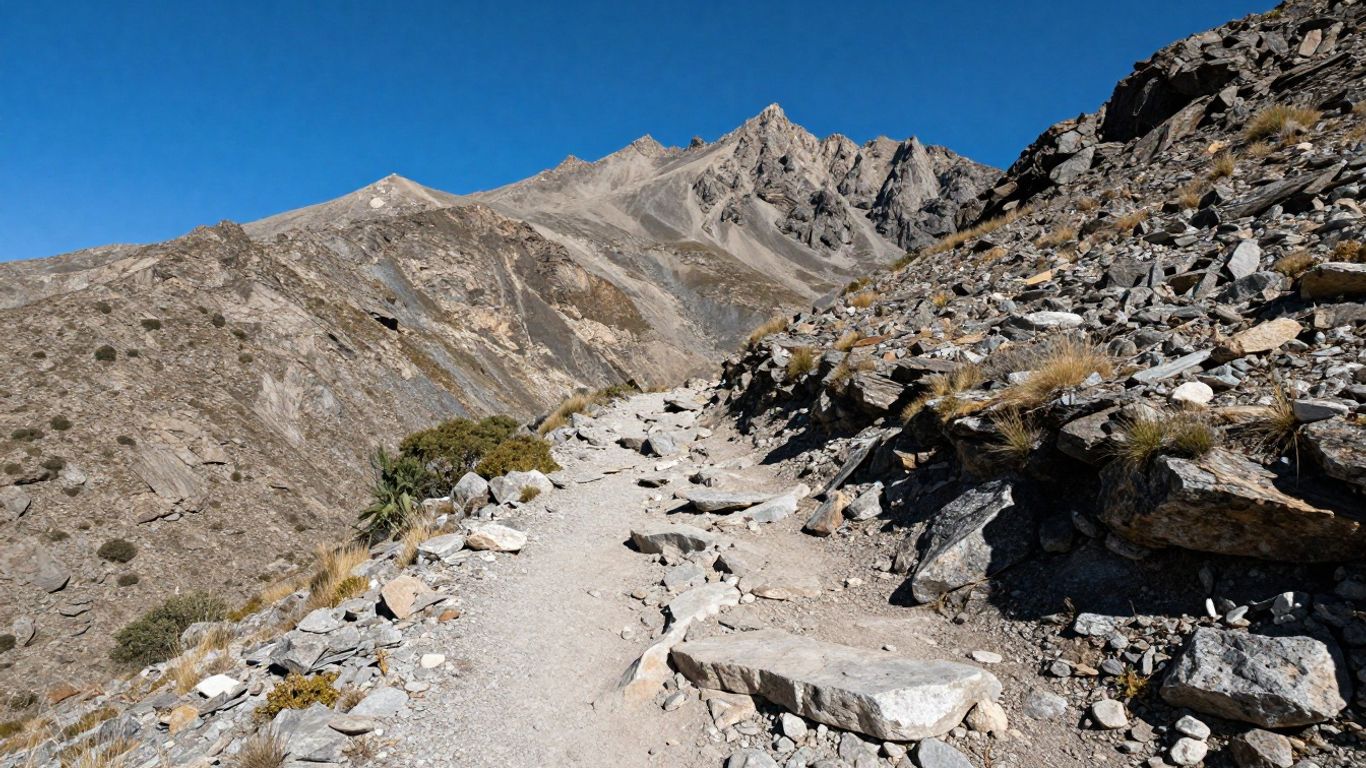
I remember my visit to Fontanalba like it was yesterday. Tucked away in the Mercantour National Park, this trail really lives up to its nickname, "the valley of wonders." It’s not just about the stunning natural beauty, though there’s plenty of that. What makes Fontanalba so unique is that it’s also an open-air archaeological site, and it’s accessible to everyone. Pretty cool, right?
The hike itself is moderately challenging, but the payoff is immense. You’ll wander through varied terrain, with the landscape gradually revealing its ancient secrets. Keep an eye out for the prehistoric rock carvings; it’s mind-blowing to think about the people who lived here thousands of years ago.
The real magic happens when you reach the main archaeological area, where you can see these ancient markings up close. It’s a place that sparks the imagination and offers a tangible connection to the past.
Here’s what you should know before you go:
- Best time to visit: Late spring to early autumn offers the best weather and trail conditions. Avoid early spring when snow might still be present.
- What to bring: Sturdy hiking boots are a must, along with plenty of water and snacks. Don’t forget sun protection and a camera!
- Trail difficulty: Moderate. Expect some elevation gain, but the paths are generally well-maintained.
This trail offers a rare blend of natural splendor and historical discovery. It’s a reminder of the deep human history etched into the French landscape.
Where to stay:
While there aren’t many lodging options directly at the trailhead, the nearby towns offer plenty of choices. Consider staying in one of the charming villages within Mercantour National Park. For a more extensive selection of accommodations and amenities, the larger towns a bit further out, like Nice, provide a good base. If you’re interested in exploring the local food and drink scene, you might find some interesting craft beer spots in the wider Provence region, which could be a nice way to unwind after a day of hiking.
5. Vallon du Prariond
I remember my visit to Vallon du Prariond like it was yesterday. It’s one of those hikes that doesn’t demand a whole day but gives you a serious bang for your buck, view-wise. You start off passing by some pretty rugged rocks, remnants of the Gorge of Malpasset, which gives you a sense of the raw power of nature here. Then, the trail opens up into the lush, green Vallon du Prariond itself. It’s a really pleasant walk, and the scenery is just lovely.
The real treat is reaching the Refuge du Prariond at the end. It’s the perfect spot to just sit back, maybe grab a cold drink, and soak in the surroundings. It’s not a super long hike, which makes it great if you’re short on time or just want a more relaxed outing. The path is generally well-maintained, making it accessible for most hikers.
Getting There and Back
- The trailhead is usually accessible by car, though roads can be narrow and winding in mountain areas.
- Allow at least 2-3 hours for the round trip, depending on your pace and how long you linger at the refuge.
- Check local conditions before you go, especially outside of the main summer season.
Where to Stay
While there isn’t extensive lodging directly at the trailhead, the nearest towns offer good options. Consider staying in one of the smaller villages in the vicinity. You’ll find charming guesthouses and small hotels that offer a more authentic experience than larger resorts. Booking in advance is usually a good idea, especially during peak travel times.
This valley offers a fantastic contrast between rugged geological features and serene, green landscapes. It’s a reminder that sometimes the most rewarding experiences are found on the shorter, less-trafficked paths.
6. Sommets des Garrets
I remember my first time seeing the Sommets des Garrets, and honestly, it was breathtaking. It’s often called the most beautiful hike in Mercantour National Park, and I can see why. The panoramic views you get from the top are just incredible, especially looking out over Lac d’Allos. It’s a hike that really sticks with you.
The trail itself is a moderate challenge, but the payoff is immense. It winds through varied terrain, offering glimpses of alpine meadows and rocky outcrops before opening up to those sweeping vistas. I’d recommend starting early, especially if you want to beat any potential crowds and have more time to soak in the scenery. Pack plenty of water and some snacks; there aren’t many places to resupply once you’re on the trail.
Here’s a quick rundown of what to expect:
- Trail Difficulty: Moderate
- Estimated Time: 4-6 hours round trip (depending on your pace and how long you linger at the summit)
- Key Feature: Unparalleled views of Lac d’Allos and the surrounding Mercantour landscape.
When planning your trip, consider that the weather in the mountains can change quickly. It’s always a good idea to check the forecast before you head out. I found that bringing layers was key, as the temperature can drop significantly even on a sunny day.
The sheer scale of the landscape from the Sommets des Garrets is something you have to experience firsthand. It’s a place that makes you feel small in the best possible way, reminding you of the vastness and beauty of the natural world.
Where to Stay:
For those looking to explore the Mercantour National Park, staying in one of the nearby villages is your best bet. Towns like Saint-Étienne-de-Tinée or Valberg offer a range of accommodations, from small hotels to gîtes. These places serve as excellent bases for accessing various trailheads, including the one for Sommets des Garrets. You can find charming local inns that offer a true taste of the region. It’s worth booking in advance, especially during peak hiking season, as options can fill up quickly. You might even find some places that can pack you a picnic lunch for your hike, which is always a nice touch.
7. Col de Balme
I remember my first time heading towards Col de Balme. It felt like a bit of a cheat, honestly, because you can take a lift most of the way up. But once you’re at the top, straddling the Swiss border, the views just open up. The path itself is pretty gentle, not too much of a scramble, which is nice after a long drive. What really struck me was how green it was, even later in the summer. Wildflowers were everywhere, dotting the landscape with pops of color. It’s a really pleasant walk, not overly strenuous, and you get that amazing feeling of being on top of the world, with France on one side and Switzerland on the other.
The trail offers a fantastic perspective without requiring a full-on mountaineering effort. It’s the kind of hike where you can actually chat with your companions without gasping for air every few seconds. I’d recommend packing a picnic; there are so many perfect spots to just sit and soak it all in. You’ll find yourself wanting to linger.
Where to Stay
While Col de Balme itself doesn’t have accommodations, the nearby towns offer plenty of options. For a charming village feel, consider staying in Chamonix. It’s a bit more bustling but provides a wide range of hotels and chalets. If you prefer something quieter, look for guesthouses or small hotels in villages like Les Houches, which is closer to the lift access point for Col de Balme. Booking in advance is usually a good idea, especially during peak season.
- Chamonix: Offers a wide variety of hotels, from luxury to budget-friendly.
- Les Houches: A more relaxed atmosphere, good for families.
- Argentière: Known for its alpine charm and proximity to other hiking areas.
The beauty of Col de Balme is its accessibility. You get high-mountain scenery without the extreme effort, making it a great option for a more relaxed day out in nature. It’s a reminder that not all the best views require conquering the highest peaks.
8. Grand Balcon Sud
I remember hiking the Grand Balcon Sud and being absolutely blown away. It’s not just one viewpoint; it’s a whole stretch of trail that just keeps giving. The sheer scale of the landscape here is something else. You’re walking along, and the views just unfold, one after another. It feels like you’re on top of the world, but without the crazy technical climbing you might expect.
What I really liked was the variety. One minute you’re walking through a patch of forest, the next you’re out in an open meadow with wildflowers, and then suddenly you’re on a rocky path with dramatic drops. It keeps things interesting, for sure. It’s a pretty moderate trail overall, which is great because it means more people can enjoy it. You get these incredible panoramas of the surrounding peaks and valleys, and it really gives you a sense of the vastness of the mountains.
Here are a few things that stood out to me:
- Changing Scenery: The trail shifts from woodlands to meadows to rocky sections, so you’re never bored.
- Panoramic Views: Expect jaw-dropping vistas of the French Alps that stretch as far as the eye can see.
- Accessibility: While it’s a substantial hike, it’s generally not overly strenuous, making it suitable for many fitness levels.
This trail offers a fantastic way to experience the grandeur of the mountains without needing to be an expert climber. It’s the kind of hike where you’ll find yourself stopping every few minutes just to take it all in.
Where to Stay:
For a place to rest your head after a day on the trail, consider staying in one of the charming villages nearby. Chamonix is a popular hub with plenty of accommodation options, from budget-friendly hostels to more upscale hotels. If you’re looking for something a bit quieter, smaller hamlets scattered around the valley can offer a more tranquil experience. Booking your accommodation in advance, especially during peak season, is a good idea. You might also find that using the French train system can be a convenient way to reach the starting points of many trails, depending on your overall travel plans.
9. Cagire Loop
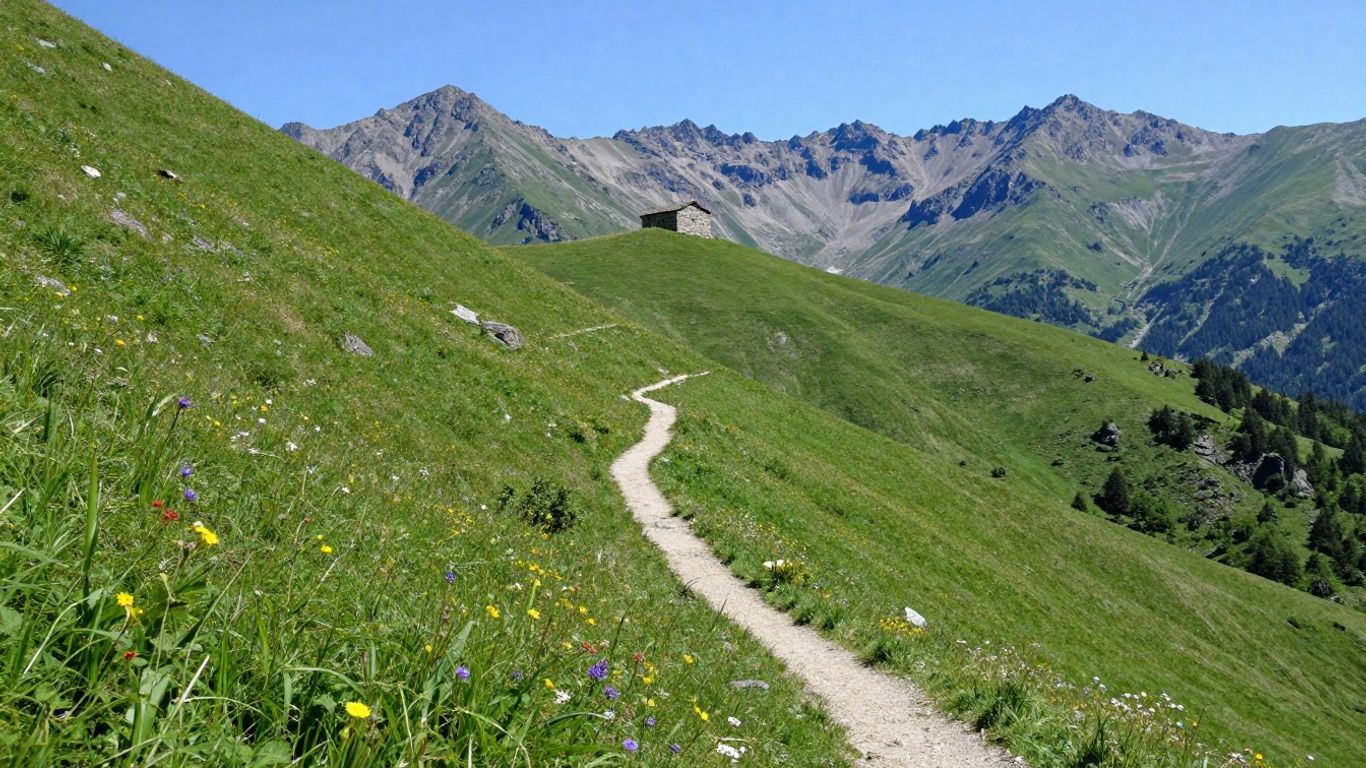
I remember tackling the Cagire Loop, and let me tell you, it’s a proper challenge, but the views are absolutely worth the sweat. This hike takes you along some of the highest peaks in the Pyrenees, and you can choose to summit four distinct peaks if you’re feeling ambitious, or take a slightly shorter route if you want to avoid the most demanding sections. The feeling of accomplishment after reaching the top is something else.
When I went, I started from the French side, and the trail was pretty well-marked, though it definitely gets steeper the higher you go. It’s the kind of hike where you’re constantly looking around, amazed by the sheer scale of the mountains. I saw a few other hikers, but it wasn’t overly crowded, which was nice.
Here’s a quick breakdown of what to expect:
- Trail Difficulty: Challenging, with significant elevation gain.
- Scenery: Panoramic views of the Pyrenees, rocky terrain, and alpine meadows.
- Best Time to Go: Late spring to early autumn, when snow has cleared from the higher passes.
- What to Bring: Sturdy hiking boots, plenty of water, snacks, sun protection, and layers of clothing as the weather can change quickly.
This loop is not for the faint of heart, but for those who enjoy a good climb and breathtaking vistas, it’s a must-do. Make sure you’re prepared for a full day out.
Where to Stay:
For this hike, basing yourself in one of the nearby towns like Saint-Gaudens or Aspet is a good idea. You’ll find a range of accommodations from small hotels to guesthouses. I stayed in a charming little B&B just outside of Aspet, which was a perfect quiet retreat after a long day on the trail. It’s also a good area to explore some local food and maybe even some organic craft beer if you’re lucky.
10. Pic du Canigou
I remember my first time setting eyes on the Pic du Canigou. It’s this massive, sacred mountain in Catalonia, and honestly, it just dominates the landscape. It’s not a casual stroll by any means; this hike is a serious undertaking. You’re looking at a full day out, with a significant climb, but the payoff is absolutely worth the effort.
The ascent is challenging, but the panoramic views from the summit are truly breathtaking. It feels like you’re on top of the world, with Catalonia spread out beneath you. I’d recommend starting super early, like before dawn, to make the most of the cooler morning air and to give yourself plenty of time to reach the top and descend safely. Make sure you’ve got good hiking boots, plenty of water, and snacks – this isn’t a hike where you can just pop into a cafe.
Getting There and Staying
To reach the trailhead, you’ll typically start from the town of Vernet-les-Bains or Casteil. Both are charming villages nestled in the foothills.
- Vernet-les-Bains: Offers more amenities, including hotels and guesthouses. It’s a good base if you want a bit more comfort before or after your hike.
- Casteil: A smaller, quieter village, closer to the start of some routes. It has a more rustic feel.
There are also mountain refuges closer to the summit, like the Refugi de Batère or Refugi de Sant Guillem, which can be a good option if you want to break the hike into two days or experience a night in the mountains. Booking these in advance is a must, especially during peak season.
What to Expect on the Trail
The trails can be steep and rocky, so good physical condition is important. You’ll pass through varied terrain, from forests to open rocky slopes. The weather can change quickly up there, so always be prepared for wind and cooler temperatures, even in summer. I always pack an extra layer, just in case.
Reaching the summit of Canigou is more than just a hike; it’s a pilgrimage for many. The sense of accomplishment when you stand at the top, having conquered its slopes, is immense. It’s a memory that sticks with you long after you’ve descended.
Beyond the Usual Peaks
So, while France might be famous for its cities and wine regions, it’s clear there’s a whole other side to explore. We’ve looked at some amazing trails that take you away from the well-trodden paths of the Alps and Pyrenees. Whether you’re after rolling hills, dramatic gorges, or just a quiet walk through the countryside, France has something for everyone. Don’t forget to pack those boots – there’s a whole lot of France waiting to be discovered on foot, far from the big mountains.
Frequently Asked Questions
What are the best months for hiking in France, outside of the Alps and Pyrenees?
Generally, the best time to hike in France is from June to September. During these months, the weather is usually pleasant, and most mountain huts and restaurants are open. September is often a favorite because the summer crowds start to thin out, and the weather is still beautiful.
Are there marked trails in France?
Yes, France has an extensive network of long-distance hiking paths called Grande Randonnées, or GRs. These trails are usually marked with red and white paint stripes, making them easy to follow.
Can I camp while hiking in France?
Camping is generally allowed, but there are rules. While you can’t usually set up camp for the whole day, ‘bivouacking’ (setting up just for the night) is often permitted, even in national parks, usually between 7 PM and 9 AM. It’s best to camp away from the main trails and out of sight.
Do I need permits to hike in France?
For most hiking areas outside of specific protected zones, you don’t need special permits. However, it’s always a good idea to check local regulations, especially if you plan to hike in national parks or very remote areas.
What kind of terrain can I expect on French hiking trails?
France offers a huge variety of terrain. You can find everything from gentle paths through rolling hills and vineyards to challenging rocky mountain trails. Even outside the major mountain ranges, the landscape can be quite rugged and rewarding.
Are there places to stay overnight along the trails?
Yes, France has ‘refuges,’ which are mountain huts or lodges. These offer a place to rest and often eat. While not always mandatory, they are a convenient option, especially for longer treks. Booking ahead might be wise for popular areas.
Is hiking in France suitable for beginners?
Absolutely! France has trails for all skill levels. While some hikes are quite challenging, there are also many easier routes perfect for families or those new to hiking. Trails like Mont Né are often recommended for beginners.
What should I pack for a hiking trip in France?
Pack according to the specific trail and season, but essentials include sturdy hiking boots, layers of clothing, rain gear, a map and compass (or GPS), plenty of water, snacks, and sun protection. If you plan to camp, bring your own gear.


