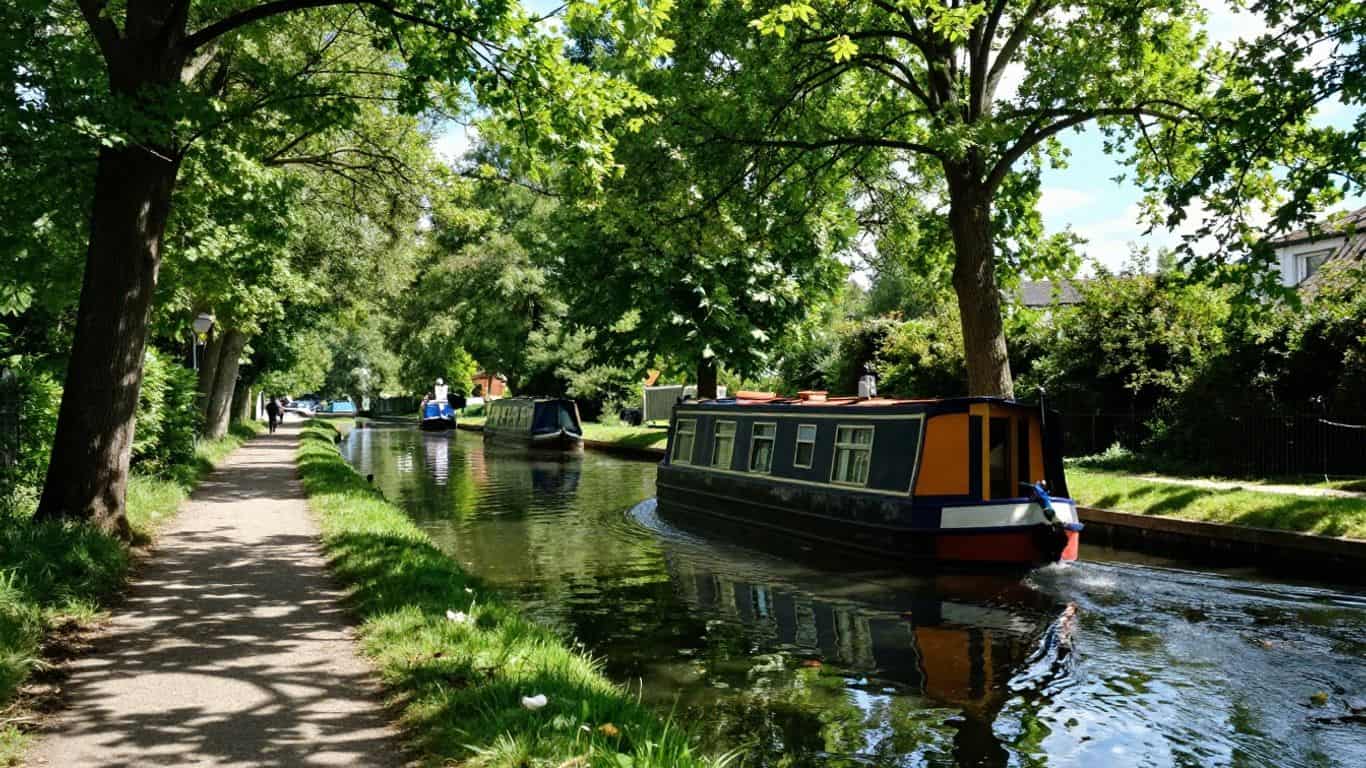

The Best Solo Travel Destinations in France: Safe, Scenic & Unforgettable

So you are thinking about doing a solo trip to France? Honestly, you’re going to get a real treat. This is the kind of place that tends to welcome people who are traveling on their own, and if you are new to this whole solo thing it might just be one of the best starting points. You can go from the lively streets of Paris, to those calmer little countryside villages where everything feels a bit more relaxed, and it works really well for a first adventure.
France blends safety with culture, plus there’s always something going on for fun and exploration. And the best part is, you get to move at your own pace, notice those less obvious spots, and slowly feel like you’re part of the local rhythm, not just a visitor passing through. This guide is basically here to help you plan a great solo travel in France, with the top destinations plus some practical tips that you can actually use.
Key Takeaways
- France is a remarkably safe and welcoming country for solo travelers, including women, with well-developed public transport making exploration easy, making it one of the safest countries to travel alone.
- Consider Paris for its iconic sights and vibrant atmosphere, Provence for its scenic beauty and relaxed villages, and the French Riviera for its coastal charm.
- Embrace solo dining as a chance to savor French cuisine and people-watch; small cafés and local eateries are perfect for this.
- Planning ahead with documents and insurance, and understanding local transport, such as the SNCF train network, will make your trip smoother.
- Traveling alone in France offers a unique opportunity for self-discovery, flexibility, and a deeper connection with the culture and places you visit.
Embracing Solo Travel in France: A Safe and Rewarding Experience
Thinking about doing a solo trip to France? You really should, like, absolutely. I remember my first time traveling through the country completely alone and, honestly, it ended up being one of the most freeing and eye-opening experiences I’ve ever had. France, with its wild range, from loud city streets to calm countryside villages, really does bring something particular for everyone, especially if you’re setting out on your own.
Why France is an Ideal Destination for Solo Travelers
France has this kinda amazing ability to make you feel both sort of independent but also really connected, which is why it comes off as one of the best places to travel solo, honestly. The public transport is fantastic, so it’s pretty easy to get around without, like, a car or anything. You can hop onto a train and end up in some totally new region by lunchtime, and you don’t have to stress about the timing too much. Also, the culture feels welcoming, not in a performative way, just… natural.
People are used to travelers, and there’s this general sense of ease about everything, even when you’re doing your own thing. I personally found I could sit in a café for hours, just watching the world slide by, or spend an entire afternoon inside a museum without needing to match anyone else’s plans. It’s that mix of accessibility and cultural richness that makes it such a solid place for solo adventurers. You set the rhythm yourself, whether that means wandering every corner of the Louver or just taking a quiet pause along the Seine.
Overcoming Hesitations: Safety and Solo Female Travel
I mean I get it safety is a huge concern when you’re traveling alone, especially as a woman. Still though, France feels really solidly safe for solo female travelers and it’s often mentioned as one of the safest countries for solo travel. Of course, like everywhere you should stay alert, particularly in busy tourist areas where pickpocketing can happen. But for me, I never once felt genuinely unsafe. The whole setup works well, and honestly there are help points and resources for travelers if you need them.
I also tried to be careful about where I stayed, I picked places with strong reviews, plus a 24-hour reception. That little detail gave me a lot of calm. It’s really about being sensible, not frightened. You can absolutely find good options, like hotels with 24-hour reception, or those cozy Airbnbs in smaller towns, that take your safety seriously.
The Transformative Power of Traveling Alone in France
There’s this thing about being on your own in a place like France, it kind of… changes you. You start relying on yourself, doing the deciding, and you end up actually being there, like in the exact moment, not just going through the motions. I found out a lot, about what I genuinely like, and what I can actually handle. It’s not only the whole “see the sights” idea, it’s the personal growth , that slowly shows up with it.
You might end up in a small bistro talking with locals, swapping shy smiles for a real conversation, tasting stuff you wouldn’t have tried back home, or maybe just enjoying that quiet sort of confidence, from figuring out a new place solo. It’s really a chance to get in touch with yourself more deeply, like while you’re surrounded by beauty and centuries of history.
Ultimately, traveling solo in France is an invitation to discover not just the country, but also yourself.
Here’s a quick look at what makes France so appealing for solo trips:
- Flexibility: Your itinerary is entirely yours. Want to linger at a market or skip a planned museum? No problem.
- Accessibility: Excellent public transport connects major cities and charming villages.
- Cultural Immersion: Opportunities abound to engage with local life, from food to art.
- Personal Growth: It’s a chance to build confidence and self-reliance.
Traveling alone through France gives this kind of rare independence, but also this deep immersion. You can just veer off for no reason, like boom, a side street, and then suddenly you’re doing this quiet kind of thinking, not the forced sort. It turns what could be a basic vacation into something more like a personal passage. And honestly France has a pretty solid tourism setup already, so solo travelers feel less exposed, more relaxed, and it’s easier to wander across different places with a good sense of direction.
Navigating France: Seamless Transportation for the Solo Explorer
Getting around France on your own is surprisingly easy, and honestly it kinda is part of the fun. I’ve found that the country’s transport systems are pretty solo-traveler friendly, connecting you to everything from loud city cores to serene rural villages. You really don’t need to stress too much about ending up stuck, like, not really. It just works, you know?
Mastering the French Rail Network: SNCF and TER Trains
The national train network, sort of run by SNCF, is your best companion when you’re going farther. The TGV high-speed trains are really great for getting around quickly between big hubs, like Paris, Lyon, and Marseille. I personally tend to grab my TGV tickets a couple weeks ahead using the SNCF Connect app, it often helps me save a solid bit of money too and I can choose my seat.
If you’re trying to wander around regions more gently, say the vineyards in Burgundy or the coast of Brittany, the regional TER services are perfect. They’re a little slower, yeah, but you get charming scenery and they pause in smaller towns that the TGV just… passes right over. I once rode a TER train through Provence, and those rolling hills, sprinkled with olive groves, were just breathtaking. It honestly felt like stepping into a painting, not only traveling somewhere.
Exploring Beyond Cities: Regional Buses and Ride-Sharing
When trains don’t quite manage to reach a certain village, or if you want something that’s a bit more wallet friendly between cities, regional buses can be a solid idea. Stuff like FlixBus or BlaBlaCar links a bunch of towns, pretty directly. I’ve used BlaBlaCar too, that ride sharing service, a couple times. It’s honestly a good way to rub shoulders with locals, and usually it’s noticeably cheaper than the train, but you have to be more adaptable with your schedule, like timings and all that. It feels a little like catching a ride with a friendly stranger, kinda spontaneous, and it can turn into a fun little adventure if you’re willing to go with the flow.
Urban Mobility: Efficient Metro Systems in Major Cities
Once you’re in a big city, you’ll notice the metro systems can be really efficient, like genuinely. Paris, obviously has its well known Métro, which is rather extensive and it gets you near to almost anywhere. Lyon and Marseille too, have great underground lines, honestly. I find them easy to figure out, even with my limited French sometimes. Just grab a day pass or a carnet (a pack of 10 tickets), and you’re good to go.
It’s kinda easier than trying to hunt for a place to park, or even face all that city traffic, if you’re thinking about renting a car—like, honestly, I wouldn’t really suggest it for most solo trips in France unless you have some specific plan to wander around those very remote, rural areas.
Getting around France solo is all about choosing the right tool for the job. For long hauls, trains are king. For local flavor and smaller towns, buses and ride-sharing can be great. And in the cities? The metro is your best bet. Don’t overcomplicate it; the system is designed to be used.
Where to Stay:
When choosing accommodation, especially in the cities, I always look around for places that are well connected through public transport, not just sort of nearby. Hotels that are near major train stations or metro hubs are really convenient, like you can just get in and go, easily.
If you end up in a smaller town, a spot that’s within walking distance from the bus stop or the town center, tends to make exploring simpler, honestly. Also, quite a few hostels now have private rooms, so that can be a decent option between a hotel and a dorm. And usually there’s staff who are pretty helpful. They can share local transport tips, and that saves time.
Choosing Your French Sanctuary: Accommodation for Solo Travelers
When you’re traveling solo in France, picking the right place to stay can really make or break the trip, you know. It’s not only about having a roof over your head, it’s more about feeling safe, settled, and like you’ve got a small home base somewhere nearby. I’ve noticed over the years that a touch of planning here, even the tiny kind, goes a long way and saves you the hassle later.
Prioritizing Safety: Hotels with 24-Hour Reception
For me, especially when I’m arriving for the first time, or when I’m in this big city, a hotel with 24-hour reception is basically the top priority. It just gives me peace of mind, like there’s always someone at the front desk, day or night. It feels more secure in a practical way, and if I have any questions or little issues, support is there, right on time, not “maybe later”.
I still remember staying at a small hotel in Paris once where the reception closed at 10 PM. I came back late from a walk and I felt kind of uneasy, like I was locked out of normal help, you know. Since then I always check for that around-the-clock service. It’s a small, simple thing but it does make a big difference for solo travelers.
- Look for hotels in well-lit, central areas. This makes it easier to get around and feel safer when walking back at night.
- Read recent reviews specifically mentioning safety and staff helpfulness.
- Consider hotels that offer amenities such as in-room safes for your valuables.
A hotel with a steady, ever present staff vibe gives an extra layer of protection and ease that is kind of hard to top when you’re just by yourself.
Charming Stays: Airbnb in Smaller Towns
When I go into the smaller towns and villages, especially in places like Provence, I wind up getting kind of pulled toward Airbnbs. It’s like, you get that more local vibe, and somehow you can also spot really singular spots, for instance, a tiny cottage with a garden, or a flat inside a building that’s been around for ages. That usually feels like a better way to be wrapped up in the community, not just passing through. I’ve had some wonderful experiences chatting with hosts who give you the inside scoop on the best local spots. It’s a different kind of comfort than a hotel, more personal.
- Check the host’s reviews carefully. Look for hosts who are responsive and have positive feedback from previous guests.
- Verify the location. Use the map feature to ensure it’s in a neighborhood you feel comfortable with.
- Understand the cancellation policy before booking, just in case your plans change.
Budget-Friendly Options: Hostels with Private Rooms
Don’t dismiss hostels just because you’re traveling solo and maybe not on a shoestring budget. Many hostels now offer private rooms, which can be a fantastic compromise. You get that social atmosphere, plus really good shared spaces—if you feel like chatting, meeting other travelers is easy, but you still keep the privacy of your own little area.
I’ve run into a few hostels that are very clean and modern, somehow also pretty quiet, and honestly comfortable too. They tend to be in top spots, like really well placed. It feels like a smart way to spend less without losing that comfort or security. And the staff are often super knowledgeable about what’s around, they can point you toward excellent French craft beer places, or even helpful tours.
- Look for hostels that specifically advertise private rooms.
- Check amenities: Does the private room have its own bathroom? Is there a locker available?
- Consider the overall vibe: Some hostels are geared towards younger backpackers, while others are more mixed. Read descriptions and reviews to find one that suits you.
Essential Preparations for Your Solo French Adventure
Getting ready for a solo trip to France is half the fun, and a little planning goes a long way to making sure your adventure is smooth sailing—one of the best solo travel tips to remember. I remember my first time heading over, and honestly, I was a bit nervous about all the paperwork. But it’s really not that complicated if you break it down.
Understanding Visa and Document Requirements
First things first, let’s talk about documents. If you’re an EU citizen, your national ID card is usually all you need. For folks in the US, Canada, Australia, and plenty of other places, a valid passport is basically your ticket for visits up to 90 days. In most cases you don’t need a special visa for short tourist trips, still it’s smart to double check the official French government website, just to be sure you have the latest details based on your nationality. Also, make sure your passport stays valid for at least six months after your planned departure, because that’s a pretty usual condition.
Securing Comprehensive Travel Insurance
This is one area where I really don’t think you should skimp at all. Travel insurance is like your safety net, you know. I always end up choosing a policy that has medical emergencies in it, also trip cancellations, and even lost luggage stuff. Companies such as Chapka or AXA have plans that are made for travelers in particular, and they’re generally pretty affordable too, usually landing around €20-40 for a typical trip. It gives you that really odd calm feeling, like, you’re covered if something unexpected pops up.
Keeping Digital Copies of Important Documents
This is a simple little trick that honestly has saved me lots of hassle before. Before I leave I make digital copies of my passport, visa (if it applies), insurance policy and my flight/hotel bookings. I dump them into a secure cloud service, like Google Drive or Dropbox, and I also email a copy to myself along with a trusted friend or family member. This way, if my paper documents get misplaced or stolen, I can still reach all the important details I need, right away. It’s kind of a small move, but it’s incredibly handy when you are far from home.
Top Destinations for Solo Travel: France Best Destinations Tips
When I first started thinking about traveling solo in France, I felt a bit overwhelmed by the many solo travel destinations across the country. Paris is amazing, of course, but I also wanted to see the other sides of this beautiful country. After a few trips, I’ve found some spots that really shine for people traveling alone.
Paris: The Quintessential Solo City Experience
Paris is pretty much the classic solo travel destination, and for good reason, ranking among the best places to travel solo in Europe. It’s got that iconic vibe but it’s also… kinda surprisingly easy to handle on your own. I love starting my days with a coffee and a croissant at this small café in the Latin Quarter, you know, just watching the city kind of wake up. The metro system is fantastic, which makes it plain simple to get from the Louvre to Montmartre with zero stress, honestly. Don’t be scared to just wander, like taking the long way or getting a bit disoriented in Paris sometimes turns into the best little discoveries.
Where to Stay: For solo travelers, I always recommend hotels with 24-hour reception for that extra peace of mind. Look for places in the 3rd or 6th arrondissements – they feel safe and are close to lots of sights and good food.
Provence: Lavender Fields and Charming Villages
Provence feels like a dream, especially if you’re into sunshine and really gorgeous scenery. I kinda remember driving through stretches of lavender, the scent just moving in the air, and then stopping in these small villages that felt like, you know, a quiet time rewind.
It’s a little more spread out than Paris, so renting a car can help, though there are regional buses that link up a few key towns. Aix-en-Provence makes a solid home base, with those beautiful markets and an easygoing vibe. And if you want, you can do day trips to spots like Avignon or the villages around the Luberon, which are pretty charming in an unhurried way.
- Must-Visit Villages: Gordes, Roussillon, Lourmarin
- Solo Activities: Wine tasting tours, exploring local markets, hiking in the hills.
- Best Time to Visit: Late spring or early autumn to avoid the intense summer heat and crowds.
Nice and the French Riviera: Sunshine and Sea Breeze
If you’re searching for that coastal kind of charm, with a bit more relaxed pacing, Nice is a pretty fantastic choice. You can walk the Promenade des Anglais kind of solo, just go a long way and take it slow, and for sure the Old Town, Vieux Nice, is packed with bright buildings, small quirky shops and really good spots for food. Plus it works as a nice base to riff on other Riviera places like Cannes, and Monaco, too. The coastal rail line makes day trips super simple, and honestly also scenic in that always-on-the-window kind of way.
Where to Stay: Nice has this good range of stays. You can go for hostels with private rooms, which can be kind of budget-friendly, or maybe seek out those quaint boutique hotels around the Old Town. Just make sure that wherever you end up is fairly near the tram line, or near the train station, so you don’t have to deal with awkward transfers.
Going on a solo trip along the French Riviera is kind of a wonderful blend of glitz and calm. You can take your mornings to wander through historic spots, then in the afternoons just sort of linger by the Mediterranean Sea, at your own pace, you know. It’s a place where you really can sync back with yourself and enjoy the breathtaking scenery all around you.
Here’s a quick look at what you might expect for daily expenses in these regions (mid-range):
| Destination | Estimated Daily Cost (EUR) |
| Paris | 100 – 140 |
| Provence | 80 – 120 |
| Nice/French Riviera | 90 – 130 |
These figures sort of cover lodging, meals, local transit, and a few little activities. Keep in mind, Paris is usually a bit more expensive, and the countryside or rural zones can be more affordable. It helps to plan for getting around, like reserving train tickets ahead of time, because that can really cut costs. For instance, if you book TGV tickets early, you often end up with better prices. SNCF train network is your best friend for intercity travel.
Off-the-Beaten-Path Gems for the Independent Traveler

While Paris and the Riviera get all the attention, France is kind of brimming with lesser-known solo travel destinations that feel perfect for going alone and wandering around. It’s like, these areas give you a more real experience, fewer crowds, and a real chance to connect with the local pace , you know. I’ve noticed that when you venture away from the main tourist trails , it usually ends up giving you the most memorable little moments, somehow.
Cévennes National Park: Wild Landscapes and Local Charm
If you’re chasing that raw, untamed kind of beauty, the Cévennes National Park in Occitanie is kind of the place to be, really. I recall spending summers here when I was a kid, and honestly it felt like another world. It’s a UNESCO biosphere reserve, and those hiking trails are amazing, you know, the paths curve and twist through scenes that seem really old.
You’ll spot more shepherds with their flocks than tourists, particularly if you step onto the old transhumance routes. It’s one of those places where you can properly detach, and just stay in the moment. My grandfather’s hometown, Le Vigan, is tucked right inside the park, and it feels like a quiet snapshot of the traditional life around there.
Where to Stay: Look for small guesthouses (chambres d’hôtes) in villages such as Valleraugue or Saint-Jean-du-Gard. They offer a personal touch and a chance to chat with locals.
Île de Porquerolles: A Car-Free Island Escape
Off the coast not far from Hyères, the Île de Porquerolles thing is my usual escape when the city buzz starts to feel too loud. It’s fully car-free, so right away there’s this easy, calm mood. You get there by ferry, and when you finally arrive it’s pretty much all pristine shores, unbelievably clear turquoise water, and pine woods. I like grabbing a bike rental and just pedaling around, searching out those tucked away little inlets. Honestly it has that vibe where you can spend ages, just reading on the sand or doing a quick swim, like time is on pause. It really feels like it’s a world away from the mainland.
Where to Stay: There are a few hotels on the island, but booking an apartment or a room through a local rental agency can give you a more immersive experience. Book well in advance, especially in summer.
Brittany’s Coastal Charms: Quimper and Beyond
Try the walled city of Saint-Malo, where you can stroll the ramparts and then, if the timing is right, see the dramatic tides pulling and pushing. After that, further down the coast, there are those little fishing villages that look all charming and then the hiking paths, stunning, you know the kind, for getting out and moving.
People are generally warm, welcoming even, so solo dining feels pretty normal, in a good way. And the well marked coastal routes, the ones called GR34, are really fantastic for day hikes or, if you’re feeling ambitious, longer treks.
Where to Stay: Think about sleeping in a classic Breton auberge in those smaller places like Concarneau, or Dinan, because it just feels more authentic. If your budget is tighter you can also look at hostels, especially in the bigger towns such as Brest or Rennes.
Wandering out into these less-traveled parts of France lets you get, sort of, a more personal link with the country’s varied landscapes and cultures. It’s right in those quiet corners where you usually catch the most sincere encounters, and, oddly, the calm is stronger there too. Take the slower rhythm, let the landscape beauty and local charm do their thing, and you’ll feel it.
Immersive Activities for the Solo Traveler
France is like one of those places where you can really, just sort of lose yourself in the moment. When you travel alone, you get that freedom to do it, without anyone kinda steering you, or rushing you. I’ve noticed that the most memorable experiences are usually the ones that tie you to the local culture and day to day rhythm, not only the polished postcard stuff. And yeah it’s not simply about seeing the sights. It’s more about feeling the place, really letting it sink in.
Culinary Delights: Cooking Classes and Wine Tastings
Honestly one of my favorite ways to connect with France is by way of its food and wine, it just feels right. Like taking a cooking class, especially in a place that’s really known for cuisine, say Lyon, it’s a great way to spend the day. You’re not only learning recipes, you’re also getting the feel of the ingredients, the past, and that quiet passion behind French cooking, and somehow it all clicks. Also you get to eat what you make, which is always a win, even if you were nervous at first.
I remember a class in Provence, where we cooked this simple ratatouille, and the instructor went on about how each vegetable is cultivated nearby. Then they said the whole dish kind of shifts with the seasons, like it has a rhythm. And yeah, that made the meal feel way more meaningful.
Wine tastings are another must do kind of thing. Burgundy and Bordeaux are obvious, but also those smaller regions have surprising, very local wines. Plenty of vineyards do tours and tastings which are pretty perfect for solo visitors, too. It feels laid back, and you start picking up what’s going on with the wine without it being a big lecture, sometimes. And honestly it can be a nice spot to start chatting with other travelers, or sometimes even with the winemakers themselves, if you’re lucky. Don’t hold back on questions either, most folks seem pretty happy to share their knowledge.
- Cooking Classes: Look for classes focusing on regional specialties. Many are held in small, intimate settings.
- Wine Tastings: Consider visiting smaller, family-run vineyards for a more personal experience.
- Market Tours: Combine a market visit with a cooking class to learn about fresh, local produce.
- Where to Stay: In cities like Lyon or Bordeaux, consider staying in boutique hotels or charming Airbnbs in the city center to be close to culinary schools and wine bars.
Cultural Exploration: Museums and Historical Sites
France is rich in history and art, and exploring its museums and historic sites solo is a deeply personal experience. You can linger as long as you want in front of a painting that speaks to you, or wander through ancient ruins at your own pace. I’ve spent hours in the Louvre, not rushing, just absorbing. But don’t limit yourself to the big names. Smaller, regional museums often offer a more focused and less crowded look at local history and art.
When visiting historical sites, like the châteaux of the Loire Valley or the ancient city of Carcassonne, I find that audio guides are incredibly helpful. They provide context and stories that bring the stones to life. It’s like having a personal guide without the pressure of keeping up with a group. I particularly enjoyed exploring the gardens of Versailles on my own; it allowed for quiet contemplation and appreciation of the landscape architecture.
- Museums: Check for free admission days or times, which are often available at smaller museums.
- Historical Sites: Research the history beforehand to get more out of your visit.
- Guided Tours: Opt for specialized tours (e.g., art history, specific periods) for deeper insight.
- Where to Stay: In Paris, staying in areas like the Latin Quarter or Saint-Germain-des-Prés puts you within walking distance of many major museums and historical landmarks.
Connecting with Locals: Walking Tours and Local Eateries
This is where the real magic happens, I think. Joining a free walking tour on your first day in a new city is a brilliant way to get your bearings and, more importantly, to meet people. Guides are usually locals who are passionate about their city and often share personal anecdotes that you won’t find in guidebooks. It’s a low-pressure way to start conversations and maybe even make plans with fellow travelers.
Beyond organized tours, simply sitting in a local café or a small bistro is an activity in itself. Order a coffee or a glass of wine, bring a book, or just people-watch. I’ve had some of my most memorable interactions by simply being present and open. Don’t be afraid to try small, neighborhood restaurants – the ones that look a bit worn but are full of locals. That’s usually where you’ll find the most authentic and delicious food. I once stumbled into a tiny crêperie in Brittany, and the owner, a lovely woman named Marie, ended up chatting with me for nearly an hour about her family recipes.
The beauty of solo travel in France lies in these small moments of connection – a shared smile with a shopkeeper, a brief chat with a fellow diner, or the quiet satisfaction of discovering a hidden gem on your own. These experiences build confidence and create lasting memories.
- Walking Tours: Look for tours that focus on specific neighborhoods or themes (e.g., street art, history).
- Local Eateries: Venture away from the main tourist squares to find more authentic and affordable options.
- Language Exchange: If you’re learning French, try using it in casual settings, like ordering food or asking for directions.
- Where to Stay: Hostels with common areas can be great for meeting people, or consider guesthouses (chambres d’hôtes) in smaller towns for a more local feel.
Best Times to Visit France for Solo Exploration
Figuring out when to go to France for a solo trip really depends on what you’re looking for. I’ve been there during different seasons, and each has its own vibe, you know? If you’re like me and prefer a bit of breathing room, avoiding the biggest crowds is key.
Spring and Autumn: Pleasant Weather and Fewer Crowds
Honestly, my favorite times to visit France solo are spring (April to June) and autumn (September to October). The weather is usually just right – not too hot, not too cold – making it perfect for walking around cities or exploring the countryside. I remember one trip in late September where the air was crisp, the leaves were starting to turn golden, and I could actually get a table at a popular bistro without a reservation. It felt like I had the place to myself, in the best way possible. Plus, you’ll find that accommodation prices can be a bit more reasonable during these shoulder seasons.
- Spring: Think blooming flowers, longer daylight hours, and a general sense of renewal. It’s great for visiting gardens and outdoor markets.
- Autumn: This is harvest season in many regions, so you can enjoy local food festivals and beautiful fall foliage. The light is also amazing for photos.
Honestly, the sweet spot for solo travel in France tends to be during the shoulder seasons. It’s kind of like, you get the best of both worlds, agreeable weather for wandering and that more relaxed mood without the heavy summer rush. And yes, it feels smoother overall, almost like the crowds know to take it easy, a bit.
For accommodation, I usually look for places that are pretty connected but, like a little bit outside the absolute tourist center, you know. In Paris, I’ve noticed that staying in areas like the 6th or 3rd arrondissements gives a decent balance of safety, a more local vibe, and really easy reach to the main sights. If you’re going toward Provence, try a quaint Airbnb in a smaller village instead of a big-city hotel, somehow it feels more genuine, less rehearsed.
Summer Considerations: Avoiding Peak Tourist Season
Summer (July and August) is peak season in France, and for good reason, the weather is warm and there’s this very lively vibe around. Still, if you’re traveling solo it can feel like a lot. Places like the French Riviera and Provence get packed, really crowded and hot. I once tried to go through Avignon in August, and honestly it was sweltering, with lines everywhere, for pretty much everything. If you’re thinking about going then, I’d say head north maybe toward Brittany, or wander into regions that are a bit less visited. Also booking accommodations and train tickets well in advance is basically non negotiable in those months.
Winter Magic: Christmas Markets and Alpine Adventures
Don’t just dismiss winter. It’s colder, sure, but it has this odd little charm, especially when the holidays roll around. The Christmas markets in places like Strasbourg and Colmar are honestly breathtaking, in a kind of enchanted, almost too-perfect way. I remember doing a solo Christmas in Strasbourg a few years ago, and it felt like walking straight into a fairy tale. I’d sip vin chaud, that warm mulled wine, while wandering past handmade crafts and small stalls, and yeah that was the best part.
If you’re feeling more bold, the French Alps are a whole other story. You get serious skiing and snowboarding, plus lots of chances to mingle with other travelers, either in ski schools, or later at après-ski, where the vibe is way more relaxed. So it’s a different kind of solo trip, not just wandering around, more like leaning into warm indoor comforts or choosing outdoor sports when you feel like it.
- December: Christmas markets are in full swing. Think twinkling lights, festive food, and a joyful atmosphere.
- January-February: This is the prime ski season in the Alps. It’s also a good time for city breaks if you don’t mind the chill, as crowds are minimal.
When you are planning your winter trip, remember to pack warm layers, even if you think you will be ok for a while. For accommodation, try to pick hotels with strong heating, and maybe that cozy fireplace thing, it helps. In the Alps, ski resorts tend to give you options from hostels all the way to chalets, so it is not too hard to find a place that fits your budget, as well as your social preferences.
Budgeting for Your Solo French Journey

Sorting out your finances for a solo trip to France is basically this whole balancing act, between having real fun and still watching what’s going out of your wallet ,you know. I’ve done that route a couple times already, and yeah, it feels more doable than people usually assume, especially if you’re careful about where your money goes. You can end up with an awesome experience without completely denting your budget either.
Estimating Daily Expenses for Mid-Range Travel
When I’m aiming for a comfortable, mid-range experience, I usually budget €80-€120 per day. This covers a decent hotel or a nice Airbnb, eating out at a mix of casual bistros and a few nicer restaurants, plus museum entry fees and maybe a spontaneous activity. Paris tends to be a bit pricier, maybe 20% more, so I’d bump that up if I’m spending most of my time there. Smaller towns and rural areas, like the Cévennes, are generally more budget-friendly. It’s always good to have a little extra set aside for those unexpected delights – you know, like stumbling upon a fantastic local market or deciding to take a last-minute cooking class.
Tips for Budget-Conscious Solo Travelers
If you’re trying to make your euros last longer, honestly it’s pretty doable, even if it sounds hard. I’ve made it on roughly €50 to €70 a day, mostly by staying in hostels, but I always look for ones that offer private rooms, just a bit more comfort and security. Another big thing is eating in a local way; instead of sitting down for every meal, I’ll grab a baguette, some cheese and fruit from a market, then that becomes a simple picnic lunch. It really cuts the cost compared to restaurant food. And yeah, you get to enjoy some of the prettiest views with your own little spread.
Also, public transport becomes your friend—trains and buses are usually efficient, and they’re much cheaper than taxis or ride shares for longer distances. Finally don’t ignore free stuff, like wandering through those charming neighborhoods, or just having a park picnic where you end up feeling surprisingly relaxed.
- Embrace Picnics: Hit up local markets for fresh bread, cheese, charcuterie, and fruit for delicious and affordable lunches.
- Hostel Perks: Look for hostels offering free breakfast or communal kitchens to save on food costs.
- Free Walking Tours: Many cities offer free walking tours (tip-based), which are a great way to see the sights and get your bearings without spending a fortune.
- Utilize Public Transport: Get a day pass or multi-day pass for metros and buses in cities; it’s usually the most economical way to get around.
Planning for Luxury Experiences and Spontaneous Outings
Even on a budget, it’s nice to splurge a little. If you’re dreaming of a more luxurious trip, budgeting €150 to €250 per day will get you into boutique hotels, allow for fine dining experiences, and cover more high-end activities. I always recommend building in a buffer for spontaneity. Some of my best travel memories come from unplanned moments – like discovering a hidden vineyard in the Loire Valley for an impromptu wine tasting in the Loire Valley or finding a lively beer festival in Lyon. These little extras often turn a good trip into an unforgettable one, and they’re worth saving up for.
It’s wise to keep a small emergency fund separate from your daily budget. This could cover unexpected travel changes, medical needs, or simply that one souvenir you absolutely can’t leave behind. Having this safety net allows you to relax and enjoy your trip without constant financial worry.
Embracing the Solo Dining Experience in France
One of the things I really look forward to when I’m in France is the food, and honestly, eating alone is a big part of that joy for me. It might sound a bit strange if you’re not used to it, but once you get past any initial awkwardness, it’s actually pretty great. You can go where you want, when you want, and you don’t have to compromise on what you’re eating.
The Joy of Eating Alone: Cafés and Bistros
My favorite way to start the day is at a small café. You know, the kind with the little round tables spilling out onto the sidewalk. I’ll grab a café crème and a croissant, maybe a newspaper if I’m feeling ambitious, and just watch the world go by. It’s incredibly peaceful. You can sit for as long as you like without anyone rushing you. I remember one morning in Paris, near the Luxembourg Gardens, I found this perfect little spot. I sat there for over an hour, just sipping my coffee and people-watching. It felt like I was really part of the city, not just a tourist passing through.
Bistros are also fantastic for solo diners. They’re usually more relaxed than fancy restaurants, and it’s common to see people eating alone, perhaps reading a book or just enjoying their meal. Don’t be shy about asking for a table for one; most places are very accommodating. In fact, sometimes being solo means you can snag a table at a popular spot without a reservation, which is a nice bonus!
Finding Local Favorites: Crêperies and Authentic Meals
Beyond the typical cafés and bistros, France is full of smaller, more local eateries that are perfect for a solo meal. Crêperies, especially in regions like Brittany, are a must-try. They’re usually casual and serve both savory galettes (made with buckwheat flour) and sweet crêpes. I had an amazing meal at a place called Ty Loulic in Quimper once. It was packed with locals, and the atmosphere was so warm and friendly. I felt completely comfortable ordering a hearty galette and a glass of local cider, even though I was by myself.
It’s also worth seeking out places that specialize in regional dishes. Whether it’s cassoulet in the Southwest or bouillabaisse on the coast, trying these authentic meals is a big part of the French experience. Don’t hesitate to ask the staff for recommendations; they’re usually happy to share their favorites.
Savoring the Moment: People-Watching and Reflection
Eating alone in France is more than just sustenance; it’s an opportunity for reflection. You have the time to really appreciate the food, the wine, and the ambiance. It’s a chance to disconnect from the usual hustle and bustle and just be present. I’ve had some of my most memorable travel moments sitting at a small table, notebook in hand, jotting down thoughts or simply observing the interactions around me.
The French have really mastered the art of taking their time with meals. It’s not just about eating; it’s about the experience. Embrace that. Let yourself linger over your coffee, enjoy the conversation happening at the next table (even if you don’t understand it), and truly savor each bite. It’s a form of mindfulness, really, but with much better food.
The key is to be confident and own your solo dining experience, one of the most useful solo travel tips for enjoying France. France is incredibly welcoming to solo travelers, and enjoying a meal by yourself is a perfectly normal and often delightful part of the journey. So, go ahead, treat yourself to that extra glass of wine and enjoy the moment.
Ready for Your French Adventure?
So, you’ve explored the safest spots and the most rewarding experiences France has to offer for solo travelers. Remember, France is incredibly welcoming to those venturing out alone. With its fantastic public transport and well-trodden tourist paths, getting around is straightforward. Don’t let any lingering doubts hold you back. Embrace the freedom, savor the moments, and trust your instincts. Your solo journey through France is waiting, and it’s bound to be an unforgettable chapter in your travel story.
Frequently Asked Questions
Is France a safe place for women traveling alone?
Yes, France is generally very safe for women traveling by themselves. Like anywhere, it’s smart to be aware of your surroundings, but millions of women visit France solo each year without any problems. The country has a good tourism setup, making it easy and secure for solo explorers.
What are the best ways to get around France when traveling solo?
France has an amazing public transportation system! The SNCF trains are super reliable and connect almost everywhere. For exploring smaller towns or the countryside, regional buses and trains are great. In cities, the metro systems are efficient and easy to use. Ride-sharing apps can also be a good option for traveling between cities.
What kind of places should I stay in if I’m traveling alone?
For safety, hotels with a 24-hour front desk are a good choice. If you prefer something more local, Airbnbs in smaller towns can be charming. Hostels often have private rooms available, which are a budget-friendly option and a good way to meet people.
Do I need a visa to travel to France?
For short stays, like tourism, many nationalities, including those from the US, Canada, and Australia, don’t need a visa for stays up to 90 days. However, it’s always best to check the official French government website for the most current visa requirements based on your specific country.
What are some good cities or regions in France for a solo trip?
Paris is a classic choice with tons to do. For beautiful scenery and a relaxed vibe, Provence, with its lavender fields and charming villages, is wonderful. Nice and the French Riviera offer sunshine and sea breezes. If you like nature, the Cévennes National Park or the car-free island of Île de Porquerolles are amazing.
Is it weird to eat alone in France?
Not at all! Eating alone in France can be a really enjoyable experience. Cafés and bistros are perfect for solo diners. It’s a great chance to relax, enjoy your food, people-watch, or read a book. Many restaurants are used to solo guests, and you can often get a table easily.
When is the best time to visit France if I’m traveling alone?
Spring (April to June) and autumn (September to October) are fantastic times. The weather is usually pleasant, and there are fewer tourists than in the summer. This makes exploring cities and attractions much more relaxed.
What should I pack for a solo trip to France?
Comfortable walking shoes are a must, as you’ll likely be doing a lot of exploring on foot, often on cobblestone streets. Pack layers of clothing since the weather can change. Don’t forget a reusable water bottle, as there are many public fountains. And always have a portable charger for your phone!