

Exploring things that are French: culture, history, and common misconceptions

Key Takeaways
France offers a dense tapestry of history and tradition that defines global perceptions of excellence in food, architecture, and style. Understanding these markers of national identity reveals the nuance between historical fact and modern convenience.
- Regional specialties define the authentic culinary experience across the country.
- Haussmann-era planning fundamentally transformed the way Paris functions today.
- Haute couture maintains its status as a peak of artistic fashion production.
- Social interactions are built upon specific rituals like la bise and long communal meals.
- Many supposed French inventions are actually products of complex cross-border histories.
Iconic culinary contributions
French gastronomy is a cornerstone of global dining, built on the principles of quality ingredients and meticulous technique. From the humble daily loaf to the complexity of regional cheese, the approach to food is deeply tied to the land and historical trade routes.
The evolution of the baguette and boulangerie culture
The daily life of a resident often hinges on the quality of their local bakery. While the baguette became a cultural symbol, its form resulted from specific 20th-century labor laws concerning early morning shifts, rather than ancient antiquity.
Regional cheese production and the impact of terroir
Flavor profiles in France are defined by terroir, a combination of climate, soil, and tradition that makes local food specialties distinct to their home region. Consumers can see how environment dictates texture and taste in the following breakdown.
| Cheese Region | Signature Style | Primary Characteristic |
|---|---|---|
| Normandy | Camembert | Creamy and pungent |
| Auvergne | Blue cheeses | Sharp and earthy |
| Provence | Goat milk variety | Herby and tangy |
This variation demonstrates that geography acts as the silent author of French food history.
French wine and champagne classification systems
Classification systems ensure that consumers receive products strictly tied to their geographic origins. This rigorous oversight prevents dilution of regional brands, maintaining high standards for exports.
The technical foundations of classical French pastry
Technical mastery is expected in the bakery, where foundations are built on complex doughs. Chefs prioritize structural integrity, turning standard ingredients into highly refined culinary masterpieces rather than simple sugary snacks.
Architectural marvels and design
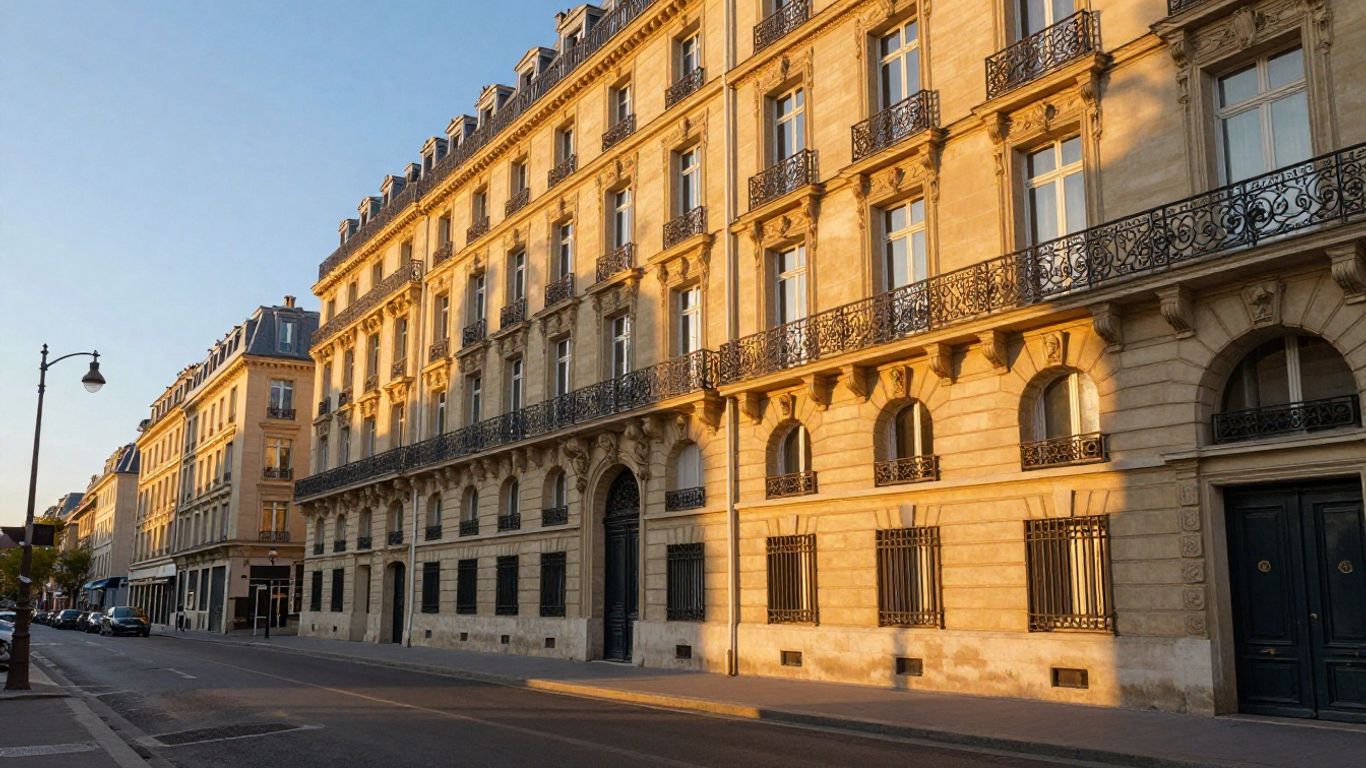
The French architectural legacy is defined by a blend of royal ambition and civic planning. These structures serve as monuments to the social and aesthetic values of their eras, continuously influencing how urban space is organized internationally.
Haussmann architecture and the modernization of Paris
Before the 19th century, Paris was a labyrinthine medieval city, but Baron Haussmann’s renovations introduced the grid-style boulevards that define its current silhouette. This overhaul prioritized ventilation, light, and monumental vistas, creating the template for the modern capital.
The evolution of Gothic cathedrals in the French heartland
Cathedrals represented the peak of technological advancement during the Middle Ages. Engineering allowed for soaring vaults and expansive stained glass, shifting the focus of spiritual architecture from dark, heavy massing to light-filled verticality.
The influence of French interiors on international interior design
French residential aesthetics emphasize curated elegance, often balancing antique items with modern functionality. Designers often suggest looking toward local heritage to inform how a space should communicate comfort and legacy.
Historical landscape design and the tradition of public gardens
Gardens are considered extensions of interior living space. Formal layouts enforce a sense of order, reflecting a desire to domesticate nature through mathematics and geometry.
The pillars of French fashion
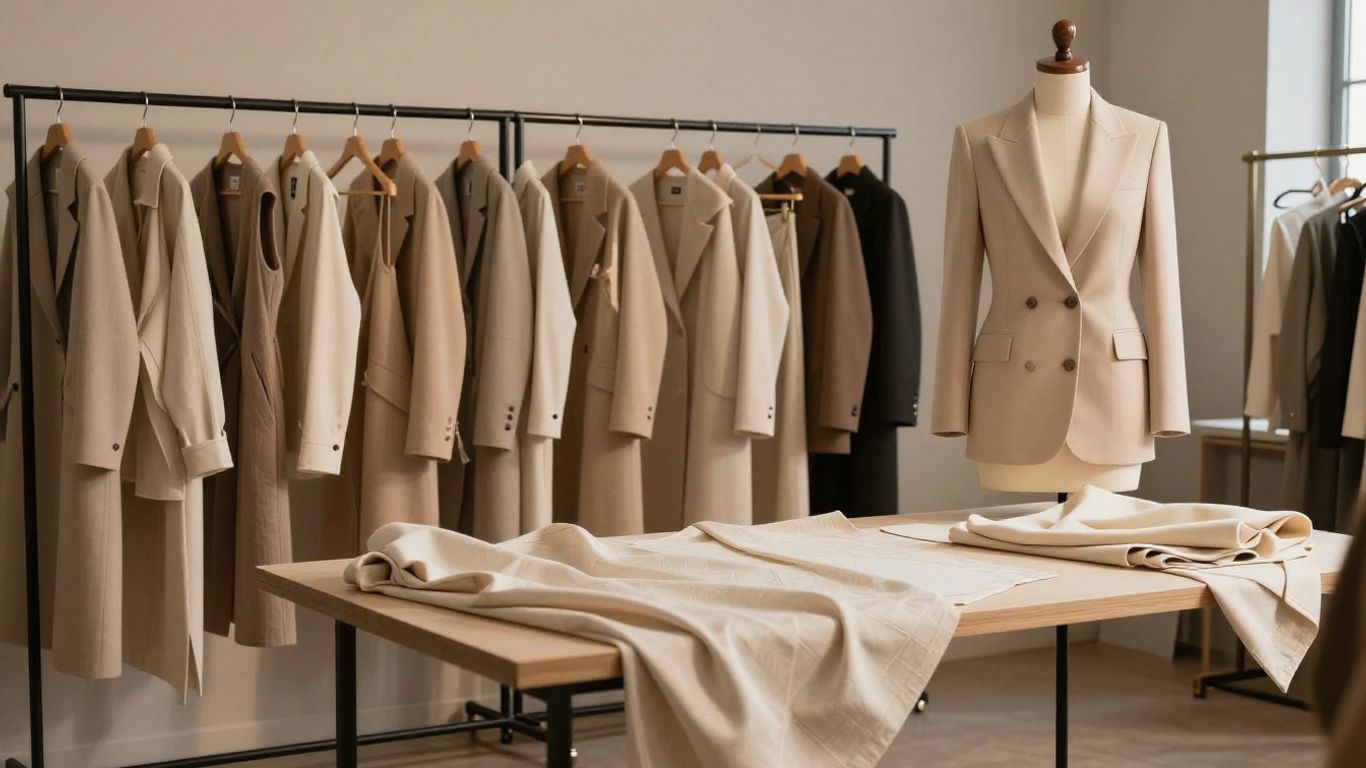
Fashion in France is not merely about clothing; it is about the assertion of a distinct cultural identity on the global stage. The industry relies on highly controlled production cycles and a unique heritage of craftsmanship.
The birth of the haute couture movement
The couture model was designed to produce individualistic, artisanal pieces for a select clientele. It requires thousands of hours of manual labor, ensuring that every garment reaches a standard of structural perfection that mass production cannot replicate.
The development of the effortless chic aesthetic
Effortless chic is a calculated style that prioritizes understated luxury over loud branding. To cultivate this look, one might focus on:
- Selecting classic wardrobe staples like neutral wool coats.
- Avoiding overt logos or overly bright, contrasting patterns.
- Focusing on the drape and quality of fabric rather than style trends.
- Keeping accessories minimal to allow the silhouette to speak for itself.
By following these principles, the wearer achieves a polished look that feels inherently natural.
The global impact of heritage luxury brands
Legacy houses exert massive influence by controlling the prestige narrative of their markets. They maintain value by emphasizing their historical connection to French artistry and long-standing manufacturing traditions.
The history of the French textile and silk industry
Historically, cities like Lyon became powerhouses for silk, anchoring the nation’s luxury potential in domestic manufacturing capabilities. This focus on local textiles remains a point of pride for makers in the region.
Social norms and lifestyle
Social life is heavily structured by quiet, unwritten protocols that govern domestic and public time. These norms prioritize connection over efficiency, framing the day around restorative periods.
The cultural significance of the traditional long lunch
The midday meal is treated as a essential pause in the workday. Unlike systems that emphasize continuous productivity, this ritual separates the morning’s tasks from the afternoon’s objectives.
Understanding social etiquette protocols like la bise
Social greetings are performed with precision, based on regional custom. Misjudging the number or direction of these kisses is a common source of confusion for outsiders trying to engage with local social life.
The French philosophy regarding work-life balance
There is a deep-seated cultural boundary regarding personal time. Workers prioritize the separation of their professional obligations from their home life, viewing rest as a necessary component of total health.
Café culture as a center of social and intellectual life
Cafés serve as the city’s living rooms, providing a neutral ground for contemplation or conversation. They remain essential in providing space for the exchange of ideas outside of the workplace or formal institutional settings.
Debunking common myths about items that are French
Many goods commonly associated with France have complex histories that originate elsewhere or are shared between neighboring countries.
The contested origins of the croissant
While identified with French baking, the lamination methods were influenced by Austrian techniques. The product evolved significantly after crossing the border, becoming the staple we recognize today.
French fries versus Belgian culinary traditions
Claims over who invented the fried potato are a source of friendly regional rivalry. Belgium maintains a strong case for the origins of this dish, which has since been adopted by menus globally.
Distinguishing between American-style French toast and pain perdu
Pain perdu is a frugal invention designed to salvage stale bread by soaking it in custard. The modern version, often served with sweet toppings in the US, changes the original purpose of the dish entirely.
Myths regarding the global reach of French cinema and literature
French art is often viewed through the narrow lens of elitist prestige, but internal culture remains diverse. It encompasses varied styles, from regional folk narratives to modern critiques, far beyond superficial tropes.
Conclusion
Exploring French culture requires peering past the surface of its most famous exports to reveal a complex, evolving society deeply satisfied by its traditions. By examining the history behind daily rituals, one finds that the true essence of the nation lies in the balance between rigorous craft and a genuine appreciation for the slower pace of life.
Frequently Asked Questions
Are all street markets in France considered authentic?
Market authenticity is generally determined by the presence of local producers rather than commercial vendors selling mass-produced souvenirs. Authentic markets usually feature high concentrations of regional food specialists from the surrounding rural areas.
How strictly should one follow dining etiquette in France?
Etiquette focuses on showing mutual respect to the server and the environment. While accidental breaches of protocol are common, signaling intent through polite greetings and simple local phrases goes a long way in establishing rapport.
Does terroir affect non-food products in France?
Terroir primarily refers to the environmental impact on agricultural products; however, the term is occasionally borrowed symbolically in other crafts to denote the influence of a specific geographic legacy on the final quality of clothing or design.
Is haute couture accessible to the average person?
Haute couture is a specialized, made-to-order manufacturing process meant for a very small global audience. Most shoppers interact with the heritage of these houses through ready-to-wear collections or accessory lines.
What defines a typical French café versus a restaurant?
Cafés are historically treated as casual social hubs primarily focused on drinks and light snacks throughout the day. Restaurants are designated spaces that operate according to specific lunch and dinner service times, focusing on multi-course meals.
How has the urbanization of Paris influenced modern architecture?
Haussmann’s influence created a standard architectural facade that limits the types of modifications permitted in the city. This preserves the look of the historic heartland while forcing modern infrastructure underground or to the city’s periphery.
Can you eat like a local without knowing the language?
Yes, body language and simple politeness are universal. Observing how locals approach selecting goods in bakeries or marketplaces is often enough to understand the unspoken flow of daily transactions.


